Archive for the ‘Rickettsia’ Category

Novel Rickettsia Species Infecting Dogs, United States

https://wwwnc.cdc.gov/eid/article/26/12/20-0272_article

Volume 26, Number 12—December 2020

Novel Rickettsia Species Infecting Dogs, United States

James M. Wilson, Edward B. Breitschwerdt, Nicholas B. Juhasz, Henry S. Marr, Joao Felipe de Brito Galvão, Carmela L. Pratt, and Barbara A. Qurollo

Abstract

In 2018 and 2019, spotted fever was suspected in 3 dogs in 3 US states. The dogs had fever and hematological abnormalities; blood samples were Rickettsia seroreactive. Identical Rickettsia DNA sequences were amplified from the samples. Multilocus phylogenetic analysis showed the dogs were infected with a novel Rickettsia species related to human Rickettsia pathogens.

____________________

Important quote from study:

The cases were geographically distributed among 4 states; the dogs resided in Illinois, Oklahoma, and Tennessee, but the dog from Illinois had traveled to a tick-infested area of Arkansas. The tick species were not identified, but ticks common to these states include Amblyomma americanum, Dermacentor variabilis, and Rhipicephalus sanguineus sensu lato, all of which are known to transmit Rickettsia (3). Haemophysalis longicornis, an invasive tick species recently confirmed in the United States, including in Tennessee and Arkansas, should be considered a potential vector for Rickettsia spp. (9,10).

Based on serologic cross-reactivity, presence of ompA, and phylogenetic tree analysis, the new Rickettsia sp. is an SFG Rickettsia, phylogenetically related to human pathogenic R. heilongjiangensis and R. massiliae, with only 95% identity to each (11,12). Thus, we report a previously unknown and unique Rickettsia sp. with clinical significance for dogs and potentially humans.

Because this novel Rickettsia cross-reacts with R. rickettsia on IFA, it could be underdiagnosed and more geographically widespread. Studies aimed at identifying the tick vector, potential animal reservoirs, and prevalence are ongoing. These 3 canine rickettsioses cases underscore the value of dogs as sentinels for emerging tickborne pathogens (13,14)

For more:

https://madisonarealymesupportgroup.com/2019/11/14/study-shows-ticks-can-transmit-rickettsia-immediately/ ..ticks can transmit infectious Rickettsia virtually as soon as they attach to the host.

https://madisonarealymesupportgroup.com/2020/03/14/dogs-with-proteinuria-found-to-have-exposure-to-rickettsia-ehrlichia-and-lyme-disease/

https://madisonarealymesupportgroup.com/2020/01/11/bartonella-found-in-dogs-after-infection-with-rickettsia/

https://madisonarealymesupportgroup.com/2019/11/24/rickettsia-spp-in-east-texas-with-reduced-tick-density-due-to-controlled-burns/

https://madisonarealymesupportgroup.com/2020/09/30/two-exotic-disease-carrying-ticks-identified-in-rhode-island-first-case-of-parasitic-soft-ticks-reported-in-new-jersey/

Detection of Potentially Pathogenic Bacteria From Castor Bean Ticks Carried By Italian Pets

https://pubmed.ncbi.nlm.nih.gov/33024565/

Detection of potentially pathogenic bacteria from Ixodes ricinus carried by pets in Tuscany, Italy

Affiliations expand

Free PMC article

Abstract

Background: Ticks are vectors of disease-causing pathogens that pose a serious threat to animals and people. Dogs and cats are exposed to tick infestation in multiple ways and can easily transport infected ticks into domestic environments and potentially transfer them to people. Pet owners are at increased risk of picking up ticks from their pets and developing tickborne diseases. This study aims to detect the presence of pathogens of potential public health interest in ticks removed from cats and dogs in Tuscany, Italy.

Methods: The collected ticks were screened for the presence of protozoan (Theileria species and Babesia species) and bacterial (Rickettsia species, Anaplasma species, Ehrlichia species, Chlamydia species, Bartonella species and Coxiella burnetii) pathogens using PCR.

Results: PCR and sequencing analysis revealed that

  • 3% of the ticks were PCR-positive for the presence of Rickettsia helvetica DNA
  • 5 %of ticks were PCR-positive for Bartonella henselae DNA
  • 46% of ticks were PCR-positive for Chlamydia psittaci and Chlamydia abortus DNA
  • None of the examined ticks was PCR-positive for Theileria species, Babesia species, Anaplasma species, Ehrlichia canis or Coxiella burnetii DNA

Conclusion: The results of this preliminary study highlight the importance of monitoring companion animals as indicators to evaluate the health status of their owners. Preventive measures are necessary to limit the spread of zoonotic pathogens from companion animals to people within the home environment.

____________________

**Comment**

Ixodes ricinus, aka the castor bean tick is considered a  European species of tick that can transmit the following:

Now, there is the potential of two strains of Chlamydia to be added the growing list, with nearly half of the ticks in the study carrying it.

What does this mean to patients?  Good question.  We may never know because researchers are too busy studying ‘climate change,’ to have time for such silly endeavors as uncovering the effects of polymicrobial illness on patients.

This isn’t the first time we’ve heard of ticks carrying chlamydia:  https://madisonarealymesupportgroup.com/2016/10/07/chlamydia-like-organisms-found-in-ticks/

Here, researchers identify chlamydia along with other pathogens in Alzheimer’s:  https://madisonarealymesupportgroup.com/2019/03/09/researchers-identify-herpes-1-chlamydia-pneumoniae-several-types-of-spirochaete-as-major-causes-of-alzheimers/

CHLAMYDIA IS BEST DEFINED FROM THE LATIN WORD: CLOAK. YEP. ANOTHER STEALTH PATHOGEN.

Great read on the types of chlamydia:  https://articles.mercola.com/chlamydia/types.aspx The first two are mentioned in the abstract:

  • Chlamydia trachomatis can be passed from one person to another via unprotected sexual intercourse. Pain English: this is a STD.
  • Chlamydia pneumoniae (C. pneumoniae), a nonsexually transmitted disease that infects the lungs and causes bacterial pneumonia.
  • Chlamydia psittaci is another chlamydia strain that can lead to a rare condition called psittacosis, aka “parrot fever.”

https://madisonarealymesupportgroup.com/2019/04/19/first-study-showing-borrelia-chlamydia-mixed-biofilms-in-infected-human-skin-tissues  Excerpt:

IN SUMMARY, OUR STUDY IS THE FIRST TO SHOW BORRELIACHLAMYDIA MIXED BIOFILMS IN INFECTED HUMAN SKIN TISSUES, WHICH RAISES THE QUESTIONS OF WHETHER THESE HUMAN PATHOGENS HAVE DEVELOPED A SYMBIOTIC RELATIONSHIP FOR THEIR MUTUAL SURVIVAL.

For more:  https://madisonarealymesupportgroup.com/2020/03/19/are-current-tick-prevention-methods-for-dogs-working/  Great resources within link for tick prevention methods

Alberta Horse Owners Struggle With PHF

https://ca.news.yahoo.com/alberta-horse-owners-struggle-disease-  News Video Here

Alberta horse owners struggle with disease

Horse owners and veterinarians in Alberta are on alert after an outbreak of Potomac horse fever, which causes death in up to 30 percent of cases. The disease causes diarrhea, depression and intestinal problems and can occur after horses ingest snails, slugs and insects in their food. (See link for article)

_________________

**Comment**

Equine monocytic ehrlichiosis, or Equine neorickettsiosis is commonly known as Potomac horse fever (PHF).  

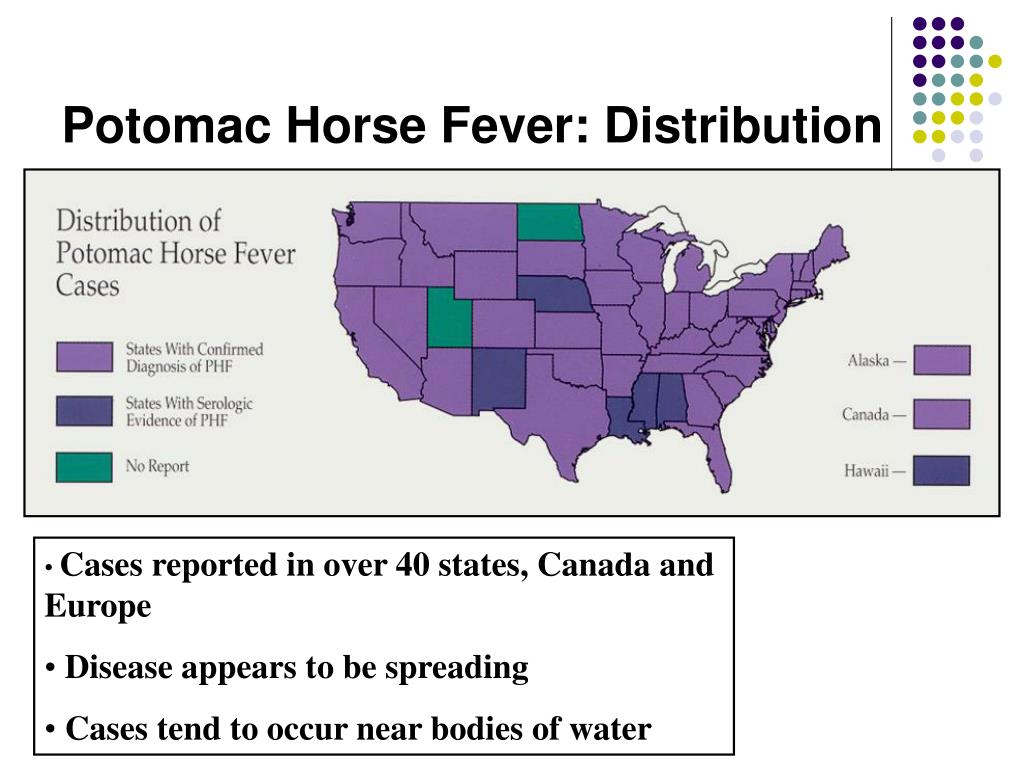
While PHF occurs typically in late spring and early fall in temperate areas, it is spreading and has been reported in over 40 states, Canada, and Europe.  It tends to occur near bodies of water:

https://www.slideserve.com/vito/equine-vaccinations

The agent behind it is Neorickettsia risticii, found in flukes (flatworms) that develop through one stage in aquatic snails. Horses drinking from streams swallow them but they are also picked up by aquatic insects – the second stage (caddisflies, mayflies, damselflies, dragonflies) that might transmit it to horse as they graze.

The second link in the cycle are in bats and barn swallows (N. risticci has been found in their intestinal tracts) that feed on the aquatic insects. It is unknown if bat and barn swallow fecal material infects horses as well.

Potomac horse fever can be mild to life-threatening affecting intestinal cells and monocytes. It causes fever, poor appetite, depression, and diarrhea. Possible lameness with limb edema may occur as well as elevated heart rate, dark mucus membranes, sweating, and signs of mild colic.

PHF is confirmed by lab identification in blood or manure samples. It may be confused with salmonella and the horse should be considered contagious to both animals and humans until fecal salmonella tests are negative.

Treatment is antibiotics, particularly oxytetracycline, IV fluids, electrolyte therapy, and non-steroidal anti-inflammatory drugs to alleviate pain.

There was a 2005 outbreak in Minnesota. They theorize mayflies from the Missippi River were attracted to bright lights outside barns which blew into the show grounds and infected at least six horses. Other cases occured on area farms at the same time that had lights by horse barns.

Turn off lights when aquatic insects are hatching in summer.

For more:  https://thehorse.com/124471/potomac-horse-fever-cause-and-treatment/

According to this article, PHF is NOT considered contagious or is passed between horses with casual contact. If more than one horse is affected it is believed that they all consumed infected insects: https://equusmagazine.com/diseases/potomac-horse-fever-brief

Two Exotic Disease-Carrying Ticks Identified in Rhode Island & First Case of Parasitic Soft Ticks Reported in New Jersey

https://www.sciencetimes.com/articles/27511/20200929/two-exotic-disease-carrying-ticks-identified-rhode-island.

Two Exotic Disease-Carrying Ticks Have Just Been Identified in Rhode Island

Sep 29, 2020

Local authorities in Rhode Island announced that two new tick species were identified on Block Island. The tick species were traced back to Eurasia and Asia origins.

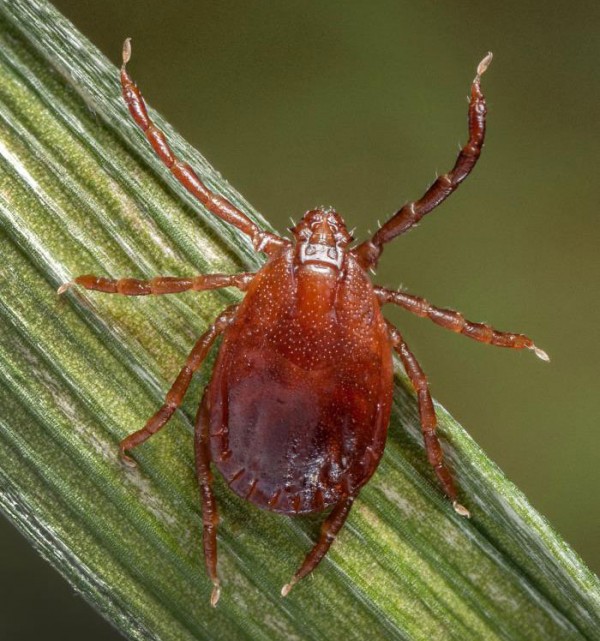
Dr. Danielle Tufts from Columbia University identified the two species Haemaphysalis longicornis (Asian long-horned tick) and Haemaphysalis punctata (red sheep tick), reported the state’s Department of Environmental Management (DEM). (See link for article) 

Two Exotic Disease-Carrying Ticks Had Just Been Identified in Rhode Island

(Photo: Asian long-horned tick, adult female dorsal view climbing on a blade of grass – Photo by James Gathany; CDC)

____________________

**Comment**

Both ticks are considered live-stock pests but they can and do bite humans, transmitting diseases.  Farmers, hunters, and hikes are at greater risk.

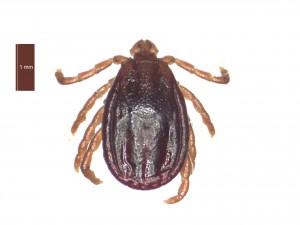
  • The red sheep tick is identified with Tick paralysis, Tick Borne Encephalitis virus, Tribec virus, Bhanja virus, Crimean-Congo haemorrhagic fever virus, Babesia bovis, Theileria recondita, Coxiella burneti, Francisella tularensis.  http://www.bristoluniversitytickid.uk/page/Haemaphysalis+punctata/17/#.X3S-TS2ZOWgCattle: Babesia major, Babesia bigemina, Theileria mutans, Anaplasma marginale and Anaplasma centrale

    Sheep: Babesia motasi, Theileria ovis

H.-punctata-female-dorsal-0-300x225

Red sheep tick, Adult female dorsal view

https://medicalxpress.com/news/2020-09-jersey-1.html

Bat tick found for the first time in New Jersey

Bat tick found for the first time in New Jersey

A tick species associated with bats has been reported for the first time in New Jersey and could pose health risks to people, pets and livestock, according to a Rutgers-led study in the Journal of Medical Entomology.

This species (Carios kelleyi) is a “soft” . Deer ticks, which carry Lyme disease, are an example of “hard” ticks.

“All ticks feed on blood and may transmit pathogens (disease-causing microbes) during feeding,” said lead author James L. Occi, a doctoral student in the Rutgers Center for Vector Biology at Rutgers University-New Brunswick. “We need to be aware that if you remove from your belfry, attic or elsewhere indoors, ticks that fed on those bats may stay behind and come looking for a new source of blood. There are records of C. kelleyi biting humans.”  (See link for article)

___________________

**Comment**

A few important points:

  1. A related species, Carios jersey, was found in amber 2001
  2. C. kelleyi has been found in 29 states so far
  3. Public health risk remains unknown, but it has been found to be infected with harmful pathogens in other states
  4. There are reports of this tick feeding on humans
  5. The bat it feeds on regularly roosts in attics and barns
  6. It has been identified with rickettsia and borrelia (Lyme):  https://www.sciencedirect.com/topics/agricultural-and-biological-sciences/carios
I can’t help but notice the bat connection, as well as the following:

https://www.newsbreak.com/news/2058858379813/first-case-of-parasitic-soft-ticks-reported-in-new-jersey  The current pandemic has been accompanied by cases of other illnesses and diseases such as African Swine Flu, Ebola, Bubonic Plague, West Nile Virus, Dengue outbreaks around the world.

New Study: The Hidden Ways Microbes Control Tick Behavior

https://rawlsmd.com/health-articles/new-study-the-hidden-ways-microbes-control-tick-behavior?

New Study: The Hidden Ways Microbes Control Tick Behavior

New Study: The Hidden Ways Microbes Control Tick Behavior

by Jenny Lelwica Buttaccio
Posted 9/17/20

We’ve heard a lot of late about an increase in Lyme disease cases, but tick-borne diseases of all kinds — including babesiosis, anaplasmosis, rickettsiosis, and others — are on the rise throughout the United States, reports the Centers for Disease Control and Prevention (CDC). At least part of the increase in tick-borne illnesses can be traced to an expanding tick population, caused by several factors including changes in climate patterns and the development of housing into wooded areas, creating closer interactions between people, animals, and ticks.

But what if there’s also an unseen force at work compelling ticks to act out or present with certain behaviors that give them a leg up when it comes to their own survival — and that of the microbes they carry? New research suggests that perhaps there’s more to this story than we know.

First, a Basic Overview of Ticks On the Hunt

More than four decades after the first cases of Lyme disease were diagnosed, we’re still learning about tick behavior and why they operate in the way they do. We know that blood hosts like humans and animals are critical for tick survival, so ticks are regularly on the prowl.

A tick’s vision isn’t very good, so they rely on other sensory components to find food sources. Located on the first pairs of ticks’ legs are tiny structures called Haller’s organs. These organs are found only on ticks, and it is believed that they function somewhat like antennae and utilize the sense of smell to detect odors wafting through the air to find unsuspecting hosts.

Using their Haller’s organs, ticks detect the carbon dioxide (CO2) that comes from human respiration and breathing — they can sense other chemicals like ammonia and pheromones, too. While certain ticks, like the Lone Star tick, can aggressively charge potential human hosts, most prefer a more subtle approach: Waiting patiently on blades of grass or areas of brush until you approach them, an activity known as “questing.”

diagram of tick biology

When a tick quests, they grip the blade of grass or brush with their back legs and stretch their front legs into the air. In due time, a human or animal walks past, and they latch on, using the front legs to ascend their new host and search for a suitable spot to begin feeding.

As weird and as sci-fi as all this sounds, emerging research from Giovanni Benelli, PhD, Senior Research Entomologist at the University of Pisa in Pisa, Italy, has begun to shed light on microscopic agents that exert influence upon ticks’ hunting behavior. Interestingly, it’s the very microbes we work so hard to avoid that play puppeteer to their tick hosts.

6 Microbes that Manipulate Tick Behavior

In August 2020, Benelli published a new review in the journal Pathogens investigating whether microbes Anaplasma, Borrelia, Babesia, Bartonella, Rickettsia, and tick-borne encephalitis virus (TBEV) were involved in influencing tick behavior and adaptive significance (traits that affect a tick’s reproductive success). Pathogenic manipulation — such as an increase in biting frequency and duration and changing host-borne odors to make them more appealing meals for other arthropods like mosquitos and sand flies — has already been noted in scientific literature.

In regards to ticks, Bellini’s data suggests modes of pathogen-tick manipulation may include physiological changes, tolerance to extreme temperatures, and enhanced survivability, among others. Here, we’ll take a look at some of the key highlights of Benelli’s research, a wealth of further insights into tick behavior that could be a crucial factor in helping to curtail the bugs’ proliferation and their ability to spread chronic illnesses.

1. How Borrelia Impacts Tick Behavior

Borrelia is the bacteria implicated in Lyme disease. In the United States, Borrelia burgdorferi is the species that’s found in black-legged ticks (Ixodes scapularis) or deer ticks. However, in Europe, the predominant Lyme disease-carrying tick is the castor bean tick (Ixodes ricinus).

Borrelia infection in the blood. Borrelia bacteria cause borreliose, transmitted by ticks and by lice.

Borrelia may manipulate tick behavior in both tick species, according to Bellini’s review. Here are some of his key findings:

Key Findings:

  • Black-legged nymph ticks infected with B. burgdorferi showed enhanced movement toward or away from light sources (phototaxis).
  • Nymph ticks infected with B. burgdorferi demonstrated an affinity for vertical surfaces such as the top layers of leaf litter piles or plant vegetation like blades of grass, which may provide them with more opportunities to come into contact with hosts.
  • B. burgdorferi stimulated tick histamine release factor (tHRF), the chemical that regulates vascular permeability and improves blood flow to the site of the bite for feeding.
  • Infected adult black-legged ticks had slower mobility than their non-infected counterparts. However, research is unclear whether this is a behavior adaptation resulting from B. burgdorferi.
  • Castor bean nymph ticks exposed to extremely dry conditions showed they were more active and more resistant to harsh conditions than those that were not carrying the pathogen.
  • Nymph ticks carrying a strain of Borrelia known as Borrelia afzelii (a European strain known for its ability to affect the central nervous system) had increased rates of mobility, including duration and speed of movement, over non-infected ones.

The Takeaway

Indeed B. burgdorferi may manipulate tick behavior in several ways, but Bellini acknowledges that further research is needed to determine how these behaviors contribute to disease and how the data can be used to slow the spread of ticks and prevent the transmission of Lyme disease.

2. How Anaplasma Affects Tick Behavior

All ticks, including the black-legged tick, carry multiple disease-causing microbes known as coinfections. One such microbe is Anaplasma phagocytophilum, previously called human granulocytic ehrlichiosis (HGE). When a tick is infected with A. phagocytophilum, it may demonstrate behavioral changes that influence survival, questing, and feeding.

Anaplasma microbe, microscope view

The following three are important points to note from Bellini’s research:

Key Findings

  • A. phagocytophilum-infected black-legged ticks create heat shock proteins in response to stressful environmental circumstances. This makes them more resilient to extremely dry environments and boosts their survivability rates.
  • In the non-infected tick population, cold temperatures can raise the tick mortality rate. But ticks that have been infected with A. phagocytophilum have an advantage — they manufacture an antifreeze glycoprotein that guards them against the cold.
  • A. phagocytophilum is present in the salivary glands of ticks, and it inhibits cellular death to allow for the infection to be transmitted from the tick’s vector to the host, fostering more effective feeding and greater survival.

The Takeaway

The relationship between A. phagocytophilum and tick manipulation is a better-researched interaction than that of other ticks and pathogens. The mechanisms by which A. phagocytophilum alters the behavior of the tick are more apparent in terms of how it augments tick reproduction and survivability. However, when it comes to other species of Anaplasma that may impact humans or animals, more research is needed.

3. How Babesia Affects Tick Behavior

Babesia is a distant cousin of malaria and a less virulent microbe, comparatively. Babesia may occur in up to 40% of people infected with Lyme disease, indicates a report in Trends in Parasitology, making it a relatively common coinfection. The species of Babesia that are most likely to pose a disease risk to humans are Babesia microti, Babesia divergins, and Babesia ducani (WA-1).

Babesia microbe, zoomed view, round

Regarding Benelli’s review, only a few studies have looked at the effects Babesia may have on tick behavior, but he noted the following:

Key Findings

  • B. microti maximized the success of feeding and strengthened the survival of shrew ticks (Ixodes trianguliceps), but these modifications didn’t correlate with the strain’s infection rates.
  • In animal studies, B microti delayed the amount of time it took for a tick to become engorged.
  • Nymph ticks that fed on infected hosts had a higher body weight than those that fed on non-infected ones.
  • Larvae who fed on infected hosts shed their skin more quickly (a process known as molting) than those that fed on non-infected ones.

The Takeaway

At present, the research on Babesia species and their ability to manipulate tick behavior is scant. The processes that encourage feeding, development, and the survival of ticks infected with Babesia have yet to be determined.

4 & 5. How Bartonella and Rickettsia Affect Tick Behavior

Rickettsia microbe, zoomed in microscope view

Although Bartonella, a common coinfection found in people with Lyme, and Rickettsia, a highly virulent and life-threatening microbe, can pose serious health risks to humans, little is known about the behavioral changes these infections may have on tick behavior. A few points worthy of consideration include:

Key Findings

  • Bartonella-infected castor bean ticks had an increase in a component called Ixodes ricinusserine protease inhibitor (IrSPI). This enzyme inhibitor is involved in such biological processes as inflammation, blood clotting, wound healing, constricting blood vessels, and altering hosts’ defense systems.
  • Rickettsia-infected ticks demonstrated a greater inclination towards electromagnetic fields than non-infected ones.

The Takeaway

Like Babesia, the research on Bartonella- and Rickettsia-infected ticks is minimal. However, because annual incidences are on the rise, continued investigation in this area has the potential to bring about crucial information for the benefit of public health.

6. How Tick-Borne Encephalitis Virus Affects Tick Behavior

Tick-borne encephalitis (TBEV) is a viral infection spread through the bite of an infected tick. The virus resides throughout Europe and Asia, according to the CDC, making the infection relatively unknown in the U.S.

Encephalitis microbe, zoomed in microscope view

Between 20% and 30% of people who acquire the infection develop symptoms that affect the nervous system. Evidence for two hypotheses suggest the virus can manipulate tick behavior in the following ways:

Key Findings

  • TBEV intensifies tick movement and the ability to find a host.
    Feeding results in higher concentrations of TBEV.
  • When a TBEV-infected tick is unfed, the concentration of the virus remains low. But when the tick feeds, the TBEV titers raise to reach detectable levels.
  • A percentage (6%) of TBEV-infected adult castor bean ticks can navigate DEET-covered areas with a 1% formulation. In contrast, uninfected ticks were unable to cross these areas.

Takeaway

In general, ticks infected with TBEV demonstrated enhanced tick mobility, including walking speed and duration, and a proclivity toward higher questing heights. These changes may lead to greater outcomes when it comes to tick and microbe survivability.

Putting It All Together

There’s no doubt that’s an incredible amount of information to take it in. But this valuable data sets the stage for the urgent need for ongoing research when it comes to understanding how pathogens affect and modify tick behavior.

There is a wide array of tick species worldwide, and countless disease-causing pathogens that pose a threat to human health. Tracking behavioral changes in infected and non-infected ticks could one day lead to positive, new developments for halting the spread of tick-borne diseases.

In the meantime, your best bet is to practice good tick-prevention strategies like doing regular tick checks when coming in from the outdoors, wearing permethrin-treating shoes and clothing, and promptly removing attached ticks with a pair of fine-pointed tweezers. 

REFERENCES

1. Alberdi P, Espinosa PJ, Cabezas-Cruz A, de la Fuente J. Anaplasma phagocytophilum Manipulates Host Cell Apoptosis by Different Mechanisms to Establish Infection. Vet Sci. 2016;3(3):15. Published 2016 Jul 15. doi: 10.3390/vetsci3030015
2. Benelli G. Pathogens Manipulating Tick Behavior-Through a Glass, Darkly. Pathogens. 2020;9(8):E664. Published 2020 Aug 17. doi: 10.3390/pathogens9080664
3. Blisnick AA, Šimo L, Grillon C, et al. The Immunomodulatory Effect of IrSPI, a Tick Salivary Gland Serine Protease Inhibitor Involved in Ixodes ricinus Tick Feeding. Vaccines (Basel). 2019;7(4):148. Published 2019 Oct 12. doi: 10.3390/vaccines7040148
4. Carr AL, Mitchell RD III, Dhammi A, Bissinger BW, Sonenshine DE, Roe RM. Tick Haller’s Organ, a New Paradigm for Arthropod Olfaction: How Ticks Differ from Insects. Int J Mol Sci. 2017;18(7):1563. Published 2017 Jul 18. doi: 10.3390/ijms18071563
5. Dai J, Narasimhan S, Zhang L, Liu L, Wang P, Fikrig E. Tick histamine release factor is critical for Ixodes scapularis engorgement and transmission of the lyme disease agent. PLoS Pathog. 2010;6(11):e1001205. Published 2010 Nov 24. doi: 10.1371/journal.ppat.1001205
6. Lyme and Other Tickborne Diseases Increasing. Centers for Disease Control and Prevention website. https://www.cdc.gov/media/dpk/diseases-and-conditions/lyme-disease/index.html#:~:text=The%20reported%20numbers%20of%20cases,59%2C349%20reported%20cases%20in%202017.
7. Tick-borne encephalitis. Centers for Disease Control and Prevention website. https://wwwnc.cdc.gov/travel/diseases/tickborne-encephalitis#:~:text=Tick%2Dborne%20encephalitis%20(TBE),headache%2C%20nausea%2C%20and%20vomiting
_____________________
 
**Comment**
 
This explains a lot – if only mainstream medicine/research will listen instead of conducting more climate data. It also makes sense.
 
 
It is commonly known that parasites affect behavior:

Parasites are a whole new fantastical frontier. I’ll never forget this information on how parasites affect human behavior by Dr. Klinghardt, which I found here:  http://www.betterhealthguy.com/a-deep-look-beyond-lyme

  • Parasite patients often express the psyche of the parasites – sticky, clingy, impossible to tolerate – but a wonderful human being is behind all of that.

  • We are all a composite of many personalities. Chronic infections outnumber our own cells by 10:1. We are 90% “other” and 10% “us”. Our consciousness is a composite of 90% microbes and 10% us.

  • Our thinking, feeling, creativity, and expression are 90% from the microbes within us. Patients often think, crave, and behave as if they are the parasite.

  • Our thinking is shaded by the microbes thinking through us. The food choices, behavioral choices, and who we like is the thinking of the microbes within us expressing themselves.

  • Patients will reject all treatments that affect the issue that requires treating.

  • Patients will not guide themselves to health when the microbes have taken over.

It only follows that parasites will affect tick behavior as well.