Archive for the ‘research’ Category

“It’s All in Your Head”- Medicine’s Silent Epidemic

https://jamanetwork.com/journals/jamaneurology/article-abstract/2751253

Viewpoint
September 16, 2019

“It’s All in Your Head”—Medicine’s Silent Epidemic

JAMA Neurol. Published online September 16, 2019. doi:https://doi.org/10.1001/jamaneurol.2019.3043
_________________
For more on how this very phrase is still being used against Lyme/MSIDS patients:

Ticks Removed From Humans in Northwestern Italy – 30% Had Babesia

https://www.sciencedirect.com/science/article/pii/S2405939019301212

Survey on tick-borne pathogens in ticks removed from humans in Northwestern Italy

Highlights

Ticks have a considerable importance for public health.

Few data are present about ticks collected from humans.

128 ticks from 92 patients were analysed.

Almost 30% of the analysed tick pools were positive for Babesia spp.

The zoonotic species Babesia venatorum was the most prevalent species observed.

Abstract

Ticks are able to transmit several pathogens to the host while feeding, and thus are considered the most important vectors of infectious agents together with mosquitos. The global incidence of tick-borne diseases (TBDs) is rising, due to increased interactions between pathogens, hosts and vectors, linked to global changes. Given that information about the prevalence of tick-borne pathogens in ticks removed from humans in Italy are scarce, the aim of the present study was to identify the species of ticks biting humans in Northwestern Italy and tick-borne pathogens they harbour. An overall number of 128 ticks from 92 patients were collected from April to October 2018, almost 98% of which belonging to the Ixodes ricinus species. Molecular analysis showed the presence of Babesia spp. in 29 out of 93 analysed tick pools, with a Minimum Infection Rate (MIR) of 31.18% (29/93; CI95% 22.67–41.19%), while 1 out of 93 pools tested positive for SFG Rickettsiae (MIR = 1.08%; CI95% 0.19–5.84%). No samples tested positive for A. phagocytophilum and Borrelia spp. Sequencing revealed the presence of Babesia venatorum (28 pools), Theileria buffeli/orientalis complex (1 pool) and Rickettsia monacensis. Among these, B. venatorum and R. monacensis are zoonotic pathogens able to cause from moderate to severe infections in humans. These data highlight the importance of passive surveillance to assess the epidemiology of TBDs that pose a threat to human health.

__________________

**Comment**

Ixodes ricinus or the Castor Bean tick, sheep tick, or deer tick is considered a European hard-bodied tick; however, please note that migrating birds are transporting ticks all over the place.  https://madisonarealymesupportgroup.com/2019/03/09/danish-study-shows-migrating-birds-are-spreading-ticks-their-pathogens-including-places-without-sustainable-tick-populations/

https://madisonarealymesupportgroup.com/2018/11/07/ticks-on-the-move-due-to-migrating-birds-and-photoperiod-not-climate-change/

https://madisonarealymesupportgroup.com/2019/07/28/coinfection-of-many-types-of-borrelia-rickettsia-babesia-bartonella-anaplasma-in-french-castor-bean-ticks/Excerpt:

It transmits numerous pathogens of medical and veterinary importance including Borrelia burgdorferi s.l. causing Lyme borreliosis, tick-borne encephalitis virus, Anaplasma phagocytophilum causing human granulocytic ehrlichiosis, Francisella tularensis causing Tularaemia, Rickettsia helvetica and Rickettsia monacensis, Babesia divergens and Babesia microti responsible for Babesiosis, Louping ill virus and Tribec virus.

The fact that 30% of ticks had Babesia should cause all doctors to pause and consider.


New Bartonella Species Found in Tick From Senegal

https://www.ncbi.nlm.nih.gov/pmc/articles/PMC6839013/

. 2019 Nov; 32: 100596.
Published online 2019 Aug 27. doi: 10.1016/j.nmni.2019.100596
PMCID: PMC6839013
PMID: 31719993

Bartonella massiliensis sp. nov., a new bacterial species isolated from an Ornithodoros sonrai tick from Senegal

Introduction

Bartonella is the monotypic genus of the family Bartonellaceae among Alphaproteobacteria . Bartonella species are fastidious Gram-negative, slightly curved rod bacteria characterized by a small cell size (0.5–0.6 × 1.0 μm) . They are facultative intracellular bacteria with a unique intraerythrocyte lifestyle. Currently the Bartonella genus includes 35 validly published species and three subspecies , . Bartonella species usually colonize the intestine of the arthropod vector or the bloodstream of the mammalian host , . In addition, our understanding of the involvement of these microorganisms in human diseases continues to grow, as does the range of clinical manifestations , . At least 13 Bartonella species are responsible for human diseases, including B. bacilliformis, B. quintana and B. henselae, which cause Carrión disease, trench fever and cat-scratch disease respectively. Bartonella species are also associated with chronic bacteraemia and/or endocarditis, bacillary angiomatosis, peliosis hepatis, prolonged fever of unknown origin, retinitis, uveitis and myocarditis in humans . Other mammalian species that may host Bartonella species include dogs, coyotes, foxes, cattle, deer, elk, bats and many rodent species , , .

Here we present the description of Bartonella massiliensis strain OS09T (= CSURB624T = DSM 23169), a new species of the genus Bartonella isolated from a soft tick, Ornithodoros sonrai, including its complete annotated genome.

________________

For more:  https://madisonarealymesupportgroup.com/2016/01/03/bartonella-treatment/


Omega-3s Recommended as Adjunctive Therapy for Major Depression

https://www.medscape.com/viewarticle/918963?

Omega-3s Recommended as Adjunctive Therapy for Major Depression

Megan Brooks

September 25, 2019

A clinical practice guideline from the International Society for Nutritional Psychiatry Research (ISNPR) recommends omega-3 polyunsaturated fatty acids (PUFAs) as adjunctive therapy for major depressive disorder (MDD).

The value of omega-3 PUFAs in depression is “overlooked,” even though accumulating evidence supports it. This therapy “needs to be on the radar” of physicians, Kuan-Pin Su, MD, PhD, chief of the Department of General Psychiatry, China Medical University, Taichung, Taiwan, told Medscape Medical News.

Su, a founding member of the ISNPR and a strong proponent of “nutritional psychiatry,” organized a subcommittee of the ISNPR and invited the top 10 most-cited authors in the use of omega-3 PUFAs for depression to review the literature and develop the practice guideline on appropriate prescribing of omega-3 fatty acids for MDD.

The consensus guideline was published online September 3 in Psychotherapy and Psychosomatics.

Prophylaxis, Maintenance

The guideline emphasizes the importance of accurate clinical diagnosis and measurement-based psychopathologic assessments in the therapeutic setting when recommending omega-3 PUFAs for depression.

The guideline notes that there is a growing body of evidence demonstrating the efficacy of n-3 PUFAs as an adjunctive treatment for MDD. The guideline authors also note that omega-3s are safe and effective for accelerating the effect of antidepressants at treatment initiation and for augmenting existing antidepressant therapy when efficacy is inadequate.

With respect to formulation and dosage, the guideline recommends pure eicosapentaenoic acid (EPA) or a combination of EPA and docosahexaenoic acid, with net EPA starting from at least 1 g/day up to 2 g/day for at least 8 weeks as adjunctive treatment. Importantly, the authors note that the quality of n-3 PUFAs may affect therapeutic activity.

The guideline also endorses n-3 PUFAs as a potential prophylactic treatment for high-risk populations, in addition to standard medical care. The duration of acute n-3 PUFA treatment may be extended to include maintenance treatment to prevent recurrence.

Potential side effects, such as gastrointestinal and dermatologic conditions, should be monitored, and comprehensive metabolic panels should be obtained during treatment, the guideline authors note.

They call for further research into personalizing the clinical application of n-3 PUFAs in subgroups of patients with MDD whose omega-3 index is low or who have high levels of inflammatory markers.

The panel acknowledges in the guideline that there is ongoing debate on the benefits of omega-3 PUFAs for MDD. Meta-analyses have shown “only small but statistically significant effects,” the authors write.

They note that in three meta-analyses, the estimated effect sizes (standardized mean differences between n-3 PUFAs and placebo) ranged from 0.23 to 0.56, with wide confidence intervals (CIs).

However, small effect sizes have also been reported regarding antidepressant drugs compared to placebo (standardized mean differences, 0.30 – 0.47, with narrower CIs).

Given that currently recommended therapies for MDD have only small effects, the panel notes three “practical” strategies that should be employed to address the “unmet” need in depression treatment.

These include an open-minded attitude to integrative intervention; the application of personalized medicine; and a shared decision-making process based on balanced information to enhance treatment adherence.

Reasonable Approach

Commenting for Medscape Medical News, Timothy Sullivan, MD, chair of psychiatry and behavioral sciences at Northwell Health’s Staten Island University Hospital in New York City, said the recommendation constitutes a “perfectly reasonable practice guideline.

“The big picture, however, is that while there is a literature on the usefulness of omega-3s, average clinical experience hasn’t been as impressive. Clinicians generally haven’t been overwhelmed by the results. There are practitioners that favor them more than others,” said Sullivan.

“Conceptually,” he added, “what’s appealing about omega-3s is we know that depressive states are associated with dysregulation of the immune system, and agents like the omega-3s appear to have a role in helping to re-regulate or positively regulate the immune system and combat some of the metabolic effects of stress. But it’s still an area that we need to understand more about.”

The guideline authors were supported by research grants from the Ministry of Science and Technology, Taiwan; the National Health Research Institutes, Taiwan; and the Chinese Medicine Research Center from the China Medical University. Su is a founding committee member of the ISNPR, the board director of the International Society for the Study of Fatty Acids, and an associate editor of Brain, Behavior and Immunity. The original article contains a complete list of authors’ relevant financial relationships. Sullivan has disclosed no relevant financial relationships.

Psychother Psychosom. Published online September 3, 2019. Full text

____________________

For more:  https://madisonarealymesupportgroup.com/2019/06/05/can-lyme-disease-cause-depression/

Excerpt:

Many people are surprised to learn that infectious diseases, including Lyme disease, are a major contributor to mental illnesses and cognitive issues.Research shows that children who have had an infectious disease are significantly more likely to have mental health problems as they grow up. In a study that followed over 3.5 million people, scientists found a 62% increase in the risk for mood disorders if a person had been hospitalized for any type of infection.

https://madisonarealymesupportgroup.com/2018/10/03/lyme-patient-misdiagnosed-with-anxiety-depression/

https://madisonarealymesupportgroup.com/2019/08/11/the-unfortunate-connections-between-lyme-disease-mental-illness/

https://madisonarealymesupportgroup.com/2019/04/18/ketamine-reduces-depression-related-behaviors-in-mice-limits-bb-in-vivo-relieves-chronic-pain/

https://madisonarealymesupportgroup.com/2019/11/22/side-effects-mild-brief-with-single-antidepressant-dose-of-intravenous-ketamine/

https://madisonarealymesupportgroup.com/2019/05/11/irish-student-admitted-to-hospital-for-depression-actually-had-a-deadly-brain-infection/

This is happening more and more, yet is considered to be rare:  https://madisonarealymesupportgroup.com/2017/10/01/panspandas-steroids-autoimmune-disease-lymemsids-the-need-for-medical-collaboration/  Two stories are presented in this link – Susannah Cahalan’s story from the book, “Brain on Fire,” who had a similar auto-immune brain issue, and then the story of Patrik who had Lyme disease which morphed into Autoimmune encephalopathy.

Lyme/MSIDS, PANS, PANDAS, & autoimmune encephalopathy can all be interconnected and we need knowledgable practitioners who can recognize this as it’s not going away anytime soon.


Powassan Virus Encephalitis, Severe Babesiosis & Lyme Carditis in a Single Patient

https://www.ncbi.nlm.nih.gov/pubmed/31712240

2019 Nov 10;12(11). pii: e231645. doi: 10.1136/bcr-2019-231645.

Powassan virus encephalitis, severe babesiosis and lyme carditis in a single patient.

Abstract

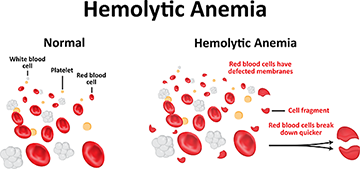
Ixodes scapularis is responsible for transmission of Borrelia burgdorferi, B. miyamotoi, Babesia microti, Anaplasma phagocytophilum and Powassan virus to humans. We present a case of an 87-year-old man who presented with fever and altered mental status. Initial workup revealed haemolytic anaemia, thrombocytopenia, mild hepatitis and acute kidney injury. Patient tested positive for B. burgdorferi and Babesia microti, and was started on doxycycline, atovaquone and azithromycin. He also underwent exchange transfusion twice. After some initial improvement, patient had acute deterioration of mental status and appearance of neurological findings like myoclonus and tremors. Therefore, testing for arboviruses was done and results were positive for Powassan virus. During a protracted course of hospitalisation, patient required intubation for respiratory failure and temporary pacemaker for unstable arrythmias from Lyme carditis. Patient developed permanent neurological deficits even after recovery from the acute illness.

________________

**Comment**

This right here is an example of the polymicrobial aspect of Lyme disease that doctors are not considering. The continued blindness of the medical community on the true nature of tick-borne disease is unbelievable. The only reason this patient made the books is due to the severity of the case. There are many, many patients in Lyme-land who have these exact same pathogens but are flying under the radar of mainstream medicine due to the fact they haven’t been hospitalized yet.  https://madisonarealymesupportgroup.com/2018/10/30/study-shows-lyme-msids-patients-infected-with-many-pathogens-and-explains-why-we-are-so-sick/

https://madisonarealymesupportgroup.com/2019/11/21/cdc-misses-the-mark-with-chronic-lyme-disease/