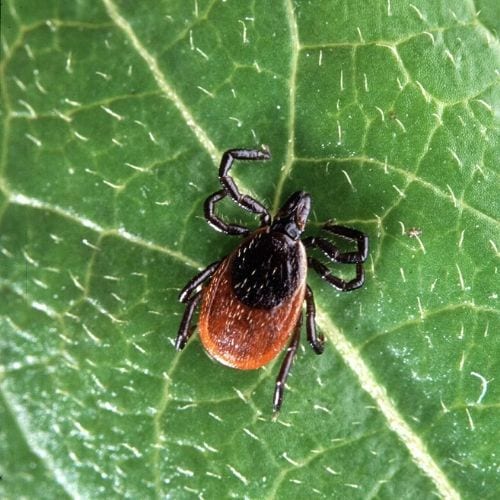
New data analysis shows that not only are Lyme and Tick-borne Disease insurance claims and diagnosis are on the rise but that demographics are changing. A nonprofit organization working for national healthcare cost and insurance transparency, FAIR Health, analyzed data from 2007-2018 from over 30 billion private healthcare claims.
According to a FAIR Health analysis, Lyme disease claims in the U.S. increased 117 percent, from 0.027 percent of all private medical claims in 2007 to 0.058 percent in 2018.
Each year, according to the Centers for Disease Control and Prevention, approximately 300,000 Americans are diagnosed with Lyme disease. Lyme Disease is a bacterial infection caused by a spiral-shaped bacteria, Borrelia burgdorferi (Bb). It is usually transmitted by the bite of an infected tick, but many also believe spiders and other biting insects can pass it on. Symptoms of Lyme and Tick-borne Disease can be physical, such as pain, headaches, fever, neuropsychiatric such as rage, anxiety, ocd, or neurocognitive such as word retrieval and memory problems or attentional difficulties. Here are common symptoms:
Neurocognitive Tick-Borne Disease Symptoms
- Short-term memory loss
- Difficulty with working memory and executive functioning tasks
- Executive functioning Impairment
- Difficulty sequencing information
- Verbal fluency difficulties – such as name or word retrieval
- Slow processing (listening, oral, and with the written word)
- “Brain Fog”
- Sustained attention
- Attentional switching
- Problems with writing, math, and sustained reading/comprehension
Neuropsychiatric Tick-Borne Disease Symptoms
- Irritability
- Emotional dysregulation
- Sudden rage/anger
- Nightmares
- Impulse control/hyperactivity
- Conduct problems/oppositional behaviors
- Easy tearfulness
- Anxiety or Panic attacks
- Depression
- Withdrawn behaviors
- Confusion
- Mania
- Obsessive Compulsive Disorder
- Paranoia
- Auditory/visual hallucinations
- Sleep disturbances (too much or too little)
- Sensory hyperarousal (typically auditory, visual, and touch)
- Social skill deficits
- PANS and Autism (it is estimated that 25% of those with Autism have PANS/PANDAS – O’Hara, N. (2014). Lyme Connection Mental Health Conference.
Other Physical Tick-Borne Disease Symptoms
- Chronic Fatigue
- Headaches
- Nausea
- Fibromyalgia
- Bell’s Palsy
- Nerve Pain
- Arthritis symptoms
- Joint pain/Chronic Pain
- Multiple Sclerosis symptoms/Lupus
- Seizures
- Stomach problems (very common sign of Tick-Borne Disease in children)
- Frequent urination
- Constipation
- Vestibular dysfunction/Visual issues
- Cardiac problems or POTS (25% of those with cardiac problems have Lyme) Phillips, S. (2015). Lyme Connection – Leir Center Conference
- Unusual infections
- Low nutrient levels in the blood
Tick-borne disease symptoms may be acute, or they can wax and wane in a more long-term, chronic manner. Some symptoms appear immediately after a tick bite, but sometimes weeks, months or years pass before the disease presents making diagnosis and treatment even more complex. This waxing and waning of symptoms is confusing, leading to uncertainty regarding underlying cause. This makes one wonder if the tick bite or Lyme Disease one had months ago could be related to current symptoms. When in doubt, find a Lyme Disease specialist.
If your symptoms are more of a sudden onset, consider PANS/PANDAS and also seek out specialist care. You can find a PANS/PANDAS specialist on the national PANS/PANDAS organization, ASPIRE’s website.
Here are some key findings from the FAIR Health analysis:
- The number one treatment sought by Lyme patients was psychological care
- There was a 121 percent increase in urban areas (Ticks aren’t just in rural areas because mice carry it)
- The highest share of claims were in June (10.7 percent) and July (11 percent) but it is a year round disease
- The five states with the most Lyme disease claims were in the Northeast (New Jersey, Connecticut, Rhode Island, North Carolina and Vermont) and one (North Carolina) was in the South
- Individuals ages 51 to 60 were the highest grouping of diagnosed individuals
- More men than women are diagnosed with Lyme but more insurance claims are submitted for women. The belief is that testing isn’t as accurate for women and that they are less likely to test positive even though they have the disease.
- Not every state carries mandatory chronic Lyme Disease coverage (New York doesn’t)
- Most diagnosed with Lyme are also diagnosed with “other” conditions too
Most common “other” diagnosed conditions for Lyme Patients in 2018:
- General signs and symptoms (e.g., malaise and fatigue)
- Dorsopathies (disorders of the spine)
- Soft tissue disorders
- Other joint disorders
- Disorders of the thyroid gland
- Anxiety and other nonpsychotic mental disorders
- Osteoarthritis
- Skin and subcutaneous tissue symptoms
- Dermatitis and eczema
- Mood (affective) disorders
Are you a mental health provider looking for Lyme Disease and PANS/PANDAS provider training?
Lyme patients are seeking out mental health care because they are often told it is in their head. Providers need training to support this influx of those afflicted with Lyme, tick-borne Disease and PANS/PANDAS with mental health and cognitive issues. As an APA approved CE sponsor, we will be doing our part to educate and train mental health providers about Lyme and PANS/PANDAS in 2020. If you are interested in getting on our training list, email us at info@drroseann.com
Looking for Lyme Disease help or PANS/PANDAS help?
If you have Lyme or PANS/PANDAS and don’t know where to turn, then we can help address neuropsychiatric, neurocognitive, and pain symptoms with proven therapies that can support brain fog, anxiety, depression, and pain. Take a few minutes and speak with one of our client specialists or come to one of our free workshops. Your or your child’s health and future are worth it.
Call our center today to discuss how we can help you or your child with our clinically effective and natural therapies, such as neurofeedback or biofeedback, addressing Lyme, PANS/PANDAS, ADHD, anxiety, depression, and numerous other conditions. We also offer counseling, executive functioning coachingand behavioral support for children and families, and parent coaching sessions with our staff psychotherapists. To set up an appointment for a consultation with Dr. Roseann, or to meet with one of our psychotherapists, call: 203.826.2999 or email: info@drroseann.com.
Live out of state? We work with children, individuals, and families through our intensive therapies program “The 360° Reboot® Program”.
Dr. Roseann is a Psychologist and Therapist and our center provides expert-level care for children, adults, and families from all over the US, supporting them with research-based and holistic therapies that are bridged with neuroscience. She is a Dr. Roseann is a Board Certified Neurofeedback (BCN) Practitioner, a Board Member of the Northeast Region Biofeedback Society (NRBS) and Epidemic Answers, Certified Integrative Medicine Mental Health Provider (CMHIMP) and an Amen Clinic Certified Brain Health Coach. She is also a member of The International Lyme Disease and Associated Disease Society (ILADS), The American Psychological Association (APA), National Association of School Psychologists (NASP), Connecticut Counseling Association (CCA), International OCD Foundation (IOCDF) International Society for Neurofeedback and Research (ISNR) and The Association of Applied Psychophysiology and Biofeedback (AAPB).
________________
For the link to the claims data as well as my take on it: https://madisonarealymesupportgroup.com/2019/12/14/trends-and-patterns-in-lyme-disease-an-analysis-of-private-claims-data/