Archive for the ‘Psychological Aspects’ Category

Important Example of IV Antibiotics for Lyme/MSIDS

http://www.jewishworldreview.com/0617/dementia_mystery.php3  By Sandra G. Boodman The Washington Post Published June 23, 2017

Richard McGhee and his family believed the worst was behind them.

McGhee, a retired case officer at the Defense Intelligence Agency who lives near Annapolis, Md., had spent six months battling leukemia as part of a clinical trial at MD Anderson Cancer Center in Houston. The experimental chemotherapy regimen he was given had worked spectacularly, driving his blood cancer into a complete remission. But less than nine months after his treatment ended, McGhee abruptly fell apart.

He became moody, confused and delusional – even childish – a jarring contrast with the even-keeled, highly competent person he had been. He developed tremors in his arms, had trouble walking and became incontinent.

“I was really a mess,” he recalled.

Doctors suspected he had developed a rapidly progressive and fatal dementia, possibly a particularly aggressive form of Alzheimer’s disease. If that was the case, his family was told, his life span would be measured in months.

Luckily, the cause of McGhee’s precipitous decline proved to be much more treatable – and prosaic – than doctors initially feared.

“It’s really a pleasure to see somebody get better so rapidly,” said Michael A. Williams, a professor of neurology and neurosurgery at the University of Washington School of Medicine in Seattle. Until recently, Williams was affiliated with Baltimore’s Sinai Hospital, where he treated McGhee in 2010. “This was a diagnosis waiting to be found.”

McGhee isn’t so sure. He wonders what might have happened to him had Williams not ordered a test that proved to be essential in discovering the reason for his dramatic deterioration. 

“It happened really fast,” recalled McGhee’s only child, Melinda, a Defense Department contractor who lives in Northern Virginia. In July 2010, she spent a week at her parents’ house while relatives visited from Arizona.

Soon after their departure, her father’s behavior changed markedly. He began writing odd notes that he affixed to the refrigerator door. When he didn’t like what his wife had made for dinner one night, he left a note on the table that said, “Don’t make this again.”

“We thought maybe he was upset about something” Melinda recalled, adding that she and her mother initially shrugged it off.

McGhee remembers little other than a feeling of overwhelming exhaustion. “I just wanted to sleep all the time,” he said.

Within days, Melinda McGhee said, her father began acting “like a 2-year-old.” He was cranky. He could not remember why he had gone into a room or if he had just eaten. He confused day and night.

“It was scary,” she recalled. “He’d want to drive, and we had to hide the car keys.” She began spending as much time as possible with her parents. Her mother, born in Japan,does not drive or speak English well. So it was their daughter who communicated with doctors, drove her parents to medical appointments and acted as her father’s advocate, trying with her mother to make sense of what was happening.

In late July, braced by his wife and daughter because he was too weak to stand unassisted, McGhee was escorted into the office of his internist.

Alarmed by his condition, the internist – who had seen McGhee the previous month for a sinus infection – sent him straight to a local emergency room.

A CT scan was performed to check for a head injury or a stroke, along with an MRI scan of McGhee’s brain. Based on his symptoms, doctors suspected he might have normal pressure hydrocephalus, an accumulation of cerebrospinal fluid in the brain that causes confusion and movement problems and can mimic dementia.

The internist, who had ordered numerous blood tests, found little of significance. Because hydrocephalus was high on the list of possible diagnoses, McGhee was referred to Williams, who was then director of the hydrocephalus center at Sinai Hospital.

Williams, who saw McGhee in mid-August, noted that his MRI showed atrophy in some areas of the brain suggestive of dementia. Hydrocephalus remained a possibility, but a form of rapidly progressive dementia, particularly Creutzfeldt-Jakob disease, seemed more likely.

Creutzfeldt-Jakob is a rare, devastating neurological disease that typically strikes people between the ages of 60 and 65. About 300 cases are diagnosed annually in the United States. Few victims live longer than a year after the onset of symptoms, which include rapid deterioration in memory, judgment and coordination.

The disease occurs when the normal structure of prion protein, which is found throughout the body, goes awry, destroying brain cells. Scientists do not know why this process occurs, and no treatment has been found to retard the disease. (One variant form of it, popularly known as “mad cow disease,” occurred in England in the 1990s possibly as a result of the consumption of diseased cattle. The classic, dominant form of CJD is not linked to meat.)

“I have seen patients [with Creutzfeldt-Jakob] and it can indeed go that fast,” Williams said of McGhee’s precipitous decline. Other possibilities, he thought, included frontotemporal dementia, a disease that destroys the brain’s frontal and temporal lobes, which govern personality and language, and rapidly progressive Alzheimer’s. Hydrocephalus seemed less likely to Williams: McGhee lacked some of the telltale neurological signs, and the tremors in his arms and legs were not typical of it.

But there was no doubt that McGhee was confused and disoriented. He could not spell any words backward or perform “serial 7s” – counting backward from 100 subtracting by 7 – tasks that are part of a mental status exam and would have been easy for him only weeks earlier. He did not know the date – or even the year.

Concerned that McGhee’s cancer might have recurred, Williams ordered a new round of tests. He also scheduled a spinal tap to check for infection and an EEG to rule out a seizure disorder.

“It’s important to cast a wide net,” Williams said, but not to order tests indiscriminately. “Premature diagnosis is how we often make errors. That’s a reason we consider the differential diagnosis process,” a cornerstone in medicine, in which doctors systematically weigh the possibility of one disease against others based on symptoms and test results.

When Williams saw McGhee a few weeks later, he was worse. McGhee needed a wheelchair and told Williams he thought he was at Travis Air Force Base in California or in Tokyo – places he had been in the past.

“When you see families” in such a situation, Williams noted, “they are scared” witless.

Around the same time, results of the blood tests Williams ordered had come back. Most were unremarkable, except for the Lyme disease screens. McGhee had elevated antibodies to Borrelia burgdorferi, the bacteria that causes Lyme. A Western blot test, which can confirm the diagnosis, was strongly positive.

Whatever else might be wrong, Williams decided, it was clear that McGhee had Lyme disease and would need treatment with IV antibiotics.

McGhee’s spinal tap did yield some positive news: There was no indication of Creutzfeldt-Jakob disease, though there was evidence of an infection or inflammation. That did not rule out another form of dementia or other serious illnesses, including a recurrence of his cancer.

Because Williams was scheduled to be away for two weeks, a colleague temporarily took over McGhee’s case and oversaw three days of inpatient testing.

In the hospital, Melinda McGhee said, doctors told her they were fairly certain that her father’s confusion and other symptoms were the result of dementia.

“It just didn’t make any sense,” she recalled. How, in a matter of weeks, could he go from a man adept at managing his finances to someone who couldn’t find his checkbook?

Doctors, she said, told her that while his deterioration looked sudden, it wasn’t. “They would say things like, ‘Your dad is a really smart guy, and he’s been hiding it from you. It’s been going on for a really long time.’ ”

But more tests revealed little.

Once home, McGhee, who had begun receiving two weeks of IV antibiotics, seemed to be getting better. His confusion began to clear, his short-term memory improved and his tremors abated. “I could feel myself recovering,” he recalled.

On Sept. 29, he went back to see Williams, who was heartened by the improvement.

“He looked 1,000 percent better than when I last saw him,” Williams noted. After reviewing the test results, he concluded that McGhee had been suffering not from dementia but from Lyme meningoencephalitis, a rare bacterial infection of the nervous system that typically occurs several weeks, or even months, after Lyme exposure.

“Spring and summer is when these teeny, tiny ticks come out, and 20 percent of people who are bitten don’t have a bull’s-eye rash,” Williams noted. “And Lyme is on the list of the causes of rapidly progressive dementia,” although it is unusual.

McGhee said he was unaware of any tick bite. He wonders if the disease might have taken hold because his immune system was suppressed by the chemo he underwent to treat his leukemia.

Williams said he doesn’t think so, because McGhee’s treatment had ended months earlier. “He just happened to get two bad things: cancer and Lyme disease,” the neurologist said.

McGhee, now 82, made a full recovery and has had no problems since. He wonders where he might have wound up had Williams not ordered tests for Lyme disease.

“I really worry about other people,” he said. “Would they just be put in some kind of facility and just waste away? I’m just so grateful that everything turned out so well and to Dr. Williams for making the diagnosis.”

Williams said he believes that other doctors would have figured out what was wrong.

McGhee’s case, he said, is gratifying. He was delighted to hear from his former patient after six years and to learn that “he’s alive and kicking and doing quite well.”

“That’s part of the joy of medicine,” he added.

**Comments

  1. Other doctors most probably would NOT have figured out what was wrong.  They are typically Lyme denialists of the worst sort and look for anything and everything but Tick Borne Illness – particularly when there is no EM rash or joint pain.
  2. McGee is right is worrying about other people.  Thousands fall through the cracks and are labeled with everything from MUS (medially unexplained symptoms – which they interpret to mean psychosomatic), depression, Munshen’s, MS, ALS, Lupus, Chronic Fatigue, and many more.  One doctor told her infected son to get a “good haircut.” https://madisonarealymesupportgroup.com/2017/06/10/the-coming-pandemic-of-lyme-dementia/  Dr. Garrett aptly predicts a pandemic of Lyme dementia.
  3. Despite the doctor’s opinion, suppressing the immune system has been known to trigger a latent Lyme/MSIDS infection. Also, doctors who mistakenly prescribe cortico-steroids for inflammation could worsen the disease(s). http://www.lyme-disease-research-database.com/chronic-lyme-disease.html
  4. This idea that any form of Lyme is “rare” is completely out of touch.  Again, McGee was a lucky one.  Many are not so lucky.
  5. McGee is not alone.  Kris Kristofferson also was diagnosed with dementia and had Lyme Disease:  https://madisonarealymesupportgroup.com/2017/01/04/aluminum-alzheimers-ld/
  6. For more information on the link between Lyme and Dementia/Alzheimer’s:  https://madisonarealymesupportgroup.com/2016/04/10/bugs-causing-alzheimers/ Two Astounding Quotes from the documentary “Under Our Skin”: “I extracted DNA from 10 Alzheimer brains that came from the Harvard University brain bank. Using molecular methods I was able to find the DNA of the Spirochete which causes Lyme disease in 7 out of 10 of the Alzheimer specimens that I received from Harvard.” – Dr. Alan B. MacDonald and “We never had, in the last 5 years, a single Alzheimer Disease, Lou Gehrig’s Disease / ALS, Parkinson’s Disease, Multiple Sclerosis / MS patient who did not test positive for Borrelia Burgdorferi (Lyme Disease bacteria), not a single one.“ – Dr. Dietrich Klinghardt

Iowan, Jack Gordon, is a case discovery of 2 diseases NEVER found together before on 11.22.2015: Lewy Body Dementia, causing violent hallucinations, and Lyme Disease/MSIDS. Using his medical files, he was bitten by a tick 35 yrs. ago, but the doctors never acknowledged it by diagnosing or treating him.
You may recognize Lewy Body Dementia as what Robin Williams’ autopsy revealed. https://madisonarealymesupportgroup.wordpress.com/2016/03/28/did-robin-williams-have-lyme/

https://jneuroinflammation.biomedcentral.com/articles/10.1186/1742-2094-8-90

https://www.ncbi.nlm.nih.gov/pmc/articles/PMC3551238/

https://www.ncbi.nlm.nih.gov/pmc/articles/PMC4399390/
https://www.scientificamerican.com/article/controversial-new-push-to-tie-microbes-to-alzheimer-s-disease/


Suicide, Lyme, and Associated Diseases

https://www.dovepress.com/suicide-and-lyme-and-associated-diseases-peer-reviewed-article-NDT   Published 16 June 2017 Volume 2017:13 Pages 1575—1587
Authors Bransfield RC

 Video abstract of original research paper

Purpose: The aim of this paper is to investigate the association between suicide and Lyme and associated diseases (LAD). No journal article has previously performed a comprehensive assessment of this subject.

Introduction: Multiple case reports and other references demonstrate a causal association between suicidal risk and LAD. Suicide risk is greater in outdoor workers and veterans, both with greater LAD exposure. Multiple studies demonstrate many infections and the associated proinflammatory cytokines, inflammatory-mediated metabolic changes, and quinolinic acid and glutamate changes alter neural circuits which increase suicidality. A similar pathophysiology occurs in LAD.

Method: A retrospective chart review and epidemiological calculations were performed.

Results: LAD contributed to suicidality, and sometimes homicidality, in individuals who were not suicidal before infection. A higher level of risk to self and others is associated with multiple symptoms developing after acquiring LAD, in particular, explosive anger, intrusive images, sudden mood swings, paranoia, dissociative episodes, hallucinations, disinhibition, panic disorder, rapid cycling bipolar, depersonalization, social anxiety disorder, substance abuse, hypervigilance, generalized anxiety disorder, genital–urinary symptoms, chronic pain, anhedonia, depression, low frustration tolerance, and posttraumatic stress disorder.

Negative attitudes about LAD from family, friends, doctors, and the health care system may also contribute to suicide risk. By indirect calculations, it is estimated there are possibly over 1,200 LAD suicides in the US per year.

Conclusion: Suicidality seen in LAD contributes to causing a significant number of previously unexplained suicides and is associated with immune-mediated and metabolic changes resulting in psychiatric and other symptoms which are possibly intensified by negative attitudes about LAD from others. Some LAD suicides are associated with being overwhelmed by multiple debilitating symptoms, and others are impulsive, bizarre, and unpredictable. Greater understanding and a direct method of acquiring LAD suicide statistics is needed. It is suggested that medical examiners, the Centers for Disease Control and Prevention, and other epidemiological organizations proactively evaluate the association between LAD and suicide.

Besides suicides, Bransfield estimates around 14,000 incidents of self-harm and 31,000 suicide attempts may be attributed to Lyme and associated diseases each year.  https://www.usatoday.com/story/news/nation-now/2017/07/19/how-lyme-disease-might-triggering-hundreds-suicides/493934001/  “It’s a constant action that comes up and isn’t adequately addressed in the scientific literature,” Bransfield said. “… Failure to adequately diagnose, failure to adequately treat and the progression of the disease over a span of many years often leads to suicide.”

For more on psychiatric Lyme & TBI’s:  https://madisonarealymesupportgroup.com/2015/10/18/psychiatric-lymemsids/

https://madisonarealymesupportgroup.com/2017/01/17/lymemsids-and-psychiatric-illness/

https://madisonarealymesupportgroup.com/2017/04/11/hidden-invaders-infections-can-trigger-immune-attacks-on-kids-brains-provoking-devastating-psychiatric-disorders/

Excellent article on TBI’s and teen age Suicide:  https://www.lymedisease.org/lyme-sci-teen-suicide/

The Coming Pandemic of Lyme Dementia

https://www.psychologytoday.com/blog/iage/201705/the-coming-pandemic-lyme-dementia  by Mario D Garrett Ph.D.  May 29,2017

The Coming Pandemic of Lyme Dementia:  The increasing threat from Lyme disease

There are many known causes of dementia. One of these causes are bacteria. Bacteria are usually ignored despite its historical and current significance in dementia research.  A hundred years ago it was well known that syphilis—a bacterium—was the only known cause of dementia. The bacteria interferes with the nerves until it reaches the brain where it destroys the brain from the inside. In the end, the expression of long-term syphilis is dementia—Neurosyphilis. Alois Alzheimer wrote his post-doctoral thesis (Habilitationsschrift) entitled “Histological studies on the differential diagnosis of progressive paralysis.” on neurosyphilis before his supervisor Emil Kraepelin propelled him into the history books by defining Alzheimer’s disease as a new disease in 1911. [1]

Neurosyphilis was very common in the 1900s. Between one in four to one in ten people in mental institutions were there because of neurosyphilis. Eventually syphilis kills its victims. Before the introduction of penicillin in 1943, syphilis was a common killer. In 1929, among men, the death rate from syphilis was 28.3 per 100,000 for Whites and 97.9 per 100,000 for Blacks [2]. The similarities between syphilis and dementia were addressed repeatedly in the early literature in Alzheimer’s disease [1]. Because syphilis can now be treated easily and cheaply, it has nearly been eradicated. But there is a new bacterium threat emerging—one that can also cause dementia.

Today, the main bacterial threat to acquiring dementia comes from Lyme disease—a bacterium borrelia burgdorferi. Lyme disease is transmitted to humans mainly through the bite of infected blacklegged tick. These ticks are themselves infected by feeding off mainly diseased birds, which bring the infection from across the globe. Worldwide there are 23 different species of ticks that can carry Lyme disease or diseases that are similair to Lyme disease (e.g.  Borrelia bissettii.)

Lyme disease is the most common disease carried by animals in the northern hemisphere and it is becoming an increasingly public health concern [3]. Not only because Lyme disease is a debilitating disease, but because eventually Lyme disease has been shown to cause dementia—Lyme dementia [4]. Science has not identified the mechanism for the development of Lyme dementia. The American psychiatrist  Robert Bransfield has been documenting some of its neurological expressions, but so far there is a lack of emphasis in the research community on exploring these clinical features. 

Ernie Murakami, a retired physician, has been monitoring the spread of Lyme disease across the world. With more than 65 countries that have the blacklegged ticks which transmit Lyme disease, this is a worldwide pandemic. The prevalence of Lyme disease reporting varies dramatically. Canada reporting the lowest cases in the world, with 1 case per million, while Slovenia reports 13 cases per 10,000. In the United Sates the Centers for Disease Control and Prevention reports that more than 329,000 people are likely to be infected every year in the U.S. alone. Only one in ten cases are reported since clinicians are not looking for Lyme disease. This estimated number of annual infections is higher than hepatitis C, HIV, colon cancer, and breast cancer. Lyme disease accounts for more than 90% of all reported cases of diseases carried by animals (vector-borne illness).

With any good public health strategy there needs to be a two pronged response. One is to address the clinical effects of the disease and the other is to address the underlying cause. In the United States, although research funds to examine and explore cures for Lyme disease are minimal, this avenue is likely to see the most significant increase. But this would be folly without addressing the underlying cause of the disease. Addressing these underlying causes will however be challenging.

Harvard Medical School Center reports that areas suitable for tick habitation will quadruple by the 2080s. But there are more pressing changes that will happen in our lifetime. Deforestation and climate-induced habitat change are affecting insect which carry diseases like malaria and Lyme disease. Slow climate change, urban growth in areas next to forests, reforestation following the abandonment of agriculture, and increases in the deer, mice and squirrel populations (among many others) which harbor these ticks.

Malaria and Lyme disease are both projected to increase. Even taking a more conservative estimate (all of the USA, most of Canada, all of Europe, Middle East and China), more than half the world’s populations are likely to be exposed to Lyme disease. A proportion of these populations will become infected with Lyme disease and eventually some will develop dementia. Pure Lyme dementia exists and reacts well to antibiotics [4].  Is public health ready to address this? [5]

References

[1] Garrett MD (2015) Politics of Anguish: How Alzheimer’s disease became the malady of the 21st century. Createspace. USA.

[2] Hazen H.H. (1937). A leading cause of death among Negroes: Syphilis. Journal of Negro Education, 310-321.

[3] Pearson S. (2014). Recognising and understanding Lyme disease. Nursing Standard, 29(1): 37-43.

[4] Blanc F., Philippi N., Cretin B., Kleitz C., Berly L., Jung B., … & de Seze J. (2014). Lyme Neuroborreliosis and Dementia. Journal of Alzheimer’s Disease, 41(4): 1087-93.

[5] Garrett MD, & Valle R (2015) A New Public Health Paradigm for Alzheimer’s Disease Research. SOJ Neurol 2(1), 1-9. Accessible for free from:  https://sites.google.com/site/mariodrmariogarrettcom/GARRETT_VALLE_NEUROLOGY.pdf?attredirects=0

***A few notes***

Firstly, thank you to Dr. Garrett for this important acknowledgement of Lyme Dementia.

Secondly, this addresses a concern I’ve had for some time now.  Since LD is caused by a pleomorphic bacteria that shape shifts into one of three shapes, one of which has a non cell wall that can hide for years, and since doxycycline is typically the first line drug used, which researcher Eva Sapi has found that high doses of doxy pushes the spirochete into the non-cell wall form, https://www.ncbi.nlm.nih.gov/pubmed/21753890#, are we setting patients with acute Lyme up for dementia later?  

*Until more and better transmission studies are done (the ones we have have 3 inches of dust on them), it would be folly to blame Lyme solely upon the black legged tick.  I am thankful Dr. Garrett pointed out that there are numerous species of ticks that carry numerous diseases.  These diseases are as bad if not worse than Lyme, and synergistically make cases infinitely worse than if infected by a single bacterium.

*Again, until much, much more research is conducted, it’s a stab in the dark to say LD is the most common disease carried by animals.  According to Dr. Breitschwerdt (DVM), that honor would be given to Bartonella, a nasty, persistent infection that has as many strains as there are animals, that coupled with Lyme will bring a person to their knees, and can also cause endocarditis.  And hardly anyone is talking about Bart – except us patients and veterinarians!  

*It is entirely true that physicians are NOT looking for TBI’s (tick borne infections).  It’s up to you to educate yourself and others.  The numbers listed in the article for each country is abysmally low.  If you don’t think TBI’s are in Canada, go here:  https://canlyme.com and http://lymediseasecanada.com.  I assure you, TBI’s are all over Canada and everywhere but Antarctica.  And, as Dr. Bransfield has stated, give it enough time and it will be there too!

*The statistic that only 1 in10 cases are reported in the U.S. is a complete stab in the dark and likely much lower.  Doubt every number you see when it comes to TBI’s.

*I appreciate Dr. Garrett’s insistence that addressing the underlying causes of disease is as important as finding a cure.

*Please remember when folks keep beating the “Climate Change” drum, that LD, with rare cases reported since 1883, originally started out as an epidemic in Connecticut in the 70’s http://whatislyme.com/history-of-lyme-disease/.  It has since spread (much like the proverbial “classic” bulls-eye rash that hardly anyone gets) to the rest of the world and is now a pandemic.  https://madisonarealymesupportgroup.com/2017/07/08/global-warming-numbers-fudged/  Respected whistle-blowers have exposed the fraudulent changing of temperatures to make the drastic rise in temperatures proponents use to push the agenda.

And according to independent Canadian tick researcher, John Scott, ticks are marvelous ecoadaptors that will be the last species on earth besides the IRS.  Climate has NADDA to do with the spread of ticks and Lyme:  https://madisonarealymesupportgroup.com/2018/08/13/study-shows-lyme-not-propelled-by-climate-change/

“For blacklegged ticks, climate change is an apocryphal issue.” -John Scott

Whatever has caused the Lyme/MSIDS pandemic, it probably has more to do with pathogens being tweaked in a lab (think biowarfare) and spread due to a perfect storm of events:   https://sites.newpaltz.edu/ticktalk/social-attitudes/story-by-smaranda-dumitru/

*Regardless of how LD started, brace yourselves for the Lyme Dementia pandemic.*


Sugar Documentary

Lyme/MSIDS patients learn quickly that diet is key to healing.  For a great documentary by Newton that explains the devastating effects of sugar and artificial sweeteners on the human body, please watch:

A great example of the effects of sugar on the human body is cited by Dr. Mercola as well as other great information:  http://articles.mercola.com/sites/articles/archive/2017/06/03/eating-too-much-sugar.aspx?utm_source=dnl&utm_medium=email&utm_content=art1&utm_campaign=20170603Z1_UCM&et_cid=DM147092&et_rid=2030975579

In an effort to study the health effects of a high sugar diet, documentary filmmaker Damon Gameau, from “That Sugar Film,” conducted an experiment during which he consumed the average amount of sugar eaten daily by Australians, which amounts to 160 grams or about 40 teaspoons.

It’s important to note that before the experiment Gameau ate very little sugar. Surprisingly enough, Gameau didn’t feast on junk food all day to reach his goal. Instead, he ate commonly sold processed foods, many of which are marketed as healthy, such as fruit juice, yogurt and energy drinks.

Initially, Gameau thought it would be difficult to reach his daily goal of 40 teaspoons but to his surprise found it disturbingly easy. The film shows Gameau nearly reaching his daily sugar goal in just one meal with a small bowl of cereal, yogurt and fruit juice. It wasn’t long before Gameau began feeling both the physical and psychological effects of eating a high sugar diet. One of the first symptoms he noticed was wild mood swings.

After eating a sugary food, Gameau experienced what’s known as the typical “sugar high,” accompanied by short-lived feelings of alertness and even euphoria. His wife reported spontaneous and even manic-like bursts of laughter. But less than an hour later he would crash, noting severe feelings of lethargy. Gameau also reported feeling aloof, distracted and unable to concentrate at home — a trait his wife described as extremely uncharacteristic.

Prior to the experiment, Gameau was in good health. A medical exam determined he was slightly healthier than the average western male in his age range. His diet consisted of about 2,300 calories per day, 50 percent of which was made up of healthy fats found in foods like nuts and avocado; 26 percent was derived from protein-based foods such as meat, eggs and fish, and the remaining 24 percent consisted of carbohydrates found in fresh vegetables.

Gameau weighed about 167 pounds and had a waist circumference of 33 inches (84 centimeters). Blood tests showed his liver was healthy and that he had low triglyceride levels (fat in the bloodstream) and no signs of insulin resistance or diabetes. Gameau also kept up his exercise routine, which consisted of running three laps around his garden twice a week followed by a 10-minute workout in his home gym. But despite maintaining weekly exercise, Gameau’s health quickly deteriorated.

After 12 days of ramping up his sugar intake, Gameau had gained almost seven pounds, the majority of which went straight to his abdomen. In a month of eating 40 teaspoons of sugar per day, he added 2.75 inches (7 centimeters) to his waistline. But the health effects were more serious than just weight gain.

Within three short weeks, doctors were shocked to find that Gameau was already displaying signs of fatty liver disease. “By the end, I’d developed pre-type 2 diabetes, I had heart disease, I had 11 centimeters of visceral fat. But the big one was, the non-alcoholic fatty liver disease was almost in a full-blown state,” said Gameau in a news article highlighting his film.

***The take home:  if you want something sugary, partake in limited amounts and savor it and don’t fool yourself by thinking artificial sweeteners will help you lose weight.  Also, eating sugar only feeds the bacteria you are trying to rid your body of as well as sets your body up for Candida, a systemic yeast infection common with antibiotic users.

Feasting on Rural America: The Spread of Tick-Borne Diseases

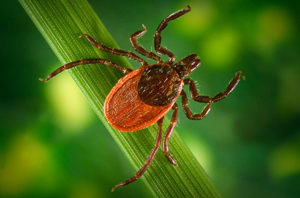
https://www.ruralhealthinfo.org/rural-monitor/tick-borne-diseases/ MAY 17, 2017  by Jenn Lukens – The Rural Monitorticks-blacklegged-300x198Blacklegged ticks are known to carry the bacterium Borrelia burgdorferi, the pathogen that causes Lyme disease (Photo credit: James Gathany, CDC Public Health Image Library)

Part parasite and part predator, the tick has become one of the nation’s most harmful bugs. Overgrown, humid areas are prime real estate for these critters, making rural America more susceptible to their growing numbers and the diseases they carry.

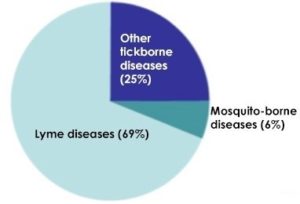
Even with the paranoia they incite, ticks have managed to lie low, out of the spotlight. Not until recently has the national conversation started picking up speed as Lyme and other tick-borne illnesses have become the most prolific zoonotic diseases in our nation. Lyme disease, the most-reported of the 20+ tick-borne diseases in the United States, is estimated to infect around 300,000 people every year.

pie chart on notifiable vector-borne diseases

Thankfully, out of the 90 tick species found in the U.S., only a handful are known to transmit bacteria harmful to humans. But the microscopic pathogens that have evolved with the growing tick population can cause a myriad of health issues including neurological disorders, heart problems, extreme fatigue, depression, and even death, to name a few.

Many individuals and groups are working to eradicate these diseases, or at least decrease their incidence. Scientists are developing vaccines. Medical researchers are studying alternative diagnostic and treatment methods. Organizations are actively promoting policy changes and increased funding. Each effort is one step closer to blocking the rapid spread of tick-borne diseases across the nation.

Time is of the Essence: A Case of Lyme

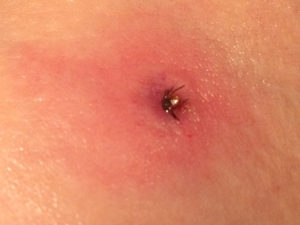
Tick that gave Nancy Lankow Lyme disease

Nancy Lankow isn’t sure how she missed it. She and her husband habitually do tick checks before bed, but she didn’t notice the blacklegged tick attached to her upper arm. She suspects picking it up in the flowerbed or woods outside her country home near Hackensack, Minnesota. It took some effort getting it out. “It was well dug-in. As you can see from the picture, it looked like it was headed to the other side of the earth,” said Lankow.

She sent the photo and a note to her primary care physician at the Essentia Health St. Joseph’s-Brainerd Clinic, a rural facility about 60 miles from her home. By the time the clinic called back, a bull’s-eye rash had spread on her arm. Lankow recalled, “They said, ‘Can you be here by four o’clock?’ I decided, at that time, there was no question that it was Lyme.”

Nancy Lankow, rural Minnesota resident and Lyme disease patient

Lankow’s case was classic. Her bull’s-eye rash is the most recognizable symptom of Lyme disease, but it doesn’t appear in every case. The corkscrew-like bacteria that causes Lyme can drill into any part of the body, invoking a constantly changing set of symptoms.

With one look at the infected area, Lankow’s doctor prescribed several weeks of antibiotics – the recommended treatment for most tick-borne diseases – and commended her for being proactive. Waiting even a few weeks could have put her at greater risk for a prolonged battle with Lyme disease. For rural residents like Lankow, the ability to see a local medical provider and begin treatment within days of showing symptoms is critical.

Home Sweet Home: The Rural Attraction

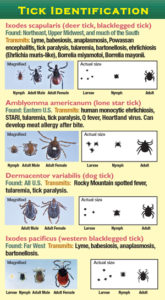
Tick identification graphic

In general, rural residents are more susceptible to tick-borne illnesses because of their proximity to preferred tick habitats, whether through their occupation or recreational activity of choice. Rural landscapes offer an ideal environment for disease-producing bacteria and their zoological hosts.

Growing up in a rural area, Lankow was used to ticks, “but now Lyme disease has upped the ante,” she stated. Minnesota is ranked in the top seven states with the most reported cases of Lyme, an indication that the disease, which started in the Northeast, is on the move. Reforestation, increased travel, changing weather patterns, and changes in ecosystems and small mammal communities are just some factors contributing to the increase and migration of tick-borne illnesses.

The number of reported tick-borne disease cases has increased over the past two decades. At least a quarter of all new Lyme cases occur in children ages 5-14, affecting their ability to learn, socialize, and even get out of bed. Experts agree that their susceptibility is largely due to lifestyle, as children tend to spend more time outdoors than other age groups.

Although Lyme is the most common tick-borne disease in the U.S., numerous others exist and new ones are being discovered. Anaplasmosis, Babesiosis, Ehrlichiosis, Powassan virus, Rocky Mountain Spotted Fever (RMSF), and Tularemia are just a few. Diseases tend to claim different parts of the country, incite different symptoms, and are transmitted from different tick species.

A Tick’s Host of Choice: The White-Footed Mouse

Dr. Maria Gomes-Solecki is a doctor of veterinary medicine studying the development of oral vaccine delivery vehicles at the University of Tennessee Health Science Center. One of her accomplishments has been the invention of a vaccine that prevents the spread of Lyme disease in white-footed mice, a common host, thereby reducing the number of ticks carrying the Borrelia burgdorferi bacterium.

Maria Gomes-Solecki, DVM

Her vaccine was tested via pellets put in live traps and strategically placed throughout a few sites the size of football fields in southeast New York. Mice that ate the pellets received a boost in antibodies, killing the B. burgdorferi bacterium inside their bodies. The results of the 5-year study showed a 76% reduction of the pathogen in nymphal ticks (the kind that transmits the bacterium to humans). Her field study, funded by the Centers for Disease Control and Prevention (CDC) and the National Institute of Health (NIH), provides a method for inducing “protective immunity” from tick-borne diseases through animals.

“If you just target mice and are able to reduce the number of infected ticks, it should be a huge impact in the number of people infected later down the line,” said Gomes-Solecki. Currently, the vaccine is circulating through United States Department of Agriculture (USDA) licensure process for commercialization approval. Gomes-Solecki and her team have rural areas in mind for upcoming pellet distribution.

“In a completely rural area, you would have to think about distribution from planes or something on more of a mass scale,” commented Gomes-Solecki. “In state and local parks, the park departments often know where the populations of animals are and know where to put the boxes that would contain the vaccines.”

The vaccine is one of several efforts of its kind to decrease tick-borne diseases through ecological methods. This One Health approach, or “the collaborative efforts of multiple disciplines – working locally, nationally, and globally – to achieve the best health for people, animals, and our environment,” is what CDC, USDA, and zoonotic experts are looking to as the solution for managing and reducing the spread of diseases like Lyme. Her work to develop a human vaccine is on hold for now, waiting for more funding in order to continue.

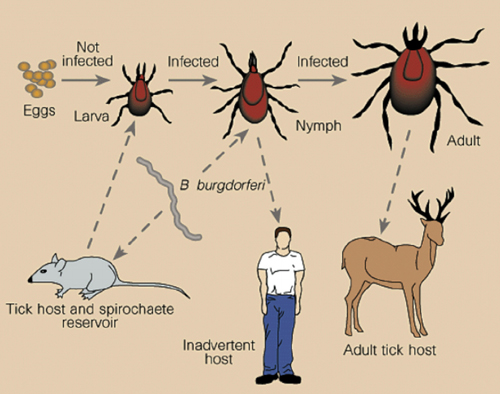
Graphic depicting tick transmission

Don’t Let It Go to Your Head

Robert C. Bransfield, M.D., DLFAPA

Dr. Robert Bransfield, clinical associate professor at Robert Wood Johnson Medical School and former president of the International Lyme and Associated Diseases Educational Foundation (ILADEF), sees patients with tick-borne diseases at his private practice in Red Bank, New Jersey.

Bransfield speaks from experience: “When there is a failure in the healthcare system, people are sent to psychiatrists.” His patients come from all over the country, even flying in from rural areas where psychiatrists are few and far between. Loggers, farmers, Amish, and Mennonites –  most arrive after the cognitive problems have already set in.

By the time they get to him, “They are sick, and they feel lost. Insurance companies are turning their backs on them, families don’t understand it, employers don’t understand it, and they don’t understand it. They feel upset and need to know how to deal with something that we call an ‘invisible disability.’”

In many cases, the brain is one of the last places the bacteria hits, so many of Bransfield’s patients have had ongoing symptoms for years. “I see depression, people who are suicidal. Sometimes they can get violent.” According to Bransfield’s research, as many as 1,200 suicides every year in America are related to Lyme disease. Those with mental symptoms from Lyme are in the hundreds of thousands.

They are sick, and they feel lost. Insurance companies are turning their backs on them, families don’t understand it, employers don’t understand it, and they don’t understand it. They feel upset and need to know how to deal with something that we call an ‘invisible disability.’

In his article Lyme Disease and Cognitive Impairments, Bransfield explains that the cognitive symptoms of Lyme disease include difficulty sustaining attention, memory, processing information, slurred speech, reading comprehension, and organization/planning. Bransfield recalls seeing these symptoms in patients at his practice in the Great Dismal Swamp region on the border of Virginia and North Carolina before Lyme disease was a known illness. Conversations would include delayed responses and grasping for words. “It was the oddest thing. People at the clinic didn’t understand it,” he recalled.  It wasn’t until after Lyme disease was discovered in the early 1980s, that Bransfield made the connection.

Because of the complexity of tick-borne diseases, Bransfield uses a multi-level approach to finding a solution. He starts by treating the symptoms. “Whether depression, anxiety, or insomnia…I methodically attack each of those [symptoms] and try to improve them. That can often break the cycle of disease progression,” he said. Sometimes this includes prescribing antibiotics, and other times, it’s with things like a CPAP machine for better sleep.

Local Change through a National Nonprofit

Since the 1990s, Pat Smith and her national nonprofit, the Lyme Disease Association, Inc. (LDA), have been encouraging the passage of a bill allowing a work group to advise the government in Lyme disease solutions and research priorities. Earlier this year, Congress passed the 21st Century Cures Act, which addresses the needs of many diseases and includes the formation of a tick-borne diseases working group.

Pat Smith, president of the Lyme Disease Association, Inc.

Lyme patients, advocates, treating physicians, and researchers will join the work group set to start by the end of 2017. “We will have representation at the table from those who have been most affected by the disease,” said Smith. “This will be a huge game changer that would influence public policy and, we hope, funding.”

Smith was on her New Jersey district’s board of education when Lyme broke out in the 1980s. She got involved with a state-wide Lyme organization out of concern and because of her own experience with the disease: two of her daughters contracted Lyme, one missing school for years as a result. Smith became president of the group and helped develop it into LDA. Run by volunteers, the organization’s mission extends well beyond its policy work — it also funds research and education efforts, as well as paying for diagnoses and treatment for uninsured children who have Lyme disease. LDA also serves as the lead organization for LDAnet, a network of 45 independent tick-borne illness groups across the country.

LDA often awards educational grants to its partners, many of whom are working to improve the situation for rural areas: events like the one Midcoast Lyme Education and Support recently put on in Maine’s rural midcoast region draws people from every part of the state. LDA’s educational materials are distributed regularly to public health offices, the military, individuals, schools, and partner groups like the Lyme Association of Greater Kansas City that supplies school nurses in rural districts with LDA resources.

Educating Doctors

I was stunned to realize how much I didn’t know that was already knowable. My conception of Lyme – a bit of a rash, maybe some achy joints, then you get an antibiotic and everything goes away – was inaccurate.

While practicing in rural Howland and Lincoln, Maine, Dr. Beatrice Szantyr, an internist/pediatrician now retired from clinical work, took a closer look at the disease to help a patient. “I was stunned to realize how much I didn’t know that was already knowable. My conception of Lyme – a bit of a rash, maybe some achy joints, then you get an antibiotic and everything goes away –  was inaccurate,” she recalled.

Beatrice M. Szantyr, M.D.

She attributes the lack of clarity among the medical community to the emphasis on certain objective aspects of the disease when it was first uncovered. “In retrospect, that likely suppressed some of the early information that was really important to have,” said Szantyr. Additionally, the lack of highly sensitive and reproducible tests, the persistence of illness in some patients despite treatment with antibiotics thought to be effective, and the still incomplete science of this infection have resulted in conflicting views about Lyme disease.

The debate is ongoing in the medical field and government groups specifically regarding its definition, diagnosis, and treatment.

Szantyr has spent thousands of hours exploring and educating medical and public audiences on tick-borne diseases. As a member of the International Lyme and Associated Diseases Society (ILADS), medical advisor to MaineLyme, and member of Maine’s Vector Borne Disease Work Group, she has helped to bring tick-borne illnesses to the forefront of medical and public health conversations in her state.

When advising clinicians regarding diagnosing a tick-borne disease, Szantyr said, “You cannot abdicate your clinical judgement. No laboratory test is ever going to be better than putting together all the data that you have and making a clinical assessment.” She also recommends providers have a working knowledge of local tick-borne diseases and not dismissing symptoms just because there are no known local cases of the disease. As people and animals travel, so do ticks, widening the spread of their growing population. Doctors can boost their knowledge and get continuing medical education (CME) credits through courses like Dr. Elizabeth Maloney’s Partnership for Tick-borne Diseases Education.

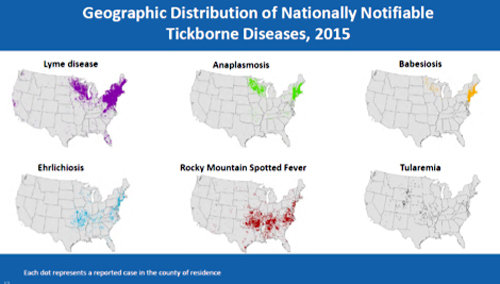
maps showing geographic distribution of tickborne diseases

Dr. Beatrice Szantyr’s tips for preventing tick-borne illnesses:

  • Keep your grass cut short and create a 3-foot or greater mulch, woodchip, or stone border between your lawn and abutting woods to further separate home and tick environments.
  • When around a tick-infested area, wear light-colored clothes for better detection.
  • Tuck your clothes (shirt into pants, pants into socks) to create a barrier between your skin and ticks.
  • Wear insect repellent with a DEET concentration >23%. Spray it on your skin to get the best results (the reaction between the spray’s chemicals and your body’s oils/heat creates a vapor layer that repels insects).
  • After being outside, perform a tick check on yourself and children, especially places that restrict motion: groin, waist, belly button, bra line, behind knee and ears, and scalp. Ticks can be as small as poppy seeds.
  • If a tick has attached to your skin, don’t panic. Remove it promptly and carefully. Tweezers or “tick-scoops” have proven to be the best for a clean removal. Pull the tick away from your skin with gentle, constant pressure. Clean the wound site. Put the tick in a bag and bring it to your healthcare facility if symptoms ensue or to pursue preventive treatment.
  • Treat a set of clothing with permethrin, a tick and mosquito-killing agent that has been proven to reduce the amount of tick bites on one’s body. You can also purchase clothing that has already been treated.
  • To kill ticks on clothing, place clothes in the dryer and run on high heat setting for 6 minutes.

Prevention and Early Detection

When caught early, antibiotics have been shown to be effective treatment for Lyme and other tick-borne disease. Follow up is important. In Lankow’s case, the rash went away and no other symptoms set in after her three-week antibiotic cycle. The experience has made her a strong believer in prevention and early detection. “Keep watching and respond quickly. Don’t wait. My daughter learned that the hard way.”

Keep watching and respond quickly. Don’t wait. My daughter learned that the hard way.

Lankow’s daughter was diagnosed with Lyme after several weeks of escalating symptoms, which became debilitating. Several other family members have also had the disease, including her husband. But, like so many rural residents, that hasn’t stopped them from enjoying the great outdoors, gardening, and cutting and splitting firewood. “I don’t think it’s going to make a big change in what we do. We’ll be very careful on tick checks and perhaps more assiduous with tick spray,” said Lankow.

Additional Resources