Archive for the ‘PANS’ Category

Stories of PANDAS

https://abcnews.go.com/video/embed?id=56729630“>https://abcnews.go.com/video/embed?id=56729630  (Go here for News Story.  There are two parts.)  

What is PANDAS, the disorder some doctors say can cause extreme behavioral changes in kids?

Alexia Baier was an eager-to-learn, 4-year-old girl beginning pre-K in a suburb outside of Chicago. She thrived academically — counting, painting and playing with other children.
But five months after starting pre-K, she was infected with a bacteria that several millions of people get every year, according to the Centers for Disease Control and Prevention. The bacteria, group A strep, caused Alexia to get strep throat, a condition children usually recover from easily with treatment.
After 10 days of antibiotics, the infection disappeared but so did Alexia’s bubbly personality. Within two days after completing antibiotics, Alexia began showing behavioral changes at home and eventually at school. She suddenly became defiant and explosive.
“It was a lot of screaming, a lot of hitting and kicking adults,” said school principal AJ McCree. “When we would try and keep her safe in an isolated area, she would continue to elevate and elevate.”

Alexia’s mother, Vanessa Baier, couldn’t believe the shocking change.

“They had to call in the social worker, the psychologist, the principal. It was like a Tasmanian devil running through the classroom,” she said.

Holding back tears, Baier said she wondered: “What am I doing wrong?”

It was a four-month-long emotional roller coaster dealing with the toll on the family’s personal life and a lack of answers from the medical community until Alexia started threatening violence against others, including herself. She even attacked her mother.
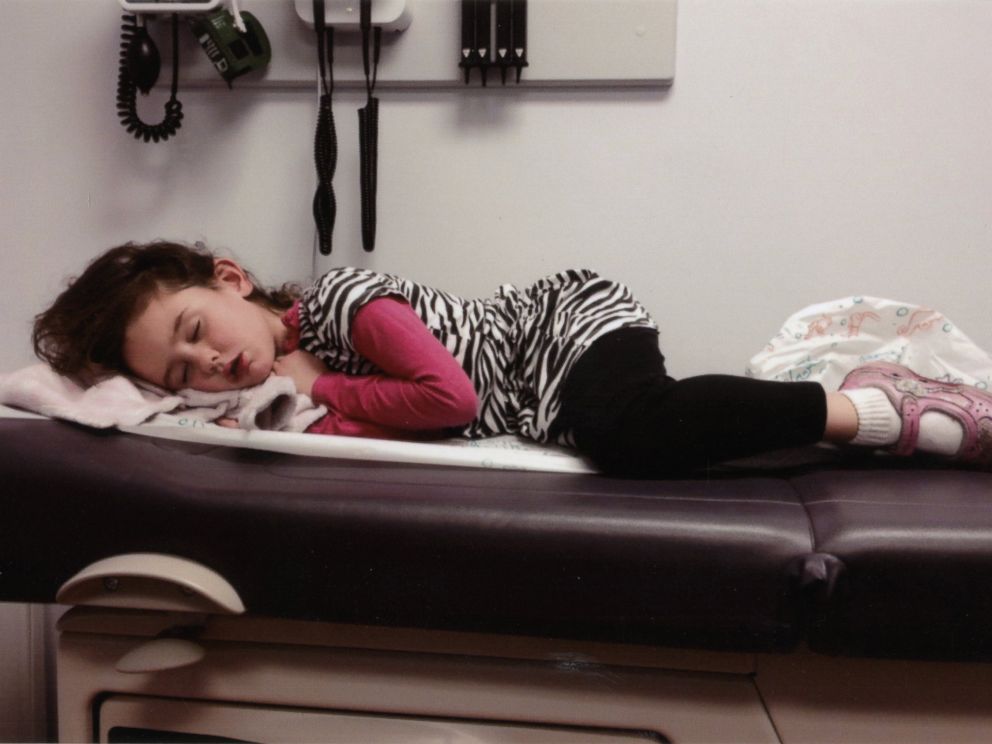
Alexia Baier is seen here during a doctors visit. Vanessa Baier
Alexia Baier is seen here during a doctor’s visit.

While Baier was driving, Alexia became violent toward her mother during a trip to get milkshakes. Baier said that Alexia began asking for a second milkshake. When Baier refused, she said, she heard Alexia unbuckle her seat belt.

“I pulled over and I turned to her. As I picked my head up, she was stabbing me in the eye with my mascara wand,” Baier said.

Baier said that between the threat of self-harm and the increased violence she realized she needed to take extreme measures.

At 4 years old, Alexia was admitted to residential treatment. After nine days of observation, Baier wasn’t convinced that Alexia was getting the help she needed. She said that the doctors’ diagnosis of bipolar disorder didn’t seem right to her and that Alexia was sent home with prescriptions for stimulant and antipsychotic medications that didn’t seem to be working.

Baier said the medication made her daughter a zombie and she was still having explosive moments.

“I was not in denial. The only thing that I kept questioning is, ‘But why did this suddenly come on? Wouldn’t I have seen signs? Or does bipolar just … come out of nowhere like this? And what about that strep?'” she said.

Eventually, a neuropsychologist connected the timing of the strep and immediate onset of behavioral symptoms.

Baier said that’s when the doctor asked: “‘OK, have you ever heard of PANDAS?’ [I was] definitely relieved to have some sort of diagnosis that made sense.”

Pediatric Autoimmune Neuropsychiatric Disorders Associated with Streptococcal Infections (PANDAS)

Some physicians believe PANDAS is the sudden onset of tics, Obsessive Compulsive Disorder-like behavior or other behavioral changes as a result of a streptococcal infection like strep throat. After a child gets strep throat, the immune system produces proteins, like antibodies, to protect itself.

However, some doctors think that in some cases, these antibodies may mistake its own immune system as foreign and actually attack the child’s own body, including the brain, triggering inflammation as a result of the misguided immune response. They say this “autoimmune” attack causes neuropsychiatric changes in the child, presenting as behavioral changes, like OCD and tic disorders. There is a wide range and severity of symptoms, with Alexia’s case on the more extreme end.

There is also the emergence of a broader umbrella term called Pediatric Acute-onset Neuropsychiatric Syndrome (PANS), which includes not only PANDAS but also symptoms thought to be caused by non-strep infections or other inflammatory disturbances to the system.

These non-strep infections include bacteria and viruses like Lyme disease, mycoplasma pneumonia or walking pneumonia, herpes simplex viruses and the common cold, according to the National Institutes of Health.

The thought is that this whole set of conditions boils down to one presumed cause: an overly active immune response that is sudden in onset but looks like OCD or behavioral problems. It’s no longer thought to be just about the strep. Experts caution, however, that many children will get strep and other infections with no resulting behavioral changes, while others experience behavioral changes without a prior infection.

Some doctors say the presentation of PANDAS is broad and can vary. The diagnosis requires two of the following symptoms, according to the National Institute of Mental Health: anxiety, emotional instability/depression, oppositional behavior like aggression, losing development in behavior, worsening of school performance, disabilities in sensory or motor capabilities as well as signs and symptoms like sleep or urinary problems or eating restrictions. A collaborative effort among different PANDAS researchers has resulted in this set of criteria.

Dr. Susan Swedo, senior investigator in pediatrics behavior and Chief of the Pediatrics and Developmental Neuroscience Branch with the National Institute of Health, has been studying PANDAS for decades and was the first, with her team, to identify PANDAS. Although she said the disorder is uncommon, she estimates it affects one in 200 or one in 500 children.

She also said that far too many of her fellow doctors don’t think PANDAS is real.

“They dismiss it. We don’t have an argument with people that think this exists and it might be rare. The argument is with people who are literally PANDAS deniers,” she said.

There is controversy over whether the streptococcal infection of PANDAS is really what causes persistent behavioral changes. Some doctors believe the sequential onset of strep throat and these changes could be coincidental.

Dr. Donald Gilbert, professor of child neurology at the University of Cincinnati and the director of two clinics at Cincinnati’s Children Medical Center, told ABC he believes “the majority of those who believe they have PANDAS just have regular OCD or regular old tics.”

Gilbert said that even if PANDAS is a legitimate diagnosis, it is most likely extremely rare and overdiagnosed. He is not alone in those beliefs.
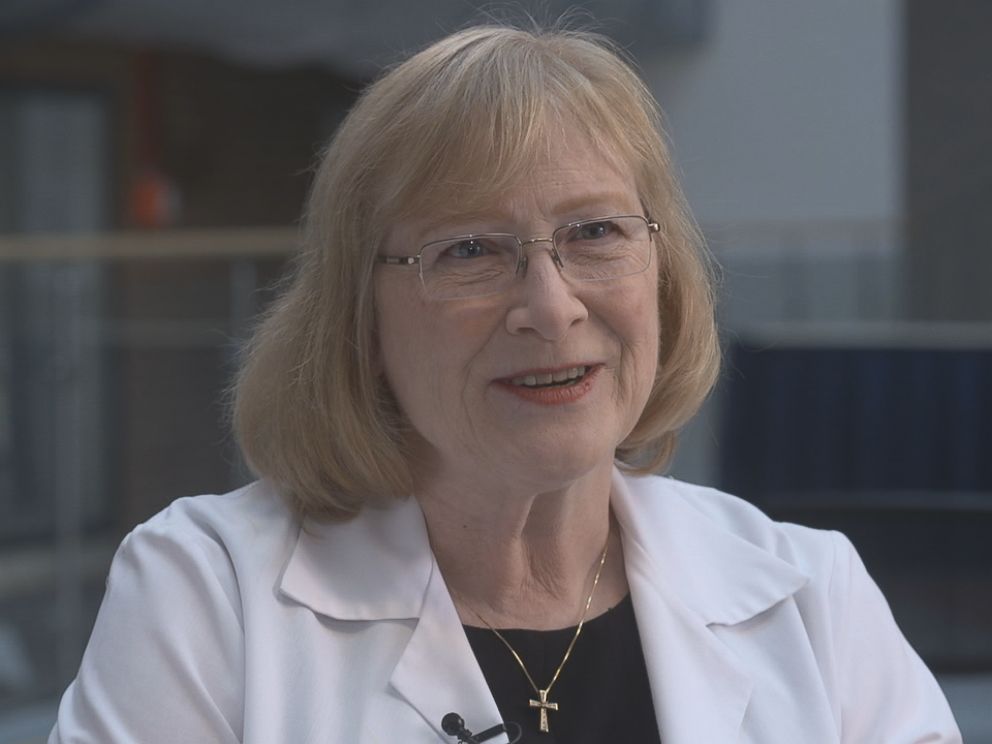
PHOTO: Dr. Susan Swedo of the National Institute of Mental Health first identified PANDAS as a behavior disorder in children 20 years ago.
ABC News
Dr. Susan Swedo of the National Institute of Mental Health first identified “PANDAS” as a behavior disorder in children 20 years ago.

Swedo acknowledged that some doctors may be over-treating but said on a whole the disorder is underdiagnosed countrywide. She said that’s in part because of the number of fellow physicians who do not believe in the diagnosis of PANDAS. This makes it hard, she said, for families to find physicians willing to treat the condition.

However, some national medical organizations remain unconvinced that PANDAS is real, citing the lack of unduplicated or quality studies.

The American Academy of Pediatrics “Red Book,” a guide used by many pediatricians for infectious diseases like streptococcus, contains its stance on PANDAS.

According to the AAP Red Book, the evidence for PANDAS has relied on only a small number of patients and the authors have concluded that there is not a specific enough relationship between group A strep and the neuropsychiatric disorders to suggest treatment with antibiotics or any other therapy.

The American Academy of Pediatrics suggests management not by pediatricians, but by specialists like child psychiatrists, behavioral and developmental pediatricians or child neurologists.

The AAP states that management of any specific symptoms of OCD and tic disorders should be left to the specialists. Although some researchers and clinicians believe that treatments including antibiotics and certain immunotherapy may help “children with symptoms suggestive of PANDAS or PANS”, the AAP says there aren’t enough studies to prove this yet.

Alexia Baier is awarded ‘Student of the Month’

Today, Alexia is 8 and, her parents say, doing a lot better. After receiving the diagnosis of PANDAS from a neurologist three years ago, she was placed on different antibiotics for the streptococcus bacteria, took steroids and had her tonsils and adenoids removed.

She does have occasional flare-ups but they are quickly treated with antibiotics, according to the family. Alexia improved behaviorally and was even awarded “Student of the Month” out of her entire school. With the return to a sense of normalcy, the family decided to turn their scary experience into an opportunity for advocacy.

For Alexia and her family, their experience with PANDAS was enough for them to join the fight with other families to pressure Illinois to become the first and only state so far requiring insurance companies to financially support PANDAS treatment. The law was passed and signed into law in Illinois in July 2017.

Constant research continues and supporters of PANDAS hope that the policy, financial support and health-care stance on this issue will shift and improve along with understanding. They say this will require the collaborative work of both critics and supporters of PANDAS.

To learn more about PANDAS, click here for more information.

ABC News’ Neha Chaudhary contributed to this story.

______________

For more on PANDAS/PANS:  

https://madisonarealymesupportgroup.com/2018/01/05/scary-side-of-childhood-strep/

https://madisonarealymesupportgroup.com/2017/06/30/child-with-lymemsidspans-told-by-doctors-she-made-it-all-up/

https://madisonarealymesupportgroup.com/2017/10/09/today-is-panspandas-awareness-day/

https://madisonarealymesupportgroup.com/2017/04/11/hidden-invaders-infections-can-trigger-immune-attacks-on-kids-brains-provoking-devastating-psychiatric-disorders/

https://madisonarealymesupportgroup.com/2017/10/08/misdiagnosed-how-children-with-treatable-medical-issues-are-mistakenly-labeled-as-mentally-ill/

https://madisonarealymesupportgroup.com/2018/02/21/why-therapy-isnt-enough-when-you-have-ocd-and-pans-pandas/

https://madisonarealymesupportgroup.com/2017/10/01/panspandas-steroids-autoimmune-disease-lymemsids-the-need-for-medical-collaboration/

https://madisonarealymesupportgroup.com/2018/03/14/dr-frid-children-lyme/

https://madisonarealymesupportgroup.com/2015/10/06/november-dr-brown-on-msids-pandas-pans/  (According to Dr. Brown, 80% of his PANS & Autistic patients have Lyme/MSIDS)

Misdiagnosed with bipolar disorder, girl had PANS:  https://www.mercurynews.com/2014/04/19/misdiagnosed-bipolar-one-girls-struggle-through-psych-wards-before-stanford-doctors-make-bold-diagnosis-and-treatment/


 

Netflix Currently Showing “Brain on Fire”

https://www.netflix.com/title/80128245

Stricken with seizures, psychosis and memory loss, a young New York Post reporter visits doctor after doctor in search of an elusive diagnosis.

  Approx. 9:30 Min

UK Interview with Susannah Cahalan who was diagnosed with a brain disorder called Autoimmune Encephalitis (AE)…7th Feb 2013

After reading the book a while back, I decided to watch the movie.  It’s a heart-wrenching story of another patient that almost got lost in the cracks and was misdiagnosed from everything from bipolar disorder to alcohol withdrawal.  It’s also another example of how a true physical problem can present like mental illness.

For more on this topic:  https://madisonarealymesupportgroup.com/2017/10/03/treat-the-infection-psychiatric-symptoms-get-better/

https://madisonarealymesupportgroup.com/2018/02/20/mysterious-disease-where-the-body-attacks-the-brain-more-common-than-initially-thought/  The Mayo Clinic’s new study, published in February in the journal Annals of Neurology, suggests that cases of autoimmune encephalitis aren’t nearly as rare as researchers once believed. By drawing on data from the Rochester Epidemiology Project, a medical records database in Olmsted County, Minnesota, the researchers were able to estimate that roughly 1 million people across the globe had autoimmune encephalitis at some point in their life. Each year, roughly 90,000 people may develop AE, they estimated.  “No prior studies evaluated this,” Eoin Flanagan, the lead author on the paper and an autoimmune neurology specialist at the Mayo Clinic, said in a statement.  Kelley, who is working on his own forthcoming study of the frequency of AE in young people, said his work echoes Flanagan’s findings.  “You can’t diagnose something you don’t know about, or that you don’t recognize,” Kelley told Business Insider.

In children, infections like strep throat appear to be a trigger of AE.  Susan Schulman, a pediatrician in New York, told Business Insider last year that she had seen hundreds of cases of a related condition, called PANS (pediatric acute-onset neuropsychiatric syndrome), in her patients. Her first case, in 1998, was a five-year old girl from Brooklyn who flew into a panic about keeping special holiday clothes separate from her regular clothes.  “She was driving her mother crazy,” Schulman said last year. At first, she believed the girl had childhood obsessive-compulsive disorder, but medication made the child’s symptoms worse. She later returned to Schulman’s office with a nasty case of strep throat and strangely, after Schulman treated the strep with antibiotics, the OCD symptoms vanished.

The reason we need to be aware of this issue is Lyme/MSIDS can also be a trigger:  https://madisonarealymesupportgroup.com/2017/10/01/panspandas-steroids-autoimmune-disease-lymemsids-the-need-for-medical-collaboration/

https://madisonarealymesupportgroup.com/2017/04/11/hidden-invaders-infections-can-trigger-immune-attacks-on-kids-brains-provoking-devastating-psychiatric-disorders/

https://madisonarealymesupportgroup.com/2017/06/30/child-with-lymemsidspans-told-by-doctors-she-made-it-all-up/

https://madisonarealymesupportgroup.com/2018/06/14/depression-the-radical-theory-linking-it-to-inflammation/

Vaccines Could Contribute to Disease Epidemics Due to Retrovirus Contamination

https://www.naturalnews.com/2018-03-01-vaccine-manufacturing-process-could-be-contributing-to-disease-epidemics-retrovirus-contamination.html#

The vaccine manufacturing process could be contributing to disease epidemics due to retrovirus contamination

Image: The vaccine manufacturing process could be contributing to disease epidemics due to retrovirus contamination

(Natural News) Vaccines are highly controversial, and much of the debate rightly surrounds their connection to autism and their inclusion of mercury and other heavy metals. However, there is another aspect of vaccines that doesn’t get as much attention even though it could have grave repercussions for life on this planet: Retrovirus contamination.

A type of virus whose genes are encoded into RNA rather than DNA, retroviruses function differently than other types of viruses but can be just as devastating. Human retroviruses include HIV and human T-cell lymphotropic virus 1, which has been associated with some leukemias and lymphomas.

All animals have some retroviruses integrated into their genomes, with as much as 15 percent of the human genome believed to be made up of ERV human retroviruses. They contribute to diseases such as cancer, autoimmune diseases, and neuroimmune diseases.

The manufacturing process involved in human and veterinary vaccines uses live animal and human cells to serve as master seed stock. The process was developed before the mechanisms of retroviruses were fully understood, which means that no one was aware of the risks at the time. While many retroviruses are harmless and remain essentially dormant, they become harmful when they are exposed to cells from other species, which is what can happen during the vaccine manufacturing process itself as well as during the administration of vaccines that contain cell components from other species. Incidentally, this is similar to what has been creating problems when researchers try to transplant pig tissues and organs into humans.

As new vaccines were developed in the 1970s, exposure to retroviruses intensified. These retroviruses have now been associated with many of the chronic illnesses modern humans are facing, from cancer and autism to Alzheimer’s and Chronic Fatigue Syndrome. It is believed that as many as 20 million Americans could be infected with retroviruses, but not all of them will go on to develop a serious illness. They can be thought of as sleeping giants, who are only awakened when there is an immune deficiency.

A recent study published in the journal Biologicals outlined how endogenous retroviruses (ERVs) are infecting cats and how the feline retrovirus known as RD-114 has contaminated vaccines for other pets. There are at least two ERVs in cat genomes, and the RD-114 virus is found in a wide range of vaccines for dogs and other animals. In fact, a different study showed that RD-114-related viruses contaminated around a third of the 25 commercial vaccines for dogs and cats tested.

Retrovirus contamination in vaccines widespread

Research scientist Judy A. Mikovits even goes so far as to say that nearly all human vaccines are contaminated with at least one retrovirus, usually from an animal thanks to the animal byproducts used in vaccine creation. Six percent of Americans now have mouse-related retroviruses, for example, and that almost certainly comes from vaccines.

Take the example of the rotavirus vaccines RotaTeq and Rotarix, which made headlines a few years ago when they were found to be contaminated with pig viruses. The problem becomes even worse when multiple vaccines are given in combination, as is often the case with children and infants. Dr. Mikovits points out that one pig retrovirus can cause symptoms similar to AIDS when there is a simultaneous immune system activation, such as concurrent vaccination, creating a “high-risk scenario for disease in humans.”

Vaccines are risky enough when you take retroviruses out of the equation, but this vastly underreported problem could eventually prove to be the biggest danger of vaccines yet.

Sources for this article include:

GreenMedInfo.com

ScienceDirect.com

NCBI.NLM.NIH.gov

HealthImpactNews.com

NaturalNews.com

____________

**Comment*

Lyme/MSIDS can activate the immune system and be that “sleeping giant,” the author points out.

https://madisonarealymesupportgroup.com/2017/12/02/scottish-doctor-gives-insight-on-lyme-msids/  Dr. Lambert has treated a number of young women who fell ill after their HPV vaccination, which seems to have stimulated a latent Lyme infection to reactivate.

https://madisonarealymesupportgroup.com/2016/04/24/gardasil-and-bartonella/  Asymptomatic girls after receiving Gardasil activated dormant Bartonella which was confirmed by testing.

More on retroviruses:  https://madisonarealymesupportgroup.com/2017/10/15/vaccines-and-retroviruses-a-whistleblower-reveals-what-the-government-is-hiding/  What did microbiologist Judy Mikovitz get for exposing retroviruses in vaccines?  She got jailed without a search warrant and publicly demolished by those who can’t stand exposure to the truth.


Why Therapy Isn’t Enough When You Have OCD and PANS/PANDAS

https://www.lymedisease.org/therapy-isnt-enough/

Why therapy isn’t enough when you have OCD and PANS/PANDAS

The following is written by a 22-year-old woman who writes the Dreaming Panda blog, about her experiences coping with Lyme disease and PANS/PANDAS. She has been dealing with these conditions for more than 10 years. PANS/PANDAS is an autoimmune condition that can be triggered by such infections as strep, Lyme disease, and others.

by Iris Ainsley

This week, I made the mistake of reading the PANDAS Wikipedia page, and now I’m boiling over:

“Treatment for children suspected of PANDAS is generally the same as standard treatments for [Tourette Syndrome] and OCD. These include therapy and medications…”

All the sources for the page are at least seven years old, and since then, research has evolved dramatically. Unfortunately, to the peril of those of us who have PANS/PANDAS, many doctors still subscribe to this misguided treatment “standard.”

And so, I present my own story as a living example of why you should never ever listen to this terrible advice—and certainly shouldn’t trust Wikipedia…

IN 2012, I DEVELOPED OBSESSIVE-COMPULSIVE DISORDER.

One fateful Saturday afternoon in my senior year of high school, I became inexplicably convinced that I was a terrible person going to Hell. My mind was suddenly consumed by unwanted obscene intrusive thoughts: words and images of explicit and blasphemous material that went against everything I believed.

Overnight, I’d developed a severe case of a lesser know type of OCD which revolved around moral and religious obsessions and invisible mental compulsions. The extreme anxiety I felt from my OCD turned me into a caged tiger, and I would pace the house for hours and hours and constantly fidget during class.

It was as if an outside force had completely taken over my mind and body. I had no idea what was happening to me. My parents took me to the doctor, and I was given medication and referred to a psychologist for therapy.

“What about PANS?” they asked my GP. My mom had read about the disease while researching OCD and immediately had a bad feeling that it explained my symptoms.

My doctor sighed:

“PANS is controversial. We don’t know much about it… But we do know that therapy helps the majority of people with OCD.”

And so, I began an eight-month course of intensive Exposure-Response Prevention therapy. I slowly got my life back and was freed from my severe OCD.

Because therapy seemed so effective, my family and I figured that even if PANS/PANDAS had caused my OCD, it didn’t matter anymore. We trusted the conventional treatment strategy for suspected PANDAS: that it should be treated no differently from “garden-variety” OCD.

BUT OH HOW WRONG WE ALL WERE…

There’s one big problem with the “mainstream” PANS treatment advice that, unfortunately, doctors don’t seem to grasp: PANS is an infection-triggered autoimmune disease that attacks the brain—not a mental illness. Although the syndrome manifests as severe, sudden-onset OCD, PANS can no more be cured by SSRI’s and therapy than can any other autoimmune disease such as multiple sclerosis or lupus.

Telling someone with PANS that therapy and psychotropic medication is the solution is like giving a cane to someone with rheumatoid arthritis and calling that a “cure.” Yes, mobility aids may be necessary to cope with symptoms, but they don’t address the underlying disease.

Similarly, therapy can help cope with the PANS symptom of OCD, but it doesn’t address the brain inflammation that causes it. Just like other autoimmune conditions, forgoing proper treatment for PANS can allow the illness to progress.

INDEED, MY FIGHT HAD JUST BEGUN.

A sore throat at the beginning of my first year at university brought PANS back in a new form: I fell into a dream-like state for the next nine months, where I couldn’t tell when I was awake or asleep; I slept at least ten hours at night and constantly fell asleep all day long, no matter how much caffeine I had. I was soon misdiagnosed with narcolepsy.

As the months went on, my anxiety reached new extremes, and I started waking up in the middle of the night in panic attacks. I developed a hand tremor, and I noticed random muscles twitching at times, too. I would get so nauseous that I would go multiple days barely able to eat anything. I saw half a dozen specialists over the school year, but nothing seemed to help.

Any doctor who thinks PANS should always be treated the same as any case of OCD clearly knows nothing about PANS. Unless someone has a mild case or is “lucky” to get diagnosed quickly, you’ll find that most people with PANS, like me, have tried multiple psychotropic medications, seen numerous therapists and doctors, and have probably accrued an impressive list of diagnoses in addition to OCD—and they continue to suffer intensely.

I did my very best to comply with the therapy and medications my doctors suggested in the hopes of getting better, but instead…

I GOT WORSE AND WORSE AND WORSE.

Finally, that summer after my freshman year, when I was sure I couldn’t get any sicker, I woke up one day with wild involuntary movements all over my body. I suddenly couldn’t walk. I had trouble speaking. I hallucinated. I wrote the letters all out of order when I attempted my homework. I became suicidal and had outbursts of rage.

I literally told my parents I had “died,” because I felt like my entire personality and my very self had been wiped away over the course of a few days. It was like someone had kidnapped me from my own body.

Only treating PANS like “garden-variety” OCD is a complete misunderstanding of the very nature of the disorder. PANS isn’t just sudden-onset OCD—it’s an autoimmune condition that attacks the brain. The attack not only creates OCD, but it results in all sorts of other symptoms, such as the ones I later experienced (and plenty of others that I didn’t have). You cannot possibly fix the aforementioned problems by only treating PANS like “any other case of OCD.”

SO HOW DID I GET BETTER?

In July of 2014, almost two years after my extreme OCD began, my family schlepped across the country to a neurologist who specializes in PANS, because no one nearby knew how to help me. Other doctors had warned about seeing specialists like her, saying the treatments were “dangerous” and “unproven.”

But when a person is threatening to kill herself, not eating, and not responding to drugs and therapy anymore, what’s the real danger in the situation?

And so, a few days after I was diagnosed with PANS, I received an aggressive autoimmune treatment called IVIG: an IV infusion of antibodies from thousands of healthy donors. The idea was that the IVIG would reset my immune system and stop the autoimmune attack. If it stopped my own antibodies from attacking my brain, it would therefore stop the PANS symptoms.

Indeed, after a second round of IVIG a few months later, a year of antibiotics and steroids, and a tonsillectomy to get rid of an infection that was aggravating PANS, I fully recovered. By early 2016, I was left with only mild symptoms that had no impact on my life.

DID THERAPY HAVE A ROLE IN MY RECOVERY?

Although I developed new PANS symptoms in that first year of university, which later responded to IVIG and other treatments, I do believe there’s a good reason my OCD never got as bad as it once was: I learned coping techniques from my eight months in therapy. To this day, if I have a PANS flare-up, I might get the same sorts of constant, painful intrusive thoughts that I did in high school. However, I now have tools to avoid carrying out compulsions, so my OCD symptoms have never taken over my life again.

I’m not anti-therapy, anti-medication, or anti-psychiatry—I’m simply against only using these methods to treat a physical, brain-attacking autoimmune disease.
PANS is not a mental illness, but many of its symptoms, such as OCD, can be alleviated through therapy. In fact, I think most people with PANS could benefit from it. And sometimes, the right psychotropic medications (often in small doses) have been useful, too. This disease is harder than you can imagine to live with every day, and if there’s anything safe that might help, why not do it?

Nevertheless, even though PANS treatments like IVIG, plasmapheresis, and long-term antibiotics have significant risks, in moderate or severe cases like mine, it’s downright dangerous to use nothing but conventional OCD treatments like therapy and medication.

Other than the rare instances of PANS where a kid outgrows it, at best, someone with severe PANS who forgoes immune-based treatment might “manage” their OCD with psychiatric care for the rest of their life. At worst, that person will be permanently disabled by intractable symptoms… Or perhaps something even worse if they become suicidal.

My experience of PANS is not an anomaly—the only thing unusual is that I found a doctor willing to treat me properly. I shudder to think of how many thousands go without adequate care due to medical ignorance.

Until the textbooks (and Wikipedia page!) are rewritten to portray PANS/PANDAS as the serious autoimmune disease that it is, I will not stop speaking against the recklessness and inadequacy of the so-called conventional treatment strategy.

For scientific research showing why PANS/PANDAS is NOT controversial or hypothetical anymore, and why the Wikipedia page is wildly inaccurate, please refer to these credible sources:

PANDAS Physicians Network Research Library:  https://www.pandasppn.org/research-library/

Moleculera Labs Research Library:  http://www.moleculeralabs.com/digital-library/

Iris Ainsley is the pen name of a young California woman who writes the Dreaming Panda blog:  https://thedreamingpanda.com

She can be contacted here:  https://thedreamingpanda.com/contact/

_______________

**Comment*

Yes, we all need to get the word about about the severity of PANDAS/PANS and educate folks that this is an infection triggered disease and that tick borne illness (TBI) is often the culprit.

Please notice the progression of symptoms and how nearly every body system is eventually affected – just like with TBI.  Dr. Jemsek’s famous quote, “You either have twenty diseases or you have Lyme/MSIDS,” demonstrates the pervasiveness.

Thankfully, more and more is coming out on this insidious disease but much of the information is not reaching doctors.  Do your part and educate as many as will listen.  Send them articles and blogs like Ms. Ainsley’s so they can read for themselves.

For more:  https://madisonarealymesupportgroup.com/2018/02/20/mysterious-disease-where-the-body-attacks-the-brain-more-common-than-initially-thought/

https://madisonarealymesupportgroup.com/2017/10/01/panspandas-steroids-autoimmune-disease-lymemsids-the-need-for-medical-collaboration/

https://madisonarealymesupportgroup.com/2017/10/08/misdiagnosed-how-children-with-treatable-medical-issues-are-mistakenly-labeled-as-mentally-ill/

https://madisonarealymesupportgroup.com/2018/01/05/scary-side-of-childhood-strep/

https://madisonarealymesupportgroup.com/2017/12/01/guidelines-for-treating-pans-its-real/   “According to a Wisconsin specialist, 80% of his PANS/PANDAS patients have Lyme and other coinfections. This is important to know and tell others about, remembering that tick borne illness testing is abysmal. Getting to a specialist who understands this complexity is paramount. Another helpful tip is printing out and going through checklists with the children as discussing symptoms is quite helpful. Children aren’t experienced in this type of verbal specificity, so be patient and listen.

https://madisonarealymesupportgroup.com/2018/01/31/finding-the-right-psychotherapist-for-your-child-with-lyme-disease/


Mysterious Disease Where the Body Attacks the Brain – More Common Than Initially Thought

https://businessinsider.com/body-attacking-brain-autoimmune-disease-symptoms-depression-anxiety-2018-2?r=US&IR=T

A 24-year old got a mysterious disease where her body attacked her brain — and scientists are learning it’s more common than they thought

caroline walsh 2Caroline Walsh
  • When she was 24 years old, Caroline Walsh started having disturbing symptoms, like forgetfulness and sudden behavior changes.
  • Doctors incorrectly diagnosed her several times before she was properly diagnosed with autoimmune encephalitis, a disease in which the body attacks itself and targets the brain.
  • New research suggests the disease may affect up to 90,000 people each year.

There’s a blank year in 26-year-old Caroline Walsh’s once-spotless memory.

She’s pieced parts together from stories her friends have told her and a collection of photos on Facebook. But she cannot remember the day it all began — when her father found her in the middle of a seizure, her body writhing on the floor. She also can’t remember waking up with her hands tied to a hospital bed, begging her sister to help her escape, or the next day when she proclaimed she was the Zac Brown Band.

Instead, Walsh’s first recollection of that time is of a recovery room filled with family and flowers. By then, her doctors had diagnosed her with a mysterious disease called autoimmune encephalitis, or AE. While there’s lot we still don’t know about the condition, experts believe it’s part of a larger class of illnesses in which the body turns on itself.new study from Mayo Clinic researchers suggests it’s a lot more common that previously thought. In fact, AE may occur just as frequently as cases of regular encephalitis, the brain swelling caused by viral infections. If that’s the case, it could be impacting roughly 90,000 people around the world every year.

In Walsh’s case, the disease attacked her brain, setting off a chain reaction of symptoms that mimicked those of other mental illnesses like depression and schizophrenia. If treated properly and early enough, people with AE can make a near-complete recovery. But if they go undiagnosed or land in a psychiatric ward, they can die.

Something brewing

A stroll down a real street called Memory Lane in London leads you to the London Institute of Psychiatry, where J.A.N. “Nick” Corsellis sliced into the brains of three corpses and found the first evidence of AE.

Deep in the dense part of the brain called the limbic system, the normally lithe network of rubbery-smooth tissue had become puffy and inflamed. It was as if something had attacked it from within.

Most of the people these brains once belonged to had been diagnosed with cancer, then seemed to make a full recovery. But their personalities began to change. A partner or friend was usually the first to notice an odd shift in their behavior — usually a progressive increase in forgetfulness, though others experienced a sudden bout of mania or depression. A 58-year old bus driver found himself waking up most days not knowing where he was.

Corsellis saw inflammation in parts of the brain linked with memory and mood, but he couldn’t explain what had caused the swelling that triggered the symptoms.

“The first question to arise … is whether the assertion of a connection between carcinoma [cancer] and ‘limbic encephalitis’ is now justified, even if it cannot be explained,” he wrote in a 1968 paper in the journal Brain. It was first time the condition was mentioned in a scientific journal.

Walsh’s symptoms became noticeable one day at work when she started repeating herself. She joked with a co-worker that she was coming down with early-onset Alzheimer’s.

“I was just getting very confused all the time,” Walsh said.

The next week, more mysterious problems cropped up — Walsh had a knack for remembering names, but one day when she met up with some new friends, she introduced herself half a dozen times and struggled to commit anyone’s name to memory.

“They’d say it and then a couple minutes later I’d have no clue what their name was or what we were even talking about,” she said.

At the office the next day, things got worse. “My personality was just off. I thought it was work. I pulled my boss aside into a conference room and I started to cry, which was just not me,” she said. When she wasn’t feeling stressed and anxious, she felt depressed.

“Something was just brewing, I could feel it,” she said.

When the body attacks itself

Our immune system is our body’s defense against the outside world.

Most of the action is coordinated by white blood cells, which direct the lines of attack like football coaches, churning out antibodies that target the opponent for destruction.

white blood cellA new way of boosting white blood cells.Shutterstock
But sometimes the process can go awry. In generating an immune response against a virus or other disease, the body can wind up up attacking itself — such issues are known as autoimmune diseases. 

It’s as if “some wires get crossed,” Brenden Kelley, a neuroradiologist at Henry Ford hospital in Detroit who’s part of the small community researching autoimmune encephalitis, told Business Insider last year.

Sometimes, this abnormal response can be caused by a virus like the flu or a bacterial infection. Other times, certain types of cancer appear to be the source.

“In picking targets that match the cancer, the body may also pick targets that match places in your body that don’t have cancer,” Kelley said.

The Mayo Clinic’s new study, published in February in the journal Annals of Neurology, suggests that cases of autoimmune encephalitis aren’t nearly as rare as researchers once believed. By drawing on data from the Rochester Epidemiology Project, a medical records database in Olmsted County, Minnesota, the researchers were able to estimate that roughly 1 million people across the globe had autoimmune encephalitis at some point in their life. Each year, roughly 90,000 people may develop AE, they estimated.

“No prior studies evaluated this,” Eoin Flanagan, the lead author on the paper and an autoimmune neurology specialist at the Mayo Clinic, said in a statement.

Kelley, who is working on his own forthcoming study of the frequency of AE in young people, said his work echoes Flanagan’s findings.

“You can’t diagnose something you don’t know about, or that you don’t recognize,” Kelley told Business Insider.

Last summer, he published a study in the American Journal of Radiology to help radiologists like himself better diagnose and understand diseases like AE.

Knee deep in the water

Three months after Walsh first started noticing changes in her personality, she relocated to her childhood home outside of Boston, and saw two doctors who both incorrectly diagnosed her with the flu.

Then one morning around 4 a.m., as her dad got ready for work, he heard a loud crash. He found his daughter on the ground, her limbs thrashing. He screamed her name, but she didn’t respond.

The most common cause of the type of seizure that Walsh had — known as a grand mal seizure (literally “great sickness” in French) — is epilepsy. Other causes can include extremely low blood sugar, high fever, and stroke.

At the hospital, Walsh’s doctors tested her extensively. But even lumbar punctures or “spinal taps” — how doctors first spot autoimmune encephalitis in many cases — didn’t show enough characteristic markers of inflammation to draw a definite conclusion.

caroline walsh 1Caroline Walsh

When Walsh’s sister Alana arrived at the hospital, Caroline was lying motionless on her hospital bed under the harsh lighting. Her hands had been encased in heavily padded mitts that looked like boxing gloves, and were fastened to the railings on her bed to keep her from pulling out the IV tubes keeping her hydrated. She asked Alana to come closer so she could whisper something into her ear.

“You have to fight ’em, you have to get me out of here,” Caroline said, motioning her head towards the nurses as she eyed them suspiciously.

When Alana asked her sister what she was talking about, Caroline explained that she’d been abducted while she was asleep and was now being held hostage at the hospital.

A few hours later, after drifting into the sleepy, dazed state she was in for much of her hospital stay, she woke with a jolt and proclaimed she was the country singer the Zac Brown Band. She started belting out her favorite song of his, a catchy tune about taking a break from reality called “Knee Deep.”

“Gonna put the world away for a minute,” she sang, getting louder with every verse. “Pretend I don’t live in it.”

When her family couldn’t stop Caroline’s crooning, Alana got up and closed the doors to her room in an attempt to keep her from waking up everyone on the ward. Caroline continued.

“Mind on a permanent vacation, the ocean is my only medication, wishin’ my condition ain’t ever gonna go away.”

Over the next week, Walsh proceeded to seize more than a hundred times. Alana recalls that nearly every time she sat down to talk with her, Caroline would seize half a dozen times. They weren’t massive seizures like the one that had landed her in the hospital, but small, barely perceptible ones.

“You’d know because her eyes would drift away and she’d stare in one spot, she was having little ones almost every minute,” Alana said. “She was very shaky and confused; her heart rate was extremely high, and the doctors just seemed so confused by everything every time we talked to them.”

Eventually, the doctors decided to put Walsh in a medically-induced coma.

Smoke from the fire

In children, infections like strep throat appear to be a trigger of AE.Susan Schulman, a pediatrician in New York, told Business Insider last year that she had seen hundreds of cases of a related condition, called PANS (pediatric acute-onset neuropsychiatric syndrome), in her patients. Her first case, in 1998, was a five-year old girl from Brooklyn who flew into a panic about keeping special holiday clothes separate from her regular clothes.

“She was driving her mother crazy,” Schulman said last year. At first, she believed the girl had childhood obsessive-compulsive disorder, but medication made the child’s symptoms worse. She later returned to Schulman’s office with a nasty case of strep throat and strangely, after Schulman treated the strep with antibiotics, the OCD symptoms vanished.

“I said you know what, that’s odd,” Schulman said.

caroline walsh 3Caroline Walsh

Around the same time, an NIH pediatrician named Susan Swedo published an article in the American Journal of Psychiatry describing 50 cases of a phenomenon she called “pediatric autoimmune neuropsychiatric disorders associated with streptococcal infections.” Schulman realized that the sudden psychiatric symptoms she had observed in her young patients — which ranged from OCD to rage and paranoia — were likely connected to their infections. 

“I see infection as the match that lights the autoimmune reaction. The inflammation is the fire; the symptoms you see is the smoke coming out of the fire,” Schulman said.

Autoimmune conditions that affect the brain only represent a fraction of all autoimmune diseases. Scientists have identified as many as 80 others, which range from type 1 diabetes, which develops when the body attacks its insulin-producing cells, to multiple sclerosis, psoriasis, and rheumatoid arthritis. More are being recognized each year.

Through his research, Kelley hopes to find out what autoimmune diseases that affect the brain have in common so the team can figure out what causes them.

“A lot of these conditions are variants on the same theme,” he said.

In Walsh’s case, “these are people who tend to not have a lot of other medical problems and then all of a sudden they feel like they’re going crazy, they’re losing themselves,” Kelley said. “It tends to be very clear that something’s not right, but precisely what’s going on can be difficult to piece together.”

Putting the pieces together

When Walsh woke up in her hospital room, she wasn’t sure why she was there.

“I was like why are all these people in my room? Why is it decorated with all of these flowers?,” she recalled.

A day or so before, a specialist had diagnosed Walsh with autoimmune encephalitis and started her on a regimen of powerful steroids, now considered one of the best treatments for the disease. The drugs began to reduce the inflammation in her brain. The affected area was Walsh’s hippocampus, the region responsible for making and storing memories.

“I just remember I kept asking, ‘What?’ you know, ‘Wait, why am I here?’ and they would tell me, but I kept forgetting,” she said.

caroline walsh 4Caroline Walsh

The treatment for autoimmune encephalitis can vary based on the trigger, but timing is always key. If doctors treat whatever is triggering the condition, many people with the disease can go on to lead fairly normal, full lives.

“It’s a race against time in a way,” Kelley said.

In patients whose autoimmune encephalitis seems to be triggered by cancer (as opposed to Walsh’s, which may have been set off by the flu), the treatment focuses on treating or removing the cancer first. “When you remove the cancer, you remove the stimulus,” Kelley said.

As Walsh began to regain her ability to remember, she realized she’d have to re-learn a lot of basic things.

“I remember going to get up to use the bathroom, and one of the nurses went to bring me a wheelchair and I was like, ‘Oh no I don’t need that,'” Walsh said. “So then I just thought about standing and suddenly I just had no idea, I couldn’t function to walk.”

She regained those skills over the next 10 days at Spaulding Rehabilitation Center, the same place the survivors of the Boston Marathon bombing were brought after the attack. There, Walsh re-learned how to put one foot in front of the other and how to hold a spoon.

She now works part-time as a nanny and volunteers with Spaulding and the Boston Boys and Girls Club. Instead of going back to sales, she plans to work with children in some capacity. She recently attended a Spaulding fundraising event with her sister, Alana, where she bumped into the physical therapist who helped her walk in a straight line for the first time.

“We were in our dresses and we were both dancing together,” Walsh said, “and Alana was like, ‘You know she taught you to walk again?'”

This story was originally published in May 2017, and has been updated to include recent findings on the prevalence of autoimmune encephalitis.

_______________

**Comment**

Back in October I posted an article about how Tick Borne illness can be a part of this picture.  Remember the article stated that viruses and bacterial infections can be the trigger to start this whole ball of wax?  Well, TBI’s such as Lyme, Bartonella, and others can be that trigger.

One other important note:  treating with immune suppressing steroids are NOT the answer if it’s a TBI trigger.  Treat the infection and the patient will get better.  IVIG is another route.  This is why it’s important to discern what the trigger is before starting treatment.

https://madisonarealymesupportgroup.com/2017/10/01/panspandas-steroids-autoimmune-disease-lymemsids-the-need-for-medical-collaboration/

https://madisonarealymesupportgroup.com/2017/10/08/misdiagnosed-how-children-with-treatable-medical-issues-are-mistakenly-labeled-as-mentally-ill/

https://madisonarealymesupportgroup.com/2018/01/05/scary-side-of-childhood-strep/

https://madisonarealymesupportgroup.com/2017/12/01/guidelines-for-treating-pans-its-real/  “According to a Wisconsin specialist, 80% of his PANS/PANDAS patients have Lyme and other coinfections. This is important to know and tell others about, remembering that tick borne illness testing is abysmal. Getting to a specialist who understands this complexity is paramount. Another helpful tip is printing out and going through checklists with the children as discussing symptoms is quite helpful. Children aren’t experienced in this type of verbal specificity, so be patient and listen.
Checklists: https://madisonarealymesupportgroup.com/wp-content/uploads/2016/01/symptomlist.pdf

https://madisonarealymesupportgroup.com/2011/09/25/the-bartonella-checklist-copyrighted-2011-james-schaller-md-version-11/

https://madisonarealymesupportgroup.com/2011/09/25/the-babesia-checklist-copyrighted-2011-james-schaller-md-mar-version-20/

For online support for parents with kids infected with Lyme/MSIDS: https://groups.yahoo.com/neo/groups/lymeparents/info