Archive for the ‘Pain Management’ Category

CBD for Pain

https://www.medicalnewstoday.com/articles/319475.php?utm_source=newsletter&utm_medium=email&utm_campaign=weekly-us

Does CBD oil work for chronic pain management?

While many people use cannabidiol oil to relieve pain, more scientific research is needed to be certain it can be safely used. Understanding cannabidiol can help overcome the stigma associated with it.

Some people experience side effects when taking cannabidiol (CBD) oil and there are other things to consider before using CBD oil for pain.

In this article, we look at how CBD oil works and how it can be used to relieve chronic pain.

CBD in the body
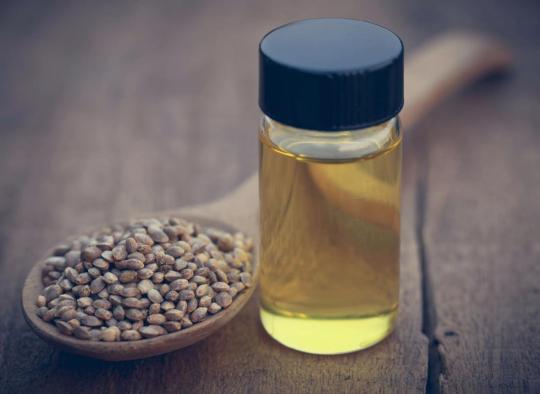
cbd-oil-in-a-bottle-next-to-a-wooden-spoon-filled-with-hemp-seeds
CBD oil is usually extracted from industrial hemp.


Cannabidiol, or CBD, is one of over 60 compounds called cannabinoids. Cannabinoids are found in many plants but are most commonly linked to cannabis.

Unlike other cannabinoids such as tetrahydrocannabinol (THC), CBD does not produce a euphoric “high” or psychoactive effect. This is because CBD does not affect the same receptors as THC.

The human body has an endocannabinoid system (ECS) that receives and translates signals it receives from cannabinoids in the body. The body produces some cannabinoids on its own, which are called endocannabinoids. The ECS helps regulate functions such as sleep, immune-system responses, and pain.

THC produces a “high” feeling by affecting the brain’s endocannabinoid receptors. This activates the brain’s reward system, producing pleasure chemicals such as dopamine.

CBD is an entirely different compound, and its effects are very complex. It is not psychoactive, meaning it does not produce a “high” or change a person’s state of mind. Instead, it influences the body to use its own endocannabinoids more effectively.

According to one study posted to Neurotherapeutics, this is because CBD itself does very little to the ECS. Instead, it activates or inhibits other compounds in the endocannabinoid system.

For instance, CBD stops the body from absorbing anandamide, one compound associated with regulating pain. Increased levels of anandamide in the bloodstream may reduce the amount of pain a person feels.

Cannabidiol may also limit inflammation in the brain and nervous system, which may help people experiencing pain, insomnia, and certain immune-system responses.

What is CBD oil?

There are different levels of compounds found in the natural hemp or cannabis plant. CBD levels vary depending on how the plant is bred. Most CBD oil comes from industrial hemp, which usually has a higher CBD content than marijuana.

Makers of CBD oil use different methods to extract the compound. The extract is then added to a carrier oil and called CBD oil. CBD oil comes in many different strengths and is used in various ways. It is best to discuss CBD oil with a qualified health care practitioner before using it.

Benefits of CBD oil for pain

CBD oil has been traditionally used for thousands of years to treat various types of pain, but it has only recently begun to be studied again by the medical community. Here are some of the potential benefits of CBD oil:

Arthritis pain

elderly-man-s-hand-one-hand-holding-the-thumb-of-the-other-due-to-arthritis-pain
CBD oil is popular for easing pain associated with arthritis.


A study in the European Journal of Pain used an animal model to see if CBD could help people with arthritis manage their pain. Researchers applied a topical gel containing CBD to rats with arthritis for 4 days.

Their research noted a significant drop in inflammation and signs of pain, without additional side effects.

People using CBD oil for arthritis may find relief from their pain, but more human studies need to be done to confirm these findings.

Multiple sclerosis

Multiple sclerosis (MS) is an autoimmune disease that affects the entire body through the nerves and brain.

Muscle spasms are one of the most common symptoms of MS. These spasms can be so great they cause constant pain in some people.

One report found that short-term use of CBD oil could reduce the levels of spasticity a person feels. The results are modest, but many people reported a reduction in symptoms. More human studies are needed to verify these results.

Chronic pain

The same report studied CBD use for general chronic pain. Researchers compiled the results of multiple systematic reviews covering dozens of trials and studies. Their research concluded that there is substantial evidence that cannabis is an effective treatment for chronic pain in adults.

separate study in the Journal of Experimental Medicine supports these results. The research suggests pain and inflammation can be reduced through CBD use.

They also found that subjects were not likely to build up a tolerance to the effects of CBD, so they would not need to continually increase their dose. Researchers noted cannabinoids such as CBD could be a helpful new treatment for people with chronic pain.

Side effects of CBD oil

tired-businessman-at-desk-rubbing-eyes-due-to-headache-and-fatigue
Possible short-term side effects of using CBD oil include fatigue and changes in appetite.


CBD oil is well tolerated in most people, but there are some potential side effects. According to a review in Cannabis and Cannabinoid Research, the most common side effects include:

Using CBD oil with other medications may make those medications more or less effective. People who are considering using CBD oil should discuss this with their doctors. Doctors will want to monitor the person for any changes and make adjustments accordingly.

The review also noted there are some aspects of CBD that have yet to be studied, such as the long-term effects of CBD use on hormones. Other long-term studies will be helpful in determining any side effects CBD has on the body over time.

CBD and other cannabinoids may also put the user at risk for lung problems. One study in Frontiers in Pharmacology, suggested cannabinoids’ anti-inflammatory effect may reduce inflammation too much.

A large reduction in inflammation could diminish the lungs’ defence system, increasing the risk of infection.

 Other considerations for CBD oil

Almost all research on CBD oil and pain comes from adult use. CBD oil is not recommended for use in children, as there is little research on the effects of CBD oil on a child’s developing brain. It is also not recommended for pregnant or breast-feeding women.

 Takeaway message

While many studies have suggested CBD oil is helpful for pain, more research is needed, especially long-term studies with human subjects.

However, CBD oil does show a lot of potential for pain relief. If anecdotal evidence is to be believed, it can be used to help manage chronic pain in many cases.

CBD oil is especially promising due to its lack of intoxicating effects and a possible lower potential for side effects than many other pain medications. A person should discuss CBD oil with their doctor before starting to use it.
 

Herxheimer Die-Off Reaction Explained

With most infections, people feel better after starting treatment.  Often within 24 – 48 hours there is sweet relief of symptoms.  MSIDS (multi systemic infectious disease syndrome) is unique in that you often feel worse after starting treatment.  The following article written by Marty Ross, MD, explains why.

http://www.treatlyme.net/treat-lyme-book/herxheimer-die-off-reaction-inflammation-run-amok  Written by November 7, 2014

“If you feel worse after herbal anti-microbials or prescriptive antibiotics to treat Lyme are started it is likely you are having a Herxheimer die-off reaction.”

A die-off reaction, also called a Herxheimer reaction, can occur when treating the Lyme germ, some co-infections, and yeast. It occurs as bacteria or yeast die during antibiotic treatment. It is common to have Herxheimer die-off reactions when starting herbal anti-microbials or antibiotics when treating Lyme. These reactions can also occur when new antibiotics are introduced into a treatment.

In a die-off reaction, there is a release of toxins, proteins, and oxidizing agents that results in an increase in inflammatory cytokines such as tumor necrosis factor alpha, interleukin-6, and interleukin-8.

The symptoms of a die-off reaction are generally a worsening of the underlying symptoms of Lyme disease and its associated infections. A majority of Lyme disease symptoms are actually excess inflammatory cytokine symptoms. So in a die-off reaction there is a worsening of many Lyme disease symptoms including: fatigue, brain-fog, muscle and nerve pain, chills and sweats, and/or memory and thinking.

Cytokines: The Good and The Bad

Good: Cytokines are proteins made by various types of white blood cells to fight infections. They perform a number of functions that include:

  • making antibodies work more effectively,
  • increasing active white blood cells to fight infections,
  • recruiting white blood cells to the location of an infection,
  • turning on white blood cells to fight infections, and
  • decreasing viral and bacterial replication.

Bad: Too many cytokines:

  • suppress the immune system,
  • cause pain,
  • decrease hormone production from organs like the thyroid and the adrenal glands,
  • disturb sleep,
  • decrease brain function,
  • increase fatigue and tiredness,
  • waste muscles,
  • cause depression, and
  • decrease the function of various organs throughout the body resulting in many other symptoms and medical problems.

Cytokines: How They are Made

Cytokines are made when immune cells are stimulated by germs, oxidizing agents, cytokines, toxins, and other agents. Once the immune cells are stimulated an intracellular messenger called NF-kB causes genetic programming for the production of cytokines and the turning on of white blood cells to fight infections. Within the white blood cell cytokines are then produced in chemical reactions which require enzymes called kinases.

Cytokines in Lyme: What’s the Problem?

Cytokines are good, right? Well yes and no.

In the right amount they promote healing. In excess, they are harmful. The problem in chronic Lyme and associated diseases is that they are made in excess. This occurs even more so in a Herxheimer die-off reaction.

How to treat a Herxheimer Die-Off Reaction

To treat Herxheimer die-off reactions there are a number of interventions to:

  • lower oxidizing agents,
  • decrease NF-kB genetic programming of cells,
  • block kinase enzymes,
  • block inflammatory prostaglandins triggered by cytokines,
  • promote liver detoxification, and
  • lower blood acid levels.

Based on the work of Martin Pall, PhD, it is critcal to lower oxidizing agents that trigger cytokine production. Ecklonia cava extract derived from sea weed is a potent oral anti-oxidant which seems to have greater affect than other ones. In addition to this, alpha lipoic acid (ALA)n-acetyl cysteine (NAC), and glutathione are helpful. Glutathione and its precursor building blocks ALA and NAC also support liver removal of toxins. In addition the antioxidants quercetin and curcumin decrease NF-kB induced genetic signals to produce cytokines and block the production of inflammation prostaglandins. Quercetin also blocks kinase enzymes required in the production of cytokines. Blocking kinases with quercetin interferes with the cytokine production line. Prostaglandins are inflammation and pain chemicals that are triggered by inflammatory cytokines.

My Recommendations

Step 1: The Beginning of Treatment to Prevent Herxheimer Die-off Reactions.

Use a good multivitamin that includes alpha lipoic acid n-acetyl cysteine, antioxidants, and other micronutrients that decreases oxidizing agents and supports liver detoxification. I prefer multivitamin products in powder form made by Thorne or Integrative Therapeutics.

  • Curcumin 500mg 1 pill 3 times a day.
  • Multivitamin. Use multivitamin powders by Thorne or Integrative Therapeutics. Use as directed on the product label.

Step 2: Moderate Herxheimer Die-off Reactions.

For more severe cases add oral glutathione while continuing the multivitamin and curcumin. Glutathione is also a great choice if there is nerve pain or numbness. If the addition of glutathione is not effective than add ecklonia cava and consider adding quercetin. You can use all four. This combination works to block the cytokine production line and decreases oxidizing agents that trigger production. These treatments can take 1-2 weeks for maximum effect.

  • Glutathione (as oral liposomal glutathione) 500mg 1 or 2 times a day.
  • Quercetin 250mg 2 pills 3 times a day.
  • Ecklonia Cava 400mg 2 pills 2 to 3 times a day

If glutathione is not tolerated then work with one or a combination of the following anti-oxidants that are used to make glutathione.

  • Alpha Lipoic Acid 350mg 1 pill 2 times a day.
  • N-Acetyl Cysteine 500mg 1 pill 3 times a day.

Step 3: Severe Herxheimer Die-off Reactions.

For severe die-off reactions use IV glutathione as a potent antioxidant and to support liver detoxification. This is administered in an integrative medicine physician’s office. Another option is to use glutathione in a nebulizer. Glutathione IV is stronger than glutathione by nebulizer in my experience. Using a nebulizer you breath in a fine mist of the glutathione which is absorbed into the blood throught the blood vessels in the lungs. Sometimes I will start a person with four IV glutathione treatments and then change to glutathione by nebulizer to continue the treatment.

  • Glutathione IV 1200mg to 2500mg 2 times a week for a minimum of four treatments. If it helps but there are still improvements with the last treatment, consider weakly treatments until improvements plateau. You will likely feel more tired after the first treatment.
  • Glutathione by nebulizer 200mg/ml 2ml 2 times a day for adults. Children can take 100mg/ml 1ml to 2ml 2 times a day.

In addition to Ross’s suggestions, there are other methods that can help you detox which should lessen your herxes:

  1.  Take hot epsom salt baths and basically anything that makes you sweat.  Your skin is your largest organ and you can sweat toxins out.  In as hot of water as you can stand, put 1-2 Cups of Epsom Salts and try and get as much of your body to soak in the water.  Make sure you don’t burn your skin and drink plenty of good quality water.  Some people add in 1 Cup of hydrogen peroxide and a half a box of baking soda as well.  It is all helpful.  Light exercise in which you break a sweat is helpful too, but make sure your doctor is in agreement and don’t overdo it.  Walking is free and gets you out in the fresh air and sunshine – all of which are healing.  Infrared saunas, hot tubs, Biomats, anything that makes you sweat will help you detox.  https://madisonarealymesupportgroup.com/2018/06/01/yes-you-do-sweat-out-toxins/
  2. Drink lemon water.  Lemon water helps reduce inflammation by decreasing acidity and by removing uric acid from your joints.  It encourages healthy digestion by loosening toxins in your digestive tract and relieves heartburn, burping, and bloating.  It contains pectin fiber which assists in fighting off cravings and enhances enzyme function which stimulates your liver and detoxes your blood.  Lemon juice is full of Vitamin C which beefs up your immune system and it is higher in potassium than apples or grapes.  It diminishes viral infections and sore throats.  If you weigh less than 150, squeeze half a lemon in to a glass of water and drink.  If over 150lbs, use an entire lemon’s juice.  According to Dr. Sara Solomon, rinse your mouth out with water immediately after drinking lemon water as it is tough on enamel.  Do NOT brush your teeth for 60 minutes because acid leaves the enamel softened and more prone to erosion during brushing. Also, chemical reactions increase with temperature so drink it at room temperature.  http://www.drsarasolomon.com/hot-lemon-water-and-enamel-erosion/
  3. Colon Cleanses.  Since 60-70% of our immune system is in our gut, keeping this pathway going is crucial.  Some use Bentonite, psyllium husk powder (plain, no sugar or additives), chlorella, herbal bowel cleanses, coffee enemas, colonics, pro and prebiotics, Slippery elm, marshmallow root, aloe vera, plain yogurt or kefir, kombucha and fermented foods, garlic and onions, and anything else that heals leaky gut syndrome and strengthens your gut flora.  Most improve considerably by going on a no sugar no gluten diet.  Some have to remove dairy as well as any other foods that cause allergy type symptoms. (Often colonic practitioners will add anti-parasitic and/or other essential oils if you ask)
  4. Detoxing herbs:  Some have found major relief by using milk thistle, pinella, burbur, parsley, nettle, andrographis, dandelion root, and other herbs that help them detox.  http://www.nutramedix.ec/ns/lyme-protocol  When you click this link you will see the herbs used in the Cowden protocol.  Scroll down to the herbs listed in green and then read up and even watch a short video explaining the herbs that have “detox” listed after them.  If you had to pick one herb it would be Japanese Knotweed.  According to Master Herbalist, Stephen Buhner, it crosses the blood-brain barrier and is a drug and herb synergist, facilitating the movement of other herbs and drugs into hard to reach places.  It modulates and enhances immune function, is active against a number of gram-negative and gram-positive bacteria including leptospira and Treponema denticola spirochetes, is anti-inflammatory for both arthritic and bacterial inflammations, protects the body against endotoxin damage, helps reduce herxes, and protects the heart by increasing blood flow.  A very helpful, common, invasive ditch weed indeed!
  5. Diet.  Besides avoiding food allergens which cause leaky gut syndrome, many have found help by avoiding inflammatory foods.  Gluten, casein (found in dairy), and sugar cause inflammation and can make everything worse.  Eat foods high in nutrients and fiber.  Many do very well vegetable juicing which cleanses the body but makes the blood alkaline which promotes healing and prevents Herxes.  Notice I didn’t say “fruit” juicing.  Breaking down fruit and taking away it’s fiber content in juicing will spike insulin and therefore cause inflammation.  Use veggies instead.  Also, make sure you get plenty of good Omega 3 fats.  Most of us need fish oil, as well as cod liver or krill oil for vitamin D3 as we Northerners are typically abysmally low in D3 which can only be increased by getting sun onto the skin which then causes our body to make it.  Since the sun angle is so much lower here we need to supplement.  You should have your vitamin D levels checked at least yearly.
  6. Stimulate the Lymphatic System.  Exercise is listed above under sweating, but it also should be mentioned that movement causes lymph drainage, which is quite helpful in detoxing.  Jumping on a trampoline or just doing jumping jacks will assist in this.  Getting a Swedish massage feels great and also gets the lymph system working.  There is actually something called “Lymph drainage massage.”  Dry brushing does this as well.  Purchase a soft, natural brush, preferably with a long handle to reach everywhere and begin brushing at your feet and moving in long sweeping motions toward your heart, making sure to brush several times in each area, overlapping as you go.  Follow this up with your detox bath listed above, sipping on your lemon water and you really will get things moving and detoxing all in one fell swoop.
  7. Heavy Metal Detoxing.  Metals compromise our immune system and inhibit enzyme systems vital to cellular function so it only makes sense to eliminate them.  Some doctors use IV methods while others use zeolite, chlorella, citrus pectin, or HMD (a synergistic blend of chlorella growth factor, coriandrum stadium and a homaccord of chlorella pyrenoidosa).  You should also consider getting any mercury amalgams removed as mercury can cause a wide range of serious health problems, but make sure you get a qualified biological dentist who uses the correct procedures.

For more:  https://madisonarealymesupportgroup.com/2017/06/28/jarisch-herxheimer-a-review/

https://www.lymedisease.org/lymesci-herxing/

https://madisonarealymesupportgroup.com/2015/12/06/tips-for-newbies/

https://madisonarealymesupportgroup.com/2018/02/24/top-3-lyme-detox-myths-busted-dr-rawls/