The Lyme Disease + Vagus Nerve Connection
https://rawlsmd.com/health-articles/the-lyme-disease-vagus-nerve-connection

The Lyme Disease + Vagus Nerve Connection
by Jenny Lelwica Buttaccio
Posted 7/22/20
Take a moment to consider: How often does your intuition play a role in how you decide to treat your Lyme disease? For instance, maybe you decided not to pursue a certain healing modality despite rave reviews because you felt deep in your belly that it wasn’t right for you. Or, perhaps you were drawn to a particular therapeutic intervention (i.e. herbal therapy, detoxification, a specific healthcare provider) because something seemed “right” about the decision.
Most of us have had these types of “gut feelings” about some aspect of our lives. Although these feelings are attributed to your gut, they’re actually the interaction between your brain and the vagus nerve. The longest and most elaborate cranial nerve in your body, the vagus nerve is a primary pathway by which the sympathetic and parasympathetic nervous systems can be balanced.
So what does it have to do with Lyme disease?
People with chronic Lyme disease often report feeling hyper, irritable, and anxious from time to time — evidence of a nervous system that’s shifted into high gear. To cultivate conditions that are more conducive to healing, the overworked nervous system may need to be reset. One way to do this is by stimulating the vagus nerve so that the body can reach a greater state of tranquility.
Here, we’ll examine the vagus nerve, its role in chronic illness, and what you can do to improve its function and restore your health.
Vagus Nerve Basics
There are 12 pairs of cranial nerves in the body. Each originates from the brain and has a specific set of tasks to perform that affect sensory and motor function. Each nerve has a Roman numeral from I through XII assigned to it. The vagus nerve, for example, is the 10th cranial nerve and corresponds to the Roman numeral X.
Vagus is a Latin word that means “wandering,” and indeed, this intricate cranial nerve lives up to its name because it wanders throughout the body. It acts as an information superhighway from your brain, through the neck and thorax, and stops in the abdomen.
While some nerves influence only the senses or only movement, the vagus nerve is unique in that it has an impact on both. The primary functions of the vagus nerve include:
- Providing sensory input to the throat, lungs, heart, and digestive tract
- Having a minor role in the sensation of taste in the back mouth
- Supplying movement information to neck muscles for speech and swallowing
- Regulating mechanical functions of the respiratory tract, heart rate, and gastrointestinal tract
- Modulating the response of the immune system
- Influencing mood
Additionally, the vagus nerve is a crucial component of your parasympathetic nervous system, the relaxing side of the nervous system, which helps bring your body back to a state of calm after a stressful period or event. However, the challenges of living life with Lyme or Lyme coinfections like Babesia and Bartonella can disrupt the communication to and from your vagus nerve, activating your sympathetic nervous system.

“The stress associated with being chronically ill sends the sympathetic nervous system, the part of the nervous system associated with the ‘fight-or-flight’ response, into overdrive,” says Dr. Bill Rawls, Medical Director of RawlsMD and Vital Plan. “Sympathetic overactivity releases stimulating chemicals like norepinephrine and dopamine, which can leave you feeling wired, tired, and anxious.”
The flight-or-fight response is critical when our circumstances demand a high state of alertness. But prolonged periods of stress can hinder sleep, recovery, repair of tissues, and more — the exact opposite of the resting state brought on by the vagus nerve.
“If you feel revved up all the time, you’ve got adrenaline surging through your system, and it makes your system very fragile,” says Dr. Rawls. So how do we best support the function of our parasympathetic nervous system and vagus nerve? The answer lies in the biological process carried out by the vagus nerve called vagal tone.
Vagal Tone and 4 Ways to Bolster It
The concept of vagal tone has seen a recent surge in interest among integrative health and wellness professionals, but some of the first-known research on the subject dates back to the early 1900s. By increasing vagal tone, your body is better equipped to tap into the calming and reparative mechanisms of the parasympathetic nervous system when stress ensues.
Your vagus nerve is involved in many different bodily processes, so it’s essential to understand how to get out of the chronic flight-or-fight mode. Let’s take a closer look at some options.
1. Get a Daily Dose of Cold.
When you think about experiencing cold temperatures, vagus nerve stimulation probably doesn’t come to the forefront of your mind (heavy layers, coats, and thick blankets are more like it). However, research indicates exposure to cold may indeed improve vagal tone.
Upon initial introduction to cold weather, study participants demonstrated an increase in activity of the sympathetic nervous system, as measured by their cardiovascular function. However, once the participants acclimated to the temperature, their parasympathetic activity rose, suggesting that adapting to the cold may balance the response of the vagus nerve.

To get your daily dose of cold and stimulate the vagus nerve, consider alternating 60-second intervals of hot water, directly followed by cold water when taking a shower. Then, repeat the process two or three times. If you need to calm down in a pinch, try splashing some cool water from the sink on your face. The quick rush of cold may be just enough to produce a desired calming result.
2. Improve the Health of Your Microbiome.
“The microbiome is the sum of all the microbes that inhabit the body, including normal flora that typically causes no harm as well as potential disease-causing pathogens,” says Dr. Rawls. “The microbiome is vast and more complex than anyone could have ever imagined.” Though the science of this expansive micro-ecosystem continues to advance, research — like that found in the Journal of Medicinal Food — suggests a sea of possibilities for how the gut and brain interact with one another.
The main mode of communication? It’s the vagus nerve, which gives and receives information from your gut, via a two-way, or bidirectional, throughway called the gut-brain axis. Additionally, the vagus nerve facilitates the production of relaxing chemicals like serotonin and GABA in the brain, slows breathing, reduces heart rate and blood pressure, decreases inflammation, and promotes healing.
Gut bacteria can impact the vagus nerve because the microbes stimulate nerve impulses that send signals to the brain, affecting such functions as sleep, reactivity to stress, cognition, and more. When the gut flora is healthy, there’s a more harmonious relationship among the types of signals being sent along the lengthy cranial nerve. However, the persistent symptoms of Lyme disease can fuel chronic stress, altering your body’s normal microbial load and, along with it, the signals they send.

Additionally, “Stealth microbes that are deeply embedded in tissues generate low-grade inflammation throughout the body and the brain,” says Dr. Rawls. The shift in the body’s terrain may trigger an overproduction of excitatory chemicals like adrenaline, norephinepherine, and dopamine.
But there is hope to strengthen the microbiome and improve communication through the vagus nerve. Dr. Rawls suggests herbs as an efficient, natural solution: “Taking the appropriate herbs provides phytochemicals that work to restore the microbiome and support vagus nerve function.” His top recommendations for gut-balancing herbs include:
- Berberine: An herb with substantial anti-microbial properties, berberine helps manage the gut microflora.
- Slippery elm: Due to its ability to form a protective film in the gut, slippery elm soothes irritation in the mucosal lining and keeps foreign substances out of the bloodstream.
- Dandelion root: Known as a bitter herb, dandelion root activates bitter receptors throughout our GI tract, releasing the saliva, enzymes, and bile we need to break down our food.
- Andrographis: Originating from India, andrographis has antiviral, antibacterial, and antiparasitic qualities. It helps to restore the GI tract and is a powerful anti-inflammatory herb.
3. Practice Calming Breathing Exercises.
Since the vagus nerve assists in regulating your respiration and heart rate, one way to improve vagal tone is by engaging in breathing exercises. Research has shown that practicing slow breaths lessens the activity of the sympathetic nervous system and boosts parasympathetic functions. In contrast, rapid breathing — something we tend to do when we’re on edge — doesn’t provide the same benefits.
Activities like meditation, yoga, tai chi, and qigong can facilitate a slow breathing practice.

But if you can’t get to a class, belly breathing is an excellent alternative, and it’s easy to do. Here’s how to get started:
- Sit or lie in a comfortable position.
- Place one hand on your belly and the other hand over your heart.
- Breathe in deeply through your nose to the count of 4, allowing your belly to move your hand out or up. Note that your chest shouldn’t move with the breath.
- Exhale for 4 counts. Notice how your belly lowers back to the starting position.
- Repeat until you feel an increased sense of calm.
4. Hum a Tune.
Did you know that humming to yourself may be a healthy habit? That’s because the vagus nerve runs through your throat and provides sensory input to the ear. The act of humming offers a mechanical way to stimulate the vagus nerve and lessen heart rate and respirations, which may be the reason why many people find humming to be soothing to them.

Other vocal activities such as repeating a mantra or singing may improve vagal tone and promote a more peaceful state of wellbeing as well. So, go ahead — pick your favorite tune and start humming, or just wing it!
The Bottom Line
The key to improving vagal tone is to be on the lookout for factors that raise adrenaline during the day and, when levels are rising in the absence of a true emergency, introduce activities that curb the excessive fight-or-flight response, says Dr. Rawls. Though not a cure-all, when combined with a comprehensive natural protocol and a nutrient-dense diet, increasing vagal tone is a low-cost and simple tool to maximize healing and restoration.
Dr. Rawls is a physician who overcame Lyme disease through natural herbal therapy. You can learn more about Lyme disease in Dr. Rawls’ new best selling book, Unlocking Lyme.
You can also learn about Dr. Rawls’ personal journey in overcoming Lyme disease and fibromyalgia in his popular blog post, My Chronic Lyme Journey.
REFERENCES
1. Bonaz B, Bazin T, Pellissier S. The Vagus Nerve at the Interface of the Microbiota-Gut-Brain Axis. Front Neurosci. 2018;12:49. Published 2018 Feb 7. doi: 10.3389/fnins.2018.00049
2. Breit S, Kupferberg A, Rogler G, Hasler G. Vagus Nerve as Modulator of the Brain-Gut Axis in Psychiatric and Inflammatory Disorders. Front Psychiatry. 2018;9:44. Published 2018 Mar 13. doi: 10.3389/fpsyt.2018.00044
3. Clancy JA, Deuchars SA, Deuchars J. The wonders of the Wanderer. Exp Physiol. 2013;98(1):38-45. doi: 10.1113/expphysiol.2012.064543
4. Mäkinen TM, Mäntysaari M, Pääkkönen T, et al. Autonomic nervous function during whole-body cold exposure before and after cold acclimation. Aviat Space Environ Med. 2008;79(9):875-882. doi: 10.3357/asem.2235.2008
5. Pal GK, Velkumary S, Madanmohan. Effect of short-term practice of breathing exercises on autonomic functions in normal human volunteers. Indian J Med Res. 2004;120(2):115-121
6. Vickhoff B, Malmgren H, Aström R, et al. Music structure determines heart rate variability of singers [published correction appears in Front Psychol. 2013 Sep 05;4:599]. Front Psychol. 2013;4:334. Published 2013 Jul 9. doi: 10.3389/fpsyg.2013.00334
_______________________
For more: https://www.aans.org/Patients/Neurosurgical-Conditions-and-Treatments/Vagus-Nerve-Stimulation
https://www.mayoclinic.org/tests-procedures/vagus-nerve-stimulation/about




 prescribed antibiotic treatment, and within days, I felt worse than I ever had before. The pain was excruciating, the fatigue was overwhelming, and suddenly, I struggled to breathe when I was sitting up straight or lying down flat.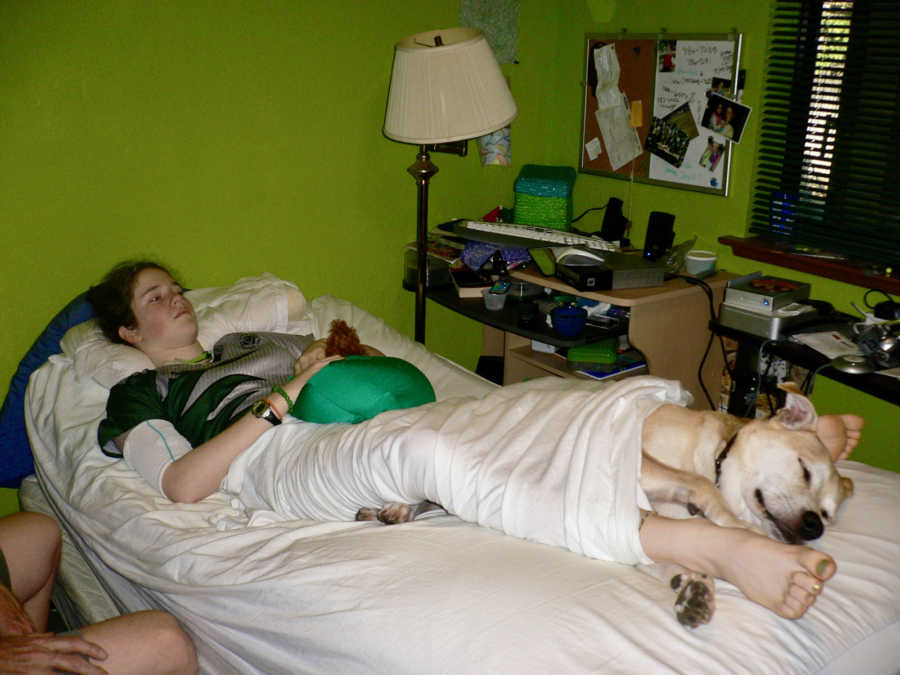
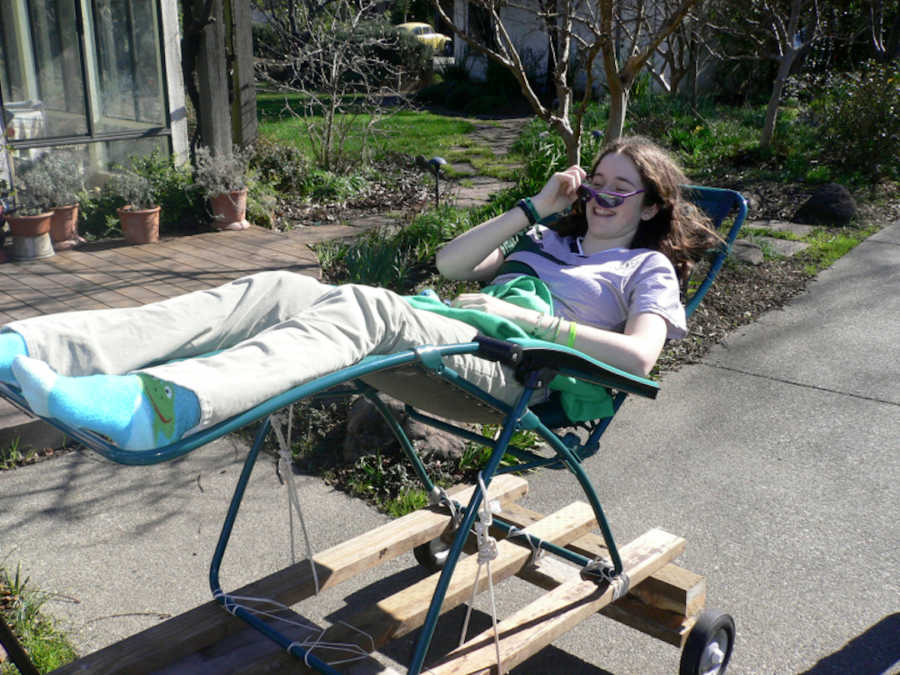
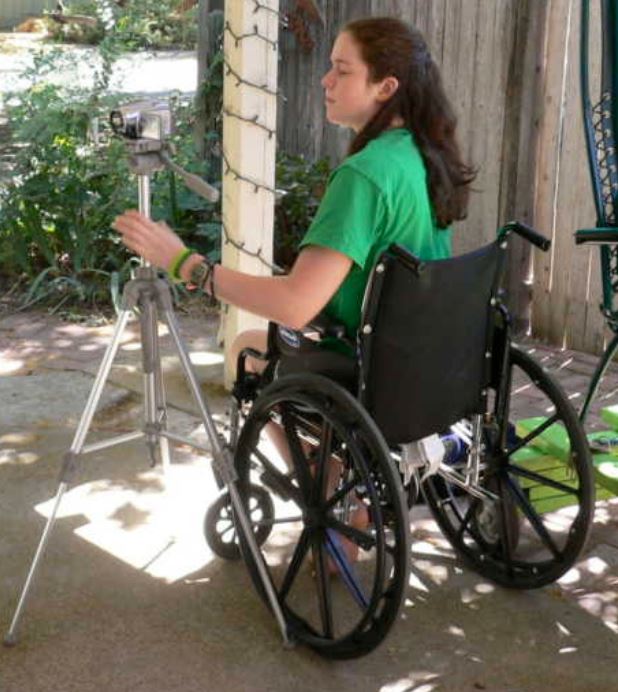
 Three years later, my reality changed again when I stood up and walked for the first time.