Archive for the ‘Inflammation’ Category

Acute Transverse Myelitis – A Clinical Manifestation of Lyme (That Nobody Has a Clue About Prevalence)

https://www.ncbi.nlm.nih.gov/pubmed/30622896

2018 Dec 29;15:e00479. doi: 10.1016/j.idcr.2018.e00479. eCollection 2019.

Acute transverse myelitis – A rare clinical manifestation of Lyme neuroborreliosis.

Abstract

Acute transverse myelitis (ATM) is a rare, potentially devastating neurological syndrome that has variety of causes, infectious being one of them. Lyme disease (LD) is the most common vector borne zoonosis in the United States (U.S.). While neurologic complications of LD are common, acute transverse myelitis is an exceedingly rare complication.

We present a case of a previously healthy 25-year-old man who presented with secondary erythema migrans, aseptic meningitis and clinical features of transverse myelitis including bilateral lower extremity motor and sensory deficits manifesting as weakness and numbness, urinary retention and constipation.

Despite negative serum antibodies against Borrelia burgdoferi, cerebrospinal fluid (CSF) was positive for Borrelia burgdorferi PCR.

Following treatment with methylprednisolone and ceftriaxone, he attained complete recovery apart from neurogenic bladder necessitating intermittent self-catheterization. We report rare manifestation of a common disease and emphasize the importance of considering LD in the differential diagnosis of acute transverse myelitis, particularly in residents of endemic areas.

__________________

**Comment**

Nobody has a CLUE about how often anything is occurring in Lyme/MSIDS, when testing misses over half of all cases and folks are commonly misdiagnosed or undiagnosed for years.  Again, because words mean things, and research has been used against patients for over 40 years, a more accurate statement would be, “This is the first recorded case of ATM caused by Lyme Disease.”  And remember, just because something isn’t on record doesn’t mean it hasn’t happened.  Important distinction.

According to https://myelitis.org/living-with-myelitis/disease-information/afm/

The predominant presentation is weakness that may affect the limbs, face, oral or eye muscle. Weakness varies greatly ranging from subtle to very severe. AFM may result in total paralysis, partial paralysis, or weakness of just one limb. The combination of paralysis and how individuals present are widely variable. The limbs or muscle structures of individuals with AFM appear weak, flaccid, or limp and are not spastic as seen in classic cases of transverse myelitis. Since it is markedly the gray matter of the spinal cord that is inflamed in individuals with AFM, sensory, bowel and bladder functions can remain intact, however there are individuals that have both upper and lower motor neuron involvement.

The enterovirus (EV-D68) has been suspect in many of these cases however, it has not been definitively proven that it is this particular virus that has caused the paralysis,(1) although several cases of AFM occurred at around the same time as an outbreak of the EV-D68 virus.(2)

There has been a spike in AFM:  https://madisonarealymesupportgroup.com/2018/10/19/rise-in-acute-flaccid-myelitis-cases-and-the-link-to-vaccinations/

Within the above link, you will learn there are numerous theories on what causes AFM including viruses & vaccinations.  Lyme/MSIDS patients often have viral involvement, and reactivation of Lyme has been documented after vaccinations:  https://madisonarealymesupportgroup.com/2017/12/02/scottish-doctor-gives-insight-on-lyme-msids/, as well as Bartonella:  https://madisonarealymesupportgroup.com/2016/04/24/gardasil-and-bartonella/

https://madisonarealymesupportgroup.com/2016/11/07/connection-of-acute-flaccid-myelitis-and-vaccinations/  In this article, James Lyons Weiler states:

The US press has been pushing a view of acute flaccid paralysis as a mysterious condition of unknown etiology (unknown cause). Checking the scientific literature, however, tells us that AFP is most often Guillain Barre Syndrome (GBS), a condition that appears on the National Vaccine Injury Compensation Program as a “Table Condition” – i.e., one that the US HHS has no defense against when parents file in the NVICP for compensation for GBS as a vaccine injury in their children.  https://madisonarealymesupportgroup.com/2018/12/07/acute-flaccid-paralysis-is-most-often-guillain-barre-syndrome/

GBS is also often a player with Lyme/MSIDS:  https://madisonarealymesupportgroup.com/2019/01/09/transverse-myelitis-guillain-barre-associated-with-bartonella/

https://madisonarealymesupportgroup.com/2017/07/14/clinical-association-lyme-disease-and-guillain-barre/  In Dr. Waisbren’s book, Treatment of Chronic Lyme Disease, the majority of his 51 cases of chronic Lyme had high EBV titers.  He also states,

“As will be seen in other cases, the Epstein-Barr virus may be a candidate for a co-infection associated with LD.”  

Waisbren often treated this co-infected patients that had EBV with 1000mg of Valtrex three times a day with good success.  He also used gamma globulin (4cc twice a week).

So Lyme/MSIDS patients are at the top of the list for AFM for numerous reasons.  Personally, I had a MRI at one point due to the excruciating pain in my spine and occipital headaches.  This pain was unrelenting.  Borrelia burgdorferi (Bb) loves the brain and spinal column.  Many viruses hang out in the spine.  The MRI showed nothing abnormal and I was sent home with the same pain I came with.  While I believe proper antimicrobial treatment to be imperative, what finally relieved this pain for me was MSM:  https://madisonarealymesupportgroup.com/2018/03/02/dmso-msm-for-lyme-msids/

Along with swelling in the spine, patients can have brain swelling as well.  Within one week, I met 3 Lyme patients with Chiari, another supposed “rare” condition:  https://madisonarealymesupportgroup.com/2016/04/02/chiari/  While Chiari is often caused by structural defects in the brain and spinal cord that occur during fetal development, it can also be caused due to injury, exposure to harmful substances, or infection. 

When you study the Bb organism, along with the numerous coinfections, spine and brain swelling makes complete sense and needs to be studied further:  https://madisonarealymesupportgroup.com/2016/02/13/lyme-disease-treatment/

There is so much research begging to be done, yet main stream medicine wants to wrap Lyme into a pretty box with a bow on top.  Again, if there is any box involved with Lyme/MSIDS, it’s Pandora’s.


LDN & CBD

 Approx. 1 Min

LDN Plus CBD

In this video Dr. Liptan explains the additive effects of CBD (cannabidiol) when taken with LDN (low dose naltrexone) in reducing neuroinflammation and fibromyalgia pain. CBD can also ease some of the side effects caused by LDN.


 Approx. 20 Min

CBD for Fibro Pt 1

Dr. Liptan explains the science of CBD, and its uses in the treatment of fibromyalgia. This video also covers:
  • The difference between THC and CBD
  • The effects of CBD on the body based on human and animal studies
  • CBD’s benefits for pain, muscle tension, arthritis, anxiety, insomnia, and adrenal fatigue

To purchase Dr. Liptan’s medical grade, lab tested CBD products visit https://www.fridabotanicals.com Dr. Liptan is also an author of:  “The FibroManual: A Complete Treatment Guide For You And Your Doctor” http://amzn.to/1XP7ZMV “The Fibro Food Formula” https://amzn.to/2rggeZt

**Comment**
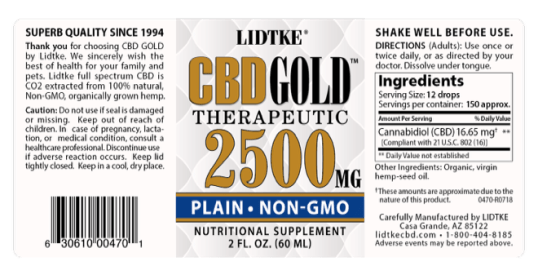
I am not affiliated with any products nor do I make a red cent on anything related to this website or the support group; therefore, I can recommend the following product strictly from personal experience and use:  Lidtke CBD Gold:  https://lidtkecbd.com
We use the 2500mg plain.  While it’s $189.00, I only take 2-6 drops at night.  Definitely helps with sleep and pain.
cbd-gold-plain-2500mg
Their CBD Gold line of tinctures blends the full-spectrum CBD extract with supplements such as iodine, GABA, 5-HTP, L-tryptophan, and a whole-food complex of the vitamin C component. Besides, the Lidtke brand indicates that their manufacturing process is from non-GMO, herbicide and pesticide-free hemp for those seeking assurance on the possibility of additives.
We also take LDN.  You titrate up from 1.5mg.  Our ending dose is 4.5mg but some patients need higher dosages.  We found LDN helps our immune systems generally but specifically with better sleep and pain reduction.
Very informative documentary put out by the LDN Research Trust on Lyme/MSIDS.  Dr. Horowitz, Dr. Toups, Dr. Schweig, Dr. Windham, Dr. Holtorf, & Dr. Schwarzback, speak on everything from testing, to diet, to inflammation, and how LDN can help patients.

Your Liver is Your Detox Organ. Here’s Why & How to Support it

https://www.mindbodygreen.com/articles/support-liver-detox-with-supplements-and-herbs?

Your Liver Is Your Detox Organ. Here’s Why & How To Support It

Image by Marc Tran / Stocksy

We humans are alive because of brilliant biochemistry, and while each system of our body has its own unique function, they are all inextricably linked and work together to keep us alive and thriving. When one system goes awry, it often affects other seemingly unrelated aspects of our health. This is especially true when it comes to detox, which is one of the biggest factors of poor health that I see in my patients.

With research starting to show the link between our increased toxin exposure and autoimmune conditions, it’s more important than ever for your body’s detoxification systems to be working properly. As your body’s largest organ, your liver is also the main detoxifier.

Why your liver is your detox organ.

Working in constant communication with your stomach, pancreas, gallbladder, and the rest of your digestive system, your liver is responsible for storing and converting nutrients from the foods we eat for our bodies to utilize. Through its role in the metabolism of fat, protein, and carbohydrates, your liver works to ensure that blood glucose levels are stabilized to prevent blood sugar imbalances and other metabolic problems. It works to filter out toxins from the foods you eat and environmental exposures as well as acting as a blood purifier, clearing out your blood of these impurities and only utilizing the necessary nutrients. Needless to say, if your liver isn’t working well, your ability to detox is going to be greatly affected.

When your liver is overloaded with toxins, it creates a cascade of systemic chronic inflammation, which further affects your liver’s ability to rid itself of these toxins. It becomes a vicious cycle between toxin buildup and inflammation that can only be broken through limiting your toxin exposure and supporting your liver’s natural ability to detox.

Detox rituals that support your liver.

I’ve written in the past about various ways to make your life a cleanse. But to really boost your detox pathways and liver function, these targeted natural tools are my go-to for next-level liver and detox support:

Article continues below

1. Dandelion tea

Methylation is your body’s biochemical superhighway that controls your body’s ability to detox. B vitamins act as fuel for methylation and are found abundantly in dandelions. Brew up a cup of dandelion tea to support methylation and help support optimal liver function.

2. Milk thistle

This plant is one of the most well-researched natural remedies for treating liver problems and has been used for years to treat a number of different liver conditions, including hepatitis and alcoholic liver disease. Milk thistle aids in eliminating toxins that have built up in the liver in addition to helping restore liver cells that have been damaged from increased toxin exposure. You can take it in a supplement capsule or as a tea.

Image by Yoyochow23 / iStock

3. Garlic

Garlic helps to activate liver detox enzymes that work to break down the toxins that enter your body in order to effectively eliminate them. Thankfully, garlic makes a delicious addition to almost any recipe, so don’t be afraid to load up while cooking your next meal!

4. Sulfuric vegetables

Vegetables such as broccoli, broccoli sprouts, mushrooms, Brussels sprouts, and cauliflower are considered sulfuric and contain the powerful antioxidant glutathione. This antioxidant is essential for activating phase 1 and phase 2 liver detoxification.

5. Beets

Beets are great for helping break down toxins through increasing enzyme activity so that your body can eliminate them quicker. I love roasting them as a side or adding them to a salad seasoned with garlic!

Article continues below

6. Red clover

This is one of my favorites for its ability to rid toxins from not only your liver but your spleen and lymphatic system as well. You can take it in capsule form or as an herbal tincture.

7. Burdock root

As a tea or supplement, this root does wonders for removing toxins, specifically heavy metals. With its natural diuretic properties, it works to flush out toxins by increasing fluid excretion as well as boosting your lymphatic system.

You don’t have to adopt all these rituals to support your liver, but by making yourself a cup of dandelion tea, adding garlic and beets to your next meal, or taking a red clover supplement, you can support your detox pathways going into 2019.

________________

More on Detoxification:  https://madisonarealymesupportgroup.com/2018/02/24/top-3-lyme-detox-myths-busted-dr-rawls/

https://madisonarealymesupportgroup.com/2018/03/02/dmso-msm-for-lyme-msids/

https://madisonarealymesupportgroup.com/2018/01/03/the-invisible-universe-of-the-human-microbiome-msm/

Briefly, MSM stands for Methylsulfonylmethane and is 34% sulfur by weight. Sulfur plays a crucial role in detoxification and is an important antioxidant for producing glutathione. If you aren’t getting enough sulfur, glutathione can not work. Even if you have a diet rich in sulfur (think cabbage, onions, garlic, broccoli, etc – essentially the stinky veggies – and many other food items as well) your body still could use supplementation.


Bartonella & Langerhans’ Cell Histiocytosis (Cancer)

https://www.ncbi.nlm.nih.gov/pubmed/30556266

2018 Dec 17:e27573. doi: 10.1002/pbc.27573. [Epub ahead of print]

Disseminated Bartonella henselae disease mimicking Langerhans’ cell histiocytosis.

Abstract

Bartonella henselae, the causative agent of cat-scratch disease, has been recognized to be responsible for a broad range of clinical syndromes. We report the case of a patient with disseminated B. henselae infection mimicking Langerhans cell histiocytosis at presentation and its successful management with neurosurgery, prolonged antibacterial therapy, and observation.

________________

**Comment**

Langerhans’ cell histiocytosis is a supposed “rare” disorder that looks like cancer (some say it is cancer).  The above case study implicates Bartonella.

Bartonella is known to cause granulomas

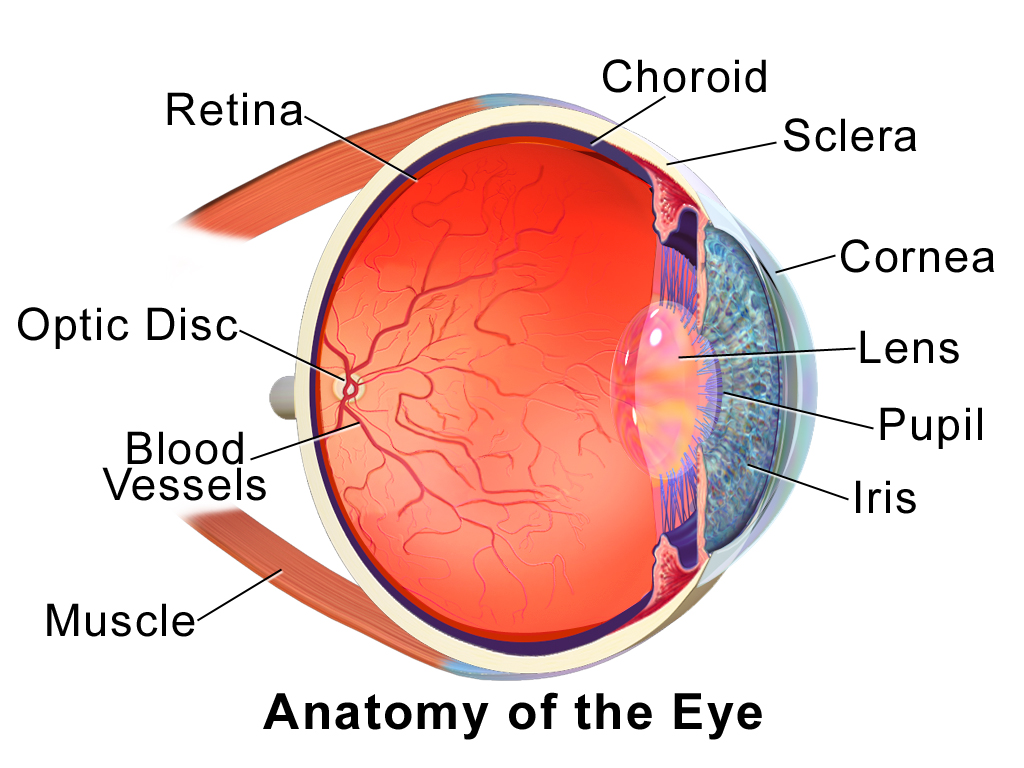
https://madisonarealymesupportgroup.com/2018/09/06/ocular-manifestations-of-bartonellosis/  Bartonella spp. infections continue to be a common cause uveitis with ophthalmic manifestations ranging from neuroretinits, vascular occlusions, to choroidal granulomas.

Blausen.com staff (2014). “Medical gallery of Blausen Medical 2014”. WikiJournal of Medicine 1 (2). DOI:10.15347/wjm/2014.010. ISSN 2002-4436. – Own work, CC BY 3.0, https://commons.wikimedia.org/w/index.php?curid=29025014

The choroid is the vascular layer of the eye, containing connective tissues, and lying between the retina and the sclera.

https://madisonarealymesupportgroup.com/2018/03/04/bartonella-erythema-nodosum-atypical-presentations/  The finding of bilateral enlarged axillary lymph nodes with necrosis and granulomas led to the diagnosis of Bartonella infection, an unusual cause of erythema nodosum.

Granulomas represents a chronic inflammatory response initiated by various infectious and noninfectious agents.  https://medical-dictionary.thefreedictionary.com/granuloma

Langerhans cell histiocytosis is a type of eosinophilic granuloma

https://ghr.nlm.nih.gov/condition/langerhans-cell-histiocytosis  Excerpt below:

Langerhans cell histiocytosis is a disorder in which excess immune system cells called Langerhans cells build up in the body. Langerhans cells, which help regulate the immune system, are normally found throughout the body, especially in the skin, lymph nodes, spleen, lungs, liver, and bone marrow. In Langerhans cell histiocytosis, excess immature Langerhans cells usually form tumors called granulomas. Many researchers now consider Langerhans cell histiocytosis to be a form of cancer, but this classification remains controversial.

In approximately 80 percent of affected individuals, one or more granulomas develop in the bones, causing pain and swelling. The granulomas, which usually occur in the skull or the long bones of the arms or legs, may cause the bone to fracture.

Granulomas also frequently occur in the skin, appearing as blisters, reddish bumps, or rashes which can be mild to severe. The pituitary gland may also be affected; this gland is located at the base of the brain and produces hormones that control many important body functions. Without hormone supplementation, affected individuals may experience delayed or absent puberty or an inability to have children (infertility). In addition, pituitary gland damage may result in the production of excessive amounts of urine (diabetes insipidus) and dysfunction of another gland called the thyroid. Thyroid dysfunction can affect the rate of chemical reactions in the body (metabolism), body temperature, skin and hair texture, and behavior.  In 15 to 20 percent of cases, Langerhans cell histiocytosis affects the lungs, liver, or blood-forming (hematopoietic) system; damage to these organs and tissues may be life-threatening.

Older names that were sometimes used for forms of Langerhans cell histiocytosis include eosinophilic granuloma, Hand-Schüller-Christian disease, and Letterer-Siwe disease.

More on Bartonella:  https://madisonarealymesupportgroup.com/2016/01/03/bartonella-treatment/

https://madisonarealymesupportgroup.com/2018/09/06/ocular-manifestations-of-bartonellosis/

https://madisonarealymesupportgroup.com/2017/01/04/endocarditis-consider-bartonella/

https://madisonarealymesupportgroup.com/2018/11/05/skull-infection-due-to-bartonella/

https://madisonarealymesupportgroup.com/2017/09/13/dr-fox-cat-scratch-fever-warning/

https://madisonarealymesupportgroup.com/2016/11/29/bartonella-seizures/

https://madisonarealymesupportgroup.com/2018/11/10/neurological-presentations-of-bartonella-henselae-infection/

https://madisonarealymesupportgroup.com/2018/11/05/skull-infection-due-to-bartonella/


MCAS – Triggers, Symptoms & How to Cope

https://rawlsmd.com/health-articles/how-to-cope-with-mast-cell-activation-syndrome?

mast-cells-actication-syndrome-solutions

Mast Cell Activation Syndrome: Triggers, Symptoms & How to Cope

by Jenny Buttaccio
Posted 12/26/18

If you spend any amount of time in online Lyme disease forums, support groups, or other gatherings of Lyme patients, you’ll most definitely hear people talking about Mast Cell Activation Syndrome (MCAS). The conversation tends to be fraught with frustration — and understandably so.

MCAS is a primary suspect among people whose mild sensitivities or reactions to food, stress, chemicals, or something else have suddenly accelerated into a list of life-altering, distressing symptoms. Often, these patients struggle as they attempt to identify the hidden triggers that are making them feel like their body is revolting against them.

The syndrome is one subclass of disorders that fit into a category known as mast cell activation diseases (MCADs). Historically, the medical community has viewed MCAS as rare, but one study in the Journal of Hematology and Oncology suggests it’s a rather common problem in patients with chronic health conditions.

“Signs and symptoms associated with mast cell overactivity are not uncommon in people struggling with chronic Lyme disease and similar chronic illnesses such as fibromyalgia,” says Dr. Bill Rawls, Medical Director of Vital Plan. “The stew of microbes and other stress factors associated with these conditions disrupt immune system functions and push certain aspects of the immune system, such as mast cells, into overdrive.”

So what exactly is MCAS, and more importantly for people with the condition, what can be done about it? Here, we’ll explore this multisystemic syndrome and discuss the various strategies you might find helpful for coping with and overcoming it.

MCAS Defined

Mast cells are small, wandering immune cells that move throughout the various types of connective tissues in your body, such as the skin, blood, bone marrow, and lining of the intestinal tract. We all have them, and their primary function is to alert the body when a disturbance has occurred.

Mast cells help keep infections in check and manage gastrointestinal health, allergens, the invasion of pathogens, the inflammatory process, and more. They contain small sacs, also known as granules, that store potent signaling agents, or chemical mediators, like heparin, histamine, and others. When the cells become aggravated by illness, injury, or an infection, even to a mild degree, they selectively release these mediators, which initiates an inflammatory response in the body.

For instance, mast cells are involved in allergic reactions: They secrete histamine, the chemical that, when produced in excess, causes allergy symptoms like itchy skin, rashes, watery eyes, swelling, and a runny nose. Histamine dilates blood vessels and helps clear the irritant.

In a healthy person, when mast cells are triggered by harmful internal and external circumstances, the cells respond in a productive way — by communicating with other cells that control the body’s physiological and immunological responses, according to an article in the Journal of Histochemistry and Cytochemistry. For most of these people, short-term use of an over-the-counter antihistamine combined with avoiding the bothersome substance can ease the annoying symptoms.

But in people with MCAS, the mast cells demonstrate an exaggerated and disproportionate release of chemical mediators across many systems of the body. The syndrome can cause widespread, debilitating symptoms that pop up suddenly, change from one day to the next, and shift in intensity. They also vary vastly from person to person. For example, one person may experience typical allergy symptoms like itchy skin, rashes, or swelling, another may encounter more food-related challenges, and a third may have every symptom in the book.

Furthermore, Lyme disease and fibromyalgia patients aren’t the only ones prone to mast cell involvement. It can also be found in people with idiopathic anaphylaxis (an anaphylactic reaction where the cause is unknown), interstitial cystitis (IC), and irritable bowel syndrome (IBS), due to the ability of the mast cells to generate chronic inflammation. Since many chronic diseases are associated with excessive inflammation, we’re probably just getting started in acknowledging the overlapping conditions that may be connected to MCAS.

Symptoms

MCAS might be a possible diagnosis when people are chronically ill, demonstrate signs and symptoms in multiple systems of the body, and have a primary diagnosis that doesn’t account for a large part of their clinical presentation. In other words, if a person has a number of symptoms that fall outside the scope of their primary chronic illness diagnosis, they could be exhibiting signs of mast cell activation involvement.

The symptoms of MCAS can affect both children and adults. Occasionally, multiple members of a family may exhibit signs of the condition, indicating a possible genetic factor. The systems impacted and related symptoms can include any combination of the following:

  • Gastrointestinal tract: abdominal pain, cramping, diarrhea, bloating, nausea, vomiting, difficulty digesting certain foods, food intolerances
  • Musculoskeletal system: muscle and bone pain, migratory arthritis, muscle weakness
  • Nervous system: nerve pain, headache, neuropathy, vertigo, tinnitus, insomnia, depression, anxiety
  • Cognition: difficulty concentrating, reduced attention span, brain fog, trouble with memory
  • Pelvic pain disorders: endometriosis, interstitial cystitis (IC) or painful bladder syndrome (PBS), vulvodynia
  • Skin: itching, rashes, hives, inflammation, swelling, spider veins, flushing
  • Eyes: inflammation of the eye or conjunctivitis, trouble focusing eyes, itchy and watery eyes
  • Throat: a burning sensation, ulcers on the tongue or in the mouth
  • Respiratory tract: coughing, wheezing, difficulty breathing, runny or stuffy nose, sneezing, sinus pain or pressure
  • Liver: enlarged spleen, increased bilirubin levels, elevated liver enzymes, high cholesterol
  • Cardiovascular system: rapid heart rate, abnormal blood pressures (either too high or too low), fainting
  • Other: fatigue, lethargy fevers, anaphylaxis, chemical and environmental sensitivities

That’s a giant list of symptoms! To make matters worse, standard lab tests or imaging may not reveal any abnormalities or clues to the underlying cause that’s driving a hypersensitive mast cell process, making the diagnosis of MCAS all the more challenging to obtain.

Testing and Diagnosis

The first diagnostic criteria for MCAS came from a group of international physicians in 2011, meaning the present knowledge about mast cell disorders is still in its infancy. Due to the complexity of the illness and lack of mainstream medical awareness, patients struggling with MCAS may find it difficult to obtain an accurate diagnosis, and they might see many specialists to no avail in the process of searching for relief.

However, more healthcare professionals are slowly becoming aware of the havoc an extreme and prolonged mast cell reaction can have on the body. The Mastocytosis Society, a nonprofit organization with a mission to provide support and resources to patients, contains a Physician Database of medical professionals who may be able to help you.

In many circumstances, a diagnosis of MCAS may be suspected based on a person’s clinical presentation, lab work indicating the presence of histamine or other chemical mediators, response to medications, and the diagnosis or exclusion of overlapping diseases. Currently, there are three key diagnostic criteria for MCAS:

1. Symptomatology

When discussing your condition with your doctors, it’s crucial that you provide them with a detailed list of your symptoms. People who have MCAS will note symptoms that occur in two or more systems of the body at the same time; the symptoms can wax and wane or be chronic, and there’s no known underlying cause for them.

2. Documentation of mast cell involvement

Your physician must be able to document that your symptoms are associated with mast cell activity and may order blood or urine tests to check for an increase in mediators like tryptase (an enzyme that’s present in allergic reactions), histamine, or prostaglandin levels. During a flare-up of MCAS, one or more of these mediators are apt to be elevated.

3. Response to medications

You may be asked to track your response to medications that interfere with the release of mediators — namely histamine. A favorable response to drug therapy, meaning your symptoms lessen or resolve completely, points to some amount of mast cell activation as the culprit for your misery.

If you believe you’re suffering from MCAS, a multi-faceted treatment approach centered around providing symptom relief, balancing the immune system, and searching for underlying factors will be of significant benefit to you.

Underlying Causes and Triggers

To date, no single factor has been decided upon as a cause for MCAS, but researchers believe genetic variants play a role in who’s likely to develop the syndrome. As a matter of fact, a study in the peer-reviewed online journal, PLoS ONE, showed that 74 percent of people with MCAD had at least one first-degree relative with disorders affecting mast cells, adding further credence to the idea that there’s a genetic component involved with MCAS.

Beyond genetics, the immune dysfunction present in people with chronic Lyme disease and other chronic illnesses is most likely a piece of the puzzle contributing to an unruly activation of mast cells. As Dr. Rawls explains, there has to be a driving force behind the illness.

Various microbes associated with these illnesses manipulate the immune system and cause it to go haywire,” explains Dr. Rawls. “Because the spectrum of microbes is different in every person, the types of symptoms are also different. He stresses too that it’s not one microbe, but a disruption of the entire balance of the microbiome that is the most likely culprit.”

Other pieces of the puzzle are the factors that allow troublemaking microbes deep in tissues of the body to flourish. Dr. Rawls calls them “system disruptors,” and they include poor diet, toxins, stress, lack of movement, and poor sleep. When that microbial burden becomes too great, it tips your microbiome balance in the wrong direction and further disrupts immune function, driving inflammation and initiating symptoms.

With MCAS, the immune system is stuck in high alert mode, so it shouldn’t be surprising that more than one trigger can set off a response, and triggers may change over time.

The list of some of the more common triggers includes (but is not limited to):

  • Exposure to heat, cold, or abrupt changes in temperature
  • Mental or physical stress
  • Environmental factors like pollution, mold, pollen, and other toxins or allergens
  • Food sensitivities
  • Food and drinks containing bioactive amines, such as wine, beer, and fermented foods
  • Foods high in naturally-occuring histamines, including cured meats, aged cheese, and beans
  • Over-the-counter and prescription medications like ibuprofen, opiates, antibiotics, local anesthetics, and contrast dyes used for imaging
  • Exercise
  • Scented products, whether natural or synthetic
  • Exposure to chemicals
  • Venomous bites like snakes, bees, wasps, spiders, and jellyfish
  • Insect bites, including mosquitoes, flies, ants, and fleas
  • Infections, whether bacterial, viral, fungal, or a combination of the three
  • Hormonal fluctuations
  • Irritants to the skin
  • Excessive fatigue
  • Sun exposure

How to Cope with Mast Cell Activation Syndrome

“As with any illness, easing symptoms is important — antihistamines, like Benadryl and Claritin, and H2 blockers, like Pepcid and Tagamet, can provide relief in the short term,” says Dr. Rawls. “But treating symptoms alone is not a satisfactory solution.”

The reason: Over time, you can build up a tolerance to these drugs, requiring more potent medications like corticosteroids and immune blockers, which can lead to a whole host of undesirable side effects. “To treat the problem, you have to address the underlying causes.” says Dr. Rawls.

Of the utmost importance is avoiding triggers that spark a flare-up of MCAS. Keep handy the list of common triggers above, and add any new ones you discover to your list. Implementing an elimination diet and keeping a daily log of your foods, activities, medications, and supplements, as well as the timing and nature of any symptoms you experience, is an incredibly useful way to identify things that could be problematic for you.

Keep tabs on your stress levels, too. Chronic stress is another factor that sends the immune system into high gear; herbs can be very beneficial here. Dr. Rawls recommends CBD (cannabidiol) from hemp, which has an overall calming and balancing effect on both the nervous system and the immune system. Other herbs such as motherwort, bacopa, and passion flower can also help bring on calm and minimize symptoms, as can learning and practicing relaxation techniques such as qigong, meditation, and yoga.

Additionally, environmental toxins in food, beverages, and the air we breathe can aggravate immune hypersensitivity or trigger reactions. Dr. Rawls emphasizes the importance of eating organic, filtering your water and air, and looking for sources of hidden toxins in your environment, especially mold, and cleaning them up. Furthermore, he recommends enhancing detoxification by increasing your level of physical activity as your body allows.

Moving beyond calming immune system hyperactivity, restoring balance in the microbiome, both in the gut and the body as a whole, is essential for getting back to normal. Herbal therapy is an effective way to manage the microbial load in the body without disrupting the normal flora in the gut microbiome, which is critical to digestive health.

All herbs have some antimicrobial properties; here are a few of the more powerful ones Dr. Rawls relies on most for suppressing overgrowth of microbes in tissues and cooling down a hyperstimulated immune system:

People with MCAS may also benefit from herbs that assist the body with reducing elevated histamine levels. Natural antihistamines like quercetin, bromelain, and stinging nettle can be helpful. Some patients also report relief by supplementing with diamine oxidase (DAO), a key enzyme that’s responsible for the body’s ability to metabolize and break down histamine.

A word of caution when starting herbs: People with MCAS can react to herbal therapies, too. To avoid overtaxing your body, ease into an herbal protocol. Instead of taking several supplements at one time, choose one herb and see how your body tolerates it.

Through a bit of trial and error, you may find that you can only take an herb a couple of times a week, as opposed to every day. Ultimately, tolerance to herbal therapies will vary from person to person; a crucial point to remember is to always start low and go slow with your dosing.

The Bottom Line

Despite your best efforts, from time to time you may experience a flare-up of MCAS where you’re unable to pinpoint a cause, sending you into panic mode. In those situations, go back to the basics:

  • Use medications as needed for more immediate symptom relief.
  • Arrange your schedule so that you have adequate time to rest and sleep.
  • Take a look at your log from the last few days to see if you can spot the potential offender.
  • Make adjustments to your diet and daily activities as needed to reduce the risk of further flare-ups.

Sometimes, contending with a chronic illness of any kind can make you feel powerless. Add in unhealthy lifestyle choices, and it can be hard to get ahead of the symptoms of MCAS. With regards to MCAS, Dr. Rawls advises, “Of course, genetics and aging play a part in this illness, but remember that you do have a measure of control over a few things. You can change what you eat. You can manage toxins. You can get out and move.” Ultimately, do what you can to feel better now while also addressing long-term recovery.

At the present time, there is no one-size-fits-all approach to beating or treating MCAS, but by decreasing your microbial burden, monitoring your intake of high-histamine foods, making healthy lifestyle choices, managing stress, and cultivating good sleep, you can do a lot to stabilize mast cells and balance and nurture your immune system.

Dr. Rawls is a physician who overcame Lyme disease through natural herbal therapy. You can learn more about Lyme disease in Dr. Rawls’ new best selling book, Unlocking Lyme.
You can also learn about Dr. Rawls’ personal journey in overcoming Lyme disease and fibromyalgia in his popular blog post, My Chronic Lyme Journey.

REFERENCES
1. About MCAS. Mast Cell Action website. https://www.mastcellaction.org/about-mcas
2. da Silva EZ, Jamur MC, Oliver C. Mast Cell Function. Journal of Histochemistry and Cytochemistry. 2014 Oct; 62(10): 698–738. doi: 10.1369/0022155414545334
3. Martine FH. Timmons MJ. Human Anatomy. 2nd ed. Upper Saddle River, NJ. Prentice Hall. 1997.
4. Molderings GJ, Brettner S, Homann J, Afrin LB. Mast cell activation disease: a concise practical guide for diagnostic workup and therapeutic options. Journal of Hematology and Oncology, 2011 Mar 22. doi: 10.1186/1756-8722-4-10
5. Molderings GJ, Haenisch B, Bogdanow M, Fimmers R, Nöthen MM. Familial Occurrence of Systemic Mast Cell Activation Disease. PLos ONE. 2013; 8(9): e76241. doi: 10.1371/journal.pone.0076241
6. Regauer S. Mast cell activation syndrome in pain syndromes bladder pain syndrome/interstitial cystitis and vulvodynia. Translational Andrology and Urology. 2016 Jun; 5(3): 396–397. doi: 10.21037/tau.2016.03.
7. Symptoms and Triggers of Mast Cell Activation. The Mastocytosis Society website. https://tmsforacure.org/symptoms/symptoms-and-triggers-of-mast-cell-activation/