Role of Bromelain and Vitamin C in Chronic Venous Disease
Proteolytic, Anticoagulant, Anti-Oxidative Properties Promising in Clinical Review
Feb 26, 2025
By Peter A. McCullough, MD, MPH
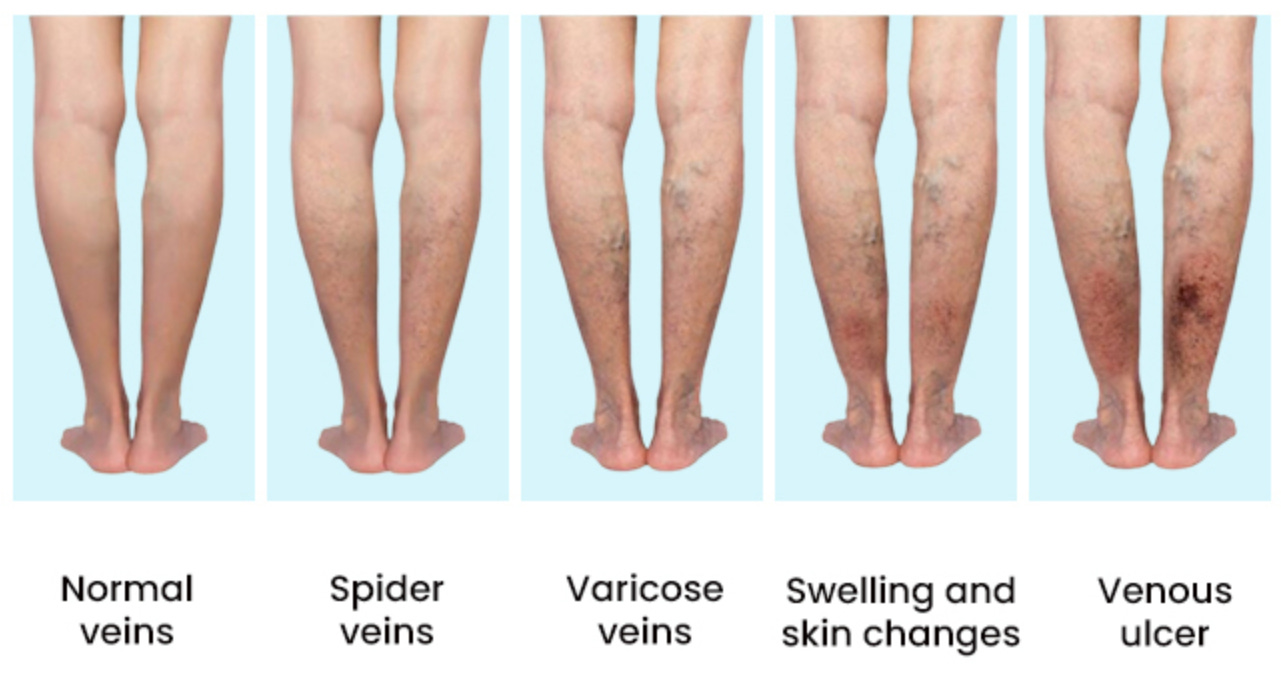
Chronic venous disease with dilated leg veins and swelling is a curse for many patients as they get older. Because of the popularity of McCullough Protocol Base Spike Detoxification, many patients are now taking bromelain on a regular basis. This is derived from pineapple and is a family of enzymes that break down proteins and blood clots within the body. Vitamin C is well recognized as a necessary water soluble vitamin, anti-inflammatory, and antioxidant. Because sluggish blood flow is invariably related to micro blood clots and inflammation in the legs, Buso et al set out the review the data on bromelain and vitamin C as two over the counter remedies for this common problem.
The role of Bromelain and Liposomal Vitamin C in the treatment of chronic venous disease
Chronic venous disease (CVD) is a prevalent condition leading to significant morbidity and affecting quality of life. Among conservative treatment strategies, venoactive drugs are often recommended by major guidelines for the management of CVD. Bromelain and vitamin C are now emerging as promising options in the management of several chronic diseases owing to their anti-inflammatory, immunoregulatory, and antioxidant properties, though evidence remains scarce in this setting. This systematic review of the literature, endorsed by the Italian Society of Angiology and Vascular Medicine (Societa Italiana di Angiologia e Patologia Vascolare, SIAPAV), aims to evaluate the efficacy and safety of these compounds in the treatment of CVD. A comprehensive search yielded nine studies, two on bromelain and seven on vitamin C. No studies have evaluated the effects of bromelain and vitamin C alone or in combination, whereas both molecules were administered in combination with other nutritional supplements. Overall, CVD-related symptoms and edema seem to improve with dietary supplement containing these two compounds, with no major safety issues reported. Bromelain and vitamin C may thus represent attractive options in the management of patients with symptomatic CVD and/or presence of venous edema, provided optimal conservative treatment is in place. Dedicated clinical studies are needed to clarify the efficacy and safety of a combination of these molecules in CVD management.

 Madison Area Lyme Support Group