https://danielcameronmd.com/treatment-guidelines-lyme-carditis/

WHICH TREATMENT GUIDELINES SHOULD YOU FOLLOW FOR LYME CARDITIS?
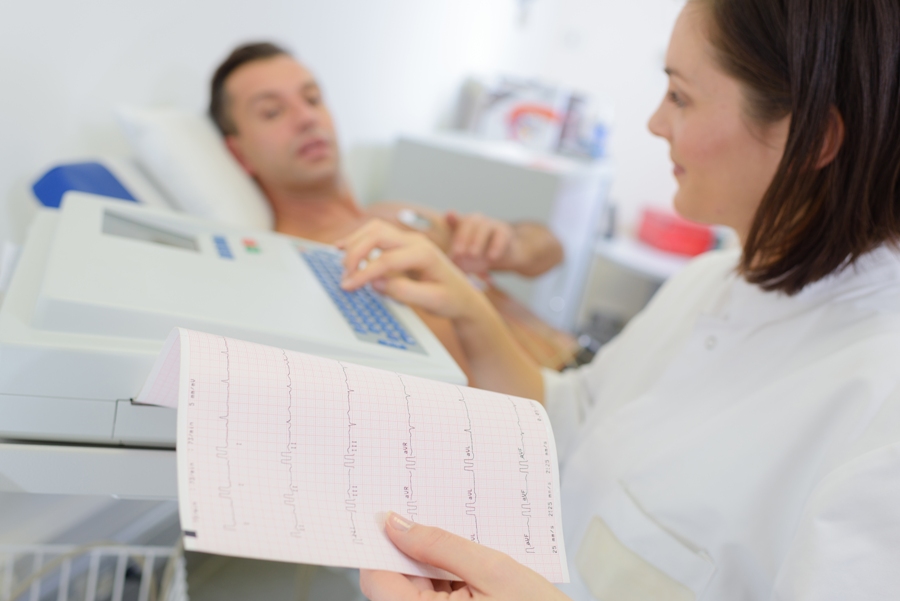
Lyme carditis occurs when Borrelia burgdorferi spirochete penetrate the pericardium (a membrane that encloses the heart) or myocardium (muscular tissue of the heart). The infection triggers an inflammatory response, typically causing atrioventricular (AV) conduction abnormalities, such as a first, second or third-degree heart block.

In their article Lyme Carditis: A Rare Presentation of Sinus Bradycardia Without Any Conduction Defects, Grella and colleagues present “a unique case of Lyme carditis, without the classical findings of Lyme disease [such as a rash] or common EKG findings of AV conduction abnormalities.”¹

A 56–year-old man was admitted to the emergency department with lightheadedness and chest pain. An EKG revealed sinus bradycardias. Western blot test results for Lyme disease were positive and included IgG bands 18, 28, 39, 41, 45, 58, 66, 93 and negative for IgM (band 23 was positive). The patient was given a 7-day course of IV ceftriaxone.

However, “he continued to have persistent bradycardia with his heart rate dropping to 20 to 30 beats per minute throughout the night,” writes Grella. “Additionally, he had several sinus pauses while sleeping, with the longest lasting for 6.1 seconds.”

The man required further treatment with a pacemaker and a 3-week course of IV ceftriaxone.

At his one-month follow-up appointment, he was symptom-free.

The authors note that Lyme disease patients’ presentations may differ. “A gray zone exists in regards to the treatment of Lyme disease because every patient does not present with the characteristic rash and symptoms of Lyme disease.”

Furthermore, as Grella points out, there are different treatment guidelines for Lyme disease.

“The Infectious Diseases Society of America (IDSA) recommends that patients be started on a short course of antibiotics as the persistent infection is infrequent or non-existent.”

“The International Lyme and Associated Diseases Society (ILADS) recommends the Grading of Recommendations, Assessment, Development, and Evaluation (GRADE) system. This system emphasizes that a prolonged course of antibiotics be required, keeping in mind the high failure rates from a short course of antibiotics and the high prevalence of disseminated disease in a large number of cases.”

Meanwhile, Lyme carditis treatment varies between patients, as well.

“Patients with Lyme carditis who do not have high-grade heart block are managed conservatively with oral antibiotics.”

“Patients with a high-grade heart block should be hospitalized, closely monitored, and treated with IV ceftriaxone 2 grams or IV penicillins for second/third-degree AV block or prolonged for PR interval > 300 ms.”

Other institutions offer different approaches. “The European Federation of Neurological Societies (EFNS) recommends ceftriaxone or cefotaxime for 2 weeks as the standard of care in acute Lyme carditis.”

The authors conclude: “A high clinical suspicion of Lyme carditis is required when someone from a Lyme endemic region presents with unexplained cardiac symptoms and has EKG findings suggestive of carditis.”

Editor’s note: The length of treatment for this patient was consistent with the ILADS guidelines, as the man had failed the initial treatment.

Editor’s disclosure: I am co-author of the ILADS treatment guidelines.

References:
  1. Grella BA, Patel M, Tadepalli S, Bader CW, Kronhaus K. Lyme Carditis: A Rare Presentation of Sinus Bradycardia Without Any Conduction Defects. Cureus. 2019 Sep 2;11(9):e5554

____________________

For more:  

https://madisonarealymesupportgroup.com/2020/01/12/broad-range-of-presentations-for-lyme-carditis-cases/

https://madisonarealymesupportgroup.com/2019/11/29/increasing-burden-of-lyme-carditis-in-united-states-childrens-hospitals/

https://madisonarealymesupportgroup.com/2019/02/21/diagnosis-treatment-of-lyme-carditis/

https://madisonarealymesupportgroup.com/2019/11/04/suspect-lyme-carditis-start-empiric-antibiotics-case-report-suggest-and-lyme-carditis-is-not-rare/

https://madisonarealymesupportgroup.com/2018/07/09/with-unexpected-death-autopsies-should-look-for-lyme-carditis/

https://madisonarealymesupportgroup.com/2019/05/15/lyme-carditis-presenting-as-atrial-fibrillation/

https://madisonarealymesupportgroup.com/2020/02/17/lyme-carditis-presenting-as-sick-sinus-syndrome/

https://madisonarealymesupportgroup.com/2019/12/21/patients-can-die-when-lyme-carditis-is-not-treated/

https://uwm.edu/healthsciences/news/using-light-therapy-to-treat-multiple-sclerosis/

Using light therapy to treat multiple sclerosis

Jeri-Anne Lyons in the multiple sclerosis laboratory.

Jeri-Anne Lyons in the multiple sclerosis laboratory.

Through a study funded through the National Multiple Sclerosis Society, Associate Dean and Professor in the College of Health Sciences Jeri-Anne Lyons, PhD (pictured above), hopes to demonstrate the positive impact of light therapy in treating muscle fatigue in patients with multiple sclerosis (MS).

Photobiomodulation therapy (PBMT) uses red and near infrared light to decrease inflammation and neurodegeneration. Given the recent evidence supporting the clinical benefit of PBMT on muscle function in healthy individuals, Lyons and her co-researchers believe PBMT may also help people with MS.

What is MS?

MS is a destructive disease in which the body’s immune response attacks the nerves in the brain and spinal cord and prevents proper nerve function. The signs and symptoms of MS are unpredictable and highly variable, but many experience blindness, muscle weakness, decreased mental function, tingling in the hands and feet, and limited mobility or paralysis. As of 2015, the Multiple Sclerosis Foundation estimated that more than 400,000 people in the US and roughly 2.5 million people worldwide have MS.

During an attack, or a relapse, the patient’s immune response brings about other mechanisms in the body that play a role in disease progression and permanent disability. The added stress on cells from repeated relapses makes it more difficult for the body to heal itself after an attack. Over time, cellular damage becomes permanent and escalating, which affects systems throughout the body.

Why light therapy?

Current treatments are expensive, only partially effective and can lead to a variety of side effects. These therapies also lose their potency as the disease progresses to permanent disability because they only target the immune response and do not stop the other mechanisms that progress the disease.

Photobiomodulation therapy with far red or near infrared light can be a helpful therapeutic approach because such wavelengths increase energy production by cells and protective anti-inflammatory responses, while decreasing damaging inflammation.

Lyons explained the potential of PBMT as a therapeutic approach to MS.

“We’ve already seen success with this treatment in mice. Our experiments showed that mice treated with PBMT experienced less severe clinical disease and experienced fewer relapses than mice not receiving PBMT. As we prepare to move toward clinical studies, we are trying to ascertain whether similar effects are noted on human immune cells.”

Combining scientific approaches

Lyons is working with Alexander V. Ng, PhD, FACSM, associate professor in the Exercise Science program at Marquette University in Milwaukee, Wisconsin. An exercise physiologist, Ng brings his extensive expertise with muscle fatigue to the project.

“Alex’s protocol for measuring muscle function will help us figure out if the light treatment is merely improving circulation or if PBMT can actually improve nerve function in MS patients,” Lyons said.

Lyons and Ng will treat a muscle in the shin with PBMT and assess the participant before and after light treatment to measure muscle function. Because PBMT is known to elicit localized and systemic effects, they will also measure markers in the blood to assess whether or not inflammation decreases following PBMT.

“Light therapy holds a great deal of potential, but it is by no means a ‘magic bullet’,” said Lyons. “Dosage and frequency of treatment is key in this kind of therapy – too little, and patients may not see results. Too much, and there may be adverse outcomes. Our study aims to capture that fine line and reveal what steps may come next for developing PBMT as a viable treatment option for people with MS.”

__________________

**Comment**

If you’ve never heard of red-light therapy:  https://redlightclinic.com/red-light-therapyfrequently-asked-questions/

The current research:  https://redlightclinic.com/red-light-therapy-researchproven-clinical-studies/   Everything from skin improvement to help with Rheumatoid arthritis and wound healing.  The best statement:

Although there is still more research needed, LLLT has shown significant potential in improving our overall health and well-being in a number of ways.

https://articles.mercola.com/sites/articles/archive/2020/02/25/cochrane-collaboration-flu-vaccine.aspx?

Cochrane Founder Warns Flu Vaccine Research Is Corrupted

Analysis by Dr. Joseph MercolaFact Checked
cochrane collaboration flu vaccine

STORY AT-A-GLANCE

  • Professor Peter Gøtzsche is a Danish physician-researcher who co-founded the Cochrane Collaboration in 1993 and later launched the Nordic Cochrane Centre. He has been an outspoken critic of conflicts of interest and bias in research
  • After Gøtzsche co-wrote a scathing review of Cochrane’s 2018 review of HPV vaccine safety, Cochrane’s governing board expelled him and, in a February 9, 2020, tweet, Gøtzsche took aim at Cochrane’s review of influenza vaccine by alleging that a “financially conflicted” individual “rearranged” vaccine trial data to make it appear as though the influenza vaccine reduces mortality, when it doesn’t
  • In the 15 years prior to Gøtzsche’s expulsion, Cochrane had published several meta-reviews, showing flu vaccinations are ineffective for preventing influenza and influenza-like illness, and have no appreciable effect on hospitalizations and mortality
  • March 3, 2020, Maine residents will have the opportunity to go to the polls and repeal LD 798 to reinstate religious and philosophical vaccine exemptions by voting YES on ballot referendum Question 1
  • The “No on 1” ad campaign primarily financed by Big Pharma has already spent $476,000 on misleading television ads to defeat the ballot referendum that would restore vaccine exemptions in Maine. All but $56,000 for the ad campaign has been paid by vaccine manufacturers, which will profit from keeping the state’s “no exceptions” vaccine mandates (LD 798) in place

Excerpts on the flu vaccine:

Cochrane’s 2018 review9 of 52 clinical studies on vaccines for preventing influenza in adults, including pregnant women, found only 15% of the studies were well-designed and conducted. Based on 25 studies that looked at inactivated influenza vaccines, Cochrane concluded they have only a minor protective effect against influenza and influenza-like illness (ILI), noting:

“Inactivated influenza vaccines probably reduce influenza in healthy adults from 2.3% without vaccination to 0.9% and they probably reduce ILI from 21.5% to 18.1% … 71 healthy adults need to be vaccinated to prevent one of them experiencing influenza, and 29 healthy adults need to be vaccinated to prevent one of them experiencing an ILI …

In its 2018 review10 of 41 clinical trials on live and inactivated vaccines for preventing influenza in children, they found:

“Compared with placebo or do nothing, live attenuated influenza vaccines probably reduce the risk of influenza infection in children aged 3 to 16 years from 18% to 4%, and they may reduce ILI by a smaller degree, from 17% to 12% …

This particularly frightening statement was given:

“Adverse event data were not well described in the available studies. Standardized approaches to the definition, ascertainment, and reporting of adverse events are needed.”

(Please see link for full article)

____________________

For more:  https://madisonarealymesupportgroup.com/2019/07/10/cdc-admits-flu-vaccine-failed-91-of-the-time-against-current-flu-strain/

https://madisonarealymesupportgroup.com/2018/10/21/woman-undergoes-extensive-arm-surgery-after-flu-shot/

https://madisonarealymesupportgroup.com/2018/10/23/influenza-vaccines-dengue-like-disease/

https://madisonarealymesupportgroup.com/2019/12/03/fda-admits-vaccines-contaminated-with-seriousviruses-including-cancer/

https://globallymealliance.org/hugging-it-out-how-physical-connection-helps-us-heal/

by Jennifer Crystal

RESEARCH SHOWS THAT HUGGING IS GOOD FOR OUR HEALTH

I remember vividly a scene from the medical show “Grey’s Anatomy” that aired years ago. All that happened in the scene was that a doctor grew overwhelmed and cried, eventually having a panic attack. Slowly, two other doctors embraced her from either side and held her tight. When a fourth doctor came in and asked what was going on, one said, “We’re hugging it out.”

That scene struck me because I saw how the simple act of human touch quelled a serious physiological reaction to emotional stress. Within minutes, the upset doctor’s sobs subsided and her breathing slowed. The original problem that had set off her distress wasn’t gone but her fight-or-flight reaction was.

I have thought of that scene many times during my decades-long journey with chronic illness. So much of that time was spent alone. Patients battling tick-borne or other long-term illnesses are often bedridden with little to occupy their minds besides worry and pain. They may see family members or roommates in the evenings or on weekends, but the endless days of lying in bed can get downright lonely. There were so many times when I thought, I just want a hug.

And there were many times when I got one. When I was convalescing at her home, my mom gave me a hug every day when she came home from work. Friends hugged me when they came to visit. They sent me funny emails and left me voicemails that made me laugh. I sometimes felt hugged even when I didn’t have physical connection with someone.

But I also often felt desperately alone. Lyme disease can be especially isolating because on top of the loneliness that comes from being bedridden, patients often feel misunderstood or invalidated by the people closest to them and by medical professionals. One night I woke from a terrible nightmare with my arms wrapped around myself in a self-hug.

As the “Grey’s Anatomy” scene displayed, physical touch is important for everyone, not just for the infirm. Research shows that hugging is good for our health. In an NBC news report, Michael Murphy, Ph.D., a research associate at the Laboratory for the Study of Stress, Immunity, and Disease in the Department of Psychology at Carnegie Mellon University said, “…touch deactivates the part of the brain that responds to threats, and in turn, fewer hormones are released to signal a stress response, and your cardiovascular system experiences less stress.” Human touch can also stimulate the feel-good hormone oxytocin.[i]

Moreover, touch can help our physical wellness, too. A study by Dr. Murphy’s colleagues, also mentioned in the NBC news report, found that “those who felt socially supported and were hugged more often also experienced less-severe signs of illness.” Physical touch can also boost immunity.

Family therapist Virginia Satir is known for her quote, “We need 4 hugs a day for survival. We need 8 hugs a day for maintenance. We need 12 hugs a day for growth.”  That’s a tall order for a bedridden patient, but there are still ways to get the connection we need. We can ask for or initiate hugs with people with whom we are close. Caregivers and friends can think about giving more hugs to their loved ones who are ill (the benefits go both ways!). The touch aspects of therapies like integrative manual therapy or light massage can also be soothing. And for those who aren’t comfortable with physical touch or who live alone, simply connecting with others—whether it’s through social media, email, an online or in-person support group—can simulate the benefits of hugging and make you feel less alone.

Hugging won’t cure illness, or emotional stress, or the woes of the world, but it can lay the groundwork for subsequent healing. In our technological age, it would behoove us to follow the advice of the old song: “Reach out and touch someone.”

1 https://www.nbcnews.com/better/pop-culture/health-benefits-hugging-ncna920751


jennifer crystal_2

Opinions expressed by contributors are their own.

Jennifer Crystal is a writer and educator in Boston. Her memoir about her medical journey is forthcoming. Contact her at lymewarriorjennifercrystal@gmail.com.


___________________

For more:  https://madisonarealymesupportgroup.com/2020/02/20/lyme-mental-health-discussion/

https://madisonarealymesupportgroup.com/2020/01/03/lyme-mind-podcast-dr-leigner-dr-horowitz/

https://madisonarealymesupportgroup.com/2019/09/17/ignoring-psychiatric-lyme-disease-at-our-peril/

https://madisonarealymesupportgroup.com/2018/06/04/ld-diagnosis-took-forever-because-of-mental-health-stigma/

https://www.galaxydx.com/zoonotic-disease-and-one-health-with-bat-pathogens/

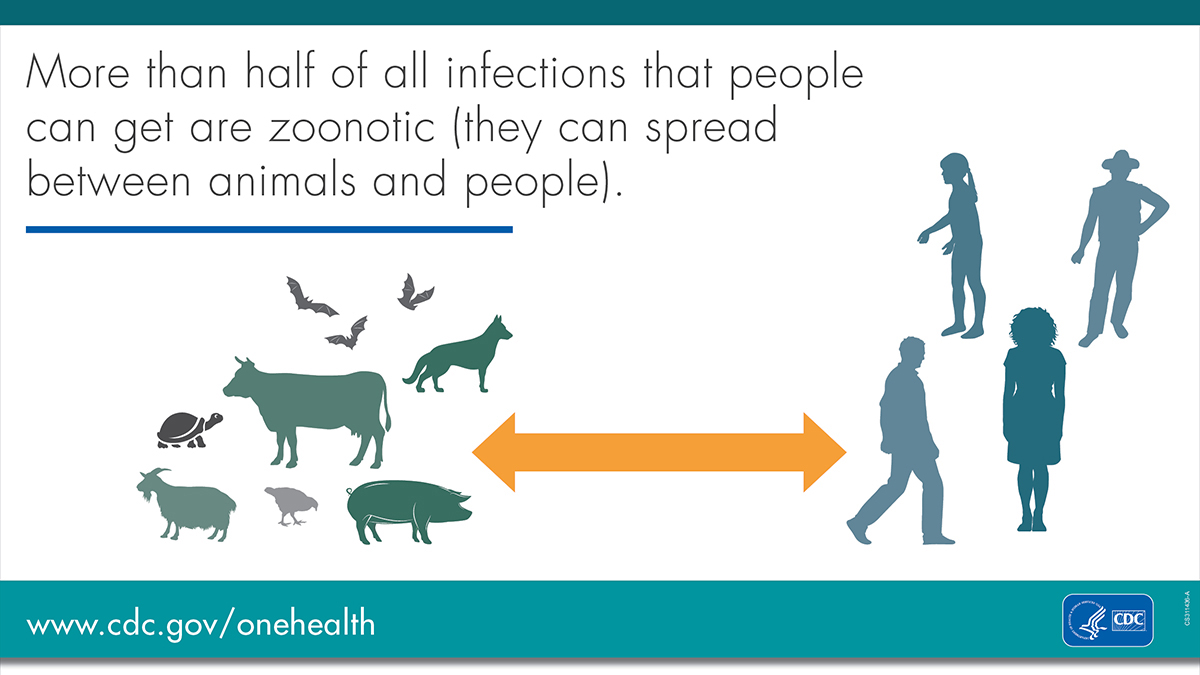
Zoonotic Diseases and Why We Are So Interested in Bats