For those of you who read my posts you understand I post information about vaccines due to their ability to reactivate latent infections such as Lyme/MSIDS.  Besides that, there can be vaccine contamination and ingredients that can worsen a chronically ill person’s condition.

Logo80tall

Sound Choice Pharmaceutical Institute, an independent research institute, does cutting edge research, and seeks to raise awareness about vaccine health risks & specifically studies the issue of human fetal cell lines in vaccines and how the insertions can disrupt the function of the invaded cell. Since many scientists have hypothesized that cancer and other childhood neurological diseases such as Autism are caused by mutations in the child’s DNA, this research is paramount in teasing out what is causing or exacerbating what.

Recently, in April, SCPI raised $80,000 to complete a double-blind, placebo vaccine mutation study, but are short $20,000 for this goal.

Please consider giving for this end.  They are hoping to reach their goal today and tomorrow.

If we ever needed answers on the vaccine issue, it is now.  With nearly 1 in 60 children diagnosed with Autism, it’s a literal epidemic, and according to a highly respected Wisconsin LLMD, 80% of his Autistic patients have an underlying Lyme/MSIDS infection. To say it’s a big deal is an understatement.

To Give, go here:  https://www.givebigseattle.org/sound-choice-pharmaceutical-institute

To read more about SCPI’s, focus, research, newsletter:  http://soundchoice.org/

SCSI Scientists speak up on Vaccine Outrage: http://soundchoice.org/newsletter-march-2017/

Vaccine card:  http://soundchoice.org/wp-content/uploads/vaccineListOrigFormat.pdf

I for one am excited that there are independent researchers dedicated to doing the proper studies.  Please consider helping them out.


https://www.lymedisease.org/berenbaum-lyme-schooling/

sandy-berenbaum-headshot-238x300

By Sandra Berenbaum, Lyme-literate psychotherapist co-authored “When Your Child Has Lyme Disease.”

How Lyme disease takes a toll on children’s schooling

Lyme disease can drastically impact a child’s education. One of the biggest problems involves sleep—both too much and too little. Some children may sleep many more hours than is common for others their age. But from what I have seen, for most young Lyme patients it is just the opposite. They cannot get enough sleep and what little they get is of poor quality.

Some children completely reverse their circadian rhythms. They stay awake all night and sleep during the day. Those around them may see this as a behavior problem and assume the child is staying awake to defy the parent. But for the great majority of children with Lyme, the sleep problems are, in fact, caused by the disease.

Such sleep problems can contribute to profound fatigue. Blogger Jennifer Crystal, who writes extensively about the experience of having Lyme disease, describes it this way:

The fatigue of tick-borne diseases…is a crippling flu-like exhaustion, one that leaves muscles not sore but literally unable to function; one that makes the body feel shackled to the bed; one that makes the effort of lifting one’s head off the pillow seem like a Herculean feat. There were times, at my lowest point of illness, when I …felt too tired to breathe.

Pain And Other Symptoms

Another symptom that interferes with education is pain. Children with Lyme may have migraine-like headaches, joint pain or gastrointestinal disturbances. One of my young clients would spend up to two hours in the bathroom at a stretch, crying in agony, as her mother tried to comfort her. This unpredictable symptom made it impossible for this child to attend school. She needed homebound instruction until, with proper medical treatment, this problem cleared up.

Sensitivity to light and sound makes school intolerable for some students with Lyme. The noise of children in the halls and cafeteria may be overwhelming. For some, even the sound of a pencil scratching on a paper is too much. Fluorescent lighting in the classroom can cause burning eyes, blurred vision, or severe headaches. Furthermore, children whose brains have been affected by Lyme disease may find it extremely hard to process information and organize their time. They may have problems involving short-term memory and word-finding.

In my practice, I have not met a child with Lyme who wanted to get out of going to school when healthy enough to do so. The children I see want to attend school and to connect with their peers. Before getting sick, some had been active in sports, music, or drama. Even the quiet or shy children had found their circle of friends and their place in school.

The picture changes when Lyme symptoms emerge. At first, there might be subtle backsliding, as school attendance and performance gradually decline. After the child has been diagnosed, the parents may realize that problems at school are due to the disease and not her failure to try her best.

Unfortunately, many schools do not understand the link between the illness and academic performance. It can be useful to help educate district personnel about Lyme disease, to minimize the level of misunderstanding between the school and the family.

Addressing School-Related Problems
Here are some of the school-related problems that children with Lyme may experience:
  • Attendance—Sometimes the child is too ill to be in class. Other times, there are medical appointments that cannot be scheduled after school. Some schools have firm attendance and lateness policies that don’t make allowances for such circumstances. For children with a documented medical need to be out of school, it is important to establish a 504 plan or an Individualized Education Program (IEP) that includes a waiver of the attendance and tardiness policies.
  • Length of school day—The regular academic day is too long for many children with Lyme. Some schools may agree to a shortened day but want the child to start early in the morning when the other students arrive. That rarely works for students with the sleep problems that are typical of Lyme. They often wake up later and take longer to get ready. A shortened day, starting late, may help them stay in school and better absorb the material.
  • Bathroom access—Children with gastrointestinal symptoms must be free to go to the bathroom as needed. They should not have to ask the teacher’s permission first. This meets a physical need and avoids embarrassing the student. Some schools will easily provide this kind of support for children who need it. They may even allow the child to use the bathroom in the nurse’s office to avoid the more public student facilities.
  • Access to a quiet room—Students suffering from sensory overload or headaches need a chance to escape to a quiet place. This might be the nurse’s office or a room off of the teacher’s lounge. Taking a break like this may protect the rest of the day and avoid the need for the child to leave school early or go on homebound instruction.

No two cases of Lyme are exactly alike, with identical symptoms and challenges. There is no blueprint for educating a child with Lyme disease. Complex problems call for complex solutions.

Excerpted from “When Your Child Has Lyme Disease: A Parent’s Survival Guide,” by Sandra K. Berenbaum, LCSW, and Dorothy Kupcha Leland. Published by Lyme Literate Press. Berenbaum has a psychotherapy practice that focuses exclusively on Lyme disease patients and their families. She is a member of ILADS and advises a number of Lyme patient advocacy groups. Her website is LymeFamilies.com.

______________

**Comment**

Great article.  If children suffer in school, adults are suffering in the work-place and have unique issues and problems to consider.

For more:  https://madisonarealymesupportgroup.com/2017/09/21/should-i-tell-my-employer-i-have-lyme-disease/

https://madisonarealymesupportgroup.com/2017/10/11/why-you-may-not-want-to-tell-your-employer-you-have-lymemsids/

https://madisonarealymesupportgroup.com/2015/10/18/psychiatric-lymemsids/

https://madisonarealymesupportgroup.com/2018/03/07/obsessive-compulsive-symptoms-in-adults-with-ld/

https://madisonarealymesupportgroup.com/2018/05/07/gender-lyme-is-tick-borne-disease-different-for-women/


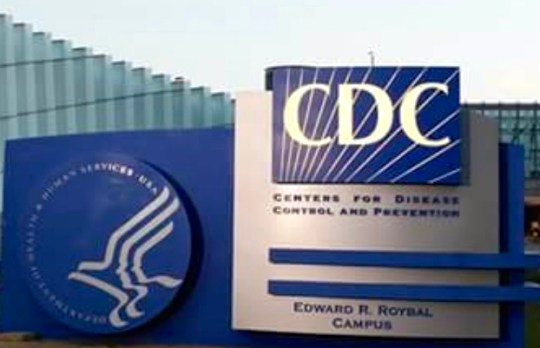
CDC-pic

For those of us who could not attend the Lyme protest in front of the CDC, you will enjoy these home made videos put up on Facebook and reposted here.  A big thank you to all those who made it and a big thanks to Sally for sending me these.

Rock on.  We will only move this mountain together.

https://www.facebook.com/kristinamb/videos/10213593617413297/  Kristina Petterson Bauer talking about Gestational Lyme.  She has four kids with Gestational Lyme.  Approx. 7 Min

https://www.facebook.com/donna.fanning.7/videos/1768449213200889/  Kathy Nodolf of Truth Cures “There is no cure for Lyme Disease.”  Kathy’s son died of Lyme Disease.  https://www.facebook.com/donna.fanning.7/videos/1768451373200673/  Kathy – Continuation https://www.facebook.com/donna.fanning.7/videos/1768455443200266/  Kathy explains how the testing & vaccines, were fraudulently created.  

https://www.facebook.com/allemonjello/videos/10215187919667948/  Alyson Lumenello has had Lyme for 28 years & went 24 years undiagnosed.  Alyson shows the shoes on the ground of those who have died from Lyme.  

https://www.wsbtv.com/news/local/group-rallies-in-front-of-cdc-over-definition-of-lyme-disease/744476074  (News Story here.  Approx 2.15 Min.)

By: Wendy Halloran

Updated: May 5, 2018 – 4:32 PM

ATLANTA – The Centers for Disease Control and Prevention experts say a new report shows diseases transmitted through ticks, mosquitoes and fleas have more than tripled. Deer tick bites cause Lyme disease.

Channel 2’s Wendy Halloran attended a protest outside of CDC headquarters where nearly on hundred people, many with the disease were vocal about the CDC’s handling of this public health threat.

The protesters call themselves the ‘Lyme Army’ and say they feel they’re not being taken seriously by the CDC.

“This organization is designed to protect the public, not to hinder and harm us and they’re harming us,” said Mirenda Campirano, who attended the rally from Brownsville, Texas.

She and others protested the CDC’s definition of chronic Lyme disease. They say the CDC’s definition of the disease is too hard to meet the requirements to get care.

“Doctors won’t see us, there is no treatment, no cure, no research when you’re too sick to work you lose your home, you get no disability, they’re not helping us at all,” Campirano said.

“If you don’t have the diagnosis in the paperwork then they don’t believe you,” said Kristina Bauer, who also hails from the Lone Star State.

Both women said they passed Lyme disease onto their children when they were pregnant.

“I want my son to know that I fought for him and I did the right thing so if something happens to me, my son will know I died fighting for him because at this point we’re dying from this disease, it’s killing us,“ Campirano said.

Bauer says she’s had success using naturopathic medicine.

“It’s very expensive, everything is out of pocket we’ve spent hundreds of thousands of dollars on treating four children and myself,” Bauer said.

Also at issue, the use of the term ‘chronic Lyme disease.’

“It’s a real denial of science,” Bauer said.

The CDC said it’s been used to describe illnesses in patients with Lyme disease but often those patients have no evidence of a current or past infection.

Because of the confusion, the CDC says experts do not support its use.

“When you go in to see your primary care physician they’ll say we don’t believe in “Chronic Lyme” it doesn’t exist and they don’t believe the patients that they’re sick,” said Enid Haller from Massachusetts.

Haller calls herself a ‘whistleblower.”

“The blood test doesn’t work for Lyme so they say you don’t have Lyme and you must go see a psychologist now because it’s in your head,” she said.

On the CDC’s website it says: “You may have heard that the blood test for Lyme disease is correctly positive only 65% of the time or less. This is misleading information. As with serologic tests for other infectious diseases, the accuracy of the test depends upon the stage of the disease.”.

When Halloran asked the CDC to respond to the criticisms. They sent the following statement:

Lyme disease is a serious illness that affects hundreds of thousands of people each year in the United States and tragically some experience long lasting debilitating consequences from their infection. As the nation’s health protection agency, CDC saves lives and protects people from health threats including Lyme disease by basing all public health decisions on the highest quality scientific data that is derived openly and objectively. The agency continues to raise awareness about the growing threat of Lyme and other tickborne diseases and just released this report on the problem:  https://www.cdc.gov/vitalsigns/vector-borne/


 Approx. 4:45 min Fox News

April, 2018

Lyme Disease expert Dr. Tania Dempsey, Founder of Armonk Integrative Medicine talks about why Bartonella is the new Lyme Disease.

_______________

**Comment**

So thankful for this timely interview reminding us that Lyme is the rock star we all know by name but that there are many more wanna-be’s in the sidelines that are just as destructive as Lyme.  More are being discovered all the time.  https://madisonarealymesupportgroup.com/2017/07/01/one-tick-bite-could-put-you-at-risk-for-at-least-6-different-diseases/  (The current number is actually 16 diseases)

So far, mainstream medicine is only talking about an extremely limited version of Lyme – the kind that causes a little fatigue and joint pain.  First off, borrelia is pleomorphic and shape shifts necessitating numerous types of antimicrobials to deal with each stage:  https://madisonarealymesupportgroup.com/2016/02/13/lyme-disease-treatment/  Many experts are concerned that mainstream’s insistence on the mono-therapy of doxycycline is setting patients up for dementia/Alzheimer’s later on:  https://madisonarealymesupportgroup.com/2017/06/10/the-coming-pandemic-of-lyme-dementia/  (Please read my comment at the end of the article)

https://madisonarealymesupportgroup.com/2018/03/28/dementia-and-lyme-disease-with-dr-cameron/

https://madisonarealymesupportgroup.com/2018/03/25/a-brief-history-of-neuroborreliosis-research-dementia-an-inside-look-at-two-researchers/  Dr. Judith Miklossy that showed the presence of Borrelia burgdorferi in the brains of 13 consecutive Alzheimer’s patients in Switzerland……Pathologist Alan McDonnald sectioned and stained hundreds of samples and found some amazing things that I have listed below.
• Borrelia often forms biofilms within the human Alzheimer’s brain
• More than one species of Borrelia is involved
• The spirochetes either attract amyloid or helps produce it as the bacteria biofilms are found interspersed inside the amyloid plaques
• Nematode worms are sometimes seen in the diseased brain of both MS and Alzheimer’s patients
• The nematode gut stains positive by DNA probes for Borrelia
• The nematodes destroy brain tissue and deposits feces and eggs in the brain
• Borrelia biofilms are seen in fatal glioblastoma tumors
• Both Borrelia burgdorferi and Borrelia mayonii have been found within the testicle of one patient
• In severe dementia, amyloid can sometimes be detected in the blood using amyloid stains, this might be a blood test for Alzheimer’s?

Then there’s the open can of worms of coinfections as ticks are filled with numerous pathogens and can transmit them to humans:  https://madisonarealymesupportgroup.com/2016/01/16/babesia-treatment/

https://madisonarealymesupportgroup.com/2016/01/03/bartonella-treatment/

https://madisonarealymesupportgroup.com/2016/02/07/mycoplasma-treatment/

https://madisonarealymesupportgroup.com/2016/03/28/combating-viruses/  (Lyme/MSIDS patients often have viral involvement)

Nearly every patient I work with has Bartonella.  So far experts are denying ticks transmit it; however, I’ve read in numerous places that many believe they can and with the preponderance of patients with it – one has to consider the very real possibility.  Dr. Dempsey obviously believes this and also points out most cats carry it as well as many other insects making Bartonella a widely transmitted pathogen that’s hardly getting any media coverage.

More on Bartonella:

https://madisonarealymesupportgroup.com/2016/08/09/a-bartonella-story/

https://madisonarealymesupportgroup.com/2016/12/29/cardinal-state-bartonella/

https://madisonarealymesupportgroup.com/2018/02/07/finally-rt-pcr-detected-bartonella-henselae-dna-on-tissue-valve/

https://madisonarealymesupportgroup.com/2017/05/11/bartonella-henselae-in-children-with-congenital-heart-disease/

https://madisonarealymesupportgroup.com/2017/01/04/endocarditis-consider-bartonella/

https://madisonarealymesupportgroup.com/2018/03/15/risk-of-transmission-of-bartonella-via-blood-transfusion-chile/

https://madisonarealymesupportgroup.com/2016/02/08/new-bartonella-species/

https://madisonarealymesupportgroup.com/2018/04/03/encephalopathy-in-adult-with-cat-scratch-disease/

https://madisonarealymesupportgroup.com/2016/11/29/bartonella-seizures/

https://madisonarealymesupportgroup.com/2017/10/23/opthalmic-manifestations-of-bartonella-infection/

https://madisonarealymesupportgroup.com/2018/03/09/bartonella-outbreak-in-homeless/

https://madisonarealymesupportgroup.com/2018/04/07/pathogens-from-ticks-in-uk-cats/  Of 540 ticks, 19 (3.5%) contained DNA from one of the tick-borne pathogens evaluated. Pathogens detected were: A. phagocytophilum (n = 5; 0.9%), Bartonella spp. (n = 7; 1.3%) [including Bartonella henselae (n = 3; 0.6%) and Bartonella clarridgeiae (n = 1; 0.2%)]…..


Midcoast Lyme Draws Crowd: HHS Working Group Slides Available From HHS V. Chair

May 2018

Hundreds of people came out to hear about Lyme disease at the 4th Annual Midcoast Lyme Disease Support & Education Conference in Augusta, Maine, on April 28th, 2018. Over thirty experts spoke, including LDA President Pat Smith, Drs. Brian Fallon, Neil Spector, Lee Cowden and Kristen Honey, PhD, PMP, Vice Chair of the HHS Tick-Borne Disease Working Group. Dr. Honey is also a Lyme survivor. Her presentation titled Lyme Innovation, provided an overview of the TBD Working group– it’s background, responsibilities, including details of operation, reporting and timelines. CLICK HERE TO VIEW SLIDE PRESENTATION:  http://www.mldse.org/

Working Group meetings are open to the public, and minutes, reports, expenses and related documents are stored in a searchable database that is available to the public.

Vanila Singh
Bio – Kristen Honey, PhD, PMP (Vice-Chair, HHS Tick-Borne Disease Working Group)

Senior Policy Analyst, Office of Management and Budget,
Office of the Federal Chief Information Officer
Executive Office of the President;
Senior Research Scholar, Stanford University;
Member, Stanford University Lyme Disease Working Group

Dr. Honey is a Senior Policy Analyst in the White House Office of Management and Budget, Executive Office of the President, Washington D.C. She is also a Senior Research Scholar at Stanford University and member of the Stanford University Lyme Disease Working Group. As a broadly trained biologist and ecologist with a passion for real-world challenges, she gravitates to “wicked problems” like tick-borne diseases. She transforms scientific methods through open data, open science, open source, and open innovation (e.g., crowdsourcing, citizen science, prizes, challenges, and public-private collaborations). In 2015 to 2016, Dr. Honey co-founded Lyme Innovation and led data-driven innovations for invisible illness, mental health, and suicide prevention from the White House Office of Science and Technology Policy. She was a 2013–2015 Science and Technology Policy Fellow with the American Association for the Advancement of Science.

Dr. Honey earned her Ph.D. at Stanford University in the Emmett Interdisciplinary Program in the Environment and Resources, School of Earth Sciences, while simultaneously earning a Ph.D. minor in Civil and Environmental Engineering. She holds an M.A. in Environmental Studies from the University of California, Santa Cruz, and a B.A. in Human Biology with Honors from Stanford University. She is originally from Portland, Maine, and the small island town of Long Island in Casco Bay, Maine, and is a late-stage Lyme disease survivor.

In Her Own Words: “I am a late-stage Lyme disease survivor. My personal Lyme healing journey is one of grit, courage, and inspiring recovery.”

CLICK HERE FOR INFO/REGISTER FOR 4TH MEETING OF THE TBD WORKING GROUP – MAY 10, 2018 https://lymediseaseassociation.org/govt/govt-agencies-a-policy/hhs-tbd-working-group/1854-tick-borne-disease-working-group-4th-meeting-may-10-online-and-open-for-comment

CLICK HERE FOR INFO/REGISTRATION FOR 5TH MEETING OF THE TBD WORKING GROUP – MAY 15-16, 2018  https://www.hhs.gov/ash/advisory-committees/tickbornedisease/meetings/2018-05-15/index.html