https://www.change.org/p/1120418/u/22825670?utm_medium=email&utm_source=petition_update&utm_campaign=345148&sfmc_tk=GM

PETITION UPDATE

TBDWG May 15-16, 2018 – Written Public Comment

Carl Tuttle
Hudson, NH
JUN 2, 2018 — Please see the following letter sent to the Tick Borne Disease Working Group regarding comments from Paul Auwaerter, president of the IDSA.

Anyone wishing to contact the Lyme Disease Working Group can send an email to:

tickbornedisease@hhs.gov

———- Original Message ———-
From: Carl Tuttle
To: tickbornedisease@hhs.gov
Cc:
Date: June 2, 2018 at 9:17 AM
Subject: TBDWG May 15-16, 2018 – Written Public Comment

TBDWG May 15-16, 2018 – Written Public Comment
https://www.hhs.gov/ash/advisory-committees/tickbornedisease/meetings/2018-05-15/written-public-comment/index.html

To the Tick Borne Disease Working Group,

I would like to call attention to Paul Auwaerter’s comment which is the second one listed from the link above.

Auwaerter is the current president of the Infectious Diseases Society of America.

1. Mr. Auwaerter’s statement:

“We have great sympathy for patients—and their loved ones—who suffer from both short- and long-term effects of Lyme disease or other conditions.”

FACTS:

Auwaerter is the lead author of the deplorable Lancet “Antiscience and ethical concerns” opinion piece written by the IDSA guideline authors. This article bashes the horribly sick Lyme patient population desperately seeking to restore their health and the courageous clinicians attempting to help these people:

Antiscience and ethical concerns associated with advocacy of Lyme disease
https://www.thelancet.com/journals/laninf/article/PIIS1473-3099(11)70034-2/abstract

Six of the seven authors of this Lancet article have been named in the Shrader & Associates racketeering lawsuit:

Through an elaborate racketeering scheme the disease has been downplayed because it became “too expensive to treat” as outlined in the SHRADER & ASSOCIATES, LLP court document.

You can read the court document here: https://www.courthousenews.com/wp-content/uploads/2017/11/LymeDisease.pdf

2. Mr. Auwaerter’s statement:

Pathogenesis, Transmission, and Treatment

“IDSA acknowledges that some patients who are successfully treated for Lyme disease continue to suffer from persistent symptoms after treatment.”

FACTS:

We have no laboratory test to gauge treatment failure or success so this statement is just plain garbage upheld for thirty years by those supporting Wormser’s racketeering scheme.

Auwaerter then states in the same paragraph…..

“Currently available serology inherently is not able to distinguish active versus past infections.”

FACTS:

Serology is the ideal lab test for concealing persistent infection so direct detection methods must be avoided at all costs to maintain the thirty-year-old dogma.

3. Mr. Auwaerter’s statement:

“Conversely, there is not a pressing need for additional federally supported research on antibiotic treatment for Lyme disease.”

FACTS:

I would like to call attention to the attached pilot study recently identifying chronic Lyme disease in twelve patients from Canada.

Persistent Borrelia Infection in Patients with Ongoing Symptoms of Lyme Disease
http://www.mdpi.com/2227-9032/6/2/33

All of these patients were culture positive for infection (genital secretions, skin and blood) even after multiple years on antibiotics so there was no relief from current antimicrobials. Some of these patients had taken as many as eleven different types of antibiotics.

Persistent Lyme disease has been intentionally/deceitfully suppressed for decades as described in the attached letter to past CDC Director Brenda Fitzgerald, MD:
https://www.dropbox.com/s/xaul84dqmqgbre0/Brenda%20Fitzgerald%20MD%20Director%20CDC.docx?dl=0

The dishonest science and racketeering scheme here in the U.S. has denied chronic Lyme which stifled much needed research to find a curative approach. Now the rest of the world is suffering.

4. Mr. Auwaerter’s statement:

“Important strides have been made to support the development of new diagnostic testing procedures. The NIH and CDC initiated a Serum Reference repository in 2008 and, at the end of 2011, began making standardized Lyme disease cases with serum samples available to the scientific community on a broad basis for testing and comparison of new diagnostic tests.”

FACTS:

Dr. Sin Lee of Milford Molecular Diagnostics received those serum samples as described by Auwaerter and when Lee identified a case of chronic Lyme and published his findings all communication with the CDC came to an abrupt end.

Once again, for the record I will state: Serology is the ideal lab test for concealing persistent infection so direct detection methods must be avoided at all costs to maintain the thirty-year-old dogma.

It is no secret that the US Centers for Disease Control has aligned itself with the seven defendants identified in the racketeering lawsuit.
Dr. Lee has filed a $57.1 million dollar lawsuit in federal court against the CDC:

Case No. 18-686C
https://www.change.org/p/the-us-senate-calling-for-a-congressional-investigation-of-the-cdc-idsa-and-aldf/u/22752033

We are dealing with a life-altering/life-threatening infection with faulty/misleading antibody tests, inadequate treatment, no medical training and absolutely no disease control; a public health disaster. And to make things worse, our blood supply is most likely riddled with Lyme disease.

Lyme disease belongs in the same health threat category as AIDS.

A plague denied; essentially classifying this disease/plague as a low-risk and non-urgent health threat. Lyme disease is spreading across the globe through migratory birds with no continental boundaries while patient experience has been describing an illness destroying lives, ending careers, causing death and disability and leaving its victims in financial ruin.

Lyme must be escalated to HIGHEST ALERT and prioritized with a Manhattan Project to understand the pathogenesis of this disease to determine how it disables its victim.

Lyme Disease: Call for a “Manhattan Project” to Combat the Epidemic
Raphael B. Stricker, Lorraine Johnson
Published: January 02, 2014DOI: 10.1371/journal.ppat.100379
http://www.plospathogens.org/article/info:doi/10.1371/journal.ppat.1003796

Question for Auwaerter:

What is the motivation behind the downplaying of a disease destroying countless lives nationwide?

My Personal Opinion:

Auwaerter and the authors of the Lancet “Antiscience” opinion piece are a disgrace to the medical/scientific profession.

Sincerely,

Carl Tuttle
Lyme Endemic Hudson, NH

Cc: The Honorable Chris Smith, United States House of Representatives
Daniel R. Dutko, HANSZEN LAPORTE
TBDWG May 15-16, 2018 – Written Public Comment
TBDWG, I am alarmed by the Vaccine and Therapeutics Subcommittee’s one sided report especially in regard to the ANTI-TICK Vaccine which in the opinion of many is a far better…
https://www.hhs.gov


 

https://www.huffingtonpost.com/entry/monsanto-bayer-merge_us_5afeef96e4b07309e0578b5e?

Monsanto And Bayer Are Set To Merge. Here’s Why You Should Care.

“Together they will influence markets all over the world on a scale we’ve never seen before.”
A protestor burns a leaflet during a demonstration in Bonn, Germany, against the merger between seed company Monsanto and pha

OLIVER BERG VIA GETTY IMAGES
A protestor burns a leaflet during a demonstration in Bonn, Germany, against the merger between seed company Monsanto and pharmaceutical company Bayer.

The U.S. Justice Department this month is expected to approve a merger of two huge corporations ― St. Louis-based seed company Monsanto and German crop-chemical conglomerate Bayer ― and the consequences could be enormous.

The $66 billion deal, already approved by the European Union, will create the world’s biggest pesticides and seeds monopoly. The hookup will confine 61 percent of global seeds and pesticides production in the hands of just three megacorporations ― the other two being newly merged DowDuPont, and ChemChina, which acquired pesticides and seed company Syngenta last year.

Is that a problem?

It depends who you ask. Monsanto and Bayer are pitching their consolidation as a way to develop the technology and innovation necessary to feed a world that in two decades is likely to be home to 10 billion people. For critics ― environmentalists and many farmers ― it’s a terrifying step toward a near-monopoly in agriculture, giving giant companies unprecedented access to farmer data, squeezing out small farmers, and potentially raising food prices for consumers.

Monsanto is already a bogeyman for environmentalists because of its genetically modified seeds ― which critics say promote monocultures, trapping farmers into a cycle of dependence as well as an increased reliance on chemicals ― along with its history of producing controversial chemicals such as Agent Orange and the weedkiller glyphosate.

Many conservationists fear the merger continues a trend of concentrating huge power over the global food supply in just a handful of corporate giants.

“We will witness in our lifetimes the total disappearance of biodiversity from our farms, the disappearance of small farmers, and the end of real food and our food freedom,” Vandana Shiva, the veteran seeds campaigner, has previously warned.

Vandana Shiva campaigns against "seed slavery" and promotes biodiversity.

GUSTAU NACARINO / REUTERS
Vandana Shiva campaigns against “seed slavery” and promotes biodiversity.


Evgeniy Kozarenko, CEO of the Dublin-based organic seed treatment company Nagritech, is worried. The U.S. and the European Union “just approved the creation of a monster,” he told HuffPost. “Together, these two companies will influence farmers’ opinions and markets all over the world on a scale we’ve never seen before. We do not have the budgets to market our organic fertilizers, pesticides and herbicides. Other organic manufacturers also will not be able to compete.”

These fears are amplified by a growing concern that farming is on the cusp of a digital revolution that could allow the agribusiness to exert unprecedented control over farmers. Friends of the Earth Europe and several nongovernmental organizations have accused the EU of allowing a “Facebook of farming” to be created. Companies would be able to access farmers’ data to sell them seeds and pesticides.

“It’s not difficult to imagine a smartphone ad arriving within seconds of a farmer encountering weed or insect damage while he’s harvesting his crop,” the Missouri Farm Bureau Federation has said.

Monsanto itself has hinted that data is a key reason for seeking the merger with Bayer. “There is no new dirt,” Monsanto CEO Hugh Grant told Fortune. “We need to get much smarter societally about how we farm.”

Activists from Friends of the Earth Europe stage a "marriage made in hell" protest against the Monsanto-Bayer merger outside

ERIC VIDAL / REUTERS
Activists from Friends of the Earth Europe stage a “marriage made in hell” protest against the Monsanto-Bayer merger outside the European Commission in Paris.


In the U.S., groups representing farmers and conservation organizations wrote to the Justice Department predicting negative impacts on competition, farmers and consumers. They argued that the combination of seed and digital businesses would allow huge corporations to “create proprietary platforms that are closed to competition.”

Monsanto officials are cagey about the need for new laws. “The worry would be if regulation drives paranoia,” one company official said. “If the debate ended in a situation where farmers were scared about sharing their data, it would undermine a huge opportunity for, ultimately, more sustainable farming practices.”

Opportunities remain, though, for price discrimination and the use of data platforms to sell seeds, pesticides and fertilizers ― all of which, for now, is unregulated.

The Missouri Farm Bureau Federation says it’s in ongoing negotiations with agroindustry representatives about who owns data collected by digital apps such as Climate Fieldview.

“Two major concerns we have are: How is this going to affect the prices of products, and how is it going to affect the availability of products,” Spencer Tuma, the federation’s legislative affairs director, told HuffPost. She added that the group was worried about potential impacts on farmers, ranchers and ultimately consumers in the form of higher food prices.

“We think there is a responsibility for Congress to review some of the existing statutes governing whether those sorts of mergers have the ability to go through,” Tuma said.

Congress has the power to revise or rewrite existing merger laws. In July, 19 senators set out their concerns about the merger to the Justice Department’s antitrust division, so congressional action cannot be ruled out.

Carroll, though, was sanguine. “Bayer’s acquisition by Monsanto has undergone a lengthy and robust regulatory review process by the relevant competition authorities,” he said.

U.S. environmentalists are demanding that Monsanto sell Climate Fieldview as a condition of the deal. That leaves the fate of the world’s agricultural data ― who owns it, and how it is used ― undecided.


HuffPost’s “This New World” series is funded by Partners for a New Economy and the Kendeda Fund. All content is editorially independent, with no influence or input from the foundations. If you have an idea or tip for the editorial series, send an email to thisnewworld@huffpost.com


https://www.ncbi.nlm.nih.gov/m/pubmed/29789953/

Update on Tick-Borne Bacterial Diseases in Travelers.

Review article

Eldin C, et al. Curr Infect Dis Rep. 2018.

Abstract

PURPOSE OF REVIEW: Ticks are the second most important vectors of infectious diseases after mosquitoes worldwide. The growth of international tourism including in rural and remote places increasingly exposes travelers to tick bite. Our aim was to review the main tick-borne infectious diseases reported in travelers in the past 5 years.

RECENT FINDINGS: In recent years, tick-borne bacterial diseases have emerged in travelers including spotted fever group (SFG) rickettsioses, borrelioses, and diseases caused by bacteria of the Anaplasmataceae family. African tick-bite fever, due to Rickettsia africae, is the most frequent agent reported in travelers returned from Sub-Saharan areas. Other SFG agents are increasingly reported in travelers, and clinicians should be aware of them. Lyme disease can be misdiagnosed in Southern countries. Organisms causing tick-borne relapsing fever are neglected pathogens worldwide, and reports in travelers have allowed the description of new species. Infections due to Anaplasmataceae bacteria are more rarely described in travelers, but a new species of Neoehrlichia has recently been detected in a traveler. The treatment of these infections relies on doxycycline, and travelers should be informed before the trip about prevention measures against tick bites.

______________

**Comment**

This review clearly shows how much work still needs to be done.  To boil down this complex illness to a round of doxycycline shows a simplistic understanding of these pathogens on steroids.  Mainstream researchers still haven’t gotten the memo that Eva Sapi reported about doxy throwing the spirochete into the non-cell wall form or the information that both pathologist Alan McDonald and microbiologist Tom Greer are finding spirochetes hiding in worms in the brains of folks with dementia and Alzheimer’s.

To announce doxy as the “one side fits all” treatment is truly uninformed.

While doxy is a great front-line drug, patients need to be monitored closely for symptoms.  Since testing is so poor, doctors should also be educated on:  https://madisonarealymesupportgroup.com/2017/09/05/empirical-validation-of-the-horowitz-questionnaire-for-suspected-lyme-disease/  Print out and complete the symptom check lists and take them with you to your appointment.

Remember, Lyme is the rock star we all know by name.  There are many wanna-be’s just as powerful often at play:  https://madisonarealymesupportgroup.com/2017/07/01/one-tick-bite-could-put-you-at-risk-for-at-least-6-different-diseases/  The number is actually 18 and counting.

Please encourage doctors to become educated.  It’s our only hope.

https://madisonarealymesupportgroup.com/2018/02/19/calling-all-doctors-please-become-educated-regarding-tick-borne-illness-heres-how/

Here is an example of good Lyme treatment:  https://madisonarealymesupportgroup.com/2016/02/13/lyme-disease-treatment/

Type other pathogens into the search bar to get other treatment suggestions.  Feel free to copy these off and share with your practitioner.


https://www.ncbi.nlm.nih.gov/pmc/articles/PMC5909100/

Surg Neurol Int. 2018; 9: 74.

Published online 2018 Apr 9. doi:  10.4103/sni.sni_407_17
PMCID: PMC5909100
PMID: 29721353

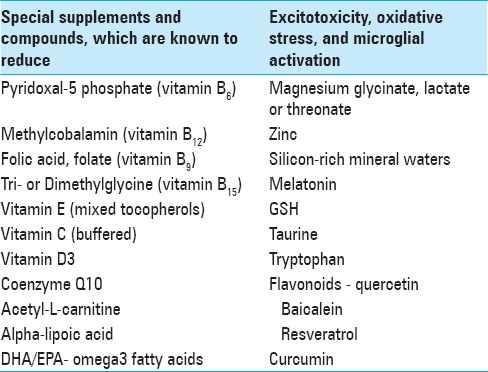
Immunoexcitotoxicity as the central mechanism of etiopathology and treatment of autism spectrum disorders: A possible role of fluoride and aluminum

Abstract
Our review suggests that most autism spectrum disorder (ASD) risk factors are connected, either directly or indirectly, to immunoexcitotoxicity. Chronic brain inflammation is known to enhance the sensitivity of glutamate receptors and interfere with glutamate removal from the extraneuronal space, where it can trigger excitotoxicity over a prolonged period. Neuroscience studies have clearly shown that sequential systemic immune stimulation can activate the brain’s immune system, microglia, and astrocytes, and that with initial immune stimulation, there occurs CNS microglial priming.

Children are exposed to such sequential immune stimulation via a growing number of environmental excitotoxins, vaccines, and persistent viral infections. We demonstrate that fluoride and aluminum (Al3+) can exacerbate the pathological problems by worsening excitotoxicity and inflammation. While Al3+ appears among the key suspicious factors of ASD, fluoride is rarely recognized as a causative culprit. A long-term burden of these ubiquitous toxins has several health effects with a striking resemblance to the symptoms of ASD. In addition, their synergistic action in molecules of aluminofluoride complexes can affect cell signaling, neurodevelopment, and CNS functions at several times lower concentrations than either Al3+ or fluoride acting alone. Our review opens the door to a number of new treatment modes that naturally reduce excitotoxicity and microglial priming.

Table 2. Prevention & amelioration of ASD symptoms

SNI-9-74-g014

Excerpt from conclusion:

Evidence is presented that the abundance of fluoride added to the water worldwide and the widespread availability of aluminum particularly to infants and young children through aluminum containing vaccinations, singly or together as aluminofluoride can be potent factors in producing the condition of immunoexcitotoxicity that leads to the pathological changes seen in ASD. The vaccination program should be evaluated to reduce the excessive stimulation of immature immune system and to replace Al3+-adjuvants.

______________

For more:  https://madisonarealymesupportgroup.com/2017/10/26/clinical-trial-shows-most-kids-with-autism-are-not-born-with-it/

https://madisonarealymesupportgroup.com/2017/09/19/autism-aluminum-adjuvant-link-corroborated/

https://madisonarealymesupportgroup.com/2018/04/09/a-tale-of-3-metals-the-fate-of-western-civilization-what-we-can-do-about-it/

https://madisonarealymesupportgroup.com/2018/05/14/important-background-on-lyme-vaccine-controversy/  But, a lot has happened since both the 1998 Lyme vaccine and Weintraub’s 2008 book that declares the Lyme vaccine caused “rare” adverse events.
https://madisonarealymesupportgroup.com/2018/04/16/vl15-lyme-vaccine-another-fraud/ THIS VACCINE CAUSED 229 DEATHS, INCLUDING 43 SUICIDES
https://madisonarealymesupportgroup.com/2018/01/28/the-secret-x-files-the-untold-history-of-the-lymerix-vaccine/
https://madisonarealymesupportgroup.com/2018/04/16/vl15-lyme-vaccine-another-fraud/
https://madisonarealymesupportgroup.com/2017/07/01/pbs-lyme-vaccine/ Even in 2008, Drymon reported: Did you know that the LYMERIX vaccine caused 640 emergency room visits, 34 life threatening reactions, 77 hospitalizations, 198 disabilities, and 6 deaths? In a vile cesspool of conflicts of interest are university patent holders, drug companies, and the FDA itself as another patent holder. It generated 40 million dollars before it was yanked. (2008, Drymon)
As you can see in Dr. Lapenta’s article, the death toll raised to 229. Besides, death and suicide, please see:
http://www.yourlawyer.com/topics/overview/lymerix One doctor stated that 21 patients developed severe arthritis after receiving the LYMERIX vaccine.
http://www.lymediseaseassociation.org/index.php/about-lyme/controversy/vaccine/261-lymerix-meeting “Given that Dr. Marks lead the clinical trials for Lymerix’s competitor, the OspA vaccine produced and then abandoned by Aventis Pasteur, his conclusions mean a lot. “In my opinion,” he told FDA officials, “there is sufficient evidence that Lymerix is causally related to severe rheumatologic, neurologic, autoimmune, and other adverse events in some individuals. This evidence is such as to warrant a significantly heightened degree of warnings and possible limitations or removal from marketing of Lymerix.”

Dr. Stricker states:
Another Lyme OspA Vaccine Whitewash
The meta-analysis by Zhao and colleagues comes to the conclusion that “the OspA vaccine against Lyme disease is safe and its immunogenicity and efficacy have been verified.” The authors arrive at this sunny conclusion by excluding 99.6% of published articles that demonstrate potential problems with the OspA vaccine. Furthermore, the authors ignore peer-reviewed studies, FDA regulatory meetings and legal proceedings that point to major problems with OspA vaccine safety (1-3). This whitewash bodes ill for future Lyme vaccine candidates because it fosters disregard for vaccine safety among Lyme vaccine manufacturers and mistrust among potential Lyme vaccines.


https://articles.mercola.com/sites/articles/archive/2018/05/30/sweating-out-toxins.aspx?

Yes, You Do Sweat Out Toxins

By Dr. Mercola, May 30, 2018  

Story at-a-glance

  • Sweating in a sauna is one of the simplest strategies to reap big health rewards, including releasing heavy metal toxins, urea, bisphenol-A and phthalates as well as improving blood flow, reducing blood pressure and improving cognition
  • Sauna use improves mitochondrial biogenesis, optimizes heat shock proteins and reduces your risk of cardiovascular events and stroke
  • Research data finds chemicals in your sweat may communicate fear or disgust to those around you
  • Sweating is not a fitness end goal; this means while sweating in a sauna may feel the same as sweating during your workout, it does not translate to the same cardiovascular and muscular fitness benefits

When it comes to your health, sometimes the simplest strategies can have a tremendous impact. Sweating in a sauna is one simple change with many health benefits, including the ability to reduce cardiovascular risk and improve mitochondrial function. It also correlates well with a reduction in the risk for dementia.

A Finnish proverb says, “The sauna is Finland’s medication … and a poor [person’s] apothecary.”1 Saunas have been used for nearly 2,000 years in Finland for stress relief and to improve health. Not surprisingly, much of the research on the health benefits of saunas comes from Finland, a country where saunas are nearly as common as television sets.2 They’re often found in private homes, offices and factories, and are an integral part of Finnish life.

In addition to offering cardiovascular and neurological benefits, they are being used by athletes for post-workout muscle relaxation and as a means of improving athletic performance. Another important aspect to sauna use has been detoxification. While there has been more than adequate research demonstrating the ability of sweating in a sauna to detoxify the body of heavy metals and other toxins, one letter published in the Journal Environmental International has renewed the debate over its effectiveness.3

Experts Call Detox Sweating a Myth

Some experts teach that your liver and kidneys are the only way your body has of removing toxins.4 In essence, they believe using a sauna to detoxify from environmental toxins and heavy metals is nothing more than a myth. In making the argument, some have indicated there is usually a grain of truth to the heart of every myth, believing toxic sweat is no exception.

The authors of the correspondence5 published in the journal Environmental International suggest the amount of toxins the body is capable of releasing through sweat is minuscule, and that the amount of pollutants — such as persistent organic compounds such as pesticides, flame retardants and now-banned polychlorinated biphenyls (PCBs) — in the human body is so low they’re essentially meaningless.

Yet these toxins and known carcinogens are banned from use because they trigger disease. According to the lead author, a typical person doing 45 minutes of high-intensity exercise could sweat a total of 2 liters each day, including normal everyday perspiration. This sweat would contain less than one-tenth of a nanogram of the pollutants discussed.

Hence, he believes there is no way to sweat enough to get rid of even 1 percent of the chemicals you ingest in your food in a single day.6 Ironically, and perhaps tellingly, this statement completely contradicts the claim that the toxic burden is essentially meaningless to begin with.

Another writer wrote an infrared sauna was nice and left her feeling euphoric after sitting in 30 minutes, but she believed the feeling was similar to an endorphin rush after working out,7 and that aside from the feelings of euphoria there was no science to back up the idea the sauna aided in detoxification. While these articles are circulated and read, they do not reflect the body of scientific and research evidence demonstrating the effectiveness of saunas to assist the body in eliminating environmental toxins and heavy metals.

Sweating Does Release Toxins From Your Body

Mixed with your sweat is a substance called urea, for which urine is named. In a paper published8 in the Journal of Biological Chemistry, researchers estimated up to 1.12 milligrams (mg) of urea is dissolved in every cubic centimeter of sweat. While this sounds like a small amount, the average person sweats up to 700 cubic centimeters of liquid each day, which means urea excreted in your sweat is responsible for up to 7 percent of your daily elimination of urea.9

Research has also determined that metals are excreted in measurable amounts, and many researchers consider sweating a safe and effective way to eliminate arsenic, cadmium, lead and mercury.10 This meta-analysis considered 24 published studies in which sweat collection and concentration were analyzed. They found individuals with a higher burden of toxins would generally sweat amounts exceeding plasma or urine concentrations.

These studies determined dermal excretion through sweating could match or surpass urinary excretion. Notably, cadmium was more concentrated in sweat than in blood plasma and mercury levels could be normalized with repeated sauna use.11 Another study evaluated the blood, urine and sweat from 20 individuals and analyzed them for approximately 120 compounds, which were found in varying amounts in each of the different fluids. According to the authors:12

“Many toxic elements appear to be preferentially excreted through sweat. Presumably stored in tissues, some toxic elements readily identified in the perspiration of some participants were not found in their serum. Induced sweating appears to be a potential method for elimination of many toxic elements from the human body.”

Bisphenol-A (BPA) is a ubiquitous chemical contaminant associated with a number of adverse human health conditions. In a study designed to assess the relative concentration of BPA in blood, urine and sweat, researchers found BPA could be identified in the sweat or 80 percent of the participants, even in some who had no BPA detected in serum, blood or urine.13

They concluded biomonitoring using blood or urine may underestimate the total burden, and sweat analysis should be considered as it appeared to be useful for elimination of BPA.

Chemicals in the phthalate family are found in everyday consumer products, resulting in high exposure for some individuals and groups. Multiple studies have demonstrated statistically significant relationships between exposure to phthalates and disease. In one study,14researchers evaluated the effectiveness of excretion of phthalates and metabolites through sweat.

They found some phthalates were measurable in sweat but not serum suggesting retention and bioaccumulation. They concluded induced perspiration could be useful to facilitate elimination of toxic phthalate compounds, and that sweat analysis may help establish the existence of the bioaccumulation of 2-ethylhexl phthalate.15

Sweating Communicates Emotions

Although sweating is an important method of excreting waste products, researchers have discovered it also serves another function. Sweat leaves the body through one of three types of glands — apocrine, eccrine and apoeccrine glands. The latter were first discovered in 1987 and found only in the same places where apocrine glands exist.16

The human body will sweat as a means of regulating temperature. However, you may also begin to sweat when eating something spicy, or experiencing a highly charged emotional situation. Researchers have discovered emotion-induced sweating is a tool used for communication, as the scent you detect in the sweat will tell you how others are feeling.

In an experiment by Utrecht University,17 psychologists collected sweat samples from 10 men as they watched videos designed to stimulate feelings of fear or disgust. Thirty-six women were then asked to detect any emotional cues from the sweat samples. The scientists found when women smelled sweat produced during fearful situations, their own facial expressions suggested fear as well. The same was true when they smelled the sweat samples produce during situations meant to evoke disgust.

This suggested the sweat was an effective means of communicating an emotional state. Interestingly, the facial expressions made by the women while sniffing the sweat was independent of their subjective perception of the odor. Thus, a woman may show a look of disgust even if they reported the sample as pleasant. Similar results were found in other experiments, including one from Rice University when women exposed to sweat samples produced in a fearful situation performed better on word association tasks.18

In an experiment conducted by German psychologists and neuroscientists,19 sweat produced by men who were in an anxious state triggered women to make riskier decisions in a computer game. None of the studies determined whether people were aware of changes in their own behavior or decision-making as a result of exposure to sweat, but they do suggest sweat may communicate information about your mental state.

Sweating Cannot Replace Exercise

You sweat during intense exercise and while using a sauna, which may lead you to believe you can experience some of the same benefits using a sauna as you would doing intense exercise. Unfortunately, you’re not going to sweat off the pounds or build muscle in a sauna.

Sweating is not, in and of itself, a fitness goal. Sweating during intense exercise regulates internal temperature. Using the sauna may help improve athletic performance and recovery by boosting growth hormone secretion naturally,20 and definitely has additional benefits beyond excreting waste products from your body. However, it is important to include movement, strength training, flexibility and cardiovascular training in your fitness routine.

Saunas Do More Than Detoxify

Inside most of your cells are mitochondria that produce nearly 90 percent of the energy generated in your body, which is necessary for every muscle contraction and relaxation, biochemical cascade, cellular regeneration and more.

Your mitochondria also act as coordinators for programmed cell death, which helps rid your body of damaged cells that might otherwise turn into cancer. However, mitochondria are susceptible to damage from free radicals and require consistent regeneration. Sauna use places stress on your body in short bursts, which boosts mitochondrial biogenesis.21

Elevating your core temperature helps activate genes important for optimizing heat shock proteins (HSP) inside your cells. An accumulation of damaged HSP can lead to plaque formation in your brain or other vascular systems.22

HSP are involved in longevity and are important for preventing skeletal muscle atrophy. Researchers in Finland23 found men who use a sauna four to seven times per week for an average of 15 minutes had a 66 percent lower risk of developing dementia and 65 percent lower risk of Alzheimer’s disease, compared to those who use the sauna only once a week.

Sauna use may also improve brain function by lowering inflammation and blood pressure, thus improving vascular function and enhancing your feeling of relaxation and well-being. Research data24 demonstrates a link between heat exposure and brain-derived neurotrophic factor (BDNF).

This factor activates brain stem cells to convert into new neurons and triggers other chemicals promoting neural health. Exercising in the heat increases BDNF even further, suggesting heat stress, including sauna use, is beneficial for brain health.

Further research reveals men who used a Finnish-style, dry heat sauna seven times per week cut their risk of death from fatal heart problems in half, compared to those who used it only once a week.25 When confounding factors such as smoking, blood pressure and cholesterol levels were factored in, the findings remained the same. The greatest benefits were found in those who stayed in a sauna for 19 minutes or more each session.26

This suggests the adaptations your body makes to heat stress, including improved blood flow to your heart and muscles, positively impact your heart health. Another study27 evaluating the effects of a sauna on over 1,600 men and women found it helps reduce stroke risk by lowering inflammation, reducing arterial stiffness and improving blood flow through the circulatory system. Those who used the sauna up to seven times per week reduced their risk by 62 percent.28

Choose Your Best Sauna Option and Take Precautions

There are several sauna options from which you can choose, including a Finnish sauna, far-infrared saunas and near-infrared saunas. The difference between the infrared saunas and the traditional Finnish sauna is the Finnish-style heats you from the outside in, where the infrared heats from the inside out. Near-infrared saunas have additional benefits as they penetrate your tissues more effectively and at wavelengths not absorbed by water.

The near-infrared range affects your health primarily through interaction with chromophores, light-absorbing molecules found in your mitochondria and water molecules. Near-infrared light also has healing and repairing properties, helping optimize other biological functions. For more information about the benefits to using near-infrared saunas and precautions you should take before using a sauna, see my previous article, “Spending Time in a Sauna Can Reduce Your Risk for a Stroke.”

____________

**Comment**

And don’t forget there’s ozone saunas.  Here’s a great article by Dr. Rowan on the effectiveness on ozone on Ebola. Of course he’s referring to blood ozone; however, ozonating the body via ozonated sauna would have many benefits as well:  http://www.docrowen.com/ozone-therapy.html