Since the beginning of our species we have been at war. It’s a continuous, neverending fight against the smallest of adversaries: armies of pathogens and parasites. As we have developed new ways to survive and stop them, they have evolved ever more complex and ingenious methods to thwart our efforts.
Humans have faced numerous attempts to challenge our dominance on planet Earth and from the Black Death to the Spanish flu, we have weathered them all. However, since the start of the 21st century, with its trend towards global interconnectedness, these onslaughts are ever-increasing. In the past 17 years we have battled Sars, the Ebola virus, Mers, and more recently the mysterious mosquito-borne Zika virus. These diseases seeming to appear from nowhere and rapidly ravage our populations. One commonality is that they almost always originate in animals before jumping across to people, and few parasites are as good at jumping between animals and people as the tick.
Ticks could be best described as the used syringes of the natural world due to their promiscuous feeding habits. Most ticks go through three stages in their lives and feed on a different host at each stage, whilst simultaneously collecting hitchhiking microbes in their blood meals. Ticks also have one of the widest distributions of any vector on Earth – they can be found on every continent, including frigid Antarctica. This combination of ubiquity and a bad habit for accumulating pathogenic microbes make ticks some of the most dangerous vectors on the planet.
So why ticks? And why now?
Partly, it’s because ticks have been understudied for so long that only recently have we begun to realise just how much they affect our health. It took until 1975 for the infamous Lyme disease even to be formally described, and today the list of microbes found within ticks grows ever larger every year as numerous new species are discovered.
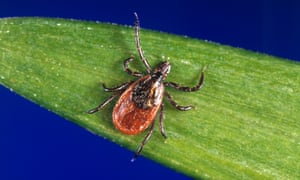
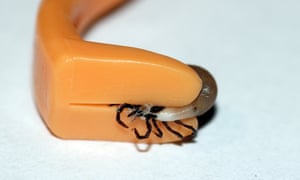
An engorged tick removed from a host. Photograph: Astrid860/Getty Images/iStockphoto
Changing ecosystems are also forcing ticks into closer contact with humans. Perhaps the most immediate changes are being driven by land clearing, which is forcing wildlife into closer contact with humans; with wildlife come ticks and the diseases they carry. Climate change has also been implicated: as the climate gets warmer, some ticks are expanding their ranges into places where cool winter temperatures previously limited their distribution. Geographical boundaries are also being eroded as rapid transport links environments which were previously isolated from one another. This presents easy opportunity for ticks to cross borders and spread to new habitats they may not have previously occupied.
In short, our manipulation of the environment has set the stage for a tick-driven health crisis.
Ticks can carry an extremely wide array of human pathogens, including bacteria, viruses, and protozoa. Within the long list of human ailments caused by ticks, several dangerous diseases stand out.
While the recognition of Lyme disease has led to a greater study of the bacteria which cause it and more frequent testing for patients, it has been a double-edged sword, as its notoriety has overshadowed equally important diseases like tick-borne rickettsiosis (TBR). TBR is caused by a number of different bacteria distributed across the globe. Unfortunately, TBR often presents with signs and symptoms similar to Lyme disease, such as rashes, joint and muscle pain, and fatigue. Although deaths are rare when TBR is treated with antibiotics like doxycycline, when the disease is incorrectly diagnosed or adequate medical infrastructure is lacking, mortalities can still occur.
Babesiosis is an emerging tick-borne disease caused by a protozoan called Babesia, a species related to the microbe which causes malaria. The disease is rarely tested for by doctors and the global levels of human infection are unknown, although some researchers believe that they may be much higher than present rates of diagnosis indicate. Infections can be highly variable, with about a quarter of infected adults showing no signs of the disease, while others will die from the infection. In truth the disease is still poorly understood in humans, which is compounded by the fact that several species of Babesia cause the disease and the signs and symptoms can be wide-ranging and often include fever, fatigue, anaemia, and nausea – all common features of other illnesses.
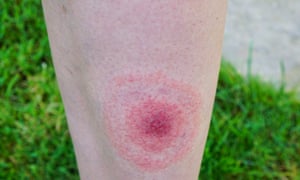
The distinctive “bullseye” marking caused by a bite from a deer tick. Photograph: anakopa/Getty Images/iStockphoto
Crimean-Congo haemorrhagic fever (CCHF) is perhaps the most terrifying disease spread by ticks, as there are no treatments available, and mortality rates can be as high as 40% in infected humans. To put it into perspective, that mortality rate is similar to untreated cases of Ebola or the bubonic plague. The World Health Organisation views CCHF virus as having a high chance of causing human disease epidemics and has accordingly directed considerable funding towards finding a treatment, although to date none have been developed. The wide distribution of tick vectors capable of spreading the disease coupled with the ability of common domestic animals such as sheep and cattle to maintain the CCHF virus in their blood at high levels means the potential for CCHF to expand into new regions like Europe is highly probable.
While only discovered in 2009, SFTS virus (severe fever with thrombocytopenia syndrome) has sparked widespread fear through much of Asia, especially in Japan where 57 people have died of the disease since 2013. Signs of the disease can range in severity from relatively mild, like fever and diarrhoea, to severe, which can include multiple organ failure. The fact that the epidemiology of the disease is so poorly known makes predicting and controlling its spread difficult. It is also known to be carried by at least two cosmopolitan tick species which are spread throughout the world from the UK, to the US, and even Australia. That might sounds bad enough, but things are even worse: although the disease typically gets to humans via a tick, from there it can spread to other humans or their pets and back again into ticks who feed on infected hosts.
Ticks are ubiquitous, dangerous, and are coming into ever greater contact with us. We must recognise that the next public health crisis may come from our backyards rather than a remote equatorial jungle in Africa or Asia.
_____________
**Comment**
I’m thankful the article points out that other pathogens are involved. For those with Lyme as well as these other pathogens (which is common), they typically have more severe cases and require longer and more extensive treatment.
The Cabal still denies ticks transmit Bart; however, many feel otherwise. This is why all the research in the world put out by the Cabal will never touch Bart. It doesn’t fit the narrative. The fly in the ointment is similar to sexual transmission for Lyme, the organisms have been found but there isn’t conclusive proof of transmission. Many of these pathogens are fastidious and hard to study in a lab. All case studies are ignored.
I’m always fascinated that Bartonella and Mycoplasma are rarely mentioned in regards to coinfections by mainstream news – as according to experts Dr. Nicholson and Dr. Breitshwerdt, they are probably the TOP coinfections with Lyme.
Then there’s that pesky detail of not having enough studies on the effectiveness of formaldehyde killing the virus making it “inactive” which explains why some get the flu after getting the vaccine: http://www.thevaccinereaction.org/2018/01/formaldehyde-doesnt-always-kill-viruses/This happened before when 40,000 kids were given the Salk IPV and got polio. OOPS!
What authorities don’t tell you about vaccines for the immunocompromised, such as Lyme/MSIDS patients, is that a vaccine which is created to lower your immune system so that your body mounts an immune response can activate latent infections. https://madisonarealymesupportgroup.com/2017/12/02/scottish-doctor-gives-insight-on-lyme-msids/ Within this link you will also see a connection between the HPV vaccine and Bartonella. I just finished “Lyme Madness,” by Lori Dennis. Her son’s Lyme/MSIDS activated after a flu shot. I hear these stories over and over.
So rather than be frightened and reach for what seems like an easy button, this article will hopefully give you practical tools to use at home to lower your flu risk or lessen infection time.
The following video by NPR shows how viruses turn our cells into mini viral reproductive factories.
Approx. 3.5 Min
Approx. 6 Min
In this video Dr. Axe shares his top seven remedies to cure a cold fast. These specific remedies can help you get rid of your cold in 24 hours or less. They are most effective when taken upon initial flu/cold symptoms.
1. Echinacea
The research using Echinacea tea is not consistent. The studies that demonstrated the best effect at shortening the length of a cold occurred when you drink two to three cups of Echinacea tea per day starting on the first or second day of your cold.
2. Elderberry Syrup or Extract
In one study, elderberry syrup reduced the severity of flu symptoms and shortened their duration by about four days. Elderberry extract is also known for inducing sweating, and helps relieve congestion.
3. Vitamin C (1000mg 5x day)
A very potent antioxidant; use a natural form such as acerola, which contains associated micronutrients. You can take several grams every hour (use the liposomal form so you don’t get loose stools), till you are better.
4. Garlic (capsules or cloves)
In the singular study identified by the Cochrane group, those who took garlic daily for three months had fewer colds than those who took a placebo, and, when they did come down with a cold, the duration of illness was shorter — an average of 4.5 days compared to 5.5 days for the placebo group.
5. Oregano Oil/ Oil of Oregano (4-5 drops in water)
The higher the carvacrol concentration, the more effective and most active antimicrobial agent in oregano oil which has potent antibacterial and antiviral effects. In one study, researchers found when in spray form in combination with four other aromatic plants it could immediately reduce the side effects of a cold. This treatment was no longer effective after three days of use. Oil of oregano should not be used by children, women who are pregnant or nursing or who plan to become pregnant.
6. Zinc (100mg a day)
A Cochrane Database Review of the medical research on zinc found that when taken within one day of the first symptoms, zinc can cut down the time you have a cold by about 24 hours. Zinc was also found to greatly reduce the severity of symptoms. Zinc was not recommended for anyone with an underlying health condition, like lowered immune function, asthma or chronic illness. Dr. Mercola does not recommend taking more than 50 mg a day, and does not recommend taking zinc on a daily basis for preventive purposes as you could easily develop a copper imbalance that way.
7. Apple Cider Vinegar (2 Tbsp in water 3x a day)
Cold viruses increase the acidity of your body. Apple Cider vinegar reduces the acidity and has acetic acid that helps prevent the growth of viruses.
Eliminate sugars from your diet, add in a real vegetable soup a day, consume chicken broth, and citrus fruits. For more information on getting rid of a cold check out this article: http://draxe.com/natural-cold-remedies/
1. Meditation – has significant positive effects on heart rate, brain function, stress reduction and blood pressure. Research also has demonstrated lasting positive effects on brain function and immune system. Imaging demonstrated an increase in activation in the left frontal region of the brain associated with lower anxiety, and blood work showed larger increases in antibody production in participants who meditated in the study.
2. Exercise – if all symptoms are above the neck, such as sneezing, sniffling and watery eyes, then breaking out in a sweat is generally considered safe. The immune system functions better when you exercise regularly and is a good preventative measure. Walking, jogging, yoga and slow biking are among the best exercises when you have a cold, while endurance sports, team sports, weightlifting and exercising in the cold weather are among the worst. Exercise may help you feel better but may not shorten the length of your cold. If you are involved in strenuous exercise it depletes the energy needed to fight the virus and can actually make your symptoms worse.
3. Sleep – Sleep has a strong regulatory influence on your immune system and promotes the influence of cytokines stimulating the interaction between antigen-presenting cells and T-helper cells necessary for your body to fight virus infections. Most people need between about eight hours of sleep a night and plenty of rest during the day.
4. Nasal Saline Rinse – Although researchers can only speculate how saline nasal washes are effective in treating and preventing virus infections and recurrences, the fact is they are effective. Use only sterile normal saline water in the rinse. Tap water can increase the inflammatory response in the sinus passages and carry parasites that can infect your brain.
5. Hydrogen Peroxide – In 1928, Dr. Richard Simmons hypothesized that the cold virus entered your body through the ear canal and not the nose. His theory was dismissed by the medical community; however, in 1938, German researchers had great success using hydrogen peroxide in the ear canal to treat colds and the flu. You must start treatment in the first 24 hours to have a significant impact on reducing the length of the cold. Take a capful of hydrogen peroxide and while lying on your side, pour it in, letting it bubble for a few minutes. Switch sides and repeat.
6. Chicken Soup – Ateam of researchers from the University of Nebraska Medical Center found evidence that chicken soup — both homemade and from the can — had anti-inflammatory properties that could prevent the side effects of a cold. Avoid the canned varieties in favor of a home-cooked version with homemade broth.
9. Coconut Oil – has both antibacterial and antiviral properties. Rub coconut oil over your skin. It is readily absorbed into your body and, as an added benefit, will soften your skin too. Add one-half teaspoon to your coffee or tea when you have a cold and cook with it.
10. Baking Soda – reduces the acidity of your body in the treatment of colds and flu. However, I have pushed the body pH in the opposite direction and achieved the same results, shortening the length of an infection. The administration of baking soda is simple, relatively harmless and easy to test on your own cold. Simply dissolve the recommended amount of baking soda in a glass of cold water and drink it. Recommended dosages from the Arm & Hammer Company for colds and influenza back in 1925 were:
Day 1 — Take six doses of one-half teaspoon of baking soda in glass of cool water, at about two-hour intervals Day 2 —Take four doses of one-half teaspoon of baking soda in glass of cool water, at the same intervals Day 3 — Take two doses of one-half teaspoon of baking soda in glass of cool water morning and evening, and thereafter ½ teaspoon in glass of cool water each morning until cold symptoms are gone This should only be used as an occasional (not chronic) treatment, however, and be careful not to consume excessive amounts, which can cause serious electrolyte and acid/base imbalances.
11. Lifestyle Choices – eliminate or drastically reduce your alcohol intake and smoking. Both of these factors negatively impact your immune system, making it more difficult for your body to fight the viral infection.
12. Steam – will not shorten the length of your cold, but it will help to break up the mucous secretions in your sinuses, reduce the inflammation in your nasal passages and help you to breathe better.
13. Stress Reduction – Practicing meditation, yoga or Emotional Freedom Techniques (EFT) are simple and effective practices to support your immune system and prevent other damage caused by stress.
14. Hand Washing – is a deterrent for infection by viruses and against further infection while you are sick. It will also reduce the spread of the virus to other family members, but it will not shorten the length of your cold. Remember that too much hand washing is almost as bad as not enough. Frequent washing strips your skin of protective oils, causing the skin to crack and bleed.
15. Eat Real Food – and avoiding processed foods will give your body the necessary tools to fight a viral infection. It will also reduce the potential you’ll suffer a quick recurrence of the infection.
Development and Validation of a Serologic Test Panel for Detection of Powassan Virus Infection in U.S. Patients Residing in Regions Where Lyme
Disease Is Endemic
Thomm AM, Schotthoefer AM, Dupuis AP II, Kramer LD, Frost HM, Fritsche TR, Harrington YA, Knox KK, Kehl SC.
/mSphere/. 2018 Jan 10;3(1). pii: e00467-17. eCollection 2018 Jan-Feb.
Powassan virus (POWV) is an emerging tick-borne arbovirus presenting a
public health threat in North America. POWV lineage II, also known as deer tick virus, is the strain of the virus most frequently found in
/Ixodes scapularis/ ticks and is implicated in most cases of POWV encephalitis in the United States. Currently, no commercial tests are
available to detect POWV exposure in tick-borne disease (TBD) patients.
We describe here the development and analytical validation of a serologic test panel to detect POWV infections. The panel uses an indirect enzyme immunoassay (EIA) to screen. EIA-positive samples reflex
to a laboratory-developed, POWV-specific immunofluorescence assay (IFA).
The analytical sensitivity of the test panel was 89%, and the limit of
detection was a plaque reduction neutralization test (PRNT) titer of
1:20. The analytical specificity was 100% for the IgM assay and 65% for the IgG assay when heterologous-flavivirus-positive samples were tested.
On samples collected from regions where Lyme disease is endemic,
seroprevalence for POWV in TBD samples was 9.4% (10 of 106) versus 2% when tested with non-TBD samples (2 of 100, /P/ = 0.034). No evidence of
POWV infection was seen in samples collected from a region where Lyme
disease was not endemic (0 of 22).
This test panel provides a sensitive and specific platform for detecting
a serologic response to POWV early in the course of infection when
neutralizing antibodies may not be detectable. Combined with clinical history, the panel is an effective tool for identifying acute POWV infection.
*Importance*
Approximately 100 cases of POWV disease were reported in the United
States over the past 10 years. Most cases have occurred in the Northeast
(52) and Great Lakes (45) regions
(https://www.cdc.gov/powassan/statistics.html). The prevalence of POWV in ticks and mammals is increasing, and POWV poses an increasing threat in a greater geographical range.
In areas of the Northeast and Midwest where Lyme disease is endemic,
POWV testing is recommended for patients with a recent tick bite, patients with Lyme disease who have been treated with antibiotics, or patients with a tick exposure who have tested negative for Lyme disease or other tick-borne illnesses and have persistent symptoms consistent
with posttreatment Lyme disease. Testing could also benefit patients
with tick exposure and unexplained neurologic symptoms and chronic fatigue syndrome (CFS) patients with known tick exposure.
Until now, diagnostic testing for Powassan virus has not been
commercially available and has been limited to patients presenting with
severe, neurologic complications. The lack of routine testing for Powassan virus in patients with suspected tick-borne disease means that little information is available regarding the overall prevalence of the virus and the full spectrum of clinical symptoms associated with infection. As /Ixodes scapularis/ is the tick vector for Powassan virus
and multiple other tick-borne pathogens, including the Lyme disease
bacterium, /Borrelia burgdorferi/, the clinical presentations and long-term outcomes of Powassan virus infection and concurrent infection with other tick-borne disease pathogens remain unknown.
A Strange Itch, Trouble Breathing, Then Anaphylactic Shock
By LISA SANDERS, M.D. JAN. 4, 2018
“I can’t breathe,” the woman panted, her voice a husky monotone. Her sister looked anxiously at the clerk at the triage desk at the University of Iowa hospital emergency room. The woman’s breath was rapid and coarse. Her chest heaved with the work of simply breathing. She pulled at the neck of her sweatshirt — suddenly it was too tight. She pulled it over her head and dropped it to the floor. She was naked beneath the top; she had been in bed when this attack came on.
The 54-year-old woman was helped into a wheelchair and whisked into the inner sanctum of the E.R. What followed was a blur of concerned faces, needles and medical data. Her blood pressure was dangerously low; her heart was racing. She was given epinephrine and steroids, but it was hours before she could explain what had happened that night.
She was staying at her mother’s house in rural Iowa, she told the doctors. Just as she was going to bed, she felt a sudden tingling in the palms of her hands. She recognized the sensation immediately: Twice in the past eight years, she had felt the same strange itch on her hands and sometimes her feet. Each time it was quickly followed by a terrifying sense of her throat closing.
Anaphylactic Shock
She had driven herself to her sister’s house, several miles away, and her sister drove her the rest of the way to the hospital. She opened the car window to let in the frigid winter night air. She struggled to breathe. Black spots swam before her eyes, but she willed herself not to pass out.
She had had this kind of allergic reaction twice before but never as severely. She knew from her own research that this was anaphylactic shock — a potentially deadly allergic reaction. After she got the medications, the woman’s symptoms resolved. She stayed in the hospital overnight, and when it was clear that the episode was over, she went back to her mother’s house. She made an appointment to see a local allergy specialist right away.
A Mystified Allergist
The specialist spent nearly two hours going over everything the woman had been exposed to — food, plants, toxins, anything that might have triggered this nearly fatal allergic reaction. There were no new exposures that day, nothing she hadn’t eaten or touched many times before and after this latest attack. The most common cause of severe allergic reactions in adults is food, but the allergist couldn’t identify any likely suspects. He was mystified. He asked her to share her diagnosis when she got one.
For months after returning to her home on Long Island, the woman was anxious about everything she ate, and she worried every night when she went to bed. She always kept a bottle of Benadryl and an EpiPen with her, but still she was terrified about what might happen if she was too far from a hospital the next time.
‘I Need a Nurse!’
When her next attack happened — just 10 months later — she was already in Brookhaven Memorial Hospital in East Patchogue, N.Y. She was being treated with antibiotics for a devastating case of gastroenteritis due to salmonella. Her first meal, after days of nothing but clear liquids, was beef brisket with potatoes and carrots. It smelled good, but she had no appetite. She made herself eat a few bites anyway, knowing it was her first step toward going home.
A couple of hours later, she felt a strange itch on the top of her head. She scratched reflexively. Then the recognition hit her like a slap: Not now, she thought. She grabbed the IV pole, still dripping fluids into her system, and ran out into the hallway. “I need a nurse,” she shouted. Her heart was pounding, and she knew what was coming next. Hospital staffers in scrubs descended on her. Was she having a panic attack? No, an allergy attack, she told them.
They helped her back into bed and gave her oxygen, Benadryl and steroids. “What happened?” someone asked. She told the whole story, plus something she now realized — every one of her attacks seemed to come a few hours after she ate beef. She didn’t go through this every time she had a hamburger or steak; meat was a regular and much-loved part of her diet. But she was pretty sure that she had steak — or beef brisket, this time — before each episode.
Her doctors were dubious. New food allergies — especially severe ones like hers — are uncommon in adults. This was much more likely to be an allergic response to one of the antibiotics they were giving her. The patient, though, found that theory hard to swallow. It might explain this episode, but what about the earlier ones? She hadn’t been on antibiotics then. The doctors had no answer.
Was a Tick to Blame?
A nurse had a different theory about what happened, one the patient had heard before but never believed. There was some kind of tick, the nurse told her, whose bite could make you allergic to meat. She didn’t know much about it. But, the nurse suggested, she should check it out.
The woman had been bitten by ticks before — who on Long Island hasn’t? But was it really possible for a bite to produce this crazy reaction? Indeed it was, she discovered, when she got home and began doing some research. The bite of the lone star tick — named for a white spot shaped like Texas on the arachnid’s back — could cause an allergic reaction to mammalian meat. The trigger was a sugar, identified as galactose-α-1,3-galactose and more casually known as alpha-gal, a carbohydrate found in the flesh of all nonprimate mammals.
How the tick bite triggers this allergy is not yet known. The link between the tick — whose range extends from southern Florida to Maine and as far west as Iowa — and the resulting alpha-gal allergy was first described in 2009 by Thomas Platts-Mills, a professor at the University of Virginia, who himself developed the disorder. Unlike most food allergies, in which symptoms occur within minutes of consuming the allergen, the alpha-gal reaction is delayed. The symptoms — ranging from a rash to nausea to shortness of breath and even anaphylaxis — can appear four to six hours after a meal containing meat. Stranger still, the reaction doesn’t occur after every exposure.
A Diet Changed Forever
The diagnosis of mammalian meat allergy (M.M.A.) can be confirmed with a blood test that identifies antibodies to alpha-gal. The patient contacted Diane Cymerman, an allergist she had seen years earlier for seasonal allergies. Cymerman asked her to list all the foods she consumed before her last episode in the hospital and had her blood tested for antibodies to everything on the list, down to the black pepper and parsley seasoning. And to alpha-gal.
The first results came back the following week: She had a moderate allergy to beef, but everything else was normal. The following month, the test results for alpha-gal antibodies came back. She was wildly allergic to galactose-α-1,3-galactose. Cymerman called the patient with the news. She had to avoid eating meat from mammals — and everything derived from them, including Jell-O and other foods and medications made from gelatin. Even safe foods cooked on a grill that has also been used for meat can be contaminated with enough alpha-gal to trigger a reaction.
The patient contacted the allergist back in Iowa and told him what she had. He was amazed. He had only recently heard a lecture on this phenomenon. He had never seen it before her case.
It hasn’t been easy for this Iowa transplant to give up beef and other meat that comes from mammals. Some days, she tells me, just thinking about a juicy hamburger or steak makes her stomach growl. But she remembers her terror and that long drive to the Iowa hospital and sticks to chicken, fish and vegetables.
Lisa Sanders, M.D., is a contributing writer for the magazine and the author of “Every Patient Tells a Story: Medical Mysteries and the Art of Diagnosis.” If you have a solved case to share with Dr. Sanders, write her at Lisa.Sandersmd@gmail.com.
Great video by Dr. Greger at nutritionfacts.org on tick bites, meat allergies, and chronic urticaria
https://madisonarealymesupportgroup.com/2016/02/05/paralysis-tick-the-immune-system/ Australian allergy specialist Sheryl van Nunen got her red meat allergy mystery solved when there was a surge in allergic reactions in the U.S. to a drug, Cetuximab, used to treat colorectal cancer developed using a mouse cell line, also containing alpha-gal.
Epstein-Barr Virus: A Key Player in Chronic Illness
by Dr. Bill Rawls
Posted 11/3/17
So, you’re experiencing symptoms of tiredness, achiness, sore throat, and possibly swollen lymph nodes and low-grade fever that just won’t go away.
You’ve Googled your symptoms, and mononucleosis pops up as a likely possibility. But if you’re well beyond college age, mononucleosis isn’t very common.
Chronic fatigue syndrome, fibromyalgia, and even Lyme disease are other possibilities you might have entertained, especially if you have symptoms beyond those mentioned above. But then you came across something called reactivated Epstein-Barr virus, which fits your symptoms to a tee.
If you are aware that Epstein-Barr virus (EBV) is the cause of mononucleosis, you may be wondering: What’s the difference between chronic reactivated EBV and mononucleosis? And beyond that, what makes chronic reactivated EBV chronic — and how does it play into other chronic illnesses?
To find out, read on to learn more about this complex and convoluted microbe called Epstein-Barr virus and what can make it a long-term troublemaker.
Almost Everyone Has EBV
Let’s start with the fact that EBV is much more common than you might imagine: >95% of world’s population has been infected with it.
Another interesting fact is that it’s a herpes-type virus. Yep, you read that right: EBV is a close relative of genital herpes. Known technically as Human Herpesvirus 4 (HHV-4), it’s #4 on the list of nine different herpes-type viruses that can infect humans.
Herpesviruses are composed of strands of DNA inside an envelope. After initial infection, they stay dormant in tissues indefinitely, but can reactivate if immune system functions become depressed.
In other words, if you’ve ever been infected with a herpesvirus like EBV, you will always carry it in your tissues.
EBV Can Spread Like Wildfire
The majority of people become infected with EBV as infants or young children. The virus spreads primarily by oral route via saliva. To enter the body, it infects mucous membranes lining the mouth, throat, and stomach. From there, the virus infects B cells, the type of white blood cell that produces antibodies. It also infects T cells and natural killer cells, but to a lesser extent. Infected white blood cells transport EBV throughout the body.
In this active phase, called the lytic phase, the virus takes over the machinery of infected cells to generate new viruses. This is when people are most symptomatic and contagious.
The virus spreads remarkably easily, especially in children. It is most typically spread by people who are infectious, but don’t know it — daycare workers, babysitters, grandmothers with big wet kisses. Following that, infected children rapidly pass it along to other children.
Which is a really good thing — because if you get it as an infant or young child (remember to thank your grandmother), you typically don’t get very sick at all. In fact, it’s unlikely that you would even remember the infection.
It’s only if you don’t get EBV at a young age and then get exposed later in life when your immune system is suppressed that you’re at risk for developing the form of EBV called mononucleosis.
Known as kissing disease, infectious mononucleosis (IM) is spread by intimate contact with someone shedding the virus. It typically occurs in young adults who haven’t been exposed early in life. It usually catches the person off guard when immune system functions are depressed, such as during the stress of high school or college.
Compared to EBV occurring in childhood, IM is much more severe: Common symptoms include sore throat, fever, severe fatigue, and swollen lymph nodes. It can drag on for months and be quite debilitating.25
Whether the initial encounter with EBV occurs as an innocuous infection as a child or as debilitating mononucleosis as a young adult, the host’s immune system eventually gains ground and the infection is contained.
The virus, however, is not eradicated. It persists inside memory B cells, a type of white blood cell that retains “memory” of an infection for future reference — except in this case, the cells are sabotaged into storing the actual virus. Memory B cells infected with EBV accumulate in lymphoid tissue and nerve tissue, and stay there for a lifetime.
This dormant state is referred to as the latent phase.9, 6, 12, 23Traditionally, people in the latent phase weren’t considered noninfectious. But with all the daycare workers, teachers, grandmas, and college students actively shedding the virus without knowing it, it’s become clear that someone can be very infectious without being ill. In fact, recent evidence supports that people often actively shed virus from tonsillar tissues without having significant symptoms.23
Either way, whether EBV is completely dormant or infectious without symptoms, the virus generally doesn’t cause any significant problems as long as immune system functions are robust. You can carry it for a whole lifetime and not know it — as most people do.
However, allow the immune system to become disrupted — by stress, poor diet, and other key factors I’ll explore below — and EBV can reactivate, causing symptoms similar to the mononucleosis, but much worse.4
Reactivated EBV Can Become Chronic
Chronic reactivated EBV is like mononucleosis from hell.
Symptoms of reactivated EBV include severe chronic fatigue, chronic achiness, chronic sore throat and irritation of mucous membranes, swollen lymph nodes, and a range of debilitating neurological symptoms. Symptoms can wax and wane for years. Severe cases can include evidence of liver dysfunction, immune suppression, and anemia.1
The most plausible explanation for why chronic reactivated EBV is so severe and unrelenting is that it’s not just EBV that’s at play.
This is where things get both interesting and complicated.
People often carry other herpesviruses in addition to EBV. The list includes Herpes simplex types 1 and 2 (oral and genital herpes), varicella-zoster virus (causing both chickenpox and shingles), cytomegalovirus (CMV), HHV-6 types a and b, HHV-7, and HHV-8.
Though they are all related, each of these viruses infects the body in a different way — therefore they cause slightly different symptom profiles. In important ways, they are all are remarkably common:
They stay dormant in tissues and can be reactivated just like EBV.
If disruption of a person’s immune functions allows reactivation of multiple herpesviruses at once, symptoms can be severe and highly variable.
But that isn’t the end of the story.
Many people with chronic Lyme disease, fibromyalgia, and chronic fatigue syndrome are found to have reactivation of EBV, along with other herpesviruses and a list of other microbes including Mycoplasma, Bartonella, Chlamydia, and new microbes added to the list every day.
This strongly suggests that reactivation of EBV is likely not EBV alone.
The Connections Between EBV and Chronic Illnesses Are Many
Scientists are just beginning to explore the link between chronic EBV and other chronic illnesses, but one of the most well-researched is EBV’s relationship with multiple sclerosis (MS). Many studies have defined a variety of different mechanisms by which the virus could initiate and perpetuate MS — not enough to define EBV as the sole cause of MS, but highly suggestive that it does play a role in the illness.10
Similarly, studies have shown high viral loads of active EBV in a high proportion of patients with a variety of autoimmune diseases, including rheumatoid arthritis, systemic lupus erythematosus, Sjögren’s syndrome, and autoimmune thyroiditis.14 Again, a strong link, but not enough to suggest absolute cause of EBV alone.
And that’s not the end of the multi-microbe connections.
Recent evidence has suggested that EBV and HHV-6a might together play a role in MS.29 MS has also been linked to a variety of different microbes including, but not limited to, Chlamydia pneumoniae,35, 37 Mycoplasma sp., Spherula insularis, and paramyxovirus.14, 36
Autoimmune diseases have also been linked to a variety of microbes, including EBV, but also additional herpesviruses; other viruses including Parvovirus; a protozoan called Toxoplasmosis; and bacteria including Mycoplasma, Yersinia, and others commonly associated with chronic Lyme disease.14
Often referred to as stealth pathogens, the microbes mentioned and many others share similar stealthy characteristics:
They have the ability to live inside cells.
They infect white blood cells and are carried throughout the body, especially to areas of inflammation.
They can persist in a dormant state.
They are master manipulators of the immune system.
They can exist in healthy people without causing illness.
They are present in all populations of the world.
The deeper you dig, the more connections you find between chronic illnesses and stealth microbes. But after a while, you begin to appreciate that it’s not as much the microbes causing problems as it is disruption of the host’s immune functions that allows those microbes to flourish.
In other words, a person could be harboring a variety of stealth microbes — EBV, CMV, HHV-7, Borrelia, Bartonella, Mycoplasma, Chlamydia, and others — and not be ill as long as their immune system functions are robust.
Let immune system functions falter, however, and like a pot boiling over on the stove, the microbes erupt and cause illness.
Chronic Immune Dysfunction Is Triggered by the Perfect Storm
My experience taught me that the microbes are always there — I had likely harbored mine since childhood. It’s not until a perfect storm of factors comes together to disrupt immune functions that a person becomes ill. For me, that perfect storm was caused primarily by years of chronic sleep deprivation associated with every-other-night obstetrics on-call-duty and eating a poor diet on the run, but there were other minor stress factors as well.
As I shifted my practice toward caring for individuals with chronic illness, I began to see similar patterns in my patients — not necessarily the same stress factors that I had experienced, but stress factors that disrupt immune functions just the same. I began cataloging them and, interestingly, I reached a limit of just 7 categories of stress factors that are associated with chronic illness.
As astounding as it may sound, I came to the conclusion that the causes of all chronic illnesses can be traced back to these 7 factors that I came to call System Disruptors. I’ve been testing this theory for more than 10 years and always find it to be reliable. I’ve also discovered solid scientific support for my theory.
The 7 System Disruptors are:
1. Poor diet. We live in a world saturated with artificially manipulated foods. Regular consumption of these foods disrupts all systems of the body.
2. Toxins. The modern world is saturated with artificial toxins. Toxins disrupt all healing systems of the body.
3. Emotional stress. Continually running from the proverbial tiger inhibits digestion, suppresses immune function, disrupts sleep, and sets the stage for chronic illness.
4. Physical stress. Cumulative trauma, excessive heat or cold causes damage to the body, but living a sedentary life can be just as harmful.
5. Oxidative stress. Every cell in the body is continually generating free radicals as a byproduct of energy production. Free radicals damage internal components of cells. Inflammation is also a type of free radical damage.
6. Artificial radiation. Normal background radiation from the sun, solar system, and the earth itself are now amplified sources of radiation that saturate the modern world.
7. Microbes. The effects from this system disruptor set the stage for chronic illness.
For every patient with chronic illness, I can always trace back to a perfect storm of factors that came together to cause the person’s illness. What type of chronic illness they ended up with depends on three factors:
The person’s genetics — which determines risk, but not whether an illness will occur
The variety of different low-grade stealth pathogens the person has collected through life
How System Disruptors contribute to immune dysfunction, which allows low grade pathogens with stealthy characteristics to flourish and upset the balance of the microbiome and homeostasis in the body
Diagnosing and Treating Chronic EBV Isn’t Black and White
To help identify chronic EBV, start by trying to rule out infectious mononucleosis. By definition, IM is an acute infection with EBV alone, and there are antiviral agents (such as acyclovir, ganciclovir, and vidarabine) that work extremely well for IM and other acute infections of herpes-type viruses, so it’s worth doing testing to define IM over reactivated EBV.
Testing for IM looks for antibodies to the virus; the presence of different types of antibodies can distinguish between IM and reactivated EBV. But testing for IM isn’t always straight-forward — mononucleosis-like syndromes can also occur with other herpesviruses (CMV, HHV-6), other viruses (typically adenoviruses), and a protozoan called Toxoplasma gondii.26 In other words, many different viruses can cause viral syndromes similar to EBV.
If you have all the symptoms of chronic reactivated EBV, then the likelihood of EBV being present is quite high, along with other microbes.
As for treating chronic reactivated EBV, because there are antiviral agents that work well for IM, you might expect that chronic EBV would also respond to antivirals.
Unfortunately, antivirals don’t work for chronic EBV.
Scientists have sorted out the technical reason for this. Antiviral agents work by blocking DNA polymerase, an enzyme the virus uses to replicate inside cells. Latent or chronic EBV infection, however, does not require DNA polymerase for the virus to replicate — therefore, current antiviral agents are ineffective against chronic EBV infection.1
Other conventional therapies, including steroid therapy (prednisone) and immunosuppressive drugs, have been used to treat chronic EBV infection, but success has been limited.1These therapies can inhibit the destructive processes of a disrupted immune function, but they have no capacity to restore normal immune function.
Lots of researchers are also looking at vaccines against EBV. The problem is that characteristics of the virus vary greatly across different geographical areas, making it difficult to create a single vaccine.8
Other methods of eradicating EBV being contemplated by conventional medical science include: B-cell depletion with monoclonal antibodies (targeting EBV-infected B cells with immunoglobulins) and new types of antiviral drugs.11, 16, 20
Focusing all efforts on eradicating EBV, however, is short-sighted. The bottom line: The underlying problem is chronic immune dysfunction, and you will not start getting well until normal immune system functions are restored.
There’s A More Practical Approach to Regaining Wellness
Remember, EBV doesn’t cause problems unless immune system functions have been disrupted.1, 14, 20, 23 Therefore, any solution must address restoring normal immune system functions in order to suppress whatever microbes may be present and flourishing.
First and foremost is minimizing the 7 System Disruptors. Following an optimal diet and making some lifestyle modifications to promote a healing environment in the body is essential for overcoming chronic EBV or any other chronic illness.
Modern herbal therapy should be the cornerstone of any restorative approach. Herbal extracts have incredible abilities, including:
Reducing destructive inflammation
Enhancing natural killer cells and other aspects of the immune system necessary to control microbes like EBV
Balancing hormone systems in the body that have been disrupted by chronic illness
Suppressing stealth microbes directly to restore balance in the microbiome
While many herbs have been found to suppress EBV, EBV is rarely found in isolation — chronic immune dysfunction always allows a variety of low-grade stealth pathogens to flourish. Therefore, a comprehensive regimen of herbal extracts is necessary.
Some effective herbal extracts for restoring immune function, balancing the microbiome, and suppressing viruses such as EBV include:
Generally most people will respond to restorative solutions alone. Drug therapy is only necessary if severe or extreme illness is not responding to the restorative therapies. It is, however, important to maintain an ongoing working relationship with your medical provider during your entire recovery.
Ultimately, all of this is great news for those with chronic reactivated EBV: It means the power to take back control of your health and feel better is in your hands. By learning how to limit the System Disruptors in your life, you’ll start to strengthen your immune function so you can live in harmony with microbes like EBV.
The Sleeping Giant – Tips to Treat Reactivation of Epstein-Barr Virus
Jill C. Carnahan, MD
Did you know, you probably have virus lurking in the shadows? It’s called the Epstein-Barr virus (EBV) and an estimated 90 percent of us have it. Fortunately, for most of us it lies dormant, like a sleeping giant. Only when something triggers a reactivation of EBV does this virus rear its ugly head.
Epstein-Barr virus is part of the herpes family and also known as human herpesvirus 4. Usually passed through saliva, EBV is the cause of infectious mononucleosis – also known as “mono” or “kissing disease.” Typically, teenagers come down with this condition and first notice there’s a problem when they experience extreme fatigue. Interestingly, extreme fatigue can also cause a reactivation of Epstein-Barr virus.
Though there are many conditions where EBV is the cause or a trigger, extreme fatigue is a unifying symptom that occurs in most cases. Symptoms of an active Epstein-Barr virus, include:
Autoimmune conditions are caused when an overactive immune system begins attacking healthy tissue. We are learning more and more, what often sets off the immune system response in the first place can be a variety of infections, including EBV.
CD8+T cells are types of white blood cells your body uses to keep the EBV virus in check. When there’s an impairment or a deficiency of these cells, the EBV virus is free to run rampant. The amount of CD8+T cells you have can be negatively impacted by age, estrogen levels, and vitamin D deficiency, certain medications and treatments, and poor immune system function. This is important because autoimmunity is on the rise and we need a better understanding of its underlying causes.
So, what can be done to treat Epstein-Barr? If it’s so common, surely there’s a simple explanation or cure? Actually, the best way to tackle Epstein-Barr is similar to how we deal with an imbalance of gut microbes – manipulate the environment so balance is restored. The most important thing I find is to support the natural immunity and decrease exposures to environmental toxins and other infections. Let’s take a closer look.
Treating the Epstein Barr Virus
There is no known cure for the Epstein-Barr virus, and therefore treatments should focus on returning the creature back to it’s sleeping or dormant state. So, in order to treat EBV the approach needs to focus on getting the virus back in check, not killing it. This means manipulating the condition of your body – the environment where the Epstein-Barr virus lives.
When I discover a patient of mine has Epstein-Barr virus, here are the things I consider:
Clean diet and proper nutrition – This reduces inflammation and immune system burden. We eliminate gluten, dairy, allergens, and start a plant-based Paleo diet. Sugar is one of the most powerful immunosuppressives so that must be eliminated at all costs.
Heal the gut – Healing the gut is a priority for anyone dealing with EBV. Toxins can leak through damaged gastrointestinal lining and cause the immune system to overreact. This process is also known as endotoxemia, driven by LPS.
Eliminate any infections – Check for any coexisting infections and work to treat these. I often think of it as “infectious burden” and work to decrease the load on the immune system.
Reduce toxic burden – We are bombarded by tens of thousands of chemicals everyday, find out how to Reduce Your Daily Toxin Exposure. It is critical also to decrease total toxic load by eliminating any toxic exposures.
Optimize detox pathways – This includes supporting the liver, kidneys, and colon and may be supported by various nutritional supplements and other homeopathic drainage remedies.
Improving sleep habits – This is essential because so many repairing and detoxification processes occur during the deepest stages of sleep. I advise no less than 8 hours per night or as much sleep as required to wake up refreshed without an alarm clock.
Reduce stress – Stress is a major cause of immune system dysfunction, it could even be what awakened your EBV in the first place. You must work to reduce stress – your health depends on it. Try prayer, meditation or spending time in nature. Self care must be a priority.
Herbal supplements – Herbs such as Ashwagandha, licorice, St. John’s wort, lemon balm, ginseng, and holy basil may be used for immune system support and for their antiviral and adaptogenic properties.
Supplements – I use these for suppressing EBV reactivation
Monolauren: 1800 mg twice daily
Olive Leaf: 1000-1500 mg twice daily
L-Lysine: 1000-1500 mg twice daily
Cat’s Claw tincture: 30-60 drops twice daily
When viruses diminish due to these treatments it isn’t because any of these things attack the virus, but instead they help put your body in a state that isn’t ideal for the virus to reproduce. Hopefully, this strengthens your immune system and returns this typically harmless virus back to it’s benign state.
Other more extreme therapies have have been tried in a few cases, with some success and include:
Antiviral medication, Acyclovir or valcyclovir
Immune cell therapy when used in a person after a transplant.
Bone marrow transplant is an extreme therapy that has been documented in two life threatening cases.
Though I prefer to offer solutions to health conditions, I want to briefly touch on some treatments of EBV are not effective because there’s a lot of misunderstanding surrounding this virus. In general, the follow treatments only temporarily stop symptoms and only in some people:
Antiviral therapy such as ganciclovir and vidarabine.
Immunosuppressive agents such as cyclosporine and corticosteroids.
Immunomodulatory therapy such as interferon alpha and interferon gamma.
Cytotoxic chemotherapy such as anthracyclines, etoposide, cyclophosphamide, vincristine, and prednisone.
Infusions of cytotoxic T and lymphokine-activated lymphocytes.
This isn’t to suggest that your doctor shouldn’t temporarily recommend some of these, however, none of these are by any means a cure for Epstein-Barr virus and you should proceed with extreme caution.
Find a Functional Medicine Doctor with Experience in Epstein-Barr Treatments
The science surrounding the Epstein-Barr virus is developing daily. If you think you might have a condition due to EBV, it’s important to find a doctor who’s experienced in conditions related to the reactivation of this virus. If you need help finding a functional medicine doctor, I’ve made a helpful guide to get you started – How to Choose a Good Integrative and Functional Medicine Doctor.
The Epstein-Barr virus is a significant condition I wish more people knew about – Share this article to spread awareness of this sleeping giant.
Being in Wisconsin, an epicenter for Lyme, our LLMD is also who we take our children to – just in case, God forbid, they should become infected. Our LLMD believes, as Dr. Rawls, that immunoconfusion, or a perfect storm of events overwhelming the immune system, is behind many chronic diseases. Retraining the immune system to recognize friend vs foe is behind LDA/LDI treatment and can often help many chronic conditions. It certainly has helped my daughter, who is also hypothyroid, hypoglycemic, and suffers from severe endometriosis. EBV nearly destroyed her liver.
I can attest to having to learn the importance of diet, hormones, stress, environmental toxins, and microbes. It is crucial to find a practitioner(s) who is versed in this approach to tease out your imbalances through proper testing and clinical diagnosis. As with Lyme, much testing isn’t helpful and requires an experienced eye and listening ear to help you uncover your personal pitfalls. Most doctors are not trained in hormone therapy and with the chemically laden environment we live in, this is most unfortunate as many suffer from serious hormonal imbalances and mineral/vitamin deficiencies. Doctors are taught to fear hormones when they are naturally occurring substances in the body that often need supplementing due to environmental factors. I’m of course advocating for bioidential hormones – as close to nature as possible; however, for those of you suffering with endometriosis that makes your life unbearable, please read this unique approach which gave my daughter her life back: https://www.theendocure.com/
REFERENCES For Dr. Rawl’s article:
1. Cohen J. Optimal Treatment for Chronic Active Epstein-Barr Virus Disease. Pediatr Transplant. 2009 Jun; 13(4): 393–396.
2. Joo E et al. An Adult Case of Chronic Active Epstein-Barr Virus Infection with Interstitial Pneumonitis. Korean J Intern Med. 2011 Dec; 26(4): 466–469.
3. Kang M, Kief E. Epstein–Barr virus latent genes. Exp Mol Med. 2015 Jan; 47(1): e131.
4. Jha H, Pei Y, Robertson E. Epstein–Barr Virus: Diseases Linked to Infection and Transformation. Front Microbiol. 2016; 7: 1602.
5. Tsao S et al. The role of Epstein–Barr virus in epithelial malignancies. J Pathol. 2015 Jan; 235(2): 323–333.
6. Paschale M and Clerici P. Serological diagnosis of Epstein-Barr virus infection: Problems and solutions. World J Virol. 2012 Feb 12; 1(1): 31–43.
7. Shen Y et al. Understanding the interplay between host immunity and Epstein-Barr virus in NPC patients. Emerg Microbes Infect. 2015 Mar; 4(3): e20.
8. Tzellos S and Farrell P. Epstein-Barr Virus Sequence Variation—Biology and Disease. Pathogens. 2012 Dec; 1(2): 156–175.
9. Iizasa H et al. Epstein-Barr Virus (EBV)-associated Gastric Carcinoma. Viruses. 2012 Dec; 4(12): 3420–3439.
10. Lassmann H et al. Epstein–Barr virus in the multiple sclerosis brain: a controversial issue—report on a focused workshop held in the Centre for Brain Research of the Medical University of Vienna, Austria. Brain. 2011 Sep; 134(9): 2772–2786.
11. Pender M and Burrows S. Epstein–Barr virus and multiple sclerosis: potential opportunities for immunotherapy. Clin Transl Immunology. 2014 Oct; 3(10): e27.
12. Stanfield B and Luftig M. Recent advances in understanding Epstein-Barr virus. Version 1. F1000Res. 2017; 6: 386.
13. Gru A et al. The Epstein-Barr Virus (EBV) in T Cell and NK Cell Lymphomas: Time for a Reassessment. Curr Hematol Malig Rep. 2015 Dec; 10(4): 456–467.
14. Lossius A et al. Epstein-Barr Virus in Systemic Lupus Erythematosus, Rheumatoid Arthritis and Multiple Sclerosis—Association and Causation. Viruses. 2012 Dec; 4(12): 3701–3730.
15. Rowe M, Fitzsimmons L, and Bell A. Epstein-Barr virus and Burkitt lymphoma. Chin J Cancer. 2014 Dec; 33(12): 609–619.
16. Martorelli D et al. Exploiting the Interplay between Innate and Adaptive Immunity to Improve Immunotherapeutic Strategies for Epstein-Barr-Virus-Driven Disorders. Clin Dev Immunol. 2012; 2012: 931952.
17. Houldcroft C and Kellam P. Host genetics of Epstein–Barr virus infection, latency and disease. Rev Med Virol. 2015 Mar; 25(2): 71–84.
18. Draborg AH, Duus K, and Houen G. Epstein-Barr Virus in Systemic Autoimmune Diseases. Clin Dev Immunol. 2013; 2013: 535738.
19. Rac J et al. Telomerase Activity Impacts on Epstein-Barr Virus Infection of AGS Cells. PLoS One. 2015; 10(4): e0123645.
20. Pender M. The Essential Role of Epstein-Barr Virus in the Pathogenesis of Multiple Sclerosis. Neuroscientist. 2011 Aug; 17(4): 351–367.
21. Dittfeld A et al. A possible link between the Epstein-Barr virus infection and autoimmune thyroid disorders. Cent Eur J Immunol. 2016; 41(3): 297–301.
22. Chen XZ et al. Epstein–Barr Virus Infection and Gastric Cancer
A Systematic Review. Medicine (Baltimore). 2015 May; 94(20): e792.
23. David A. Thorley-Lawson. EBV Persistence—Introducing the Virus. Curr Top Microbiol Immunol. 2015; 390(Pt 1): 151–209.
24. Iwakiri D. Epstein-Barr Virus-Encoded RNAs: Key Molecules in Viral Pathogenesis. Cancers (Basel). 2014 Sep; 6(3): 1615–1630.
25. Dunmire SK, Hogquist KA, and Balfour HH. Infectious Mononucleosis. Curr Top Microbiol Immunol. 2015; 390: 211–240.
26. Krupka JA et al. Infectious mononucleosis-like syndrome with high lymphocytosis and positive IgM EBV and CMV antibodies in a three-year-old girl. Cent Eur J Immunol. 2017;42(2):210-212.
27. Collin V, Flamand L. HHV-6A/B Integration and the Pathogenesis Associated with the Reactivation of Chromosomally Integrated HHV-6A/B. Viruses. 2017 Jun 26;9(7).
28. Warren-Gash C et al. Association between human herpesvirus infections and dementia or mild cognitive impairment: a systematic review protocol. BMJ Open. 2017 Jun 23;7(6):e016522.
29. Fierz W. Multiple sclerosis: an example of pathogenic viral interaction? Virol J. 2017 Feb 28;14(1):42.
30.Enquist LW, Leib DA. Intrinsic and Innate Defenses of Neurons: Détente with the Herpesviruses. J Virol. 2016 Dec 16;91(1).
31. Hutt-Fletcher LM. The Long and Complicated Relationship between Epstein-Barr Virus and Epithelial Cells. J Virol. 2016 Dec 16;91(1).
32. Siddiquey MN et al. Anti-tumor effects of suberoylanilide hydroxamic acid on Epstein-Barr virus-associated T cell and natural killer cell lymphoma. Cancer Sci. 2014 Jun;105(6):713-22.
33. Cekanaviciute E et al. Gut bacteria from multiple sclerosis patients modulate human T cells and exacerbate symptoms in mouse models. Proc Natl Acad Sci U S A. 2017 Sep 11. pii: 201711235.
34. Berer K et al. Gut microbiota from multiple sclerosis patients enables spontaneous autoimmune encephalomyelitis in mice. Proc Natl Acad Sci U S A. 2017 Sep 11. pii: 201711233.
35. Ivanova MV et al. Role of Chlamydia in Multiple Sclerosis. Bull Exp Biol Med. 2015 Sep;159(5):646-8.
36. Libbey JE, Cusick MF, Fujinami RS. Role of pathogens in multiple sclerosis. Int Rev Immunol. 2014 Jul-Aug;33(4):266-83.
37. Sriram S et al. Detection of chlamydial bodies and antigens in the central nervous system of patients with multiple sclerosis. J Infect Dis. 2005 Oct 1;192(7):1219-28. Epub 2005 Sep 2.
38. Buhner S. Herbal Antivirals, Natural Remedies for Emerging & Resistant Viral Infections. Storey Publishing. Copyright 2013.


 Another interesting fact is that it’s a herpes-type virus. Yep, you read that right: EBV is a close relative of genital herpes. Known technically as Human Herpesvirus 4 (HHV-4), it’s #4 on the list of nine different herpes-type viruses that can infect humans.
 Known as kissing disease, infectious mononucleosis (IM) is spread by intimate contact with someone shedding the virus. It typically occurs in young adults who haven’t been exposed early in life. It usually catches the person off guard when immune system functions are depressed, such as during the stress of high school or college.
 Symptoms of reactivated EBV include severe chronic fatigue, chronic achiness, chronic sore throat and irritation of mucous membranes, swollen lymph nodes, and a range of debilitating neurological symptoms. Symptoms can wax and wane for years. Severe cases can include evidence of liver dysfunction, immune suppression, and anemia.1
 First and foremost is minimizing the 7 System Disruptors. Following an optimal diet and making some lifestyle modifications to promote a healing environment in the body is essential for overcoming chronic EBV or any other chronic illness.
