Archive for the ‘Transmission’ Category

New England Scientists Explore New Method for Eradicating Lyme Disease

https://triblive.com/usworld/world/14142957-74/new-england-scientists-explore-new-method-for-eradicating-lyme-disease  (Please see comment after article)

New England scientists explore new method for eradicating Lyme disease

Patrick Varine
Wednesday, Oct. 3, 2018, 5:03 p.m.

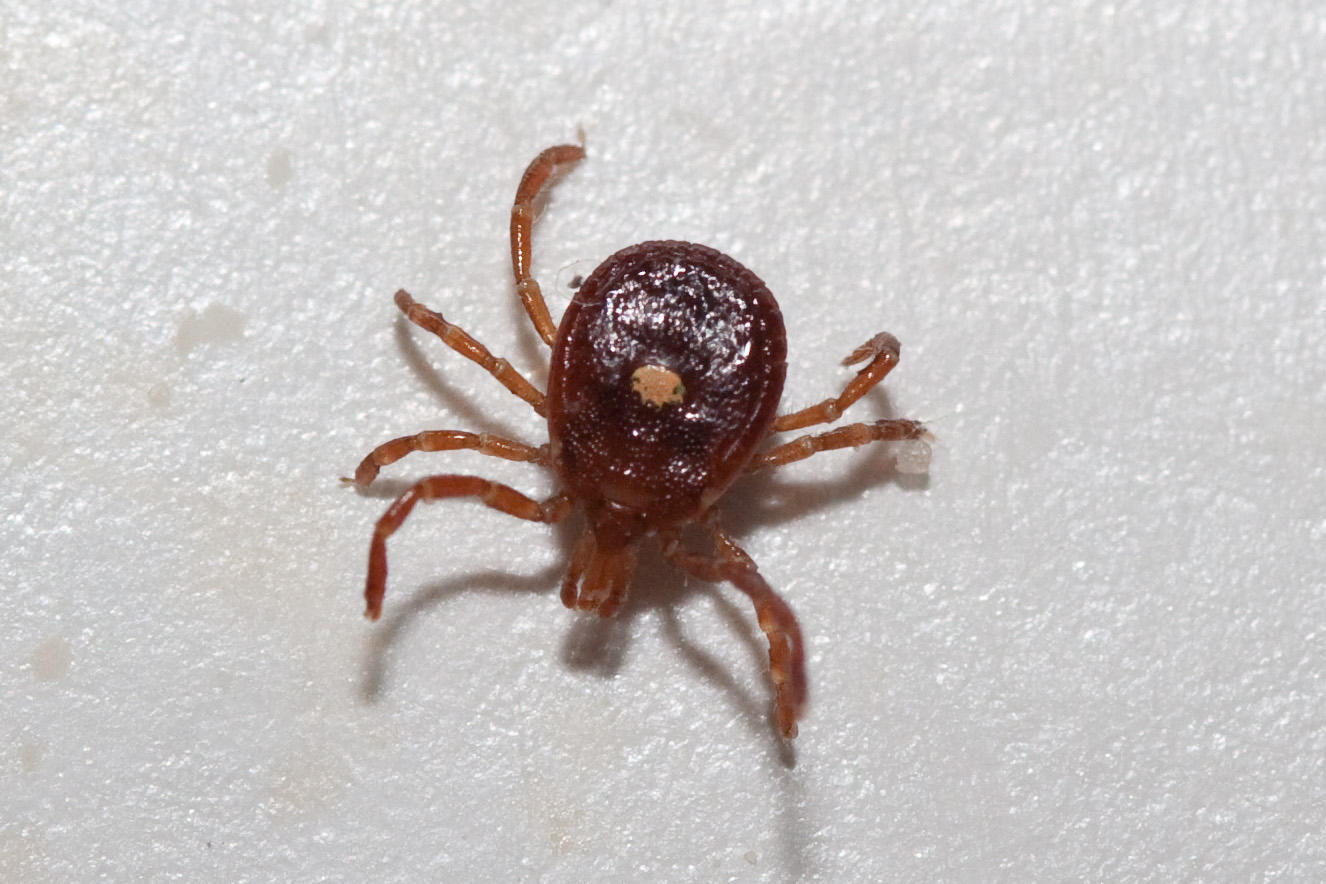
This undated file photo provided by the U.S. Centers for Disease Control and Prevention shows a blacklegged tick, also known as a deer tick, a carrier of Lyme disease.
AP

Pennsylvania is No. 1 in an unfortunate category: number of Lyme disease cases, which spiked between 2016 and 2017 according to a Quest Diagnostics report released this summer.

With more than 10,000 infections reported in the state last year, it might seem that any solution is worth trying. (**Please see my comment at end of article**)

In New England, scientists from Harvard, MIT and Tufts University have begun genetically engineering white-footed mice — which in the wild carry the Borrelia microbe that causes Lyme disease and pass it along to ticks that feed on their blood — to produce antibodies resistant to both ticks and a particular Borrelia protein. The idea is that immunizing the mice will have a trickle-down effect to the local tick population.

The plan is to eventually release small groups of mice on local islands off the coast of Massachusetts, where they can be isolated for study, to look at potential options for larger application.

For Dr. Bill Rawls of North Carolina, who contracted Lyme disease and is the author of “Unlocking Lyme,” the solution is much more complex.

“There are a lot of microbes in ticks, not just the Borrelia microbe that is associated with Lyme disease,” said Dr. Rawls, medical director for Vital Plan, an herbal supplement company. “The problem with the mouse thing is that even if it is successful, and you block the transmission of Borrelia and prevent the spread of that variety of Lyme disease, perhaps that opens the door to something worse, like Rickettsia, (a microbe associated with the spread of Rocky Mountain Spotted Fever).”

As an advocate of holistic medicine, Dr. Rawls said the increase in Lyme cases, as well as the way it affects humans, is symptomatic of a changing world.

“We’ve radically changed our food supply, we all live under oppressive stress and we don’t exercise,” he said. “And all of those factors affect our immune systems. I think it’s time our society starts looking at problems like Lyme disease in that light.”

The Borrelia microbe has been around for millions of years, as have ticks, Dr. Rawls said.

“So the question is: why are people getting much more sick with it now?” he said. “I see Lyme disease as a fundamental model for all chronic illness.”

Dr. Sam Donta, a Western Pennsylvania native who now lives in Falmouth, Mass., was the keynote speaker at the 2018 Pennsylvania Lyme Medical Conference, held this spring at Drexel University College of Medicine. He has been studying Lyme for three decades, and echoed Dr. Rawls’ view that it is a complex illness.

It is also difficult to diagnose, he said. There is no blood test to see if a person is infected.

“All the blood tests say is whether a person has been exposed,” Dr. Donta said. “I diagnose it clinically. It is a combination of symptoms.”

Those symptoms can be fatal.

The PA Lyme Resource Network is partnering with Storyhouse Documentary Theater to present “The Little Things” on Oct. 13 at Ursinus College in Collegeville outside Philadelphia. It tells the story of a family who lost their son to Lyme disease, and is being dedicated to the memory of three eastern Pennsylvania men who died of Lyme-related complications in 2017.

One of those men, Kevin Furey of Lafayette Hill, Pa., contracted five different infections from one tick bite, according to network officials.

Dr. Rawls said he is not suggesting that the white-footed house proposal is futile,

“but there’s the old saying: don’t mess with Mother Nature,” he said. “If you eliminate this microbe, do you open up other pathways for other infections?”

Patrick Varine is a Tribune-Review staff writer. You can contact Patrick at 724-850-2862, pvarine@tribweb.com or via Twitter @MurrysvilleStar.

__________________

**Comment**

I’ve been waiting for this with bated breath ever since I heard Kevin Esvelt speak at a Lyme CME conference.  I cringed then and I’m cringing now.

If you need a primer on GMO mice, start here:  https://madisonarealymesupportgroup.com/2016/06/21/first-frankenbugs-now-frankinmice/

According to a study by an independent Canadian tick researcher, there’s been an inordinate amount of stress placed on mice, when there are plenty of other reservoirs:  https://madisonarealymesupportgroup.com/2018/08/13/study-shows-lyme-not-propelled-by-climate-change/  Scott has shown that there are established populations of deer ticks in Manitoba as well as in insular, hyper-endemic Corkscrew Island, yet both are devoid of white-footed mice. He points out that there are numerous reservoir hosts that must be considered including other mammals, birds, and reptiles.  For decades we’ve been told it’s the mice. Yet a real problem in the West and South are reptiles like skinks and lizards: https://madisonarealymesupportgroup.com/2017/12/03/biologists-at-sf-state-dig-into-ticks-and-ld/, https://madisonarealymesupportgroup.com/2018/06/25/the-confounding-geography-of-lyme-disease-in-the-u-s/

So mice are only a part of the problem.  Maybe a lot less than we’ve been told.

Another point to stress is that the CRISPR gene-editing technology (tinkering with genes) has been shown to create unintended mutations.  http://articles.mercola.com/sites/articles/archive/2017/06/13/crispr-gene-editing-dangers.aspx?  This article shows 100 deletions and insertions and more than 1,500 unintended single-nucleotide mutations occurred .  

Oops.

Geneticist and virologist Jonathan Latham, Executive Director of the Bioscience Resource Project and editor of Independent Science News, has spoken out about the fallacy of industry talking points in the past.

“So far, it is technically not possible to make a single (and only a single) genetic change to a genome using CRISPR and be sure one has done so,” Latham reportedly explained.  This feat may not even be possible biologically; one small change to genome can inevitably lead to a host of other, unanticipated changes.  https://www.naturalnews.com/2018-06-14-scientists-warn-genetic-editing-of-humans-with-crispr-technology-may-lead-to-cancer.html#

In fact, experts say that CRISPR could cause hundreds of unintended DNA alterations.

Go here to watch a short 2 min video:  What is CRISPR  https://articles.mercola.com/sites/articles/archive/2017/06/13/crispr-gene-editing-dangers.aspx?

While it all seems neat and tidy on paper and in a cool colored video, what happens in the wild could be an entirely different matter.  Releasing GMO mosquitoes to supposedly eradicate Zika has shown many undesirable effects:  https://articles.mercola.com/sites/articles/archive/2016/11/08/zika-virus-wolbachia-mosquito.aspx  The $18-million project, funded in part by the Bill and Melinda Gates Foundation, involves mosquitoes that have been infected with Wolbachia bacteria, which stops viruses from growing inside the mosquito and therefore from being transmitted between people.

I wrote about that when it all went down:  https://madisonarealymesupportgroup.com/2018/02/12/wolbachia-laced-mosquitoes-being-released-why-lyme-msids-patients-might-be-negatively-affected/  (This link shows an important dog study you need to read about as well)  Take away:  in dogs, Wolbachia released into the blood stream causes wide-spread inflammation, something Lyme/MSIDS patients already struggle with.

Even the European union has ruled that CRISPR plants are GMO’s and should be subjected to the same rules:  https://www.technologyreview.com/the-download/611716/in-blow-to-new-tech-europe-court-decides-crispr-plants-are-gmos/

“It means for all the new inventions … you would need to go through the lengthy approval process of the European Union,” Kai Purnhagen, an expert at Wageningen University in the Netherlands, told Nature.

Then there’s the issue of pathogen enhancement:

According to a study by Penn State, mosquitoes infected with Wolbachia are more likely to become infected with West Nile – which will then be transmitted to humans.“This is the first study to demonstrate that Wolbachia can enhance a human pathogen in a mosquito,“ one researcher said. “The results suggest that caution should be used when releasing Wolbachia-infected mosquitoes into nature to control vector-borne diseases of humans.” “Multiple studies suggest that Wolbachia may enhance some Plasmodium parasites in mosquitoes, thus increasing the frequency of malaria transmission to rodents and birds,” he said. https://www.sciencedaily.com/releases/2014/07/140710141628.htm  So besides very probable wide spread inflammation, and that other diseases may become more prevalent due to Wolbachia laced mosquitoes, studies show Wolbachia enhances Malaria in mosquitos.  Many Lyme/MSIDS patients already struggle with Babesia, a malarial-like organism.

This article states CRISPR has the potential to cause cancer in a whole generation of humans:  https://www.naturalnews.com/2018-06-14-scientists-warn-genetic-editing-of-humans-with-crispr-technology-may-lead-to-cancer.html# (Excerpt below)

Emma Haapaniemi, a co-author of the Karolinska Institute study, explained why this is such a concerning find.

“By picking cells that have successfully repaired the damaged gene we intended to fix, we might inadvertently also pick cells without functional p53.” Dysfunctional p53 is a major cancer risk; nearly half of ovarian and colorectal cancers can be connected to a disruption in p53. Many other types of cancer, like lung, pancreatic, stomach, liver and breast cancers, can also be attributed to p53 problems.

“If transplanted into a patient, as in gene therapy for inherited diseases, such cells could give rise to cancer, raising concerns for the safety of CRISPR-based gene therapies,” Haapaniemi added.


Lastly, with Brazil’s recent explosion of microcephaly, the introduction of yet another man-made intervention (Wolbachia laced mosquitos) should be considered in evaluating potential causes and cofactors. And while the CDC is bound and determined to blame the benign virus, Zika, there are numerous other factors that few are considering – as well as the synergistic effect of all the variables combined. Microcephaly could very well be a perfect storm of events.
https://madisonarealymesupportgroup.com/2016/12/21/how-zika-got-the-blame/, https://madisonarealymesupportgroup.com/2016/03/04/health-policy-recap/, https://madisonarealymesupportgroup.com/2016/03/08/fixation-on-zikapolio/

So besides the unintended consequences of mutations and enhancement of other potential pathogens, and cancer in humans, is the issue of ethics.  Here’s some telling quotes:  https://madisonarealymesupportgroup.com/2015/12/28/frankinbugs/

“It is essential that national regulatory authorities and international organizations get on top of this — really get on top of it,” says Kenneth Oye, a political scientist at the Massachusetts Institute of Technology and lead author of the Science commentary. “We need more action.” The US National Research Council has formed a panel to discuss gene drives, and other high-level discussions are starting to take place, but Oye is concerned that regulatory changes may happen only after a high-profile gene-drive release, in other words, after it’s too late. (For a five minute audio of reporter Kerri Smith investigating the meteoric rise of CRISPR click on the link above.

On top of those difficulties, scientists do not know how all of this will affect ecosystems and are unclear if the gene drives could spread to closely related species.

Noam Prywes, PhD candidate in chemistry at Harvard, claims that CRISPR/Cas-9-based gene drives will

“add a twist – introducing one gene drive after another to correct unforeseen consequences as they are discovered,” and that “decisions by researchers would become permanently written into the genomes of entire wild populations.” He also adds that there are alternative ways to wipe out local populations of mosquitoes carrying disease that are much safer.

In this same vein, David Burwitz of Tel Aviv University, feels that gene drive research should be classified to prevent weapon development, and he’s not alone.
http://nextstageprep.com/gene-drivesthis-next-weapon-mass-destruction/ In theory, a terrorist could create a handful of insects with a gene for making a toxin, and power it with a gene drive. Pretty soon, all of these insects would make the toxin, and every insect bite would be lethal. However, according to Austin Burt, who proposed the theoretical method for making gene drives, the gene drives only work in sexually reproducing species, unlike the vast majority of genetically engineered microbes which produce asexually and they’ve only been shown to work for one generation – so far.

I’m with Dr. Rawls and Dr. Donta, “Don’t mess with Mother Nature.”  That’s what got us in this mess to begin with.


Babesia Found in Patient With Persistent Symptoms Following Lyme Treatment

https://www.ncbi.nlm.nih.gov/m/pubmed/30262525/

Diagnosis of a tick-borne coinfection in a patient with persistent symptoms following treatment for Lyme disease.

Hoversten K, et al. BMJ Case Rep. 2018.

Abstract

A 67-year-old woman presented with 5 days of myalgias and fevers on completion of a 21-day course of amoxicillin for Lyme disease (Borrelia burgdorferi infection). She was found to have profound thrombocytopenia, as well as new anaemia and leucopenia. Workup revealed Babesia microti as the causative agent of her symptoms. The patient quickly improved after appropriate antimicrobial therapy directed against babesiosis was started. This case illustrates the importance of basic microbiology, including epidemiology and common vectors, when creating a differential diagnosis. Because the Ixodes scapularis tick can harbour and transmit multiple parasites simultaneously, the possibility of coinfection should be considered in any patient not responding to appropriate initial medical therapy.

________________

**Comment**

Expect a lot more articles like this.  

Word is finally getting out that Lyme is just the Rock Star we all know by name but there are a lot of wanna be’s right behind him that haven’t made the news.  Research still hasn’t been done showing the synergistic effects of all of this together on the human body.  

To date, ticks can transmit 18 and counting pathogens – ALL as devastating as Lyme:  https://madisonarealymesupportgroup.com/2017/07/01/one-tick-bite-could-put-you-at-risk-for-at-least-6-different-diseases/

Lyme alone is a formidable foe that shape shifts to avoid treatment and the immune system that persists for many despite treatment.

Throw in Babesia, Bartonella, Mycoplasma, viruses, Nematodes (parasitic worms), and stuff not even named yet and a scary but telling picture begins to emerge.

More on Babesia:  https://madisonarealymesupportgroup.com/2016/01/16/babesia-treatment/

Please note that Dr. Horowitiz, a prominent Lyme literate doctor (LLMD) recommends 9 months to a year of solid treatment for Babesia.  He’s finding it to be particularly tenacious.

https://madisonarealymesupportgroup.com/2018/06/08/two-cases-of-babesia/  (They typically blame “severe” cases on a compromised immune system like a missing spleen but here we see someone as healthy as a horse all of a sudden develop shock and near respiratory failure).  If you have Lyme & Babesia &/or any other coinfection, your immune system is severely compromised.

https://madisonarealymesupportgroup.com/2018/07/02/splenic-rupture-from-babesiosis-an-emerging-concern-a-systematic-review-of-current-literature/

https://madisonarealymesupportgroup.com/2018/02/20/babesia-and-heart-issues/

https://madisonarealymesupportgroup.com/2018/10/06/case-of-recurrent-fever-multiple-splenic-infarcts-why-short-treatment-duration-often-doesnt-work-for-babesia/

https://madisonarealymesupportgroup.com/2018/06/03/heart-problems-tick-borne-disease/

https://madisonarealymesupportgroup.com/2018/05/31/widespread-babesiosis-in-canada/

https://madisonarealymesupportgroup.com/2018/03/22/what-is-air-hunger-anyway/

Transfusion-transmitted Babesiosis: One State’s Experience

https://onlinelibrary.wiley.com/doi/abs/10.1111/trf.14943

BACKGROUND

The risk for tickborne exposure to Babesia microti infection exists statewide in Massachusetts. Broad exposure complicates investigations of transfusion‐transmitted babesiosis (TTB). We summarize 8 years of the epidemiology of TTB and highlight the role of public health in prevention and control.

STUDY DESIGN AND METHODS

Cases of babesiosis are routinely reported to the Massachusetts Department of Public Health. These are investigated to determine whether they meet the surveillance case definition and to identify whether they were potentially transfusion transmitted. Frequencies from 2009 to 2016 are described and incidence rates calculated using population denominators from the US census. Changes over time were analyzed using simple linear regression.

RESULTS

From 2009 to 2016, there were 2578 cases of babesiosis reported; of these, 45 (1.7%) were transfusion transmitted. Of the 45 cases of TTB, 15 (33%) received blood products from two or more suppliers. In 11 TTB cases, the Department of Public Health was notified first, who in turn notified the appropriate blood provider. In 2009, the crude rate of reported babesiosis was 1.2 per 100,000 population and increased significantly through 2016 to 7.8 per 100,000 population (p = 0.006). The number of blood donors reported with laboratory evidence of B. microti infection increased from 19 in 2012 to 78 in 2016; at the same time, the number of TTB cases decreased from six to three.

CONCLUSION

TTB remains a major challenge, and blood donor screening strategies are currently in the process of implementation. While population and environmental changes facilitate increases in babesiosis, donor screening has the potential to eliminate TTB.

________________

**Comment**

One problem with blood is ……Asymptomatic individuals with Babesia infection are able to donate blood in the United States because of the lack of specific blood donation testing. Blood products collected in Babesia-endemic areas are distributed nationally; thus, clinicians in nonendemic states may fail to include babesiosis in the differential diagnosis of a patient who had a recent transfusion history and a fever of unknown origin.  https://madisonarealymesupportgroup.com/2017/08/08/transfusion-transmitted-babesiosis-in-nonendemic-areas/

And Babesia can rock your world:  https://madisonarealymesupportgroup.com/2016/01/16/babesia-treatment/

https://madisonarealymesupportgroup.com/2018/10/06/case-of-recurrent-fever-multiple-splenic-infarcts-why-short-treatment-duration-often-doesnt-work-for-babesia/

https://madisonarealymesupportgroup.com/2018/10/05/variable-clinical-presentations-of-babesiosis/  (Please read my comments after the references as this article misses many important points)


Bb Found in Brazilian Primates for the 1st Time

http://www.scielo.br/scielo.php?script=sci_arttext&pid=S0036-46652018005000704&lng=en&nrm=iso&tlng=en

Rev. Inst. Med. trop. S. Paulo vol.60  São Paulo  2018  Epub Sep 13, 2018

http://dx.doi.org/10.1590/s1678-9946201860053

Letter to the Editor

Molecular detection of Borrelia burgdorferi in free-living golden headed lion tamarins (Leontopithecus chrysomelas) in Rio de Janeiro, Brazil

Aline Vieira Pinheiro dos Santos1  Aline Moreira de Souza1  Marina Galvão Bueno2  3  José Luiz Catao-Dias4  Helena Keiko Toma5  Alcides Pissinati4  6  Camila Vieira Molina2  Maria Cecília Martins Kierulff2  7  Danilo Gomes Freitas Silva2  4  Nádia Regina Pereira Almosny1 


Borreliosis is an infectious disease caused by Borrelia spirochetes, transmitted mainly by Ixodes ricinus ticks1 to animals or humans2. The known Borrelia species determine five distinct disease groups: human recurrent fever, avian borreliosis, bovine borreliosis, Lyme borreliosis and bovine scrapie36. Lyme disease (LD) is a multisystem disease with a wide geographical distribution and has B. burgdorferi as the main agent in several continents5,7.

In Brazil, borreliosis is called Brazilian Lyme-like disease, Baggio-Yoshinari Syndrome or Brazilian Borreliosis (BB), is transmitted by ticks that are not from the Ixodes ricinus complex, and is caused by B. burgdorferi sensu lato8.

Borrelia species were described in non-human primates that currently serve as an experimental model for Lyme disease2,911.

Borrelia species are transmitted primarily by ticks, but in rare cases or experimentally, they can be transmitted by tabanids, culicides and siphonapters12. Studies on borreliosis have been carried out to compare immunological, histopathological and clinical responses of animals and humans infected with Borrelia burgdorferi. In these studies, animals were inoculated or exposed to the Ixodides dammini tick1,9,11, and findings such as conjunctivitis, rash, deep perivascular lymphocytic infiltration that are characteristic in humans1, a large amount of spirochetes in nervous tissue of immunosuppressed animals9 and spirochetes in cardiac tissue10 were reported.

In order to identify arthropod-borne pathogens in an exotic invasive population of Leontopithecus chrysomelas (golden-headed lion tamarin), that inhabit Serra da Tiririca State Park (PESET), an urban Atlantic Rainforest area in Niteroi (Rio de Janeiro, Brazil), to translocate them to their native area (Bahia, Brazil), blood samples were analyzed. PESET harbor a large diversity of endemic fauna and flora and is considered an important ecotourism area. Inappropriate housing constructions, the increase of human and animal populations living inside the park or in its surroundings, hunting and inadequate garbage disposal have been recently causing damage to the park13.

This study was approved by the Ethics Commission on Animal Use (CEUA) from Universidade Federal Fluminense (process N° 367, issued in 10/10/2013) and was in full compliance with the federal authorizations issued by the Environment Ministry (SISBIO n 30939-4 issued in 18/05/2012). All procedures were also approved by the Committee on Ethics on Animal Research (CEUA) of Veterinary Medicine and Animal Science Faculty of the Universidade de Sao Paulo (Protocol N° 2662/2012 and 7085041215).

Blood samples of 200 L. chrysomelas, males and females, of different ages and independent of clinical alterations were subjected to DNA extraction using the Illustra blood genomic Prep Mini Spin Kit (GE Healthcare Life Sciences, Sao Paulo, Brazil), according to the manufacturer instructions. Extracted DNA was then used as the template DNA in B. burgdorferi sensu lato (s.l.) amplifications. Nested Polymerase Chain Reaction (n-PCR) assay using primer 5Bor-out (5′-GTCAAACGGGATGTAGCAA TAC-3′) and 3Bor-out (5′-CACACTTAACACGTTAGCTTCG-3′), followed by a second reaction with primer 5Bor-in (5′-ATTCAGTGGCGAACGGGTG-3′) and 3Bor-in (5′-AACAACGCTCGCCCCTTAC-3′), which amplifies a fragment of 811 bp/ 469 bp of the 16S rRNA gene of B. burgdorferi sensu lato, were performed.

A total of 16% (32/200) L. chrysomelas were positive to B. burgdorferi by n-PCR. Sequencing of five positive samples showed 99% of similarity with B. burgdorferi sequences available in GenBank. This was the first time that borreliosis is found in non- human primates in Brazil.

Borrelia infection in humans was first described in Brazil in 1992, and has an increasing number of suspect cases, differing from LD due to the recurrence rate after treatment and the intense immune response8. The presence of Borrelia burgdorferi in free-living golden-headed lion tamarins that inhabit Atlantic Forest biome of Rio de Janeiro, Brazil, confirms that this spirochete is circulating in this region and suggests that these small primates may play a role in transmission of this pathogen to other animals or human beings. Veterinarians and medical doctors should consider this zoonotic pathogen in their diagnostic routine.

Further studies are needed, including sequencing of all positive samples, in order to compare these small primates positive sequences with those of humans and other animals in study area.

REFERENCES

1. Philipp MT, Aydintug MK, Bohm RP Jr, Cogswell FB, Dennis VA, Lanners HN, et al. Early and early disseminated phases of Lyme disease in the rhesus monkey: a model for infection in humans. Infect Immun. 1993;61:3047-59. [ Links ]

2. Soares CO, Ishikawa MM, Fonseca AH, Yoshinari NH. Borrelioses, agentes e vetores. Pesq Vet Bras. 2000;20:1-19. [ Links ]

3. Babour AG, Hayes SF. Biology of Borrelia species. Microbiol Rev. 1986;50:381-400. [ Links ]

4. Quinn PJ, Carter ME, Markey BK, Carter GR. Clinical veterinary microbiology. London: Wolfe; 1994. [ Links ]

5. Wang G, van Dam AP, Le Fleche A, Postic D, Peter O, Baranton G, et al. Genetic and phenotypic analysis of Borrelia valaisiana sp. nov. (Borrelia genomic groups VS116 and M19). Int J Syst Bacteriol. 1997;47:926-32. [ Links ]

6. Zingg BC, LeFebvre RB. Polymerase chain reaction for detection of Borrelia coriaceae, putative agent of epizootic bovine abortion. Am J Vet Res. 1994;55:1509-15. [ Links ]

7. Bennett CE. Ticks and Lyme diseases. Adv Parasitol. 1995;36:343-405. [ Links ]

8. Basile RC, Yoshinari NH, Mantovani E, Bonoldi VN, Macoris DG, Queiroz-Neto A. Brazilian borreliosis with special emphasis on humans and horses. Braz J Microbiol. 2017;48:167-72. [ Links ]

9. Cadavid D, O’Neill T, Schaefer H, Pachner R. Localization of Borrelia burgdorferi in the nervous system and other organs in a nonhuman primate model of Lyme disease. Lab Invest. 2000;80:1043-54. [ Links ]

10. Cadavid D, Bai Y, Hodzic E, Narayan K, Barthold SW, Pachner AR. Cardiac involvement in non-human primates infected with the Lyme disease spirochete Borrelia burgdorferi. Lab Invest. 2004;84:1439-50. [ Links ]

11. Roberts ED, Bohm RP Jr, Lowrie RC, Habicht G, Katona L, Piesman J, et al. Pathogenesis of Lyme neuroborreliosis in the rhesus monkey: the early disseminated and chronic phases of disease in the peripheral nervous system. J Infect Dis. 1998;178:722-32. [ Links ]

12. Alvim NC, Bento MA, Martins LA. Borreliose de Lyme: a doença da década. Rev Cient Eletr Med Vet. 2005;4. [ Links ]

13. Instituto Estadual do Ambiente. Resumo executivo: plano de manejo: Parque Estadual da Serra da Tiririca – PESET. Rio de Janeiro: INEA; 2012. [ Links ]

Received: August 13, 2018; Accepted: August 16, 2018


Variable Clinical Presentations of Babesiosis

https://journals.lww.com/tnpj/Pages/articleviewer.aspx?year=2018&issue=10000&article=00011&type=Fulltext

Variable clinical presentations of babesiosis

Paparone, Pamela, DNP, APN; Paparone, Philip W., DO

doi: 10.1097/01.NPR.0000545000.07640.11
Abstract: 
Human babesiosis continues to spread in multiple regions of the US. It is transmitted by Ixodes species ticks, as are Lyme disease and anaplasmosis. Its variable clinical presentations, together with serologic detection limitations, require that a high index of clinical suspicion be present for prompt diagnosis. This article discusses case examples showing the wide range of symptoms and presentations that are possible with babesiosis.
Human babesiosis is an infectious, malaria-like disease caused by intraerythrocytic protozoa of the genus Babesia, specifically Babesia microti and Babesia divergens.1-4 It is transmitted by Ixodes species ticks, as are Lyme disease and anaplasmosis (formerly known as ehrlichiosis). Babesia species are well-known pathogens in animals. During the past half century in the US, they have been increasingly recognized as pathogens in humans.1,5 Babesiosis may be acquired through the bite of an infected tick, a blood transfusion, or by transplacental transmission.2,6-8 (See Ixodes scapularis [blacklegged or deer ticks].)
Most infection passes undetected (because the patient may be unaware of the tick bite), especially in healthy adults.6,7 However, in immunocompromised patients—particularly those with hematologic disease and a history of splenectomy—Babesia infection may be severe and life-threatening.1

Epidemiology

The first reported case of babesiosis in the US was in 1968.9 It became a nationally notifiable disease in 2011, and among the 27 states where it was notifiable in 2013, there were 1,792 reported cases nationwide.5,10 Tick-borne and transfusion-associated cases of babesiosis occur in multiple parts of the country, including outside of areas of known endemicity.5 The number of reported cases is rising steadily in the US and worldwide, owing in part to increased medical awareness and improved diagnostic methods.1-3 (See Reported cases of babesiosis in the US.)

Health departments notify the CDC of babesiosis cases via the National Notifiable Diseases Surveillance System (NNDSS) using a standard case definition. In addition to basic demographic information (age, gender, and county of residence) provided via NNDSS, supplemental data (symptoms and history of transfusion) can be submitted to the CDC using a disease-specific case report form (CRF). Because babesiosis has been a reportable condition in some states for years, state-developed CRFs had already been in use to capture supplemental data.5

To promote standard data collection, the CDC developed a babesiosis CRF, which was approved by the Office of Management and Budget in August 2011 (www.cdc.gov/parasites/babesiosis/resources/50.153.pdf). Supplemental data, derived from the CDC’s or a state’s CRF, were merged manually with NNDSS records by matching a case ID number or demographic data. If case records had conflicting data, the more detailed record was considered correct.

As cases of babesiosis transmitted via tick bite or blood transfusion occur in multiple parts of the US, including outside of areas of known endemicity, ongoing national surveillance using the standard case definition will provide a foundation for developing evidence-based prevention and control measures to reduce the burden of the disease. In addition, mapping based on this surveillance allows for the identification of endemic areas, which aids the clinician in diagnosis.

Transmission and pathogenesis

The heightened recognition of tick-borne infection is derived largely from the increasing incidences of human babesiosis, anaplasmosis, and Lyme disease, both individually and together.11,12 Because these infections share the same rodent reservoir and tick vector hosts, they can be cotransmitted to human hosts.1,2,10,13-16 Coinfections involving various combinations of these pathogens are common and can be severe.12,14 The babesia parasite is suspected of causing proinflammatory cytokines that stimulate the production of nitric oxide, which may cause erythrocytic cellular damage when produced in excess.2

Diagnostic procedures and clinical management of the resulting disease syndrome are complicated by the diversity of pathogens involved and by the unusual diversity and duration of symptoms.

Clinical presentation

Common clinical features of babesiosis are similar to those of malaria and range in severity from asymptomatic to rapidly fatal. Most patients experience a viral infection-like illness with fever, chills, sweats, myalgia, arthralgia, anorexia, nausea, vomiting, or fatigue, and in some cases, patients may develop hemolytic anemia.1-4,10 Most symptomatic patients become ill 1 to 4 weeks after the bite of a B. microti-infected tick and 1 to 9 weeks (but up to 6 months in one reported case) after transfusion of contaminated blood products.6-8

A high index of clinical suspicion for babesiosis and the possible presence of other tick-borne infections are required for prompt diagnosis and proper treatment. Because the clinical findings are nonspecific, lab studies are necessary to confirm the diagnosis.

Diagnosis

Microscopic examination of blood smears is the current gold standard for detecting Babesia infection, while polymerase chain reaction testing has promising diagnostic value.1,2,16,17 Differentiating Babesia from malaria on peripheral smears can be difficult but rapidly resolved by the presence or absence of a history of travel.1 Peripheral smears for Babesia allow for same-day or, at the most, next-day confirmation of the diagnosis. The case examples described below demonstrate the range of symptoms and clinical presentations associated with babesiosis (with and without coinfection) that can challenge the NP.

Babesiosis is caused by parasites that infect red blood cells. Most US cases are caused by B. microti, which is transmitted by Ixodes scapularis ticks, primarily in the Northeast and Upper Midwest. Babesia parasites also can be transmitted via transfusion, anywhere, at any time of the year. In March 2018, the FDA approved the first B. microti blood donor screening tests. B. microti Arrayed Fluorescent Immunoassay detects antibodies to B. microti in human plasma, and B. microti Nucleic Acid Test detects B. microti DNA in human whole blood.18

Treatment

**Please see my comment at end of article**

Generally, treatment with atovaquone plus azithromycin is used for patients with mild-to-moderate babesiosis, whereas clindamycin plus quinine is recommended for patients with severe disease; both treatment regimens are given for 7 to 10 days.1-4 All four drugs are used FDA off-label for babesiosis; however, the dosage recommendations are supported by the clinical guidelines.1-4,19 The dosage regimen for atovaquone plus azithromycin for adult patients is atovaquone 750 mg orally every 12 hours, and azithromycin 500 to 1,000 mg orally on day 1 and 250 mg orally once daily for the subsequent days.1-4 Immunocompromised patients may require higher doses of azithromycin.2-4

The dosage regimen for clindamycin plus quinine for adult patients with severe disease is clindamycin 600 mg orally every 8 hours or clindamycin 300 to 600 mg I.V. infusion every 6 hours, and quinine 650 mg orally every 6 to 8 hours.1-4 Dose adjustments of quinine are needed for patients with severe chronic kidney disease.19,20 Of note, the only FDA-approved preparation of oral quinine currently available in the US is the 324 mg capsule.19,20 Previously, the dosage available in the US was a 325 mg capsule. The change in the quinine preparation from 325 mg to 324 mg may result in minor dose disparities between some guideline dosage recommendations that were published before the commercial preparation was changed.20,21

Although rare cases of resistance to atovaquone plus azithromycin have been reported, this combination is effective in most patients.2 Atovaquone is contraindicated in patients who develop or have a history of serious allergic or hypersensitivity reactions to the drug or any of the drug’s components. Azithromycin is contraindicated in patients with known hypersensitivity to azithromycin or any macrolide or ketolide antibiotic and also in patients with a history of cholestatic jaundice or hepatic dysfunction.19 Clindamycin is contraindicated in patients with a history of hypersensitivity to clindamycin or lincomycin. Quinine is contraindicated in patients with known hypersensitivity to quinine, mefloquine, or quinidine; prolonged QT interval; a glucose-6-phosphate dehydrogenase deficiency; or a history of myasthenia gravis or optic neuritis.19 Consult the manufacturer’s prescribing label for complete prescribing information for each drug.

Some patients, including those with severe illness, might require or benefit from supportive care, such as antipyretics, vasopressors (if the patient’s BP is low and unstable), blood transfusions, exchange transfusions (in which portions of a patient’s blood or blood cells are replaced with transfused blood components), mechanical ventilation, and dialysis. The NP should consider referral to an infectious-disease specialist for patients who are pregnant, have an underlying hematologic or oncologic problem, have had a splenectomy, are allergic to first-line antibiotic agents, or have had an unsatisfactory response to antibiotic therapy.

Red blood cell exchange transfusions are recommended for cases of severe babesiosis in patients with parasitemia of 10% or greater, severe anemia (hemoglobin less than 10 g/dL), or pulmonary, kidney, or liver impairment.2-4 Exchange transfusions are used to rapidly decrease parasitemia, correct anemia, and help remove toxic byproducts produced by the infection.2

Case examples

The case examples of patients with babesiosis show a wide range of symptoms and clinical presentations. The case examples below are cases that occurred in southeastern New Jersey, where the disease is endemic. All patients were hospitalized and treated in Atlantic County, New Jersey (see Summary of data from patients with babesiosis).

Case 1

Ms. A is a 78-year-old White female who was admitted with fever, chills, lethargy, fatigue, and marked changes in sensorium. She had a maximum temperature of 100.6° F (38.1° C); sepsis was considered for this patient. Multiple tick bites were found. Pertinent lab findings included lactate dehydrogenase (LDH), 528 units/L; aspartate aminotransferase (AST), 90 units/L; and alanine aminotransferase (ALT), 34 units/L. Her vitamin B12 and folate levels were normal.

Ms. A’s initial white blood cell (WBC) count was 5.0 × 10⁹/L, but over the first 3 days of hospitalization, it gradually dropped to 2.6 × 10⁹/L. Her hemoglobin dropped from 10.5 g/dL to a low of 8 g/dL, and her platelets were initially 39 × 109/L but gradually increased as she continued her course of treatment. Ms. A had 33% polymorphonuclear leukocytes, 2% bands, 49% lymphocytes, and 13% monocytes. Peripheral smear was positive for Babesia, and she had a Babesia immunoglobulin M (IgM) of 1:160 and Anaplasma (previously referred to as Ehrlichia) IgM of 1:320.

In view of Ms. A’s leukopenia and thrombocytopenia, anaplasmosis was suspected, and she was treated with doxycycline 100 mg I.V. infusion every 12 hours, atovaquone suspension 750 mg orally twice daily, and azithromycin 500 mg I.V. infusion every 24 hours. Doxycycline is the recommended treatment for anaplasmosis and was administered to cover the possibility of anaplasmosis in this patient. She was treated with that regimen for 5 days. She was then started on doxycycline twice daily, and azithromycin 500 mg daily (both oral) along with the atovaquone suspension of 750 mg twice daily for a 14-day course of therapy. Ms. A made a dramatic improvement in her mentation and resolution of her lethargy.

Case 2

Ms. C is a 90-year-old White female with a chief complaint of rectal bleeding. On admission, her lab studies revealed severe anemia with a hemoglobin of 7.6 g/dL and hematocrit of 22.6%. Her platelet count was 103 × 109/L and peripheral smear was positive for Babesia. Ms. C had spiking temperatures 100° F to 101° F (37.8° C to 38.3° C). Her rectal bleeding was controlled with an octreotide infusion to which she responded well (the bleeding ceased). Her peripheral smear was positive for Babesia, and she was placed on an oral dose of azithromycin 500 mg on day 1 and then 250 mg daily and atovaquone suspension 750 mg twice daily to complete a 10-day course.

Case 3

Mr. E is a 57-year-old White male admitted with fever, malaise, and chills. His temperature had risen to 101° F (38.3° C). His AST and ALT were 64 and 54 units/L, respectively, and gradually rose to a peak of 90 and 87 units/L, respectively, during his 5-day hospital stay. Mr. E’s WBC count decreased from his initial hospital results to 2.9 x 10⁹/L with a hemoglobin of 9.2 g/dL. His platelets were initially 60 × 109/L but dropped to 34 × 109/L at their lowest level. In view of his elevated liver enzymes, leukopenia, and thrombocytopenia, anaplasmosis was highly suspected, and he was started on doxycycline 100 mg I.V. infusion every 12 hours.

Mr. E’s peripheral smear was positive for Babesia. He was started on oral clindamycin 600 mg every 8 hours and oral quinine 650 mg three times daily. Acute hearing deterioration occurred, and the quinine was discontinued. Mr. E’s regimen was then switched to oral azithromycin 500 mg on day 1 and then 250 mg daily and oral atovaquone 750 mg twice daily. He went on to complete only 7 days of therapy, and his elevated liver enzymes and thrombocytopenia resolved. The suspected anaplasmosis was not confirmed, as the Anaplasma IgM was negative. However, Mr. E’s leukopenia and thrombocytopenia resolved on the above regimens.

Case 4

Mr. J is an 81-year-old White male who was admitted with increasing lethargy, weakness, chills, and blurred vision. He had a history of coronary artery disease and hypertension. His hemoglobin on admission was 12.1 g/dL, and his hematocrit was 35.4%. His WBC count was 5.3 × 10⁹/L. By day 2, his hemoglobin had dropped to 9.9 g/dL with a hematocrit of 29%. His platelets were initially 54 × 109/L and dropped to 46 × 109/L, but on therapy, rose to 191 × 109/L.

Mr. J had 82% polymorphonuclear leukocytes, 10% lymphocytes, and 6% monocytes. On the day of admission, a peripheral smear was positive for Babesia. Subsequently, serologic studies demonstrated an Anaplasma IgG of 1:256; the IgM was negative. Babesia serologies were greater than 1:320, both IgG and IgM. Anaplasmosis was suspected with Mr. J’s confirmed babesiosis, and he was started on azithromycin 500 mg I.V. infusion every 24 hours and doxycycline 100 mg twice daily.

At discharge on day 10, Mr. J was switched to clindamycin orally three times a day and quinine orally three times a day because of intolerance to azithromycin, and he completed a 14-day course of therapy. He convalesced satisfactorily. His hemoglobin at discharge was 12.5 g/dL and WBCs 7.4 × 10⁹/L; platelets improved to 137 × 109/L.

Case 5

Mr. K is an 85-year-old White male who was admitted with fever and chills intermittently, recurring for several days prior to admission. He had a history of hairy cell leukemia, splenectomy, permanent pacemaker insertion for atrioventricular block, gouty arthritis, prostatic hypertrophy, and polymyalgia rheumatica. In the ED, Mr. K had an immediate peripheral smear for Babesia, and the intraerythrocytic parasite was demonstrated. He had been working on a golf course for the week prior to admission.

A second peripheral smear was positive for intraerythrocytic parasites with 10.4% of his red blood cells infected. Findings were also positive for Howell-Jolly bodies, which are erthrocytic nuclear remnants associated with asplenia or decreased splenic function. Mr. K was started on oral azithromycin 500 mg on day 1 and then 250 mg daily and atovaquone 750 mg suspension twice daily. Due to the possibility of concurrent tick-borne infection, he was also started on oral doxycycline 100 twice daily.

Over the course of day 1, Mr. K’s platelet count dropped from 25 to 23 × 109/L, with blood urea nitrogen of 29 mg/dL and creatinine of 1.2 mg/dL. His WBC count dropped from 4.1 to 2.5 × 10⁹/L, and his hemoglobin dropped from 16 to 13 g/dL. He had 20% bands, 5% atypical lymphocytes, 47% polymorphonuclear leukocytes, and 23% lymphocytes. Mr. K remained on doxycycline, azithromycin, and atovaquone suspension for 8 days when he was discharged home.

Mr. K was readmitted the following day when he complained of the inability to ambulate and generalized weakness. He had peripheral smear positivity with babesiosis and was serologically positive for anaplasmosis with both IgM and IgG. Mr. K had continued on the prescribed antibiotic regimen up until his readmission that day. Due to the persistence of parasitemia despite adequate therapy, he was changed to clindamycin 600 mg I.V. infusion every 8 hours, and quinine was also being administered.

Unfortunately, Mr. K developed gastric distress and a generalized erythematous coalescing rash, which prompted the discontinuation of the clindamycin and quinine. His WBC count was 2.2 × 10⁹/L, and his hemoglobin was 9.5 g/dL. Platelets had risen to 43 × 109/L, and he had 43% polymorphonuclear leukocytes, 10% bands, 42% lymphocytes, and 5% monocytes.

Because of the persistence of parasitemia, Mr. K underwent exchange transfusion. At that point, he had been restarted on azithromycin 500 mg I.V. infusion every 24 hours and atovaquone suspension 750 mg orally twice daily. Azithromycin and atovaquone were continued for 5.5 weeks, at which time he was parasite smear negative for Babesia. Subsequently, a Babesia peripheral smear remained negative.

Discussion of case examples

Case 1 shows the unusual effect of babesiosis on the sensorium in the older adult, as any infectious process can. The patient’s cognitive function was dramatically improved following treatment, despite the marked changes in mentation on admission. A coinfection with Anaplasma was suspected. In general, all cases of babesiosis need to be tested for late Lyme disease, via Western blot, although not immediately addressed.1,2,4

Patients with concurrent babesiosis and anaplasmosis—suspected or serologically positive—are treated with doxycycline, which is equally effective for Lyme disease, early or late. Generally, the greater number of concurrent tick-borne infections and the higher the parasitimia load, the more toxic the presentation.1,12

Case 2 shows the need to check the peripheral smear for Babesia despite the rectal bleeding issue on admission. This diagnostic test could have easily been omitted, causing a delay in the diagnosis. Such a delay in older adult patients that results in delayed treatment can put these patients at greater risk for severity of babesiosis. Generally, the combination of clindamycin and quinine has a much higher probability of intolerance and adverse reactions. This combination is not the treatment of first choice for babesiosis. Pertaining to anaplasmosis, the triad of leukopenia, transaminase elevation (mild or moderate), and thrombocytopenia demands empiric treatment with doxycycline prior to serologic confirmation.1,2,4

A peripheral smear for Babesia is rapidly interpreted, is inexpensive, and should be requested in evaluating all patients with any degree of anemia—especially during the spring and summer months in endemic areas. Serologic studies are variable in developing positivity and are generally less readily available.

Case 3 illustrates the importance of suspecting and investigating the possibility of babesiosis and anaplasmosis coinfection in a patient presenting with a tick-borne illness.

Case 4 demonstrates that no additional lab studies—other than peripheral smear for Babesia—are needed to confirm the diagnosis of babesiosis.

Case 5 exemplifies the therapeutic challenge and refractory response to treatment of babesiosis in patients with the comorbidities of a hematologic disease and/or splenectomy.

Patient education

Heightened awareness of babesiosis as well as prompt diagnosis and treatment are essential to prevention. Both patients and the general public need to become more aware of the existence of the disease and other tick-borne infections, especially individuals who live in or travel to regions where babesiosis is found. The NP can play an active and important role in providing patient education about the disease. The basic points of information to communicate include:

  • What babesiosis is and its potential to be a life-threatening illness
  • How individuals acquire babesiosis (tick bite, transfusion, or, rarely, vertical transmission)
  • Where in the world babesiosis is found
  • Signs and symptoms of babesiosis
  • Note that many individuals do not have any symptoms and do not get sick
  • Importance of seeing a healthcare provider if babesiosis is suspected
  • Treatability of babesiosis and need for prompt diagnosis and treatment.22,23

Individuals who live in or travel to endemic areas should avoid tick-infested areas; apply repellents and wear long pants and long-sleeved shirts when outdoors; shower soon after being outdoors; and check their entire body for ticks.3 When outdoors, they should walk on cleared trails, stay in the center of the trail, and minimize contact with leaf litter, brush, and overgrown grasses (where ticks are most likely to be found). If a tick is found attached to a person’s body, it should be properly removed as soon as possible.

The CDC offers a printable, one-page fact sheet for patients and the general public that details the basic information for babesiosis awareness in addition to the link for the CDC guide to proper removal of a tick attached to a person (www.cdc.gov/parasites/babesiosis/resources/babesiosis_fact_sheet.pdf).

Conclusion

This article illustrates the need for the NP to appreciate the variable clinical presentations of babesiosis to facilitate prompt diagnosis, provide proper therapeutic management, and avoid the poor outcomes associated with this disease. Staying knowledgeable of babesiosis is essential. It is important for the NP to understand that infected patients may not recall a tick bite and that clinical presentations may not only be variable but also nonspecific, ranging from subclinical to severe. The possibility of coinfection with other tick-borne illnesses (Lyme disease and anaplasmosis) must be considered. Furthermore, the NP needs to assume an active role in patient education to affect babesiosis awareness and prevention.

Ixodes scapularis (blacklegged or deer ticks)

The images below are of the Ixodes scapularis ticks, also known as blacklegged or deer ticks. From left to right, the male (M) with a dorsal scutum (also known as a shield on the hard-bodied tick) that covers the entire back on the male, the female (F) with only a portion of the back covered by the dorsal scutum, the nymph (N), and the larva (L).

Figure

Sourse: Procop GW, Church DL, Hall GS, et al. Koneman’s Color Atlas and Textbook of Diagnostic Microbiology. 7th edition. Philadelphia, PA: Wolters Kluwer Health, 2016.

Reported cases of babesiosis in the US1,2,22,23

Most cases of babesiosis in the US occur in seven states, five of which are located in the Northeast (MA, CT, RI, NY, and NJ) and two in the upper Midwest (MN and WI). The geographic range of babesiosis has expanded beyond these highly endemic areas and it is now reported all along the northeastern seaboard and inland, ranging from Maine to Maryland.

Sporadic cases of babesiosis have been reported in other areas of the US including the West Coast. Additionally, transfusion-associated cases of babesiosis can occur anywhere in the country. Congenital transmission of babesiosis has also been reported.

REFERENCES

1. Sanchez E, Vannier E, Wormser GP, Hu LT. Diagnosis, treatment, and prevention of Lyme disease, human granulocytic anaplasmosis, and babesiosis: a review. JAMA. 2016;315(16):1767–1777.

2. Vannier EG, Diuk-Wasser MA, Ben Mamoun C, Krause PJ. Babesiosis. Infect Dis Clin North Am. 2015;29(2):357–370.

3. Vannier E, Krause PJ. Human babesiosis. N Engl J Med. 2012;366(25):2397–2407.

4. Wormser GP, Dattwyler RJ, Shapiro ED, et al The clinical assessment, treatment, and prevention of Lyme disease, human granulocytic anaplasmosis, and babesiosis: clinical practice guidelines by the Infectious Diseases Society of America. Clin Infect Dis. 2006;43(9):1089–1134.

5. Centers for Disease Control and Prevention. Babesiosis surveillance—18 States, 2011. MMWR Morb Mortal Wkly Rep. 2012;61(27):505–509.

6. Levin AE, Krause PJ. Transfusion-transmitted babesiosis: is it time to screen the blood supply. Curr Opin Hematol. 2016;23(6):573–580.

7. Leiby DA. Babesiosis and blood transfusion: flying under the radar. Vox Sang. 2006;90(3):157–165.

8. Herwaldt BL, Linden JV, Bosserman E, Young C, Olkowska D, Wilson M. Transfusion-associated babesiosis in the United States: a description of cases. Ann Intern Med. 2011;155(8):509–519.

9. Scholtens RG, Braff EH, Healey GA, Gleason N. A case of babesiosis in man in the United States. Am J Trop Med Hyg. 1968;17(6):810–813.

10. Centers for Disease Control and Prevention. Notice to readers: final 2013 reports of nationally notifiable infectious diseases. MMWR Morb Mortal Wkly Rep. 2014;63(32):702–715.

11. Western KA, Benson GD, Gleason NN, Healy GR, Schultz MG. Babesiosis in a Massachusetts resident. N Engl J Med. 1970;283(16):854–856.

12. Diuk-Wasser MA, Vannier E, Krause PJ. Coinfection by Ixodes tick-borne pathogens: ecological, epidemiological, and clinical consequences. Trends Parasitol. 2016;32(1):30–42.

13. Herwaldt BL, McGovern PC, Gerwel MP, Easton RM, MacGregor RR. Endemic babesiosis in another eastern state: New Jersey. Emerg Infect Dis. 2003;9(2):184–188.

14. Thompson C, Spielman A, Krause PJ. Coinfecting deer-associated zoonoses: Lyme disease, babesiosis, and ehrlichiosis. Clin Infect Dis. 2001;33(5):676–685.

15. Paparone PW, Glenn WB. Lyme disease with concurrent ehrlichiosis. J Am Osteopath Assoc. 1994;94(7):568–570, 573, 577.

16. Hildebrandt A, Gray JS, Hunfeld KP. Human babesiosis in Europe: what clinicians need to know. Infection. 2013;41(6):1057–1072.

17. Wang G, Wormser GP, Zhuge J, et al Utilization of a real-time PCR assay for diagnosis of Babesia microti infection in clinical practice. Ticks Tick Borne Dis. 2015;6(3):376–382.

18. U.S. Food & Drug Administration. FDA approves first tests to screen for tickborne parasite in whole blood and plasma to protect the U.S. blood supply. 2018. http://www.fda.gov/newsevents/newsroom/pressannouncements/ucm599782.htm.

19. Facts and Comparisons. Drug. Facts and Comparisons 2013. St. Louis, MO: Wolters Kluwer Health; 2013.

21. Gelfand JA, Vannier EG. Clinical manifestations, diagnosis, treatment, and prevention of babesiosis. UptoDate. 2017. http://www.uptodate.com.

22. Joseph JT, Purtill K, Wong SJ, et al Vertical transmission of Babesia microti, United States. Emerg Infect Dis. 2012;18(8):1318–1321.

23. Centers for Disease Control and Prevention. Tickborne diseases of the United States. A reference manual for health care providers. 2017. http://www.cdc.gov/lyme/resources/TickborneDiseases.pdf.

____________________

**Comment**

According to Dr. Horowitz, an experienced LLMD (Lyme literate doctor), Babesia is a tenacious tick-borne infection that persists.  Experience has shown him patients often need 9-12 months of treatment, a far cry longer than what is suggested here.

For treatment options, please see:  https://madisonarealymesupportgroup.com/2016/01/16/babesia-treatment/

All patients of tick-borne infections need follow-up – years later from treatment.

While the research shows again and again the persistent symptoms of patients, the “powers that be” continue to treat this short-term and seemingly ignore the vast population out here struggling (and it’s far greater than the purported 5-10% of the patient population, I assure you).

The one drug, one disease paradigm also doesn’t work with most patients as we are often coinfected:  https://madisonarealymesupportgroup.com/2017/05/01/co-infection-of-ticks-the-rule-rather-than-the-exception/  This link shows that 45% of tested ticks were coinfected and carried up to 5 different pathogens. This directly translates to human infection and a survey substantiates this: https://madisonarealymesupportgroup.com/2014/11/14/studies-show-why-its-tough-to-treat-lyme-and-co/ The most common co-infections in the LDo study were Babesia (32%), Bartonella (28%), and Ehrlichia (15%) while a study by Dr. Janet Sperling in Canada found that the most common were Bartonella (36%), Babesia (19%), and Anaplasma (13%).

There is also the issue of tick bites igniting latent infections already within the human body such as Epstein Barr, numerous herpes viruses, and even Bartonella. Yet, patients are struggling with these – sometimes all at once.  Is it any wonder we are sicker than dogs?http://www.wildcondor.com/dr-horowitz-on-babesiosis.html Dr. Krause published in the New England Journal of Medicine that when a patient has Lyme and Babesia,Lyme is found three-times more frequently in the blood, proving Babesia suppresses the immune system. https://madisonarealymesupportgroup.com/2017/06/28/concurrent-babesiosis-and-lyme-in-patient/  Besides the fact it is a misnomer to think it novel that a patient has concurrent Lyme and Babesiosis, it is also a huge mistake to base treatment on geographical area as time and time again, entomologists are finding ticks in places they just shouldn’t be and ticks that shouldn’t be carrying pathogens, carrying them. Also, using logic, until every bird, fox, squirrel, lizard, deer, and every other rodent on the earth read the memo that they are not supposed to cross state and country boundaries, ticks are going to continue to defy the box “experts” put them into. And, there are other ways for pathogens to travel across state lines:https://doi.org/10.1111/tid.12741

Abstract
The potential for transmission of Babesia microti by blood transfusion is well recognized. Physicians may be unaware that products used for transfusion may be collected from geographically diverse regions. We describe a liver transplant recipient in South Carolina who likely acquired B. microti infection from a unit of blood collected in Minnesota.  Also, one must be careful of the “history of tick bite,” as well, as many never see the tick or subsequent bite, and fail to get a rash. A nymphal tick is nearly impossible to see. Lyme/MSIDS is a CLINICAL diagnosis.

So much research begging to be done.