A walk through the woods. Playing with your cat. Getting a spider bite. These things might all seem unrelated, but they have one important thing in common – they can all potentially expose you to a sneaky and possibly dangerous bacteria known as Bartonella.
This stealthy intruder can be dangerous and is notoriously hard to treat. Today we’re going to dive into exactly what Bartonella is. And most importantly we’re going to cover practical and simple ways you can protect yourself from this foreign invader.
What Is Bartonella?
Bartonella is a type of bacteria that infects your cells – causing a condition known as bartonellosis. It’s estimated that there are over 20 different strains of Bartonella, and that at least 14 of them have the ability to be transmitted to humans.1 Once contracted, Bartonella makes itself at home, particularly in the cells that line your blood vessels and within your red blood cells.
What makes Bartonella unique is its ability to evade your immune system’s defenses. You see, Bartonella has a stealthy infection strategy that goes something like this:2
- Adhesion: Once contracted, Bartonella adheres to your red blood cells.
- Deformation: After attaching to your red blood cells, Bartonella gets to work on deforming the surface of your cells by creating progressive indentations and invaginations.
- Invasion: As the integrity of the surface of your red blood weakens, Bartonella begins its invasion – essentially hijacking your red blood cells.
- Persistence: Once your red blood cells are hijacked, Bartonella is able to evade your body’s defenses – allowing this bacteria to thrive and replicate undetected by your immune system.
- Suppression: Protected by the camouflage of your red blood cells, Bartonella is able to manipulate your immune system – triggering the secretion of certain chemical messengers that suppress and dampen your immune response.
Bartonella’s deceptive and stealthy infection strategy makes this pathogen particularly skilled at not only persisting and hiding within its host’s body – but it also creates ideal conditions for transmission. Let’s dive into exactly how this deceptive microorganism is transmitted and contracted.
How Do You Contract Bartonella?
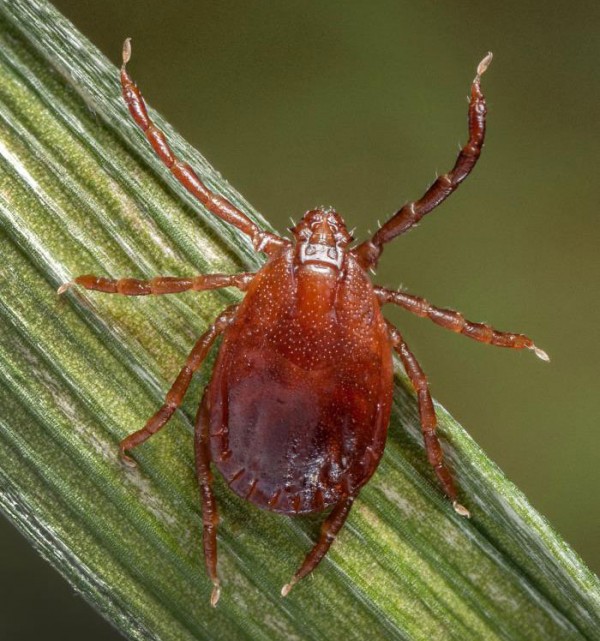
Bartonella can be carried by most mammals, including domestic animals like cats, dogs, horses, and cattle. Typically, if you’re exposed to Bartonella, it’s through transmission from an animal. This can occur if you’re scratched by a cat or bitten by a dog. But it’s most often spread through a number of insect vectors such as:3
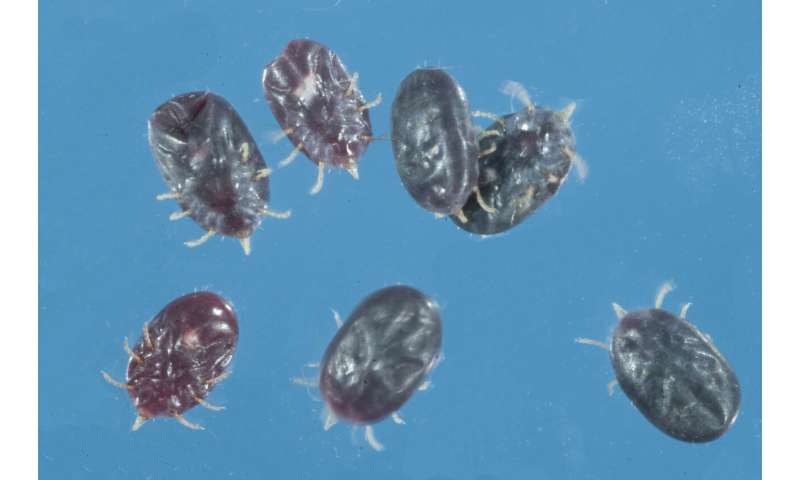
- Ticks
- Fleas
- Lice
- Sandflies
- Red ants
- Spiders
- Bed bugs
These blood-sucking insects are the perfect vehicle for Bartonella to spread from host to host.
What Are the Symptoms of Bartonella?
Bartonella can cause several identifiable conditions such as:4
- Cat scratch disease
- Carrion’s disease
- Trench fever
- Encephalopathy
- Pericarditis
- Chronic bacteremia
But Bartonella can also cause a handful of vague symptoms that are much more difficult to pinpoint, such as:5
Exactly how a Bartonella infection manifests varies substantially depending on the status of your immune system. And what makes this pathogen even trickier, is the fact that it’s often seen as a co-infection with other vector-borne pathogens.
Bartonella as a Co-infection: Its Link to Lyme Disease
The problem with ticks and other insect vectors is that they often harbor multiple infectious organisms. Meaning if you get bitten by a tick or other insect vector, you’re likely to be exposed and potentially infected with more than one organism – such as Bartonella. When multiple pathogens are contracted simultaneously, they’re called co-infections.
In particular, Bartonella has been identified as a co-infection to Lyme disease, the most common tick-borne disease. A co-infection with Bartonella has been found to significantly exacerbate symptoms associated with Lyme disease and can make diagnosis and treatment challenging.
So let’s take a look at exactly how Bartonella can be addressed and if treatment can eliminate this persistent pathogen.
Is Bartonella Curable?
Because Bartonella is so good at being deceptive and camouflaging itself among your own cells, curing Bartonella requires a multi-faceted approach. So far, our best efforts at eradicating a Bartonella infection involves:6
- A combination of prescription and herbal antimicrobials that kill off not only actively replicating forms of Bartonella, but also target “persisters” that have set up camp within your cells. These persisters aren’t actively replicating, but are hiding out in your cells and have the potential to replicate later on.
- Herbal and/or prescription medications that can break down the protective barrier some bacteria and viruses create, known as a biofilm
- Supplements to decrease inflammation and support a healthy balance of cytokines and other chemical messengers that modulate your immune response.
- Steps to boost and support your entire immune system.
Oftentimes treatment can take anywhere from 4-6 months or longer to improve the symptoms of Bartonella. Because Bartonella and other tick-borne illnesses can be difficult and time-consuming to treat, it’s imperative to take steps to protect yourself and your loved ones.
So, How Can I Protect Myself Against Bartonella and Other Tick-Borne Diseases?
The best way to protect yourself against Bartonella and other tick-borne diseases is to take a two-pronged approach. Firstly, you’ll want to take precautions to prevent and avoid tick and insect bites. And secondly, you’ll want to bolster your natural defenses by ensuring your immune system is firing on all cylinders. Here are the steps I recommend taking:
Protect Yourself From Tick and Insect Bites
If you’re going somewhere that may put you at risk of insect bites, take steps to protect yourself in the following ways:7
- Stay on trails and avoid walking in tall grass or through the woods where you’re likely to come into contact with ticks and insects
- Wear long pants and closed shoes
- Use insect repellent
- Wear lightly-colored clothes so you can more easily spot ticks or other insects on you
- Inspect your clothes and hair and immediately remove any ticks or other insects
But the truth is it’s impossible to entirely avoid the possibility of being bitten by an insect vector that could potentially be carrying Bartonella or other infectious microorganisms. So it’s important to take these precautions in conjunction with the next step – boosting your immune system.
Give Your Immune System a Boost
Your immune system is your most powerful weapon against any and all potentially harmful microorganisms. And the good news is, you have a lot of control over how well your immune system functions. Some of the easiest and most effective ways to support your immune system are:
- Eat an anti-inflammatory diet: The food you eat either promotes inflammation or fights inflammation. Basing your diet around anti-inflammatory foods minimizes inflammation – that way your immune system can direct all of its energy and resources at any potential threats. The basis of an anti-inflammatory diet is simply building most of your meals around real, whole foods and limiting processed foods.
- Take immune-boosting supplements: Supplements are a potent way to get a concentrated dose of immune-boosting nutrients and to fill in any nutritional gaps in your diet. Supplements like Gut Immune, Immune Booster, and Vitamin C help supercharge your immune system. If you want to learn more about how certain supplements boost your immunity, head over, and read my article covering the best immune-boosting supplements.
- Decrease your toxic burden: Our never-ending and ever-increasing exposure to environmental toxins can put a serious damper on your immune system. If toxins begin to accumulate in your body, it can overload your body’s detoxification mechanisms and essentially burn out your immune system. To learn exactly how you can begin decreasing your toxic burden and boost your immune system, check out my article How to Boost Your Immune System by Reducing Your Toxic Burden.
- Show your gut some love: The health of your gut and the status of your immune system are directly and intricately linked. If your gut is unhealthy, you’re guaranteed to have a weakened immune system. So taking steps to keep your gut healthy and happy is another surefire way to improve your immune system. To learn more about how your gut health impacts your immune system, you can read my article How to Heal Your Gut for a Stronger Immune System.
Your immune system truly is your best defense against any and all potentially harmful pathogens. Prioritizing the health of your immune system is hands-down one of the best things you can do for your overall health.
You Are Your Own Best Advocate
Bartonella is stealthy and deceptive – making it a particularly persistent and challenging infection to address. And the complications from this bacteria can be damaging and life-altering. So protecting yourself from this tricky microbe is crucial.
And when it comes to protecting yourself from Bartonella, and other pathogens, you are your own best advocate. Following the steps outlined in this article is the best way to keep yourself safe and bolster your defenses. I always say that when it comes to your health, you are in the driver’s seat – and knowledge is your most powerful tool.
That’s why I’m dedicated to delivering the best and most up-to-date research to my patients and readers. If you want to access more empowering information about your health, my blogis chock-full of articles and resources. And if you want to take it even deeper, I encourage you to sign up for my newsletter. You’ll get all my best advice and resources delivered directly to your inbox. All you have to do is enter your name and email in the form below.
References
- https://rarediseases.org/rare-diseases/bartonellosis/
- https://www.ncbi.nlm.nih.gov/pmc/articles/PMC3255967/
- https://www.ncbi.nlm.nih.gov/pmc/articles/PMC6630881/
- https://www.ncbi.nlm.nih.gov/pmc/articles/PMC415619/
- https://www.ncbi.nlm.nih.gov/pmc/articles/PMC6630881/
- https://www.treatlyme.net/guide/kills-bartonella-a-brief-guide
- https://kidshealth.org/en/teens/lyme-risk-teen.html