Lyme & Other TBI’s – 3rd Rocky Mountain Forum – May 19, 2018


http://www.mdpi.com/2227-9032/6/2/33
Marianne J. Middelveen 1, Eva Sapi 2OrcID, Jennie Burke 3, Katherine R. Filush 2, Agustin Franco 4, Melissa C. Fesler 5 and Raphael B. Stricker 5,* OrcID
Published: 14 April 2018
(This article belongs to the Special Issue Lyme Disease: The Role of Big Data, Companion Diagnostics and Precision Medicine)
Abstract
Introduction: Lyme disease is a tickborne illness that generates controversy among medical providers and researchers. One of the key topics of debate is the existence of persistent infection with the Lyme spirochete, Borrelia burgdorferi, in patients who have been treated with recommended doses of antibiotics yet remain symptomatic. Persistent spirochetal infection despite antibiotic therapy has recently been demonstrated in non-human primates. We present evidence of persistent Borrelia infection despite antibiotic therapy in patients with ongoing Lyme disease symptoms. Methods: In this pilot study, culture of body fluids and tissues was performed in a randomly selected group of 12 patients with persistent Lyme disease symptoms who had been treated or who were being treated with antibiotics. Cultures were also performed on a group of ten control subjects without Lyme disease. The cultures were subjected to corroborative microscopic, histopathological and molecular testing for Borrelia organisms in four independent laboratories in a blinded manner. Results: Motile spirochetes identified histopathologically as Borrelia were detected in culture specimens, and these spirochetes were genetically identified as Borrelia burgdorferi by three distinct polymerase chain reaction (PCR)-based approaches. Spirochetes identified as Borrelia burgdorferi were cultured from the blood of seven subjects, from the genital secretions of ten subjects, and from a skin lesion of one subject. Cultures from control subjects without Lyme disease were negative for Borrelia using these methods. Conclusions: Using multiple corroborative detection methods, we showed that patients with persistent Lyme disease symptoms may have ongoing spirochetal infection despite antibiotic treatment, similar to findings in non-human primates. The optimal treatment for persistent Borrelia infection remains to be determined.
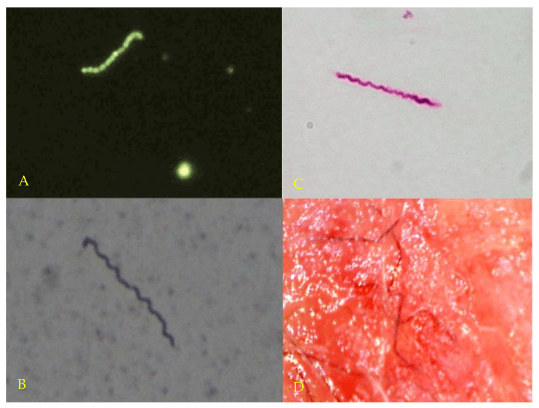
______________
https://madisonarealymesupportgroup.com/2017/08/18/drexel-prof-lyme-persists/
https://madisonarealymesupportgroup.com/2016/12/21/dr-zhang-on-persisters/
https://madisonarealymesupportgroup.com/2017/05/10/chronic-lyme-disease-a-case-definition-at-last/
https://www.lymeneteurope.org/info/chronic-lyme-post-mortem-study-needed

Editorial by Tom Grier
Key Words:
There isn’t a disease in the past 100 years that has polarized the medical community more than Lyme disease. From the very beginning, it was misunderstood. In the early 1970’s, two concerned mothers, Polly Murray and Judith Mensch, were convinced that the epidemic of juvenile rheumatoid arthritis (JRA) cases they were seeing in their neighborhoods in Old Lyme, Connecticut, were being contracted as a result of some kind of environmental exposure rather than a genetic disorder. After the state health department admitted that the JRA incidence rate in that area was at least eight times the national average, they somewhat reluctantly decided to investigate the observations of these two woman. Murray and Mensch had to present actual patient case histories they had collected before an investigation was started.
In 1975, a rheumatologist named Dr. Alan Steere first described in medical literature these abnormal cases of JRA as a new type of arthritic disorder. He coined the term “Lyme Arthritis”. This led to an immediate misunderstanding of Lyme disease, which was incorrectly thought of as strictly an arthritic disease for many years.
Six years later, in 1981, the actual cause of Lyme disease was discovered to be a new species of spirochetal bacteria transmitted to humans from the bite of infected deer ticks. Almost ten years after Steere’s description of Lyme disease as an arthritic disorder, it was now becoming recognized that Lyme disease was in fact much more than just a new type of arthritis. Lyme disease was now recognized as being equally capable of causing severe and devastating neurological disorders. [Pachner AR, Steere AC. The triad of neurologic manifestations of Lyme Disease: Meningitis, cranial neuritis, and radiculoneuritis. Neurology 1985;35:47-53]
Dr. Willy Burgdorfer was the first to isolate the spirochetal bacteria from the midgut of Ixodes Scapularis (deer ticks) gathered from the Shelter Island area, located near the coast of New York and New Jersey.
Shortly after the cause of “Lyme Arthritis” was discovered to be a bacteria, articles appearing in medical literature quickly assumed that the Lyme spirochete was similar to other bacterial infections. Many treatment studies based their protocols of antibiotic treatment on other bacterial infections, such as strep throat. The conclusions from most early studies having short patient follow-up concluded that you could expect Lyme disease to respond to 10-14 days of antibiotics. The antibiotics tested in the test tube and deemed to be effective at that time included erythromycin, tetracycline, and penicillin.
From the very beginning, treatment failures were seen in virtually every antibiotic study done. The longer the patient follow up, the higher the incidence of treatment failure. The medical community blamed early treatment failures on the older antibiotics erythromycin, tetracycline, and penicillin, and determined that these antibiotics were not very effective at curing Lyme disease. Ignored was the fact that the newer antibiotics were also consistently failing to prevent relapses of active infection. Since these early treatment studies, the concept that two weeks of antibiotic therapy is adequate treatment for Lyme disease has remained ingrained in the medical community’s collective consciousness. [The Long-Term Follow-up of Lyme Disease: A Population-Based Retrospective Cohort Study. Authors: Shadick NA; Phillips CB; Sangha O et al. Ann Intern Med 1999 Dec 21;131(12):919-26]
*Data presented by Dr. Nancy Shadick at an International Lyme Symposia showed that patients in the Nantucket Island study followed for up to 5.2 years after initial antibiotic treatment had ever-climbing relapse rates. Relapse rates in patients receiving two weeks of IV Rocephin (ceftriaxone) could expect a relapse rate to exceed 50% after five years.
Other factors that contribute to relapse post-treatment seem to include length of infection before diagnosis, choice of antibiotic, and severity of symptoms at time of evaluation.
While from the very beginning there have been thousands of patients who have complained of still being sick and symptomatic despite supposed adequate antibiotic treatments, most of the medical community has ignored the patient’s observations and labeled them as being cured – despite the fact that they still have most of the same symptoms that brought them to their doctors in the first place. So, what determines a cure if the patient still has the symptoms of the disease? In many cases, it is not the patient’s disability that determines the disease state, but rather the presence or absence of natural immune factors or antibodies. The problem is that antibodies are not a direct measurement of active infection.
How could this have happened? Part of the problem was the newly emerging science and technology of antibody serology testing known as ELISA tests (Enzyme-Linked Immunosorbent Assay).
[ELISA tests look for an enzymatic color change that indicates the presence or absence of Lyme antibodies in a patient’s serum. If you still see a color change when a patient’s serum is diluted with 512 parts water, then it is said a patient has a dilution titer of 1:512. Note: Higher titer numbers do not have any correlation to how sick a patient is feeling. In fact, a high number indicates the presence of lots of immunity. A patient with a high titer is better able to fight the infection than someone who is producing low numbers of antibody or has a borderline or even negative titer.]
Not only was it clear that ELISA tests were quick and easy to develop, but they were cheap and easy to administer. The convenience of ELISA tests was a powerful enticement to both doctors and patients. Let’s face it, taking a 10 cc vial of blood is more convenient and inexpensive than having several brain, skin, bladder, or heart biopsies costing thousands of dollars done. The problem from the very beginning was that it was assumed and generally accepted these tests were a better diagnostic tool than patient evaluations based on symptoms and a response to treatment.
It was erroneously accepted that absence of antibodies in the blood meant no infection was present anywhere in the patient’s body. Even more disturbing was the incorrect assumption that the drop in antibody levels during treatment indicated a microbiological cure. Thus, many studies concluded that patients were cured if they eventually tested negative for Lyme antibodies. Both assumptions were and continue to be incorrect.
On paper, it certainly looks good for a doctor if he can tell a patient that, based on the test, they are negative for Lyme disease. However, in reality a more accurate statement would be that the patient is simply negative for the presence of those antibodies for which that particular test is sensitive for. Absence of antibodies does not mean the patient cannot have active infection.
ELISA tests can vary greatly from lab to lab. Since each lab holds a patent on their particular test, they are all competing to say they have the best test. It is a competitive business and certain buzz words, such as specificity, sensitivity, efficacy, and accuracy, are used to try to outsell one’s competitors lab tests.
This gives rise to many methods of testing efficacy implemented by competing labs in order to say that their test is better than the competition’s. This is usually based on predetermined laboratory standards. Unfortunately, laboratory methods of determining an ELISA test’s efficacy and accuracy does not directly correlate to accuracy in determining infection in a human being.
If a laboratory tests its’ ELISA on 100 test tubes of an identical known sample and, simultaneously, on 100 test tubes of distilled water (the control group), and picks up 99 of the 100 samples and only one of the control samples, they can claim their test is 99% accurate. It had a 1% rate of false negatives and a 1% rate of false positives. (The lab chooses what dilution titer it accepts as positive. For one lab it maybe 1:256, while for another it may be as high as 1:1024)
A 99% sensitivity sounds great, and most doctors and lay people would determine that this ELISA test is 99% effective and accurate. But these tests cannot tell you if a patient who is infected but makes no antibodies (seronegative patients) has active Lyme disease. Also, there is evidence that in humans with high titers, the tests can still be as high as 55% inaccurate.
What if I told you that some manufacturer’s tests are sensitive to only one of the antibodies we produce to the Lyme bacteria, and it is an antibody that is rarely elevated in late Lyme? What if I told you this test only had moderate sensitivity and requires highly positive serum to have a reagent color change? What if I told you that out of over 100 different Lyme ELISA tests by different labs, each was slightly different? What would you think if I told you that each lab holding a patent on an ELISA test presents data in such a way to make their test appear to look better than the competition in order to increase their profit? And, what would you say if I told you that many medical institutions are actually corporations that own patents on these Lyme tests, and that the reputations of these institutions and the researchers who developed them are all on the line if their test is found to be fallible?
What are the consequences to the reputations of these institutions if patients who say they are still sick after treatment are denied treatment because of these fallible tests? What if a patient becomes disabled or dies? The admission that the Lyme bacteria is alive and sequestered in some seronegative patients is not welcome news to the developers of these tests. But, rather than do the type of autopsy and tissue studies that would truly compare these tests, the manufacturers have chosen to manufacture patient studies that compare their tests to other equally bad serum tests. If a carpenter has a yard stick 29 inches long and he tests its precision with another yardstick 29 inches long, it will always appear that his yardstick is accurate.
How do laboratory claims to the efficacy of these tests actually stand up in the real world for the diagnosis of Lyme disease? Hundreds of labs and ELISA tests were evaluated by independent sources and were found several times to be less that 65% accurate. (This was based on triple-paired identical positive serum samples that were sent to 516 labs across the United States.) In some cases, some labs were far below this average. Without even arguing that some Lyme patient’s blood can be antibody negative despite an active infection, the patient whose blood is highly positive runs as much as a 45% chance or higher of still testing negative with an ELISA test. So they can have loads of antibody and still test negative simply by virtue of the lab’s inability to deliver consistently accurate results.
Now consider this. By today’s diagnostic criteria, if you test negative by ELISA, you don’t have Lyme disease. But, if you do test positive, you still do not have Lyme disease until you also test positive by Western Blot. A recent study shows that the Western Blot can be less than 50% accurate. So, statistically, if the ELISA test is 65% accurate and a Western Blot is 50% accurate, multiplying these probabilities gives less than a 33% chance of testing positive using the two tiered testing approach.
The biggest problem for Lyme patients today is that the medical community still by and large makes the same two incorrect assumptions about blood-based testing. This includes the more recent PCR DNA blood tests, which have the same pitfalls as antibody serologies in that the absence of infection of the bloodstream does not mean absence of infection in the body. Two important points to remember about antibody and PCR testing are:
Example: Let’s consider that antibodies or bacterial DNA in the patient’s serum are like hailstones you see during a hailstorm. Standing in your yard with a five-gallon pail for several seconds, you don’t collect a single hailstone. What can you conclude? The absence of hail stones in your small bucket doesn’t exclude the fact that it could have been hailing in your yard. You can use a larger bucket and increase your odds, but what if the hailstorm is just in one corner of your yard? Likewise, a small 10 cc vial of blood may be inadequate to find an infection that isn’t even in the blood.
A very important observation is that there is a history in medical literature of symptomatic seronegative Lyme patients who have received aggressive long-term antibiotic therapy and still have been culture positive for active infection post-therapy. Tests can be and are fallible, and infection can persist despite lengthy and aggressive antibiotic therapy.
Other persistent infection studies have shown the presence of Borrelia burgdorferi antigens, bacterial particles, bacterial DNA/RNA, and the presence of the bacteria in tissue biopsies of patients despite antibiotic therapy. Using staining techniques that are sensitive for spirochetes, researchers have found the bacteria in tissue biopsies from living patients as well as sequestered in patient’s tissues at autopsy. All of these methods are a much more direct measurement of the presence of Lyme bacteria than antibody blood tests. But they are impractical tests for the average doctor to perform on a daily basis.
Why can infection be present in the body without the immune system making measurable antibodies? Once an infection has left the bloodstream, a patient may not make enough antibodies to test positive. Once the infection has found a safer place in the body to hide, it can avoid the immune system and also avoid any antibiotics that are mainly circulating in the blood. Here is a list of mechanisms of immune escape:
Without infection being in constant contact with the blood-borne immune system, the body shuts off antibody production. Antibody levels will fall despite the fact that the infection is still sequestered deep in the body, such as the brain, tendons, heart, nerves, bladder, eyes, and joints. How do we know this? Patients who have been repeatedly seronegative for antibodies have been culture positive for the Lyme bacteria. Patients who have been aggressively treated with antibiotics have been culture positive for the Lyme bacteria. Despite repeated negative Lyme antibody tests, these patients still had symptoms – symptoms that, in most cases, responded to extended antibiotic therapies. [See references]
Because the medical community has by and large refused to accept a patient’s symptoms as proof of infection and have continually based their diagnosis of Lyme disease on Lyme serologies, there has been an ever growing schism between so called “chronic Lyme patients” and a medical community that refuses to accept their claims of still having active infection post-treatment. In many cases, not only are serologies used to determine the diagnosis, but the drop in antibodies is often used to indicate a biological cure.
It has been the variable nature of the disease and its’ wide range of symptoms, and the reliance on unreliable tests that has given rise to two different camps concerning the diagnosis and treatment of Lyme disease. Let’s discuss the evolution of these two opposed paradigms of diagnosis and treatment in the next section.
The medical community is unevenly divided into two opposing camps on three major issues concerning Lyme Disease:
The first camp, which I will call Camp A, represents the majority of the medical community and is spearheaded by researchers from Yale Medical, the American College of Physicians (ACP), and several other major medical institutions. In general terms, this camp believes that Lyme disease is best diagnosed through the use of two consecutive serology tests; the ELISA test followed by a confirming Western Blot. This is known as two-tiered testing. With very little opposition from the medical community, two-tiered testing has now become the diagnostic standard of most major medical centers.
Camp A also maintains that Lyme disease, despite the stage or severity, is usually cured with just a few weeks of oral antibiotics. This is by far the most popular position within the medical community and the health insurance industry at this time.
In the past, a history of a tick bite followed by a bull’s-eye skin rash or erythema migrans rash was diagnostic of the disease, but a diagnosis based on the rash and symptoms alone has come under increasing attack by several advocates of two-tiered testing, including Yale Medical [See Yale Medical Report] and the ACP.
A video training tape by the ACP is quite explicit that, in the absence of an erythema migrans (EM) rash, the diagnosis must be made by dual serologies and more than two weeks of antibiotics is almost always unnecessary. In one of the video scenarios, the tape suggests to treating physicians that patients who insist that they have persistent symptoms post-treatment should be referred to psychiatrists. The logic of this psychiatric referral stems from the premise that, since antibiotics are accepted as curative, any persistence of symptoms has to be purely psychological. So if a patient doesn’t feel better post-treatment, send them to a shrink!
The second camp, often referred to as “Lyme advocates,” which I will call Camp B, believes that most of the persistent symptoms post-antibiotic treatment are caused by persistent infection. This camp maintains that antibody serologies are poor at detecting a spirochetal bacterial infection that has sequestered in deep tissues and is no longer found within the bloodstream. They believe spirochetes that have found sequestered, or privileged, sites tend to hide in the body and are poorly detected by any means. As proof of their position, this camp offers numerous studies which have shown persistence of Borrelia infection post-antibiotic treatment. Listed below are several of these published cases of persistent infection in humans and animals post-treatment as confirmed by either culture or tissue biopsy and stain:
Schmidli J, Hunzicker T, Moesli P, et al, Cultivation of Bb from joint fluid three months after treatment of facial palsy due to Lyme Borreliosis. J Infect Dis 1988;158:905-906
Liegner KB, Shapiro JR, Ramsey D, Halperin AJ, Hogrefe W, and Kong L. Recurrent erythema migrans despite extended antibiotic treatment with minocycline in a patient with persisting Borrelia burgdorferi infection. J. American Acad Dermatol. 1993;28:312-314
Waniek C, Prohovnik I, Kaufman MA. Rapid progressive frontal type dementia and death with subcortical degeneration associated with Lyme disease. A biopsy confirmed presence of Borrelia burgdorferi post-mortem. A case report/abstract/poster presentation. LDF state of the art conference with emphasis on neurological Lyme. April 1994, Stamford, CT*
Lawrence C, Lipton RB, Lowy FD, and Coyle PK. Seronegative Chronic Relapsing Neuroborreliosis. European Neurology. 1995;35(2):113-117
Cleveland CP, Dennler PS, Durray PH. Recurrence of Lyme disease presenting as a chest wall mass: Borrelia burgdorferi was present despite five months of IV ceftriaxone 2g, and three months of oral cefixime 400 mg BID. The presence of Borrelia burgdorferi confirmed by biopsy and culture. Poster presentation LDF International Conference on Lyme Disease research, Stamford, CT, April 1992 *
Haupl T, Hahn G, Rittig M, Krause A, Schoerner C, Schonnherr U, Kalden JR and Burmester GR: Persistence of Borrelia burgdorferi in ligamentous tissue from a patient with chronic Lyme Borreliosis. Arthritis and Rheum 1993;36:1621-1626
Lavoie Paul E MD. Protocol from Rakel’s: Explains persistence of infection despite “standard” courses of antibiotics. Lyme Times-Lyme Disease Resource Center 1992;2(2): 25-27 Reprinted from Conn’s Current Therapy 1991
Masters EJ, Lynxwiler P, Rawlings J. Spirochetemia after continuous high dose oral amoxicillin therapy. Infect Dis Clin Practice 1994;3:207-208
Pal GS, Baker JT, Wright DJM. Penicillin resistant Borrelia encephalitis responding to cefotaxime. Lancet I (1988) 50-51
Preac-Mursic V, Wilske B, Schierz G, et al. Repeated isolation of spirochetes from the cerebrospinal fluid of a patient with meningoradiculitis Bannwarth’ Syndrome. Eur J Clin Microbiol 1984;3:564-565
Preac-Mursic V, Weber K, Pfister HW, Wilske B, Gross B, Baumann A, and Prokop J. Survival of Borrelia burgdorferi in antibiotically treated patients with Lyme Borreliosis Infection 1989;17:335-339
Georgilis K, Peacocke M, and Klempner MS. Fibroblasts protect the Lyme Disease spirochete, Borrelia burgdorferi from ceftriaxone in vitro. J. Infect Dis 1992;166:440-444
Haupl TH, Krause A, Bittig M. Persistence of Borrelia burgdorferi in chronic Lyme Disease: altered immune regulation or evasion into immunologically privileged sites? Abstract 149 Fifth International Conference on Lyme Borreliosis, Arlington, VA, 1992 *
Lavoie Paul E. Failure of published antibiotic regimens in Lyme borreliosis: Observations on prolonged oral therapy. Abstract presented at the 1990 Lyme Borreliosis International Conference in Sweden.*
Fried Martin D, Durray P. Gastrointestinal Disease in Children with Persistent Lyme Disease: Spirochetes isolated from the G.I. tract . 1996 LDF Lyme Conference Boston, MA, Abstract*
Neuroboreliosis: In the journal Annals of Neurology Vol. 38, No 4, 1995, there was a brief article by Dr. Andrew Pachner MD, Elizabeth Delaney BS, and Tim O’Neill DVM, Ph.D. The conclusion of the article was simple and concise: “These data suggest that Lyme neuroboreliosis represents persistent infection with B. burgdorferi.” The study used nonhuman primates as a model for human neuroborreliosis, and used a special PCR technique to detect the presence of Borrelia DNA within specific structures of the brains of five rhesus monkeys. The monkeys were injected with strain N40Br of Borrelia burgdorferi, and later autopsied for analysis.
(For further information, please refer to the compendium of references to the persistence or relapse of Lyme disease at http://www.geocities.com/HotSprings/Oasis/6455/lyme-links.html)
Abstract summaries:
Abstract # D654 – J. Nowakowski, et al. Culture-Confirmed Treatment Failures of Cephalexin Therapy for Erythema Migrans. Two of six patients biopsied had culture confirmed Borrelia burgdorferi infections despite up to 21 days of cephalexin (500 mg TID) antibiotic treatment. · Abstract # D655 – Nowakowski, et al, Culture-confirmed infection and reinfection with Borrelia burgdorferi. A patient, despite antibiotic therapy, had a recurring Erythema Migrans rash on three separate occasions. On each occasion it was biopsied, which revealed the active presence of Borrelia burgdorferi on two separate occasions, indicating reinfection had occurred.
Abstract # D657 – J. Cimperman, F. Strle, et al, Repeated Isolation of Borrelia burgdorferi from the cerebrospinal fluid (CSF) of two patients treated for Lyme neuroborreliosis. Patient One was a twenty year old woman who presented with meningitis but was seronegative for Borrelia burgdorferi. Subsequently, six weeks later Bb was cultured from her CSF and she was treated with IV Rocephin 2 grams a day for 14 days. Three months later, the symptoms returned and Bb was once again isolated from the CSF. Patient 2 was a 51 year old female who developed an EM rash after tick bite. Within two months she had severe neurological symptoms. Her serology was negative. She was denied treatment until her CSF was culture positive nine months post-tick bite. She was treated with 2 grams of Rocephin for 14 days. Two months post-antibiotic treatment, Bb was once again cultured from her CSF. In both of these cases, the patients had negative antibodies but were culture positive, suggesting that the antibody tests are not reliable predictors of neurological Lyme Disease. Also, standard treatment regimens are insufficient when infection of the CNS is established and Bb can survive in the brain despite intravenous antibiotic treatment.
Patients with ACA shed Bb DNA post-treatment: Aberer E. et al. Success and Failure in the treatment of acrodermatitis chronica atrophicans skin rash. Infection 24(1):85-87 1996. ACA is a late stage skin rash usually attributed to Borrelia afzelii, it is sometimes mistaken for scleroderma. Forty-six patients with ACA were treated with either 14 days of IV Rocephin or thirty days of oral penicillin or doxycycline and followed up for one year. Of those treated with IV, 28% had no improvement, and 40% still shed Bb antigen in their urine. Of the oral group, 70% required retreatment. Conclusion: Proper length of treatment for ACA has yet to be determined. Logigian EL, McHugh GL, Antibiotics for Early Lyme Disease May Prevent Full Seroconversion but not CNS Infection. 1997
ABSTRACT # S66.006 Neuloogy Symposia, NEUROLOGY 1997; A388:48 In this study, 22 late-stage neurological patients who met the Centers for Disease Control (CDC) criteria for Lyme disease were studied over a three year period. Eighty-five percent of seronegative patients who still had active disseminated infection had been treated within one month of tick bite. This means that early antibiotic treatment may make you test negative, but you still progress to develop encephalitis. Without antibodies your brain has no natural immunity or local immune system to fight the infection, so withdrawing antibiotics causes the infection in the central nervous system (CNS) to go unabated. Patients who go on to develop brain infections despite antibiotics, may have suppressed antibody production thus worsening any remaing active infection in the central nervous system.
Valesova H, Mailer J, et al. Arthritis: A three year follow-up: Long-term results in patients with Lyme disease followed for three years after two weeks of IV Rocephin. Infection 24(1):98-102, 1996. This study represents another of the problems with author’s bias interpretation of data. Thirty-five Lyme arthritis patients were treated with a two week course of IV Rocephin. They were then followed for three years. At the end of the study, six patients had complete relapses, nineteen had marked improvement, four had new Lyme symptoms, and the rest were lost to follow up. The authors conclusion: “The treatment results for this group of 35 Lyme arthritis patients are considered successful.”
Let’s look at the above figures mathematically, based on the 29 patients out of 35 who were contacted and assessed:
19 improved = 65 %
6 relapsed = 20 %
4 worsened = 15 %
Does a total of 35% of patients still suffering sound like successful treatment to you? This is a treatable disease, but you have to treat it! What if a doctor’s child was one of the 35%? Do you think they would continue to go untreated as suggested by the ACP? How many patients have to relapse before treatment is considered unsuccessful? Six patients – or 20% – had complete relapses, yet the conclusion of the study was that, in general, treatment was considered successful! We get better cure rates for tuberculosis.
Support for the theory that Borrelia burgdorferi can find safe havens in sequestered sites despite antibiotic therapy comes from several animal model studies. However, only a few human cases have yet been published. This is because the tissue studies that are required almost demand that they be done in a post-mortem exam. (See Stanek and Appel’s work on skin biopsies verses post-mortem exam of deep tissues in Lyme infected and antibiotic treated beagles)
Abstract # D607 – M.J.G. Appel, The persistence of Bb in Dogs after antibiotic treatment. Seventeen Beagle puppies were infected with Bb from infected ticks, eleven were treated for four weeks with either Doxycycline or amoxicillin in doses according to weight. Six were control dogs. 1/11 had Bb isolated from skin, but 7/11 dogs had Bb isolated from other tissues during post-mortem. All of the persistent infected pups had persistent arthritis. Conclusion: Skin biopsies are not predictive of persistence of infection. Also the standard excepted four week course of antibiotic treatment in dogs is not sufficient.
To date, no major multi-center post-mortem Lyme disease study has ever been done on humans. Without this type of post-mortem study, the debate between the two disagreeing camps will almost certainly continue.
Results from the European Alzheimers study done by Dr. Judit Miklossy suggests that post-mortem exams should not only look for persisting spirochetes in deceased Lyme patients, but should also look for spirochetes in the brains of deceased dementia patients as well.
Miklossy J, Kuntzer T, Bogousslavsky J, et al. Meningovascular form of neuroborreliosis: Similarities between neuropathological findings in a case of Lyme disease and those occurring in tertiary Neurosyphilis. Acta Neuro Pathol 1990;80:568-572
Miklossy Judit. Alzheimer’s disease a spirochetosis? Neuro Report 1993;4:841-848 Thirteen out of thirteen Alzheimer patients had spirochetes in the brain. None of the age-matched control subjects had evidence of spirochetes in their brains. This study suggests that there is a correlation between an Alzheimer’s dementia and CNS spirochetosis in Swiss patients. In other words spirochetes might contribute to a CNS dementia similar to Alzheimer’s disease. (This is not to suggest that all Alzheimer’s is caused by spirochetes, but even if a small percentage of dementia can be prevented by antibiotics then further studies are justified. None are currently being done! ?
To do this type of tissue study of sequestered spirochetal infections takes nearly heroic efforts in time, costs, and diligence. Yet the few times that these types of studies have been applied to humans have suggested that Borrelia burgdorferi can indeed survive and thrive within the human body despite a complete course – or even several courses – of antibiotic therapy.
_______________
More on Grier: https://madisonarealymesupportgroup.com/2016/12/19/microbiologist-tom-grier/
Lyme on the Brain, part 1: https://madisonarealymesupportgroup.com/2010/08/09/tom-grier-lyme-lecture-outline/
Lyme on the Brain, part 2: https://madisonarealymesupportgroup.com/2010/08/18/lyme-on-the-brain-part-2-by-tom-grier/
Lyme on the Brain, part 3: https://madisonarealymesupportgroup.com/2010/08/29/lyme-on-the-brain-by-tom-grier-part-3-b-lecture-notes/
Lyme on the Brain, part 4: https://madisonarealymesupportgroup.com/2010/08/30/lyme-on-the-brain-by-tom-grier-part-4-lecture-notes/
https://madisonarealymesupportgroup.com/2011/09/21/lab-tests-for-lyme-disease-by-tom-grier/
 In part one, Dr. Doni Wilson covers the basics of MTHFR and folic acid. She gives an overview of genetic mutations, how they might affect you, and the actions you might take if you find out that you have an MTHFR mutation.
Dr. Doni explains why she recommends genetic testing, the different kinds of tests available, and what they can tell you about your overall health and well-being.
 In this blog series, I will be talking all about genetic mutations, how you can easily test for them, how they can affect your health, and what you can do to address them. Testing for and addressing genetic mutations is one of the newest approaches in healthcare and one that many practitioners have not yet integrated into their practices. At the same time, this relatively new ability to determine gene mutations combined with research that shows us what we can do about them can truly be power at your fingertips when it comes to managing your health.
Last week, we discussed how knowing which genetic mutations you have makes it possible to address the underlying causes of your health issues. I emphasized that when I talk about genetic mutations, I am referring to mutations in DNA that are not life threatening in the immediate future. What we are looking at are mutations that decrease processes in the body that affect the way vitamins are activated, toxins are detoxified, and neurotransmitters are made or destroyed. As a result, they can make you more likely to feel tired and anxious, and to have allergies or autoimmunity, for example. But none of the health implications are set in stone, because we can influence the outcome with stress remedies, lifestyle, diet, and nutrient choices.
We all have some of these mutations. The question is which?
This week’s blog is all about the testing that is available and how the results can inform what we do to improve your health.
Testing for genetic mutations and then determining how they are affecting your health usually comes down to a three part process:
There are a bunch of labs that now offer varying amounts of genetic testing via saliva, blood, and cheek swab. I’m sharing a few of them here to give you a sense of the options.
Saliva tests that you can order yourself online (usually $199 or less):
These three companies have a genealogy focus rather than a health focus–they show your ancestry based on your DNA and provide interactive ways to connect with your relatives online. What they don’t do is give health information related to your genes, but they will allow you to download your genetic data, which can then be used to determine which mutations you have.
Tests that are ordered by a clinician:
Keep in mind that the FDA prohibits open access labs from offering health-related information based on your genetic panel. This means that the saliva tests you can order online will be for ancestry information only. However, they can provide you with what is called your “raw data,” a number/letter listing of your genes. Hidden within what appears to be a scramble of letters are your genetic mutations. When your genes are compared to the human genome, it is possible to find the differences. These differences are called SNPs or mutations. These differences in your DNA are what make you YOU and can affect processes and systems in your body when they’ve been activated by stress.
But don’t worry—you don’t have to do all the letter matching yourself. There are software programs that will upload your raw data and provide a neatly organized report showing your mutations, and whether they are homozygous or heterozygous. Homozygous means that there is a mutation on both strands of DNA and heterozygous means that the mutation is on just one strand.
Here are links to three online tools that process raw data:
Note: Please use these tools with caution! Be careful with your personal information and be prepared to see information about your genetic health. Consider having your practitioner help you with this step in the process.
Even using these programs, it can be time-consuming and overwhelming to get the data and then successfully process it, not to mention the difficulties of interpreting the data if you don’t know what you are looking for. If you would prefer to have help processing and interpreting your genetic data, you may want to consult with a practitioner who has been trained to do just that. YOU CAN FIND PRACTITIONERS IN YOUR AREA BY SEARCHING HERE.
I’m happy to help as well. Learn about scheduling an initial appointment with me, in-person or by phone/Skype) on the MAKE AN APPOINTMENT page. I have developed a consultation package for just that situation, so I can support you to process and interpret your raw data and then advise you on how to use the information to maximize your health. Find out about that package below.
What the Tests Tell Us
The saliva panels you order for yourself, and the raw data they provide, will give you a fairly comprehensive list of genes, but will not include all of them. However, once the data has been run through a program that creates a report you will have more information than you would if you did a condition-specific genetic panel (such as those ordered by a clinician’s office), but you may still find that some of the genes you want to know about are missing simply because they were not included in the original data. Ongoing research will continue to increase our knowledge over time.
For most people, however, you will get plenty of information about many of the genetic SNPs that have been researched enough for us to have an idea how to address them and how they may be related to your current health issues.
If you find that you do have SNPs that may be affecting your health, the next step is to do a urine organic acids panel and potentially also a methylation panel (this would be a blood test) if you have SNPs that affect methylation. These tests show us the metabolites in your body that indicate the function of the various processes and enzymes that are determined by your genes. Remember that having a mutation doesn’t necessarily mean it is affecting your processes and health. It is only by checking your urine and blood that we can find out the influence your genes are having on you! These two would have to be ordered by a practitioner.
If your SNPs indicate that you may be predisposed to allergies and food sensitivities, then it would be helpful to do an IGG AND IGA FOOD SENSITIVITY PANEL to see whether you have developed reactions to certain foods so you can adjust your diet accordingly. At the same time, if you have SNPs related to neurotransmitters, such as serotonin, dopamine, and norepinephrine, then testing your neurotransmitters levels (a urine test) can be useful. Cortisol, our main stress hormone, can be both influenced by your SNPs and influence how your genes affect your health—so testing your cortisol levels (four timed saliva samples) will help you understand what you can do to improve your health.
Depending on your specific genetics, there may be other tests that you decide to do to help you get a clearer sense of whether SNPs are playing a role in your current health issues. That may include blood work for autoantibodies, stool tests that tell us about your digestive function, and blood and/or urine tests to show nutrient levels in your body.
To help you get started with testing for your genetic mutations, how they are influencing your health and what to do about it, I created a GENETIC PROFILE SOLUTIONS PACKAGE. It includes an comprehensive initial appointment with me (in-person or by phone/Skype) so that I can learn all your health concerns and review your records. Then it includes the testing mentioned in this article and follow up sessions so that we can review your results and create a plan to support your health. It is the most cost effective way to get this information and a plan built for you.
I want to emphasize that while it is possible to explore your genetic mutations by yourself, and you may gain some useful information, I do encourage you to choose a practitioner to support you in the process. The reason I say this is that the processes in the body are highly responsive and dependent on each other. Say you find one genetic mutation—MTHFR for example—and begin to address it by taking methylfolate*. Well, if you also have SNPs on MTRR, COMT, CBS, and/or BHMT, then you may actually feel worse from taking 5MTHF. This is because you will have supported one step in the process, but not the other steps, and a ripple effect can result. A trained practitioner will be able to help you understand how your various SNPs are interrelated and how to address them in a way that hopefully avoids aggravations (and making you feel worse).
If you are curious, but not sure what you need, you could start by scheduling an initial consultation with me. That way we can review your case and I can help you get a sense of your next steps. You can schedule a consultation ONLINE HERE or by contacting my office HERE.
At the very least, testing for genetic mutations is a learning process. You’ll be learning about your body and what it needs, and how it responds to changes. But you’ll want to go about this slowly and carefully so as not to rock the boat too much.
*Please keep in mind that any and all supplements—nutrients, herbs, enzymes, or other—should be used with caution. My recommendation is that you seek the care of a naturopathic doctor (with a doctorate degree from a federally-accredited program) and that you have a primary care physician or practitioner whom you can contact to help you with individual dosing and protocols. If you ever experience negative symptoms after taking a product, stop taking it immediately and contact your doctor right away.
—
Photo credit: “DNA” by STEFANO is licensed under CC BY-SA 2.0. Changed from original: Added text overlays.
Naturopathic Doctor Doni Wilson explains how our genetic makeup defines which enzymes need extra support in your body and the role the methylation cycle plays.
 In the first two parts of THIS BLOG SERIES, we explored how genetic mutations (or SNPs) can affect our health and how we go about finding out which SNPs you have as the first step on the road to optimal health.
Understanding your genetic mutations (SNPs) will help you identify which processes and enzymes may need support in your body and your metabolism.
Once you have this information you’ll be able to design exactly the right support for your body including making the right diet choices, taking the right nutrients and optimizing the way in which you respond to stress, all based on your individual needs.
Today I’m going to discuss the enzymatic pathways in the methylation cycle that influence not only the way you feel from day to day but also your risk of disease in the long run. Then, next week, I will share my 8 STEPS TO A HEALTHY METHYLATION CYCLE. First, before diving into the enzymes, let’s talk about why the methylation cycle is important and how it affects your health.
The methylation cycle is important because it takes the nutrients from our food (and supplements) to make the energy our bodies need to work properly. I often refer to it as the “B vitamin Cycle” because this is where the B vitamins (B1, B2, B3, B6, B9, B12) get used in our bodies and why B vitamins are so important for our health.
Once through the methylation (B vitamin) cycle, our bodies use methyl-groups to make healthy cells and neurotransmitters (for mood), as well as for removing toxins (in the liver), fighting infections and protecting us from oxidative stress.
That’s why we often hear about how important B vitamins are to feeling well and for recovering from stress. When you are stressed, your methylation cycle has more work to do and needs more B vitamins to get that work done.
It is quite amazing when you think about it that the processes involved can have such a significant influence throughout your body. When methylation is working, you’re more likely to feel full of energy, in a good mood; you will feel generally well. When it is not working, you will feel tired, depressed, irritable, run-down, susceptible to infections, foggy-brained, and just plain “toxic.”
Understanding the methylation cycle starts with thinking of dominos lined up. Just as when the dominos start to fall—each domino toppling the next—when enzymes start processing nutrients, one enzyme affects the next. And just as with dominos, if one is out of line and doesn’t topple onto the next one (or it stops working), it causes a backup that inhibits the enzymes that follow and this, in turn, affects how we feel and how well we function.
More specifically:
Enzymes are given nicknames based on the first letter of each of the chemical words in their name. So they are often called by 3 to 5 capital letters, the last of which describes that enzyme’s function. For example, R stands for reductase, and T is for transferase (it transfers a molecule from one substance to another). I don’t want you to have to worry too much about those details. What is more important is to understand how the enzymes relate to one another and where they lead in the end.
Here are the main enzymes that are involved in the methylation cycle and what they do:
The methylation pathway starts with MTHFR. MTHFR has one job – to turn folic acid into folate. Folic acid is a man-made nutrient that we get from processed foods that are “fortified” with B vitamins, and from (lower quality) multivitamins and B complex supplements. On the other hand, we can skip the MTHFR enzyme step by eating foods that naturally contain folate, like raw spinach, and by taking vitamins that contain folate (or methyl-folate).
Research indicates that at least 45% of people have an MTHFR mutation and they consequently have a decreased ability to turn folic acid into folate (the process doesn’t completely stop; it merely decreases by 40 to 80%).
If you have an MTHFR mutation, your body is less able to use folic acid in the methylation cycle, which means you won’t get the benefit of the B vitamin cycle working optimally, and that can increase your risk for many health conditions, including:
The best treatment is for you to AVOID folic acid and instead ensure that you are getting an adequate amount of folate, as well as the other B vitamins involved in the methylation cycle.
It is extremely important to know that when you start taking (preferably before you start taking) methyl-folate, that you are under the care of a practitioner (like me) who is trained in how to optimize methylation to ensure you are taking the right dosage and that it is having the desired effect.
Over the years helping people with methylation, I have developed a step-wise process to ensure optimal outcomes. Here are the beginning essential steps:
Once you have completed these steps, and if your homocysteine level is higher then 7, then your methylation practitioner will guide you to start taking methyl-folate, along with other important B vitamins in the methylation cycle, starting with low dosages. Each person’s body responds differently as the methylation cycle optimizes, so it is important to go slowly so that we can find out how your body will respond and address any adjustments that need to be made.
This is how your methylation cycle gets the nutrients it needs to keep you healthy. And it is NOT just about methyl-folate. The next steps in methylation cycle need to be addressed as well. Methyl-folate connects with the next ‘dominos’ in the chain–MTR, MTRR, MAT, BHMT, and finally CBS.
MTRR creates methylcobalamin (a form of vitamin B12) and then MTR uses that methylcobalamin, together with methylfolate (the methylfolate we just spoke about), to turn a substance called homocysteine into another, called methionine. Then, in the next step, MAT uses methionine to make yet another crucial substance called SAM or S-Adenosyl Methionine.
BHMT is a “shortcut” through the middle of the methylation cycle that allows your body to use choline (such as from eggs, shrimp, poultry, salmon, and leafy greens) instead of folate and B12 to make methionine, which is (again) turned into SAM by MAT.
SAM, the end result of this particular domino line, creates a much needed methyl group which is then passed on to other pathways that protect your DNA and cells, and make your neurotransmitters and other important pathways, including energy-production pathways in your mitochondria. So many good things come from the methylation cycle!
In the end, SAM turns back into homocysteine so it is ready to go around the cycle again (unlike dominos, in our bodies, the process is continuous). That’s why measuring homocysteine in your blood can be so useful for knowing how well your methylation cycle is working.
The final enzyme in this process is called CBS; this acts as the methylation cycles built-in ‘drain’ by removing homocysteine and using it to process ammonia and make glutathione. Glutathione is our most important anti-oxidant, so SNPs on CBS can make for increased OXIDATIVE STRESS and higher ammonia levels, leading to fatigue and achiness. SNPs on CBC can also affect sulfur levels in your body, which is why it is important to check your urine sulfur before starting to address methylation.
When you are emotionally or physically stressed (and your cortisol levels increase), the enzymes slow down and the amount of SAM produced decreases. At the same time, your body needs more SAM to help process the adrenaline produced by stress.
This means that right when you are most stressed, you are more likely to feel worse! It is when you are stressed that you have an increased need for the nutrients that help your enzymes work well.
So it is important to address your stress. By decreasing exposure to stresses and by helping your body to recover from stress, you’ll be helping your methylation cycle work better and therefore, preventing health issues. The way to help your body recover from stress is to find out HOW YOUR ADRENAL GLANDS ARE FUNCTIONING and to support them to recover using nutrients, herbs, and what I call “STRESS REMEDIES.” I find that it is essential to address adrenal distress when addressing methylation.
It can seem complex, but it can pay off to address methylation in terms of your short and long term health. I’ve seen it make a difference for my patients, and I want that for you too.
Working with a practitioner who understands methylation and how to address it appropriately can make all the difference. For some people methylation can be optimized in a matter of weeks or months. For others it can take years. And when everything falls into place, wow, how exciting and how much of a difference it can make in getting you back to feeling well.
If you would like to explore this further you may want to check out my GENETIC PROFILING SOLUTIONS PACKAGE HERE. With this package you’ll meet with me in-person or by phone/Skype to review your case and records. Then I’ll be able to help you with genetic testing and panels to help us know how your body is being affected by mutations so that we can then create a clear plan for you including diet recommendations and supplements.
If you are not sure about the whole package, then you can start with a COMPREHENSIVE HEALTH BREAKTHROUGH INITIAL CONSULTATION WITH ME and then we can decide what is needed for your health goals.
Another option is to start by following the STRESS REMEDY PROGRAM – the 7-day or the 21-day – which include step by step instructions for changing your diet and implementing daily activities that reduce your stress level. They also come with my recommended PROTEIN SHAKE. All of this will start optimizing your methylation cycle. Then you’ll be in a better place to start getting into the details with SNPs and nutrients to optimize your health further.
To be sure you receive articles from me in the future, you can subscribe to my weekly WELLNESS WISDOM NEWSLETTER, and with it you’ll receive a free ebook called A Guide to Adrenal Recovery.
Lin PT1, Cheng CH, Wei JC, Huang YC. Low plasma pyridoxal 5′-phosphate concentration and MTHFR 677C–>T genotypes are associated with increased risk of hypertension. Int J Vitam Nutr Res. 2008 Jan;78(1):33-40.
Qi YH1, Yao LP2, Cui GB3, Liang J1, Shao QJ1, Yan LF3, Du P4. Meta-analysis of MTHFR C677T and A1298C gene polymorphisms: association with the risk of hepatocellular carcinoma. Clin Res Hepatol Gastroenterol. 2014 Apr;38(2):172-80.
Sohn KJ1, Jang H, Campan M, Weisenberger DJ, Dickhout J, Wang YC, Cho RC, Yates Z, Lucock M, Chiang EP, Austin RC, Choi SW, Laird PW, Kim YI. The methylenetetrahydrofolate reductase C677T mutation induces cell-specific changes in genomic DNA methylation and uracil misincorporation: a possible molecular basis for the site-specific cancer risk modification. Int J Cancer. 2009 May 1;124(9):1999-2005.
Wang LJ1, Lee SY2, Chen SL3, Chang YH4, Chen PS5, Huang SY6, Tzeng NS6, Chen KC5, Lee IH5, Wang TY5, Yang YK5, Lu RB7. A potential interaction between COMT and MTHFR genetic variants in Han Chinese patients with bipolar II disorder. Sci Rep. 2015 Mar 6;5:8813.
Schmechel DE1, Edwards CL. Fibromyalgia, mood disorders, and intense creative energy: A1AT polymorphisms are not always silent. Neurotoxicology. 2012 Dec;33(6):1454-72.
Gilbody S1, Lewis S, Lightfoot T. Methylenetetrahydrofolate reductase (MTHFR) genetic polymorphisms and psychiatric disorders: a HuGE review. Am J Epidemiol. 2007 Jan 1;165(1):1-13. Epub 2006 Oct 30.
Qin X1, Li Y, Yuan H, Xie D, Tang G, Wang B, Wang X, Xu X, Xu X, Hou F. Relationship of MTHFR Gene 677C→T Polymorphism, Homocysteine, and Estimated Glomerular Filtration Rate Levels With the Risk of New-Onset Diabetes. Medicine (Baltimore). 2015 Feb;94(7):e563.
*Please keep in mind that any and all supplements—nutrients, herbs, enzymes, or other—should be used with caution. My recommendation is that you seek the care of a naturopathic doctor (with a doctorate degree from a federally-accredited program) and that you have a primary care physician or practitioner whom you can contact to help you with individual dosing and protocols. If you ever experience negative symptoms after taking a product, stop taking it immediately and contact your doctor right away.

https://dailygazette.com/article/2018/02/24/10-bars-with-great-atmosphere
Bill Buell @buell_bill | April 8, 2018 0
 Holly Ahern, left, and Linda Reeves have both seen the effects of Lyme disease. PHOTOGRAPHER: PHOTOS PROVIDED
When the Centers for Disease Control and Prevention web site informs its visitors that “most cases of Lyme disease can be treated successfully with a few weeks of antibiotics,” Holly Ahern must resist the urge to scream.
“It’s very complicated, and for the CDC to set up a bunch of guidelines from incomplete research done in the 1970s and ’80s is very frustrating,” said Ahern, a 1977 Scotia-Glenville High School graduate who has spent the last 20 years as a professor of microbiology at SUNY-Adirondack in Queensbury. “We need to change our approach to everything about Lyme disease, but there are an important group of individuals who are still in power that refuse to believe they were half wrong and will not yield the stage. We need more research. We need better testing.”
While she continues to emphasize the need for better “science” when it comes to Lyme disease, Ahern’s focus will switch to public awareness Tuesday at 7 p.m. with a presentation on Lyme disease and other tick-borne illnesses at the Guilderland Town Hall. The presentation is being offered by the Lyme Action Network, a not-for-profit group created by Ahern and Christina T. Fisk back in 2009. Both women had daughters they felt were negatively impacted by what they portray as the poor CDC standard of care available to Lyme patients.
“What we’re doing is teaching people about the disease, and trying to dispel some of the hard-core myths about it,” said Ahern. “The bullseye rash, that’s just one of them. That doesn’t happen for most of the patients. It didn’t happen to my daughter.”
Ahern’s daughter Kayleigh, an All-American swimmer at Union College as a freshman, was bitten by a tick in 2009.
“Within two weeks of competing at the highest level, she came back from nationals and was bedridden,” remembered Ahern. “She didn’t get out of bed for two years. We were only able to get a correct diagnosis after my husband had been at an educational meeting about Lyme disease. We decided to have her tested again and this time she was positive. The tests are so poor. They’re wrong half of the time.”
While Ahern’s daughter struggled through a long recovery, Linda Reeves is still waiting for the time when she feels good again. Good enough to work in her garden or good enough to play tennis, two passions of her’s she’s enjoyed for 40 years.
“I go for short walks now to the end of my street and back,” said Reeves, who grew up in Burnt Hills and Ballston Spa and now lives in Guilderland. “That’s my big accomplishment for the day. It’s effected my neurological system, so I still have mobility issues. I have orthopedic and circulation problems. Along with playing tennis three or four times a week and gardening, I also was a long-distance walker. Suddenly, one day, I couldn’t do anything.”
Reeves began feeling ill in March of 2016, and says she wasn’t even diagnosed correctly until 15 months later.
“I went to countless doctors who laughed at me and told me I was wasting their time,” she said. “I would come home and read medical journal after medical journal to try to find out what was wrong with me, because it seemed as though the doctors weren’t really interested. And if you read people’s stories this is the kind of thing that happens all the time. There’s so much miss-information out there. The doctors don’t recognize the symptoms and they’re relying on faulty tests.”
It is Reeves, with the help of the town of Guilderland and state Senator George Amedore, R-Rotterdam, who is putting together Tuesday night’s informational get-together. Reeves is hopeful the public continues to become more informed, and that things will get better. She said a new book, “Lyme: The First Epidemic of Climate Change,” by Mary Beth Pfeiffer, was released just last week, and physicians such as Dr. Kenneth Liegner of Pawling and Dr. Daniel Cameron of Mt. Kisco continue their strenuous efforts to improve medical science’s response to the disease. Back in 2010, Liegner said the following:
“In the fullness of time, the mainstream handling of chronic Lyme disease will be viewed as one of the most shameful episodes in the history of medicine because elements of academic medicine, elements of government and virtually the entire insurance industry have colluded to deny a disease.“
Both Liegner and Cameron have been engaged in the fight to educate doctors and the public about Lyme disease for more than 30 years.
“Doctors are still divided as to how best approach the complicated issues relating to Lyme disease,” Cameron said by phone last week. “Physicians are willing to accept patients for early treatment of the rash by prescribing 21 days of antibiotics, but they’re not so comfortable dealing with the long-term, chronic complications associated with Lyme disease. It is so complicated. There’s no damage to your organs so the physical exam looks good, and the testing for the bacteria is not very reliable. It can get very frustrating, but I encourage doctors to revisit the situation. I tell patients to find a doctor who will revisit the problem, and maybe send you to a specialist. Everyone involved has to have a better understanding of all the problems you come up against.”
Physicians like Liegner and Cameron are a godsend according to Ahern, but they’re too few and far between.
“People have to advocate for themselves when they’re dealing with their doctors,” she said. “People have to be informed and have conversations with their health care providers. I’m doing this so that maybe other mothers don’t have to go through the anguish that I did. Don’t be afraid to ask questions. Stand up to your doctor. This is a two-way street.”
Ahern wishes she knew back in 2010 what she knows now about Lyme disease.
“We were told if there’s no bullseye rash there’s no Lyme disease,” she said. “I didn’t know. I think about how if I had stood my ground back then maybe things would have turned out a lot better. I try not to dwell on that too much, but I would like to help other people avoid that kind of situation. About the only thing medical science agrees on is that the earlier you’re diagnosed, the easier it is to get better. That’s why we have to have better testing.”
There are efforts under way to improve the medical response to Lyme disease. In 2015, then Republican Congressman in the 19th District, Chris Gibson, spearheaded legislation that prioritized Lyme disease research, and at the state level just this past week state Senator James L. Seward, R-Oneonta, pushed through legislation that calls upon the state to investigate the impact Lyme and tick-borne diseases may have on mental health.
“We know more today than ever before about these debilitating ailments and are making strides in prevention and treatment,” Seward said in a statement to the press last week. “Studying Lyme in relation to mental health is a logical step forward that can lead to improved diagnosis and treatment plans that can improve patient outcomes in the short and long term.”
A tick-borne disease caused by the bacterium Borrelia burgdorferi, Lyme disease cases have increased dramatically since the CDC began monitoring the problem in the early 1990s. According to Vector Disease Control International, a group created in 1992 to help communities manage their mosquito population, the increase in Lyme disease can be attributed to a “northern expansion” of the ticks that carry the bacteria, and that the shift northward is “suspected to be associated with global climate change.”
Whatever the reason, Lyme disease – the name comes from a small town in Connecticut where a cluster of cases were recognized in 1977 – is here and it isn’t going anywhere right away. And, there’s something else people have to worry about.
“Insurance companies want nothing to do with you,” said Reeves. “I felt like I was really out there on my own financially and it’s the same with most other people. Parents have to take out loans to take care of their kids who get Lyme disease. It’s unconscionable to me. You have to worry about getting better physically and then you have to worry about getting better financially.“
Town of Guilderland supervisor Peter G. Barber is hoping to see a good turnout Tuesday night.
“The town is pleased to co-sponsor this important presentation as we open the town’s open spaces this spring,” said Barber. “Professor Ahern’s presentation and Senator Amedore’s update will provide town residents with necessary information for their safe enjoyment of outdoor activities.”


Written
on May 10, 2018