Without Magnesium, Vitamin D Supplementation May Backfire
March 12, 2018
Story at-a-glance
When taking high-dose vitamin D3, it’s important to also take extra vitamin K2 and magnesium to avoid complications associated with excessive calcification
Magnesium, the fourth most abundant mineral in your body, is a component necessary for the activation of vitamin D, and without sufficient amounts of it, your body cannot properly utilize the vitamin D you’re taking
As many as 50 percent of Americans taking vitamin D supplements may not get significant benefit, as the vitamin D simply gets stored in its inactive form due to magnesium deficiency
The only way to determine how much sun exposure is enough and/or how much vitamin D3 you need to take is to measure your vitamin D level, ideally twice a year
To assess your magnesium level, check your RBC magnesium level and track signs and symptoms of magnesium insufficiency to determine how much magnesium you need. Low potassium and calcium are also common laboratory signs indicating magnesium deficiency
By Dr. Mercola
I’ve previously written about the importance of taking vitamin K2 when you’re taking high-dose supplemental vitamin D to avoid complications associated with excessive calcification in your arteries. Now, research highlights the vital importance of taking magnesium in combination with vitamin D as well.
Magnesium, the fourth most abundant mineral in your body, is a component necessary for the activation of vitamin D, and without sufficient amounts of it, your body cannot properly utilize the vitamin D you’re taking.1,2,3,4
This may actually help explain why many need rather high doses of vitamin D to optimize their levels — it could be that they simply have insufficient amounts of magnesium in their system to activate the vitamin D. As noted by co-author Mohammed Razzaque, professor of pathology at Lake Erie College of Osteopathic Medicine in Pennsylvania:5
“People are taking vitamin D supplements but don’t realize how it gets metabolized. Without magnesium, vitamin D is not really useful. By consuming an optimal amount of magnesium, one may be able to lower the risks of vitamin D deficiency, and reduce the dependency on vitamin D supplements.”
Without Additional Magnesium, Vitamin D Supplementation May Be Ineffective
According to this scientific review,6 as many as 50 percent of Americans taking vitamin D supplements may not get significant benefit, as the vitamin D simply gets stored in its inactive form. As reported in the press release by the American Osteopathic Association:7
“… [C]onsumption of vitamin D supplements can increase a person’s calcium and phosphate levels even if they remain vitamin D deficient. The problem is people may suffer from vascular calcification if their magnesium levels aren’t high enough to prevent the complication. Patients with optimum magnesium levels require less vitamin D supplementation to achieve sufficient vitamin D levels …
Deficiency in either of these nutrients is reported to be associated with various disorders, including skeletal deformities, cardiovascular diseases, and metabolic syndrome. While the recommended daily allowance for magnesium is 420 mg for males and 320 mg for females, the standard diet in the United States contains only about 50 percent of that amount. As much as half of the total population is estimated to be consuming a magnesium-deficient diet.”
Higher Magnesium Intake Lowers Risk of Vitamin D Deficiency
Indeed, previous research has indicated that higher magnesium intake helps reduce your risk of vitamin D deficiency — likely by activating more of it. As noted in one 2013 study:8
“Magnesium plays an essential role in the synthesis and metabolism of vitamin D and magnesium supplementation substantially reversed the resistance to vitamin D treatment in patients with magnesium-dependent vitamin-D-resistant rickets … High intake of total, dietary or supplemental magnesium was independently associated with significantly reduced risks of vitamin D deficiency and insufficiency respectively.
Intake of magnesium significantly interacted with intake of vitamin D in relation to risk of both vitamin D deficiency and insufficiency. Additionally, the inverse association between total magnesium intake and vitamin D insufficiency primarily appeared among populations at high risk of vitamin D insufficiency.
Furthermore, the associations of serum 25(OH)D with mortality, particularly due to cardiovascular disease and colorectal cancer, were modified by magnesium intake, and the inverse associations were primarily present among those with magnesium intake above the median. Our preliminary findings indicate it is possible that magnesium intake alone or its interaction with vitamin D intake may contribute to vitamin D status.”
Vitamin D Lowers Mortality Risk Associated With Heart Disease
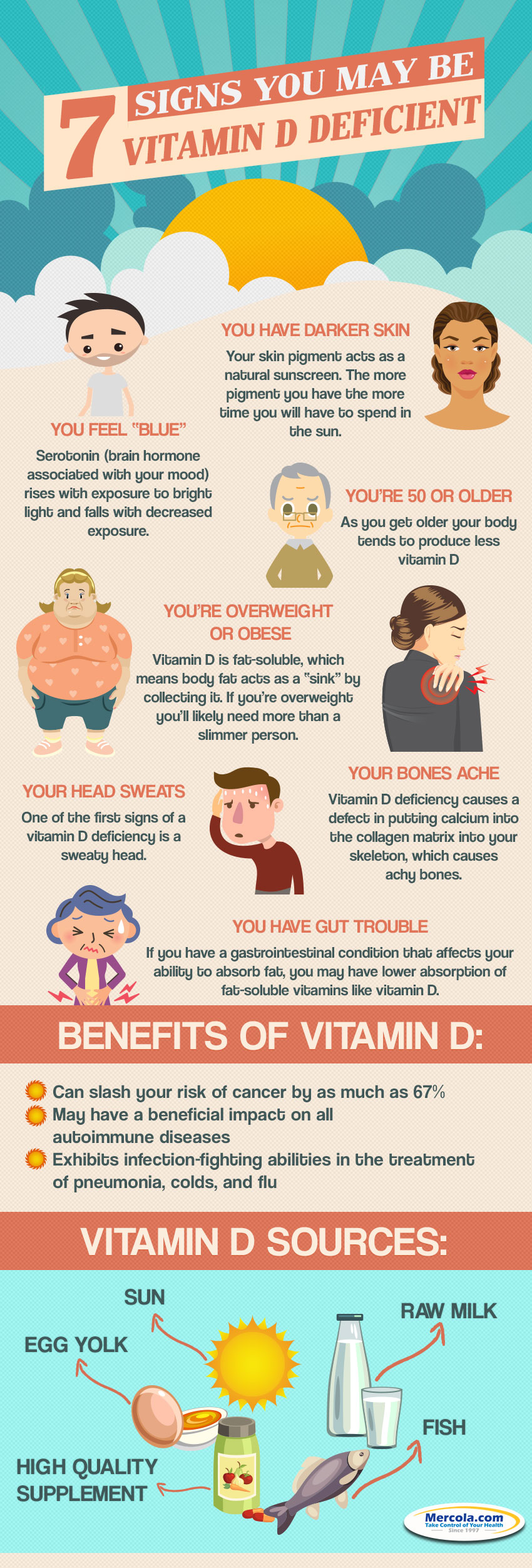
Vitamin D, a steroid hormone, is vital for the prevention of many diseases, including but not limited to Type 2 diabetes, age-related macular degeneration (the leading cause of blindness), Alzheimer’s disease, heart disease and well over a dozen different types of cancer (including skin cancer). Vitamin D also exhibits its infection-fighting abilities in the treatment of tuberculosis, pneumonia, colds and flu.
Studies have also linked higher vitamin D levels with lowered mortality from all causes.9,10,11 Most recently, a Norwegian study12 published in the Journal of Clinical Endocrinology and Metabolism found “a normal intake of vitamin D” significantly reduces your risk of death if you have cardiovascular disease.13
About 4,000 patients diagnosed with stable angina pectoris (chest pain caused by coronary heart disease) were followed for 12 years. The average age at the outset of the study was 62. Overall, those with vitamin D blood levels between 16.8 and 40 ng/mL (42 to 100 nmol/L) had the lowest mortality risk.
Evidence Suggests Higher Vitamin D Levels Are Better
Interestingly, these findings are actually at odds with mounting research showing 40 ng/mL is at the low end of optimal. The new target is 60 to 80 ng/mL, but even a level upward of 100 ng/mL appears safe and beneficial for certain conditions, especially cancer. For example:
Having a serum vitamin D level of 40 ng/mL has been shown to reduce your risk for cancer by 67 percent, compared to having a level of 20 ng/ml or less; most cancers were found to occur in people with a vitamin D blood level between 10 and 40 ng/mL14,15
Research published in 2005 showed women with vitamin D levels above 60 ng/mL had an 83 percent lower risk of breast cancer than those with levels below 20 ng/mL16
A 2007 study found women over 55 who raised their average serum level to 38 ng/mL lowered their risk of all invasive cancers, including breast cancer, by 77 percent17
Other recent research18 has also highlighted the importance of vitamin D for the prevention and treatment of heart disease, showing it plays a vital role in protecting and repairing damage to your endothelium. The findings also suggest vitamin D3:
Helps trigger production of nitric oxide — a molecule known to play an important signaling role in controlling blood flow and preventing blood clot formation in your blood vessels
Significantly reduces oxidative stress in your vascular system, which is important to help prevent the development and/or progression of cardiovascular disease
According to vitamin D researcher Dr. Michael Holick, author of “The Vitamin D Solution: A Three-Step Strategy to Cure Our Most Common Health Problem,” vitamin D deficiency — defined as a level below 20 ng/mL — can raise your risk of heart attack by 50 percent. What’s worse, if you have a heart attack while vitamin D deficient, your risk of dying is nearly guaranteed.
Vitamin D Levels Below 20 ng/mL Are Inadequate for Optimal Health
Vitamin D levels below 20 ng/mL have repeatedly been shown to raise your risk for a number of other problems as well, including depression19 and Type 2 diabetes. Research suggests 20 ng/mL is not even adequate for the prevention of osteomalacia (softening of your bones).
In the case of depression, having a vitamin D level below 20 ng/mL will raise your risk by as much as 85 percent, compared to having a level above 30 ng/mL,20 and evidence suggests vitamin D deficiency may be a significant driver of the rise we see in both mood and mental disorders such as psychotic21 and obsessive compulsive22disorders.
As for diabetes, an analysis23 by GrassrootsHealth reveals people with a median vitamin D level of 41 ng/mL have a diabetes rate of 3.7 per 1,000, whereas those with a median serum level of just 22 ng/mL have a diabetes rate of 9.3 per 1,000. In other words, raising your level above 40 ng/mL can lower your risk of Type 2 diabetes by nearly 60 percent.
All in all, there’s very little reason to believe that a level as low as 16 ng/mL would be protective against death if you have heart disease.
Research also shows higher vitamin D levels can help prevent and/or treat:
Dry eye syndromes24,25 and macular degeneration26,27
Neurological diseases such as Alzheimer’s disease32,33 and epilepsy. In one study,34 epileptics given a one-time megadose of vitamin D3, ranging from 40,000 IUs all the way up to 200,000 IUs, followed by a daily dose of 2,000 to 2,600 IUs a day for three months to bring each individual’s vitamin D status to at least 30 ng/mL, resulted in significant improvements.
Ten out of 13 had a decrease in the number of seizures, five of which experienced more than a 50 percent reduction. Overall, the group had a 40 percent reduction in the number of seizures.
Lupus. According to researchers in Cairo,35 most patients with systemic lupus erythematosus have some level of vitamin D deficiency, defined as a level of 10 ng/mL or less, or insufficiency, a level between 10 and 30 ng/mL.
Obstructive sleep apnea. In one study, 98 percent of patients with sleep apnea had vitamin D deficiency, and the more severe the sleep apnea, the more severe the deficiency.36
Falls, fractures, dental health and more. A 2006 review37 looking at vitamin D intakes and health outcomes such as bone mineral density, dental health, risk of falls, fractures and colorectal cancer, found “the most advantageous serum concentrations of 25(OH)D begin at 30 ng/mL, and the best are between 36 to 40 ng/mL.”
Obesity. Research38 has shown vitamin D supplementation (4,000 IUs/day) combined with resistance training helps decrease your waist-to-hip ratio — a measurement that is far better at determining your risk for Type 2 diabetes and heart disease than body mass index.
Neurodegenerative diseases, including multiple sclerosis (MS).39,40,41 Research shows MS patients with higher levels of vitamin D tend to experience less disabling symptoms.42
Assess Your Vitamin D and Magnesium Levels
The best way to optimize your vitamin D level is through sensible sun exposure. Unfortunately, this can be difficult for many, especially during the winter season and/or if you live in northern regions. If you cannot obtain sufficient amounts of vitamin D through sun exposure, taking a supplement is recommended. Remember that the only way to determine how much sun exposure is enough and/or how much vitamin D3 you need to take is to measure your vitamin D level, ideally twice a year.
The D*Action Project by GrassrootsHealth is a cost-effective way to do this, while simultaneously progressing valuable research. To participate, simply purchase the D*Action Measurement Kit and follow the registration instructions included. To assess your magnesium level, check your RBC magnesium level and track signs and symptoms of magnesium insufficiency to determine how much magnesium you need. Low potassium and calcium are also common laboratory signs indicating magnesium deficiency.
The Interplay of Vitamin D, Calcium, Magnesium and Vitamin K2
When supplementing, also remember to take synergistic effects with other nutrients into account. If you take high-dose vitamin D, you may also need to increase your intake of:
Magnesium
Vitamin K2
Calcium
These four nutrients — vitamins D and K2, calcium and magnesium — all work in tandem, and rely on sufficient amounts of each to work optimally.Lack of balance between these four nutrients is why calcium supplements have become associated with increased risk of heart attack and stroke, and why some experience symptoms of vitamin D toxicity. Here’s a summary of some of the most important correlations between these nutrients:
•Excessive vitamin D in combination with lack of vitamin K2 may cause overabsorption of calcium, which in turn may result in calcium deposits in your heart and kidneys. Part of the explanation for these adverse side effects is that vitamin K2 keeps calcium in its appropriate place — in your teeth and bones and out of soft tissues and arteries.
While the optimal ratios between vitamin D and vitamin K2 have yet to be established, taking somewhere between 100 to 200 micrograms (mcg) of K2 is beneficial. Telltale signs of vitamin K2 insufficiency include osteoporosis, heart disease and diabetes. You’re also more likely to be deficient if you rarely eat vitamin K2-rich foods (see listing below).
•Vascular calcification is also a side effect of low magnesium, so when taking vitamin D3, you need both vitamin K2 and magnesium to make sure everything is working properly.
•Maintaining an appropriate calcium-to-magnesium ratio is also important, as magnesium helps keep calcium in your cells so they can function better. Historically, mankind ate a diet with a calcium-magnesium ratio of 1-to-1,43 which is likely close to ideal.
•Magnesium and vitamin K2 also complement each other, as magnesium helps lower blood pressure, which is an important component of heart disease.
Eat a Varied Diet and Get Sensible Sun Exposure
The take-home message is that anytime you’re taking supplemental magnesium, calcium, vitamin D3 or vitamin K2, you must take all the others into consideration as well. While supplements can be helpful in some instances, your best and safest bet is to simply eat more calcium-, magnesium- and vitamin K2-rich foods, along with sensible sun exposure.
Food-derived nutrition is typically going to be the most beneficial, and this is particularly true for calcium. When you take a biologically foreign form of calcium, or when your body’s ability to direct calcium to the right places becomes impaired (as when you are deficient in vitamin K2 and/or magnesium), calcium is deposited where it shouldn’t be, such as in your arteries. It’s more likely your body can use calcium correctly if it’s plant-derived calcium. Here’s a quick summary of foods known to be high in these important nutrients:
Vitamin K2
Grass fed organic animal products such as eggs and butter, fermented foods such as natto, goose liver pâté and vitamin K2-rich cheeses such as Brie and Gouda
Magnesium
Almonds and cashews, bananas, broccoli and Brussels sprouts, brown rice, free-range pastured egg yolk, flaxseed, grass fed raw milk, mushrooms, pumpkin seeds, sesame seeds, sunflower seeds and leafy green vegetables, especially spinach, Swiss chard, turnip greens, beet greens, collard greens, kale, Bok Choy and romaine lettuce
Calcium
Raw milk from grass fed cows (who eat plants), leafy green vegetables, the pith of citrus fruits, carob and wheatgrass
The Role of Vitamin D in Disease Prevention
A growing body of evidence shows that vitamin D plays a crucial role in disease prevention and maintaining optimal health. There are about 30,000 genes in your body, and vitamin D affects nearly 3,000 of them, as well as vitamin D receptors located throughout your body.
According to one large-scale study, optimal Vitamin D levels can slash your risk of cancer by as much as 60 percent. Keeping your levels optimized can help prevent at least 16 different types of cancer, including pancreatic, lung, ovarian, prostate and skin cancers.
How Vitamin D Performance Testing Can Help Optimize Your Health
Is it any wonder then that no matter what disease or condition is investigated, vitamin D appears to play a crucial role? This is why I am so excited about the D*Action Project by GrassrootsHealth. Dr. Robert Heaney is the research director of GrassrootsHealth and is part of the design of the D*action Project as well as analysis of the research findings.
GrassrootsHealth shows how you can take action today on known science with a consensus of experts without waiting for institutional lethargy. It has shown how by combining the science of measurement (of vitamin D levels) with the personal choice of taking action and, the value of education about individual measures that one can truly be in charge of their own health.
In order to spread this health movement to more communities, the project needs your involvement. To participate, simply purchase the D*Action Measurement Kit and follow the registration instructions included. (Please note that 100 percent of the proceeds from the kits go to fund the research project. I do not charge a single dime as a distributor of the test kits.)
As a participant, you agree to test your vitamin D levels twice a year during a five-year study, and share your health status to demonstrate the public health impact of this nutrient. There is a $65 fee every six months for your sponsorship of this research project, which includes a test kit to be used at home, and electronic reports on your ongoing progress. You will get a follow up email every six months reminding you “it’s time for your next test and health survey.”
Great article showing how vitamins interact and often depend upon one another, which is why obtaining them naturally through food-choices is always safest; however, as this article points out, vitamin D is obtained by direct sunlight hitting the skin. We Northerners don’t get enough making supplementation with D almost a necessity. Please have your levels tested as D is a fat soluble vitamin that can build up in the body and become toxic.
It is my experience that Lyme/MSIDS patients here in Wisconsin are low in Magnesium as well as D and supplementation always helps them.
Interestingly, besides the plethora of things listed above, vitamin D supplementation has been shown to help Autism: https://www.brainhealth2030.org/single-post/2018/03/10/First-Ever-Randomized-Clinical-Trial-Shows-Vitamin-D-Supplementation-Improves-Autism-SymptomsThe scientists reported significant improvements in autism symptoms and social maturity among the exposed group and no reported gains among the placebo group. Some of the improvements reported among the exposed children included reductions in irritability, hyperactivity, social withdrawal, and inappropriate speech. ATEC scoring among the exposed group was significantly improved notably in the scores relating to sociability, cognitive awareness, and behavior.
Vitamin D has also been found to reduce risk of cancer: https://medicalxpress.com/news/2018-03-vit-d-cancer.html “These findings support the hypothesis that vitamin D has protective effects against cancers at many sites,” the authors write.
Proteolytic enzyme supplements, or systemic enzymes, work to clean out the blood, optimize blood flow, control inflammation throughout the body, as well as repair and rebuild the cardiovascular system. Although they may have some cancer protective benefits–and there are indeed cancer therapies based on proteolytic enzymes, not to mention a number of studies that support those therapies–the primary benefits we’re looking for when taking systemic, proteolytic enzymes center around their ability to:
Control inflammation throughout the body, not just in your joints.
Repair and rebuild the cardiovascular system.
Optimize blood flow & cleanses blood of debris
Prevent and dissolve blood clots by dissolving fibrin
Dissolve plaque in your arteries and dental plaque in your mouth.
Clean up your immune system.
Minimize the impact of allergies but breaking down and removing circulating immune complexes.
Improve the ability to exercise and speed up recovery times.
Kill bacteria, viruses, and other pathogens.
Accelerate recovery from sprains, strains, fractures, bruises & surgery
Help with arthritis
Help with detoxification
Improve body alkalinity
Help with sinusitis and asthma
Help reduce MS symptoms
And all of these benefits stem from one simple ability: proteolytic enzymes facilitate the breakdown of rogue proteins in your bloodstream and in the soft tissues of your body. In this video, we’re going to take a look at exactly what systemic, proteolytic enzymes are, what they do, how they do it, and what the ideal proteolytic formula looks like.
Great info here. At 2:26 he discusses how these enzymes break down protein bonds in invading viruses as well as have the ability to digest and destroy the protein based defense shield of each and every pathogen, allergen, and rogue cell, leading to their elimination.
Can you see how this would help Lyme/MSIDS patients?
Not to mention the foreign protein invaders from the food we eat. Many Lyme/MSIDS patients have food sensitivities and Mast Cell disorders that if not addressed will cause many symptoms that look identical to Tick borne illness (TBI). This is why some patients do not improve after taking sufficient antimicrobials. Antimicrobials will not fix this.
At 6:55 he discusses how research has shown systemic enzymes support healthy blood viscosity and blood platelet aggregation. Since many TBI’s infect the blood cells of our body, this assistance is extremely helpful. Parasitemia can cause hyper coagulation, and things like blood thinners help some patients just as much as antibiotics. Speaking of blood thinners, nattokinase’s ability to balance the clotting ability of the blood is as good as Warfarin’s but without the side effects. Research has shown it reduces blood pressure as well. It also dissolves amyloid fibrils, which means it very well may help with Alzheimer’s, and most Lyme/MSIDS patients understand the connection there.
At 7:30 he mentions that papain has been shown to be as effective as the pharmaceutical drugs Butadion and Indomethacin as an anti-inflammatory and that it is even used for treating parasitic worms, another common MSIDS issue.
Talk over Systemic Enzymes with your doctor. It may very well be the thing that helps you turn the corner in your journey.
Lyme/MSIDS patients are always looking for relief. The pain we endure is indescribable. We clearly understand most of the pathogens we are dealing with are persistent, despite the CDC/IDSA/NIH denial. Our experience shows that we function well off treatment for a while and then the dreaded symptoms return. We cycle in and out of treatments which are expensive, time consuming, and often have significant blow-back. While antibiotics kill or disable bacteria, we all know they disrupt the microflora of the gut and damage mitochondria. Similarly to other treatments for other diseases, say cancer for instance, sometimes the treatment is as bad as the disease and some are affected more negatively than others.
This article is about two substances that you should learn about and discuss with your medical practitioner. These two substances are described as “therapeutic principles,” – not drugs. In many aspects they are quite similar and one is derived from the other.
It’s important to condense and overlap treatment modalities as much as possible for two reasons: time and money. Another lesson Lyme/MSIDS patients learn is this disease can take over your life and cost you everything you have since it’s a long-term treatment – perhaps life-long. I believe the substances in this article to be worth real consideration as they do so many things simultaneously, and are cheap & effective for most who use them. I apologize up front for the meandering nature of this article but after you read and digest it, you will understand why. So much is interconnected!
As always, this article is meant for educational purposes only and not meant in any way to diagnose or treat.
DMSO
Dimethyl Sulfoxide (DMSO) is a colorless, odorless, transparent substance obtained from wood; however, small amounts are naturally present in common foods such as milk, tomatoes, tea, coffee, & beer, among others.
First discovered by Russian chemist, Alexander Mikhaylovich Zaitsev in 1867, today DMSO is obtained as an industrial by-product from lignin in paper manufacturing. Because of its polarity and low acidity, it is a highly aprotic (doesn’t yield protons) solvent that can be mixed with other substances to increase their effect. It’s ability to penetrate biological membranes and transport other substances with it has also made it an excellent carrier.
Hartmut P.S. Fischer has explained in great detail in his groundbreaking book, “The DMSO Handbook: A New Paradigm in Healthcare,” the structure of DMSO and its chemical properties as well as the following brief summary of pharmacological properties on humans and animals:
These qualities play out in reducing pain, alleviating inflammation, diuresis, vascular dilation, free radical scavenging, wound healing, and muscle relaxation. All issues Lyme/MSIDS patients deal with at some point.
The father of the medical use of DMSO, Dr. Stanley Jacob, enjoyed notoriety in the 60’s but admits the reception was short-lived due to DMSO’s long list of pharmacological properties and its being labelled a “miracle medicine.” In other words it did too many things to be taken seriously. The FDA approved DMSO for preservation of stem cells, bone marrow cells and organs for transplant, as well as for therapy of interstitial cystitis and cancer radiation protection – by prescription. It’s also used under medical supervision to treat several other conditions, including shingles. DMSO is available without a prescription in gel, cream, or liquid forms. It can be purchased in health food stores, by mail order, and on the Internet.
MSM, which in the second part of this articleis derived from DMSO, is considered a methyl donor and reduces homocysteine levels suggesting a role in the methylation process and in reducing oxidative stress. Since many patients struggle with high homocysteine which leads to inflammation and neurological problems, this is another boon for Lyme/MSIDS.
Speaking of Methyl donors, I would be amiss if I didn’t mention their importance in the issues of mood & energy:http://www.raysahelian.com/methyl.html(I have no affiliation with any products)
DMSO has been used for cancer and an article by Camelot Cancer Care states the reason it protects against radiation damage and side-effects of traditional cancer treatments is due to how it stimulates parts of the immune system and scavenges hydroxyl radicals that promote tumor growth.http://www.mnwelldir.org/docs/cancer1/dmso-faq.htm Since this usage is considered “off label,” insurance companies can not be billed for it. Go to link for more info on how it’s used for cancer.
A small but significant bunny trail:
Speaking of cancer, I’ve done my own experiments against basal cell carcinomas on my face and leg. I’ve had two MOHS surgeries on my face – both of which were expensive, painful, removed skin, and took time to heal. Since they were close to my eyes, the doctors believed I would need subsequent plastic surgeries to be able to blink and produce tears. I stood my ground to attempt using ozonated olive oil in the healing process to see if I couldn’t avoid these unwanted surgeries. Below is the result and I’m happy to say I was right:
Since the two MOHS surgeries I have developed more basal cell spots. Thankfully my LLMD knows about CURADERM BEC5 treatment – an egg plant derivative with salicylic acid. Curaderm targets the cancer cells and destroys them while the salicylic acid sloughs the old dead skin away.Directions here. It will not target normal cells.
In my case the cancer was deep (60+ years of living next to water and lots of sun) which became painfully pussy at times during CURADERM treatment. Eventually it’s quite obvious that as the old, dead skin sloughs off, new virgin skin rises to the top. I won’t lie: it can be extremely painful. It’s important to take a wet wash cloth to help remove the dead skin and then reapply and cover the area with CURADERM and occlusive tape. Apply twice a day until lesions are completely gone and are replaced with normal skin. Word of warning: the tape sticks fast and can pull skin off when you remove it. This also is painful. At times I would cut bits of sterile gauze to put over these sensitive areas before covering with tape. This stopped the problem. There is a skin colored tape and a white tape. I found the white tape to be more gentle, albeit more noticeable! How much are you willing to suffer for vanity?!
All that said, my next experiment will be with ivermectin paste for basal cell carcinomas.
**UPDATE**
Both ivermectin and panacur (fenben cream) seem to work on all my basal cell cardinomas. I still utilize CURADEM because it actually searches for cancer cells. This can often create an ‘iceberg’ effect where you start out with a tiny scab that won’t heal and end up with a much larger affected area. I believe in keeping the pressure on so will use CURADERM for a couple days back to back and then ‘rest’ by then using either ivermectin or panacur for a few days back to back. The CURADERM requires a covering to keep it moist but you can expose both pastes to air and be fine. Panacur will eventually dry (it takes an hour or so) but the ivermectin I use is more of gel that doesn’t dry per say. If it’s on an area clothing will rub it off, simply put gauze and tape over it. Make sure to apply all of these modalities TWICE a day.
Cutaneous manifestations of scleroderma (an autoimmune rheumatic disease) appear to revolve following topical applications
IV DMSO may benefit amyloidosis (an abnormal protein builds up in tissues & organs)
Dermal application provides rapid, temporary, relief of pain in arthritis and connective tissue injuries
Animal studies indicate IV DMSO is as effective as mannitol & dexamethasone in reversing cerebral edema (brain swelling) and intracranial hypertension (a neurological disorder where cerebrospinal fluid pressure is high in the skull)– a human clinical trail in 11 patients supports this
DMSO is used with mixtures of idoxuridine in the UK for topical treatment of herpes zoster
Adverse reactions are related to the concentration of DMSO and are usually minor
According to Dr. Jacob, “DMSO is a potent free-radical scavenger and diuretic that reduces swelling and improves blood supply to the brain… “we observed that when the human brain was treated with intravenously administered DMSO after a head injury, the swelling could be reduced within five minutes. No other treatment comes close to acting that quickly.
Astonishingly, however, the Food and Drug Administration (FDA) has not approved any new pharmacological agent of significance for the treatment of traumatic brain injury in more than three decades. With so much attention focused on the plight of severely injured soldiers returning home from war, Dr. Jacob is leading the charge to gain FDA approval of DMSO to treat this type of injury. He believes that DMSO would be more effective than some current therapies such as removing parts of the brain to reduce swelling.
Dr. Jacob and his colleagues previously sponsored preliminary clinical trials of DMSO on traumatic brain injury patients in Europe. The results of the trial were remarkable, with an 80% survival rate (about twice the historical rate of 30-40%) and 70% of the patients experiencing a favorable outcome (far higher than the historical rate of less than 10%).1
https://www.ncbi.nlm.nih.gov/m/pubmed/19443933/ The effects of DMSO make it potentially useful in the treatment of medical disorders involving head and spinal cord injury, stroke, memory dysfunction, and ischemic heart disease.
How’s all this relate to Lyme/MSIDS? Glad you asked.
First, many with neuro-Lyme have brain swelling. Excruciating head pain is a hallmark symptom – often worsened with Babesia & other coinfections. Second, many Lyme/MSIDS patients suffer with various viruses – the herpes virus being one. Some patients struggle with dermal issues such as Morgellons and various rashes.Third, nearly all patients suffer with inflammation & pain. Pain, pain, pain and more pain. Fourth, DMSO is a strong anti-oxidant and powerful free radical scavenger. Both are helpful for immune health and fighting pathogens. Fifth, DMSO is known as the “Supreme detoxifier,” and assists in heavy metal detoxification. If patients can’t detox all they are killing, they will not improve. For more on this important issue: https://madisonarealymesupportgroup.com/2015/08/15/herxheimer-die-off-reaction-explained/
Fischer has a section in his book about DMSO usage and Lyme. He, unlike the CDC/IDSA/NIH, acknowledges that the borrelia bacteria is very persistent and that standard treatment is either very long and/or mostly unsuccessful. He recommends a combination of an oxidative bactericide(MMS, MMS2, or hydrogen peroxide)and DMSO as a carrier to ensure penetration into the favorite hiding places of borrelia as well as deals with the various forms and stages of the pathogen. DMSO is an excellent detoxifier which is a boon for eliminating the endotoxins caused by borrelia when it is destroyed. This last element is just as important as killing organisms as the die-off can make patients miserable and cause significant symptoms. Whatever bactericide is used needs to be pure as DMSO will take it directly into the body.
IF your brain works like mine you are thinking, “If DMSO is such a great carrier, why don’t we use this with antibiotics to make them more effective?” Great question. Ask your doctor. It could also be said that it could take essential oils into the body as well….. See where this is going? It also penetrates the blood, brain barrier.
While Fischer recommends combining DMSO with an oxidizer for Lyme, DMSO alone is bacteriostatic, antiviral, and antifungal. Between 30-40% aqueous solutions have inhibited the growth of Pseudomonas, Staphylococcus aureus, and Escherichia coli. Other tests have proven diluted DMSO fight bacteria, viruses, and fungi and improves distribution of other antimicrobial substances and enhances their effects.
Last but not least, I highly recommend holistic health practitioner Amandha Vollmer’s video on using DMSO on the skin and for scarring:https://yummy.doctor/video-list/dmso-for-wounds-and-scars/ This will be my next experiment to hopefully resolve the pulling of the skin.
Video Summary(Approx. 16 Min):
DMSO can completely erase scars (or at least minimize them)
DMSO can work on stretch marks from weight loss or pregnancy
She recommends less than a 40% DMSO solution for skin use (particularly if the skin is above the waist – but it really depends upon your tolerance. Take care red heads and blonds as your skin is more sensitive)
DMSO is transdermal, and a penetrating agent which is able to deliver nutrients to tissues
She has a product called “DMSO with added nutrients”. It contains reduced DMSO with aloe vera and with 1-3% of essential nutrients which includes iodine, vitamin C, MSM, B complex, buffered C, magnesium, and rose geranium flower water
Make sure you are getting adequate food nutrition as that is the bedrock of healing
Coupling DMSO with other nutrients/herbs is powerful medicine as it drives it into the skin where it can be directly utilized
One other personal note: Lyme patients can struggle with hair loss. I sure do, which has led me to research healthier options than the Minoxidil products for women (which I have also used). This search led me to Amandha Vollmer’s helpful book: “Healing With DMSO.” In it, I learned of a hair growth/scalp care spray which consists of:
at least a 100ml glass spray bottle with a cap (I recommend capping the solution in between uses rather than leaving the plastic spray attachment in the solution. When I purchased a dropper bottle, all the DMSO managed to evaporate over the years I had it, whereas a cap would have prevented this. Have a separate dropper you can use for application if needed)
50ml (1.7oz) of 99.9% pharmaceutical grade DMSO
20ml (.7 oz) preservative free aloe vera juice
30ml (1.1) distilled water
6 drops 100% pure rosemary essential oil
4 drops of 100% pure peppermint essential oil
Spray on dry, clean hair 1-2 times a day. May take a year of usage before results are seen.
This find sent me on another search for homemade shampoo as anything put on the hair will go systemically into the body with the DMSO. I experimented until I found:
1/4 C coconut milk (homemade or canned)
1/4 C pure castile soap
20 drops essential oils (peppermint, lavender, rosemary, or orange are good)
Combine all the ingredients in an old shampoo bottle or jar
Shake well to mix & each time you use (only need about a tsp)
Keep in the shower for up to a month
a 50/50 mixture of apple cider vinegar & water is a good rinse as well
To make your own coconut milk:
4 C filtered or distilled water
2 C unsweetened shredded coconut
Heat water until hot/not boiling
put water and coconut into a Vitamix and blend on high for a few minutes until thick
pour through mesh strainer and squeeze through cheese cloth if needed. Essentially, you only want the milk, not the fiber (keep and use fiber in your smoothies)
use required amount for the homemade shampoo and drink the rest (will keep for 5 days in refrigerator for drinking)
I used the shampoo/DMSO spray combo for a while after I had tried the Rogaine product. I did not lose any hair on the experiment but got a perm and discontinued until all the chemical has been eliminated from my scalp.
UPDATE Oct. 2024: I’m sorry to say the DMSO for hair growth did not work for me. I hope you have better results. The shampoo was effective but it must be refrigerated as it is all natural and will spoil.
Safety:
DMSO has a LD50 value and is safer than ibuprofen, aspirin, caffeine, and cooking salt! Study after study has proven its safety record on both animals and humans.
https://www.sott.net/article/228453-DMSO-The-Real-Miracle-Solution If you search for DMSO on the U.S. National Library of Medicine (pubmed.gov), you’ll get almost 30,000 indexed results, making it one of the most studied compounds of our time. Yet, we are led to believe that DMSO can’t pass the required regulations for its approval in other medical conditions even though its effectiveness and low toxicity profile is unquestionable.
The above link also completely refutes a 1960 animal study that DMSO caused eye lens trouble. In fact:
As far as eyes are concerned, the evidence on DMSO is quite to the contrary. When several patients treated with DMSO for muscular problems reported to Dr. Jacob that their vision had improved, he sent them to Dr. Robert O. Hill, ophthalmologist at the University of Oregon Medical School. Confirming the favorable changes, Dr. Hill began his own experiments with DMSO (after it was known that the lens changes did not happen in humans). His research showed drops of 50% DMSO to be effective in retinitis pigmentosa and macular degeneration, and presented a report on this at the New York Academy of Sciences symposium in 1971. (Haley, 2000)
Dimethyl sulfoxide caused teratogenic responses in animals when administered intraperitoneally at high doses. Oral doses did not cause problems of reproduction in animals. In one study topical doses produced terata in animals, but in another study topical dose failed to produce any abnormalities. There are no controlled data in human pregnancy. FDA pregnancy category C: Animal reproduction studies have shown an adverse effect on the fetus and there are no adequate and well-controlled studies in humans, but potential benefits may warrant use of the drug in pregnant women despite potential risks.
Contraindications: According to Jacob in “The Miracle of MSM The Natural Solution For Pain,”DMSO has been found to counteract platelet aggregation. He advises caution for those taking blood thinning agents such as heparin, aspirin, or dicumarol. Accelerated blood thinning can not be ruled out. Indications that that is occurring would be bruising or increased bleeding from hemorrhoids.
Now for the tricky part…….
When applied externally DMSO opens capillaries. This can lead to temporary redness of the skin. It can also burn and itch. Evidently, not everyone experiences this but I did. To me it felt a lot like taking niacin. Wowza, but worth it.
DO NOT ITCH
The reduction in pain and swelling will be dramatic. It’s worth the initial discomfort. For me existing pain went away in seconds. Other patients have told me it took a number of days for noticeable improvement.
The next tricky part is understanding how DMSO breaks down into components. Most of the DMSO will be broken down to MSM in the body; however, there is a small part (about 1%) that breaks down into a substance that causes a temporary odor. Some say it smells like garlic. I say it smells like oysters.
The viscosity of DMSO is double that of water which means it drips off the skin easily which is why many like gels and lotions; however, Fischer cautions that gels/lotions are made from raw materials such as polyacrylic acid derivatives which will be taken directly into the body. He recommends the pure DMSO liquid that will take a tad longer to be absorbed than the lotions. If you choose gels or creams make sure you are confident about ALL the ingredients as they will go directly into your body. Please keep this in mind. Essential oils, antibiotics, anything applied with DMSO needs to be PURE. Also, many EO’s can cause skin irritation so you need to work with a knowledgable practitioner. I include a recipe on how to make your own DMSO gel a bit further down in the article.
And that’s another point that needs to be made. DMSO MUST COMPLETELY DRY before anything touches it. Again, because DMSO is a solvent/carrier, it will take everything and anything directly into your body such as perfumes, dyes, germs, etc. So application must be done over an unbleached white towel, with clean hands and instruments and allowed to completely dry before covering with clothing or anything else. Also note what the DMSO is stored in. I would only get DMSO stored in glass as immune disruptors in plastics can leach into your body.
The next tricky part: Just like you will find detractors for DMSO, you will find detractors on MMS and the other oxidizers Fischer recommends for Lyme/MSIDS. This is where you need to do your own research, talk to plenty of health professionals and make up your own mind. Perhaps I’ll take on the subject of oxidizers in another article, but for now I’m just going to cover DMSO and MSM.
In essence, between the fact it does so many things which would interfere with the sale of many other drugs, and the fact it smells a bit, which makes it virtually impossible to complete double blind studies as the smell would give it away, big pharma tossed it to the sidelines. But read the article for yourself as there’s great info in it, including what it can do for you.
**Update on smell** Recently I applied the pain gel on a larger area on my husband a couple times a day for a few days (listed below) on my husband. Our kids stated, “What’s that old lettuce-like smell?” After searching throughout the house we figured out it was my husband. So it’s not horrible but it’s noticeable and if you are in a cramped office space, trust me, they’ll smell it. But, desperate times turn to desperate measures, right?
DMSO is generally applied to the skin in a gel, cream, or liquid. It can be taken by mouth or as an intravenous injection, in many cases along with other drugs. It has also been administered subcutaneously, intramuscularly, intraperitoneally, intrathecally, by inhalation, instilled into the eye, on the mucous membranes, and into the urinary bladder. Strengths and dosages vary widely.
If you are just dealing with pain or an injury, use a topical application. Don’t drink it. Drinking it is for serious detoxing and other internal necessities. If you use a rose scented DMSO cream, chances are that nobody will be able to smell DMSO’s garlic-like smell. (My comment: Be careful here – unless you know for certain that smell came from a pure source, don’t use it. I called this company and heard nothing back which says everything to me. I won’t be using the rose cream!)
The usual oral dose of DMSO is one teaspoon per day of DMSO 70% (Morton, 1993). But since it can trigger detoxification reactions and DMSO’s total excretion from the body can take several days, it is best to do it only once a week to begin with. Start with half a teaspoon of DMSO 50% and increase to a teaspoon of DMSO 70% only if any possible detoxification reaction is well tolerated.
When you use liquid DMSO in the skin, let it dry for over 20 to 30 minutes before wiping the rest out (with an unbleached white towel). The skin must be clean, dry, and unbroken for any topical use of DMSO. The face and the neck are more sensitive to DMSO and no higher concenrations than 50% should be applied there. Topical concentrations of DMSO should be kept below 70% in areas where there is a reduction of circulation. When 60 to 90% DMSO is applied to the skin, warmth, redness, itching, and somtimes local hives may occur. This usually disappears within a couple of hours and using natural aloe vera, gel or cream, will help counteract or prevent this effect. When 60 to 90% DMSO is applied to the palm on the hand, the skin may wrinkle and stay that way for several days.
Chronic pain patients often have to apply the substance for 6 weeks before a change occurs, but many report relief to a degree that had not been able to obtain from any other source. In general, the greater the chronicity of the disorder, the longer the treatment with DMSO must be employed in order to achieve palliation (Steinberg , 1967).
Common health problems for which people will apply topical DMSO at home include acute musculoskeletal injuries and inflammations. The earlier DMSO is used, the more dramatic the result. A 70% concentration of DMSO mixed with water in volumes ranging from 8 to 12 ml, applied on and around the injury in a wide area at least three times daily, will have a healing affect in 4 out out 5 people.
Arthritis, Sprains, Strains
It provides rapid amelioration of pain and increased mobility and reduction of inflammation when used topically. You can see a positive response within 5 to 20 minutes and usually lasting for 4 to 6 hours. (Steinberg, 1967).
Topical
You can make your own gel: (make sure hands, utensils, and body are completely clean)
http://organicbiomama.com/dmso-safety-handling-recipes Mix 1oz70% pure DMSO and 3 oz Aloe Vera gel(at least 99.5% pure) in a glass container & store in a cool place. It’s best to mix right before application. I like this idea much better than the creams/gels on the market with questionable preservatives.
**For my personal recipe that has been used successfully for pain, please continue reading as it’s in the MSM section as MSM is one of the ingredients**
I include this video to show there are DMSO creams on the market; however, I am concerned about it being stored in plastic as well as the added ingredients such as perfumes and dyes as they will go directly into the body.
Oral
According to Fischer in the DMSO handbook, due to the long half-life of DMSO, levels increase as you continue taking it. Fischer recommends starting at a low dose of 3.5g (1 tsp = roughly 3ml) in a glass of water and to observe symptoms. If pain is relieved and it is well tolerated, remain at that low dose. If not, he recommends increasing in increments of 3.5g per day.
Interactions: DMSO has been found in studies to counteract platelet aggregation. If you are taking blood thinners, please consult your physician before starting DMSO.
Oral directions:
Pour 3.5g DMSO into clean glass (about 300ml or 10 oz)
Fill with water or chosen drink (DMSO releases histamines from body cells so he advises against tomato juice, but that cooled tea, or grape juice work well) DMSO is bitter in water so some prefer something to mask it. I say “tough it out” and use water. You don’t need all that added sugar.
Mix well as DMSO will sink to bottom of glass
This gives you a 1-2% DMSO solution
Many find doing this after breakfast agreeable
DMSO has a diuretic effect. Taking before bed is not advisable unless you like to get up to go to the bathroom a lot!
3.5ml of DMSO at a density of 1.1 g/ml is equal to 3.85g giving you a dose of about .05g DMSO per kilogram of body weight if you weigh 75kg. This is a long way from quantities that are labeled as clinically safe in most clinical trials and toxicity tests.
There is no promise of a cure; however, and there are some “non-responders.” And of course, it’s important to work on all aspects of health such as proper rest/sleep, nutrition, exercise, stress reduction, addressing hormonal, nutritional, mineral, and emotional imbalances.
Dimethyl sulfoxide exits the body in about 24 hours. Nevertheless, in both acute and chronic cases, it is recommended that you take some time off on a regular basis, say two days in a row each week. For example, just take Saturday and Sunday off every week. If you are using it daily, long term, take two to four weeks off, in a row, every six months. Or, you could do 30 days on and 30 days off.
Personal usage: I have personally used a 70% DMSO gel purchased on-line topically myself as well as on numerous Guinea pigs – i.e., my family. Once we got past the initial redness, burning, and desire to itch, pain & swelling reduced within minutes. Dr. Jacob states this pain reduction lasts for 4-6 hours and that was our experience as well. The smell of oysters in this case was very mild as the amount of DMSO used was small. My LLMD has used IV DMSO and states that really smells – but the results were worth it.
My favorite way to use DMSO is the 70% strength liquid that is stored in amber glass. This is the brand I use. I will take a dropper (does NOT come with the bottle but has a black cap) and simply drop on area I wish to treat. I then either take clean fingers and slightly smear it over area or use a clean cotton ball. To dry it quickly, put area in front of a fan so air circulates and it evaporates more quickly.
I have not taken DMSO orally, however I know a patient who did. When he came to group meeting there was a noticeable but tolerable kind of garlicky/oyster smell.
MSM
Before you try DMSO you may want to try MSM first as it is devoid of the odor, and doesn’t cause redness and itching when used topically. Since it worked so well for me (as well as numerous other patients) I never have had to even take DMSO internally. I have only used it topically when I’ve had specific pain and it worked like a charm. Using DMSO topically will also yield less odor. If you use at night before bed, odor should be gone by morning.
MSM stands for Methylsulfonylmethane and is a naturally occurring sulfur compound which is 34% sulfur by weight and is a metabolite of DMSO. It is a dietary mineral element that is an odorless, white crystalline powder that is somewhat bitter tasting. It was approved as a Generally Recognized As Safe (GRAS) substance in 2007 and is well-tolerated by most.
MSM is produced naturally as part of the Earth’s sulfur cycle involving algae, phytoplankton, and marine organisms, where it is absorbed into the soil, taken up by plants or soil bacterium and is expressed in minute amounts in many fruits, vegetables (broccoli, cauliflower, cabbage, garlic, onions), coconut & olive oil, eggs, pasture-fed meats, and grains. It is destroyed when pasteurized or heated at high temperatures and is also volatile when frozen or irradiated.
It’s synthetically produced through the oxidation of DMSO with hydrogen peroxide and then purified via crystallization or the preferred method of distillation which particular method yields no detectable differences from the naturally produced product. The synthetic method allows patients to ingest far more than possible through food alone.
According to Stephanie Seneff PhD for the Weston Price Foundation,
“Sulfur is the eighth most common element by mass in the human body, behind oxygen, carbon, hydrogen, nitrogen, calcium, phosphorus and potassium. The two sulfur-containing amino acids, methionine and cysteine, play essential physiological roles throughout the body. However, sulfur has been consistently overlooked by those addressing the issues of nutritional deficiencies. In fact, the National Academy of Sciences has not even assigned a minimum daily requirement (MDR) for sulfur…..
Experts have recently become aware that sulfur depletion in the soil creates a serious deficiency for plants,17 brought about in part by improved efficiency in the U.S. agricultural industry, which has steadily consolidated into highly technologized mega-farms.
It is estimated that humans obtain about ten percent of their sulfur supply from drinking water. Remarkably, people who drink soft water have an increased risk of heart disease compared to people who drink hard water.2 Many possible reasons have been suggested for why this might be true, and just about every trace metal has been considered as a possibility.3 However, I believe that the real reason may simply be that hard water is more likely to contain sulfur….
I recently came upon a remarkable article in a 1997 issue of FASEB11 which develops a persuasive theory that low blood serum levels of two sulfur-containing molecules are a characteristic feature of a number of disease conditions. All of these diseases are associated with muscle wasting, despite adequate nutrition. The authors have coined the term “low CG syndrome” to represent this observed profile, where “CG” stands for the amino acid “cysteine,” and the tripeptide “glutathione,” both of which contain a sulfhydryl radical “-S-H” that is essential to their function. Glutathione is synthesized from the amino acids cysteine, glutamate and glycine, and glutamate deficiency figures into the disease process as well, as I will discuss later.
The list of disease conditions associated with low CG syndrome is surprising and very revealing: HIV infection, cancer, major injuries, sepsis (blood poisoning), Crohn’s disease (irritable bowel syndrome), ulcerative colitis, chronic fatigue syndrome and athletic over-training….
In summary, a number of different arguments lead to the hypothesis that sulfur deficiency causes the liver to shift from producing cholesterol sulfate to producing arginine (and subsequently nitric oxide). This leaves the intestines and muscle cells vulnerable to oxidation damage, which can explain both the intestinal inflammation and the muscle wasting associated with Crohn’s disease.”
Doctors Jacob, Lawrence, and Zucker in their book “The Miracle of MSM – The Natural Solution for Pain,” explain thatSulfur is necessary for the proper formation of proteins and helps produce amino acids, connective tissue, enzymes and hormones. And that sulfur insufficiency is probably related to many disease states – perhaps including Lyme/MSIDS.
It all stems back to the 70’s when chemists from Crown Zellerback Corp, and doctors Herschler and Jacob of Oregon Health and Science University experimented with MSM to determine if it had similar therapeutic uses to DMSO. In 1981 Herschler obtained a patient to use MSM for skin, nails, and as a blood diluent. There were further patents claiming to relieve stress, pain, treat parasitic infections, increase energy, boost metabolism, enhance circulation and improve wound healing, despite little scientific proof. Current research has shown proven clinical improvement in arthritis, inflammatory disorders like interstitial cystitis, allergic rhinitis, and acute exercise-induced inflammation.
Both DMSO and MSM get into tissue due to their small size.
The clinical use of sulfur as an adjunct in our diet is becoming progressively more recognized as an important tool for optimizing health. MSM is already well-known for its joint health benefits, but may also be helpful for other conditions related to chronic inflammation and damage due to oxidation
MSM, which is a metabolite of DMSO approved for use in humans, primarily impacts your health by reducing inflammation. It’s widely used as a supplement for arthritic conditions. Like DMSO, MSM also appears to improve cell wall permeability, so it can be used to help deliver other active ingredients
MSM may be providing a missing link for optimal health, which appears to be related to sulfur. It also affects sulfur metabolism in the human body, although it’s still not entirely clear how
Sulfur also plays a critical role in detoxification, as it is part of one of the most important antioxidants that your body produces: glutathione. Without sulfur, glutathione cannot work
Toxicity studies have shown that MSM is extremely safe and can be taken at very high doses. Even if you have a very rich diet full of raw vegetables and MSM-rich foods, you can still supplement and not hit that toxicity level. Clinical research studies have found that the effective amounts range from about 1.5 grams to 6 grams
*Reduces cytokines & inflammation(in vitro studies show MSM reduces IL-6 (a marker implicated in chronic inflammation as well as suppressing NO and prostanoids) *antioxidant *free radical scavenger *kills gastrointestinal, liver, and colon cancer cells *restored normal cellular metabolism in mouse breast cancer and melanoma cells *helps wounds heal *increases blood flow *reduces muscle spasms*antiparasitic properties(especially for giardia) *normalizes the immune system *cholinesterase inhibitor *alleviates allergy symptoms *increases energy *improves condition of hair, nails, and skin
Karlene Karst, registered dietician, gives a 3.5 Min supplement review on MSM.
Like DMSO, MSM is more of a therapeutic principle than a drug and seems to be providing some kind of missing link within the body.
Safety
Toxicity studies have shown that MSM is extremely safe and can be taken at very, very high doses. Even if you have a very rich diet full of raw vegetables and MSM-rich foods, you can still supplement and not hit toxicity. Clinical research studies have found that the effective amounts range from about 1.5 grams to 6 grams, although at higher doses, potential side effects include:
Intestinal discomfort
Swelling of the ankles
Mild skin rashes
These are likely detoxifying effects that can typically be mitigated or minimized by cutting back on the initial dosage, and slowly working your way up. In that case, you might want to start out with half a gram (500 milligrams) for a couple of weeks and then slowly increase until you get up to the desired dose.
Pregnancy:https://www.drugs.com/npp/methylsulfonylmethane-msm.html Information regarding safety and efficacy in pregnancy and lactation in humans is lacking; however, according to the MSM book by Jacob, he states, “Clinical experience indicates MSM is safe for pregnant women. We recommend; however, that you consult first with your physician before taking this or any other supplement or mediation.” (p. 47)
Regarding children: Jacob states that healthy children do not usually need MSM; however, those with allergies, asthma, or an inflammatory illness should consider using it. He also states many kids have taken MSM – some in high amounts without problem.
Contraindications: While DMSO has been found to counteract platelet aggregation, MSM has not been similarly tested in studies; however, clinical observations indicate it may also have a blood-thinning, aspirin-like effect. Discuss MSM supplementation with your doctor before taking it.
MSM & blood tests: Dr. Jacob recommends stopping MSM before a liver function test as it may interfere with the accuracy of the test and produce a false positive. Resume supplementation after the test.
How to Select a High–Quality MSM Supplement
There are two methods of purification of MSM:
Distillation
Crystallization
For MSM, distillation is by far superior. But crystallization is less expensive, and a lot less energy-intensive. According to Dr. Benjamin, only two companies that produce MSM use distillation. Mr. Benjamin explains why you should consider a product that has been purified using distillation.
“A lot of the problems with [crystallization] is you’re essentially crystallizing it out of a parent solvent or liquid. If there are any impurities, which could be salts of heavy metals, you could have aromatic hydrocarbons in that… It’s actually the parent solvent. It’s usually water. It is dependent upon water quality.”
I recently posted this: https://madisonarealymesupportgroup.com/2018/01/03/the-invisible-universe-of-the-human-microbiome-msm/Lyn-Genet Recitas, NMT, Sports Nutritionist, Holistic Health Pracitioner, RYT, and author of “The Plan,” calls MSM the wonder supplement for your gut. It can alleviate allergy symptoms, helps with detoxification, eliminates free radicals, and improves cell permeability. She states that with given time, MSM will start to actually repair damage caused by leaky gut – a common problem with Lyme/MSIDS patients. It can also help the body’s ability to absorb nutrients from food. Many Lyme patients struggle with paralysis of the gut where the muscles of the stomach and intestines stop being efficient. MSM helps this muscle tone as well.
Similar to DMSO you can take MSM topically and internally. It is recommended to start at a low initial dose and allow the body to acclimate. You can slowly increase the dose after a week. It is also stated that those with chronic conditions may take up to 6 or more months to notice a difference.
Topical
MSM comes in creams, gels, and lotions. Make sure you read about the other ingredients and if the MSM is made from distillation. Like any other supplement, the devil’s in the details. Recently I made my own MSM cream, which was quite easy and I loved how it worked as a skin cream as well as for a pain cream.
Get pure 100% MSM powder made by distillation. (Should have OptiMSM patent on it)
Get pure aloe vera gel (99.5% or higher)
Mix 1/2 Cup aloe vera with 1-2 Tablespoons MSM – a tiny whisk or stirring stick works best. **Update** I’ve reduced the amount of MSM in half due to the drying effects for the facial cream. Play with this amount for your own needs. The pain cream obviously has much more MSM in it – read below.
(Optional) Add your favorite pure, organic therapeutic grade essential oils – I used 3 drops lavender and 3 drops frankincense for a facial cream. Guys this is for you too. It is non greasy, tightens pores, & smells great. **Update** I switched this to a synergy blend from Plant Therapy called Zit Fighter – 6 total drops for half C aloe.
This same cream can be used for pain relief but add another tablespoon of MSM (total of 3 Tbsp). Desired EO’s include Capaiba for inflammation (3 drops), Lavender for skin conditioning (3 drops) and peppermint as a cooling and driving oil taking the MSM deeper (4 drops). Mix all well. **Update** I’ve switched this to a Plant Therapy synergy blend called Organic Rapid Relief for the pain cream – 10 drops, and I’ve added liquid DMSO – 10 drops. You can play with the amount of DMSO for your own personal preference. I’ve used this on many and they all have responded with fairly immediate pain reduction, even a person who reactivated pain from an old foot fracture. One word; however, sometimes a sheen of the white MSM crystals remain on the skin after it dries. Just brush them off once it’s dry. Also, since DMSO has been added, make sure this all dries before touching it to clothing or anything. For tougher pain, I will take the appropriate amount of pain cream in my hand & add 10 or more extra drops of DMSO. Immediately it heats up in your hand. This has almost always worked for the worst kind of pain. Of course the more DMSO you use the higher the potential for that lovely smell…..so it’s a balancing act if you are around people.
Store in glass with a tight fitting lid like a small wide mouthed mason jar in a cool, dark place. I would also make sure the level of cream is such that it doesn’t touch any part of the lid – be it plastic or metal. If it’s glass, that should be fine. But it needs to be air-tight.
Internally
If you take 2-3g a day or less, capsules are convenient. For higher doses crystals are cheaper and easier.
You should take the least amount to achieve the desired benefit. More is not necessarily better. According to the MSM book a dosage of 2g (2,000mg) is adequate; however, higher doses are often necessary to experience therapeutic effects. You may need 3-4g of MSM to control allergy symptoms and for deep-seated severe conditions, you may have to even go higher. It is also recommended to divide the dose throughout the day, but since MSM increases your energy, it’s best not to take it before bedtime.
For pain and inflammatory conditions, Jacob recommends topical and internal MSM.
Personal usage: Currently, most of my family uses MSM internally, daily – including the dog. We all started at 1/4 tsp once a day for a a few days then increased to twice a day. After that, it was individual preference. I increased to 1/2tsp twice a day and all of my pain is GONE. My husband takes 1 tsp twice a day.
Initially we simply put the crystals in a few ounces of waters, stirred it up, and drank it. Now, after reading from health practitioner Amandha Vollmer, that parasites do not like MSM, I simply dump the crystals into my mouth and then drink water, so I’m not dissolving it before hand.
My daughter struggles with Mast Cell issues and this has helped her a lot. As you read it reduces or eliminates allergy symptoms and for her it has reduced mucus production and has boosted her immune system as well.
I’ve used a manufactured MSM cream with glucosamine chondroitin in it; however, it does have the caprylic ingredient along with parabens and other nasty ingredients Fischer warns about so I won’t be purchasing more, just making my own. I will say it worked for pain – within minutes.
Update: I’ve been taking the MSM internally for months now with complete resolution of pain. The only negative side-effect I had was my skin broke out due to the strong detoxification effects. I broke out on my face, chest, and back just like a teenager. Due to that I lowered the MSM to about half of what I took to give my body some help in clearing debris. Within a couple of weeks that went away and I upped my dose back to 1/4tsp twice a day. The pain never returned. Please know this has been miraculous as nothing else has worked.
**Progress update** After a year or longer we are back on antibiotics as numerous symptoms came back. This demonstrates once again the need to remain open-minded and adjust to the curve balls in life. For us it’s pain in the C7 with accompanying occipital pain (right in the juncture between the base of the skull & the neck), stiffness of the spine, painful bottoms of the feet, migrating pain sometimes affecting the hip and/or other areas, as well as pain in the center of the palm (think crucifixion). These are all past symptoms popping back up and and the body never forgets cellular memory! It appears we are still dealing with Lyme (borrelia) and Bartonella.**
**UPDATE Feb. 2022**
After developing a Baker’s cyst which is extremely painful and debilitating, I’ve been sleuthing yet again for relief. I plan on writing a separate article on what I’ve been learning and it is revolutionary – niacinamide and vitamin C for arthritis. For now, if you want to study it yourself, go to Dr. Saul’s website and read the wonderful accumulation of articles there: http://www.doctoryourself.com/, specifically:
All I can say is those with you suffering from arthritis and the pain it causes, you owe it to yourself to learn about niacin, niacinamide, and vitamin C therapy. It’s a game changer.
Depending upon your goals, if your doctor gives you a thumbs up, I would try MSM first as it is easy to obtain and has no side-effects or smell. If the MSM works (primarily for pain, inflammation, detox, & leaky gut) then you are home-free. If it doesn’t, you may want to then move on to get the OK from your doctor to try DMSO as it demands more knowledge, effort, attention to detail, and has a smell, depending upon amount used. FYI: I have never noticed the smell for the amount used topically in my recipes. For those who desire to try DMSO and an oxidative bactericide for a full Lyme/MSIDS treatment, please work under the direct supervision of a practitioner.
And remember what your granny told you: “Necessity is the mother in invention.”
And finally, after reading my last update, never feel badly about needing to return to anti-microbial treatment, be it antibiotics or others. This is the nature of this beast. It is persistent, it is stealthy, and it is tenacious. You and I need to decide we are stronger and do what is necessary to get back on top.
Do These Popular Diets Make You Nutrient Deficient?
by Carin Gorrell | Posted February 2nd, 2018
Eating well and meeting all of the daily nutritional recommendations is hard enough when you have no dietary restrictions. But if you’re on any kind of diet that eliminates specific ingredients or entire categories of foods—whether it’s for health purposes, to lose weight, to align with your ethical beliefs, or any other reason—there’s a good chance you’re falling short on certain key nutrients, says nutrition counselor Stephanie Clarke, M.S., R.D., cofounder of C&J Nutrition.
That doesn’t mean, however, that you have to break your diet rules in order to meet your nutritional needs. Which is especially reassuring news if you’re someone with a serious condition like Celiac disease who simply can’t start eating whole grains without some very real health consequences.
We asked Clarke to help identify possible deficiencies you should be thinking about if you’re following a Paleo, Keto, gluten-free, strict elimination, or vegan diet. Keep reading to discover the most common deficiencies, plus what you can add to your plate that’s within your dietary restrictions to help replace those missing nutrients.
The Paleo Diet
The basic premise of the Paleo Diet is that you can eat anything a caveman (or cavewoman) could hunt or gather back in the Paleolithic era, more than 2 million years ago. That means yes to meat, fish, nuts, leafy greens, regional produce, and seeds, and no to modern foods—namely grains, dairy, and legumes.
You might be missing: Calcium, folate, and fiber
Smart fixes: It’s hard to get enough calcium from natural sources other than dairy, so Clarke suggests looking for a Paleo-friendly non-dairy milk like coconut or almond milk that’s fortified with calcium. If you’re eating plenty of vegetables, you’re likely getting enough fiber and folate, a B vitamin that’s essential for heart health, preventing birth defects, and more. But if your diet is pretty meat heavy, start piling more vegetables like broccoli, asparagus, and dark leafy greens on your plate.
The Keto Diet
This diet was originally developed for use in hospitals to help control seizures in children with epilepsy, says Clarke, but has recently become popular for weight loss. The very low-carb, high-fat plan requires you get only 10% of your calories from carbohydrates and 20% from protein; the remaining 70% should come from fat—think tons of meat, fish, nuts, and oils. Even fruits and vegetables are limited because of their carbohydrates, and so is dairy thanks to its lactose (a natural sugar).
You might be missing: Fiber, B vitamins, vitamins A and C, and calcium
Smart fixes: Eat more green leafy vegetables like spinach, chard, and kale, which are low in carbs but high in B vitamins, A, C, and fiber. These greens also contain some calcium, but not enough, so Clarke recommends taking a daily multivitamin and mineral supplement that includes 100% of your daily value of key vitamins and minerals.
Gluten-Free Diet
Only a small percentage of people have Celiac or a true intolerance to gluten, a protein in wheat (and wheat varieties and derivatives like farro and spelt), rye, barley, triticale, malt, brewer’s yeast, and wheat starch. But many more people have a sensitivity to gluten, and nixing it from their diet can relieve symptoms such as GI distress, brain fog, and joint pain.
You might be missing: Folate and fiber
Smart fixes: Falling short on B vitamins and fiber is really only a concern if you don’t eat a lot of vegetables and you’re entirely grain-free (meaning you don’t eat gluten-free grains like brown rice, quinoa, and amaranth), explains Clarke. If that’s you, time to load up on leafy greens for folate, and beans and produce like raspberries, apples, and pears for fiber. Note that many gluten-free packaged products such as breads and cereals are not fortified with folic acid (the synthetic version of folate), so don’t count on those to meet your folate needs unless the label says otherwise.
Elimination Diet
These diets can vary depending on your individual needs, but it involves eliminating all foods that are suspected of disrupting digestive function and health due to allergies, sensitivities, chronic illness, or an otherwise impaired immune system. That can entail nixing all grains (there may be some exceptions, such as white rice), seeds, dairy, eggs, legumes, tree nuts, nightshade and cruciferous vegetables, and most meat (aside from chicken and fish).
You might be missing: Calcium, folate, vitamin D, omega-3 fatty acids, fiber, and enough calories in general
Smart fixes: Remember that most non-dairy milks are fortified with calcium, so choose one that is (check the label) and that works with your plan, such as oat or rice milk. Your folate is likely low because you’re not eating fortified foods or some of the top vegetable sources such as black-eyed peas (legumes) and broccoli (cruciferous), so focus on the high-folate produce you can have such as asparagus, white rice, and avocado. Look to vegetables and fruits on your “yes” list to help pump up your fiber intake as well.
Vegan Diet
Veganism is characterized by no animal products, including all meat, fish, eggs, and dairy. It’s a rapidly growing trend: While only about 6% of Americans are vegan according to one 2017 survey, that’s exponentially higher than the estimated 1% of vegans in 2014.
You might be missing: B12, iron, and protein
Smart fixes: The only reliable vegan source of B12 is fortified foods (non-dairy milks and some tofu, soy, and cereal products), so if you’re not eating fortified foods a few times a day, you should take a B12 supplement, says Clarke.
Iron from non-heme (non-animal) sources is not as easily absorbed by the body. It’s easy to get enough from sources like legumes, blackstrap molasses, nuts, seeds, dried fruits, whole grains, and even dark chocolate, just be sure to pair it with a little vitamin C (strawberries, kiwi, oranges), which aids in iron absorption, says Clarke.
When it comes to protein, most Americans (including vegans) get more than they need, which is 10-20% of their daily calories, says Clarke. But if you suspect you’re falling short, aim to have two or more complementary proteins at every meal—pairing incomplete proteins such as whole wheat, rice, beans, lentils, and peanuts will provide all the essential amino acids you need.
As for vitamin D and omega-3s, two 3-4 ounce servings of salmon a week should be enough to hit your levels, but you might still consider taking a vitamin D supplement—even the healthiest people have trouble getting enough D, says Clarke. And if you’re struggling to meet your caloric needs, lean on high-fat avocado and oils on your approved list (avocado, canola, grapeseed, and olive oils are usually allowed): One gram of fat delivers 9 calories, compared to only 4 calories in a gram of carbohydrate or protein.
As always, talk with your healthcare practitioner if you have any concerns about nutritional deficiencies or starting a new diet or supplement. Have other questions or suggestions about filling in nutritional gaps? Share them with us on Facebook.
______________
**Comment**
Food is important for everyone, but the Lyme/MSIDS patient needs to take it extremely seriously. This article points out some possible holes in various diets. Please work with a good nutritionist and figure out your personal imbalances. It will help you greatly in your journey.
https://madisonarealymesupportgroup.com/2017/05/20/minding-your-mitochondria/ Diagnosed with MS, Dr. Terry Wahls received the best standard medicine had to offer. After declining to the point of being in a wheel chair, she took matters into her own hands and learned how to properly fuel her body. Using the lessons she learned at the subcellular level, she used diet to cure her MS and get out of her wheelchair.
Magnesium: An Invisible Deficiency That Could Be Harming Your Health
By Dr. Mercola January 19, 2015
Story at-a-glance–
Only about 25 percent of US adults are getting the recommended daily amount of magnesium (and even that may not be enough)
Magnesium deficiency may trigger 22 medical conditions, from anxiety to diabetes
Early signs of magnesium deficiency include loss of appetite, headache, nausea, fatigue, and weakness
Magnesium is a mineral used by every organ in your body, especially your heart, muscles, and kidneys.1 If you suffer from unexplained fatigue or weakness, abnormal heart rhythms or even muscle spasms and eye twitches, low levels of magnesium could be to blame.
If you’ve recently had a blood test, you might assume it would show a magnesium deficiency. But only 1 percent of magnesium in your body is distributed in your blood, making a simple sample of magnesium from a serum magnesium blood test not very useful.
Most magnesium is stored in your bones and organs, where it is used for many biological functions. Yet, it’s quite possible to be deficient and not know it, which is why magnesium deficiency has been dubbed the “invisible deficiency.”
By some estimates, up to 80 percent of Americans are not getting enough magnesium and may be deficient. Other research shows only about 25 percent of US adults are getting the recommended daily amount of 310 to 320 milligrams (mg) for women and 400 to 420 for men.2
Even more concerning, consuming even this amount is “just enough to ward off outright deficiency,” according to Dr. Carolyn Dean, a medical and naturopathic doctor.
Magnesium Deficiency May Trigger 22 Medical Conditions
Magnesium is often thought of primarily as a mineral for your heart and bones, but this is misleading. Researchers have now detected 3,751 magnesium-binding sites on human proteins, indicating that its role in human health and disease may have been vastly underestimated.3
Magnesium is also found in more than 300 different enzymes in your body and plays a role in your body’s detoxification processes, making it important for helping to prevent damage from environmental chemicals, heavy metals, and other toxins. In addition, magnesium is necessary for:
Activating muscles and nerves
Creating energy in your body by activating adenosine triphosphate (ATP)
Helping digest proteins, carbohydrates, and fats
Serving as a building block for RNA and DNA synthesis
Acting as a precursor for neurotransmitters like serotonin
Dr. Dean has studied and written about magnesium for more than 15 years. The latest addition of her book, The Magnesium Miracle, came out in 2014 and in it you can learn about 22 medical areas that magnesium deficiency triggers or causes, all of which have all been scientifically proven. This includes:4
Anxiety and panic attacks
Asthma
Blood clots
Bowel diseases
Cystitis
Depression
Detoxification
Diabetes
Fatigue
Heart disease
Hypertension
Hypoglycemia
Insomnia
Kidney disease
Liver disease
Migraine
Musculoskeletal conditions (fibromyalgia, cramps, chronic back pain, etc.)
Nerve problems
Obstetrics and gynecology (PMS, infertility, and preeclampsia)
Osteoporosis
Raynaud’s syndrome
Tooth decay
Early signs of magnesium deficiency include loss of appetite, headache, nausea, fatigue, and weakness. An ongoing magnesium deficiency can lead to more serious symptoms, including:
Numbness and tingling
Muscle contractions and cramps
Seizures
Personality changes
Abnormal heart rhythms
Coronary spasms
The Role of Magnesium in Diabetes, Cancer, and More
Most people do not think about magnesium when they think about how to prevent chronic disease, but it plays an essential role. For instance, there have been several significant studies about magnesium’s role in keeping your metabolism running efficiently—specifically in terms of insulin sensitivity, glucose regulation, and protection from type 2 diabetes.
Higher magnesium intake reduces risk of impaired glucose and insulin metabolism and slows progression from pre-diabetes to diabetes in middle-aged Americans.5 Researchers stated, “Magnesium intake may be particularly beneficial in offsetting your risk of developing diabetes, if you are high risk.”
Multiple studies have also shown that higher magnesium intake is associated with a higher bone mineral density in both men and women,6 and research from Norway has even found an association between magnesium in drinking water and a lower risk of hip fractures.7
Magnesium may even help lower your risk of cancer, and a study published in the American Journal of Clinical Nutrition showed that higher intakes of dietary magnesium were associated with a lower risk of colorectal tumors.8
Results from the meta-analysis indicated that for every 100-mg increase in magnesium intake, the risk of colorectal tumor decreased by 13 percent, while the risk of colorectal cancer was lowered by 12 percent. The researchers noted magnesium’s anti-cancer effects may be related to its ability to reduce insulin resistance, which may positively affect the development of tumors.
Surprising Factors That Influence Your Magnesium Levels
Seaweed and green leafy vegetables like spinach and Swiss chard can be excellent sources of magnesium, as are some beans, nuts, and seeds, like pumpkin, sunflower, and sesame seeds. Avocados also contain magnesium. Juicing your vegetables is an excellent option to ensure you’re getting enough of them in your diet.
However, most foods grown today are deficient in magnesium and other minerals, so getting enough isn’t simply a matter of eating magnesium-rich foods (although this is important too). According to Dr. Dean:
“Magnesium is farmed out of the soil much more than calcium… A hundred years ago, we would get maybe 500 milligrams of magnesium in an ordinary diet. Now we’re lucky to get 200 milligrams.”
Herbicides, like glyphosate also act as chelators, effectively blocking the uptake and utilization of minerals in so many foods grown today. As a result, it can be quite difficult to find truly magnesium-rich foods. Cooking and processing further depletes magnesium.
Meanwhile, certain foods can actually influence your body’s absorption of magnesium. If you drink alcohol in excess, for instance, it may interfere with your body’s absorption of vitamin D, which in turn is helpful for magnesium absorption. If you eat a lot of sugar, this can also cause your body to excrete magnesium through your kidneys, “resulting in a net loss,” according to Dr. Danine Fruge, associate medical director at the Pritikin Longevity Center in Florida.9 The following factors are also associated with lower magnesium levels:10
Excessive intake of soda or caffeine
Menopause
Older age (older adults are more likely to be magnesium deficient because absorption decreases with age and the elderly are more likely to take medications that can interfere with absorption)
Certain medications, including diuretics, certain antibiotics (such as gentamicin and tobramycin), corticosteroids (prednisone or Deltasone), antacids, and insulin
An unhealthy digestive system, which impairs your body’s ability to absorb magnesium (Crohn’s disease, leaky gut, etc.)
Calcium, Vitamin K2, and Vitamin D Must Be Balanced with Magnesium
It may seem like you could remedy the risks of low magnesium simply by taking a supplement, but it’s not quite that simple. When you’re taking magnesium, you need to consider calcium, vitamin D3 and vitamin K2 as well, since these all work synergistically with one another. Excessive amounts of calcium without the counterbalance of magnesium can lead to a heart attack and sudden death, for instance. Research on the Paleolithic or caveman diet has shown that the ratio of calcium to magnesium in the diet that our bodies evolved to eat is 1-to-1.11Americans in general tend to have a higher calcium-to-magnesium ratio in their diet, averaging about 3.5-to-1.
If you have too much calcium and not enough magnesium, your muscles will tend to go into spasm, and this has consequences for your heart in particular. “What happens is, the muscle and nerve function that magnesium is responsible for is diminished. If you don’t have enough magnesium, your muscles go into spasm. Calcium causes muscle to contract. If you had a balance, the muscles would do their thing. They’d relax, contract, and create their activity,” Dr. Dean explains.
When balancing calcium and magnesium, also keep in mind that vitamins K2 and D need to be considered. These four nutrients perform an intricate dance together, with one supporting the other. Lack of balance between these nutrients is one of the reasons why calcium supplements have become associated with increased risk of heart attacks and stroke, and why some people experience vitamin D toxicity. Part of the explanation for these adverse side effects is that vitamin K2 keeps calcium in its appropriate place. If you’re K2 deficient, added calcium can cause more problems than it solves, by accumulating in the wrong places, like your soft tissue.
Similarly, if you opt for oral vitamin D, you need to also consume it in your food or take supplemental vitamin K2 and more magnesium. Taking mega doses of vitamin D supplements without sufficient amounts of K2 and magnesium can lead to vitamin D toxicity and magnesium deficiency symptoms, which include inappropriate calcification that may damage your heart.
Tips for Increasing Your Magnesium Levels
One way to really increase your magnesium, as well as many other important plant-based nutrients, is by juicing your greens. I typically drink one pint to one quart of fresh green vegetable juice every day, and this is one of my primary sources of magnesium. Organic foods may have more magnesium if grown in nutrient-rich soils but it is very difficult to make that determination. If you opt for a supplement, be aware that there are a wide variety of magnesium supplements on the market, because magnesium must be bound to another substance. There’s simply no such thing as a 100 percent magnesium supplement.
The substance used in any given compound can affect the absorption and bioavailability of the magnesium, and may provide slightly different, or targeted, health benefits. The table that follows summarizes some of the differences between the various forms. Magnesium threonate and citrate are some of the best sources, as it seems to penetrate cell membranes, including your mitochondria, which results in higher energy levels.Additionally, it also penetrates your blood-brain barrier and seems to do wonders to treat and prevent dementia and improve memory. If you take a supplement, you can use the “bowel test” to determine if you’re taking too much magnesium. Dr. Dean explains:12
“The best way to tell if you are getting enough magnesium is the “bowel test”. You know when you have too much magnesium when your stools become loose. This, in fact, may be a blessing for people with constipation… [which] is one of the many ways magnesium deficiency manifests.”
Besides taking a supplement, another way to improve your magnesium status is to take regular Epsom salt baths or foot baths.Epsom salt is a magnesium sulfate that can absorb into your body through your skin.Magnesium oil can also be used for topical application and absorption. Whatever supplement you choose, be sure to avoid any containing magnesium stearate, a common but potentially hazardous additive.
Magnesium glycinate is a chelated form of magnesium that tends to provide the highest levels of absorption and bioavailability and is typically considered ideal for those who are trying to correct a deficiency.
Magnesium oxide is a non-chelated type of magnesium, bound to an organic acid or a fatty acid. Contains 60 percent magnesium, and has stool softening properties
Magnesium chloride/Magnesium lactate contain only 12 percent magnesium, but has better absorption than others, such as magnesium oxide, which contains five times more magnesium
Magnesium sulfate/Magnesium hydroxide (milk of magnesia) are typically used as laxatives. Be aware that it’s easy to overdose on these, so ONLY take as directed
Magnesium carbonate, which has antacid properties, contains 45 percent magnesium
Magnesium taurate contains a combination of magnesium and taurine, an amino acid. Together, they tend to provide a calming effect on your body and mind
Magnesium citrateis magnesium with citric acid, which like most magnesium supplements has laxative properties but is well absorbed and cost effective
Magnesium threonate is a newer, emerging type of magnesium supplement that appears promising, primarily due to its superior ability to penetrate the mitochondrial membrane, and may be the best magnesium supplement on the market
Fantastic and helpful article by Dr. Mercola that Lyme/MSIDS patients should definitely read as we are often deficient in Magnesium. We also suffer many similar symptoms – which begs the question – could our symptoms be ameliorated by supplementation?
Please discuss ALL supplementation with your health care provider.
Again, I receive no monies and have no ties to any companies. The following is my personal experience.
My LLMD uses Reacted Magnesium by Ortho Molecular Products with great success. I’ve been taking this for years now. It does have the magnesium stearate Dr. Mercola warns about – but remember, it is a common, “potentially” hazardous additive. It is very hard to find supplements without it and they cost substantially more.
This pdf will explain that this supplement has three forms of magnesium as well as:
“Reacted Magnesium provides the additional benefit of highlyabsorbed, Albion® mineral chelates. Albion® is the world leader in manufacturing highly bioavailable mineral chelates, a specialized form of minerals bound to amino acids. This patented process creates organic mineral compounds which use active absorption mechanisms in the gastrointestinal tract to greatly enhance mineral absorption. In a magnesium comparison study reported by Graff et al. at Weber State University, Albion®’s magnesium amino acid chelate had (See Figure 1)[5]:
• 8.8 times greater absorption than magnesium oxide
• 5.6 times greater absorption than magnesium sulfate
• 2.3 times greater absorption than magnesium carbonate
I’m sure there are many other brands equally as effective. Talk to your provider for suggestions.