A recent research review published in the Journal of Pain Researchfound that a little known supplement, acetyl-L-carnitine (ALC), is an effective preventive and treatment for all kinds of neuropathic pain.
The therapeutic benefits of acetyl-L-carnitine for neuropathy include pain reduction, promoting peripheral nerve regeneration, and a neuroprotective effect, among other therapeutic effects. Nerve conduction studies show improved velocity and amplitude….(See link for article)
“This Workhorse of an Organ Can’t Signal for Help – Until It’s Often Too Late”
Your liver endures a tremendous amount of stress and toil, 24 hours a day. Hidden from sight, it doesn’t provide many clues as to its well-being. Yet it depends on you to give it the care it needs. Are you doing all you can?
By Dr. Mercola
Your liver might just be the most underappreciated organ in your body.
It is your body’s largest internal organ and one of its important functions is to help remove toxins and harmful substances. Unlike your gall bladder or appendix, you can’t live without your liver, at least not for very long.
And unlike some other organs in your body, such as your heart and lungs, it can be difficult to measure how well your liver is working. That is, until it falls to about 10 percent of its healthy working capacity.
Your liver can’t skip beats or produce a cough to warn you when it needs help…
Just because it sits quietly in your body most of the time doesn’t mean it can thrive without special care. Maybe 20 or 30 years ago, a healthy person’s liver did just fine without extra support, but today we live in a different world.
Today your liver confronts – and must overcome – challenges it’s never faced before.
Live Without Your Liver? Don’t Bet Your Life on It
Your liver serves many life-supporting functions
Your liver, which is made up of two main lobes, is located beneath your diaphragm and on top of your stomach, right kidney, and intestines.
Besides its primary role of protecting your body from harmful substances, your liver plays other key roles, too.
Your healthy liver:
Produces bile, which helps carry away waste and break down fats
Helps regulate the levels of sugar, protein, and fat entering your bloodstream
Clears your blood of drugs, alcohol, and other potentially harmful substances
Processes nutrients absorbed by your intestines during digestion
Produces cholesterol, proteins, and clotting factors to help your blood clot
Regulates many of your hormones
Neutralizes highly reactive oxygen molecules, or free radicals
After your liver breaks down harmful substances, they enter your blood or bile and leave your body either through your kidneys and urine or your feces after traveling through your intestines.
Normally, all these functions go on like clockwork, without much support on your part. But today many potential threats to your liver’s well-being prevail…
Is Your Expanding Waistline Putting Your Liver at Risk?
A renewed reminder of why it’s important to maintain your ideal body weight
Stunning new research suggests that your liver may be aging faster than the rest of your body if you hold excess weight in your waist.
Researchers found that for each 10-unit increase in body mass index, or BMI, the physiological age of the liver grew by 3.3 years.
To put that into real numbers…
Suppose a 5-foot, 8-inch man weighs 130 pounds and has a BMI of 20. A second man of the same height and age weighs 230 pounds, and has a BMI of 35.
The liver of the second man is likely five years older than the liver of the normal weight man.
And here’s another interesting finding… If the second man decided to have surgery to rapidly lose the excess weight, the age of his liver wouldn’t change!
What’s behind this vicious threat to your liver? It may be linked to one of its worst enemies.
One of Your Liver’s Worst Enemies Isn’t What You Might Expect
I’m guessing many people would say their liver’s worst enemy is alcohol. Yes, alcohol is harmful to your liver, but there’s another substance that’s equally so – and far more pervasive.
Unlike alcohol, this other substance can be found in some form in nearly everyprocessed food in your grocery store.
Fructose, the most damaging type of sugar to your body, is particularly hard on your liver, much like alcohol:
Fructose must be 100 percent broken down by your liver. Glucose on the other hand only needs to be partially broken down before it can be utilized.
Fructose is metabolized directly into fat that gets stored in your liver and other internal organs and tissues as body fat, which leads to mitochondrial malfunction
Corn sugars can damage your liver much like drinking alcohol
Fructose produces toxic metabolites and superoxide free radicals when it is metabolized, that can lead to inflammation in your liver
Fructose is a cheap form of sugar that’s found in thousands of food products and drinks. It’s often deliberately disguised by the use of many different names, so the only way to steer clear of it completely is to avoid eating processed foods.
I believe fructose and other non-fiber carbs are important factors behind the rising rates of liver issues and at least 30 other health concerns. Tragically, even children are now showing signs normally associated with alcohol abuse from their consumption of fructose!
Other Silent Slayers of Liver Function
Unfortunately, fructose isn’t the only challenge your liver has to deal with. Plenty more lurk in your home, water, and the air you breathe. Chemicals in plastics like phthalates and BPA/BPS, flame-retardants, and formaldehyde may be found in your:
Many people don’t realize how their living environments can impact their livers
Furniture and carpeting
Vinyl floor coverings
Building materials
Paint
Mattresses
Vinyl shower curtain
Children’s toys
Plastic water bottles and containers
Grocery store receipts
Scented personal care products
These contaminants enter your body through your skin or your lungs, or from the food and beverages you consume.
No matter how they enter your body, they end up in your bloodstream and your liver must process them.
Compared to 20 or 30 years ago, we are exposed to far more chemicals in our food, as well as in our living and working environments.
Yet your liver hasn’t changed – it hasn’t evolved to keep up with the increase in challenges. You still depend on it, day in and day out, to help minimize the effects of potential contaminants.
Simple Ways to Help Support Your Liver
Organic Lacinato kale is a liver-protectant food
Most likely by now you have a healthy appreciation of what your liver is doing for you – or at least trying to do.
Responsible for so many essential tasks, your liver can use all the support it can get. Luckily, there’s much you can do.
Of course, in today’s world you can’t safeguard your liver function 100 percent. But it’s worth doing all that you can…
To help protect your liver, I recommend:
Restricting alcohol consumption, and avoid completely if taking acetaminophen or Tylenol
Minimizing or avoiding the use of potentially harmful acetaminophen or Tylenol (be sure to check labels, it’s found in many over-the-counter products!)
Attaining and maintaining your ideal weight
Restricting your intake of fructose from all sources to about 15 to 25 grams per day (avoid sweeteners in foods, fruit juices, dried fruits, and limit sugary fruits like grapes, pears, plums, and red apples)
Avoiding or minimizing contact with toxic chemicals like pesticides, cleansers, paints and solvents
Buying products packed in glass containers and limiting your use of plastics, including plastic wrap
Adding liver-protective foods to your diet, like fermented vegetables, dark leafy green and cruciferous vegetables, “clean” sea vegetables, sprouts, artichokes, garlic and onions, avocados, berries, whey protein powder from grass-fed cows, and organic pastured eggs and grass-fed meat
In addition to these commonsense measures, there’s another simple way to help support your healthy liver function.
Trifecta Support for Your Liver Function
In my opinion, there are three ingredients that provide healthy liver function support:*
N-Acetyl L-Cysteine (NAC)
Milk thistle
Organic broccoli sprouts
I’ve combined this “perfect trifecta” of ingredients into my Liver Support for regular, daily use to specifically target six areas of concern:
Provide on-going support to help minimize the damaging effects of contaminants on your liver*
Help maintain intracellular levels of glutathione*
Maintain the normal metabolism of alcohol*
Provide antioxidant mitochondria support*
Support your body’s detoxification (cleansing)*
Provide short-term support for occasional acute events*
Let’s take a closer look at the first of these remarkable ingredients…
The Leader of Your Antioxidant Army… And It Helps Save Lives
Glutathione is your body’s principal antioxidant, and exists in each of your cells. With its lead status, it functions by keeping all the other antioxidants in line and performing at their peak.*
This super-antioxidant’s primary task is to help protect your body from free radical damage, wastes, and potentially harmful substances.* Glutathione is one of the most important factors in your body’s detoxification arsenal and is crucial for your liver’s well-being.*
As you age, your body’s ability to produce glutathione declines. And many substances like alcohol, drugs, and contaminants can deplete your glutathione levels.
While a glutathione supplement may sound like a good idea, oral glutathione is merely three amino acids and is rapidly broken down in your stomach by digestive enzymes. Even if it were effective, I still wouldn’t advise taking glutathione in oral form as it may interfere with your body’s ability to produce it naturally.
What I recommend instead for restoring the levels of glutathione inside of your cells is provide the raw materials for making glutathione so your body can produce the right amounts it needs and not any more.
One of the best ways to do this is use a derivative of the amino acid cysteine, called N-acetyl cysteine, or NAC for short.* NAC comes with four decades of scientific validation, and has been used in traditional medicine for over 30 years.
One of NAC’s primary roles in conventional medicine is as a treatment for acute poisoning with acetaminophen-containing pain-relieving drugs – the number one cause of acute liver failure in the U.S.
Too high of an acetaminophen dose can exhaust the body’s glutathione reserves, leading to permanent liver damage. As its precursor, NAC quickly restores glutathione levels, and, in effect, helps save lives.*
NAC’s Actions Beyond Its Role as Precursor to Glutathione
By replenishing your cells’ supplies of glutathione on a regular basis, NAC helps your cells regain their ability to protect themselves against free radicals and other damage.* This is especially desirable as you age.
Researchers have found that NAC does more than just replenish levels of glutathione within your cells. NAC provides additional potential benefits in these areas:*
Helps regulate the expression of many genes involved with your body’s inflammatory response*
Supports normal healthy insulin sensitivity*
Supports respiratory health*
Protects tissues and cells from the effects of oxidative stress from exercise*
Supports normal healthy cellular growth and development*
There’s no question that NAC offers valuable potential for the support of your liver health. Now let’s take a look at the second ingredient in Liver Support…
Don’t Be Fooled by Its Appearance – This Highly Valued ‘Weed’ Offers Potent Liver Support… and More*
Milk thistle contains liver-friendly silymarin
Milk thistle has been treasured for over 2,000 years for its value in supporting liver, kidney, and gall bladder health.*
When the leaves of the plant are crushed, they release a milky sap. Hence the name…
The herb milk thistle is an excellent source of the antioxidant compound silymarin, its primary active component.
Extracted from the plant seeds, silymarin consists of three flavonoids – silibinin, silidianin, and silicristin – all of which may help repair liver cells that have been damaged by environmental pollutants, alcohol, and fructose.*
Silymarin has been found to increase glutathione and help prevent its depletion in your liver.* It also helps support a normal inflammatory response in your cells through its effect on gene expression.
Support Your Liver With Up to 100 Times More of the Sulforaphane Precursor in Fresh Broccoli
Broccoli sprouts contain up to 100 times the glucoraphanin found in fresh broccoli
Glucoraphanin is a precursor to sulforaphane, a potent liver-supporting substance found in regular organic broccoli – its best-known source.
However, fresh, young broccoli sprouts – grown from organic broccoli seeds – can contain up to 100 times the amount of this glucoraphanin!
When animals in studies chewed or swallowed vegetables containing glucoraphanin, the resulting sulforaphane fired up the body’s waste disposal system.
This not only helped the body rid itself of pollutants, it also helped protect the body from potential harm.*
Researchers wanted to see how these substances would work in humans, so they travelled to one of the most heavily industrialized and polluted regions in China to put their theory to the test…
They recruited a total of 291 men and women living in a rural farming community in Jiangsu Province, China, about 50 miles north of Shanghai for their 12-week trial.
The treatment group received a half-cup of a beverage made with broccoli sprout powder containing glucoraphanin and sulforaphane, combined with sterilized water, pineapple and lime juice.
Urine and blood samples were taken during the trail to measure inhaled air pollutants.
The results were astounding… Excretion of a common and potentially hazardous airborne pollutant increased the very first day in the broccoli sprout powder group – by a whopping 61 percent! And increased excretion continued during the entire 12-week period.
Researchers concluded that the sulforaphane in the sprout powder might in some way be signaling to the cells the need to adapt to and survive a broad range of environmental contaminants, including those in water and food.
Based on these studies and more, I decided that organic broccoli sprout powder had to be part of my Liver Support!
Are You Ready to Give Your Liver the Support It Likely Needs?*
As I pointed out earlier, it can be difficult to know exactly how well your liver is functioning. That is, until it’s possibly too late.
But one thing we do know for certain is that your liver continuously labors hard to protect your body from the effects of environmental pollutants and chemicals.
Now you can help give it the support it may need with my Liver Support. With my unique “trifecta” formula, you get:
NAC for its ability to restore glutathione supplies and support mitochondrial function*
Milk Thistle Extract for its silymarin to help repair damaged liver cells and increase glutathione levels*
Organic Broccoli Sprout Powder for its rich supply of sulforaphane precursor to support your rapid excretion of environmental pollutants*
And much more… Liver Support provides the perfect tool to help minimize the damaging effects of everyday pollutants and stresses on your liver. And you can take it every day!
Take control of the health of your liver today and order Liver Support. When it comes to a hard-working organ like your liver, you don’t want to take chances.
Emerging metagenomic research increasingly shows the clinical importance of maintaining a healthy gut microbiome. However, this can be challenging for patients who are managing chronic vector-borne infections with long-term antibiotic regimens. Physicians will often recommend probiotics that may help alleviate unwanted side effects, but what are they? And how do they work?
Probiotics are described as “good microorganisms” that confer a benefit to the host after the appropriate amount is ingested. They are typically acquired via a supplemental pill found in a pharmacy, or even from foods that contain live cultures. The efficacy of these delivery systems vary greatly, but high potency, live probiotics have been shown to outperform freeze-dried or food-based products. The most common microbes that are used are bacteria, like Lactobacillus or Bifidobacterium species, and certain strains of Saccharomyces (yeast).
Researchers believe there are a couple of key mechanisms that probiotic products engage with:
1. Balancing of Intestinal Microflora
The millions of microbes that colonize our intestinal tract play important roles in nutrient metabolism, pH maintenance, and more. For example, short chain fatty acids (SCFA) that are used in energy production and cellular signal pathways are produced when the beneficial microbes break down the fiber in our diet. When a pathogen or something else changes the optimal population of microbes, these processes are hindered. Research suggests that probiotics help restore the gut microbiome to a healthy state following antibiotic therapy. In one study, Lactobacillus casei was found to stimulate intestinal enzyme activity that led to a decreased presence of pathogenic bacteria.
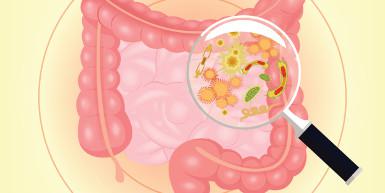
The intestinal tract is home to a diverse community of microbes that are beneficial to human health (Source: NIH).
2. Mediation of Immune Response
Research on how probiotics affect the gut microbiome and the resulting host immune response is still in the early stages. However, findings suggest that intestinal microorganisms can play a protective role in the immune system. This makes sense from an evolutionary perspective. Like parasites, these microbes that have evolved with us over time could be mediating our immune response through changes in gene expression and complex signaling pathways that involve intestinal epithelial cells. A recent review article describes the roles of probiotic microorganisms in modulating the release of proinflammatory cytokines. In-vitro studies suggest that when there is a larger presence of “good bacteria”, fewer inflammatory markers are present.
Why is this important for flea-and tick-borne diseases?
Chronic flea- and tick-borne bacterial infections are often treated using single or combinations of broad-spectrum antibiotics. These medications effectively destroy target pathogens, but they also eliminate beneficial bacteria inhabiting the gut at the same time. When this takes place over a long period of time, it can be difficult for the microbial populations to repopulate and stabilize without intervention. Probiotics can serve as the intervention needed for patients experiencing unwanted treatment effects such as antibiotic-associated gastrointestinal distress. There is conflicting evidence from studies over the past 10 years, but the consensus seems to be that Lactobacillus, Bifidobacterium, and Saccharomyces species may be especially helpful for patients in the recovery phase following antibiotic therapy. Experts recommend using probiotic preparations where efficacy is supported with good published data.
Furthermore, a significant aspect of understanding why symptoms of flea- and tick-borne diseases vary greatly between patients is the host immune response. Bartonellosis has been shown to cause immunological dysfunction in case studies, and Lyme borreliosis can lead to persistent immune system effects even after treatment. If human clinical studies can show that probiotics positively influence the immune system via gut microbe-immune interactions, probiotic supplementation may be a way of treating some of the immune issues associated with chronic flea- and tick-borne illness.
How are these products regulated in the United States?
In the US, probiotics are generally sold as food supplements and thus are regulated by the US Food and Drug Administration (FDA) Center for Food Safety and Applied Nutrition. Products made from foods labeled “generally regarded as safe” (GRAS) by the FDA and following current good manufacturing processes (cGMP) can be sold after pre-market notification.
One limitation to this regulatory pathway, however, is that these probiotics have not been evaluated by the FDA for efficacy and cannot make specific medical claims. This regulatory process allows patients to have greater access to a variety of products but makes it difficult for clinicians to understand exactly how and if probiotics are therapeutic across different patient populations.
The FDA has taken steps to develop a process by which probiotics may be developed as pharmaceuticals. In 2016, the agency released a guidance document on early clinical trials. It has also developed technology to test probiotics for contaminants.
Safety developments are important. For example, in a fecal transplant, instead of growing one or limited species as is done with a probiotic, an entire intestinal microbiome is transplanted. In early 2019, several patients became sick and one died after receiving experimental fecal transplant material that contained antibiotic-resistant E. coli. Following this event, the FDA added more safety requirements for fecal transplants.
Although fecal transplants are far more complex than current probiotic treatments, these regulations move the development of safety standards and processes forward. And research is moving forward in a big way – Cancer Research UK just put $25 million into microbiome research, increasing funding on just three projects specific to cancer to $75 million. As projects like these increase understanding about how microbes work together, future complex treatments can be imagined, and safety regulations are rushing to keep up.
Conclusion
Probiotics are often a go-to supplement for patients on long-term antibiotics. They are well known for relieving antibiotic-associated gastrointestinal distress, but recent studies indicate they could have additional immune-modulating effects. Additional research is needed to fully understand how probiotics influence the immune system and what this means for patients managing chronic infections. Current products on the market include one or limited species, but future products may be more complex as more is understood about how these microbes work together.
United States Food and Drug Administration. (2016). Early clinical trials with live biotherapeutic products: Chemistry, manufacturing, and control information. Retrieved from: https://www.fda.gov/media/82945/download
Noce, A. et al. (2019). Impact of gut microbiota composition on onset and progression of chronic non-communicable diseases. Nutrients, 11(5), E1073. doi:10.3390/nu11051073 https://www.ncbi.nlm.nih.gov/pubmed/31091761
Harris, V. C. et al. (2017). The intestinal microbiome in infectious diseases: The clinical relevance of a rapidly emerging field. Open Forum Infectious Diseases, 4(3), ofx144. doi:10.1093/ofid/ofx144 https://www.ncbi.nlm.nih.gov/pmc/articles/PMC5570093/
Zhang, C-X et al. (2019). Interactions between intestinal microflora/probiotics and the immune system. BioMed Research International, 2019, 6764919. doi:10.1155/2019/6764919 https://www.ncbi.nlm.nih.gov/pmc/articles/PMC6886316/
Issa, I., & Moucari, R. (2014). Probiotics for antibiotic-associated diarrhea: Do we have a verdict? World Journal of Gastroenterology, 20(47), 17788-17795. doi:10.3748/wjg.v20.i47.17788 https://www.ncbi.nlm.nih.gov/pmc/articles/PMC4273129/
Maritsi, D. N. et al. (2013). Bartonella henselae infection: An uncommon mimicker of autoimmune disease. Case Reports in Pediatrics, 2013, 726826. doi:10.1155/2013/726826 https://www.ncbi.nlm.nih.gov/pmc/articles/PMC3562603/
Wilkins, T. W., & Sequoia, J. (2017). Probiotics for gastrointestinal conditions: A summary of the evidence. American Family Physician, 96(3), 170-178. https://www.aafp.org/afp/2017/0801/p170.html
Govender, M. et al. (2013). A review of the advancements in probiotic delivery: Conventional vs. non-conventional formulations for intestinal flora supplementation. AAPS PharmSciTech, 15(1), 29-43. doi:10.1208/s12249-013-0027-1 https://www.ncbi.nlm.nih.gov/pmc/articles/PMC3909163/
https://madisonarealymesupportgroup.com/2018/01/03/the-invisible-universe-of-the-human-microbiome-msm/Recitas, author of “The Plan,” calls MSM the wonder supplement for your gut. It can alleviate allergy symptoms, helps with detoxification, eliminates free radicals, and improves cell permeability. She states that with given time, MSM will start to actually repair damage caused by leaky gut – a common problem with Lyme/MSIDS patients. It can also help the body’s ability to absorb nutrients from food. Many Lyme patients struggle with paralysis of the gut where the muscles of the stomach and intestines stop being efficient. MSM helps this muscle tone as well.
WHAT IS BRAIN FOG, EXACTLY? WHAT DOES IT FEEL LIKE? WHAT CAN A PATIENT DO TO GET RID OF IT?
Writing a weekly blog post is a thrilling and rewarding process. I love connecting with readers like me over various aspects of living with tick-borne illness, and I’m grateful to be able to share my story. I’m also thankful to have the physical ability to write on a tight deadline, which I haven’t always been able to do. In my worst days of fighting Lyme disease and two of its co-infections babesia and Ehrlichia, I couldn’t write at all. This was in part due to the achiness of my joints, but mostly, it was due to brain fog.
So what is brain fog, exactly? What does it feel like? What can a patient do to get rid of it? Now that I have greater neurological clarity, I can offer some information and tips on what I’ve learned about this frustrating symptom.
What is brain fog?
Lyme is an inflammatory disease. When Lyme pathogens in the form of spirochetes cross the blood-brain barrier, inflammation occurs in the central nervous system. “Common neurocognitive problems include poor memory, slower speed of thinking, difficulty with retrieval of words, and impaired fine motor control,” writes Brian A. Fallon, MD and Jennifer Sotsky, MD, in their book Conquering Lyme Disease: Science Bridges the Great Divide. “The slower mental processing speed contributes to the patient’s experience of ‘brain fog,’”[i]
A Johns Hopkins study published in the Journal of Neuroinflammation showed that scans done on 12 patients with Post-Treatment Lyme Disease Syndrome (PTLDS) all showed a chemical marker for brain inflammation, compared with 19 healthy controls. In an article published by Hopkins Medicine, Dr. John Aucott, Director of the Johns Hopkins Lyme Disease Research Center said: “What this study does is provide evidence that the brain fog in patients with [PTLDS] has a physiological basis and [that it] isn’t just psychosomatic or related to depression or anxiety.”[ii]
A patient with brain fog can experience delayed response times, making it difficult for them to write clearly or comprehend text or conversation. As Drs. Fallon and Sotsky explain, “Patients may have difficulty reading and find that when they move on to the next paragraph, they have forgotten what they [just]read before….Patients may have spatial disorientation such that familiar routes become suddenly difficult to navigate or appear unfamiliar… [Or] patients may have new on-set dyslexic changes, reversing numbers or letters when writing or words and phrases when speaking. They may confuse left and right and may find themselves making verbal errors that are uncharacteristic of them.…Other examples of cognitive errors might include placing the cereal box in the refrigerator or asking one’s spouse to please put the milk back in the radiator.”i
What does brain fog feel like?
During a relapse of my tick-borne illnesses, I had a brain scan done that showed this precise type of inflammation, which made for a lack of oxygen to the left side of my brain. What did those symptoms actually feel like inside my head? In my post, Living With Lyme Brain, I likened brain fog to thick molasses that slowly pours into all the crevices of your brain, until it feels so full that it might explode out of your skull. When I was at my sickest, I felt this fog all the time and wished I could open a spigot to relieve the pressure.
As I got better, my brain fog dissipated, but it still returns from time to time. It can come on slowly, like mist settling over a valley, and can then build into an impenetrable cloud. I get it when I’m neurologically over stimulated: after watching a fast-paced TV show, while hearing loud music, or after reading for too long. “Too long” is defined differently for every patient; at my lowest points, one sentence was hard to comprehend. Eventually, I could read a short article in a light entertainment magazine. Now I can read a whole book, but I still need to pace it out, chapter by chapter.
If I read for too long, I feel pressure start to build, beginning at the base of my cranium and then spreading up over my eyes. Once my head gets full, I struggle to find the right vocabulary, and sometimes I invert my word order. When the brain fog builds to this intense point, it causes me to be very tired. A graduate school professor once joked, “Sometimes, without warning, Jen runs out of steam.” He was right. Suddenly, my eyes would glaze over and I’d zone out.
Sometimes brain fog comes on not from neurological overstimulation but from physical fatigue. When I exercise for too long, or push myself too hard before an afternoon nap, I feel brain fog come on even if I haven’t been doing anything intellectual.
Once I hit this level of fatigue, it becomes hard for me to think clearly. This doesn’t just mean losing the ability to read a book or grade a student’s essay. I get recurring thoughts and feel sensitive and sad. I ask myself, am I actually feeling upset about a situation, or am I just experiencing brain fog?
What I do about brain fog
Once I’ve determined I’m experiencing brain fog, here’s what has helped the most to alleviate it:
Antibiotics: To alleviate the symptom of brain fog, you have to eliminate the cause: spirochetes. Lyme is a bacterial infection that needs to be treated with antibiotic therapy. My brain fog did not get better until I’d been on enough antibiotic therapy to really get at the spirochetes in my brain. Due to Herxheimer reactions, the brain fog actually got worse before it got better, but long-term antibiotic therapy eventually cleared up my infection enough to check the inflammation in my brain. The appropriate antibiotic protocol, and length of treatment, is different for every patient. What worked for me might not work for you, so it would not help you to learn about my specific protocol. Please discuss your symptoms and treatment with a Lyme Literate Medical Doctor (LLMD).
Anti-inflammatory medication: My LLMD put me on an anti-inflammatory medication that worked in conjunction with my antibiotic to get across the blood-brain barrier. This was a prescription medication, different than over-the-counter anti-inflammatory pills.
Herbal/nutritional supplements: Certain supplements such as essential fatty acids can help reduce inflammation in the brain. Talk with your LLMD about which supplements would be best for you.
Anti-inflammatory diet: For me, it helped to eliminate sugar and gluten from my diet. For others, it also helps to eliminate dairy. Some foods like certain green vegetables, nuts, lemon, ginger, and blueberries are known to have anti-inflammatory properties.
Water: The more you can flush your system, the faster you will eliminate live and dead Lyme bacteria (just be sure to keep your electrolytes balanced; I do so with electrolyte-infused water).
Time limits: To stop my brain fog before it starts, I impose time limits on my screen and reading time. Even if I’m feeling okay after an hour of watching TV, I make myself take a break, so that the fog doesn’t suddenly come rolling in.
Rest: These days, the very best thing I can do when my brain fog flares is rest, rest, rest. This means sleep, but it also means just having some quiet down time lying on the couch or going for a short walk. Many people think of reading or watching TV as resting, but for a patient with neurological Lyme disease, that is not the case. We need quiet, calm activities like coloring, baths, or soft instrumental music. The idea is to shut your brain off—to get away from screens, noises, and other stimuli.
Brain fog can be overwhelming. When you’re experiencing it, you might feel like the pressure in your head will never go away. With time, rest, and proper treatment, though, the fog eventually lifts so you can enjoy clearer skies.
[i] Fallon, Brian A. and Sotsky, Jennifer. Conquering Lyme Disease: Science Bridges the Great Divide. New York: Columbia University Press, 2018 (52, 314).
Jennifer Crystal is a writer and educator in Boston. Her memoir about her medical journey is forthcoming. Contact her at lymewarriorjennifercrystal@gmail.com.
FROM HEARTBURN and bloating to sensitivity to certain foods or irregular bowel movements, digestive problems can manifest in myriad ways. Health supplements, such as digestive bitters, probiotics or enzyme supplements, can offer relief….(See link for full article)
___________________
**Comment**
This article was written by Katy Wallace of Human Nature LLC. She is a doctor of Naturopathy and is in Madison, WI. Read more about her here: https://humannaturellc.com/pages/about