fulltext_chronicdiseases-v4-id1025 Published: May 03, 2017 Stricker RB and Fesler MC. Chronic Lyme Disease: A Working Case Definition. Chronic Dis Int. 2017; 4(1): 1025.
Abstract
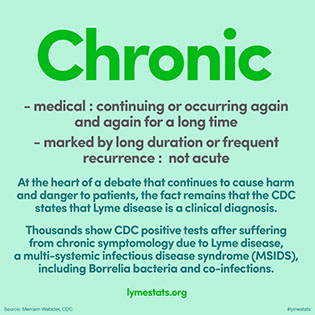
Although Lyme disease is the most common tickborne illness in the USA and Eurasia, the pathophysiology and clinical course of chronic Lyme disease (CLD) have not been formally defined. The purpose of this paper is to present a working case definition of CLD based on analysis of more than 700 peerreviewed publications. According to this definition, CLD is a multisystem illness with diverse musculoskeletal, neuropsychiatric and/or cardiovascular manifestations that result from ongoing infection with pathogenic members of the Borrelia spirochete complex often associated with other tickborne disease (TBD) pathogens. To qualify for the diagnosis of CLD, patients must have Lyme compatible symptoms and signs that are either consistently or variably present for six or more months. Two subcategories of CLD include untreated chronic Lyme disease (CLD-U) and chronic Lyme disease following a limited course of antibiotic treatment (CLD-T). The symptom patterns and optimal therapy of CLD require further study. ______________________________________________________________________
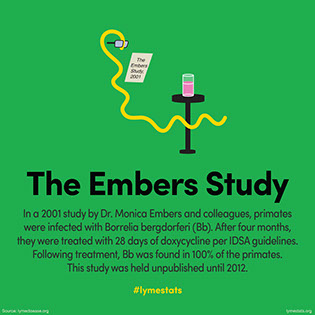
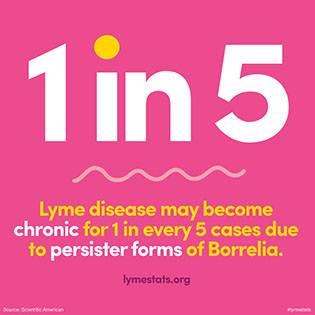
While a relatively short course of appropriately directed antimicrobials may be adequate for individuals who are treated early in the Lyme disease process, treatment is frequently not curative, raising the possibility of TBD pathogen survival [88-96]. Persistent TBD infection in animals and humans involves potential roles for multiple mechanisms: (1) Immune evasion via physical seclusion of pathogens within immunologically protected tissue sites such as the central nervous system, joints, eyes, connective tissue and genital tract [88-96]. (2) Alterations in Outer surface protein (Osp) profiles of pathogens through antigenic variation [95-99] and alteration in pathogen morphology (including cell-wall deficient forms, spherocytes, round bodies and biofilm aggregates) [100-107]. (3) Immune modulation via complement interference, neutrophil and dendritic cell dysfunction and cytokine/chemokine alterations [108-115]. (4) Generation of antibiotic-tolerant “persister cells” in some pathogen populations [116-118].
Clinical Manifestations of CLD Lyme disease is a multisystem illness that is often referred to as the “new great imitator” due to the diversity of its clinical manifestations that are reminiscent of syphilis [119-123]. The wide spectrum of clinical features can range from an EM rash to severe arthritis, carditis or neuropsychiatric symptoms [4,5]. Another clinical feature often associated with this condition is the Jarisch- Herxheimer reaction whereby symptoms increase after exposure to antimicrobials [124-131]. This is a phenomenon associated with the treatment of spirochetal diseases such as syphilis, louseborne relapsing fever, leptospirosis and Lyme disease [124-131]. Recent studies suggest that the Jarisch-Herxheimer reaction is triggered by rapid uptake of damaged spirochetes by neutrophils and mononuclear cells with release of lipoproteins and pyrogens that increase inflammatory cytokines [131]. To date, the complete mechanism of this phenomenon remains undefined. Since clinical features of Lyme disease may change following exposure to antimicrobials, we have proposed two categories for this working case definition of CLD, as outlined above.
**For CLD-U, the natural course without antimicrobial intervention has been described by Steere et al. in the USA [19,132]. Prior to recognition of the importance of antimicrobial therapy, untreated patients with EM rash displayed the following clinical characteristics over six years of follow-up: 62% developed intermittent or persistent arthritis; 18% developed arthralgias; 11% developed neurologic abnormalities; 4% developed cardiac complications; 33% developed fatigue; and 33% developed other symptoms and signs including headache, stiff neck, morning stiffness, myalgias and abdominal pain [132]. Further characteristics of CLD-U patients have been described by Wormser et al. in the 2006 IDSA Lyme guidelines [4]. Based on clinical diagnosis with serological confirmation using CDC surveillance criteria, later stages of Lyme disease may feature prominent multisystem symptoms and signs as described above [1,4,5].
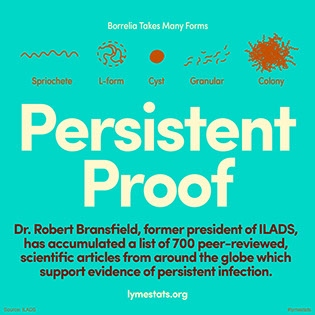
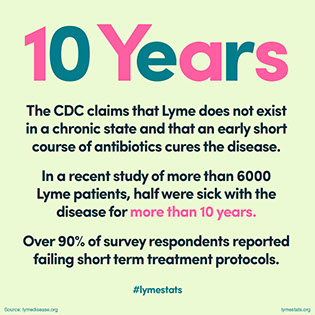
**In contrast to CLD-U, CLD-T is a term used to describe individuals who have been treated for TBDs with a limited course of antibiotics (generally < four weeks) and within six months develop persistent or recurrent and functionally significant fatigue, musculoskeletal pain, cardiovascular disease and/or neuropsychiatric dysfunction that persists for six months or more [133,134]. CLD-T acknowledges the extensive published evidence for persistent TBD infection despite a limited course of antibiotic therapy. In contrast, the research case definition for PTLDS proposed by IDSA includes the following statement: “There is no convincing biologic evidence for the existence of symptomatic chronic B. burgdorferi infection among patients after receipt of recommended treatment regimens for Lyme disease” [4]. Based on animal models and human studies, however, we propose that treatment with limited antibiotic regimens may not consistently clear the infection, and we have provided evidence to support potential mechanisms by which this persistent infection occurs (see above). Thus Lyme patients who remain symptomatic following a limited course of antibiotic therapy likely have an ongoing, active TBD infection similar to CLD-U patients. We characterize this group as having CLD-T. Other conditions that can mimic the clinical presentation of CLD must be ruled out. However, the diagnosis of “idiopathic” conditions such as multiple sclerosis, motor neuron disease, fibromyalgia or chronic fatigue syndrome is insufficient to rule out the presence of CLD. We analyzed more than 700 peer-reviewed publications featuring symptoms and signs associated with both forms of CLD from a MEDLINE search (Appendix A). From this list, we chose 16 studies that describe symptoms and signs in patients with CLD-U and 13 studies that describe symptoms and signs in patients with CLD-T (Appendix B). In these 29 studies, persistent Bb infection was documented by culture, PCR and/or microscopy, while other studies without this stringent documentation were excluded. The symptom profiles in patients with persistent Bb infection are indicative of the protean manifestations of CLD. In our representative sample, patients with CLD-U appeared to have relatively more musculoskeletal and cardiovascular symptoms and signs, while patients with CLD-T appeared to have relatively more neuropsychiatric symptoms and signs (Tables 1 and 2). The broader pathology in untreated patients versus more restricted pathology following limited treatment is reminiscent of the immunopathology patterns in untreated versus initially-treated syphilis [134]. To date, however, the number of studies with stringent documentation of persistent Bb infection is too small to draw definitive conclusions about patterns of symptoms and signs in CLD patients. Further comparison of symptom profiles associated with the two forms of CLD is warranted.
Co-Infections
In both categories of persistent Bb infection, the presence of of other TBD pathogens may complicate the diagnosis and treatment of Lyme disease. Ixodes ticks are known to carry more than 237 types of bacteria and at least 26 viruses [136,137]. Some of these organisms, frequently referred to as co-infections, may alter the manifestations of Lyme disease and make it more difficult to eradicate the spirochete. The interplay of other infectious agents with Bb may complicate the clinical presentation of Lyme disease and prolong the duration of infection, as noted in animal models [145-147].
Functional Impact of CLD
A community-based study of CLD patients found that the Quality of Life (QoL) of these patients was the same or worse compared to that of individuals with depression, diabetes, heart disease, osteoarthritis and rheumatoid arthritis [148]. Using a CDC metric of health-related QoL, a second survey of more than 5,000 respondents with CLD supported this analysis, revealing that 71.6% rated their health as fair or poor. The functionality scores of CLD patients were worse than those of other chronic diseases including congestive heart failure, fibromyalgia, post-stroke syndrome, post-myocardial infarction, diabetes and multiple sclerosis [149]. Further support for the adverse health impact of CLD was recently provided by Adrion et al [150]. Based on retrospective data from medical claims over five years in the USA, 52,795 individuals treated for Lyme disease were compared to 263,975 matched controls with no evidence of TBDs. The study found that as many as 63% of treated Lyme disease patients had persistent symptoms of CLD, and that Lyme disease was associated with $2,968 higher total health care costs (95% CI: $2,807- $3,128, p<0.001) and 87% more outpatient doctor visits (95% CI: 86%-89%, p<0.001) over a 12 month period compared to TBD-negative controls [150,151]. A more recent study from the Netherlands found that the annual cost of treatment for CLD was €5700 (about $6300) per patient or a total of €19.3 million ($21 million) per year in that country [152].
We recognize that there may be other contributing and at times independent causes for persistent symptoms in CLD patients. In essence, not all patients who remain symptomatic after being treated for Lyme disease suffer from an active, ongoing infection. Proposed mechanisms of persistent symptoms include immune dysregulation of various types, tissue injury, infection-induced secondary conditions and unrelated diseases [153,154]. Based on the clinical evidence, however, we assert that a potentially large number of individuals with CLD are adversely impacted by persistent TBD infection associated with significant functional limitations and financial burdens [148- 151]. We hope that technological advances in the characterization of ongoing TBD infection will improve our ability to deal with this condition.
Clinical Judgment
Until technological advances provide reliably sensitive and specific diagnostics, some patients will continue to have a diagnosis that remains unclear. Under these circumstances, the value of clinical judgment will remain an important component in treating these individuals. According to the American Medical Association Code of Medical Ethics, the primary responsibilities of clinical medicine are to alleviate patient suffering and prevent disease [155]. As previously described by Johnson et al [149] and Cameron et al [156,157]. patients with CLD are often quite ill, and physicians are charged with finding balanced and effective management strategies for such patients. Uncertainty about a CLD diagnosis may confound clinical decision making, but clinical uncertainty should not exclude that diagnosis. This process involves both inclusionary and exclusionary criteria. Patient care is dynamic, and clinical judgment requires vigilance in assessing clinical outcomes. As described by Kienle and Kiene, “Clinical judgment is a central element of the medical profession, essential for the performance of the doctor” [158]. Thus given the current absence of a “gold standard” test for Lyme disease, it is essential that healthcare providers should consider this condition if symptoms and/or clinical signs occur in patients with a history consistent with CLD, as summarized in the guidelines of the International Lyme and Associated Diseases Society (ILADS) [5].
**Please see link for Table 3 which outlines the proposed diagnostic criteria for CLD.
Conclusions
This is the first study that provides a working case definition of chronic Lyme disease (CLD) and its subcategories. We propose that CLD is the result of persistent, active infection by pathogenic members of the Borrelia spirochete complex often associated with other TBD pathogens. Infection with these organisms produces a wide array of symptoms and signs that may be expressed in a given individual during the course of the chronic illness [5,122]. Whether due to delayed diagnosis (CLD-U) or as a result of persistence after a limited course of antibiotic treatment (CLD-T), these symptoms and signs may fluctuate but are required to have cumulatively persisted for at least six months.
At this time, clinically available diagnostic testing does not consistently allow for identification of the pathogen(s) affecting individuals with CLD. As such, a hallmark feature of our working case definition is reliance on clinical judgment. This process includes the use of supportive diagnostics, but it does not require laboratory confirmation in light of present technological limitations of TBD testing. We recognize that as diagnostic testing evolves, the ability to define this entity should improve.
We also recognize that other diagnoses may be responsible for symptoms and signs that are similar to CLD and need to be considered in CLD patients. We hope that this outline will provide the clinician with a framework to weigh management options for these often significantly debilitated patients. We also hope to provide additional impetus for public policy to recognize the growing risk of the Lyme disease epidemic. Lastly, we encourage researchers to use the proposed definition of CLD to improve laboratory methodology for identifying patients with this condition, and to facilitate the development of new treatment options for CLD patients.
** See Link for references.