Archive for the ‘research’ Category

Tick Control Program Reveals High Level of Infection in White-Footed Mice

http://www.pctonline.com/article/tick-usda-mice-infection/

Tick Control Program Reveals High Level of Infection in White-Footed Mice

Tick Control Program Reveals High Level of Infection in White-Footed Mice

A USDA study found a high rate of white-footed mice infected with Borrelia burgdorferi, the bacteria that causes Lyme disease.

 April 26, 2018

ELLICOTT CITY, Md. — A surprisingly high percent of the white-footed mice collected last summer in Howard County, Md, in an Agricultural Research Service (ARS) Areawide Integrated Tick Management Project turned out to be infected with the bacteria that cause Lyme disease.

The area-wide project in Maryland is mainly a partnership with Howard County Department of Recreation & Parks (HCRP) and University of Maryland. Other collaborators on the project include Pennsylvania State University, Centers for Disease Control and Prevention (CDC), U.S. Army Public Health Center and University of Massachusetts.

The high rate of white-footed mice infected with Borrelia burgdorferi, the bacteria that cause Lyme disease, in Howard County — just over 50 percent of captured mice —was a little surprising to ARS project leader Andrew Li.

What was more surprising, according to Li, was that collaborators doing analogous sampling of mice in New Haven County, Conn., found an unusually low rate of infection of about 35 percent in 2017. More commonly, white-footed mice in Connecticut have infection rates as high as 80 percent

Lyme disease was first recognized as an illness in 1975 in Lyme, Connecticut, in New London County, two counties to the east. Today, about 95 percent of confirmed Lyme disease cases occur in 14 New England, Mid-Atlantic and Midwest states, according to the CDC.

Now, the tick study team is putting out brick-sized black bait boxes in which white-footed mice will treat themselves to kill immature ticks. Mice are lured into the boxes with an attractive food bait. As they move through the box, the mice brush against a wick that applies a tiny amount of the pesticide fipronil, which kills the ticks but does not harm the mice.

Use of the bait boxes is the next phase of a five-year project launched in January 2017 to evaluate several methods of tick control to develop an environmentally sensitive, effective and easily managed control package for suburban areas.

“Our goal is to identify an effective way to reduce tick populations and the associated spread of Lyme disease and other tick-borne illnesses, especially in suburban areas,” said project leader Andrew Li. Li is an entomologist with the ARS Invasive Insect Biocontrol & Behavior Laboratory in Beltsville, Md. “We want to identify vulnerable points in the lifecycle of the tick, so we can have the greatest impact for the least effort.”

Other control methods being tested, individually and in combination, include the bait boxes, ARS-patented “4-poster” deer treatment feeders, and a bioinsecticide spray Met52. 

Mouse bait boxes are being placed near residential backyards adjacent to Blandair, Cedar Lane, Rockburn Branch and Wincopin Trail Parks, and the David Force Natural Resource and Middle Patuxent Environmental Areas in Howard County. Where Met 52 is used, it will be sprayed 3 feet on each side of the border between a residential backyard and the open park area at selected study sites.

This spring, the project also is repeating a mouse collaring effort that began last fall so individual white-footed mice can be tracked to see if the bait boxes change how the mice behave.

“Lyme disease and other tick-borne diseases significantly impact the quality of our lives here in Howard County. Learning ways to reduce the risk of infection by reducing the number of ticks in our parks and neighborhoods would be a tremendous benefit to the public,” said HCRP Deer Project manager Phil Norman of the Department of Recreation and Parks.

The Agricultural Research Service is the U.S. Department of Agriculture’s chief scientific in-house research agency. Daily, ARS focuses on solutions to agricultural problems affecting America. Each dollar invested in agricultural research results in $20 of economic impact.

 

EBV Protein Can Turn-on Genes for Autoimmune Diseases

https://www.nih.gov/news-events/news-releases/epstein-barr-virus-protein-can-switch-risk-genes-autoimmune-diseases

Monday, April 16, 2018

Epstein-Barr virus protein can “switch on” risk genes for autoimmune diseases

EBV may trigger some cases of lupus, say NIH-supported researchers.

Infection with Epstein-Barr virus (EBV), the cause of infectious mononucleosis, has been associated with subsequent development of systemic lupus erythematosus and other chronic autoimmune illnesses, but the mechanisms behind this association have been unclear. Now, a novel computational method shows that a viral protein found in EBV-infected human cells may activate genes associated with increased risk for autoimmunity. Scientists supported by the National Institute of Allergy and Infectious Diseases report their findings today in Nature Genetics.

“Many cases of autoimmune illness are difficult to treat and can result in debilitating symptoms. Studies like this are allowing us to untangle environmental and genetic factors that may cause the body’s immune system to attack its own tissues,” said NIAID Director Anthony S. Fauci, M.D.  “A better understanding of the complex causes of autoimmunity promises to lead to better treatment and prevention options.”

EBV infection is nearly ubiquitous in the human population worldwide. Most people acquire EBV in early childhood, experience no symptoms or only a brief, mild cold-like illness, and remain infected throughout their lives while remaining asymptomatic. When infection first occurs in adolescence or young adulthood, EBV can lead to a syndrome of infectious mononucleosis characterized by prolonged fever, sore throat, swollen lymph nodes and fatigue.  This syndrome, also known as “mono” or the “kissing disease,” generally resolves with rest and only rarely causes serious complications.

When EBV infects human immune cells, a protein produced by the virus — EBNA2 — recruits human proteins called transcription factors to bind to regions of both the EBV genome and the cell’s own genome. Together, EBNA2 and the human transcription factors change the expression of neighboring viral genes.

In the current study, the researchers found that EBNA2 and its related transcription factors activate some of the human genes associated with the risk for lupus and several other autoimmune diseases, including multiple sclerosis, rheumatoid arthritis, inflammatory bowel disease, type 1 diabetes, juvenile idiopathic arthritis and celiac disease.

Previous studies suggested that EBV infection may result in autoimmune diseases, particularly lupus.  In the current work, researchers led by John B. Harley, M.D., Ph.D., director of the Center for Autoimmune Genomics and Etiology (CAGE) at Cincinnati Children’s Hospital Medical Center, with his colleagues Matthew T. Weirauch, Ph.D., and Leah C. Kottyan, Ph.D., also of CAGE, wondered whether genetic analysis could further explain the relationship between EBV infection and lupus. Their team developed a new computational and biochemical technique known as the Regulatory Element Locus Intersection algorithm, or RELI. Sifting through and comparing a large collection of genetic and protein data from healthy individuals and those with autoimmune diseases, the team used RELI to identify regulatory regions in genes associated with the risk of developing lupus that also bound EBNA2 and its related transcription factors.

“We were surprised to see that nearly half of the locations on the human genome known to contribute to lupus risk were also binding sites for EBNA2,” said Dr. Harley. “These findings suggest that EBV infection in cells can actually drive the activation of these genes and contribute to an individual’s risk of developing the disease.”

In follow-up analyses, the investigators used RELI to probe regulatory genes associated with other autoimmune diseases and found that EBNA2 bound to genes associated with the risk for multiple sclerosis, rheumatoid arthritis, inflammatory bowel disease, type 1 diabetes, juvenile idiopathic arthritis and celiac disease.

“Because EBV is most often encountered in early childhood, avoiding infection is practically impossible,” said Daniel Rotrosen, M.D., director of the Division of Allergy, Immunology and Transplantation at NIAID. “However, now that we understand how EBV infection may contribute to autoimmune diseases in some people, researchers may be able to develop therapies that interrupt or reverse this process.”

Researchers note that EBV infection is not the only factor that contributes to the development of the seven autoimmune conditions discussed in the paper. Many of the regulatory genes that contribute to lupus and other autoimmune disorders did not interact with EBNA2, and some individuals with activated regulatory genes associated with disease risk do not develop disease.

NIAID conducts and supports research — at NIH, throughout the United States, and worldwide — to study the causes of infectious and immune-mediated diseases, and to develop better means of preventing, diagnosing and treating these illnesses. News releases, fact sheets and other NIAID-related materials are available on the NIAID website.

About the National Institutes of Health (NIH): NIH, the nation’s medical research agency, includes 27 Institutes and Centers and is a component of the U.S. Department of Health and Human Services. NIH is the primary federal agency conducting and supporting basic, clinical, and translational medical research, and is investigating the causes, treatments, and cures for both common and rare diseases. For more information about NIH and its programs, visit www.nih.gov.

NIH…Turning Discovery Into Health®

Reference

J Harley, et al. Transcription factors operate across disease loci, with EBNA2 implicated in immunity. Nature Genetics DOI: 10.1038/s41588-018-0102-3 (2018).

______________

**Comment**

Folks with Lyme/MSIDS have been misdiagnosed with EBV:  https://madisonarealymesupportgroup.com/2017/04/11/diagnosed-with-ebv-had-lyme/ and others have it as well as tick-borne infections.  The involvement with numerous viruses is quite common in patients as well.  https://madisonarealymesupportgroup.com/2016/03/28/combating-viruses/

https://madisonarealymesupportgroup.com/2017/07/14/another-dies-from-powassan/

https://madisonarealymesupportgroup.com/2018/04/08/novel-viruses-found-in-lone-star-american-dog-black-legged-ticks/

https://madisonarealymesupportgroup.com/2018/04/21/neurological-lyme-disease-what-you-need-to-know/  “Once microbes start becoming active, inflammation increases and immune functions are further compromised, establishing what I call Chronic Immune Dysfunction (CID). In its weakened state, the immune system allows reactivation of viruses such as Epstein Barr virus (EBV), Cytomegalovirus (CMV), and other similar viruses — all of which most people harbor in their tissues. These viruses are commonly associated with neuroinflammation, and they tend to complicate the picture of LNB.”

https://madisonarealymesupportgroup.com/2017/11/04/24514/  EBV a Key Player in Chronic Illness & Tips to Treat Reactivated EBV.


Can Infectious Disease Physicians Help Prevent Violence?

http://www.contagionlive.com/news/can-infectious-disease-physicians-help-prevent-violence

Can Infectious Disease Physicians Help Prevent Violence?

APR 17, 2018 | ROBERT C BRANSFIELD, MD, DLFAPA
Robert Bransfield, MD, DLFAPA
About 1.6 million individuals die from violence each year on a global scale; in fact, more Americans have died from gunshot wounds in the past 50 years than have died from all wars combined since the American Revolution.

Where peace has been shown to correlate strongly with education, health, economic opportunity and a lower prevalence of infectious disease, the world is currently struggling with a long-term epidemic of violence. As new high-velocity bullets increase the severity of trauma seen with gunshot wounds, there is a growing concern that weapon technology may be more advanced than the scientific capacity to understand and prevent the violence they contribute to.

Although violence occurs on a daily basis, it periodically makes media headlines, especially when it comes to mass shootings, which often lead to a worldwide debate focused on 2 major elements: gun control and mental illness. Gun owners strongly defend their right to own guns, while mental health organizations state that the vast majority with mental illnesses are not violent and should not be unfairly stigmatized. However, the formula to explain violence is much more complex than guns and mental illness.

We need to methodically understand all contributors, deterrents, and acute triggers to violence in the same way in which we study airplane crashes and perform hospital quality assurance. Some of the contributors to violence that are well-recognized include the following: homelessness, social isolation, being single, living alone, gang membership, low education, unemployment, incarceration, a history of violent behavior or a fascination with weapons, having had been a victim of violence and/or exposure to violence. Others can include having opposed religious, political, ethnic or lifestyle beliefs; gender or genes (monoamine oxidase A, catechol-O-methyltransferase, serotonin transporter gene, FK506 binding protein s, XYY); and/or grudge holding.

There are also several psychiatric disorders and diagnoses that can make individuals more prone to violence, these can include: child conduct disorder, intermittent explosive disorder, narcissistic personality disorder, antisocial personality disorder, psychopathy, bipolar illness, depression, social communication disorder, among other conditions. Treatment nonadherence, substance abuse, intoxication, toxicity, among others also make the list.

On the other hand, just as there are contributors to violence, there are also deterrents, which are just as important to understand. These deterrents can include empathy, frustration tolerance, restraint capabilities, a higher education, strong coping skills, supportive relationships, social connections, ethical and/or religious beliefs, access to psychiatric and medical care, as well as social structure.

Triggering events can include acute stress, apperception of threat, jealousy, obsession, psychotic delusions, post-traumatic flashbacks, hopelessness, competition, exposure to violence, traumatic brain injury, unintentional injury, being suicidal, self-harm, impairment from substance use, intoxication, and losing a parent.

Notable among these contributors to violence are impairments caused by a number of past and present infections resulting in immune processes associated with certain types of brain dysfunction. There is a long history of infectious diseases associated with and following warfare. Many infections during and after WWI may have resulted in residual neuropsychiatric impairments in those who had been infected; these impairments associated with violence in the general population and leaders could have been one of the many contributors to WWII. It is also possible that current war zones endemic to violence may follow a similar pattern in which there is a repetitive cycle of infection, brain impairments contributory to violence, and resulting violence.

My most recent article; Aggression, Violence, Homicidality, Homicide and Lyme Disease is a follow-up to a prior article on suicide and Lyme and associated diseases in which I found 68% of late-stage Lyme disease patients had some form of aggressiveness and 11% of these patients, as well as 26% of the suicidal Lyme patients, were also homicidal.

In the current article, I first provide a basic background and formula to analyze violence and then apply this formula to a statistical analysis of patients with Lyme disease. When applying this formula to Lyme disease, the impairments caused by Lyme disease contributing to homicidal risk within the 95% confidence interval included suicidality, sudden abrupt mood swings, explosive anger, paranoia, anhedonia, hypervigilance, exaggerated startle, disinhibition, nightmares, depersonalization, intrusive aggressive images, dissociative episodes, de-realization, intrusive sexual images, marital/family problems, legal problems, substance abuse, depression, panic disorder, memory impairments, neuropathy, cranial nerve symptoms, and decreased libido. Most aggression in these patients was associated with poor impulse control, sometimes triggered by intrusive images, thoughts, and emotions; sound or other stimulation and frustration, and the resulting aggression was invariably bizarre and senseless. In a past interview, I spoke with Contagion® about this topic.

Cross-disciplinary bridges need to be built and maintained between psychiatrists, infectious disease physicians, psychoimmunologists, and neuroscientists to better understand and prevent tragedies in order to save lives. We need to keep current with fields outside of our specialty and avoid silo mentality. If physicians do not keep up with advances in psychiatry and are inattentive to cognitive and psychiatric symptoms in their patients with infectious diseases, they are in danger of misclassifying these symptoms as being “subjective, non-specific, medically unexplained symptoms or bodily distress symptoms.” It is also important for infectious disease physicians to recognize the significant limitations of 2 tier testing for Lyme disease, to perform psychiatric screening examinations on their patients with Lyme and other infectious diseases associated with causing psychiatric symptoms, to recognize that the progression of these symptoms may be a clinical indication of persistent infection.

If we are successful at improving research, prevention, diagnosis, and treatment; I hope someday to reach a point where I stop receiving calls from defense attorneys after someone with Lyme or some other infectious disease committed homicide or some other crime. With better communication and collaborations across disciplines, we could work to prevent these things from happening, and ultimately, save lives.

 _______________
**Comment**
Unfortunately, many Lyme/MSIDS patients are misdiagnosed with mental illness and are prescribed psychiatric drugs that are causing problems:

Bb SpoVG DNA & RNA-binding Protein Modulates Physiology of the LD Spirochete

https://www.ncbi.nlm.nih.gov/m/pubmed/29632088/

Borrelia burgdorferi SpoVG DNA- and RNA-binding protein modulates physiology of the Lyme disease spirochete.

Savage CR, et al. J Bacteriol. 2018.

Abstract

The SpoVG protein of Borrelia burgdorferi, the Lyme disease spirochete, binds to specific sites of DNA and RNA. The bacterium regulates transcription of spoVG during the natural tick-mammal infectious cycle, and in response to some changes in culture conditions. Bacterial levels of spoVG mRNA and SpoVG protein did not necessarily correlate, suggesting that post-transcriptional mechanism(s) also control protein levels. Consistent with this, SpoVG binds to its own mRNA, adjacent to the ribosome-binding site. SpoVG also binds to two DNA sites in the glpFKD operon and to two RNA sites in glpFKD mRNA. That operon encodes genes necessary for glycerol catabolism, and is important for colonization in ticks. In addition, spirochetes engineered to dysregulate spoVG exhibited physiological alterations.  IMPORTANCE  B. burgdorferi persists in nature by cycling between ticks and vertebrates. Little is known about how the bacterium senses and adapts to each niche of the cycle. The present studies indicate that B. burgdorferi controls production of SpoVG, and that this protein binds to specific sites of DNA and RNA in the genome and transcriptome, respectively. Altered expression spoVG exerts effects on bacterial replication and other aspects of the spirochete’s physiology.

PMID

29632088 [ – as supplied by publisher]

Persistent Borrelia Infection in Patients With Ongoing Symptoms of Lyme Disease

http://www.mdpi.com/2227-9032/6/2/33

Persistent Borrelia Infection in Patients with Ongoing Symptoms of Lyme Disease

Marianne J. Middelveen 1, Eva Sapi 2OrcID, Jennie Burke 3, Katherine R. Filush 2, Agustin Franco 4, Melissa C. Fesler 5 and Raphael B. Stricker 5,* OrcID

Published: 14 April 2018
(This article belongs to the Special Issue Lyme Disease: The Role of Big Data, Companion Diagnostics and Precision Medicine)

Abstract
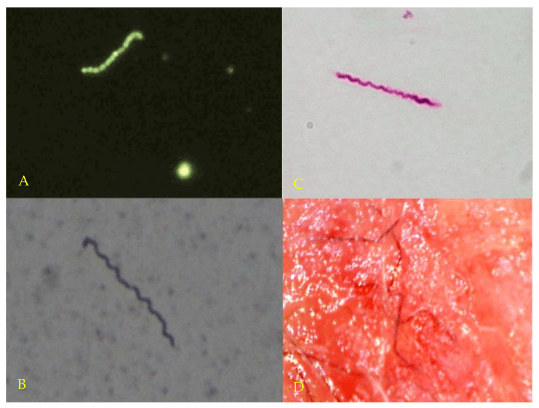
Introduction: Lyme disease is a tickborne illness that generates controversy among medical providers and researchers. One of the key topics of debate is the existence of persistent infection with the Lyme spirochete, Borrelia burgdorferi, in patients who have been treated with recommended doses of antibiotics yet remain symptomatic. Persistent spirochetal infection despite antibiotic therapy has recently been demonstrated in non-human primates. We present evidence of persistent Borrelia infection despite antibiotic therapy in patients with ongoing Lyme disease symptoms. Methods: In this pilot study, culture of body fluids and tissues was performed in a randomly selected group of 12 patients with persistent Lyme disease symptoms who had been treated or who were being treated with antibiotics. Cultures were also performed on a group of ten control subjects without Lyme disease. The cultures were subjected to corroborative microscopic, histopathological and molecular testing for Borrelia organisms in four independent laboratories in a blinded manner. Results: Motile spirochetes identified histopathologically as Borrelia were detected in culture specimens, and these spirochetes were genetically identified as Borrelia burgdorferi by three distinct polymerase chain reaction (PCR)-based approaches. Spirochetes identified as Borrelia burgdorferi were cultured from the blood of seven subjects, from the genital secretions of ten subjects, and from a skin lesion of one subject. Cultures from control subjects without Lyme disease were negative for Borrelia using these methods. Conclusions: Using multiple corroborative detection methods, we showed that patients with persistent Lyme disease symptoms may have ongoing spirochetal infection despite antibiotic treatment, similar to findings in non-human primates. The optimal treatment for persistent Borrelia infection remains to be determined.

healthcare-06-00033-g001

Figure 1  (A) Top left:  Darkfield microscopy of blood culture showing live spirochete and spherules.  Magnification 400x.  (B) Botom left:  Fieterle silver stain culture fluid from Case 10 showing live spirochetes  Magnification 1000x.  (D) Bottom right:  Typical dermal filaments from patient with Morgellons disease.  Magnification 100x

______________

For more:  https://madisonarealymesupportgroup.com/2017/08/25/sleeper-cells-the-stringent-response-and-persistence-in-the-borreliella-burgdorferi-enzootic-cycle/

https://madisonarealymesupportgroup.com/2017/08/18/drexel-prof-lyme-persists/

https://madisonarealymesupportgroup.com/2016/12/21/dr-zhang-on-persisters/

https://madisonarealymesupportgroup.com/2017/05/10/chronic-lyme-disease-a-case-definition-at-last/

https://madisonarealymesupportgroup.com/2018/04/13/chronic-lyme-post-mortem-study-needed-to-end-the-lyme-wars/