Archive for the ‘Psychological Aspects’ Category

Meet the Researcher: Catherine Brissette

https://globallymealliance.org/meet-researcher-catherine-brissette/

catherine brissette_meet the researcher

December 13, 2018

Meet the Researcher: Catherine Brissette, Ph.D.

MEET THE RESEARCHER IS A BLOG SERIES TO INTRODUCE GLA-FUNDED LYME DISEASE RESEARCHERS MAKING A DIFFERENCE IN THE FIGHT AGAINST LYME DISEASE.


#MEETTHERESEARCHER
NAME: Catherine Brissette, Ph.D.
TITLE: Associate Professor, Biomedical Sciences
INSTITUTION: University of North Dakota

Catherine (Cat) Brissette received her B.S. degree in Zoology from Louisiana State University, her M.S. with Dr. Paula Fives-Taylor at the University of Vermont, and her Ph.D. from the University of Washington for her work with Dr. Sheila Lukehart on interactions of oral spirochetes with the gingival epithelium. She continued work with spirochetes as a postdoc with Dr. Brian Stevenson at the University of Kentucky, where she switched to the Lyme disease spirochete Borrelia burgdorferi. Her work with Dr. Stevenson involved studies of outer surface adhesions and regulation of virulence factors. Cat accepted a faculty position at the University of North Dakota in the Department of Microbiology and Immunology (now part of Biomedical Sciences), where she continues her work with pathogenic Borrelia species. Her lab is particularly interested in understanding why B. burgdorferi has a tropism for the central nervous system; that is, why the B.burgdorferi’s surface proteins interact with the hosts’ extracellular matrix, cells, and components of the immune system, and the regulatory mechanisms controlling the expression of these infection-associated proteins.

Dr. Brissette is also a member of GLA’s esteemed Scientific Advisory Board.

Drs. Eva Sapi, Ali Divan, Catherine Brissette, Janakiram Seshu, and Mayla Hsu, GLA’s Director of Research and Science, at GLA’s Lyme Disease Research Symposium 2017

GLA: WHAT MOTIVATED YOU TO FOCUS ON LYME AND TICK-BORNE DISEASE RESEARCH?

CB: My Ph.D. work involved a different kind of spirochete (one involved in periodontal disease); the challenge of working with a different pathogen (the agent of Lyme disease) was exciting.

GLA: WHAT ARE YOU WORKING ON NOW?

CB: We are working on several different aspects of neurological Lyme disease. More specifically, how the bacteria gets into the central nervous system in the first place, how the immune system responds, and how the bacteria adapt to that pressure. We have recently demonstrated that aspects of Bburgdorferi meningeal infections can be modeled in laboratory mice, which opens up a lot of research avenues. In particular, we are interested in the behavioral changes that occur as a result of meningeal infection. For instance, anxiety and memory problems are often reported by Lyme patients, particularly in people with long-term disease or Post-Treatment Lyme Disease Syndrome, and we want to understand how the Lyme disease bacterium and the host immune system contribute to these devastating symptoms. Having a small animal model allows us to more easily test potential treatments and interventions in the lab, prior to testing in people.

GLA: ARE YOU CONFIDENT WE WILL FIND A CURE?

CB: Absolutely. Lyme researchers, like Lyme patients, are tenacious and persistent. We won’t stop.

GLA-FUNDED RESEARCH GRANTS WITH DR. BRISSETTE INCLUDE:

  • Adverse outcomes in gestation as a consequence of immune responses to B.  burgdorferi infection during pregnancy” (2017-18)
  • “Control of Bb DNA expression” (2016-17)

PUBLICATIONS RE: NEUROBORRELIOSIS

  1. Divan, A., Casselli, T.,Narayanan, S.A., Mukherjee, S., Zawieja, D.C., Watt, J.A., Brissette, C.A., Newell-Rogers, M.K. (2018) Borrelia burgdorferi adhere to blood vessels in the dura mater and are associated with increased meningeal T cells during murine disseminated borreliosis. PLoS One 13(5):e0196893. doi: 10.1371/journal.pone.0196893. PMID: 29723263
  2. Greenmyer, J., Gaultney, R.A., Brissette,A., Watt, J.A. (2018) Primary human microglia are phagocytically active and respond to Borrelia burgdorferi with upregulation of chemokines and cytokines. Front Microbiol. 9:811. doi: 10.3389/fmicb.2018.00811. PMID: 29922241
  3. Casselli, T., Qureshi, H., Peterson, E., Perley, D., Blake, E., Jokinen, B., Abbas, A., Nechaev, S., Watt, J.A., Dhasarathy, A@., Brissette@, C.A. (2017) MicroRNA and mRNA transcriptome profiling in primary human astrocytes infected with Borrelia burgdorferi. PLoS One 12(1):e0170961. doi: 10.1371/journal.pone.0170961. PMID: 28135303 @Co-corresponding authors
  4.  Brissette,A., E.D. Kees, M. Burke, R.A. Gaultney, A.M. Floden, and J.A. Watt (2013) The multifaceted responses of primary human astrocytes and brain microvascular endothelial cells to the Lyme disease spirochete, Borrelia burgdorferi.ASN Neuro 5(3). doi:pii: e00119. PMID: 23883071 Paper highlighted with a podcast: http://www.asnneuro.org/an/005/3/default.htm
  5. Brissette, C.A., H.M. Houdek, A.M. Floden, and T.A. Rosenberger (2012) Acetate supplementation reduces microglia activation and brain interleukin-1beta levels in a rat model of Lyme neuroborreliosis. J Neuroinflammation 9:249. PMID: 23134838

Click here to see GLA’s Research Report, detailing GLA’s research accomplishments


My Kid is Not Crazy – Study Shows 1/3 Kids With PANS Have Hallucinations

https://player.vimeo.com/video/212986148 <p><a href=”https://vimeo.com/212986148″>My Kid is Not Crazy: A search for hope in the face of misdiagnosis</a> from <a href=”https://vimeo.com/user31889281″>4 The Kids Films</a> on <a href=”https://vimeo.com”>Vimeo</a&gt;.</p>”>

Trailer here.

A doctor battles to save children with disabling mental illness.

Could the answer be simpler than everyone thinks?

Nine-year-old Kathryn was a normal, healthy child. She was a star student, athlete and dancer. In a matter of days, she would become totally dysfunctional. Kathryn had alarming rapid-onset OCD refusing to eat or drink. She had tremendous separation anxiety and would become panicked if her parents were not in sight. She had trouble sleeping and showed signs of age regression in vocabulary and handwriting.

How did this happen?

More than 30 years ago, a doctor discovered that an undiagnosed strep infection was the cause of one child’s disabling illness. More and more evidence was found: Strep was linked to symptoms normally chalked up to psychiatric illness. Modern medicine has been very slow to adopt this new idea.

“My Kid is Not Crazy,” a film by Tim Sorel, tracks the journey of six children and their families as they become tangled in the nightmare of a medical system that lacks the compassion and knowledge to treat these children.

MY KID IS NOT CRAZY IS THE CINEMATIC, PEDIATRIC EQUIVALENT OF BRAIN ON FIRE-MEETS-INFECTIOUS MADNESS. A FILM THAT WILL CHANGE THE WAY WE LOOK AT MENTAL ILLNESS FOREVER. -CHICAGO NOW

Rent on Vimeo for $3.99

_______________

https://www.sciencedirect.com/science/article/pii/S0022395618307027

This 2018 study shows that over 1/3 of kids with PANS have hallucinations and are more impaired than those without psychotic symptoms.  The authors admonish clinicians to screen for abrupt-onset of a symptom cluster including OCD and/or food refusal, with neuropsychiatric symptoms (enuresis, handwriting changes, tics, hyperactivity, sleep disorder). 

_______________

**Comment**

I post articles and videos on PANS/PANDAS, Autism, and other illnesses with an autoimmune label due to the fact that tick borne illness can be a part of this picture and a trigger which starts the downward cascade.

Please educate your loved ones about this potential as children are losing their childhoods to unbelievable misdiagnosis and suffering.

Vaccines can also be triggers:  https://madisonarealymesupportgroup.com/2017/09/21/aluminum-flawed-assumptions-fueling-autoimmune-disease-and-lyme/

https://madisonarealymesupportgroup.com/2017/12/02/scottish-doctor-gives-insight-on-lyme-msids/  He has also successfully treated a number of young women who fell ill after their HPV vaccination, which seems to have stimulated a latent Lyme infection to reactivate.

https://madisonarealymesupportgroup.com/2016/04/24/gardasil-and-bartonella/

Asymptomatic girls after receiving Gardasil activated dormant Bartonella which was confirmed by testing.

https://madisonarealymesupportgroup.com/2017/10/15/vaccines-and-retroviruses-a-whistleblower-reveals-what-the-government-is-hiding/  Data suggests that 6% of the U.S. population is harboring a retrovirus in their bodies that can develop into an acquired immune deficiency. This is not the well-known AIDS caused by HIV, but Acquired Immune Deficiency Syndrome (AIDS) associated with other retroviruses.  These non-HIV retroviruses were unintentionally introduced into humans over the past 75 years.  It began with trials of polio vaccines and yellow fever vaccines given in the early 1930s. This is when the first recorded cases of Chronic Fatigue Syndrome and autism appeared. It involved the use of laboratory mice to prepare vaccines for human use. [1]

More on PANS:  https://madisonarealymesupportgroup.com/2018/10/10/pans-pandas-awareness/

https://madisonarealymesupportgroup.com/2017/06/30/child-with-lymemsidspans-told-by-doctors-she-made-it-all-up/

https://madisonarealymesupportgroup.com/2018/08/01/the-3-pans-myths-that-are-ruining-lives/


Scientists Weigh-in on the Seriousness of Tick-borne Illness (Video)

  Approx. 48 Min.

Published on Dec 10, 2018

In Stand4Lyme Foundation’s video, scientists tackle the Lyme disease Epidemic. Experts address the serious consequences of Lyme and tick-borne diseases, an increasing source of morbidity and mortality worldwide. Stand4Lyme makes a clear business case for pharmaceutical support and federal research funding to develop reliable diagnostic tools and accessible effective medical treatment. The goal of this video is to help educate all stakeholders from a scientific perspective and garner increased government support and funding.
They discuss:
  1. Heart issues (including Dr. Neil Spector’s case)
  2. Eye issues
  3. Cognitive issues
  4. Borrelia is complex and lurks within the body
  5. Borrelia crosses the blood/brain barrier
  6. The pathogen connection & Alzheimer’s
  7. Neurological complications of Lyme
  8. Psychiatric complications of Lyme
  9. This year, WHO has recognized Lyme can be spread Congenitally
  10. Sexual transmission was broached as well & will be researched
  11. Admission that Lyme has been neglected by the Medical Community
  12. The need for a system approach to Lyme
  13. The admission that borrelia is slow growing & sustain themselves like TB, and the fact current medications only work on cells that are dividing.  Borrelia can lie dormant.
  14. In both mouse and primate studies, doxycycline does not eradicate borrelia in the later stages of infection.
  15. The admission “WE ARE IN THE DARK” on Lyme
  16. Discussion of some current hopeful research  (scroll to 34:39 & listen until 38:30)
  17. Lyme can cause suicide
  18. Families have to sell their house, car, etc. to get help from doctors who do not accept insurance
  19. Funding for Lyme/MSIDS research is coming from private sources not the NIH
  20. 2018 – LD is in ALL 50 states and in 80 countries worldwide by CDC numbers
Want to donate & support LD Research at Stanford University?  https://www.stand4lyme.org/
Stanford Lyme Working Group:
Dr. Laura Roberts
Dr. Mark Davis
Dr. William Robinson
Dr. Irving Weissman
Dr. Frank Longo
Dr. John Aucott
Dr. Brian Fallon
Dr. Nevena Zubcevik
Dr. Monica Embers
Dr. Neil Spector
Dr. Allen Steere
**May be a partial list of SWLG and Collaborators
________________
**Comment**
One of the best videos I’ve personally seen.  Kudos to Taking a Stand 4 Lyme on such a groundbreaking video.  Definitely worth your time to view.

Danish Study Shows Association Between Treated Infections and Risk of Mental Disorders in Children

https://jamanetwork.com/journals/jamapsychiatry/fullarticle/2716981?fbclid=IwAR3ZcNmTpej7kth-mNu_5thXm2eijIfIa52keJL68Q4gjgS64bf5LxC7Co4

December 5, 2018

A Nationwide Study in Denmark of the Association Between Treated Infections and the Subsequent Risk of Treated Mental Disorders in Children and Adolescents

JAMA Psychiatry. Published online December 5, 2018. doi:10.1001/jamapsychiatry.2018.3428

Abstract

Importance  Infections have been associated with increased risks for mental disorders, such as schizophrenia and depression. However, the association between all infections requiring treatment and the wide range of mental disorders is unknown to date.

Objective  To investigate the association between all treated infections since birth and the subsequent risk of development of any treated mental disorder during childhood and adolescence.

Design, Setting, and Participants  Population-based cohort study using Danish nationwide registers. Participants were all individuals born in Denmark between January 1, 1995, and June 30, 2012 (N = 1 098 930). Dates of analysis were November 2017 to February 2018.

Exposures  All treated infections were identified in a time-varying manner from birth until June 30, 2013, including severe infections requiring hospitalizations and less severe infection treated with anti-infective agents in the primary care sector.

Main Outcomes and Measures  This study identified all mental disorders diagnosed in a hospital setting and any redeemed prescription for psychotropic medication. Cox proportional hazards regression was performed reporting hazard rate ratios (HRRs), including 95% CIs, adjusted for age, sex, somatic comorbidity, parental education, and parental mental disorders.

Results  A total of 1 098 930 individuals (51.3% male) were followed up for 9 620 807.7 person-years until a mean (SD) age of 9.76 (4.91) years. Infections requiring hospitalizations were associated with subsequent increased risk of having a diagnosis of any mental disorder (n = 42 462) by an HRR of 1.84 (95% CI, 1.69-1.99) and with increased risk of redeeming a prescription for psychotropic medication (n = 56 847) by an HRR of 1.42 (95% CI, 1.37-1.46). Infection treated with anti-infective agents was associated with increased risk of having a diagnosis of any mental disorder (HRR, 1.40; 95% CI, 1.29-1.51) and with increased risk of redeeming a prescription for psychotropic medication (HRR, 1.22; 95% CI, 1.18-1.26). Antibiotic use was associated with particularly increased risk estimates. The risk of mental disorders after infections increased in a dose-response association and with the temporal proximity of the last infection. The following were associated with the highest risks after infections:

  • schizophrenia spectrum disorders
  • obsessive-compulsive disorder
  • personality and behavior disorders
  • mental retardation
  • autistic spectrum disorder
  • attention-deficit/hyperactivity disorder
  • oppositional defiant disorder
  • conduct disorder
  • tic disorders

Conclusions and Relevance  Although the results cannot prove causality, these findings provide evidence for the involvement of infections and the immune system in the etiology of a wide range of mental disorders in children and adolescents.

_________________

For more:  https://madisonarealymesupportgroup.com/2017/10/03/treat-the-infection-psychiatric-symptoms-get-better/

https://madisonarealymesupportgroup.com/2018/09/30/he-got-schizophrenia-he-got-cancer-and-then-he-got-cured/

https://madisonarealymesupportgroup.com/2017/10/08/misdiagnosed-how-children-with-treatable-medical-issues-are-mistakenly-labeled-as-mentally-ill/

https://www.mercurynews.com/2014/04/19/misdiagnosed-bipolar-one-girls-struggle-through-psych-wards-before-stanford-doctors-make-bold-diagnosis-and-treatment/

https://madisonarealymesupportgroup.com/2017/06/30/child-with-lymemsidspans-told-by-doctors-she-made-it-all-up/

https://madisonarealymesupportgroup.com/2018/07/28/stories-of-pandas/

https://madisonarealymesupportgroup.com/2018/09/05/pans-autism-the-immune-system-an-interview-with-expert-neurologist-dr-richard-frye/

https://madisonarealymesupportgroup.com/2018/06/04/ld-diagnosis-took-forever-because-of-mental-health-stigma/

‘Brain on Fire’ Cases Epitomize Benefits of Dual-trained Doctors

https://www.utsouthwestern.edu/newsroom/articles/year-2018/brain-on-fire.html?fbclid=IwAR0mMorVXdusRc88gqePYP0J5ERh0Jx_R3vpvqdPcbSctwsyTjk_CSNh_j4

‘Brain on Fire’ cases epitomize benefits of dual-trained doctors

Rare program looks to expand blended expertise in psychiatry, neurology

(Video here)

Story highlights

  • New program addresses national shortage of physicians with combined training in psychiatry, neurology
  • Integrated knowledge helps doctors diagnose conditions with overlapping symptoms

DALLAS – Nov. 29, 2018 – Glen Carter woke up on a white linen bed inside a psychiatric unit, the excruciating pain in his shoulder mingling with a growing sense of alarm.

How had he arrived here? What was wrong with his shoulder?

Mr. Carter later learned he had driven to UT Southwestern for help and had been acting erratically – hearing voices, seeing visions, and sputtering to doctors thoughts of his imminent death.

“I had no recollection of any of it,” said Mr. Carter, 58.

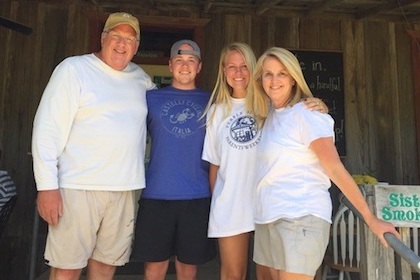
Glen Carter

Glen Carter (left) had been a pillar of stability for his children (middle) and wife Janet (far right) until last year when he began behaving increasingly erratic. A UT Southwestern doctor determined Mr. Carter was not schizophrenic but instead had a rare autoimmune disorder.


The uncharacteristic behavior indicated a potential case of schizophrenia, yet his doctor noticed a few factors that didn’t add up. For instance, the longtime husband and father of two had no history of mental illness and had a severely dislocated shoulder usually only seen after major trauma such as car accidents or seizures.

The doctor ordered X-rays, brain imaging, and other tests that confirmed his suspicion: Mr. Carter did not have schizophrenia but rather a rare form of brain inflammation that would not have been reversed with antipsychotic medication.

“The shoulder was a big clue, then we noticed a bite mark on the side of his tongue that indicated he probably had a seizure,” said Dr. Robert Weir, who last December diagnosed Mr. Carter with a neurological condition called autoimmune encephalitis. “He responded remarkably well within a day of putting him on high-dose steroids, and he was soon able to resume his life as normal.”

Mr. Carter was the beneficiary of a blend of medical training that until recently was only offered to a select group of doctors on the East Coast: combined certification in psychiatry and neurology. Following a lengthy national moratorium that prevented medical schools from adding the dual training, the country’s newest such program at UT Southwestern represents a modest but notable step in filling a lingering national shortage of physicians skilled in the two fields.

The effects of the shortage are sometimes as benign as a slightly delayed diagnosis, but in extreme cases, patients may bounce from clinic to clinic and meander through a series of misdiagnoses and ineffective treatments, wreaking havoc on their personal and professional lives. A similar ordeal was publicized in the autobiography and subsequent film “Brain on Fire,” the story of a journalist who was mislabeled as having a primary psychotic disorder until she – like Mr. Carter – was diagnosed with autoimmune encephalitis.

Coming up on the one-year anniversary of Mr. Carter’s diagnosis, the bond broker is enjoying a holiday season much different than the last, when his normally joyous time with family and friends was riddled with emotional distress and medical mystery.

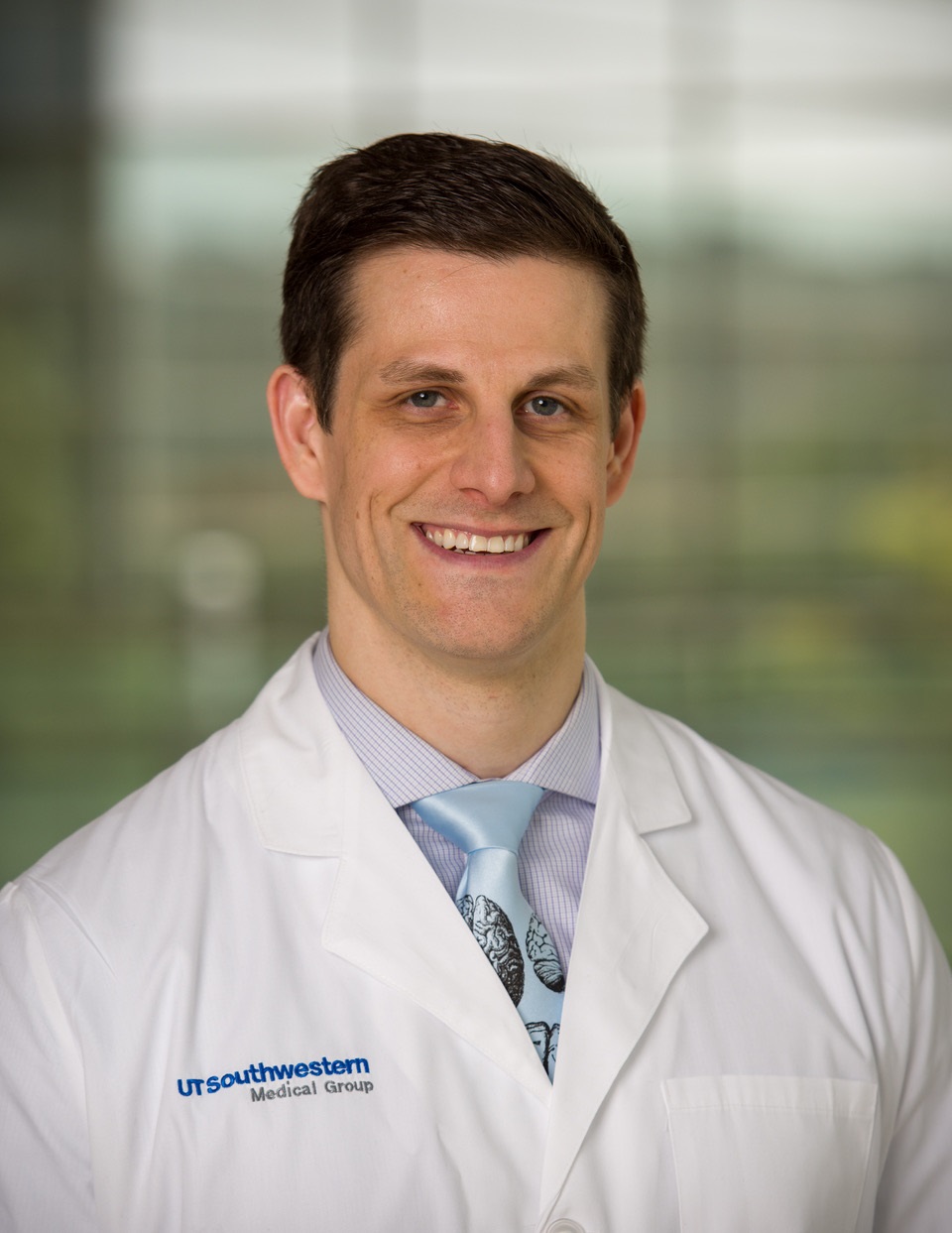
Dr. Robert Weir

Dr. Robert Weir helped develop the curriculum for UT Southwestern’s combined residency program for neurology and psychiatry.


Dr. Weir is encouraged to hear about the impact his expertise had on Mr. Carter, who no longer needs treatment for the condition and hasn’t missed any significant time from work this year.

“The term ‘mental illness’ is thrown around a lot and frequently misused,” said Dr. Weir, who helped develop the curriculum for UT Southwestern’s combined residency program for neurology and psychiatry. “People with certain conditions are sometimes misdiagnosed and undertreated because we can’t tell them on a biomolecular level what’s really happening to them.”

Filling the gap

Only five medical centers across the country offer the combined training, each one producing less than a handful of doctors a year – not nearly enough to cover the country’s vast expanse of patients who could benefit from their integrated skills.

UT Southwestern took its first step to create the curriculum after the national board that certifies these programs lifted a five-year moratorium on submitting applications in 2014, due to a change in certification protocol.

The addition of the Dallas-based program – the only one approved since the freeze was lifted – will only slightly help the overall physician numbers. However, it will likely play a crucial role in expanding access for patients who don’t live out East. Other programs are at places such as Brown University and the University of Massachusetts.

 “That’s one of the reasons why we’re so excited about creating this combined residency,” said Dr. Adam Brenner, Co-Director of UT Southwestern’s program. “The odds are greater that doctors will stay near where they’re trained, which is important because this training hasn’t existed in Texas and most other parts of the country.”

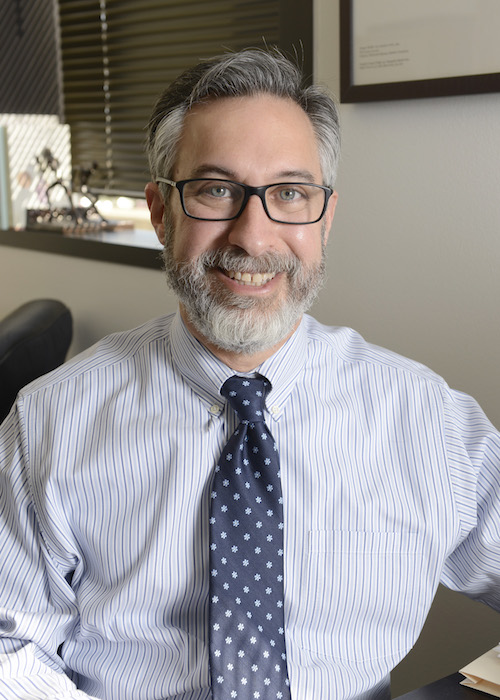
Dr. Adam Brenner

Dr. Adam Brenner, Professor of Psychiatry


UT Southwestern offers a six-year combined residency for doctors that includes a clinical track dividing time between neurology and psychiatry. The expertise has been helpful in diagnosing patients like Mr. Carter with rare autoimmune disorders, as well as a number of other conditions with overlapping symptoms, including epilepsy, Alzheimer’s disease, multiple sclerosis, and Parkinson’s disease.

The creation of the country’s newest program comes amid a growing push to utilize neurology tools in psychiatry, including an award-winning approach to objectively diagnose and treat different types of psychoses through evaluating neural images and electrical activity in the brain, among other strategies. National clinical trials are also providing early glimpses into how these high-tech tools – including magnetic seizure therapymay impact treatment in depression and psychosis.

“It’s an exciting time to be involved in psychiatry and neurology,” said Dr. Weir, who is in the fourth year of the combined residency program he spearheaded. “Our technology is finally catching up to our curiosity.”

‘A desperate need’

Mr. Carter had been a pillar of stability for his family. The breadwinner, the caring husband, the father who helped raise two children.

Then his life unraveled last year when he began having hallucinations. He took anxiety medications, but his condition only worsened in the following months. On one occasion he thought he was having a heart attack. Another time he asked his wife if she could hear God talking to her too.

“He was asking to go to the hospital, but even after a few trips to the emergency room we couldn’t put our finger on it,” said Janet Carter, Mr. Carter’s wife of 28 years. “This was nothing like Glen Carter.”

Her husband reached a breaking point on Dec. 8, 2017. Shortly after arriving at work, he drove himself to UT Southwestern and was admitted into the psychiatric unit, where Dr. Weir was on rotation that month.

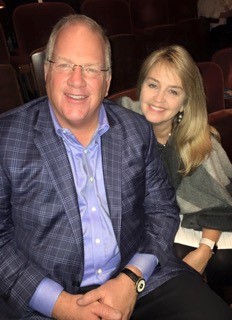
Glen and Janet Carter

Glen (left) and Janet Carter had tried for months last year to pinpoint the reason for Mr. Carter’s increasingly erratic behavior. He was eventually diagnosed with an autoimmune disorder at UT Southwestern.


Dr. Weir recalls Mr. Carter acting strangely, taking his clothes off and putting them in the shower, predicting his own death within 12 hours, and hearing voices in his head.

“None of that is very odd with psychotic behavior, but some things just didn’t add up,” Dr. Weir said. “He had been previously healthy and had a very abrupt change in behavior.”

Mr. Carter’s injured shoulder, likely dislocated during a seizure, set Dr. Weir on the path to solve the mystery that had perplexed the family for months. He was not schizophrenic after all. He suffered from autoimmune encephalitis, which occurs when the body’s immune system attacks healthy brain cells and inflames the brain, sometimes prompting psychiatric symptoms.

Mr. Carter was given steroids – a treatment that normally could be harmful to a hallucinating patient – and was back to normal within several days.

“I was in a desperate need,” Mr. Carter said during a recent visit to UT Southwestern to share his story. “I honestly don’t know how I got through this without losing my dignity. … We’re very grateful for what took place here.”

Growing demand

Mr. Carter’s case is not unique.

One study indicates at least 3 to 5 percent of psychotic behavior first seen in patients is due to an autoimmune condition.

How many of those patients are accurately diagnosed the first time and put on proper treatment is more difficult to determine.

Although awareness of autoimmune encephalitis has improved since the “Brain on Fire” book published in 2012, some doctors anticipate the demand will only grow for combined training in neurology and psychiatry.

“These two specialties have an area of overlap,” said Dr. Brenner, Professor of Psychiatry at UT Southwestern’s Peter O’Donnell Jr. Brain Institute. “And patients with conditions in this overlap sometimes really benefit from having one doctor who can encompass the whole picture. I’m confident that when Dr. Weir and others finish their residency, other medical students will see their work and want to follow in their path.”

About UT Southwestern Medical Center

UT Southwestern, one of the premier academic medical centers in the nation, integrates pioneering biomedical research with exceptional clinical care and education. The institution’s faculty has received six Nobel Prizes, and includes 22 members of the National Academy of Sciences, 17 members of the National Academy of Medicine, and 15 Howard Hughes Medical Institute Investigators. The faculty of more than 2,700 is responsible for groundbreaking medical advances and is committed to translating science-driven research quickly to new clinical treatments. UT Southwestern physicians provide care in about 80 specialties to more than 105,000 hospitalized patients, nearly 370,000 emergency room cases, and oversee approximately 2.4 million outpatient visits a year.

___________________

**Comment**

This is wonderful news.  There has been a dearth of specialized doctors qualified to diagnose this condition which has been known to be a part of the Lyme/MSIDS picture:  https://madisonarealymesupportgroup.com/2017/10/01/panspandas-steroids-autoimmune-disease-lymemsids-the-need-for-medical-collaboration/

Within this link boy’s Lyme Disease Morphs into Autoimmune encephalopathy. It took 10 years and 20 doctors to find out 12-year-old Patrik had Lyme disease. Just 4 months later the doctors discovered he also has a condition where his immune system attacks his brain. Dr. Souhel Najjar, Cahalan’s doctor, heroically saves the day again.  (Video within link)

According to a prominent Wisconsin LLMD, 80% of his patients have tick borne illness along with PANS/PANDAS as well as Autism.  If a child has an abrupt change in behavior such as the man in the main article, please consider this and get him to someone trained in this area.

https://madisonarealymesupportgroup.com/2018/02/20/mysterious-disease-where-the-body-attacks-the-brain-more-common-than-initially-thought/

The treatment for autoimmune encephalitis can vary based on the trigger, but timing is always key. If doctors treat whatever is triggering the condition, many people with the disease can go on to lead fairly normal, full lives.

For more:

https://madisonarealymesupportgroup.com/2017/10/08/misdiagnosed-how-children-with-treatable-medical-issues-are-mistakenly-labeled-as-mentally-ill/

https://madisonarealymesupportgroup.com/2018/07/28/stories-of-pandas/

https://madisonarealymesupportgroup.com/2018/11/06/diagnosing-treating-autoimmune-encephalitis-in-patients-with-persistent-lyme-symptoms/

https://madisonarealymesupportgroup.com/2018/10/10/pans-pandas-awareness/