Archive for the ‘Psychological Aspects’ Category

When Lyme Disease Doesn’t Go Away

https://news.columbia.edu/news/when-lyme-disease-doesnt-go-away

When Lyme Disease Doesn’t Go Away

It’s tick season. Here’s what Brian Fallon, the director of Columbia’s Lyme & Tick-borne Diseases Research Center, has to say about combating chronic Lyme disease.

By

Carla Cantor
April 29, 2019

Brian A. Fallon, (VP&S ’85, MPH ’85) spent his early career working with patients whose medical symptoms were a mystery. The Columbia University Irving Medical Center psychiatrist became one of the foremost researchers of hypochondria and somatic disorders, or psychological illness that manifests as physical symptoms.

He might have stayed with that specialty had he not begun in the early 1990s to see a surge in referrals of patients with chronic, unexplained symptoms who had all been healthy—until they got Lyme disease. These patients suffered from chronic pain, fatigue and cognitive problems that had a debilitating effect on their lives. They all had been treated with antibiotics with partial response but then relapsed.

Since such persistent infection was considered impossible, they were told they were hypochondriacs.

“At the time, the medical community was saying that initial antibiotic therapy led to a cure,” Fallon said. “I found this hard to believe given the suffering among these patients. We needed to look further.”

Since 2007 Fallon has headed Columbia’s Lyme & Tick-borne Diseases Research Center, a joint effort by the Global Lyme Alliance, the Lyme Disease Association and the Columbia University Medical Center Board of Trustees. It is the first such academic research center in the country, and its mission is to tackle the core clinical questions of the disease and identify better diagnostics, biomarkers and treatments.

Fallon discusses why this is a pivotal time in the world of Lyme disease.

Book cover of Conquering Lyme Disease

Q. Lyme disease was first reported in the United States in 1977 in the town of Old Lyme, Connecticut.  How far have we come?

A. We still have many unanswered questions, but there has been tremendous progress. We now know the cause of the disease, a bacterium called Borrelia burgdorferi, and its multi-system manifestations. We know many of the biologic tricks the organism uses to evade the human immune response and we know its genetic makeup, as it has been fully sequenced. We know that while most Borrelia are easily eradicated with a standard course of antibiotics, some persist despite treatment. We briefly had a vaccine on the market, which is no longer available, but a new vaccine is now in clinical trials. Despite advances in some areas, there remain serious problems, most prominently that the epidemic of Lyme disease continues to expand both geographically and in the number of new cases—an estimated 400,000 in the United States each year.

Q. What are the symptoms of chronic Lyme disease and how is it diagnosed? What percentage of Lyme sufferers go on to have chronic problems?

A. Most patients do well if the infection is recognized and treated early. In about 10 to 20 percent of cases, patients develop a more severe disease whose symptoms can include debilitating pain, fatigue, headaches, mental fog causing difficulty with memory or finding words, irritability and  sleep disorders. Unfortunately, because our blood tests are antibody-based and can remain positive for years even when infection is no longer present, it is hard to determine whether a patient’s recurrent symptoms are due to persistent infection, a new infection or a post-infectious disorder.

Q. Why does post-treatment Lyme disease affect some people and not others?

A. This is an important question for which we have only preliminary answers. Infection by a more invasive strain of the Borrelia microbe, rather than one that only causes skin manifestations, increases the risk of more severe disease. Certain genetic markers increase the risk of chronic Lyme arthritis. Patients with a history of multiple physical illnesses and other life stressors may have less resilience to infection. And because the tick may transmit other microbes, some patients may have two or more infections.

Q. What are the current treatments for persistent Lyme disease?

A. There are multiple approaches to the treatment of lingering symptoms, but there haven’t been any new, large clinical trials in the U.S. on chronic Lyme-related symptoms in over 10 years. Studies in Europe of early Lyme disease indicate that some of these patients improve without further treatment over the course of one year after initial antibiotic therapy. Patients with chronic symptoms need a personalized approach based on the cause of their symptoms.

Q. Is there hope of finding a cure?

A. Absolutely. With precision medicine approaches, biomarkers are now emerging that appear able to predict who might respond to standard antibiotic therapy and those who might not. This provides an opening for testing new treatment approaches for the latter group, leading to improved long-term outcome.


Dr. Fallon is co-author of Conquering Lyme Disease: Science Bridges the Great Dividewith Dr. Jennifer Sotksy ( VP&S’16,) a fourth-year psychiatry resident at Columbia University Irving Medical Center. (Columbia University Press, 2017 hardcover,  2019 paperback)

For media inquiries or more information, contact Carla Cantor at 212-854-5276 or carla.cantor@columbia.edu.

__________________

**Comment**

  • Again, the erroneous percentages of 10-20% of patients going on to develop persistent symptoms is inaccurate.  There’s a whole lot more of us out here in Lyme-land than that.  Please read:  https://madisonarealymesupportgroup.com/2019/02/25/medical-stalemate-what-causes-continuing-symptoms-after-lyme-treatment/  In a nutshell, microbiologist Holly Ahern points out that the 10-20% the CDC calls PTLDS only includes those patients diagnosed and treated early.  It does not and should not include a large subset of patients (30-40%) diagnosed and treated late.  When you add the two groups together, you get 60% of patients going on to struggle with persisting symptoms.  This is an important detail as it shows the vast numbers struggling as well as the need for high priority research studying this issue.  


  • He discusses strains of borrelia.  I learned something the other day – that borrelia (Lyme) is unique in that bacteria are typically only allowed 1 species name, but due to honoring Willy Burgdorfer, all borrelia are “Lyme.” This little fly in the ointment is a huge reason many are not getting diagnosed.  Current 2-tiered testing only tests for 1 strain. I was told by a researcher to think of the Borrelia burgdorferi sensu lato complex as an umbrella, and the 23 genospecies are dangling from it (soon to be 24, BTW!) This may be why Southerners struggle with getting a diagnosis. STARI may be one of these borrelia that doesn’t fit into the box researchers have created for this night-mare.


  • He also found IV’s give much higher blood levels of drugs than orals, and that the following variables necessitated IV treatment:
    1. Spinal tap shows high inflammation (high protein)
    2. High Sed rate and synovitis (inflammation of synovial membrane)
    3. People sick for more than 1 year
    4. Age over 60
    5. Acute carditis
    6. Immune deficiency
    7. Those who used immunosuppressants
    8. Failed oral treatment


  • If you study this for 1 second you begin to appreciate the complexity of treating this which mainstream doctors still haven’t even accepted.


  • The fact that there haven’t been any new, large clinical trials in the U.S. on chronic Lyme-related symptoms in over 10 years is unacceptable when you consider that this is two times more prevalent than breast cancer.  HELLO?  Where’s the green ribbons and huge institutions raising funds for Lyme research?  Oh, yeah, I remember, our researchers are using their own microscopes in their basements!  https://lymelifescapeswithcaroline.com/2014/03/25/dr-alan-b-macdonald/  MacDonald is shown in the documentary, “Under Our Skin.”  


  • BTW: when MacDonald presented his culture findings (direct testing) at a meeting of the NY State medical society where there were many detractors from Yale & Stoneybrook who didn’t want their patented serological tests to be usurped. They accused him of falsifying his results.  Dr. McDonald then went on to prove conclusively it was Lyme by morphology, silver staining, monoclonal antibodies staining, DNA PCR and finally electron microscopy.  Frustrated, he quit the field and moved to Texas leaving all his old files in Burrascano’s basement until twenty years went by and he became interested again due to Alzheimer’s research & picked up his old files. https://madisonarealymesupportgroup.com/2019/02/22/why-mainstream-lyme-msids-research-remains-in-the-dark-ages/


ILADS May Newsletter

May 2019 ILADS Newsletter
Lyme Awareness Month
In honor of Lyme Awareness Month, this month’s newsletter includes access to free educational materials.

See details below, and have a healthy Lyme Awareness Month.

Member Spotlight: 

William Padula, MD

In this ILADS webinar, Dr. Padula discusses the consequences of tick-borne diseases on vision and vision processing. Select Research & Literature on our website at www.ilads.org  to view the full video.
When Your Child Has Lyme Disease: A Parent’s Survival Guide

In honor of May Lyme Awareness Month, ILADS member Sandra K. Berenbaum, LCSW, BCD and her co-author, Dorothy Kupcha Leland, are making their book available free in Kindle edition today through Saturday.
ILADS is pleased to announce the agenda for Madrid 2019: Lyme Disease – Environmental Disease of the 21st Century. 

There are only a few weeks left to register, so visit the Madrid 2019 Conference page at www.ilads.org today to reserve your spot for June 8-9, 2019.

Saturday, June 8, 2019

Morning Session:

Castellana Conference Room
Moderator: ILADS President Leo J. Shea III, PhD

 
09:00-09:15 Carmen Navarro, MD, Program Chair
Welcome

09:15-09:45 Louis Teulieres, MD, PhD
Chronic Infections, Hormonal Dysfunctions and Heavy Metals Connections in Autism

09:45-10:15 Carmen Navarro, MD
Lyme Disease in Spain – Updated

10:15-10:45 Magdalena Cubala-Kucharska, MD, PhD
Immunopsychiatry of Children with Lyme and Co-Infections

10:45-11:15 Networking Break with Poster Presentations

11:15-12:00 B. Robert Mozayeni, MD
Bartonella Overlap with Tick-Borne Diseases: Better Diagnosis Supports Better Outcomes

12:00-12:30 Jack Lambert, MD
Congenital Infections in Pregnancy, with Special Focus on Borrelia

12:30-13:00 Question and Answer Period with Morning Faculty

13:00-14:00 Lunch for all registrants

13:30-14:00 Poster Viewing and Oral Poster Presentation


Afternoon Session:
Castellana Conference Room
Moderator: ILADS President Leo J. Shea III, PhD
14:00-14:30 B. Robert Mozayeni, MD
Mast-Cell Activation Syndrome and the Host Response: Persistent Infectious Disease or Host Response Disease

14:30-15:00 Pol De Saedeleer, PharmD
The Affected Th1/Th2/Th17 Immune Response

15:00-15:30 Philippe Raymond, MD
How to Make a Clinical Diagnosis of Chronic Lyme Disease or Persistent Polymorphic Syndrome after Tick Bite (SPPT)

15:30-16:00 Networking Break and Poster Viewing

16:00-16:30 Armin Schwarzbach, MD, PhD
Inflammatory Arthritis, Multiple Sclerosis and Other illnesses: Associations with Tick-Borne Diseases in the Complexity of Multiple Infections

16:30-17:00 Marie Mas, MD
PATHOTIQUE Study. Multi-site PCR of Vectorial Diseases in Ticks

17:00-17:30 Question and Answer Period with Afternoon Faculty

Sunday, June 9, 2019

Morning Session Track A: Lyme Basics

Neptuno Conference Room

09:15-10:15 Part 1 – Basic Concepts

10:15-10:45 Networking Break with Poster Viewing

10:45-11:30 Part 2 – Management

11:30-12:30 Part 3 – Pathogenesis

12:30-12:45 Question and Answer Period with Morning Faculty

12:45-14:00 Lunch for All Registrants

Morning Session Track B: Advances in Lyme

Castellana Conference Room

09:15-09:45 Mariia Shklina, MD, PhD
Epidemiology of Lyme in Ukraine

09:45-10:15 Laura Alonso Canal, MD
Pediatric Lyme

10:15-10:45 Networking Break with Poster Viewing

10:45-11:15 Kanneboyina Nagaraju, DVSc, MVSc, PhD
Screening for Autoantibodies in Post Treatment Lyme Disease Syndrome Patients using HuProt Protein Microarray

11:15-11:45 Omar Morales, MD
Complimentary Treatments for Lyme Disease, Babesia, and Other  Blood-Borne Diseases

11:45-12:15 Maria Luisa Garcia Alonso, PharmD
Microbiota and Lyme Disease

12:15-12:30 Oral Poster Presentation

12:30-13:00 Question and Answer Period with Morning Faculty

13:00-14:00 Lunch for All Registrants

Afternoon Session Track A: Lyme Basics

Neptuno Conference Room

14:00-15:30 Steven Bock, MD
Functional Medicine and the Complex Tick-Borne Disease Patient. Part I

15:30-16:00 Networking Break and Poster Viewing

16:00-17:00 Steven Bock, MD
Functional Medicine and the Complex Tick-Borne Disease Patient. Part II

17:00-17:30 Question and Answer Period

17:30 Adjourn

Afternoon Session Track B: Advances in Lyme

Castellana Conference Room

14:00-14:30 Robert Miller, ND
Environmental Toxin Detox Weakness from Genetic Variants Found in Those with Chronic Lyme Disease

14:30-15:00 Kunal Garg, MSc
Challenging the Lyme Monomicrobial Paradigm: Diagnosing Lyme Disease and Beyond

15:00-15:30 Pilar Munoz-Calero, MD
Environmental Contaminants and their Association with Chronic Infectious Diseases, Diagnostic Management and Treatment Difficulty    

15:30-16:00 Networking Break with Poster Viewing

16:00-16:30 Wojciech Ozimek, MD
Lyme Disease, Parasites, Protozoans and Microbiome

16:30-17:00 Tatjana Mijatovic, PhD
Neglected Infections and Gastrointestinal Issues in Patients with Late/Persistent /Chronic Vector-Borne Infections

17:00-17:30 Question and Answer Period with Afternoon Faculty

17:30 Adjourn

Social Events
Friday, June 7, 2019
19:00-21:00 – Reception and Dinner at Palacio de Cibeles
19:00-19:30 – Terrace 6th Floor. Short Welcome Drink
19:30-21:00 – Restaurant Space Collection 2nd Floor. Cocktail Collection
21:00 – Walk along the Paseo de las Artes
Saturday, June 8, 2019
20:00-22:00 – Dinner and Flamenco Show at Café de Chinitas
22:00 – Walk through the Madrid of the Austrias
Tick-Borne Diseases and Mental Health:
A One-Day Course for Medical Professionals

September 7, 2019

This fall, ILADS brings three nationally-recognized practitioners to San Francisco to offer insight into the mental health aspects of Lyme/TBDs. We hope you will attend and enhance your knowledge for the benefit of your patients. Westin-San Francisco Airport Hotel, Bayshore Ballroom, 9:00 am-5:00 pm.
For more information, please contact:

Leo J. Shea III, Ph.D.
Neuropsychological Evaluation
& Treatment Services, P.C.
212-951-4545
www.leoshea.com

Call for Abstracts
The abstract submission deadline for Boston 2019: Chronic Disease = Chronic Infections? is May 30, 2019. For information on submitting an abstract for this year’s annual meeting, please visit  the Boston 2019 Conference page at www.ilads.org and select “Call for Abstracts.”
Lyme Innovation

Round Table

CODE has published its Lyme Innovation Roundtable Summary Report, which addresses the need for collaboration, coordination, and trust between stakeholders in order to effectively treat Lyme and other tick-borne diseases.
Click here to read the full report:

Sun Prairie Woman Warns of Lyme Disease’s Lingering Effects

Woman warns of Lyme disease’s lingering effects

SUN PRAIRIE, Wis. – As Wisconsin enters peak tick season, a Sun Prairie woman is sharing her story battling Lyme disease, saying there’s more to it than you might think.

“First of all, I am a plant freak. I love them,” Alicia Cashman said. “I used to be outdoors all the time.”

Now, Cashman brings the outdoors indoors.

“Now I look at the outdoors like you were a soldier in Vietnam and there’s landmines,” she said. “Where’s the landmine? I don’t know.”

Cashman’s landmines are a bit smaller. She’s always on the lookout for ticks after she and her husband began having symptom after unexplained symptom about 12 years ago.

“Red, hot to the touch, I developed a fever. I started seeing flashing lights,” she said. “All of a sudden your life just goes to pot, and you can’t figure out why.”

Her husband developed anxiety and severe insomnia. In both cases, Cashman said it all came back to Lyme disease.

“Lyme is not what you think it is,” she said. “It’s way more complicated and complex.”

“We do know if people aren’t treated early, sometimes they go on to have lifelong symptoms,” said Susan Paskewtiz, a professor and chair of the University of Wisconsin Madison’s entomology department.

Paskewtiz said the initial infection of Lyme disease can change people’s bodies.

Perhaps you’re forever altered as a result,” she said, adding that it can include heart issues, neurological symptoms and migrating joint pain, all things Cashman experienced. But early treatment can stop that, and that starts with early detection.

According to Paskewtiz, Wisconsin ranks among the top states for diseases transmitted by ticks.

“We have a lot of deer ticks here,” she said. “We have some places here where we’ve collected more ticks than recorded in the country, that’s very focal, a couple locations like that, but we’re high.”

Officials are already warning of ticks this year, and the city of Madison has seen the number of deer ticks rise significantly this month, according to a recent release.

Paskewitz said not everyone gets the characteristic bulls-eye type mark indicating Lyme disease, so flu-like symptoms including muscle aches and a fever can be other signs.

She said while there are usually about 3,000 to 4,000 reports of Lyme disease in the state a year, cases are likely under-reported, and she estimates the real number to be 10 times that.

Paskewtiz said there are two important things Wisconsin residents should know this year. Ticks can be as small as a freckle and found in places you might not expect.

“Usually, we recommend to people lawns are a pretty safe place,” she said, “but we’re finding them in those locations, as well.”

Cashman can still visit her plants outdoors, it just takes a bit more work. She gears up, wearing light-colored, protective clothing, and chemically treats both her clothes and yard.

“I’m doing great, but it’s taken 4 1/2 years of treatment, and I literally went from, ‘I want to die,’ to ‘I have my brain back,’” she said. “Where before, I didn’t think about it, now it never leaves my mind.”

She hopes others will keep the disease in the back of theirs.

“You can’t afford to be lazy,” she said.

Cashman now leads the Madison Area Lyme Support Group, which is presenting a free viewing of the documentary “Under Our Skin” Saturday at the East Madison Police Station May 4. She recommends those diagnosed with the disease check out the nonprofit organization the Wisconsin Lyme Network.

The Centers for Disease Control and Prevention describes patients with symptoms after the treatment of Lyme disease as having post-treatment Lyme disease syndrome, and the organization writes its cause isn’t known.

The CDC said alternative treatments for Lyme disease have been associated with complications, and its best to use care and consult a physician.

________________

**Comment**

So thankful Dr. Paskewtiz filled in many of the points I wasn’t able to make. Although I shared how all my initial symptoms were gynecological and that I believe Lyme to be a STD as well as spread congenitally, they opted to leave that intel out.  https://madisonarealymesupportgroup.com/2017/02/24/pcos-lyme-my-story/

https://madisonarealymesupportgroup.com/2018/06/19/33-years-of-documentation-of-maternal-child-transmission-of-lyme-disease-and-congenital-lyme-borreliosis-a-review/

Unfortunately, the statement that a tick’s gut is a literal garbage can full of pathogens of which Lyme is only one of many, also was omitted.  https://madisonarealymesupportgroup.com/2018/10/30/study-shows-lyme-msids-patients-infected-with-many-pathogens-and-explains-why-we-are-so-sick/

We are slowly pushing this thing up the hill.  Just a few short years ago, nothing would have been said about the “lingering symptoms,” so that’s a huge improvement, but of course there’s much, much more to be done.  https://madisonarealymesupportgroup.com/2019/02/25/medical-stalemate-what-causes-continuing-symptoms-after-lyme-treatment/  BTW: Ahern states it’s 60% that have lingering symptoms – so it’s a significant subset of patients.

Regarding PTLDS: https://madisonarealymesupportgroup.com/2019/04/05/post-treatment-lyme-disease-syndrome-a-review-of-its-origin-its-consequences-in-the-socio-economic-sphere/  Excerpt: 

It is demonstrated that the chronic symptoms of Lyme disease are a reality, referred to as: Chronic Lyme disease (CLD); or Syndrome- Post-treatment of Lyme disease (PTLDS).

As we said at the beginning, the CDC does not recognize the term Chronic Lyme Disease (CLD) because it is confusing[1].

With respect to this, we conclude that the CDC is wrong because data demonstrated that months or years after adequate treatments with antibiotics, patients can have the same or worse symptoms, which gives truth to the term: chronic Lyme disease (CLD).

I told the reporter that had I followed the advice of the CDC I’d be dead by now. The tiny but overriding statement at the end of the article about “alternative treatments for Lyme disease have been associated with complications,” is a complete “Catch-22,” because anything but essentially 21 days of doxycycline is considered alternative to the CDC and that’s a huge problem.  And by “consulting a physician,” that’s also setting people up for failure as there are only a handful of doctors in the entire state of Wisconsin who are properly trained and treat this monster appropriately. The same can be said of other states as well.

Sigh……well, there’s always next year!


FDA Approves Ketamine Nasal Spray For Depression

https://www.psychologytoday.com/us/blog/when-your-adult-child-breaks-your-heart/201903/fda-approves-ketamine-nasal-spray-treat

FDA Approves Ketamine Nasal Spray to Treat Depression

New hope for treatment-resistant depression.

Posted Mar 08, 2019

In the popular imagination, depression may feel unbearable, but it’s often fleeting. All it takes is a quick visit to a therapist or psychiatrist, a magic pill, and a few therapy sessions. The majority of depression patients, however, report significant side effects. These side effects are often severe enough to cause a person to stop taking the drug. For about a quarter of depression patients, symptoms don’t improve at all. That leaves millions of Americans without adequate treatment for their depression.

For years, anecdotal data and preliminary research have suggested that ketamine might act as a rapid depression cure. Thanks to more advanced recent clinical trials, we now know this to be the case. And now, ketamine could soon enter the market, helping millions of people who have either treatment-resistant depression or who cannot tolerate the side effects of traditional SSRIs.

The U.S. Food and Drug Administration (FDA) this week approved a new treatment developed by Janssen Pharmaceuticals, Inc. Esketamine will be marketed under the brand name Spravato as a nasal spray. This ketamine-based treatment has shown significant benefits in clinical trials, though researchers still do not understand how it works.

Ketamine for Depression: What the Research Says

Ketamine is an anesthetic often used in veterinary practice. It has also been abused as a club drug. When the drug is used appropriately and under close observation in a psychiatric setting, it can alleviate depression. Clinical trials on the new version of the drug, a nasal spray, point to similar results.

The new drug, esketamine, is a close chemical cousin of ketamine. Available as a nasal spray, the FDA has approved it for use in a doctor’s office. A patient takes the dose at a clinic, where they are then monitored for two hours. Depending on the severity of the depression, patients then receive doses once or twice weekly.

The Rochester Center for Behavioral Medicine was one of the sites in the national trial, which found that Spravato lowered depression scores on a depression inventory by an average of 21 points, compared to 17 points for a placebo. Another found that just a quarter of Spravato users relapsed, compared to 45 percent of people who received a placebo.

Preliminary research suggests that ketamine may be especially effective at eliminating suicidal thoughts and feelings, which are the most dangerous component of depression.

How Does Ketamine Work?

Esketamine is a glutamate receptor modulator, thought to help restore deficits in the brain cells of people affected by major depression. The precise mechanisms through which this drug works will be the subject of further research.

One of the most common side effects of ketamine use is hallucinations. Some doctors believe these hallucinations may actually play a key role in the drug’s efficacy. Some users report out of body experiences, or profound spiritual realizations that change their perspectives on life. It could be that these experiences alter a person’s way of thinking, or even act as a sort of brain reset.

It’s also unclear whether any of the branded forms of ketamine are more effective than the original anesthetic. Early research primarily used the anesthetic, but newer studies use branded forms, including the recently approved nasal spray. Both versions appear to work.

Ketamine’s manufacturers say its cost will be consistent with that of other mental health specialty drugs—probably between $500 to $800 per dose, which is a figure that does not take into account pre-negotiated insurance discounts or patient copays. It’s not yet clear how much a typical patient can expect to pay. When compared to the typical costs of life with depression—lost productivity, potentially years of therapy or failed antidepressants—a few hundred dollars could actually be a bargain.

Do We Really Need Another Antidepressant?

To those not well-versed in the world of psychiatric care, it might seem like antidepressants are overused, too readily available, and the cause of far too many unpleasant side effects. The data suggest otherwise. While antidepressants can and do save lives, many patients with depression don’t get better. Others have to try multiple drugs or drug cocktails before they get relief.

The U.S. is experiencing a suicide epidemic. Suicide claimed 45,000 lives in 2016 alone. In more than half of U.S. states, suicide has increased by 30 percent or more over the last two decades. Many people with depression don’t seek help because they don’t believe it is available. Others turn to the mental health system only to be let down, further propelling them into despair.

Spravato offers real hope to suffering people. What’s more, future treatments may be on the horizon. Preliminary data suggests that ketamine may also offer rapid relief of PTSD symptoms. As research continues, we may get closer not only to unraveling depression, but also better understanding the roots of psychological suffering.

References

Cartwright, C., Gibson, K., Read, J., Cowan, O., & Dehar, T. (2016). Long-term antidepressant use: Patient perspectives of benefits and adverse effects. Patient Preference and Adherence, 10, 1401-1407. doi:10.2147/ppa.s110632

Greenfieldboyce, N. (2018, June 07). CDC: U.S. suicide rates have climbed dramatically. Retrieved from https://www.npr.org/sections/health-shots/2018/06/07/617897261/cdc-u-s-suicide-rates-have-climbed-dramatically

Ketamine as a rapid treatment for post-traumatic stress disorder (PTSD). (n.d.). Retrieved from https://clinicaltrials.gov/ct2/show/NCT00749203

_________________

**Comment**

Ketamine is used for starting and maintaining anesthesia and induces a trance-like state while providing pain relief, sedation, and memory loss. It can cause confusion and hallucinations as it wears off.  Discovered in 1962 it was used in the Vietnam War due to its safety and is on the WHO’s list of essential medicines.  It’s also used as a recreational drug in raves and as a club drug.  Due to this, it’s a schedule III substance in the U.S.

That said, it’s been shown to limit borrelia (Lyme) in vitro:  https://madisonarealymesupportgroup.com/2018/03/10/ketamine-limits-bb-in-vitro/

It’s also been shown to relieve chronic pain, improve quality of life, reduce depression and suicidal ideation, and reduce opioid consumption:  https://madisonarealymesupportgroup.com/2017/09/14/iv-ketamine-in-ptls/

Human Bartonellosis: An Underappreciated Public Health Problem?

https://www.mdpi.com/2414-6366/4/2/69

Trop. Med. Infect. Dis. 2019, 4(2), 69; https://doi.org/10.3390/tropicalmed4020069

Human Bartonellosis: An Underappreciated Public Health Problem?

Published: 19 April 2019
(This article belongs to the Special Issue Recent Advancements on Arthropod-Borne Infectious Diseases)

Abstract

Bartonella spp. bacteria can be found around the globe and are the causative agents of multiple human diseases. The most well-known infection is called cat-scratch disease, which causes mild lymphadenopathy and fever. As our knowledge of these bacteria grows, new presentations of the disease have been recognized, with serious manifestations. Not only has more severe disease been associated with these bacteria but also Bartonella species have been discovered in a wide range of mammals, and the pathogens’ DNA can be found in multiple vectors. This review will focus on some common mammalian reservoirs as well as the suspected vectors in relation to the disease transmission and prevalence. Understanding the complex interactions between these bacteria, their vectors, and their reservoirs, as well as the breadth of infection by Bartonella around the world will help to assess the impact of Bartonellosis on public health. View Full-Text

tropicalmed-04-00069-g001
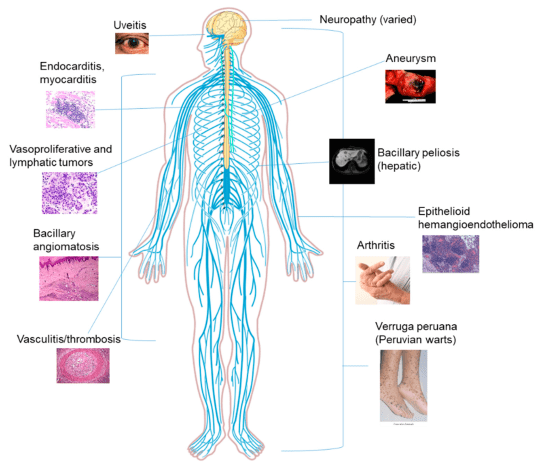
Figure 1  The Clinical Manifestations of Bartonellosis
Excerpt from full-text
Known diseases caused by Bartonella infections include:
  • Carrion’s disease
  • cat-scratch disease
  • chronic lymphadenopathy
  • trench fever
  • chronic bacteraemia
  • culture-negative endocarditis
  • bacilliary angiomatosis
  • bacilliary peliosis
  • vasculitis
  • uveitis [1,2,4,6,7,9,10,11].
Recently, Bartonella infections have been linked to more diverse manifestations such as:
  • hallucinations
  • weight loss
  • muscle fatigue
  • partial paralysis
  • pediatric acute-onset neuropsychiatric syndrome (PANS)
  • other neurological manifestations [6,8,10].

A few case studies have also documented Bartonella in tumors, particularly vasoproliferative and those of mammary tissue [12,13,14]. The potential involvement of this pathogen in breast tumorigenesis is both disconcerting and warrants significantly more research.

Bartonella spp. are zoonotic pathogens transmitted from mammals to humans through a variety of insect vectors including the sand fly, cat fleas, and human body louse [4,5]. New evidence suggests that ticks, red ants, and spiders can also transmit Bartonella [15,16,17,18]. Bed bugs have been implicated in the transmission cycle of B. quintana and have been artificially infected [19]. B. quintana was found in bed bug feces for up to 18 days postinfection [19]. The diversity of newly discovered Bartonella species, the large number and ecologically diverse animal reservoir hosts, and the large spectrum of arthropod vectors that can transmit these bacteria among animals and humans are major causes for public health concern.

Regarding ticks….

3.2. Arachnids (Spiders and Ticks)

Over the last 10 years, the topic of ticks transmitting Bartonella species has been widely debated. Evidence exists to support the transmission of Bartonella through many different species of ticks.

Ixodid ticks, also known as hard ticks, appear to be the main type of tick associated with these bacteria. Tick cell lines have been used to show that Bartonella can replicate and survive within:

  • Amblyoma americanum (Lone Star Tick)
  • Rhipicephalus sanguineus (Brown Dog Tick)
  • Ixodes scapularis cells [77] (Deer Tick)

In California, questing ticks of

  • Ixodes pacificus (Western Black legged Tick)
  • Dermacentor occidentalis (Pacific Coast Tick)
  • Dermacentor variabilis (American Dog Tick)

were collected when in the adult and nymphal stages and tested for Bartonella by PCR for the citrate synthase gene. [78]. All types of ticks were found to contain Bartonella DNA, although in varying percentages and locations. These data alone do not prove that ticks can transmit Bartonella spp. Bacteria; however, the results do show Bartonella DNA occurring naturally in these wild ticks.

In Palestine,

  • Hyalomma spp. (Genus of hard-bodied tick) found in Asia, Europe, & North and South Africa.
  • Haemphysalis spp. (The Asian Long-horned tick is an example)
  • Rhipicephalusspp. (Hard-bodied tick native to tropical Africa)

ticks were collected from domestic animals and tested by PCR for the Bartonella intergenic transcribed spacer (ITS) region [38]. These ticks were infected with 4 strains of Bartonella: B. rochalimae, B. chomelii, B. bovis, and B. koehlerae [38]. While this study tested a collection of ticks found on domestic animals, the results suggest that individuals in close contact with these animals should be aware of the potential for transmission through tick bites.

In a sampling of ticks (Ixodes scapularis and Dermacentor variabilis) and rodents (Peromyscus leucopus) from southern Indiana, the midgut contents of the tick species and rodent blood were analyzed by 16S sequencing. Bartonella was present in a moderate percentage (26% in D. variabilis and 13.3% in I. scapularis) of larvae and nymphs of both tick species, even those scored as unengorged, but was present in the majority (97.8%) of the rodents tested [79].
A survey of ticks from 16 states in the U.S. revealed that the overall prevalence of Bartonella henselae in Ixodes ticks was 2.5% [80].
Interestingly, the highest rate of both Borrelia spp. (63.2%) and B. henselae (10.3%) was found in Ixodes affinis ticks collected from North Carolina.
Ixodes ricinus has been the focus of studies that support tick transmission of Bartonella spp. in Europe. This is because I. ricinus is an important vector for tick-borne diseases in Europe [81]. I. ricinus have been collected in the larval, nymphal, and adult stages in Austria [82]. The analyses revealed that 2.1% of all ticks were infected with Bartonella spp., with the highest rate in ticks derived from Vienna (with a 7.5% infection rate), and that adult ticks had a higher prevalence than other stages [82].
B. henselae, B. doshiae, and B. grahamii DNA were amplified, and this was the first study to find Bartonella-infected ticks in Austria [82].
A recent One Health perspective review on Bartonella indicated that the overall presence of Bartonella in ticks (combining evidence from multiple surveillance studies) was approx. 15% [83].
B. henselae DNA has also been isolated from I. ricinus removed from an infected cat. However, whether the cat gave the tick Bartonella or vice versa cannot be established, so the vector competence of these ticks for transmission cannot be determined [30].
A lab in France has studied the relationship between I. ricinus and Bartonella transmission. One study focused on the ability of ticks to maintain infection from one life stage to the next and tested a vertical transmission from adults to eggs. The authors used B. henselae and found that a transstadial transmission was possible and that a transovarial transmission was not likely [84]. The researchers also supplied evidence to support the vector competency of I. ricinus by amplifying B. henselae DNA from the salivary glands of infected ticks and by amplifying DNA from blood 72 h after infected ticks fed through an artificial system [84]. Although the evidence strongly suggests the ability of ticks to transmit these bacteria, the system employed artificial means for feeding; therefore, one major critique has been that it is not representative of a natural blood meal from a host.
To address this issue, another experiment was performed to the assess vector competency of I. ricinus to transmit Bartonella birtlesii [85]. Mice were infected with B. birtlesii through an intravenous injection via a tail vein, and once mice were infected, naïve ticks were fed on the mice and kept for 3 months to molt. Nymphal ticks were shown to transmit B. birtlesii to naïve mice, and adult ticks were shown to infect blood through a feeder method [85]. B. birtlesii was identified in the blood of the recipient mice through PCR and immunofluorescence [85]. This evidence strongly supports the transmission of these bacteria by ticks. However, the limitation is that this only supports I. ricinus’ ability to transmit a very specific strain of Bartonella, B. birtlesii, which is not linked to human disease.
Concerns such as these related to vector competence and transmission can only be quelled by repeated studies utilizing multiple strains of Bartonella and differing tick species.
An interesting case study provided evidence of spiders transmitting Bartonella. A mother and two sons suffered from neurological symptoms following bites suspected from woodlouse hunter spiders [18]. Bartonella henselae DNA was amplified from the blood of the family as well as from a woodlouse and a woodlouse hunter spider near the family’s home [18]. It cannot be determined if the family contracted the bacteria from the woodlouse or the woodlouse hunter spider or if the lice and spiders contracted the bacteria from the family. This case study points to the importance for diagnosticians to test for bacterial infections after suspected arachnid bites. It also emphasizes the lack of knowledge on the possible vectors that transmit Bartonella as well as the range of manifestations by infection with Bartonella.

___________________

**Comment**

I think we can safely state that Bartonella IS an under appreciated health problem.