Going outside? Watch out for unusual tick found in Eastern Kentucky
By WYMT News Staff
Posted: May 24, 2019
MARTIN COUNTY, KY. (WAVE) – It’s Memorial Day weekend and more people will head outside as the summer season kicks off. While you’re out having fun, be sure to keep an eye out for a tick that is new to the area.
This year’s tick season is different in Kentucky because a new tick has popped up in our area.
The University of Kentucky College of Agriculture, Food and Environment has received more calls about seeing ticks, but reports that incidents of tick-borne diseases in the state are very low.
People still need to use precautions because ticks are out there. They’re looking to suck blood three times in their lives in order to reproduce. This year’s tick season is different in Kentucky because a new tick has popped up in our area.
“The most common ticks we have are the Lone Star Ticks and the American Dog Tick,” Spencer County Agriculture agent Bryce Roberts said. “The new one we found is the Asian Longhorned Tick.”
Roberts said the Asian Longhorned Tick was found in Eastern Kentucky, in Martin County.
“It’s very concerning because of the diseases they do carry,” Roberts said.
New ticks bring new diseases. Before or when someone gets a tick disease, they see epidemiologist Dr. Paul Schulz.
“The two we encounter the most are Ehrlichia and Rocky Mountain Spotted Fever,” Schulz said.
Schulz said the infectious disease department at Norton Healthcare found its first tick-borne disease of the year in March, a sign that tick season could be starting early.
“(In) well over 50 percent of diagnosed infections, the patient didn’t know they had tick exposure,” Schulz said.
People often don’t see or feel when a tick is biting them. However, there are ways to protect yourself and your summer experience: Cover up as much of your skin as you can, use a spray with DEET, avoid overgrown wooded areas, check yourself and your children every night.
https://madisonarealymesupportgroup.com/2019/01/14/multistate-infestation-with-the-exotic-disease-vector-tick-haemaphysalis-longhornis-u-s-aug-2017-sept-2018/Where this tick exists, it is an important vector of human and animal disease agents. In China and Japan, it transmits the severe fever with thrombocytopenia syndrome virus (SFTSV), which causes a human hemorrhagic fever (2), and Rickettsia japonica, which causes Japanese spotted fever (3). Studies in Asia identified ticks infected with various species of Anaplasma, Babesia, Borrelia, Ehrlichia, and Rickettsia, and all of these pathogen groups circulate zoonotically in the United States (4,5). In addition, parthenogenetic reproduction, a biologic characteristic of this species, allows a single introduced female tick to generate progeny without mating, thus resulting in massive host infestations.
Authorities have been relatively mum on what this tick transmits and I’ve had to dig to find it. So far there are no noted human illnesses caused by this tick in the U.S., but the ones listed above have occurred other countries. Do they really think this tick isn’t going to acquire disease and transmit here? Maybe in an alternative reality, but then again, the CDC lives in an alternative reality.
Counterattacking the tick bite: towards a rational design of anti-tick vaccines targeting pathogen transmission
Ryan O. M. RegoEmail authorView ORCID ID profile, Jos J. A. Trentelman, Juan Anguita, Ard M. Nijhof, Hein Sprong, Boris Klempa, Ondrej Hajdusek, Julen Tomás-Cortázar, Tal Azagi, Martin Strnad, Sarah Knorr, Radek Sima, Marie Jalovecka, Sabína Fumačová Havlíková, Martina Ličková, Monika Sláviková, Petr Kopacek, Libor Grubhoffer and Joppe W. Hovius
Hematophagous arthropods are responsible for the transmission of a variety of pathogens that cause disease in humans and animals. Ticks of the Ixodes ricinus complex are vectors for some of the most frequently occurring human tick-borne diseases, particularly Lyme borreliosis and tick-borne encephalitis virus (TBEV). The search for vaccines against these diseases is ongoing. Efforts during the last few decades have primarily focused on understanding the biology of the transmitted viruses, bacteria and protozoans, with the goal of identifying targets for intervention. Successful vaccines have been developed against TBEV and Lyme borreliosis, although the latter is no longer available for humans. More recently, the focus of intervention has shifted back to where it was initially being studied which is the vector. State of the art technologies are being used for the identification of potential vaccine candidates for anti-tick vaccines that could be used either in humans or animals. The study of the interrelationship between ticks and the pathogens they transmit, including mechanisms of acquisition, persistence and transmission have come to the fore, as this knowledge may lead to the identification of critical elements of the pathogens’ life-cycle that could be targeted by vaccines. Here, we review the status of our current knowledge on the triangular relationships between ticks, the pathogens they carry and the mammalian hosts, as well as methods that are being used to identify anti-tick vaccine candidates that can prevent the transmission of tick-borne pathogens.
___________________
**Comment**
In the paragraph before the conclusion (in the full-length document) the following is stated:
Given the current health concerns related to LB, a novel vaccine would most likely be highly welcomed by society. On the other hand, the previously commercially available vaccine against LB was taken off the market for various and questionable reasons [232]. Therefore, efforts are needed to address societal prejudices associated with vaccination, including health benefits, risks, and necessity, especially from a public health perspective.
In reality, the vaccine was pulled off the market to avoid disclosure of Phase IV data that probably would have shown limited efficacy and significant safety concerns related to LYMErix (11-13). That data has never been publicly released.
Cornell University found long-term side effects that paint a different picture of the safety of the canine Lyme disease vaccination.
In some cases, dogs develop Lyme disease anyway.It’s believed that the antibodies in the vaccine can develop into Lyme disease. Research finds dogs develop all the symptoms of Lyme disease up to six weeks after receiving the shot. While tests for the Lyme disease bacteria show up as negative, there are many dogs developing all the symptoms. Left untreated more concerning issues develop.
A number of dogs develop rheumatoid arthritis months or years later. However, the development of acute kidney failure is more alarming. Remember that 90 percent of dogs never become sick and that pulling off ticks before 48 hours eliminates any risk. Many vets feel the benefit of the vaccination is often outweighed by the potential risks.
Seems veterinarians are often wiser than general practitioners.
It is believed that a rush to create a Lyme disease vaccine led to the mishandling of the disease. Current antibody tests for Lyme disease were manipulated in 1994 at the Dearborn Conference so as to facilitate vaccine development. The two most important indicators of infection were stripped out of serology tests so that the vaccinated would test seronegative. The vast majority of truly infected patients cannot obtain a timely diagnosis leading to a missed opportunity for successful short term treatment.
The vaccine known as LYMErix was supposed to expose the immune system to the outer surface protein A (OspA) of the spirochete responsible for causing Lyme disease but for some patients, it caused the same crippling effects of the disease itself as reported in the class action lawsuit:
“The people who have contacted us were, prior to vaccination with LYMErix, healthy, active and energetic. Indeed, the very reason they sought the LYMErix vaccine was their desire to preserve their healthy, active lifestyle. However, what they experienced was a dramatic degradation of their health and quality of life. As will be described below, these previously healthy individuals are now afflicted with painful, at times debilitating arthritic symptoms, including joint pain and swelling, as well as extremely severe Lyme-disease-like symptoms which have persisted to this day.”
I counted at least 20 people who authored this study. Where are the researchers who are studying better testing, effective treatments, transmission studies on all the ways Lyme/MSIDS can be transmitted, post mortem studies to end the Lyme wars, and answers to how patients can pay for this plague?
Researchers for those issues are no where to be found. If there are any, they are in their own basements using their own microscopes with limited funding.
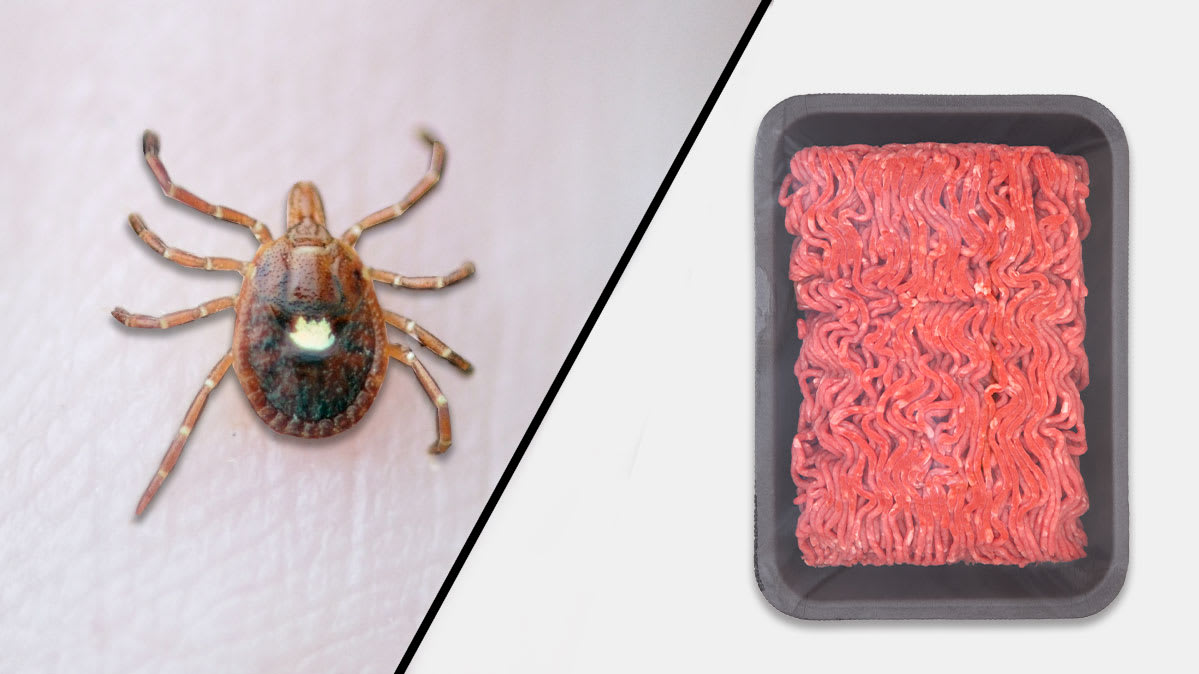
Scientists think that lone star ticks can induce an allergy to red meat. Here’s how to protect yourself.
By Catherine Roberts
Most of us worry about Lyme disease or Rocky Mountain spotted fever when getting a tick bite. But different species of ticks can transmit a variety of diseases—and at least one very unusual ailment, scientists have learned: an allergy to red meat.
A growing body of evidence shows that the lone star tick—most prevalent in the southeastern U.S.—could be the cause of an allergy to a carbohydrate known as alpha-gal, which is found in red meat.
Scientists aren’t sure just how common this allergy is. But lone star ticks are spreading—their habitat now extends from the Southeast almost all the way to the Canadian border—which means more people may encounter them. Scientists who study the alpha-gal allergy estimated back in 2013 that more than 5,000 people in the Southeast U.S. alone could have the allergy.
A 2018 study in the Annals of Allergy, Asthma & Immunology suggests that a meat allergy caused by ticks may be more common than previously known, and could explain some previously unexplained cases of severe allergic reactions.
Here’s what you need to know about this allergy.
What Recent Research Reveals
Initially, scientists connected the dots between lone star ticks and meat allergies because of overlap between the geographic areas where the tick and the allergy were most common, according to an analysis published earlier this year in Annals of Allergy, Asthma & Immunology. Other studies showed that people who had the allergy tended to have a history of being bitten by ticks, or worked in jobs where they were likely to be exposed to ticks.
The 2018 study looked at just one allergy clinic in Tennessee, and found that in cases where they were able to pinpoint the cause, the alpha-gal allergy was behind about a third of anaphylaxis (severe allergic reaction) cases seen there between 2006 and 2016. That’s more than were caused by food allergies to peanuts, shellfish, or others, the researchers found.
Study author Jay Lieberman, M.D., associate professor at the University of Tennessee Health Science Center and vice chair of the American College of Allergy, Asthma and Immunology Food Allergy Committee, is quick to point out that these results do not mean that a third of severe allergic reactions nationwide are due to the effects of lone star tick bites, or that alpha gal is the number one cause of anaphylaxis in the country.
But Lieberman says the clinic has performed similar analyses in previous years, before the alpha-gal red meat allergy was discovered. In those earlier studies, doctors weren’t able to determine a cause for a greater percentage of anaphylaxis cases.
The newer study suggests that a significant number of those earlier cases with an unknown cause may actually have been due to this recently discovered allergy.
Understanding Meat Allergies
It’s not entirely clear to scientists why a bite from a tick could cause a person to develop an allergy to red meat, Lieberman says, or how common such an allergy is. And it doesn’t happen to everybody who’s bitten.
Only some people who’ve been bitten by lone star ticks will develop the antibodies that indicate a possible allergy to alpha-gal, a substance in red meat. Of the people who do develop those antibodies, Lieberman says, some won’t ever show symptoms of an allergic reaction to red meat.
There’s also an intriguing difference between the alpha-gal red meat allergy and every other type of food allergy. Typically, allergic reactions to food occur immediately after exposure, within a few minutes. With an alpha-gal allergy, however, a reaction typically doesn’t start until several hours after eating red meat—which can make it challenging to pinpoint the culprit.
Researchers first linked tick bites to red meat allergies almost a decade ago. But there are still a lot of questions left to answer about why some people develop the allergy and some don’t, how many people have been affected, and why the reaction to red meat is delayed, rather than immediate.
What to Watch For
Early signs of anaphylaxis may include a metallic taste, burning, tingling, or itching of the tongue or mouth, headache, and feelings of fear or confusion. A reaction can progress quickly, and severe symptoms include throat swelling, difficulty breathing, vomiting, diarrhea, and more.
If you think you may be experiencing anaphylaxis, even if you’ve never had an allergic reaction before, you should call 911. (If you know you have an allergy to food, and you experience symptoms of anaphylaxis, especially trouble breathing, wheezing, or throat swelling, you should use an epinephrine auto-injector if you have one.)
When the reaction is under control, talk to your doctor about whether red meat could have been the cause of your symptoms, since some doctors may not be aware of the alpha-gal allergy, suggests Princess Ogbogu, M.D., division director of allergy and immunology at The Ohio State University Wexner Medical Center.
There’s no cure for red meat allergy, so if you’re diagnosed, you’ll need to avoid the foods that trigger a reaction. Commonly, that includes various kinds of red meats. But some people can also become sensitive to other items that contain alpha-gal, including dairy, and even, rarely, sweets that contain gelatin or medications derived from animal byproducts.
In some cases, Lieberman says, if people who’ve developed alpha- gal allergies avoid all future tick bites from lone star ticks (or the varieties that cause the allergy in other countries), their levels of the antibodies to alpha-gal may diminish, and the allergy could subside. It’s unknown how common this is, however.
About the Lone Star Tick
Lone star ticks, so named for the white splotch on the backs of adult females, are most common in southern and eastern states. Like other ticks, however, their geographic distribution is expanding, according to Ellen Stromdahl, a retired entomologist from the tickborne disease laboratory of the U.S. Army Public Health Center in Aberdeen Proving Ground, Md.
Lone star ticks don’t cause Lyme disease, as a recent analysis that Stromdahl conducted shows. But along with spreading the alpha-gal allergy, they can also transmit the bacteria that cause another disease called ehrlichiosis. Ehrlichiosis can cause fever, muscle pain, nausea, vomiting, and, rarely, rash. It’s fatal in about 1.8 percent of cases, according to the Centers for Disease Control and Prevention, although it can be treated with antibiotics.
A lone star tick is much less likely to carry ehrlichiosis than a blacklegged tick is likely to carry Lyme disease, notes Stromdahl. But lone star ticks are much more aggressive than other common types of ticks in the U.S. “You’re more likely to be mobbed by lone star ticks,” she says, and finding multiple bites is common if you’ve been in their habitat.
Protect Yourself From Ticks
As with any tick bite, it’s important not to panic if you discover one, Lieberman says. “The vast majority in this country and elsewhere who get bitten by ticks don’t develop alpha-gal allergy,” he says.
Still, you can take reasonable precautions to protect yourself from ticks and the diseases—or allergies—they can cause. Here’s what to do:
Wear an effective bug spray if you’re going to be in an area where ticks are common. Lone star and other types of ticks prefer wooded areas, brush, and long grass. Consumer Reports’ insect repellent testing has found that products containing 25 to 30 percent deet provide the most reliable protection. (Check out our top-rated repellents.)
Dress carefully. Wear long pants and long sleeves, and tuck your pants into your socks. Wearing clothing commercially treated with the pesticide permethrin, or treating your clothes and gear with permethrin yourself, is also a good option for additional protection.
Check yourself for ticks at the end of every day you’ve been out in their territory. Taking a shower soon after you come in is a good opportunity to wash away any ticks that may be crawling on your skin without having yet bitten you, and to carefully look for any that have attached. If you find them on you, remove them properly.
Be careful with the clothes you were wearing in tick habitats, Stromdahl recommends. Run them through a cycle in a hot dryer to kill any ticks that may be clinging on, and leave your shoes outside in the sun.
Kent ranks alongside northern Italy, Romania and Norway as a hotbed for blood-sucking ticks carrying Lyme disease, according to a new report.
The county has been ranked as one of the worst areas in Europe for the parasites – alongside London, East Sussex and parts of Essex in the South East.
The evidence has been compiled by experts from across Europe, including scientists from the University of East London, who combed through seven years worth of cases of bites from a type of tick called Ixodes ricinus.
Ticks love forrested areas and long grass. Picture Google
This is the breed which spreads the Lyme disease carrying bacteria Borrelia burgdorferi sensu lato.
They warn because ticks breed best in warm weather, global warning will only spark a jump in their population, making then widespread across the UK – and much of the rest of Europe.
The South East danger zone is on a par with northern Italy, Romania, Switzerland and Norway when it comes to “very high” populations of the critters, creating a severe risk.
It has sparked a warning to holidaymakers if they are concerned about encountering the disease-carrying bugs.
The map below shows risk areas – including the central Netherlands, Copenhagen in Denmark and the coastal area near Gdansk, northern Poland.
Kent and the rest of the South East are a hot bed for ticks which carry Lyme disease
Writing in the International Journal of Health Geographics, the study’s authors warn:
“The distribution of Ixodes ricinus continues to expand northwards in latitude and upwards in altitude in Europe.
“Climate trends and the density of key hosts for the adults of the tick, have been pointed as the main factors behind the spread of Ixodes ricinus.”
The scientists also studied geographical and climate data better understand what type of environment causes these ticks to thrive.
They found that ticks thrive in areas with a yearly average temperature of between 6.8ºc and 16.8ºc, meaning the UK’s mean temperatures of 9ºC-11ºC put it right in the danger zone.
The data also said areas where they thrive include areas with a low and gradual rise in spring temperatures, and a big rise in spring vegetation.
The authors add:
“The highest prevalence occurs in areas of 280°–290° Kelvin (6.85ºC – 16.85ºC) of mean annual temperature – around central Europe and southern parts of Nordic countries – and a slow spring rise of temperature, together with high mean values and a moderate spring rise of vegetation vigor.”
Meanwhile other maps looked at how predicted increases in temperature caused by climate change could see ticks carrying a certain strain of the bacteria which causes Lyme disease becoming widespread across the UK – and much of the rest of Europe.
Getting expert help with tick infestations is crucial. Picture: Google
There are lots of different strains of this Borrelia bacteria, including Borrelia afzelii, burgdorferi, garinii, lusitaniae, spielmanii and valaisiana – all of which cause Lyme disease in humans.
It’s the ‘B. afzelii’ strain that looks particularly dangerous in the UK, with red ‘very high’ zones spread around London and south west Essex, Brighton to the south, and across to the eastern coast of Kent.
There is also a hot spot of the strain B. garinii in the New Forest National Park between Southampton and Bournemouth.
If you are scared of ticks carrying infectious diseases on your holidays abroad, you might want to consider avoiding other European areas such as:
France: There are clusters near the cities of Lyon and St Etienne, as well as Orient Forest Regional Natural Park further north near Troyes.
Italy: The mountainous northern areas near Trento, and further east to the Slovenian border.
Norway: The entire southern coastline is also rife.
Ticks can look different and vary in size making it crucial you get them checked out. Picture Google
Leading UK pest control expert Mario Stanchev says Brits need to be vigilant – whether at home or abroad.
Mario, a technician with UK firm Fantastic Services, says:
“Ticks have been known to infest homes, both here and abroad, and you need to take precautions to stop that happening.
“Whether you’re travelling abroad this summer, or you’re simply out and about in one of the UK hotspots identified by this study, you should use a chemical repellent containing DEET (N,N-Diethyl-m-toluamide) to keep the creatures at bay.
“You should also wear light-coloured protective clothing that covers the skin, as well as tucking your trousers into your socks.
“What’s also vital is that you check your children and pets for any sign of a bite.
“And don’t assume that ticks only live in the forests or wild outdoor areas – they could just as easily be lurking in long grass in your garden, just waiting for you to walk past so they can hitch a ride.”
A tick infestation can be uncomfortable for pets and wildlife – and spread diseases. Picture: Google
Mario says that if you do find ticks in your home, it is important to catch one of them and to place it in a sealed bag or container.
He says:
“Keep the tick for 30 days, just in case you or any members of your family start to experience any of the symptoms of Lyme disease.
“This tick specimen can then be analysed by doctors to either confirm or deny the presence of the bacteria.
“You might also want to return the tick to Public Health England, which has a tick recording and surveillance programme.
“You should also get into the habit of inspecting pets, children and yourself whenever you venture into green spaces – and that includes even small parks in city centres.
“As this study proves, you never know where they might lurk.”
Lyme disease is on the up – with a 35% hike recorded between 2016 and 2017. Picture Google
According to the NHS, the most obvious sign you might have Lyme disease is a circular red ‘bullseye’ skin rash around a tick bite.
The NHS website also says:
“Some people also have flu-like symptoms in the early stages, such as a high temperature, or feeling hot and shivery, headaches, muscle and joint pain, tiredness and loss of energy.”
It’s also vital you learn how to remove a tick safely from your body.
The Fantastic Services team say that to remove a tick safely, use fine-tipped tweezers or a tick-removal tool.
Ticks are parasites that burrow into their hosts to suck their blood. Picture: Google
Grasp the tick as close to the skin as possible. Slowly pull upwards, taking care not to squeeze or crush the tick.
And then clean the bite with antiseptic or soap and water.
Worryingly, cases of the disease are rising rapidly in the UK.
Last year Public Health England (PHE) revealed how confirmed Lyme disease infections had shot-up 35% between 2016 and 2017, with around 1,000 cases every year.
For Lyme Disease Awareness Month: Occupational Risk and Zoonotic Diseases
When mounted police officer Margie Raimondi developed fatigue and muscle pain after a year on the job, she sought medical help and tested positive for Lyme disease. After treatment she returned to work, but eventually after a fall she could no longer work and applied for workers compensation benefits.
People who have an adverse experience at work are often advised to keep detailed notes of exactly when these experiences occurred. Raimondi recalled many tick bites while she was working, but she hadn’t recorded any of them.
Despite this lack of records, she was eventually awarded workers compensation. Raimondi worked in New Jersey. If she had worked for the state of Maryland in certain jobs, the law gives the presumption to the worker that they acquired Lyme disease at work.
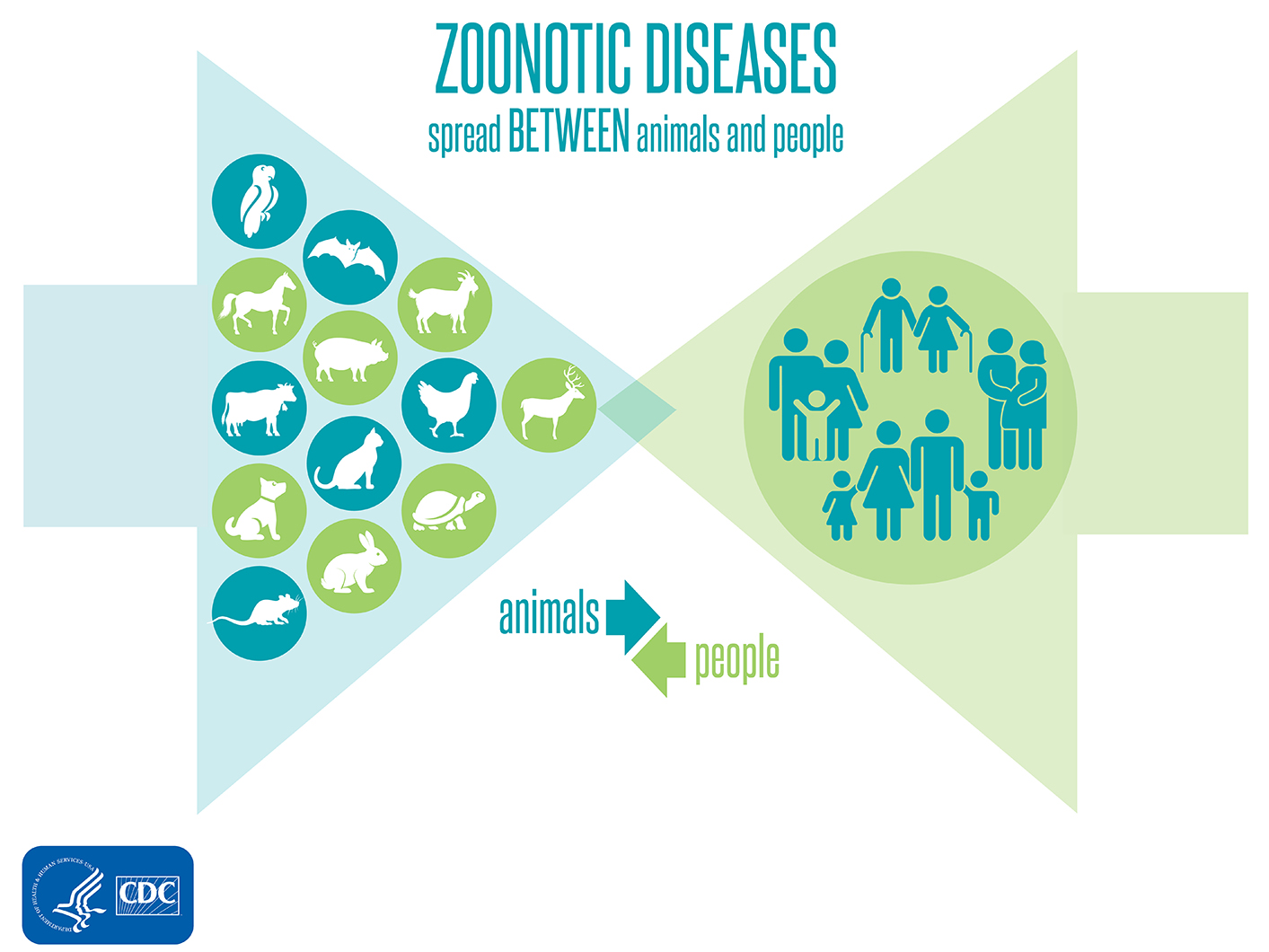
This is just one way that the law recognizes the occupational risk posed by exposure to “zoonotic” diseases. Zoonotic diseases are diseases that can be shared between humans and animals. The pathogens that cause them are transmitted in a variety of ways. For example, they can be acquired via direct contact with the saliva of an infected animal or by being bitten by infected vectors such as ticks and fleas.
Zoonotic diseases are transferred between humans and many different types of animals. Livestock and domesticated pets are just a couple of examples (Source: CDC).
Researchers estimate that approximately 60% of known infectious diseases are spread from animals to humans, and 75% of emerging infectious diseases are related to animal-human transmission.Bartonellosis, Lyme disease, and other tick-borne diseases are all considered zoonotic diseases.
“Occupational risks” are health and wellbeing risks associated with one’s job. These risks are generally categorized as chemical, biological, psychosocial or physical. Lyme disease and other zoonotic diseases are a biological risk for people who work outdoors or with animals. The level of risk an employee faces depends on the employee’s position and the geographic location of the job.
Occupational exposure to zoonotic pathogens has been researched around the world. Here are just some of the findings:
Gardeners and Soldiers: In a study of people in the Slovak Republic, these workers were almost as likely to be positive for Lyme disease as patients with neurological symptoms waiting to be tested at a neurology clinic.
Veterinary Workers: In the United States, Galaxy Diagnostics scientists worked with researchers at Duke University in 2014 to demonstrate that Bartonella species infection is an occupational risk for veterinary health workers. In this study, 28% of these workers were PCR-positive for Bartonella species infections.
National Park Service Employees: A study at two major US parks found that more than a third of the employees were positive for exposure to at least one tick-borne pathogen. The risk was slightly higher for front line workers than for managers.
Agricultural Workers and Foresters: A study in Poland found that the incidence of occupation-related diseases was 418 per 100,000 workers. Of these diseases, 92.4% were related to infectious pathogens; Lyme disease was the most common among them.
The best way for workers in these high-risk groups to protect themselves is to follow preventative measures that are recommended by their place of work and seek additional resources from organizations such as the National Institute for Occupational Safety and Health (NIOSH), a research agency directed by the US Centers for Disease Control (CDC).
NIOSH recommends that employers provide workers exposed to ticks with training on how to protect themselves from tick bites and also provide them with tick repellents and insecticides. When uniforms are used, NIOSH recommends they provide full coverage of the skin.
Where possible, NIOSH also recommends reducing the risk at work sites. This can be done by controlling rodents, small animals and deer that access the work site and by clearing leaf litter and vegetation from the work site that may support a population of ticks and tick-borne pathogens.
For those who work directly with animals, such as veterinary workers, reducing risk through safe handling of animals and universal precautions is recommended. The National Association of State Public Health Veterinarians provides standard precautions that offer guidance for reducing biological risks in a veterinary setting. Furthermore, a study conducted in Seattle, Washington found that pet owner behavior can negatively influence the safety of veterinary workers. Veterinary workers who understand the importance of safety precautions and can communicate those reasons effectively to clients can decrease their occupational risk.
Employers in the US are required by law to provide employees with the information and supplies to protect themselves from occupational risks. Employees can further protect themselves by educating themselves about how to reduce their occupational risk.
References
Centers for Disease Control and Prevention, The National Institute for Occupational Safety and Health. (2011). Lyme disease. Retrieved from: https://www.cdc.gov/niosh/topics/lyme/
Adjemian, J. (2012). Zoonotic infections among employees from Great Smoky Mountains and Rocky Mountain National Parks, 2008-2009. Vector-Borne and Zoonotic Diseases, 12(11), 922-931. doi:10.1089/vbz.2011.0917 https://www.ncbi.nlm.nih.gov/pmc/articles/PMC3533868/
Lantos, P. M. et al. (2014). Detection of Bartonella species in the blood of veterinarians and veterinary technicians: A newly recognized occupational hazard? Vector-Borne and Zoonotic Diseases, 14(8), 563-570. doi:10.1089/vbz.2013.1512 https://www.ncbi.nlm.nih.gov/pmc/articles/PMC4117269/




 Madison Area Lyme Support Group