Archive for the ‘Pain Management’ Category

MyLymeData Conference in April

http://events.r20.constantcontact.com/register/eventoeidk=a07ef2vo92h1445fa6e&llr=xsuluhcab&showPage=true

MyLymeData2018: Seeking Cures Together

Latest results from MyLymeData, the first national large-scale study of chronic Lyme disease. MyLymeData tracks patients’ progress over time. More than 10,000 participants have enrolled.

Our speakers:

Mary Beth Pfeiffer, nationally known investigative journalist, will discuss her new book, “Lyme: The First Epidemic of Climate Change.”

Lorraine Johnson, CEO of LymeDisease.org. “Latest Results From MyLymeData”

Ray Stricker, MD. “The Future of Lyme Diagnostics”

Better testing already exists, Dr. Stricker maintains, and should be validated by the CDC. Furthermore, new tests are being developed that will detect a broader range of Lyme bacteria and tick-borne co-infections.

Christine Green, MD, “Lyme Pain and Herxheimer Reactions”

Online registrants have the option of ordering a copy of Pfeiffer’s book at the discounted price of $22. You will pick up the book when you arrive at the conference. Books must be ordered by March 16.

Pre-registration: $35 (online registration closes at midnight, April 4.)

Admission at the door: $40

SPONSORS:  IGeneX Inc. & Researched Nutritionals

Register:  https://events.r20.constantcontact.com/register/eventReg?oeidk=a07ef2vo92h1445fa6e&oseq=&c=&ch=

When:
Saturday, April 7, 2018 from 1:00 PM to 5:00 PM PDT

Where:
San Ramon Community Center
12501 Alcosta Blvd.
San Ramon, CA 94583


Headaches and Lyme/MSIDS

https://globallymealliance.org/my-1-headache-trigger-lyme-disease/

th

By Jennifer Crystal

Skiing has always been part of my life. I went to a college in Vermont that had its own ski run. After graduation, I moved to Colorado to teach high school, and to become a ski instructor. It was supposed to be the high point of my life, and in many ways it was, but there were also some very low points because I was wrestling with undiagnosed tick-borne illnesses.

One such low found me on the bathroom floor, writhing in pain from an excruciating migraine. The throbbing started over my left eye, working its way up over that side of my head and around the back to my neck. I felt as if my brain was going to explode out of my skull.

“It’s probably from the altitude,” a doctor later told me. In the years since I had started developing strange symptoms—fever, joint aches, exhaustion, hand tremors, hives—I grew accustomed to doctors writing them off with a simple explanation.

But altitude was not causing my migraines. In fact, I was suffering from Lyme disease, Ehrlichia, and Babesia, the last being a tick-borne parasite that consumes oxygen in red blood cells. Due to these infections, a scan would later show that I was not getting enough oxygen to the left side of my brain. Living at a high altitude certainly didn’t help this situation, but the root cause was the fact that my oxygen levels were already compromised by infection.

Babesia is not the only tick-borne disease that can cause headaches; so can Ehrlichia and relapsing fevers. But with or without co-infections, the vast majority of Lyme disease patients complain of headaches as a chief symptom, with pain ranging from moderate to severe. Many patients, myself included, have encountered migraines so debilitating they’re relegated to bed in a dark room due to pain, light sensitivity and nausea. Though tick-borne diseases can cause pain throughout the cranium, migraines are usually focused to one side. As a child, I had four surgeries to correct weak muscles in my eyes, especially on the left, leaving scar tissue over that eye. I later learned that Lyme bacteria, spirochetes, like to hide out in scar tissue, which may explain why my migraines always started over that eye.

So why are headaches so common for Lyme patients? Spirochetes can enter the central nervous system by crossing the blood-brain barrier. This barrier is supposed to protect the brain from infection, but spirochetes are tricky and swift and can coil their way across, causing headaches for their victims.

Lyme is an inflammatory disease, so once spirochetes enter the central nervous system, they cause swelling there. In his book Why Can’t I Get Better? Solving the Mystery of Lyme & Chronic Disease, Dr. Richard Horowitz equates this inflammation to a fire that ignites heat, redness, pain, and loss of function.[1] Feeling like my brain was going to explode out of my skull was not really hyperbole; my head was indeed swollen, but I just couldn’t see it the way I would be able to if  I’d had a swollen ankle or knee.

At my lowest points of illness, I got migraines several times a week. I tried to try to push through the pain. I wanted to be living my life, teaching and skiing. But I always paid a high price for not listening to my body—or in this case, to my brain. Ignoring the headache only increased the pain, sometimes sending me to bed for two or three days at a time. I got prescription medication, which I learned to take as soon as I felt a headache coming on, rather than trying to wait it out. I also found that staying hydrated, eating foods rich in iron, and stretching gently—to help increase blood flow—sometimes helped alleviate my headaches.

The best treatment, however, was rest. If you have a swollen ankle or knee, you stay off that joint, giving it time to heal. The same is true for your brain. Your head needs time to recover from inflammation, and nothing has helped that process more for me than sleep. Though I rarely get migraines these days, I still get pressure on the left side of my head when I get tired or neurologically overwhelmed. I never want to spend a day in bed, but one is better than being there for several days—and it’s certainly better than writhing on the bathroom floor. A day spent recuperating means more days on the slopes, and I’ll take as many of those as I can get.

[1] Horowitz, Richard I. Why Can’t I Get Better? Solving the Mystery of Lyme & Chronic Disease. New York: St. Martin’s Press. 2013. (186)


Opinions expressed by contributors are their own.

Jennifer Crystal is a writer and educator in Boston. She is working on a memoir about her journey with chronic tick-borne illness. Do you have a question for Jennifer? Email her at  jennifercrystalwriter@gmail.com

________________

**Comment**

Infection driven inflammation is the name of the game here and anything you can do to lower both will help the headaches.

Since this was a major thorn for me my quest for relief has led me to numerous modalities.  One is systemic enzymes:  

https://madisonarealymesupportgroup.com/2016/04/02/why-docs-miss-msids-wobenzym/

https://madisonarealymesupportgroup.com/2016/04/22/systemic-enzymes/

My husband nearly destroyed his liver taking Ibuprofen for Lyme/MSIDS pain.  

The other is ruling out Chiari and/or any other physical causes:  https://madisonarealymesupportgroup.com/2016/04/02/chiari/  Normally Chiari is thought of as a congenital abnormality; however, within 1 week I met 3 people with a MSIDS diagnosis who also have Chiari. Coincidence?  Brain infections can cause it.

Next down the rabbit hole is MSM (a derivative of DMSO – without the smell):  https://madisonarealymesupportgroup.com/2018/01/03/the-invisible-universe-of-the-human-microbiome-msm/  MSM stands for Methylsulfonylmethane and is 34% sulfur by weight. Sulfur plays a crucial role in detoxification and is an important antioxidant for producing glutathione.  It has been used for decades for pain and inflammation.  

There are also MSM creams – but beware and do your reading.  Many have toxic additives and perfumes.  

And then of course, DMSO:

I promised I would write an in-depth article on both DMSO and its derivative MSM but there’s a lot to read!  I have personally tried both with excellent results.  MSM is as safe as water but please read about it in the link above as the process in which it’s made is important.  

As to DMSO, it’s safe as well but since it’s a solvent (penetrating agent) it demands scrupulous attention to detail, plus you may not enjoy the garlic/oyster smell it gives.  You also need to find pure DMSO.  

http://www.alternative-medicine-digest.com/dmso.htmlOver 100,000 articles have been written about medical DMSO uses. In 1963, when the FDA approved human testing, all studies showed it to be safe and non-toxic. One study revealed changes in the lens of the eye in specific lab animals; however, when a number of human studies were done around the world in the late sixties, no human eye damage was found.

After two human studies done on human volunteers in prison, Dr. Richard Brobyn stated: “A very extensive study of DMSO use was conducted at three to 30 times the usual treatment dosage in humans for three months. DMSO appears to be a very safe drug for human administration, and, in particular, the lens changes that occur in certain mammalian species do not occur in man under this very high, prolonged treatment regimen. I am very glad to be able to present these data at this time, so that we can permanently dispel the myth that DMSO is in any way a toxic or dangerous drug.”

So far I’m taking 1/2 tsp of MSM crystals in water twice a day.  All pain gone.  POOF!  If there is any pain ever, I use a DMSO gel topically on the specific area of pain – typically the base of my skull.  Within minutes, pain gone.  POOF!

Please read about DMSO before trying as it burns and itches for a spell.  Do not itch it.  You also need to read about concentrations as some are too strong for topical application.  I use the 70% DMSO gel.  Some are more sensitive and need a lower percentage.   It also has a lovely smell to it – but hey, I’ll smell like an oyster any day than deal with the pain!  Also, hands and anything DMSO touches has to be scrupulously clean.  It must dry (takes about 20-30 min) before putting any clothing on it as the dyes, etc will go into your body.  

I’ve called numerous places to find out what the ingredient (such as rose smell) is in certain DMSO creams.  I’m not getting straight answers so I’m not using it.  I’d rather deal with the smell than introduce yet another foreign substance into my body.

Of course the question begs to be asked, “Would taking liquid DMSO internally aid with getting antimicrobials/antivirals deeper into the body?”  My hunch is yes, if you can stand the smell.

Stay tuned.  More to come.


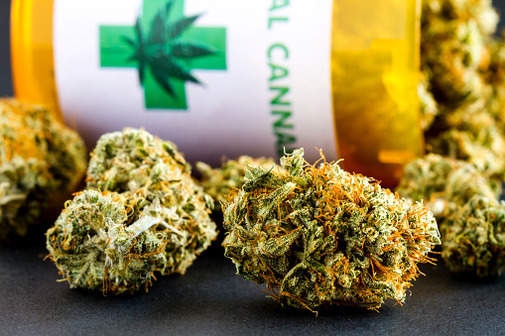
Medical Marijuana For Lyme – A Doctor’s Perspective

https://www.lymedisease.org/med-marijuana-lyme-kinderlehrer/

Medical marijuana for Lyme symptoms? A doctor’s perspective.

Kinderlehrer-headshot-300x300

by Daniel A. Kinderlehrer, M.D.

I have a confession to make. I proposed a talk on medical marijuana at ILADS because it would force me to learn everything I could on the topic. I live in Colorado where it seems there is a dispensary on every corner, and many of my patients have been using medical cannabis. But the huge assortment of products is confusing, and I wanted to give specific recommendations to help patients get the most benefit. Here is what I learned.

Marijuana has 483 phytocannabanoids, which are naturally occurring compounds that can affect many body processes such as appetite, mood and sleep. Most people have heard of one of them—THC, or tetrahydrocannabinol—the psychoactive component of marijuana. THC can make you high, giddy, or euphoric, and provide seemingly awesome universal insights that may appear quite trivial the next day.

Some strains of marijuana now available are not your father’s weed—they have a much higher THC content. It’s important to choose the appropriate strain for your needs, and some people may want to avoid THC entirely. However, it has been clearly established that THC is quite beneficial for pain, sleep, nausea, appetite, and PTSD, so there are medically valid reasons for choosing it.

Most of the non-THC phytocannabanoids fall into the category of cannabidiols, or CBDs. CBDs were once considered to be physiologically inactive unless paired with THC, but it turns out that is not the case. There is compelling scientific research documenting its independent activity, and now there is extensive clinical experience as well.

Did you know that we make our own CBDs? All vertebrates going back 600 million years on the evolutionary tree have an endocannabanoid system, which modulates immune and nervous system function. CBDs are potent anti-inflammatory agents, they regulate neurotransmitters, and they may enhance immune competence. CBDs decrease neuroinflammation and are neuroprotective. They can significantly reduce pain and anxiety.

Marijuana is not the only product that supplies CBDs. Hemp, a variety of cannabis that is used to make rope, fabric and paper, contains CBDs. Hemp has less than 0.3% THC, and is not psychoactive.

There are two strains of cannabis: indica and sativa. Indica has a high proportion of THC to CBD. It is great for pain but is sedating, so it is best used at night. Sativa is CBD-dominant. It is activating, can increase energy, and is better suited for daytime use. There are also a number of hybrid strains now available that essentially cross categories.

If your problem is pain, consider taking CBDs in the form of hemp oil in the daytime. My patients have had excellent responses to a liposomal sublingual extract (taken under the tongue), and it is activating, not sedating. In the evening, you can take a marijuana extract with equal parts THC and CBD, since these together will have additive pain-relieving effects. There are a number of delivery systems available, including smoking, vaping, edibles and sublingual extracts. I recommend the extracts since the onset is reasonably quick, usually in about 30 minutes, and the dose can be easily titrated by adjusting the number of drops under the tongue.

Both hemp-derived CBD and marijuana are available as balms that can be applied topically to relieve pain. Whether taken systemically or applied locally, these products can help many patients significantly decrease their need for pain medication. In fact, states that have legalized medical marijuana have experienced a 25% decrease in opiate overdose deaths. That’s right. This scourge, which took 42,000 lives in 2016 (66,000 including all drug overdose deaths), was significantly reduced by the availability of marijuana.

For sleep, take a THC-dominant indica strain. THC is not only sedating, it increases the time spent in the deeper stages of sleep, so sleep is more restorative. If your problem is difficulty falling asleep, use a short-acting vehicle like vaping, which kicks in within 15 minutes. Vaping is high-tech smoking without the ill effects of the smoke. Alternatively, use a sublingual extract, which has an onset within 30 minutes. Both of these will hang around for up to an hour.

If your problem is staying asleep, then take an edible. It takes 60-90 minutes to get into the circulation, and hangs around for an average of 3-4 hours. I don’t recommend cookies or candy, as they usually have a lot of junk in them—you can take pure THC tablets. The average dose is 10mg, but start with 2.5mg to see how well you tolerate it.

If you have problems with both sleep initiation and maintenance, you can take sublingual extract or vape to fall asleep, and a THC tablet to stay asleep. The table below includes some considerations for choosing among the available options.

TIMING 

  • Daytime CBD from hemp oil  for pain, anxiety, energy – because THC can cause sedation & alter cognition
  • Evening Marijuana with THC:CBD ratio around 1:1 for pain & relaxation – because
    THC and CBD combination yield optimal analgesic benefits
  • Night THC dominant indica strain or edible THC for sedation, improved sleep, architecture – Vape or SL extract for sleep initiation; Edible for sleep maintenance

While THC is only available in states that have legalized medical marijuana, CBD from hemp oil is available everywhere—although the attorney general in Nebraska seems to be confused about that. You can buy it on the Internet, travel across state lines, and I have even taken it out of the country when I traveled to Israel to visit my daughter.

**My note:  Hemp Oil has little THC.  Go here to read about the differences** https://healthyhempoil.com/hemp-oil-vs-cannabis-oil/

CBD can lessen anxiety, without any of the psychoactive giddiness of THC. CBD is anti-inflammatory—it not only decreases pain, it can improve energy, cognitive function and general well being. When I started selling it in my office, it went flying off the shelf. The full effects of CBD from hemp oil do not kick in for two to three weeks.

While properly administered marijuana has been extremely effective in helping people with PTSD, in some people it will make anxiety worse. Similarly, THC can help depression in some people, but in others can make depression worse, particularly if it is abused by chronic users. If you develop tolerance to the benefits of cannabis because of chronic use, it is important to take a drug holiday. Pregnant women should not take marijuana.

The legal status of marijuana is dicey. It is unjustifiably classified as a Class I controlled substance by the Food and Drug Administration, in the same category as heroin, and the Obama administration declined to enforce federal laws regarding marijuana in states where it was legalized and properly regulated. The current administration is trying to change that, but I predict it will be like trying to put toothpaste back in the tube.

The analgesic, anti-inflammatory and neuroprotective properties of cannabis make it extremely valuable as an adjunct to the treatment of tick-borne diseases. There is a lot of research available on the medical uses of cannabis. A couple of good resources are listed below.

Kowal MA et al. Review on clinical studies with cannabis and cannabinoids 2010-2014. Cannabinoids 2016;11(special issue):1-18

Project CBD, User’s Manual: https://www.projectcbd.org/guidance/cbd-users-manual

Dr. Daniel Kinderlehrer specializes in the treatment of tick-borne disease in Denver, Colorado. He has found that properly administered medical marijuana and CBD from hemp oil have been extremely beneficial for many of his patients.

______________

**Comment**

Helpful and practical article by Dr. Kinderlehrer.  Recently, I posted an article by Dr. Amen that serves as a caution in regards to the THC in marijuana:

https://www.linkedin.com/pulse/does-cbd-oil-cause-brain-damage-dr-daniel-amen/ “Although marijuana doesn’t necessarily pose the same immediate, life-threatening dangers as alcohol, we have seen that chronic, long-term use does cause significant brain changes—chiefly, slowed activity in the frontal and temporal lobes; areas of the brain involved with focus, concentration, motivation, memory, learning, and mood stability.

Just published in the most recent Journal of Alzheimer’s Disease,  https://www.j-alz.com/content/new-study-shows-marijuana-users-have-low-blood-flow-brain the research finds that, after studying imaging of 1,000 cannabis users’ brains, there were signs of noticeable deficiencies of blood flow. The study, which included 25,168 non-cannabis users, and 100 healthy controls, shows a scary and obvious difference in blood flow levels for those that used cannabis.

Additionally, those that used marijuana showed a significant lack of blood flow in the right hippocampus, the area of the brain that helps with memory formation. This part of the brain is severely affected with those that suffer from Alzheimer’s disease.”

The Amen Clinic Uses SPECT imaging and as they say, “A Picture’s worth a thousand words.”  http://www.amenclinics.com/blog/amen-research-marijuana-affects-blood-flow-brain/

marijuana-8x4

Like everything else it’s important to read all around an issue, particularly when you are considering it as a treatment and it’s going into your body.  As always one must weigh the risk vs the benefit.  I know folks who swear by medical cannabis and that they wouldn’t be alive without it.  I also know of folks who swear by Hemp CBD oil as well.

For more on Cannabis:

https://madisonarealymesupportgroup.com/2017/01/23/nasem-report-on-cannabis/

https://madisonarealymesupportgroup.com/2017/10/05/marijuana-chronic-pain-q-a-with-dr-david-barton/

https://madisonarealymesupportgroup.com/2015/05/19/marijuana-the-miracle-herb/

For more on Hemp-derived CBD:  https://madisonarealymesupportgroup.com/2017/09/28/cbd-for-pain/

https://madisonarealymesupportgroup.com/2017/10/19/november-madison-lyme-support-group-meeting/

https://madisonarealymesupportgroup.com/2017/11/14/hemp-oil-presentation/

If you are having trouble sleeping, immune dysfunction, inflammation, & PTSD,  read about LDN:  https://madisonarealymesupportgroup.com/?s=LDN

Trouble with your gut, detoxing, inflammation/pain, and allergies?  Read about MSM:  https://madisonarealymesupportgroup.com/2018/01/03/the-invisible-universe-of-the-human-microbiome-msm/

The Invisible Universe Of The Human Microbiome & MSM

 NPR 2013

The next time you look in a mirror, think about this: In many ways you’re more microbe than human. There are 10 times more cells from microorganisms like bacteria and fungi in and on our bodies than there are human cells. But these tiny compatriots are invisible to the naked eye. Artist Ben Arthur gives us a guided tour of the rich universe of the human microbiome.

https://articles.mercola.com/sites/articles/archive/2018/01/03/gut-microbiome-probiotics.aspx?  Dr. Mercola Jan., 2018

Story at-a-glance

  • Because 70 to 80 percent of your immune system resides within your gastrointestinal tract, optimizing your gut microbiome is a worthwhile pursuit that will have far-reaching effects on your physical health and emotional well-being
  • A vital first step toward balancing your gut flora is to eliminate sugar from your diet, especially sugars found in processed foods
  • Eating fermented foods such as kefir, kimchi and sauerkraut, as well as consuming prebiotic foods like garlic, leeks and onions, can help create an optimal environment for beneficial gut bacteria, while decreasing disease-causing bacteria, fungi and yeast
  • Taking a probiotic or sporebiotic supplement can also be beneficial, especially during and following antibiotic treatment, because it helps restore and promote healthy gut flora
  • Your gut bacteria can influence your behavior and gene expression, and has also been shown to play a role with respect to autism, diabetes and obesity

__________________

All Lyme/MSIDS patients should be on a good pro and prebiotic as well as lowering or avoiding sugars, eating a whole-food based diet, and avoiding processed food.  Some will do well eliminating gluten and/or dairy.  We are all so different – what works for one may not work for another, but all are worth trying.

In my quest, I’ve been studying DMSO and MSM.  For that information:  https://madisonarealymesupportgroup.com/2018/03/02/dmso-msm-for-lyme-msids/

Briefly, MSM stands for Methylsulfonylmethane and is 34% sulfur by weight.  Sulfur plays a crucial role in detoxification and is an important antioxidant for producing glutathione.  If you aren’t getting enough sulfur, glutathione can not work.  Even if you have a diet rich in sulfur (think cabbage, onions, garlic, broccoli, etc – essentially the stinky veggies – and many other food items as well) your body still could use supplementation.

For me it was a game-changer.

https://lyngenet.com/msm-wonder-supplement-sinus-digestive-lung-esophageal-health/ By Lyn-Genet Recitas, NMT, Sports Nutritionist, Holistic Health Pracitioner, RYT

Recitas, author of “The Plan,” calls MSM the wonder supplement for your gut.  It can alleviate allergy symptoms, helps with detoxification, eliminates free radicals, and improves cell permeability.  She states that with given time, MSM will start to actually repair damage caused by leaky gut – a common problem with Lyme/MSIDS patients.  It can also help the body’s ability to absorb nutrients from food.  Many Lyme patients struggle with paralysis of the gut where the muscles of the stomach and intestines stop being efficient.  MSM helps this muscle tone as well.

My personal observation after starting MSM

I started out with 1/4 tsp of distilled crystals in about 2 oz of water, since it has a bitter taste.  After studying it, I learned the distillation process is the best one and if you want to find sources easily go here:  http://www.optimsm.com/brands/ You should see the OptiMSM patent on the product.  I happened to get the 16 oz tub of crystals at the Vitamin Shoppe but as you can see there are many brands available. (As always, I don’t make a dime on any of this and have no connection what so ever to any product line)

Within three days I noticed my nails growing faster.  Within a week, about 50% of my pain was gone.  Now this is a big deal as this pain has been resistant to nearly everything I’ve tried over the years.

After this reduction in pain, I increased the dose to 1/4 tsp twice a day and then ultimately to my final dose of 1/2 tsp twice a day in 2 oz of water.

**update** I had to pull back on amount for a few weeks as my body was detoxing and I broke out like a teenager on my face, back, and chest.  All I can say is it does help detoxify as clearly seen on my skin.  After reducing the dose for a month or so I easily went back to my full dose of 1/2 tsp once a day.  Everyone’s different and requires different doses.  Take the lowest amount to achieve desired results.

I have to report that my pain is completely gone on some days with a fraction returning on other days.

For a great MSM guide:  http://msmguide.com/

http://www.nutraceuticalsworld.com/contents/view_breaking-news/2017-04-25/decades-of-discovery-summarized-in-new-msm-review/  This article gives a current 2017 review of MSM as well as studies and 195 references.

MSM has been studied for decades.

It is recommended to start at a low initial dose and allow the body to acclimate.  You can slowly increase the dose after a week.  It is also stated that those with chronic conditions may take up to 6 or more months to notice a difference.

You can also get MSM in creams, gels, and lotions for topical application – as well as pills.  Make sure you read about the other ingredients and if the MSM is made from distillation.  Like any other supplement, the devil’s in the details.

I’ve had patients report back to me that MSM has been a game-changer for them too.  Considering the fact it’s cheap, helps with pain and inflammation, helps with detoxification and helping the gut, it is one item I can suggest to anyone to try.

MSM is derived from DMSO and has many similar properties plus DMSO has many all of its own worth investigating.  DMSO takes more knowledge to use so please read that article above in detail as it’s a penetrating agent and will drive anything and everything into your body.  If using topically you want it to completely dry before anything touches it and your hands, utensils and everything it’s stored in must be clean and preferably glass.  DMSO should never be stored in plastic.


Marijuana & Chronic Pain: Q & A With Dr. David Barton

https://www.healthcentral.com/article/marijuana-and-chronic-pain-qa-with-dr-david-barton
Marijuana and Chronic Pain: Q&A with Dr. David Barton
Celeste Cooper, RN / @FibroCFSWarrior, Health Professional

marijuana         Credit:  Thinkstock

Dr. David J. Barton (AKA Dr. B), a conservative physician by personality and training, says it required an evolutionary process to arrive at his present clinical outlook on medical marijuana.

What is your medical background?**

Dr. B**: I was a double-boarded general surgery trained plastic surgeon until I became disabled and retrained in Pain Medicine at the University of Utah. I hold memberships in the American Academy of Pain Medicine, the International Cannabinoid Research Society and the Hawaii Medical Society.

How did your opinion on cannabis medicine evolve?**

Dr. B**: I was hindered from a career in surgery, causing a neck and arm condition that lead to chronic pain. That led me to where I am today. Much of my philosophy is guided by my personal experiences with severe pain and the failed treatments.

I became frustrated by poor treatment outcomes. For many pain conditions, traditional medicine included aggressive treatments and dangerous levels of medicines. Having no personal experience with marijuana use, I learned by listening to patients who found significant relief using cannabis. With further study, I realized the truth about cannabis and its potential to relieve suffering in a safe and effective manner.

What is cannabis medicine?**

Dr. B**: For the Pain Doc, cannabis medicine represents a naturopathic, legitimate alternative for treating chronic neuropathic pain and muscular conditions using a variety of cannabis based medicines.

The U.S. National Institutes of Health/National Cancer Institute states the known benefits include:

Antiemetic effects (effective against vomiting and nausea)
Appetite stimulation
Pain relief
Improved sleep
Symptom management
Direct antitumor effect
End of life care
Cannabis medicine focuses on treating a variety of medical conditions.

Are there risks?**

Dr. B**: There are risks to any treatment. Seldom headlined are the consequences of undertreated or untreated pain. According to the American Osteopathic Association, chronic pain “affects more Americans than cancer, diabetes, and heart disease combined.”

Patients and physicians should discuss potential negative effects. About 90 percent of my patients use very small amounts of cannabis, and learn quickly how to avoid problems. And like with any medication, I screen for the small minority of those who may be prone to misuse and addiction.

When an individual’s health problems are addressed by a qualified healthcare provider, risks, significantly less than traditional medications, are minimized.

Many say THC and CBD** transform pain signals between peripheral nerves, the spinal cord and brain. Do you agree?**

Dr. B**: Yes. At the 2013 American Academy of Pain Medicine meeting, Dr. Michael Moskowitz said, “preclinical studies, surveys, case studies and randomized double-blind placebo-controlled trials with cannabis have all shown its effectiveness in chronic pain conditions … Cannabis works to settle down the processing of wind-up (centralization) and is the only drug known to do so. It reduces inflammatory pain in the peripheral nerves, and has a unique mechanism for pain reduction unlike any other medicine.”

The complex interaction between innate opioid and cannabinoid systems is not well understood. But with effort and opportunity, we can unravel the mysteries of cannabis science.

How does MMJ stack up against other painkillers?**

Dr. B**: Studies show MMJ can be as effective as opioids. Many people are able to eliminate or significantly reduce their use of opioid pain pills. Cannabis also treats other problems associated with chronic pain, such as sleep, mood disorders, and myofascial spasms and pain, thereby reducing the need for additional medications that have potential side effects or drug interactions.

Is there a cultural transformation regarding MMJ?**

Dr. B**: Yes. This was most evident at a recent NIH symposium (Marijuana and Cannabinoids: A Neuroscience Research Summit) that took place in Bethesda this past spring, wherein, the medical use of cannabis was clearly discussed.

Over the past few years, we have all seen the direct medicinal effects of cannabis in the media by high profile people and entities. The most dramatic have been children with intractable seizures whose parents are directly challenging hostile politicians. The second group is our veterans with service-related conditions who find relief with medical cannabis use.

Patients, their love ones, and organizations have teamed up with activist physicians and political allies to challenge the status quo of government. The tsunami of change in every state has been accelerated by opioid related deaths.

How do you counsel patients?**

Dr. B**: The patient must have a qualifying condition according to the laws of Hawaii, where I practice. I expect patients to act responsibly and follow the laws that govern MMJ access and use. I discuss various delivery systems with my patients. The majority use inhalation delivery. Oils, edibles, and topical ointments are in strong demand. I have seen great results for autoimmune conditions using high CBD low THC cannabis based juice, which provides pain relieving, strong anti-inflammatory effects without psychogenic effects.

Our goal is to combine traditional multi-disciplinary therapies with our patient’s right to use medicinal cannabis to improve their outcome. (See An Elephant Called Pain.)

David J. Barton, MD is a clinician in Pain Medicine and a Medical Political Activist with more than 31 years of experience as a physician. He is fellowship trained in Pain Medicine, and became board certified in Pain Medicine by the American Board of Pain Medicine in 2005. Past board certifications include General Surgery (1992) and Plastic Surgery (1995). He is owner and founder of Hawaiian-Pacific Pain and Palliative Care and focuses his practice on chronic pain and end of life care. Dr. Barton has personally lived in the “Pain World” for nearly 20 years.

Celeste Cooper, RN, is a chronic pain patient, freelance writer, and contributor to the Health Central Community. She is also lead author of five published self-help books and enjoys writing and advocating for people living with chronic pain as a participant in a local patient leadership group and the PAINS Project. She is lead author of Integrative therapies for Fibromyalgia, Chronic Fatigue Syndrome, and Myofascial Pain and the Broken Body, Wounded Spirit: Balancing the See-Saw of Chronic Pain book series.  Connect with Celeste through her website CelesteCooper.com, Twitter @FibroCFSWarrior, or follow her FB page:
https://www.facebook.com/Chronic.pain.therapies.advocacy/
Published On: Aug 1st 2016


For more on medical cannabis:

https://madisonarealymesupportgroup.com/2017/01/23/nasem-report-on-cannabis/

https://madisonarealymesupportgroup.com/2017/09/28/cbd-for-pain/

https://madisonarealymesupportgroup.com/2015/05/19/marijuana-the-miracle-herb/