Archive for the ‘Mycoplasma’ Category

A Child’s Lyme Story

It is not normal for a child to complain of leg pain – particularly in their joints.  For Patrik, the doctors told him he had growing pains.

End of story.

But it didn’t end for Patrik, and it doesn’t end for many children because it isn’t growing pains, it can often be a systemic infection that needs to be dealt with.  Patrik’s issues became more cognitive in nature where he had trouble with memory, paying attention, fatigue, and uncontrollable blinking.  This all intensified and he developed anxiety, stuttering, mood swings – and rage.

Patrik finally tested positively for Lyme and found a compassionate doctor who understood him and treated him for autoimmune brain dysfunction triggered by LD.

Please learn from this story, share it with others, and don’t settle for pat answers.  Doctors should not dismiss a child when they have severe pain and/or cognitive issues.

Good news – Patrik is doing better on treatment and has regained much of his cognitive ability.  In my experience children respond very well to proper MSIDS treatment which treats all forms of borrelia, and typically the various coinfections that tend to come along for the ride.

For various treatments to discuss with your practitioner see:

https://madisonarealymesupportgroup.com/2016/02/13/lyme-disease-treatment/

https://madisonarealymesupportgroup.com/2016/01/16/babesia-treatment/

https://madisonarealymesupportgroup.com/2016/01/03/bartonella-treatment/

https://madisonarealymesupportgroup.com/2016/02/07/mycoplasma-treatment/

https://madisonarealymesupportgroup.com/2016/03/28/combating-viruses/


New Kids on the Block – LDA/LDI

Some LLMD’s have turned to a new therapy to help chronically infected MSIDS patients (multi systemic infectious disease syndrome – or Lyme with friends). This therapy is called LDA and LDI and is used to retrain and restore your body’s immune tolerance. The reason this is thought to be helpful is two fold, the first being to get your body to quit reacting to things we are around like food, pollen, and various chemicals, and the second to get your body to quit reacting to infections like Epstein Barr (the Mono virus), numerous strains of borrelia (the causative agent of Lyme Disease), strains of Bartonella, and other pathogens. The theory is that since these infections have been around from the beginning of time with folks handling them just fine, it’s really a 21st Century problem caused by an immune response.  To fix this, the body is introduced to minute amounts of substances to build up a tolerance over time so the immune system doesn’t go haywire.  The current standard of care for auto immune diseases is to take immune-suppressing drugs, anti-inflammatory agents,and monoclonal antibody therapies, all of which have dangerous drawbacks.

http://www.drshrader.com/lda_therapy.htm
LDA includes over three hundred allergens including inhaled pollens, danders, dust and mites, fungi, yeast (including Candida species), molds, foods, many food additives, most common chemicals and perfumes and formaldehyde, and is used in extremely low doses that uses broad-based mixtures.
After 1 to 2 Intradermal injections of .05 (1/20) cc on the forearm or leg, there is an increase in T regulator cells (Treg). These cells address rogue cellular responses to substances promoted by CD4 (helper), CD8 (killer) and B Cells. Simply put – LDA shuts off the adverse response.

Along with the allergens, beta-glucuronidase, an enzyme, is included in the shot with an ultra-fine 31 gauge needle to stimulate production of T-suppressor cells which will help the body not react to normal substances.

Initially, LDA injections are usually taken at two month intervals. Gradually the interval between injections is extended until they are taken at yearly intervals. Most patients can either go a long time between injections or stop entirely after about 16 to 18 injections, with most patients noticing improvement within the first three doses.”

What’s the difference between LDA and other conventional allergy therapies?

Conventional allergy therapies block antibodies which inhibits the histamine releasing ability of the mast call. The higher the level of blocking antibody produced, the greater the success, but this requires high doses of allergens causing nasty side effects which can be dangerous – even causing anaphylactic shock. Also, only inhalants can be treated leaving food, chemicals and other important issues not dealt with. LDA, on the other hand, treats many disorders, many of which aren’t even considered immune or allergy related.

http://www.specialtynaturalmedicine.com/our-services/allergy-shot-treatments/The Safety of Low Dose Allergy Immunotherapy Also, “LDA uses a natural pathway of immune modulation at a strength less than that which occurs in nature. An initial study of over 10,000 patients done in the US from 1993-2001 found no significant adverse reactions to LDA.   In a United States study, repeated ear infections in children responded to LDA better than any other condition (we find that ear infections are most often caused by a reaction to foods). Many double-blinded studies have proven the effectiveness and safety of the LDA treatment.”

There is a bit of trial and error in the beginning of treatment until doctor and patient find the “sweet spot” of the correct dose. There also might be some localized swelling, itching, and redness at the injection site and rarely swelling of the lower arm which is temporary. There could also be a temporary flare of symptoms especially after the first one to three treatments, which is a good sign it’s working. Make sure to tell your doctor of any allergen reactions you are aware of before starting treatment.

LDA has been used to treat

Environmental inhalant allergies (dog, dust, hay fever, mold etc.) and chemical sensitivities
Food allergies
Food and inhalant related conditions
IBS, inflammatory bowel (Crohn’s and Ulcerative Colitis)
Autism spectrum
ADHD spectrum
Chronic ear infections
Depression
Tonsillitis
Skin allergies/conditions: dermatitis, eczema, psoriasis, rosacea
Asthma, pharyngitis, rhinitis, sinusitis
Food triggered headaches and migraines
Auto immune conditions: inflammatory bowel, inflammatory arthritis, reactive arthritis, ankylosing spondylitis, ITP, interstitial cystitis, auto immune thyroiditis (Hashimoto’s), SLE
Endometriosis
Chronic fatigue syndrome
Fibromyalgia
Lyme disease
Chronic joint and muscle pain
NAFLD
Nephritic syndrome
Re-current strep
PANDAS
Chronic vaginitis
Chronic sinusitis

Studies have shown that 60% of patients note a significant positive response with their first treatment and almost all patients respond positively by the third treatment. Alternatively, about 1 in 25 patients does not respond with strongly positive results until having had 6 treatments. The overall response rate for all conditions treated with LDA is approximately 65% to 95%, depending on the condition being treated.

Three days before starting treatment It’s important to avoid all supplements, environmental, chemical, and known triggers, as well as anti-histamines, pain relievers, and icing the injection site during treatment. LDA should be avoided during pregnancy but is safe for nursing moms and children over 2 weeks of age.

Doses include over 300 allergens such as perfumes, environmental chemicals, food additives, mixed pollens, insect, kapok and fiber mixes, and much more acting universally.

Half of patients can stop LDA after 8-18 treatments. The other half can go for long intervals of 1-4 years between treatments. Children typically respond quicker.

http://www.voiceamerica.com/episode/87271/low-dose-immunotherapy-a-new-healing-tool  As a veteran integrative family physician working in Alaska and Hawaii, Dr. Vincent realized that the Low Dose Antigen (LDA) program developed by Dr. Schrader could be expanded to include a wider range of healing possibilities. In addition to its long and excellent track record with allergies of every type, this new tool can be useful of treating Lyme disease and co-infections, and Candida, Interstitial Cystitis and a lot more.  This is called LDI or Low Dose immunotherapy.

http://www.treatlyme.net/treat-lyme-book/ldi-bring-on-the-regulators (Short 5 min video with Dr. Ross)

According to Marty Ross, practitioners are reporting improvements in up to 90% of people. LDI was created by Ty Vincent, not a LLMD, based on his work with LDA (explained previously in this article). He believes antibiotics aren’t necessary for Lyme and that regulating an over active immune system is all that is needed. Ross, who has Lyme, strongly “disagrees.” He does feel LDI can be used in conjunction with antibiotics and/or herbs. Ross theorizes that LDI could suppress the immune system which would allow the germs to overgrow, which could cause future issues.

LDI has the same beta-glucuronidase as LDA, but instead of allergens, the second part is comprised of minute doses of dead germs. Ross warns that there is NO RESEARCH showing that Tregs increase when beta-glucuronidase is mixed with dead germs, and this is the entire theory behind using LDI for MSIDS.

In LDI, like LDA, – it’s all about finding that “sweet spot” of dosing.

Ross feels LDI should never be used as a replacement for antibiotics in acute Lyme. He feels using LDI with an acute case could cause chronic Lyme later on. He does feel LDI could be considered in someone who does not respond to typical Lyme treatment within 1-2 years.

For Lyme Disease treatment reference:

https://madisonarealymesupportgroup.wordpress.com/2016/02/13/lyme-disease-treatment/

Ross also has suggestions to try if treatment isn’t working: http://www.treatlyme.net/treat-lyme-book-why-cant-i-get-better-do-this

http://www.betterhealthguy.com/ldi
Read Scott Ferguson’s, Better Health Guy, experience with LDI. He also provides many other links, including a LDI Facebook group to better equip yourself with knowledge on this treatment.

http://www.betterhealthguy.com/images/stories/PDF/LDI%20for%20CFS%20and%20Lyme.17.10.2015.pdf   Here’s an excellent pdf that is full of golden nuggets. I found the information in 6.3.3. particularly enlightening:

Borrelia b. does not produce toxins or proteases that are directly responsible for tissue damage upon colonization, thus, tissue spread and dissemination may be facilitated by the utilization of host’s proteases. In contrast, the bacterium produces multiple molecules that activate host’s responses and can lead to localized and generalized inflammatory pathogenic responses 96. During the late stage of Lyme borreliosis, persistent inflammation after eradication of the pathogen (as in the antibiotic- resistant Lyme arthritis) and after the long-lasting infection evading host’s immunity (as in acrodermatitis chronica atrophicans (ACA)) has been observed 113.  Besides, differences in the severity and spectrum of disease among patients infected with Bb are due to both genetic differences among strains of the bacterium and differences in the host’s responses. Accordingly, results in mice showed that symptoms might not correlate with bacterial load 96.”

Reading the sections on LD in this pdf further show why systemic enzymes are often the ingredient that will bring down this chronic inflammation that often results in pain reduction. Please read this article for more information on systemic enzymes: https://
madisonarealymesupportgroup.wordpress.com/2016/04/22/systemic-enzymes/

http://betterhealthguy.com/vincent  Here is an interesting interview with Dr. Ty Vincent about LDI for Autism, Pediatric Lyme, and PANDAS.

http://www.betterhealthguy.com/finding “Finding Your Way With the Complicated Patient.”

Also, Alice Prescott DO spoke on “Safely Detoxing the Toxic Patient” and shared:
“• The start of LDA/LDI treatment was EPD (enzyme-potentiated desensitization) and was discovered in England. It was later brought to the United States by Dr. Shrader under the name LDA.
• It required a very heavily restricted diet for 3 days around the injection at the time. Editor’s Note (Scott Ferguson): I did this in the late 90’s and had to order special potato flour bagels from Texas and that combined with oven-baked potatoes was all I ate for 3 days each time I did the injections. 
• The proper dilution is the one that talks to the immune system the best; it is like trying to find the volume and then staying there.
• LDA/LDI is done very 7 weeks and can also be done sublingually.
• Ty Vincent MD took LDA and applied it to infections to shift the immune response.
Sensitive patients can still have very strong reactions to LDI.
In LDI for Lyme, there are 74 different species of Borrelia, Bartonella, Babesia, Ehrlichia, and Coxiella.
Autologous LDI can be made from nasal washings, stool, urine, and other fluids.
There may be a role for LDI in the treatment of children with PANDAS/PANS which is often related to strep.
• Good results have been seen with LDI from stool and constipation may improve.  
• Detoxification starts with hydration – volume, purity, pH, container, and messages (EMFs, love). Looks at ADH and aldosterone levels.
• Trehalose, Dalektro, and Endure are options to help the body hold water.
• Bowel health consists of diet, bugs, bad chemistry, permeability, and inflammation. Enterohepatic recirculation is a problem for effective detoxification. Aldehydes, indoles, and phenols may come from microbial overgrowths.
• Starts with probiotics and sponges (binders).
• For constipation, thyroid may be a factor. Magnesium or lactulose (can feed bugs in some) may be used; Byron White A-P, chlorella, or Huperzine may be helpful.
• Diarrhea may be related to C. Diff. May use binders, treat dysbiosis and parasites. May consider LDI.
• For gallbladder, may do an ultrasound; if calcified stones, Chanca Piedra may be helpful. If no stones, may treat parasites and dysbiosis.
• Porphyria or Ehlers-Danlos Syndrome could be a reason for a hypotonic gallbladder. Chelidonium majus is excellent to stimulate bile.
• For the liver, if nauseated or have migraines or worsening neuropathy, could be a liver issue. apo-HEPAT, TOX-EASE, TOXEX, methylation, thyroid, structural work to calm the sympathetic and increase parasympathetic nervous system, neural therapy.
• For kidneys, NEO-40, serrapeptase, nattokinase, lumbrokinase, RENELIX, nettle, Equisetum arvense. Structural work.
• For lymphatics, walking, rebounding, hydrotherapy, dry skin brushing, breathing, structure work, ITIRES.
• For cell membranes, good fats, Phos Choline, Omega-3, coconut/MCT oils.
• Had one lady that had been “floxed” by prior antibiotic treatment that did very well with Phos Choline.
• For lungs, nebulized glutathione, NAC, LDA for chemicals/molds/foods, LDI for infections.
• For skin, sweating, Epsom salts, clay, hydration.
• Looks at 23andme and uses molybdenum and other minerals based on the teachings of Paul Anderson ND and methylation protocols. Considers porphyrias (often flare with Rifampin and do badly with Actos), pyroluria (more psych/anxiety presentation), high histamines (can build up due to methylation issues or be the results of Mast Cell issues; LDI/LDA may help with Mast Cell Activation Disorder). Uses urine porphyrin testing.
• Grapefruit juice slows the cytochrome P450 pathway.”

My opinion: As I’m not a medical professional, I’m only giving this as a MSIDS patient and advocate, and someone who reads a lot, and talks to many people. I’m with Dr. Ross on this one until further notice. Having lived through this nightmare on steroids for over 3 years, and now helping people with difficult cases on nearly a daily basis, I know all too well what this stuff can do. My husband and I were both cases saved by extended antibiotics. I mean saved. I doubt I’d be writing this article or even debating this issue were it not for extended and varied antibiotics. Early in treatment, when I read numerous articles, books, and opinions, I read that herbs alone have about a 70% success rate. That wasn’t good enough for me. I wanted more. I do; however, strongly believe in a judicious usage of antibiotics. I do not believe, and experience has shown me, that you do not need to necessarily take high doses of antibiotics day after day after day. Take the dosage that is effective and often you can pulse antibiotics as many of the pathogens have slow reproductive rates. I do believe antibiotics can cause major problems with people and I’ve seen it first hand. Without all the arms of healing: killing, detoxing, supplementing, supporting, repairing, and I’m probably forgetting something, you will NOT recover from this. It takes everything AND the kitchen sink. By the way, I’ve used herbs with wonderful results after I used antibiotics for a period of time. Without a doubt, they both have an important place in this journey. Some can not tolerate antibiotics at all, and I’m glad there are numerous options. But, you will never hear me vilify antibiotics. And while I respect Dr. Vincent, and perhaps in time I will change my mind, after I hear success story after success story about chronically infected LD patients over time who have improved with LDI, I’m going to side with a doctor who has had this and has treated others for years who have it.

I once heard a quote, “You don’t get Lyme until you HAVE Lyme.” I can’t even begin to express how true this is. Even people who have had the acute form of Lyme/MSIDS don’t “get it,” because they have not experienced the depths this disease(s) can take you. And, it will take you to the precipice. The very edge of the precipice. This desperation will keep some like me from trying LDI until further notice.  This same desperation will drive others, who have tried everything under the sun and are still suffering, to do LDI in a heartbeat.  Until you have to decide between buying meds or food, spending anywhere from $10-$30 K or more out of pocket per year for years at a time, not being able to sleep for months to years, having pain that made one patient break all her fingers with a hammer to get her mind off her shoulder pain (true story), lose your memory, hear voices and have nightmares that you can’t distinguish from reality, have body parts twitch, burn, itch, and move on their own volition, have doctors yell, abuse, marginalize, refuse to test, and then inadequately treat you, have to fight depression and yet keep working to keep the lights on and pay for treatment, open your mouth and have complete gibberish come out, worry if you are going to give this to your spouse and children, and then have the startling reality of needing to pay for treatment for numerous family members, trying to keep various meds and appointments straight, attempt to be “normal,” worry about your kids completing school, not be able to handle “normal” stressors, and lashing out like a monster over stupid issues, and seriously fear if you are ever going to feel normal again, you can’t begin to understand. And I’ve left out the stuff I’ve blocked out.  So, I do not judge anyone trying LDI.  In fact, I’d love to hear how it’s going for you.  Please keep me abreast on developments.  And know – I wish you the best always and will rejoice with your successes and mourn your set-backs.

Why We Can’t Get Better

Most MSIDS (multi systemic infectious disease syndrome – or Lyme with friends) sufferers are familiar with Dr. Horowitz, a famous and gifted LLMD (Lyme Literate Doctor) who wrote the book, “Why I Can’t Get Better?  Solving the Mystery of Lyme and Chronic Disease.”  I just noticed you can get it new for $7.99 – the best eight bucks you’ll ever spend!  I warn you; however, it’s deep and it’s wide, and you will be looking up a few terms unless you’re a M.D. http://www.amazon.com/Better-Solving-Mystery-Chronic-Disease/dp/1250019400

In fact, he’s the person who came up with the term MSIDS as it more adequately explains what’s going on in most patients diagnosed with “Lyme Disease,” as research shows we are typically infected with multiple pathogens making our treatment pictures far more complex than most GP’s realize and is also a very good reason why people don’t get better.  This issue is what he discusses in the following videos.  For some of you, you just can’t get on top of things – even after years of treatment.  There can be numerous reasons for this but the following videos may enlighten both you and your doctor.

Working with an LLMD is definitely a partnership.  In the beginning, unless you’ve watched someone go down this pot-hole riddled road, you know very little other than the fact that your body’s going to hell in a hand basket!  As time progresses, you talk to others, watch videos, read books, and become an on-line researcher learning things you never in your wildest dreams would have thought about learning (the life-cycles of ticks).

For those of you who are new to the journey, you want to get someone you know up to speed quickly, or if you need a refresher course, these videos will do it.  Horowitz is engaging, intelligent, and funny.  The first video is only 8 minutes long and explains the nuts and bolts of how he came to his current knowledge.

The second video is an hour long, but definitely worth watching.  In a much more detailed fashion, it explains many symptoms of the various coinfections that could be holding up your progress unless you are dealing with them.  Watch these videos, take notes, and go back to your doctor and discuss these possibilities.  Remember, testing for all of these pathogens is extremely poor and not to be solely relied upon for diagnosis.  It’s important to “study thy enemy,” so you understand him and know how to combat him.  In this case the more you know about the various pathogens and how they affect the human body the better.

Published on Nov 3, 2014
At the “Symposium on Tick-borne Diseases” held May 17, 2014 at the Hyatt in Cambridge, Maryland, Dr. Richard Horowitz provided insights into the many diseases humans are contracting from ticks, and he helps us to differentiate between the different illnesses. The event was hosted by the Lyme Disease Association of the Eastern Shore of Maryland (soon to be the Lyme Disease Association of Delmarva), a 501(c)(3) non-profit organization providing educational resources on tick-borne diseases. This and other videos from the Symposium were made possible by a very generous private donation for which we are very thankful to have received. The wonderful videographer/editor for the event was Bryan Krandle (krandle86@yahoo.com). If you enjoy having wonderful resources like the videos from this conference, please consider a donation to the LDAESM, P.O. Box 5360, Salisbury, Maryland 21802. Thank you!

Mycoplasma Treatment

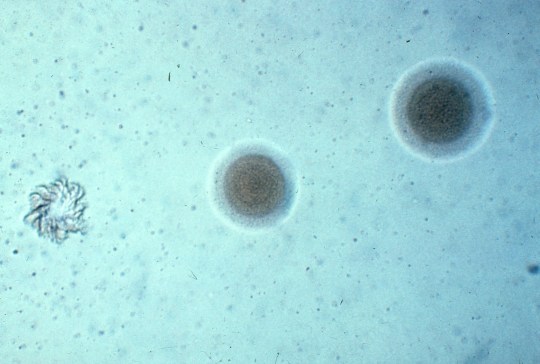
index.phpMycoplasma pneumoniae. Photomicrograph, unstained. Note two isolated colonies adjacent to a single classical artifact, a ‘pseudocolony’ (750X) Submitted by Garth Hogan, November 12, 2009  http://www.microbeworld.org/component/jlibrary/?view=article&id=1894

http://www.betterhealthguy.com/images/stories/PDF/PHA/2009_07.pdf  There are over 100 known species of Mycoplasma with 6 known to be troublesome to humans. They lack a cell wall making many antibiotics ineffective. They prefer low oxygen environments and live inside cells which evade the immune system – creating openings within the membrane walls of cells, entering the Mitochondria. They will cause programmed cell death (Apoptosis) to enter again into the bloodstream carrying a small part of the host cell, triggering immune cells to release an antigen not against Mycoplasma but against the host cell which causes an auto-immune response (pain and inflammation). They have an affinity for mucus membrane systems and cilia and create nutrient starvation in the host which results in a wide range of symptoms such as profound fatigue, and joint and muscle pain. Since there are no antigens of the actual Mycoplasma, antigen tests are useless. They have been implicated as either a causative factor or key co-factor in over 150 neurodegenerative and immune-suppressive diseases. They utilize lipids for their nutrients – primarily cholesterol in the human body.

They are obtained by fluid exchange and are airborne pathogens. Ninety percent of evaluated ALS patients had Myco and 100% of ALS patients with Gulf War Syndrome had Myco and nearly all of those were the specifically weaponized strain of M. Fermentans incognitus. Dr. Garth Nicholson, PhD, states that since mycoplasma sequence associated with the various Gulf syndrome symptoms is quite infectious, prolonged contact, or even casual contact with infected persons can facilitate its dissemination.

Evidently Dr. Nicholson and his wife contracted Myco from their daughter who came home from the Gulf War quite ill:  http://www.whale.to/vaccine/cantwell2.html

For more information on Dr. Garth Nicolson’s work with Myco read:  https://madisonarealymesupportgroup.wordpress.com/2015/08/12/connecting-dots-mycoplasma/ (In a nutshell, nearly an entire town in Texas became ill with a weaponized version of Myco after an experiment on prison inmates.  Private autopsies were performed on these prisoners at a Army base and then were sent to a private crematory at a secret location – all of which is against state law.  Genes part of the HIV-1 envelope were found in these Mycoplasmas, which means that a person may not get HIV but they may get some of the symptoms. It is also important to note that while military personnel were likely exposed to the Mycoplasmas from weapons in the Gulf War, they were also exposed through vaccinations. Nicholson had tremendous pressure put on him and his lab was threatened with being shut down frequently. All of this is explained in the book Project Day Lily.)

As with all pathogens, make yourself a tough target by beefing up your immune system, and detoxing these pathogens once you start an antimicrobial program. For basic information on how to do this please read:  https://madisonarealymesupportgroup.wordpress.com/2015/12/06/tips-for-newbies/

You will hear different statistics on the prevalence of the various coinfections, but according to Nicholson, Mycoplasma is the number one Lyme co-infection. Similar to borrelia, the causative agent of Lyme Disease, Myco can persist despite treatment.

If you find a doctor willing to be properly educated on tick borne illness, please give them this link:  https://madisonarealymesupportgroup.com/2017/06/20/help-doctors-get-educated-on-lyme-and-tick-borne-illness/

These treatments are for educational purposes only. Please discuss all treatments with your health professional.

Nicholson’s Treatment Protocol:

A 6 month treatment with no break followed by several 6-week on, 2 week off antibiotic cycles. Antibiotics include: Doxycycline, Azithromycin, Minocycline, or Clarithromycin, with combinations often required as well as switching the antibiotics at least once. The addition of Flagyl may benefit as well. Some doctors have suggested antivirals as Myco also has viral characteristics.

Nicholson also suggests oxidative therapies, NT Factor, Mycoplasma-specific transfer factors, Raintree Myco, Raintree A-F, and Raintree Immune Support. Since the frequencies for Mycoplasma are too similar to normal cellular frequencies he does not recommend Rife therapy. Anything that strengthens the immune system is helpful and might include chelation of heavy metals, probiotics, a no sugar, no gluten diet, well as various various supplements – making sure they are absorbed well.

Dr. Horowtiz’s Treatment Protocol: (Author of Why Can’t I Get Better? Solving the Mystery of Lyme and Chronic Disease)  Combination antibiotic therapy with at least two intracellular antibiotics as he found patients still testing positive after almost one year of continuous single-drug therapy.

He also recommends NT factor to repair mitochondrial damage, acetyl-L-carnitine, CoQ10, NADH, and occasionally D-ribose (but not for patients with metabolic syndrome and diabetes who have elevated levels of glycation).

http://hosted-p0.vresp.com/175362/db7324bdfd/ARCHIVE
According to Michael Biamonte, Dr. of Nutripathy, and New York State certified Clinical Nutritionist, who also founded of the Biamonte Center for Clinical Nutrition, cause of Mycoplasma infection can be due to adrenal hormone instability which can result from a poorly functioning adrenal gland, stress, and fluctuating cortisol and epinephrine levels. Particularly in the case of Mycoplasma pneumonia, the most common atypical bacteria that causes chronic respiratory conditions, the bacteria’s toxins trigger cytokines which combine with free radicals to cause inflammation and disruption of tissue and cell structure in the respiratory tract. This particular Myco strain has been associated with bronchial asthma and COPD.

For Mycoplasma pneumonia he recommends Wei Laboratories’ ClearLung, Jade, Java, and NewBase to clear the infection. He states patients can experience improvement with one day of treatment and total symptom elimination with three days of treatment. Three to four weeks are required for significant improvement and six weeks to three months for sustained results.

Mycoplasma fermentans, the one Nicholson has predominantly studied, mostly affects muscles and joints causing fibromyalgia and chronic fatigue syndrome along with other neurodegenerative diseases. Symptoms include aches and pains, coldness and heaviness in parts of the body, muscle spasms, joint stiffness, balance problems, night sweats, fever, headaches, sleep problems, loss of concentration and memory, depression, and irritability.

For fermentans he recommends two phases of treatment: Phase I clears extracellular bacteria and removing cold damp using Fibromin A. Brown, Hepavin, Levera, LC Balancer, Xcel, Bi and KS help reduce liver and kidney inflammation. Symptom improvement is also 3 three days, with 1-2 weeks of treatment for significant improvement. Phase II clears intracellular bacteria, B. Brown, LC Balancer, Sona, Breez, and BI improve liver and lymph node function. Patients can experience pain reduction in three days with two-six weeks needed for significant improvement.

Mycoplasma genitalium usually infects the urinary tract causing urethritis in men with symptoms of discharge from the penis with burning upon urination. In women it can cause cervicitis, endometriosis, and salpingitis. It can cause infertility in both men and women and plays a role in urogenital tract cancers.

Treatment of M. genitalium requires Mycocin, Brown, Hepavin, Sissy, and BI. Patients can have improvement in three days with two-six weeks for significant improvement.

After removing the infection he recommends two-six weeks of Cellgen, Harmonin, and Cortigen to improve the underlying adrenal hormone issues and to prevent reinfection.

Suggested Usage at Full Dose:
ClearLung: 50mL, 2 times/day or 2 capsules, 3 times/day Newbase: 2 capsules, 3 times a day. Java: 2 capsules, 2 times a day Jade: 2 capsules, 3 times a day
Fibromin A: 2 capsules, 3 times a day Fibromin B: 2 capsules, 3 times a day
Mycocin: 2 capsules, 3 times a day
Wei Laboratories, Inc. Toll-free 1-888-919-1188, 408-970-8700, Fax 408-844-9450

Master Herbalist Stephen Buhner’s Mycoplasma Protocol:
http://buhnerhealinglyme.com/the-protocols/#MYCO

Serrapeptase: 1 cap daily on empty stomach to break Myco cell walls
Raintree Nutrition Myco Formula
Cryptolepis – 1 tsp 3X/day (woodlandessence.com)
Gluten-free, sugar-free, nut and seed free, and any oils derived from them free diet
Bee pollen – 1 Tbsp every morning
To help adrenals and energy: Muscle Tone Formula – 1 dropperful 3X/day (woodlandessence.com)
Low energy: eleutherococcus tincture – 1 tsp am and noonish (HerbPharm brand only)
Multi-vitamin plus extra C, D, E, CoQ-10, beta-carotene, quercetin, folic acid, bioflavoids, and biotin.

For an extensive Bibliography go to:
https://sites.google.com/site/conflagration2100/hidden-pandemic

Connecting Dots – Mycoplasma

Dr. Mercola recently put out an article about Rhumatoid Arthritis which got me connecting dots.

http://articles.mercola.com/sites/articles/archive/2015/08/09/rheumatoid-arthritis-remission

In this article he reports how Dr. Brown believed that RA was caused by mycoplasmas and used tetracycline rather than prednisone, the drug of choice for RA back in the 40’s and 50’s. He eventually modified his treatment which included Minocycline and brought over 10,000 patients into remission. Mercola used his protocol and also had impressive results but eventually abandoned antibiotics in favor of a more natural treatment.

This led me to ponder Dr. Garth Nicolson’s work with Mycoplasma.

He discovered that high numbers of inmates and guards of a Texas prison came down with strange neurodegenerative conditions. After testing them, he discovered they were positive for Mycoplasma fermentans, and a weaponized version at that, that caused more severe symptoms, was more virulent and persistent. He believed biological experiments had been conducted on these inmates. In time, the guards became ill, then their families, and then the greater Huntsville, Texas area.

What Nicolson discovered next would make for a great thriller. When the prisoners with Amyotrophic Lateral Sclerosis (ALS) died, they should have been sent to the University of Texas at Galveston for an autopsy, but that’s not what happened. He discovered that private autopsies were being performed on these inmates at a US Army base, and were then were sent to a private crematory at a secret location in Central Texas where all prisoner records were destroyed against state law.

For full details, read the pdf above; however, it’s important to note that genes part of the HIV-1 envelope were found in these Mycoplasmas, which in a nutshell means that a person may not get HIV but they may get some of the symptoms. It is also important to note that while military personnel were likely exposed to the Mycoplasmas from weapons in the Gulf War, they were also exposed through vaccinations. For more information, please refer to the article I wrote on vaccines and understand that there are many who are now stating that contamination with various pathogens through vaccines is almost certain:

https://madisonarealymesupportgroup.wordpress.com/2015/06/19/a-word-on-vaccines/

Also,

This is an excerpt from the Snowshoe Documentary film: Mycoplasma – Dr. Garth Nicolson-microbiologist,  https://youtu.be/7W4tu5qgaWA  (Approx 11 min)  This film is available in it’s entirety at the You Tube link below:

Biological Warfare – Experiments on the American People
https:  //www.youtube.com/watch?v=1QJo3…

More information on this subject in further in-depth detail is available and at:

HIDDEN PANDEMIC
https://sites.google.com/site/conflagration2100/hidden-pandemic

See also:  https://www.youtube.com/watch?v=sT25HhAVhhU&app=desktop  This is much longer – approx. 1 hour, but much more in depth.

“Cancer, AIDS, Weaponized Mycoplasmas & Gulf War Illness. Prof. Garth Nicolson’s hypothesis is straightforward: “The emergence of new illnesses and an increase in the incidence rate of previously described signs & symptoms are due to our toxic environment & the purposeful development & testing of Weapons of Mass Destruction.” Dr. Nicolson heads the Institute for Molecular Medicine. He spoke at the 9th Common Cause Medical Research Foundation Conference, Sudbury, Ontario, Canada on Aug. 29-31, 2008.”

The following is a very sad and troubling account about the connection between Myco and Gulf War Syndrome:  http://www.omsj.org/authors/gulf-war-syndrome-killing-our-own  “In 1997, After extensive study of Gulf veterans’ ailments, Dr. Garth Nicolson, a specialist in cell biology and biochemistry and a professor of internal medicine and pathology at the University of Texas Medical School in Houston, estimated that 100,000 Americans had become sick from Gulf War syndrome. This number included both soldiers and members of their immediate families. He pointed out that although Gulf War syndrome is not a universal disease, there are entire units which have become sick. This suggests that the illness is associated with exact locations within the region, suggesting a vaccine and/or chemical weapon components to the illness.

Nicolson stressed that in addition to affecting Americans, Gulf War syndrome had taken its toll on others who participated in the coalition forces. As of 1997, 27 of the 28 coalition nations had claimed that they have numerous sick veterans, as well as sick members of veterans’ families. This is especially true in England, where at that time, between 1200 and over 3500 Gulf War vets were afflicted with the syndrome, referred to as desert fever in that country. Many Gulf vet families in Britain sued their government after having had deformed children, and it was reported that at least one ex-soldier has requested a vasectomy because he was terrified of having any more children with problems.  France did not report Gulf War illnesses as of 1997, possibly because they did not immunize their troops with experimental vaccines, or because they treated them with the antibiotic doxycycline prior to active service.”  

This same site states:  “An article in 2003 in a French laboratory points out the cause of a specific illness called macrophagic myofascitis noted by ‘diffuse myalgias and chronic fatigue syndrome’. It is noted that an aluminum adjuvant in vaccines is known to cause this condition. One third of these patients develop autoimmune disorders such as Multiple Sclerosis.Multiple vaccinations performed over a short period of time in the Persian Gulf area have been recognized as the main risk factor for Gulf War syndrome. Moreover, the war vaccine against anthrax, which is administered in a 6-shot regimen and seems to be crucially involved, is adjuvanted by aluminum hydroxide and, possibly, squalene, another Th-2 adjuvant.’”

Written by the Office of Medical and Scientific Justice and substantiating this further:  http://www.whale.to/vaccine/cantwell2.html “One factor common to all the troops is that they were given experimental and potentially dangerous drugs and vaccines employed to protect them against Iraqi chemical and biowarfare agents. As early as December 1990, there were warnings about using our servicemen as medical guinea pigs. In an unprecedented legal decision, the FDA allowed the Pentagon to give unapproved drugs and vaccines without requiring consent of the soldiers. Claiming security reasons, the Pentagon also refused to identify the types or the number of drugs and injections they forced the troops to take.

An angry serviceman stationed in Saudi Arabia maintained his civil rights were violated, and sued the government in January 1991. Ever since the post World War II Nuremberg trials, which convicted many top-ranking Nazis for crimes against human nature, it has been unethical and unlawful to use people as guinea pigs in experiments without their informed consent. This legal requirement was waived when the lawsuit was dismissed by U.S. District Judge Stanley S. Harris, who cited the necessity of the military to protect the health of its troops.
Soldiers who rejected the injections were given them forcibly. Physicians who refused to cooperate with the military’s experimental vaccine program were treated harshly. Army reservist Dr. Yolanda Huet-Vaughn protested it was her duty under the Nuremberg Code of Justice not to vaccinate personnel with experimental vaccines without their consent. At Huet-Vaughn’s court-martial trial, a military judge ignored these considerations of international law and medical ethics, and sentenced the mother of three children to 30 months in prison. Under pressure from activist groups, the doctor was released from military prison after serving eight months.

Nicholson obviously had tremendous pressure put on him and his lab was threatened with being shut down frequently. All of this is explained in the book Project Day Lily.

The pdf goes through all the symptoms of Mycoplasma, but they are remarkably similar to Lyme. The troubling issue is they lack a cell wall which makes many types of antibiotics ineffective. There are over 100 known species of which approximately 6 are known to be troublesome to humans. They prefer a low oxygen environment and live inside cells which evade the immune system. They are obtained by fluid exchange and are easily spread via air.

90% of evaluated ALS patients had Mycoplasma. 100% of ALS patients with Gulf War Syndrome had Mycoplasma and nearly all of those were specifically the weaponized M. fermentans incognitus.

*One of the hallmark symptoms of Mycoplasma is fatigue*

And the bad news for us is that Nicholson’s experience has found Mycoplasma to be the number one Lyme coinfection, and similar to other coinfections can be supposedly cleared for years only to reappear when conditions are right.

It is amazing what can be discovered when we are willing to connect dots. I wonder what Dr. Brown would think of the discoveries made in the world of Mycoplasma? In reading about all the various co-infections, it is interesting to note that most are not new and have been written about in the past; however, they all seem to be tougher, harder to treat, take on more complicated forms, are more easily spread, and in a nutshell, are pathogens on steroids.

We need to keep connecting dots.