Archive for the ‘Lyme’ Category

What is a Lyme Disease Literate Doctor?

https://docs.google.com/document/d/1W8qrPaHop04S6XFeAWQ8048DKgCmDN9kr81e-b7sMOQ/edit

WHAT IS A LYME DISEASE LITERATE DOCTOR?

By Alain Mass, M.D.

A lot has been said and written about Lyme disease literate doctors who dare to go astray from the standard of care to diagnose and treat Lyme disease according to their own criteria. Blamed to over diagnose Lyme disease at the risk of missing the right diagnosis, doctors and media raise the concern  of useless and potentially dangerous antibiotic treatments. Who are these Lyme literate doctors? Are they pioneers, advanced-guard doctors or marginal, opportunistic, unreliable and potentially dangerous physicians?  

There is no specialty for Lyme disease other than that of  Infectious disease. In the absence of board certification, none is allowed to be called a specialist in Lyme disease. Hence, the vague term of Lyme literate doctor which literally means, according to the dictionary, able to read and write about Lyme disease. Who is a Lyme disease literate doctor? Whoever reads the medical literature on Lyme disease and gets educated about the disease and treatment can be called Lyme disease literate doctor. The International Lyme and Associated Diseases Society (ILADS), however, educates and trains physicians. 

When I was 3 years ago at the ILADS annual conference, a lecturer asked the audience full of hundreds of physicians: “ Who had personally Lyme disease or a family member with Lyme disease; raise the hand”. All the audience rose the hand. Where Lyme disease literate doctors come from is unfortunately an easy question. Physicians who have been directly involved in one disease, Lyme disease or not, tend to go straight to the source of knowledge, meaning the medical literature to get a better understanding but also to know all options of diagnosis and treatment. The main motivation, here, however, comes from a break in the trust in medical authorities because of treatment failure, disagreement with the diagnosis, especially when it involves a life-long psychiatric condition and treatment or a sentence of hopeless condition, often made of pain, handicap and medications for a family member, oneself or patients we really care for. 

The standard of care defines the proper method of diagnosis and treatment as it is established by the medical leading authorities and accepted by all. The Standard of Medicine, in turn, represents the professional medical conduct as transmitted by medical schools over the generations. The standard of Medicine does not require good results but thoroughness, rigorous methodology, devotion, care, and compassion. The standard of Medicine will stay forever.  The standard of care changes as science progresses. 

Lyme literate doctors approach the diagnosis of Lyme disease by history as described in the medical literature and with the basic medical methodology where each symptom is characterized according to its intensity, time, location, progression, response to food, medications or environment. A systematic review of all the organ-systems finds many symptoms that are also characteristic of Lyme disease, even though not spontaneously disclosed by the patients, maybe for the simple reason that they do not relate all of them to the same problem. Quite often Lyme disease patients approach a doctor with one, two or three symptoms. The review of systems most of the time reveals 10 or more other symptoms. Cognitive and psychological disorders like brain fog, memory impairment, new onset of difficulty focusing,  anxiety, new onset of OCD, irritability, depressed mood, etc… are rarely disclosed by patients. Not one symptom, aside from the bull’s eye rash (erythema migrans), is diagnostic of Lyme disease. The medical literature, however, does confer a strong correlation between certain symptoms like facial paralysis, headaches, migratory joint pain and Lyme disease. The pattern of symptoms is even more suggestive of the disease. Typical Lyme disease symptoms are unpredictable, intermittent, fluctuating, not affected by time, location or exertion and may improve with antibiotics.  It is the association of different organ-systems of such symptoms and the exclusion of all other possible medical conditions that, ultimately, allow Lyme doctors to consider Lyme disease despite the absence of a positive Lyme disease blood test. 

Since the early description of Lyme disease by Allen Steere, the triad of neurologic manifestations of Lyme disease, which combines meningitis, cranial neuritis, and radiculoneuritis, was already remarked as a clinical hallmark of this disease. I saw patients who were diagnosed with migraine by neurologists. I verified the Allen Steere’s triad if they had meningism (tension-type of headache with light sensitivity), cranial neuritis (facial numbness or paralysis, dizziness, hearing or visual disturbances), or radiculoneuritis (pins and needles feeling, numbness, muscular weakness, shooting pain..) None of the neurologists asked all of these questions. The patients admitted having some of these associated symptoms. The blood test confirmed Lyme disease. It is very common for physicians to order a Lyme disease blood test for joint pain and to rule it out based on a negative blood test. Maybe because physicians rely so much on the blood test that the need to ask whether the joint pain is migratory or not is felt not  so necessary. Most of the Lyme disease patients I saw, if not all of them, did not have a complete review of systems performed by their physicians. The reason is understandable. A thorough review of systems takes at least 45 to 60 minutes. Unfortunately, the health insurance-based medicine does not allow physicians to take time with chronic sick patients. How to connect the dots if there are no dots? The dots, however, exist but not sought.  

The diagnosis of Lyme disease, according to the standard of care, without a positive blood test, cannot be made. Patients see multiple physicians, leaders in their field and are left without diagnosis other than psychosomatic disorder or fibromyalgia. One patient saw eight infectious disease doctors. None of them thought of Lyme disease. A ninth one made the diagnosis of Lyme disease. No one thought of co-infections. She was also positive for Brucella and Rocky Mountain Spotted Fever.  She was, however, already emotionally broken. She was sobbing trying to convince me that she was not psychiatric what many other doctors tried to convince her. 

Is it unreasonable to diagnose based on clinical grounds because of the risk of overdiagnosing? The current standard of care that follows the IDSA guidelines, endorsed by the CDC, that mandates a positive blood test result to authorize the diagnosis of Lyme disease is based on a study that was published in 1993 by Dressler and colleagues. (Western blotting in the serodiagnosis of Lyme disease. Dressler F, Whalen JA, Reinhardt BN, Steere AC., J Infect Dis. 1993 Feb;167(2):392-400). It is interesting to note that Dressler tried to prove the accuracy of the Lyme disease blood test by matching positive blood test with patients that he diagnosed based on symptoms. 

It is also interesting to see the source of the rule of a minimum of bands to diagnose or to exclude Lyme disease. Dressler’s study, at the source of the current IDSA guidelines, writes: “we selected the minimum number of IgM or IgG bands needed to obtain 99% specificity”. Dressler’s study concludes: “ We conclude that the western blot can be used to increase the specificity of serology testing in Lyme disease”. Higher is the specificity of a test, higher is the chance to have only true positive but also the risk of having false-negative test results. In plain English, it means that not being able to confirm a disease does not mean that the disease does not exist. The IgM ratios of 2 out 3 and IgG ratio of 5 out of 10  are not relevant to the sensitivity but to the specificity of the tests and, therefore, cannot be used to rule out Lyme disease but only to determine who unquestionably has Lyme disease. The distinction is important because it authorizes the benefit of the doubt.  

In times of controversy or when the treatment fails to relieve the patient, or when the clinical judgment conflicts with the conclusion of studies, there is an ethical duty not to rely only on the position or titles of authors but on a critical reading of the full study. What were the criteria of inclusion, and of exclusion? and so forth. The groups chosen by Dressler’s study to represent the individuals free of Lyme disease came from random patients who visited a clinic for vaccination and from a group of chronic fatigue syndrome patients. No Lyme disease screening questionnaire was used to verify the absence of symptoms compatible with Lyme disease. Chronic fatigue is, however, a common symptom of Lyme disease and chronic fatigue syndrome  is still an ill-defined disease.

Over-diagnosing is a real concern but under-diagnosing is a concern, as well. What is more concerning is a question. The morbidity of a life-long psychiatric treatment, or pain-killers or anti-inflammatory drugs and the degradation of quality of life due to chronic pain and/or disability in long term may definitely be more concerning than a few months of antibiotics. The exclusion of all other medical conditions is an essential part of the diagnostic approach of Lyme doctors. In fact, a classic Lyme disease patient is a patient who saw 10 to 15 doctors with normal workup but without satisfying diagnosis or treatment. 

Some raise the concern that Lyme disease literate doctors, by overdiagnosing, may give unnecessary antibiotic treatment. While according to the CDC and IDSA, a positive Lyme disease blood test, in the presence of a few clinical manifestations suggestive of Lyme disease, is diagnostic of Lyme disease and justifies an antibiotic treatment, Lyme literate doctors will consider the diagnosis of Lyme disease only after a strong clinical correlation. A positive serological Lyme disease test only testifies of an immune response to the exposure of the Lyme bacteria that may have happened in the past. Lyme disease doctors have brought to clinical practice from medical research new knowledge of conditions that may imitate Lyme disease that are even not known to all infectious disease doctors like mold and heavy metal toxicities, environmental illnesses, porphyria, genetic-induced detoxification pathway blockages, electro-magnetic frequency hypersensitivity, PANDAS and PANS, mast cell activation disorder, limbic system dysfunction etc…. We arrive at the paradox where about 50% of individuals who truly suffer from Lyme disease have a false negative serological blood test for Lyme disease while some others have positive Lyme disease test but remain without symptoms or suffer from other conditions in combination or not with Lyme disease. Only a clinical correlation can make sense of a positive test.

Relying solely on blood test may lead either to deny an existing Lyme disease or to treat with antibiotics conditions that could have been treated otherwise.
 

If doctors help patients to heal, to take away the pain, handicap or any lingering mental suffering there is no place for controversy and for Lyme disease doctors. When, however, patients do not get better despite diagnosis and treatment given by expert physicians, when physicians admit not to understand, when patients get referred from specialist to specialist without resolution, when patients or parents refuse the diagnosis of anxiety, depression, psychosomatic or psychiatric disorder or of fibromyalgia, patients may then consider that other opinions exist. The use of antibiotics beyond a period of one month, strongly not recommended by the CDC, has to be weighed against the chronic use, sometimes for life, of painkillers, anti-inflammatory drugs or psychiatric medications and the emotional burden of an ill-defined chronic disease in the absence of any satisfying diagnosis. 

How to define a quack doctor? As long as the standard of Medicine is not respected, whoever may be the doctor, Lyme disease literate doctor or not, the question may be raised. Respecting the standard of care does not mean that the necessary time, thoroughness, and interest were given to the patient. Dismissing a chronic sick patient to his or her despair because of a negative blood test without a thorough review of systems is not in respect with the standard of Medicine. Clinical judgment based on a rigorous methodology and peer-reviewed medical literature may conflict with guidelines and did it in the past numerous times enabling Medicine to progress. Disdain and prejudice vis-a-vis healthcare practitioners may not ultimately help patients. Dr. Alexander Fleming wrote,

“Penicillin sat on my shelf for twelve years while I was called a quack. I can only think of the thousands who died needlessly because my peers would not use my discovery”.

The message of the Lyme disease literate doctors goes way beyond Lyme disease. In times of controversy or when the treatment fails to relieve the patient, or when the clinical judgment conflicts with guidelines, algorithm-based recommendations or the mere conclusion of studies do not suffice. Ideally, denying Lyme disease or criticizing Lyme disease literate doctors should be based on the same level of precise clinical description.  The best criticism against Lyme disease literate doctors would be to answer their questions other than by Lyme disease. For example, what other than Lyme disease may cause tension-type of headache with light sensitivity with intermittent pins and needles, numbness, weakness, poor balance, back pain along with migratory joint pain with intermittent mood and cognitive disorder that improve with antibiotics in a patient with a negative Lyme disease blood test but living in an endemic zone after exclusion of all other possible medical conditions?

Bertrand Russell wrote that evidence-based Medicine should remain our slave and not our master. In a similar vein, opposing a number of bands as sole criteria to diagnose  or not Lyme disease to a well constructed clinical case strong of the exclusion of all other possible medical conditions buries clinical judgment, the art and spirit of Medicine. Underlying the Lyme disease controversy is the conflict between science and clinical skills. What should prevail? Do physicians have the legitimate right based on medical literature of otherwise to discuss the science of medical leaders without being pointed out as quack or dangerous? Maybe the principal message of Lyme disease literate doctors is not specific to Lyme disease but is to say that the clinical diagnosis of Lyme disease is underestimated if not ignored because the clinical evaluation, in general, has been neglected in Medicine due to the constraint of time and has been supplanted by testing. A reliable clinical diagnosis takes time. Health insurance-based system does not allow physicians to practice Medicine as taught in medical schools with chronic or complex patients. There is no more time to spend with the patient, to listen, to go methodically through a review of systems that may take one hour. In these conditions, there is no time to research the medical literature for all cases and the blind trust in guidelines is a necessity until the patient becomes our spouse or ourselves, our child or a patient we really care for. 

Alain Mass, M.D.                                                                                                                                                                                                           Board Certified in Family Medicine Montebello, NY                                                                                                                                                                                                     Tel: (845) 623-0047 contact@massfunctionalmd.com

_________________

**Comment**

Wonderful article by Dr. Mass which points out the limitations of the health-insurance based system (managed care) which is not giving doctors the proper time required to make thorough and accurate diagnosis of chronic illnesses – which includes Lyme/MSIDS.  Due to this, doctors are relying on inaccurate testing which is missing many patients who are infected but test negative.

The health-insurance based system, which normally allows 10-15 minutes with each patient is not going to begin to have the time required by infectious disease doctors to delve into some of the issues Dr. Mass presents that imitate Lyme disease including: “mold and heavy metal toxicities, environmental illnesses, porphyria, genetic-induced detoxification pathway blockages, electro-magnetic frequency hypersensitivity, PANDAS and PANS, mast cell activation disorder, limbic and system dysfunction etc….”

Favorite quote by Dr. Mass:

“We arrive at the paradox where about 50% of individuals who truly suffer from Lyme disease have a false negative serological blood test for Lyme disease while some others have positive Lyme disease test but remain without symptoms or suffer from other conditions in combination or not with Lyme disease. Only a clinical correlation can make sense of a positive test.”

Bingo.

Welcome to the topsy-turvy world of Lyme/MSIDS.
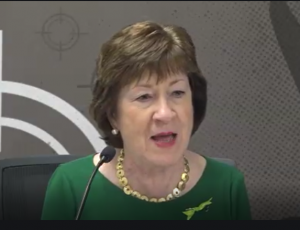


Maine’s Senator Collins Holds Field Hearing on TICK Act

 Approx. 9 Min. Uploaded Sept. 5, 2019

Senator Collin’s Opening Remarks

Maine’s Senator Collins holds field hearing on TICK Act

https://www.lymedisease.org/collins-tick-act-hearing-lyme/

You can watch a video recording of the hearing here:   https://www.facebook.com/susancollins/videos/2088725657898553/?t=3396  Approx. 1 hour 20 min

The Ad Hoc Patient & Physician Coalition Against IDSA Proposed Lyme Guidelines

https://www.change.org/p/the-us-senate-calling-for-a-congressional-investigation-of-the-cdc-idsa-and-aldf/u/25042255?

PETITION UPDATE

The Ad Hoc Patient and Physician Coalition against IDSA Proposed Lyme Guidelines

SEP 7, 2019 — 

From: CARL TUTTLE <runagain@comcast.net>
To: tickbornedisease@hhs.gov
Cc: (91 Undisclosed recipients)
Date: September 7, 2019 at 8:48 AM
Subject: The Ad Hoc Patient and Physician Coalition; Comments of the IDSA Proposed Lyme Guidelines September 6, 2019

To the Tick-Borne Disease Working Group;

Please follow the link below to see comments to the IDSA Proposed Lyme Guidelines. These comments are endorsed by members around the world because what has been established here in the United States has adversely affected public health globally.

The link provided is from my personal Dropbox storage area.

The Ad Hoc Patient and Physician Coalition

Comments of the IDSA Proposed Lyme Guidelines September 6, 2019

https://www.dropbox.com/s/whv3udt1oevanhn/Ad%20Hoc%20Patient%20Physician%20Coalition%20Comments%20to%20IDSA%20Proposed%20%20%20Guidelines%20Aug%208%20revised%209.6.19%20as%20submitted.pdf?dl=0

About the Ad Hoc Patient and Physician Coalition: The Ad Hoc Patient and Physician Coalition consists of patients and physicians who are concerned that the proposed Lyme disease guidelines of the Infectious Diseases Society of America (IDSA), American Academy of Neurology (AAN), and American College of Rheumatology (ACR) will further restrict access to care and harm patients by leaving them undiagnosed and undertreated.The coalition consists of over 75 organizations, from 8 countries: the US, Canada, Australia, UK, France, Netherlands, Germany, Belgium (including LymeDisease.org, the national Lyme Disease Association, Bay Area Lyme Foundation among others) and the International Lyme and Associated Diseases Society, which represents clinicians who treat Lyme disease nationwide. (List of signatories attached.)

These comments were authored by Lorraine Johnson, JD|MBA, CEO LymeDisease.org and Dr. Elizabeth Maloney, who represents the International Lyme and Associated Diseases Society. The comments were filed on August 8, 2019 and revised on September 6, 2019.

Page 56

Ad Hoc Patient and Physician Coalition Members As of September 6, 2019

The following 77 organizations have endorsed the Ad Hoc Patient and Physician Coalition Comments of the IDSA Proposed Lyme Guidelines. (List updated Sept. 6, 2019)

Countries represented: United States, Canada, Australia, France, United Kingdom, Netherlands, Germany, and Belgium.

Alabama Lyme Disease Association

Arkansas Lyme Coalition

Arkansas Lyme Foundation

Association Québécoise de la Maladie de Lyme (Canada)

Bay Area Lyme Foundation

BC Lyme (British Columbia, Canada)

Brookfield/Wolfeboro New Hampshire support group

Borreliose-Bund, Germany

Canadian Lyme Disease Foundation

Central Massachusetts Lyme Foundation

Charles E. Holman Morgellons Disease Foundation

Chronic Lyme Disease Support and Protest UK.

ChroniLyme (Lyon, France)

Colorado Tick-Borne Disease Awareness Association

Dean Center for Tick Borne Illness, Massachusetts

Dutch Lyme Association (Lymevereniging), Netherlands

Florida Lyme Disease Association

France Lyme, Association de Lutte Contre les Maladies Vectorielles à Tiques (France)

Howard County Lyme Awareness Group, Maryland

Hudson Valley Lyme Disease Association

Illinois Lyme Association

International Lyme and Associated Diseases Society

Kentucky Lyme Disease Association

Le Droit de Guerir (“The right to heal”), France

Litchfield County Lyme Network (Connecticut)

Living with Lyme, London/Middlesex (Canada)

LivLyme Foundation

Lyme Action Network

Lyme Alliance of the Berkshires

Lyme Association of Greater Kansas City

Lyme Center, Chico, California

LymeDisease.org

Lyme Disease Association (US)

Lyme Disease Association of Australia

Lyme Disease Association of Southeastern Pennsylvania

Lyme Disease Association, Rhode Island Chapter

Lyme Disease Education & Support Groups of Maryland

Lyme Disease UK

Lyme Hope (Canada)

Lyme-int Association (Belgium)

Lyme Newport (Rhode Island)

Lyme Ontario (Canada)

Lyme Stats 57

LymeConnection.org

LymeLight Foundation

Madison Lyme Support Group

Massachusetts Lyme Legislative Task Force

Memphis Tennessee Lyme Network

Midcoast Lyme Disease Support & Education

Military Lyme Support

MSIDS, Inc, Australia

NE Ohio Lyme Foundation

New Brunswick Lyme Disease Association Inc.- LymeNB (Canada)

New Jersey Lyme Resource

New York City Lyme Disease Support Group

OnLyme-Aktion.org (Action Alliance Against Tick-borne Diseases), Germany

Ontario Lyme Alliance (Canada)

PA Lyme Resource Network (Statewide)

PA Lyme Resource Network, Bucks County

PA Lyme Resource Network, Columbia County

PA Lyme Resource Network, Lehigh Valley

Patient Centered Care Advocacy Group

Pennsylvania Lyme Disease Awareness Committee of Chester-Delaware County Farm Bureau (PLDAC)

Penticton, BC area Lyme Group (Canada)

Sam’s Spoons Foundation for Lyme Support & Education

Southern Arizona Lyme Disease Association

Southern Oregon Lyme Disease

Texas Lyme Alliance

Tick Wise Education, Inc. (501c3)

Time for Lyme, ASBL (Belgium)

TxLyme Yahoo Online Support Group (Texas)

Utah Coalition for Lyme Disease

Vernon Lyme Disease Support Group, Vernon, BC (Canada)

VIRAS – Vector-borne Infections: Research, Analysis, Strategy (UK)

VOCAL Ottawa (Voices of Canadians About Lyme)

Wisconsin Lyme Network

York North Lyme (Canada)

______________________

Carl Tuttle

Lyme Endemic Hudson, NH

______________________

For more on the proposed IDSA Lyme treatment guidelines:  https://madisonarealymesupportgroup.com/2019/08/22/ad-hoc-patient-and-physician-coalition-from-around-the-world-reject-newly-proposed-idsa-guidelines/

https://madisonarealymesupportgroup.com/2019/08/18/idsa-guidelines-deny-lyme-diagnosis-to-most-of-the-usa/

https://madisonarealymesupportgroup.com/2019/07/09/idsa-lyme-disease-treatment-management-business-as-usual-leaves-those-with-persisting-symptoms-to-suffer-die/

https://madisonarealymesupportgroup.com/2019/08/15/gla-response-to-proposed-idsa-aan-acr-2019-draft-lyme-disease-guidelines/

https://madisonarealymesupportgroup.com/2019/08/11/idsa-extends-comment-period-allows-downloads/

https://madisonarealymesupportgroup.com/2019/08/11/natcaplymes-response-to-updated-lyme-disease-guidelines-states-they-are-based-on-outdated-and-discredited-studies/


School Nurse Documents Nineteen Lyme Disease Case Studies: Misdiagnosis is Rampant!

https://www.change.org/p/the-us-senate-calling-for-a-congressional-investigation-of-the-cdc-idsa-and-aldf/u/25034986?

School nurse documents nineteen case studies; misdiagnosis is rampant!

SEP 5, 2019 — 

My Son Got Lyme Disease. He’s Totally Fine.
Horror stories about lingering Lyme disease proliferate, but the illness is easily treated.
https://www.nytimes.com/2019/06/27/well/live/lyme-disease-children-treatment-diagnosis.html


Sept 5, 2019

Yale School of Public Health
60 College St.  Suite 212
New Haven, CT 06510-3201
Attn: Sten H. Vermund, MD, PhD, Dean and Anna M.R. Lauder Professor of Public Health; Professor of Pediatrics, Yale School of Medicine

Dear Dr. Vermund,

I would like to call attention to the above listed New York Times article where Dr. Eugene Shapiro exploits a case of early Lyme disease that responded to antibiotic treatment giving the reader the impression that Lyme is a simple nuisance disease and patients who are severely disabled are somehow delusional.

Focusing on the acute stage of disease after early treatment has misguided an entire medical community as these results are then assumed to apply to the entire patient population (as depicted in the attached caricature).  https://www.dropbox.com/s/dljlsmjbvk2trur/lyme%20toon.JPG?dl=0

The fact of the matter is Lyme disease can become a life altering infection if not treated immediately.

I am including below nineteen case studies forwarded to me by a school nurse from a Lyme endemic region here in the United States. As you read these accounts it becomes crystal clear that patient experience is nothing like the case Dr. Shapiro presents and it is far more common to be misdiagnosed by a medical community misguided by Dr. Shapiro and his co-defendants named in the Texas lawsuit; Lisa Torrey vs IDSA.

Might I remind you Dr. Vermund that Shapiro represents your institution so how he presents his viewpoint/bias is under your watch. Will you continue to turn a blind eye to this behavior?

Case studies forwarded to me by a school nurse who took the time to document this travesty:

Case #1 Male age 7

Second grader develops a sudden onset of severe ear pain with an audible clicking sound which can be heard by placing your ear up to the child’s ear. Child went on to develop a chronic cough, anxiety and weakness in his legs. After multiple doctor visits, the child was eventually diagnosed with Palatal Myoclonus, Asthma and Anxiety.  His pain in his ears and the clicking in his ears became unbearable, by the time he reached 5th grade he was place on homebound instruction for several years. He went through multiple ear surgeries with no relief.

Supporting evidence

This child tested Positive for Lyme and Babesia  through Igenix.  Looking back in his medical records, child had a tick embedded in his head for approximately two days at the age of five.  He was seen by the pediatrician with no further treatment deemed necessary. He was seen a few weeks later by the same pediatrician for a rash but it was dismissed. He then developed a chronic cough; (Babesia) Mom even suspected Lyme and requested a Lyme test. Mom thought it was ruled out, looking back at his medical records, the physician ordered the Elisa which was negative. This child was robbed of his childhood.

Follow-up

Child is now 14 and pain free after successful treatment for Lyme and Babesia by a LLMD. Mother has since written three books about her son’s journey and how she discovered her entire family is also infected with tick borne infections.  Sadly, this child suffered horribly for most of his childhood before being properly diagnosed and treated. No child should have endured this unnecessary suffering. Book title “Connecting the Dots” by Sherri Jonas shares this child’s tragic journey.

Case #2 Male age 6

First grader, four days after a tick bite in the month of May, complained of leg pain and fatigue. He became emotional and lost interest in playing with his friends. Chose to pass on hockey or soccer which was unlike him. He cried a lot and was clingy. The complaints of muscle pain continued. Then he fell asleep on the bus twice coming home from school. The school nurse called to say he was suddenly distant and withdrawn with low energy and even fell asleep in class.  His spring sports had ended so there was no reason for his sudden onset of fatigue. School nurse called again due to his inability to engage in class and his sudden sullen mood. He began failing unexplainably and had unexplained falls.

Supporting evidence

Tick Bite with symptoms: Clinically symptomatic for Lyme. Mother who is a teacher had recently attended Pat Smith’s Lyme presentation.  She immediately recognized what was happening and made an appt with her pediatrician. Mom provided a list of symptoms since the tick bite and a letter from the school. The pediatrician checked him thoroughly. Parent requested antibiotics based on clinical symptoms. Pediatrician refused and proceeded to order the basic Elisa and other blood work for mono etc. The mother tried to educate the pediatrician on the inaccuracies of testing as well as testing too soon (It had only been a week since the bite). She was ignored. Two days later, the office called to say all tests were negative and offered no follow-up.  Parent contacted a LLMD and was seen the next day. Child was immediately started on a course of antibiotics due to clinical symptoms occurring within days of removing an engorged tick.

Follow-up

Child was successfully treated by a Lyme Literate physician. After 8 weeks of antibiotics, the child’s health returned to baseline.

Case #3 Female age 8

Third grader develops sudden onset of migrating joint pain and bluish discoloration of her hands. School nurse contacts the family and educates on the possibility of Lyme disease. Child was seen by their pediatrician. A note came to school the next day stating the child is not contagious and should not be sent home with her cold, swollen blue hands, only needed to have hands warmed. No blood work was ordered. The school nurse calls the pediatrician expressing concern; pediatrician contacts the family and refers the child to a rheumatologist.  Weeks later, the child sees the Rheumatologist who ordered the Elisa which of course was negative.

Supporting evidence

Clinically symptomatic for Lyme disease/Poor clinical evaluation. Lives in a Lyme endemic area, was seen several times at urgent care and at the pediatricians for ankle pain, leg pain, wrist pain, back pain and headaches over the past year. Palliative care was offered each time.  Low vitamin d levels, past hx of epstein barr. Rheumatologist actually wrote a note for school stating that this child did not have Lyme (based on an Elisa) but has “Raynaud-like  phenomena”. Rheumatologist continued to say, the migrating joint pain was related to the child’s flat feet and ordered Physical Therapy.

Follow-up

This young girl has been set up for possible chronic Lyme disease. Referred for physical therapy for flat feet causing her joint pains.  And the family was told to follow-up in the winter or if develops ulcers on the fingers.

Case #4 Male age 5

Colleague’s five year old son was suffering with chronic knee pain and developed a limp for over a year. He was seen by several physicians and was diagnosed with “growing pains”

Supporting evidence

Seen by a LLMD, tested positive for Lyme and Bartonella                          Lives in a Lyme endemic area, plays soccer, developed chronic knee joint pain with swelling and fatigue.  Walked with a limp at times.

Follow-up

Child was seen and treated successfully by a LLMD and his health returned to baseline.

Case #5 Male age 5

In obtaining a medical history from his mom, I nearly cried as I knew immediately this little guy was a victim. At the age of 2, child developed: a sudden onset of high intermittent fevers, (parents told they were benign fevers) ; racing heart;  severe night sweats; severe cyclic headaches; sensitivity to lights; recurrent vomiting, constipation, feet pain, muscle weakness, sudden loss of speech at age 2,  difficulty concentrating, irritability, aggression, insomnia, allergies, swollen lymph nodes, cries easily.  He had two abnormal Mri of his brain and spine (both showed t2 flairs in the white matter) yet this poor child was diagnosed  with bipolar, OCD and AUTISM!. Tick-borne infections were never even suspected even with given the above symptoms that do not correlate with typical autism.  His treatment consisted of monitoring abnormal lab values and supportive care for autism.

Supporting evidence

Lives in a endemic area, history of spider and tick bites. Seen by a LLMD. Tested positive for Lyme disease, Bartonella Henselae, Bartonella Quintana and Babesia and AUTOIMMUNE ENCEPHALITIS. Mother was clinically symptomatic for Lyme and bartonella throughout pregnancy, recently tested positive for Lyme and bartonella. He has had several abnormal MRI of the brain/spine with evidence of t2 flair in the white matter which can be caused by infection yet it was never considered. His MRI’s are now normal post antibiotic therapy. He had several abnormal blood values including low vitamin d, low thyroid, low iron.

Follow-up

Child was seen by a llmd and began treatment. It was very hard to watch this little guy respond to the antibiotics, immediately herxed, severe fatigue, vomited, multiple bartonella rashes, child was crawling out of his skin. Medications had to be titrated very slowly. Within a month, this nonverbal child said the word “mama”. It’s on video.  After 6 months, the child began communicating using a computerized talker, he told us when he had headaches.  He became potty trained. His fatigue and vomiting resolved. His fevers resolved. His night sweats disappeared. His MRI’s were now normal after antibiotics.  (This is no coincidence). A mainstream Neurologist recognized that this child most likely had post infectious autoimmune encephalitis and she was able to get IVIG covered by Insurance.  At this point the child was making amazing gains, the IVIG literally turned this family’s life around only for Insurance to deny further infusions and cause a setback in his progression.  Was this child ever Autistic or was this medically induced Autism?

Case #6 Female age 6

Child was in first grade, I was the school nurse. She developed sudden severe foot pain, severe stomach aches, severe headaches, eye sensitivity. Sinus congestion, frequent sore throats. Suffered for years. Parents were told, it had to be stress related and questioned the family for possible contributing factors. This was one of the most loving, supportive families I knew. Met with mom 10 years later to find out her baby girl now had insulin dependent diabetes and debilitating headaches.

Supporting evidence

Seen by LLMD. Tested positive for Lyme disease. Lives in a lyme endemic area. Sudden onset of symptoms with no underlying cause. Seen by multiple doctors throughout her childhood and Lyme disease was never suspected.

Follow-up

Successfully treated by a LLMD and is pain-free.  What’s sad is if her infection had been recognized and treated early, she may not have developed Autoimmune Juvenile Diabetes.  Today she is attending college and is on the Cheerleading team.  Remains symptom free.

Case #7 Female age 20

College student with a 4.0 has was taken by ambulance to the ER for sudden onset of panic and cutting in the month of May.  Diagnosed with sudden onset of bipolar disorder!  Later develops racing heart, balance issues, migrating joint pain and incontinence.  She tells doctors “the woods are my beach” yet was never tested for tick borne infections.

Supporting evidence

Multiple Tick bites, lives in an endemic area. Tested positive for Lyme and Bartonella. Past history of asthma like symptoms and migrating joint pain.

Follow-up

Failed by medicine, parents took her to an INFECTIOUS Disease physician who told them “Lyme can not cause her symptoms”. All antibiotics were stopped. She has since been admitted in and out of at least 10 psychiatric hospitals over the last two years loaded up on psychiatric drugs and discharged. Today, she now suffers from seizures!

Case #8 Female age 9

Third grader develops asthma-like symptoms. Later develops a racing heart with heart beats as high as 230 beats per minute. Parent educated on Lyme disease and possible effects on the heart.

Supporting evidence

Lives in a Lyme endemic area, sudden onset.  Pediatrician ignores Lyme testing, removes the child from recess and gym until seen by cardiology. Child was cleared to resume full activity with no cause to her sudden episodes of tachycardia and air hunger.

Follow-up

Another child possibly set up for chronic Lyme. She continues to have episodes of racing heart rate and shortness of breath.

Case #9 Male age 15

Parent reports a tick bite and developed a sandpapery rash a few days later.  Seen by pediatrician and requested a clinical diagnosis of Lyme disease. Pediatrician ignored the history of the reported tick bite and instead stated the rash resemble strep. Parent expressed concern that he never  had strep nor does his throat hurt.  The pediatrician continued to culture for strep and gave prescribed ten days of amoxicillin and advised stopping the antibiotic if the culture is negative.   Child was seen the next day by a llmd and suddenly realized his years of intermittent ankle and knee pain were not growing pains. His years of feeling dizziness upon rising was not benign cardiogenic syncope. His diagnosis of Asthma was air hunger.  Parent listened as her son told the LLMD he suffered from drenching night sweats and so much more. Things teenagers think are normal.

Supporting evidence

Symptoms began after moving to a lyme endemic area on 5.5 acres. History of tick bites. Tested positive for lyme, bartonella and babesia.

Follow-up

Successfully treated with multiple antibiotics and currently in remission and attending Virginia Tech.

Case #10 Female age 20

Several years of chronic pain, insomnia, asthma like symptoms, shooting pains up her arms and chest heaviness. Night sweats, stomach issues and Severe sudden nosebleeds, racing heart rate and difficulty focusing.

Supporting evidence

Lyme endemic area. Tested positive for Lyme and Babesia.

Follow-up

Treated successfully by a LLMD

Case #11 Male age 14

Colleague’s nephew developed a sudden onset of cutting, mood swings, outbursts was diagnosed with Bipolar disorder and admitted to a psych ward for 30 days and place on multiple antipsychotics.

Supporting evidence

Sudden onset, soccer player, lives in an endemic area.  History of tick bites. Tested positive for Lyme and Bartonella.

Follow-up

Treated by LLMD Psychiatrist and LLMD. Patient is back to baseline and off antipsychotics.

Case #12 Male age 8

Third grader diagnosed with Autism has a long history of migrating joint pain, hears voices, night terrors, severe headaches, ringing in the ears and night sweats.

Supporting evidence

Lyme endemic area. Autism is a clinical diagnosis, he was never tested for tick borne infections until recently. He was positive for band 23 IGM.

Follow-up

Seen by a Neurologist who advised the family he was negative for Lyme disease. Again, was this child ever Autistic or is this medically induced Autism?

Case #13 Male age 8

Second grader diagnosed with Autism. Unable to communicate. Suffers from severe stomach pains, constipation. Hx of low vitamin d, inflamed lymph nodes, crying spells.

Supporting evidence

Parent educated on Lyme symptoms, he was positive for IGG band 31, 41 58, and IGM 31 on Igenix.

Follow-up

Seen by Infectious disease and told he did not have Lyme and that Igenix is not a reliable lab. Case closed.  Again, was this child Autistic or was this medically induced Autism?

Case #14 Male age 24

Seen by several physicians for brain fog, severe fatigue, night sweats and severe headaches.

Supporting evidence

Tested Positive for Lyme and Bartonella. Lives in a highly Lyme endemic area. Constantly in the woods, multiple exposure to tick bites.

Follow-up

Began treatment with a LLMD but cannot financially afford. Has since tried an INFECTIOUS disease doctor and was told he was a very difficult case but he guaranteed him he did not have Lyme disease. He was referred to neurology and his health continues to spiral out of control.  Today, he is unable to work and suffers daily.

Case #15 Male age 6

Sudden onset of Grand Mal Seizures. Sixteen within 2 weeks. Seen by a top children’s hospital. Parent inquired about Lyme testing and neurologist told them Lyme does not cause seizures.

Supporting evidence

Lives in a endemic area. PMH of nocturnal seizures at age 3, speech delays, developmental delays. Age 6, c/o painful legs sensations

Follow-up

Child was never tested for Tick Borne infections. On three seizure meds and still having seizures.

Case #16 Male age 5

Sudden onset of migrating joint pain, ankles, hips, knees and fingers. Sudden onset of anxiety, began to pull his hair out. Developed hives and wheezing episodes. Mom reports he had a bite and rash several weeks prior but thought nothing of it. Seen in the ER. Diagnosed with Asthma and virus. Started on steroids :(. Followed up with Pediatrician, parent requested a western blot, the Elisa was ordered and was negative. Child’s symptoms increased, developed knee swelling.

Supporting evidence

Lives in an endemic area. History of a bite. Sudden onset of s/s. Positive Igenex IGM Lyme specific Bands

Follow-up

Child was treated with 21 days of antibiotics. He no longer has wheezing episodes, joint pain has resolved. Hives and anxiety resolved. Hoping this child remains asymptomatic as he had symptoms for over a month and was initially placed on immunosuppressants.

Case #17 Female age 6

Child was Diagnosed as Autistic at age 2. After obtaining her PMH which includes a sudden neurological decline around the age of two.  Child pulls out her hair, has episodes of reflux, she is nonverbal. Can be a danger to herself, very impulsive. Teachers agree, child does not present as typical autism.  Parents educated on Lyme disease.

Supporting evidence

Lives in an endemic area. Was meeting developmental milestones up to age 2 with a sudden decline noted. Child tested CDC positive IGM AND IGG through CDC approved labs. Is this child really Autistic? Should the diagnosis be Infectious Encephalopathy?

Follow-up

Child saw a LLMD and was started on antibiotics. Child became very ill with antibiotic treatment. She became aggressive, ate her own feces, was eating bugs, very irritable. After one month, parents could not handle the neuropsychiatric symptoms, they went for a second opinion to a pediatric INFECTIOUS disease doctor who advised parents to stop the antibiotics and stated 3 weeks of antibiotics was enough to cure Lyme. Child is now left to basically be tortured by her own infectious brain.

Case #18 Male age 20

UPENN student with sudden onset of severe anxiety. Seen by Primary who ordered Zoloft and blamed on college stress. Parent is a nurse, requested a western blot. Physician stated ” I will order the test but highly doubt he has Lyme”.

Supporting evidence

Lives in an endemic area. CDC Positive for Lyme through approved CDC lab and positive for  Bartonella through Galaxy Diagnostics. .  PMH of fatigue, air hunger, mild anxiety, chest pains. Symptoms began in HS, he stated he just thought he was overthinking things.

Follow-up

Improving under treatment with a LLMD

Case #19 Female age 14

Ninth grader with onset of mood swings, Diagnosed bipolar

Supporting evidence

Endemic area with sudden onset. Positive for Lyme and Bartonella

Follow-up

Improving under treatment with a LLMD

__________________________

Respectfully submitted,

Carl Tuttle

Lyme Endemic Hudson, NH

“When “evidence based medicine” has been spun to fit bias agendas and the patient voice has been intentionally ignored who investigates the dishonest science?”

Cc: New York Times Editorial Office

Cynthia L. Sears, MD, FIDSA, President, IDSA

Tick-Borne Disease Working Group

Daniel Dutko, lead attorney Lisa Torrey vs IDSA lawsuit

Court document: 
https://www.dropbox.com/s/18uyrli878ug51m/LymeDisease%20RICO%20Lawsuit.pdf?dl=0

________________

For more on Dr. Shapiro:   https://madisonarealymesupportgroup.com/2019/06/11/dr-eugene-shapiro-medically-unexplained-symptoms/

https://madisonarealymesupportgroup.com/2019/05/20/petition-remove-eugene-shapiro-from-federal-tbd-working-group/Here are a few statements the Shapiro has made on the record:

·       “There is no such thing as chronic Lyme disease.”

·       “90% of Lyme cases are cured with doxycycline for a few weeks.”

·       “Neurologic Lyme in children doesn’t exist.”

·       “This isn’t AIDS that we’re talking about or preventing, folks. It’s not a big deal if you get Lyme disease. It’s easy to treat and cure.”


Babesia Subverts Adaptive Immunity and Enhances Lyme Disease Severity

https://www.ncbi.nlm.nih.gov/pmc/articles/PMC6635642/

. 2019; 10: 1596.
Published online 2019 Jul 10. doi: 10.3389/fmicb.2019.01596
PMCID: PMC6635642
PMID: 31354683

Protozoan Parasite Babesia microti Subverts Adaptive Immunity and Enhances Lyme Disease Severity

Abstract

Lyme disease is the most prominent tick-borne disease in the United States. Co-infections with the tick-transmitted pathogens Babesia microti and Borrelia burgdorferi sensu stricto are becoming a serious health problem. B. burgdorferi is an extracellular spirochete that causes Lyme disease while B. microti is a protozoan that infects erythrocytes and causes babesiosis. Testing of donated blood for Babesia species is not currently mandatory due to unavailability of an FDA approved test. Transmission of this protozoan by blood transfusion often results in high morbidity and mortality in recipients.

Infection of C3H/HeJ mice with B. burgdorferi and B. microti individually results in inflammatory Lyme disease and display of human babesiosis-like symptoms, respectively.

Here we use this mouse model to provide a detailed investigation of the reciprocal influence of the two pathogens on each other during co-infection.

We show that

  • burgdorferi infection attenuates parasitemia in mice while
  • B. microti subverts the splenic immune response, such that a marked decrease in splenic B and T cells, reduction in antibody levels and diminished functional humoral immunity, as determined by spirochete opsonophagocytosis, are observed in co-infected mice compared to only B. burgdorferi infected mice

Furthermore

  • immunosuppression by B. microti in co-infected mice showed an association with enhanced Lyme disease manifestations.

This study demonstrates the effect of only simultaneous infection by B. burgdorferi and B. microti on each pathogen, immune response and on disease manifestations with respect to infection by the spirochete and the parasite. In our future studies, we will examine the overall effects of sequential infection by these pathogens on host immune responses and disease outcomes.

________________

**Comment**

Two of the authors recently completed a review of literature on concurrent Babesia and Lyme infections:   https://madisonarealymesupportgroup.com/2019/08/25/babesia-microti-borrelia-burgdorferi-coinfection/

Due to the high prevalence of infection and the issues of congenital transmission and transmission through blood transfusion, the issue of concurrent infection and what it does to animal and human health is of paramount importance.

For more on Babesia:   https://madisonarealymesupportgroup.com/2016/01/16/babesia-treatment/ Symptom checklist within this link as well as treatment options.

https://madisonarealymesupportgroup.com/2018/10/11/babesia-found-in-patient-with-persistent-symptoms-following-lyme-treatment/

While a current article downplays Babesia in Canada, another article shows it’s much more of a problem than suspected:  https://madisonarealymesupportgroup.com/2019/08/21/prevalence-of-babesia-in-canadian-blood-donors-june-october-2018/

https://madisonarealymesupportgroup.com/2019/07/11/characteristics-of-transfusion-transmitted-babesia-microti-american-red-cross-2010-2017/  This clearly shows there were more than 200 Babesia transfusion-transmissions reported. It also shows you don’t have to reside in an endemic area or travel to an endemic area to get it. The article also clearly points out that the geographic range of ticks is expanding, which means the pathogens they carry will as well.