One family’s story of strep, Lyme disease, and PANS/PANDAS
By Jenny Kravitz
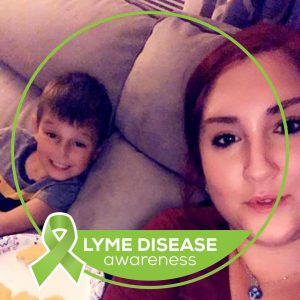
On January 3, 2019, my family’s whole world changed LITERALLY OVER NIGHT.
Our once loving little man (now age 6) was filled with rage, aggression and hatred. He went from snuggling with me and loving me, to lashing out at me, telling me he hated me, wanted to kill me and physically coming after me.
Let’s back track. As a baby and toddler, Nathan got strep throat constantly over and over again. He had his first positive strep test at six months old. From then on, it felt like a battle with strep every month.
At 3, Nathan got his tonsils and adenoids removed, in hopes this would cure his recurring strep infections. He had to go back under the knife two days after surgery for hemorrhaging.
Nathan made a full recovery after spending a few days in the PICU and he returned home. Little did we know that strep would come back with a vengeance!
I personally never knew until now that strep could come back with no tonsils and even hide in other places. It was living in his GI system and causing severe inflammation in his brain, liver and spleen, causing Nathan now to be critically anemic.
The “flu”?
Fast forward to January of 2019. Nathan came down with the “flu.” He was lethargic, sleeping 24/7. No matter what we did, he persistently had high fevers of 103-104 for days on end.
Finally after two weeks, the fever broke and slowly started coming around. He was still quiet, still tired but happy to be around friends.
Then, came rage and saying awful things. Then he became sad, overly sensitive, and would cry for hours. Then came the bowel regression. I’m not telling this for pity or embarrassment, but to make others aware, because this is what this nasty illness does. This is OUR REALITY. Nathan was fully potty trained at the age of 3. He has now regressed and is most of the time in pull ups, having three or four accidents a day.
He has “flares” that can be caused by just about anything. I’ve seen it happen when he’s overtired, has a loose tooth (open wounds allow bacteria to move freely), and when he comes into contact with illness. Nathan doesn’t have to have a current strep infection to cause a flare up. If he simply is around someone who has strep, this can cause a huge reaction.
I called an emergency IEP meeting with Nathan’s teachers, to figure out what the hell was going on! THIS WAS NO WAY ADHD OR PEDIATRIC BIPOLAR like the neurologist wanted to label my child. We put a good plan in place and I mentioned my concerns and thoughts.
Finally, some answers
Late January, I called a naturopathic doctor in New Hampshire who is highly knowledgeable and came recommended by many. This was after a friend reached out to me and told me Lyme disease could cause this behavior and then told me about a illness called PANDAS (pediatric autoimmune neurological disorder associated with streptococcus).
My head went spinning, I researched and researched, stayed up late researching, googling, joining support groups. OH MY HEAVENS. This is it! This was my son. I only remember ever seeing two ticks on Nathan. But honestly, I didn’t know much about tick-borne illness, so I removed the ticks and shrugged it off.
We went to see this naturopathic doctor. Fast forward again, to when his lab work came back. Nathan’s strep antibodies were four times what they should be! His CRP (which measures inflammation in the body) was also four times what it should be. BAM 💥PANDAS! This mama knew it!
Then we got the Lyme lab work. He tested positive for Lyme AND mycoplasma AND Bartonella. BAM AGAIN! WE FINALLY HAD A DIAGNOSIS! We also found out he has celiac, so we are now a gluten-free family.
A face to the nastiness
Don’t get me wrong. I was sad, I cried. But this mama was and still am so relieved to put a face to this nastiness that was causing Nathan to act so out of character.
He now is in treatment. On two antibiotics and natural tinctures to support his immune system (which by the way is literally nothing) and to help with the inflammation that’s going on in his body/brain.
Nathan still struggles with facial and vocal tics, potty regression, slurred slow speech, mood swings and major GI issues. But slow and steady and ONE DAY AT A TIME!
Love you my sweet, brave boy. Mama always has your back!
Jenny Kravitz lives in New Hampshire. She shared this on her Facebook page and gave us permission to republish it.
___________________
**Comment**
Children with PANS/PANDAS often have an infection(s) triggering their illness. Treating this infection(s) is imperative. According to a Wisconsin specialist, 80% of his PANS/PANDAS patients have Lyme and other coinfections. This is important to know and tell others about, remembering that tick borne illness testing is abysmal.
Getting to a specialist who understands this complexity is paramount.
The extraordinary FREE worldwide showing of Secret Ingredients — a powerful film by Jeffrey Smith and Amy Hart — shares remarkable stories of people who regain their health after discovering the “secret ingredients” in their food and making a bold commitment to avoid them.
Your body has a barrier to keep foreign chemicals from accessing your brain and spinal cord. Researchers have discovered by coating nanocapsules with CBD oil, they could carry particles into the brain of mice
CBD is the nonpsychoactive component of cannabis, which has strong anti-anxiety effects. Its ability to cross the blood-brain barrier suggests your brain has cannabinoid receptors used to maintain health
Although it’s normal to be concerned, too much stress and anxiety steals your time, energy and health; according to the World Health Organization, by 2030 global costs of anxiety treatment are expected to reach $147 billion annually
Low levels of endocannabinoids impact your risk of migraines, fibroids, irritable bowel syndrome and neurological conditions, but using CBD alone is not the answer to support your endocannabinoid system (ECS)
Natural ways to boost your ECS include avoiding pesticides, optimizing omega-3 intake, fasting, exercise and reducing stress
The cannabis plant has over 400 chemicals and at least 60 different cannabinoids1 — chemical compounds the human body is uniquely equipped to respond to. Of the two primary chemicals, cannabidiol (CBD) and tetrahydrocannabinol (THC), only THC has psychoactive properties.
THC is the compound in cannabis triggering a “high,” whereas CBD has no psychoactive effects. Both compounds, and other phytochemicals found in medical marijuana plants, have a long list of beneficial effects on health.
Medical marijuana is a term used for the use of the whole, unprocessed plant or its chemicals to treat a medical condition.2,3 With the exception of four cannabis-containing or cannabis-related products for specific conditions with a prescription, the U.S. Food and Drug Administration has not approved any “marketing application for cannabis for the treatment of any disease or condition.”4 On the other hand, some states have gone ahead and approved it themselves for certain medical conditions.5
The number of states that have decriminalized, legalized or allowed medical marijuana sales continues to grow. In some states, cannabis is fully legal or illegal, but in others the laws are mixed, allowing medicinal use but not recreational.6
According to the National Institute on Drug Abuse,7 notable scientific study results led to the creation of two FDA-approved medications containing cannabinoid chemicals in pill form, but not the use of the whole plant. Recently scientists proved CBD can carry other chemicals across the blood brain barrier, opening up its medicinal potential even further.
The Blood-Brain Barrier Is Designed to Protect Your Brain
More than 100 years ago, scientists discovered not everything injected into the bloodstream would reach the brain or spinal cord.8 Through research, scientists discovered the blood-brain barrier is semi permeable; in other words, it allows some materials to cross into your neurological system, but prevents others.
The importance of the blood-brain barrier to the health of your neurological system cannot be overstated. One portion of the system is formed by endothelial cells lining the microvasculature, which feeds your brain. This protects it from circulating agents and substances capable of disturbing your neurological functioning.9
The endothelial tissue in other capillaries in your body have small spaces allowing substances to move between the inside and outside of the vessel. In the brain, these cells fit together so tightly that many substances cannot leave the bloodstream and enter the brain.10
Additionally, glial cells — astrocytes — form another layer around the blood vessels and are involved in a two-way communication affecting physiology and pathology.11 This barrier mechanism is vital for normal functioning and providing a stable internal environment. One compound known to normally pass the blood-brain barrier is CBD.
Pharmaceutical Industry Finds Way to Use CBD as a Trojan Horse
In Greek mythology, the Trojan War was fought between the Greeks and the city of Troy.12 To gain access, the Greeks used a massive wooden horse constructed to hide a select force of men. It was presented as a gift, thereby allowing the Greek warriors to enter and destroy the city. Researchers believe CBD can act as a Trojan horse, helping move restricted chemicals across the blood-brain barrier.13
Researchers were interested in using CBD as a means to an end. They attached CBD, resembling endocannabinoids made by both mice and humans, to the outside of nanocapsules loaded with fluorescent molecules.
The fluorescence enabled the researchers to track the particles with the hope the experiment would mimic what occurs in the blood-brain barrier of humans. They demonstrated the CBD nanocarriers could transport fluorescent molecules across the blood-brain barrier in mice.14
When added in vitro to human cells mimicking the blood-brain barrier, the nanocarriers with CBD were more successful in passing through the cells than those without the CBD. Researchers also found when CBD nanocapsules were injected into healthy mice, 2.5 times more of them entered the animals’ brains than nanocarriers of equal size lacking the CBD coating.
Cannabidiol — Nonpsychoactive Component Has Anti-Anxiety Effects
The ability of CBD to naturally move across the blood-brain barrier indicates there are endocannabinoid receptors in the brain, which your neurological system uses to maintain optimal health. One of the benefits of CBD on your neurological system is reducing anxiety.
A meta-analysis15 evaluated the potential for CBD as a treatment for anxiety-related disorders. They found preclinical evidence strongly supported it for the treatment for panic disorder, social anxiety disorder, obsessive-compulsive disorder and post-traumatic stress disorder (PTSD).
A second large retrospective study16 looked at cases in psychiatric clinics involving the application of CBD for anxiety and sleep complaints. It too found the data supported the use of CBD for anxiety-related disorders.
In a small study17 involving 24 patients with generalized social anxiety disorder who, while diagnosed, had never been treated, half received CBD while the other half received a placebo. Another 12 healthy control subjects performed the test without receiving either medication or a placebo.
Each volunteer participated in a double-blind procedure. The researchers compared the effects of a simulation of public speaking on the 36 individuals, finding CBD pretreatment significantly affected cognitive impairment, anxiety and discomfort in speech performance.
The participants in the placebo group experienced higher anxiety, cognitive impairment and alert levels than the control group. No significant differences were observed between those taking CBD and the healthy control subjects who took nothing.18
These results piqued the interest of Dr. Esther Blessing, psychiatrist and researcher at New York University. She obtained funding from the National Institutes of Health, and along with collaborators are beginning a clinical trial to test if CBD helps those with PTSD and moderate or severe alcohol use disorder.19
The researchers plan to use pharmaceutical grade CBD or a placebo daily on 50 participants with the goal of evaluating alcohol intake in those who take CBD.
A second study20 now in Phase II is exploring whether CBD may help prevent relapse in opioid addicts. As explained by Blessing, CBD is different from cannabis. Although it’s extracted from cannabis, it does not lead to altered perception or cognition.21 She commented:22
“Drugs can be non-psychoactive and still have an effect on the brain. CBD does have an effect on the brain, but it seems to affect the brain in possibly medicinal ways.”
Anxiety Steals Time, Energy and Lives
Although it’s normal to be concerned about aspects of your life, too much stress and worry may devastate your health. A rise in stress levels and anxiety may trigger physical, mental or emotion changes, an indicator of anxiety disorders.23 Anxiety disorders are among the most common mental illnesses in the U.S., affecting an estimated 40 million adults.
Those suffering are three to five times more likely to see their physician and six times more likely to be hospitalized. It’s not uncommon for someone with anxiety to also suffer depression.24 Anxiety disorders carry a significant financial burden to individuals, families and communities.
According to the World Health Organization (WHO), by 2030, the global annual cost of anxiety will reach $147 billion.25 Researchers in one study concluded:26
“The cost burden of depression, anxiety, and emotional disorders is among the greatest of any disease conditions in the workforce. It is worth considering methods for quantifying direct and indirect costs that use administrative data sources given their utility.”
The cost of anxiety is measured in more than finances, as it takes an enormous emotional and physical toll. Long-term negative health effects may include digestive issues, insomnia, substance abuse disorders and depression,27 each of which come with a laundry list of physical symptoms, emotional disruption and financial burden.
Differences Between Recreational and Medicinal Use
The healing properties of medical cannabis come primarily from high levels of CBD and critical levels of other medicinal terpenes and flavonoids. However, THC, responsible for the psychoactive effects of cannabis, also has medicinal benefits.28,29 Growers are able to use selective breeding techniques to increase CBD and lower levels of THC for medicinal use.
While CBD has gained the most attention, CBD alone cannot fully support your body’s endocannabinoid system (ECS). Cannabinoid receptors in the human body were discovered in the 1990s,30 which in turn led to the realization our body makes endogenous cannabinoids that influence these receptors.
It was also discovered the ECS orchestrates communication between other bodily systems, such as your respiratory, digestive, immune and cardiovascular systems. The ECS does this via receptors found in every organ, including your skin. The use of medicinal CBD is aimed at the health benefits derived from providing your ECS with sufficient support.
However, if you choose to use exogenous CBD, it’s important to choose the right product as some do not meet the claims made on the label.31 Since CBD oil became a focus of popular holistic medicine almost overnight, the rapid innovations in the market have been impressive. However, while products quickly enter the market, effective control has not caught up yet.
Despite CBD being sold as a food supplement, it is often used for significant health problems. The WHO analyzed available scientific data and concluded CBD does not require drug scheduling. Nevertheless, CBD manufacturing may benefit from a preparation analysis to reduce contaminants and ensure the product in the bottle is what’s on the label.32
Researchers believe the methodology to achieve this goal already exists and the approach would hold the producer accountable for quality and safety. Until a system is in place, if you live in a state that has legalized CBD, it is important you purchase any products from a trusted source.
Single Magic Bullet Is Not the Answer to Support Your Endocannabinoid System
In this video clip from an interview with Carl Germano, board-certified nutritionist and phytocannabiniods expert, he discusses the need to move away from the single magic bullet idea of separating one nutritional compound from a plant and expecting miraculous results.
It’s important in many cases to consume the whole plant. The cannabis plant contains at least 60 other cannabinoids and 400 other chemicals, and many of these other phytocannabinoids and terpenes are needed to fully support your ECS.
However, the vilification of cannabis continues to negatively impact the ability to use the compounds medicinally.33CBD oil has demonstrated use in the treatment of pain,34 which represents a significant threat to the sale of opioids responsible for a large piece of the financial growth of Big Pharma in the past decade.35
Purdue Pharma went even further, trying to position the company as an “end-to-end provider” of opioids and the treatment for addiction.36 The cannabis plant also poses economic threats37 to the lumber, energy, food and other industries as the fiber may be used to make paper, biofuel, building materials, food products and oil, clothing, shoes and even jewelry.
Cannabinoids Necessary for Optimal Health
Low levels of endocannabinoids in your system result in ill health. As you age, your body becomes less efficient in creating endocannabinoids needed for optimal health. According to Germano, cannabinoids may be used as biological markers for specific conditions and illnesses.
Endocannabinoid deficiency has been identified in those with migraines, fibromyalgia, irritable bowel syndrome and neurological conditions, for example. Research has also discovered an intimate relationship between ECS and your omega-3 status, as omega-3 fat improves your cannabinoid receptors.
Other conditions associated with low levels include stress, anxiety, insomnia and eye health. For a long list of health benefits you’ll receive from supporting your ECS system, see my previous article, “The Many Medicinal Benefits of Cannabis and Cannabidiol (CBD).”
Avoid pesticides and phthalates — Start by avoiding chemicals blocking the receptivity of your endogenous system by reducing your exposure to neonicotinoid pesticides and phthalates. Find more information about phthalates in my previous article, “Phthalate Exposure Threatens Human Survival.”
Optimize your omega-3 intake — There’s an intimate relationship between your ECS and your omega-3 status. Omega-3 fats make your cannabinoid receptors more active, and are used as backbone structures to produce cannabinoids in your body.
Expose yourself to cold temperatures — In past articles I’ve written about some of the surprising benefits of extreme temperatures. One of those benefits is the regulation of endocannabinoid in white and brown adipose tissue.
Fasting —Intermittent fasting may improve your health using yet another mechanism in your body — by increasing your endocannabinoid levels, and regulating your ECS.
Caffeine — Regular caffeine consumption regulates and enhances the activation of cannabinoid receptors. Remember the added caffeine may also disrupt quality sleep, so it’s important to forgo any caffeinated substances after 2 p.m.
Exercise — Although exercise is an excellent stress reducer, research also finds the much talked about “runner’s high” may be a function of the release of endocannabinoids in your brain and not just endorphins. If you are new to exercise, you’ll find suggestions and links in my previous article, “Exercise to Improve Your Body and Your Brain.”
A 9-year-old boy presented to the pediatric otolaryngology clinic with a sensation of the presence of a foreign body in his right ear. He also reported that he had heard buzzing noises in his right ear 3 days earlier. He lived in Connecticut and had been playing outdoors at school. He had no pain, tinnitus, or loss of hearing. On physical examination, a tick was seen on the right tympanic membrane, with surrounding inflammation. Removal of the tick with guidance from an operative microscope was attempted in the office, but the tick could not be removed. The patient was subsequently transferred to the operating room for removal of the tick while he was under general anesthesia. The tick was again seen attached to the tympanic membrane; the tick’s capitulum was buried beneath the epidermal layer of the tympanic membrane. The underlying fibrous layer of the membrane remained intact. The tick was removed with a day hook, with guidance from an operative microscope. Subsequent pathological testing identified the tick as Dermacentor variabilis. After extraction of the tick, the patient had no signs or symptoms suggestive of systemic illness, and he was treated with ciprofloxacin eardrops for an abrasion of the tympanic membrane. One month later, the patient was doing well; he had no fever or rashes, and the tympanic membrane had healed well.
**Comment**
The American Dog tick or Wood tick transmits tularemia, RMSF, Anaplasmosis, and tick paralysis (fully engorged female).
There’s a good chance you’re familiar with probiotics (at least familiar enough where you make sure to stock up on Greek yogurt at the grocery store or pick up pills from your pharmacy).
But when it comes to your gut health, it’s actually the balance of two types of bacteria ― probiotics and prebiotics ― that helps keep everything operating as it should.
“There is a balance between [bacteria] in the gut called homeostasis,” said Ashkan Farhadi, a gastroenterologist at MemorialCare Orange Coast Medical Center and director of MemorialCare Medical Group’s Digestive Disease Project in Fountain Valley, California.
When this homeostasis becomes imbalanced, it’s important to restore it by providing the body with good bacteria that then help gut health, Farhadi said.
Enter probiotics and prebiotics, which you can get through diet and supplements.
But downing a cup of Chobani alone isn’t going to solve the issue. There are specific ways to balance your gut health with probiotics and prebiotics, and multiple ways to get them from what you consume.
Differentiating between probiotics and prebiotics
Here’s an easy way to keep probiotics and prebiotics straight when it comes to their function in the body: “Probiotics are ‘good’ bacteria that are introduced to the gut to grow and thrive,” said Erin Palinski-Wade, a registered dietitian and author of the “2-Day Diabetes Diet.” “Prebiotics are essentially ‘food’ for these good bacteria.” This means they help stimulate and fuel the growth of probiotic bacteria already present in the body, acting like a fertilizer.
“It is essential to have both prebiotics and probiotics to promote gut health,” Palinksi-Wade added.
PEOPLEIMAGES VIA GETTY IMAGES
Probiotics help keep gut bacteria balanced by limiting the growth of bad bacteria, explained Alan Schwartzstein, a family physician practicing in Oregon, Wisconsin.
“Probiotics compete with these ‘bad’ bacteria for prebiotic food and do not allow them to multiply and cause harm to us.”
When there is a balanced amount of probiotics and prebiotics in the body, your digestive health is able to hum along.
This bacteria balance is also beneficial to your overall health, Palinski-Wade said. A good amount of probiotics in the body helps with vaginal health. A healthy gut contributes to a strong immune system, as well as good heart and brain health. What’s more, research published in Medicina has linked healthy bacteria in the gut with healthy body weight, lowering inflammation and stabilizing blood sugar levels.
How to know if your gut is OK ― and how to get it there if it isn’t
There’s a pretty simple sign that indicates if your gut has enough prebiotics and probiotics.
“Those who have a gut imbalance will have symptoms like increased gut sensitivity or changes in bowel habits,” Farhadi said. This means issues like diarrhea, constipation and excess gas.
You don’t have to wait for these unpleasant symptoms to pop up to start taking a probiotic. Whether you do it through diet or supplement, prebiotics and probiotics can be used by anyone to proactively maintain gut health, Farhadi said.
For example, in his own practice Farhadi recommends a patient eat a tablespoon of Greek yogurt (which has probiotics) sprinkled with Metamucil (which contains prebiotics) on top to restore balance in the gut.
Schwartzstein added that most people can get enough probiotics through their daily diet without a supplement. This includes eating foods like yogurt (make sure the label says “live active cultures” or the full name of the bacteria), soy drinks, soft cheeses like Gouda, and miso. There’s one main exception where heavier amounts of the bacteria might be needed.
“There are circumstances that can cause fewer probiotics in our digestive system; the most common is when we take antibiotics,” Schwartzstein said. “These antibiotics kill the healthy bacteria in our gut that serve as probiotics at the same time they kill the harmful bacteria that is causing the infection.” (This is also why most doctors only prescribe antibiotics if they are positive a patient has an infection caused by bacteria as opposed to a virus, like a cold.)
In these instances, you may need to take a probiotic supplement until you finish taking antibiotics. Talk to your doctor to make sure you take the correct strain and be aware that taking a probiotic supplement can come with side effects like gas and bloating, Schwartzstein said.
KATLEHO SEISA VIA GETTY IMAGES
For prebiotics, Palinski-Wade said that a diet high in plant-based foods and fiber is a good way to make sure you’re consuming enough. Sources of prebiotics include garlic, vegetables, fruits and legumes.
If you don’t think you’re getting enough probiotics or prebiotics through your diet you may be leaning toward taking a supplement. In the case of prebiotics, any psyllium-based product (like Metamucil) can be used, as fiber acts as a prebiotic in the body.
Probiotics are a little trickier, as there are many different strains of probiotic bacteria that may be beneficial for certain conditions.
“Our research is so limited in this field,” Farhadi said. “Currently, the recommendation is based on individual experiences.”
Many times, Farhadi said a doctor may ask a patient to start a probiotic and see if it’s helpful. If not, they can switch between different brands and bacteria strains until they find the right fit. Talk with your physician before trying anything ― they’ll make sure you’re set up on the right path.
__________________
**Comment**
I would caution against using yogurt, kefir, and Metamucil unless they are without sugar. A good substitute for Metamucil is just plain psyllium husk fiber. https://fiberfacts.org/consumer_psyllium/ I found two opposing opinions on psyllium being a prebiotic, so discuss this with your practitioner. Both, however, are soluble sources of fiber. If you try this, go slowly so your body can acclimate to it.
If you detest the taste of plain yogurt products, you can always add fruit or liquid Stevia which comes in a myriad of flavors, but avoid processed sugar like the plague.
Regarding pro and prebiotic supplements, there are many varieties and types. Get probiotics that are refrigerated as they have live cultures in them.
Also, look for probiotic supplements that are designed to carry the bacteria all the way to your large intestine for better effects, while others probably won’t survive stomach acid.
And, the Health line article cautions that some should not take a probiotic, or who may feel worse after taking them, such as people with small intestinal bacterial overgrowth (SIBO) or people sensitive to ingredients in the supplement. For these issues, work with a practitioner to find the right strains.
My LLMD has been utilizing both in his treatment for Lyme/MSIDS patients and he reports that he has far fewer patients suffering with gut issues now – even while using antibiotics.





 Madison Area Lyme Support Group