Archive for the ‘Herbs’ Category

Your Liver is Your Detox Organ. Here’s Why & How to Support it

https://www.mindbodygreen.com/articles/support-liver-detox-with-supplements-and-herbs?

Your Liver Is Your Detox Organ. Here’s Why & How To Support It

Image by Marc Tran / Stocksy

We humans are alive because of brilliant biochemistry, and while each system of our body has its own unique function, they are all inextricably linked and work together to keep us alive and thriving. When one system goes awry, it often affects other seemingly unrelated aspects of our health. This is especially true when it comes to detox, which is one of the biggest factors of poor health that I see in my patients.

With research starting to show the link between our increased toxin exposure and autoimmune conditions, it’s more important than ever for your body’s detoxification systems to be working properly. As your body’s largest organ, your liver is also the main detoxifier.

Why your liver is your detox organ.

Working in constant communication with your stomach, pancreas, gallbladder, and the rest of your digestive system, your liver is responsible for storing and converting nutrients from the foods we eat for our bodies to utilize. Through its role in the metabolism of fat, protein, and carbohydrates, your liver works to ensure that blood glucose levels are stabilized to prevent blood sugar imbalances and other metabolic problems. It works to filter out toxins from the foods you eat and environmental exposures as well as acting as a blood purifier, clearing out your blood of these impurities and only utilizing the necessary nutrients. Needless to say, if your liver isn’t working well, your ability to detox is going to be greatly affected.

When your liver is overloaded with toxins, it creates a cascade of systemic chronic inflammation, which further affects your liver’s ability to rid itself of these toxins. It becomes a vicious cycle between toxin buildup and inflammation that can only be broken through limiting your toxin exposure and supporting your liver’s natural ability to detox.

Detox rituals that support your liver.

I’ve written in the past about various ways to make your life a cleanse. But to really boost your detox pathways and liver function, these targeted natural tools are my go-to for next-level liver and detox support:

Article continues below

1. Dandelion tea

Methylation is your body’s biochemical superhighway that controls your body’s ability to detox. B vitamins act as fuel for methylation and are found abundantly in dandelions. Brew up a cup of dandelion tea to support methylation and help support optimal liver function.

2. Milk thistle

This plant is one of the most well-researched natural remedies for treating liver problems and has been used for years to treat a number of different liver conditions, including hepatitis and alcoholic liver disease. Milk thistle aids in eliminating toxins that have built up in the liver in addition to helping restore liver cells that have been damaged from increased toxin exposure. You can take it in a supplement capsule or as a tea.

Image by Yoyochow23 / iStock

3. Garlic

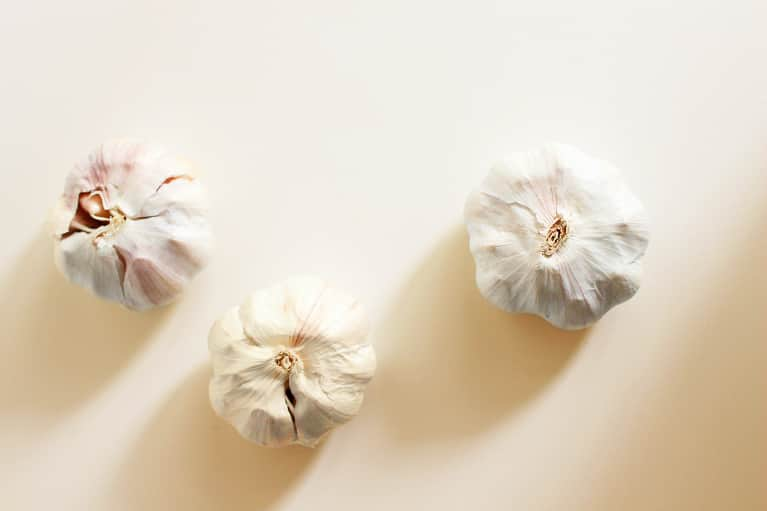
Garlic helps to activate liver detox enzymes that work to break down the toxins that enter your body in order to effectively eliminate them. Thankfully, garlic makes a delicious addition to almost any recipe, so don’t be afraid to load up while cooking your next meal!

4. Sulfuric vegetables

Vegetables such as broccoli, broccoli sprouts, mushrooms, Brussels sprouts, and cauliflower are considered sulfuric and contain the powerful antioxidant glutathione. This antioxidant is essential for activating phase 1 and phase 2 liver detoxification.

5. Beets

Beets are great for helping break down toxins through increasing enzyme activity so that your body can eliminate them quicker. I love roasting them as a side or adding them to a salad seasoned with garlic!

Article continues below

6. Red clover

This is one of my favorites for its ability to rid toxins from not only your liver but your spleen and lymphatic system as well. You can take it in capsule form or as an herbal tincture.

7. Burdock root

As a tea or supplement, this root does wonders for removing toxins, specifically heavy metals. With its natural diuretic properties, it works to flush out toxins by increasing fluid excretion as well as boosting your lymphatic system.

You don’t have to adopt all these rituals to support your liver, but by making yourself a cup of dandelion tea, adding garlic and beets to your next meal, or taking a red clover supplement, you can support your detox pathways going into 2019.

________________

More on Detoxification:  https://madisonarealymesupportgroup.com/2018/02/24/top-3-lyme-detox-myths-busted-dr-rawls/

https://madisonarealymesupportgroup.com/2018/03/02/dmso-msm-for-lyme-msids/

https://madisonarealymesupportgroup.com/2018/01/03/the-invisible-universe-of-the-human-microbiome-msm/

Briefly, MSM stands for Methylsulfonylmethane and is 34% sulfur by weight. Sulfur plays a crucial role in detoxification and is an important antioxidant for producing glutathione. If you aren’t getting enough sulfur, glutathione can not work. Even if you have a diet rich in sulfur (think cabbage, onions, garlic, broccoli, etc – essentially the stinky veggies – and many other food items as well) your body still could use supplementation.


Essential Oils – Highly Effective at Destroying Lyme Bacterium (in a Petri Dish)

 Approx. 7 Min.

Dec. 17, 2018

Written by Joseph Mercola

Story at-a-glance

  • In lab tests conducted at Johns Hopkins, essential oils from garlic and other herbs and medicinal plants were found to be highly effective at destroying the bacterium that causes Lyme disease
  • At least 300,000 Americans are diagnosed annually with Lyme disease, which is a bacterial infection spread by ticks commonly found in the U.S. and at least 60 other countries
  • Treating Lyme disease is often complicated by coinfections, nutrient deficiencies and toxin overload, as well as the fact many of its symptoms mimic illnesses like fibromyalgia and multiple sclerosis
  • While conventional medicine most often turns to long-term antibiotic use to treat Lyme, I encourage you to investigate the many natural solutions available, including the use of antioxidants, probiotics and lumbrokinase
  • If you are not finding the help you need and your condition is worsening, you may want to consider learning more about the treatment protocol recommended by Dr. Dietrich Klinghardt, one of the leading authorities on Lyme disease

Lab-based research conducted at Johns Hopkins School of Public Health suggests various essential oils, including garlic, can effectively kill persistent forms of Lyme disease bacterium. While clinical trials are needed to validate the lab-based results, this is good news for anyone who had previously been relying on antibiotics alone to treat this life-threatening, tick-based disease.

Notably, 10 of the 35 essential oils tested showed strong killing activity against dormant and slow-growing “persister” forms of Lyme disease bacterium.1

If you are struggling with Lyme disease, I encourage you to look beyond conventional treatment, which often focuses on the use of long-term antibiotics. You owe it to yourself to investigate essential oils and other natural solutions, which I highlight below.

Essential Oils Shown To Be Effective for Treating Lyme Disease

As presented in the featured video, a new study published in the journal Antibiotics2 suggests essential oils such as garlic and eucalyptus may be useful in treating Lyme disease.

Interested in the oils’ strong antibacterial properties and many other health benefits, a team of researchers from the Johns Hopkins School of Public Health conducted lab tests designed to treat Lyme bacterium with 35 essential oils.

Previously, lead study author Dr. Ying Zhang, professor in the department of molecular microbiology and immunology, and his colleagues identified five essential oils, including oregano, cinnamon bark and citronella, that have higher antipersister activity than the commonly used Lyme antibiotic drug daptomycin.3 Results of the current research revealed:4,5,6

  • Ten of the 35 essential oils that were tested showed “strong activity” against persister forms of Lyme disease bacterium
  • Essential oils derived from allspice berries, cinnamon bark, cumin seeds, eucalyptus, garlic cloves, myrrh trees and thyme leaves are among those found to effectively combat persister forms of Lyme disease
  • Five of these oils were effective against dormant forms of the Lyme bacterium in a concentration of only 1 part per 1,000
  • Essential oils from allspice berries, garlic, may chang trees, myrrh trees and spiked ginger lily not only eradicated all Lyme disease bacteria in seven days, but also prevented regrowth in 21 days

About the study outcomes, Zhang stated, “We found that these essential oils were even better at killing the ‘persister’ forms of Lyme bacteria than standard Lyme antibiotics. At this stage, these essential oils look very promising as candidate treatments for persistent Lyme infection, but ultimately we need properly designed clinical trials.”7

Given the study outcomes, essential oils are certainly worth consideration when it comes to addressing Lyme symptoms. Later in this article, I will share other natural remedies you may want to consider. For now, let’s take a closer look at what causes the disease and how it is most commonly contracted.

What Causes Lyme Disease?

Lyme disease is caused by a spirochete — a corkscrew-shaped bacterium called Borrelia burgdorferi. It is primarily transmitted by deer ticks and black-legged ticks found in grassy and wooded areas throughout the U.S. and at least 60 other countries.8

Lyme is sometimes accompanied by a characteristic bullseye rash and may include flu-like symptoms such as: body aches, fatigue, fever, headaches and stiff or swollen joints.

As I have often mentioned, early treatment is vital because it may help you avoid future complications such as chronic joint inflammation (Lyme arthritis), cognitive defects, heart rhythm irregularities and neurological symptoms.

Quite often, Lyme disease can be complicated by factors such as coinfections, nutrient deficiencies and toxin overload.9 LymeDisease.org provides the following facts about the disease:10

  • Most people contract Lyme from the bite of an immature tick — and the bite is often so tiny and painless, you may not realize you’ve been bitten
  • An undisturbed tick can feed for several days; the longer it is attached to your body, the greater the chances it will transmit Lyme and other pathogens into your bloodstream
  • Lyme, which is known as “The Great Imitator,” is very challenging to diagnose because its symptoms mimic conditions such as amyotrophic lateral sclerosis (ALS), chronic fatigue syndrome, depression, fibromyalgia and multiple sclerosis
  • Lyme disease can affect any organ of your body, including your brain and nervous system, muscles and joints and even your heart

Who Gets Lyme Disease?

Lyme disease is no respecter of persons and one bite from a tick the size of a poppy seed may be the only thing separating you from this devastating illness. At least 300,000 Americans are diagnosed with Lyme disease annually.11

According to the U.S. Centers for Disease Control and Prevention (CDC), Lyme disease cases are mainly concentrated in the Northeast and upper Midwest, with 14 American states accounting for more than 96 percent of the cases reported to the CDC.12

The people at greatest risk of picking up a Lyme-infected tick include children and older adults, as well as firefighters, park rangers and others who spend time in areas known to increase their exposure to ticks.13

Antibiotic Treatment for Lyme Disease Is Not Always Effective

In most cases, the first line of treatment for Lyme disease usually involves the administration of antibiotics such as amoxicillin, cefuroxime or doxycycline for two to four weeks. That said, antibiotics are not always effective. It’s also important to note that the overuse of these drugs contributes to antibiotic resistance, which is becoming an increasingly bigger issue worldwide.

A 2013 study suggested 36 percent of antibiotic-treated patients continued to suffer from fatigue six months after taking the medication, whereas 20 percent experienced ongoing joint or musculoskeletal pain and 45 percent dealt with persistent neurocognitive symptoms.14

This poorly understood condition that lingers after standard treatment has been completed is known as “persistent Lyme infection” or “post-treatment Lyme disease (PTLDS) syndrome.”15 While the cause of so-called persistent Lyme infection is unknown, experts have observed that the Lyme bacterium can enter a dormant stage in which its cells multiply very slowly or don’t divide at all.

As such, these so-called persister cells are known to be more resistant to antibiotics. About this aspect of Lyme disease, authors of the Johns Hopkins study stated:16

“We found that the variant persister forms such as round bodies, microcolonies and biofilms with increasing degree of persistence in vitro, cannot be killed by the current Lyme antibiotics or even persister drugs like daptomycin alone. [T]hey can only be killed by a combination of drugs that kill persisters and drugs that kill the growing forms.

These observations provide a possible explanation in support of persistent infection despite antibiotic treatment in vivo.

Although daptomycin has good antipersister activity, it is expensive and is an intravenous drug and difficult to administer and adopt in clinical setting, and it has limited penetration through blood brain barrier (BBB). Thus, there is interest to identify alternative drug candidates with high anti-persister activity.”

Natural Strategies to Fight Lyme Disease

As mentioned, conventional Lyme treatment usually focuses on antibiotics, which often stop short of addressing the underlying issues associated with the disease. Due to the damage it will do to your gut microbiome, I do not recommend long-term antibiotic use for Lyme.

The use of antibiotics also increases your risk of fungal or yeast infections. Moreover, antibiotics tax your natural immune function and increase your risk of antibiotic-resistant infections.

Rather than choose antibiotic therapy as your primary means of treating Lyme, you’d be wise to investigate the many natural alternatives first, or, at least use the natural remedies in concert with any recommended pharmaceutical medications. You may find the following nutritional supplements useful in addressing Lyme disease:

Andrographis and artemisinin — herbs that treat a Lyme coinfection called Babesia Krill oil — this omega-3 powerhouse helps reduce inflammation and relieve Lyme symptoms
Astaxanthin — a powerful antioxidant that neutralizes toxins and relieves joint pain Probiotics — promotes healthy gut flora and boosts your immunity
Cilantro — a natural chelator for heavy metals Quercetin — an antioxidant known to reduce histamine, which is usually high in Lyme patients
CoQ10 — a potent antioxidant that alleviates muscle pain, boosts cardiac health and reduces brain fog Resveratrol — this antioxidant helps with detoxification and may treat the common coinfection called Bartonella
Curcumin — the active ingredient in the spice turmeric, which eliminates neurological toxins and helps reduce brain swelling Serrapeptase — helps dissolve biofilms
GABA and melatonin — two great sleep supplements that will help address insomnia, a common complaint of Lyme sufferers Transfer factors — help boost your immune function
Grapefruit seed extract — known to kill bacteria, Candida and parasites and may help treat the Borrelia bacterium in cyst form Whey protein concentrate — may be useful as a dietary supplement

Lumbrokinase Also Shown to Help Treat Lyme

Beyond the natural remedies mentioned above, lumbrokinase, a group of six proteolytic (protein digesting) enzymes derived from earthworms, has been successfully paired with antimicrobial remedies for the treatment of Lyme disease.

Lumbrokinase is believed to effectively penetrate through thick clumps of gut bacteria known as biofilms, which are one of several factors involved with Lyme. When pathogenic bacteria hide within biofilms, they can feed and replicate out of the reach of your immune system.

As such, they remain strong and unaffected by any antimicrobial medications, including antibiotics and herbs, you may be taking. The fact lumbrokinase is helpful in breaking down fibrinogen is an important aspect of Lyme treatment because the pathogenic bacteria use fibrinogen, which they convert to fibrin, to strengthen their network.17

Researchers studying the effects of lumbrokinase18 say earthworms have been used for thousands of years within traditional medicine in Asian countries such as China, Japan and Korea. In these countries, dry earthworm powder taken orally has been shown to promote healthy blood circulation.

Dr. Miguel Gonzalez, a functional, integrative and holistic medicine specialist from Thousand Oaks, California, and creator of the Lyme People website, suggests lumbrokinase, “appears to assist in dissolving the excess fibrin that covers and hides the bacteria, is involved in the regulation of blood clotting and also eliminates the abnormal proteins that are released as a result of the bacteria’s activity.”19

You May Want to Try Klinghardt Academy’s Lyme Treatment Protocol

My mentor Dr. Dietrich Klinghardt, founder of the Klinghardt Academy in Woodinville, Washington, is one of the leading authorities on the treatment of Lyme disease. Having been used successfully to restore health to hundreds of patients, his Lyme disease treatment protocol is most definitely something you should check out, especially if you have been unable to get the help you need elsewhere.

Be Vigilant: Preventing Lyme Disease Is Your Best Option

Lyme disease is a complex, controversial and extremely challenging condition to treat, making prevention your safest and best option. Your first line of defense is to take precautions to avoid the ticks that transmit the disease. After all, no tick bites, no Lyme disease. Because the ticks can be as small as poppy seeds, you must be vigilant to safeguard yourself, your loved ones and your pets from ticks.

Whatever you do, do not spray your body or your clothes with insect repellant containing N,N-Diethyl-m-toluamide, also known as DEET. Because DEET is a known neurotoxin,20 I recommend avoiding all DEET-containing products. If you live or spend time in a high-risk area, you can protect yourself from tick bites by:21,22

  • Avoiding tick-infested areas such as densely wooded areas and always walk in the middle of trails to avoid brushing against tall grasses and other plant material that may house ticks
  • Looking for ticks on your body and hair immediately upon returning from a high-risk area and continuing to check your body, hair and bedding daily for several days afterward
  • Wearing long sleeves and pants, as well as closed shoes and a hat, when venturing into wooded areas
  • Checking your pets for ticks, which can latch onto collars and fur
  • Removing ticks properly and, if possible, keeping them alive; for detailed instructions on handling ticks, visit the lymedisease.org tick removal page

__________________

**Comment**

Please remember, this study is in vitro (in a lab) not in vivo (the human body).  I believe they are in the process of mouse studies.

Back to EO’s.  My husband and I both used the combination of clove, cinnamon, and oregano (2 drops each, so 6 drops in a capsule twice a day for a grand total of 12 drops of EO’s).  I also added 2 drops of turmeric for inflammation as well as 8 or so drops of black seed oil as a good fat).  We used this protocol 1 week out of every month as a maintenance program as we have treated extensively with both antibiotics, herbs, blood ozone under UV light, and with high dose vitamin C IV’s for over FIVE YEARS.

WE BOTH RELAPSED ON THIS EO maintenance program.  

I got the EO idea from here:  https://madisonarealymesupportgroup.com/2017/10/13/oregano-cinnamon-and-clove-found-to-have-high-anti-persister-activity-for-bb/

When I went to the ILADS convention I happened to catch Greg Lee, who uses many modalities in treating Lyme/MSIDS, including liposomal EO’s & I ran my protocol by him.  He agreed that the protocol seemed sound and of the correct strength.

However, again, we BOTH relapsed.

I do not believe at this point that EO’s ALONE with conquer this beast.  They very well could help and in combination with other modalities could be quite powerful.  Also, the other detail is perhaps this only works on a daily basis with no breaks.  So, either the dosage is too low, we didn’t take it often enough, or it just flatly doesn’t work.

I must add a final personal observation because I know the desperation out there is very great.  The “naturalists” who hate antibiotics always jump on these in vitro studies as if they are the 10 commandments or a sure thing.  BTW:  I hadn’t taken abx for over 20 years until Lyme/MSIDS and consider myself a quasi-naturalist! Please be aware of folks’ well-meaning biases.  In the end, it’s your body and your choice what treatment you will follow.  Do your homework.  It’s complex and much is still unknown.  I chose to go with the biggest bang for my buck that I actually saw noticeable improvement upon.  This looks differently on everyone.  For some, abx doesn’t appear to help them and in fact for some, they flatly can not tolerate them.  If this is true for you, then by all means, don’t use them!  However, also keep in mind that how you feel during this nightmare is quite different than anything you’ve ever experienced before.

In other words, I felt like _ _ _ _ on a stick for the entire 5 years of treatment with a few “good days.”  Treatment is hard.  But, you know you are making progress when you notice a herx.  Managing that herx is an entirely different matter and books could be written about this, but here’s a start:  https://madisonarealymesupportgroup.com/2015/08/15/herxheimer-die-off-reaction-explained/

https://madisonarealymesupportgroup.com/2015/12/06/tips-for-newbies/

https://madisonarealymesupportgroup.com/2017/06/28/jarisch-herxheimer-a-review/  At the end of the article I explain my herxes.  I would like to also add that since that time I’ve started taking MSM daily with great success for pain.  In fact, I’m pain-free and have been for some time.  I know; however, that when pain returns, that’s the beginning of my spiral downward and the sign of a relapse.  Upon another stint of abx (usually 2-3 months) I’m back to normal, but this is how it has played out for me, my husband, and my LLMD states this is how it plays out for many others she treats. I tried MSM earlier while IN treatment to no effect but now that I’m off treatment it works well.  I do believe the pathogen load needs to be decreased substantially, at least in my case, for the MSM to work.  Please see this article on it:  https://madisonarealymesupportgroup.com/2018/03/02/dmso-msm-for-lyme-msids/

Please remember, these experiences are my own so yours may be slightly different depending on your presentation.  I feel it’s important to share this as it’s important to collect as much knowledge as you can, but always remembering that this complex illness varies from person to person.  And lastly, please find a knowledgable health professional.  One who is trained by ILADS and is open-minded.

Two heads are definitely better than one when it comes to tick-borne illness!

P.S.  I didn’t notice a darn thing on stevia or grapefruit seed extract.  My LLMD feels they aren’t strong enough.  For me, Tinidazole was a game changer as well as minocycline for the ability to cross the blood/brain barrier.  I NEVER only took one thing.  I was on 3-4 things simultaneously throughout treatment but we did pulse these.

Read more here on Tindy: https://www.dovepress.com/evaluation-of-in-vitro-antibiotic-susceptibility-of-different-morpholo-peer-reviewed-article-IDR
However, both metronidazole and tinidazole had far superior action:
Metronidazole led to reduction of spirochetal structures by ~90% and round body forms by ~80%. Tigecycline and tinidazole treatment reduced both spirochetal and round body forms by ~80%–90%.
In terms of qualitative effects, only tinidazole reduced viable organisms by ~90%. Following treatment with the other antibiotics, viable organisms were detected in 70%–85% of the biofilm-like colonies.

LLMD’s almost all use drug combinations due to the complexity of the organism as well as to ward off any potential resistance, and the fact coinfections are often involved. For examples: https://madisonarealymesupportgroup.com/2016/02/13/lyme-disease-treatment/

More on Mino:  https://madisonarealymesupportgroup.com/2017/06/04/minocycline-for-ms-and-much-more/


Johns Hopkins Researchers: Plant Compounds May be Better Than Current Antibiotics at Treating Persistent Lyme Bacteria

http://outbreaknewstoday.com/johns-hopkins-researchers-plant-compounds-may-better-current-antibiotics-treating-persistent-lyme-bacteria-16025/

Johns Hopkins researchers: Plant compounds may be better than current antibiotics at treating persistent Lyme bacteria

December 3, 2018
Oils from garlic and several other common herbs and medicinal plants show strong activity against the bacterium that causes Lyme disease, according to a study by researchers at Johns Hopkins Bloomberg School of Public Health. These oils may be especially useful in alleviating Lyme symptoms that persist despite standard antibiotic treatment, the study also suggests.
Image/CDC
Image/CDC

The study, published October 16 in the journal Antibiotics, included lab-dish tests of 35 essential oils–oils that are pressed from plants or their fruits and contain the plant’s main fragrance, or “essence.” The Bloomberg School researchers found that 10 of these, including oils from garlic cloves, myrrh trees, thyme leaves, cinnamon bark, allspice berries and cumin seeds, showed strong killing activity against dormant and slow-growing “persister” forms of the Lyme disease bacterium.

“We found that these essential oils were even better at killing the ‘persister’ forms of Lyme bacteria than standard Lyme antibiotics,” says study senior author Ying Zhang, MD, PhD, professor in the Department of Molecular Microbiology and Immunology at the Bloomberg School.

There are an estimated 300,000 new cases of Lyme disease each year in the United States. Standard treatment with doxycycline or an alternative antibiotic for a few weeks usually clears the infection and resolves symptoms. However, about 10 to 20 percent of patients report persistent symptoms including fatigue and joint pain–often termed “persistent Lyme infection” or “post-treatment Lyme disease syndrome” (PTLDS) that in some cases can last for months or years.

The cause of this lingering syndrome isn’t known. But it is known that cultures of Lyme disease bacteria, Borrelia burgdorferi, can enter a so-called stationary phase in which many of the cells divide slowly or not at all. The slow-dividing or dormant cells are “persister” cells, which can form naturally under nutrient starvation or stress conditions, and are more resistant to antibiotics. Some researchers have sought other drugs or medicinal compounds that can kill persister Lyme bacteria in the hope that these compounds can be used to treat people with persistent Lyme symptoms.

Zhang and his laboratory have been at the forefront of these efforts. In 2014, his lab screened FDA-approved drugs for activity against persister Lyme bacteria and found many candidates including daptomycin (used to treat MRSA) that had better activity than the current Lyme antibiotics. In 2015, they reported that a three-antibiotic combination–doxycycline, cefoperazone and daptomycin–reliably killed Lyme persister bacteria in lab dish tests. In a 2017 study they found that essential oils from oregano, cinnamon bark, clove buds, citronella and wintergreen killed stationary phase Lyme bacteria even more potently than daptomycin, the champion among tested pharmaceuticals.

In the new study Zhang and his team extended their lab-dish testing to include 35 other essential oils, and found 10 that show significant killing activity against stationary phase Lyme bacteria cultures at concentrations of just one part per thousand. At this concentration, five of these oils, derived respectively from garlic bulbs, allspice berries, myrrh trees, spiked ginger lily blossoms and may change fruit successfully killed all stationary phase Lyme bacteria in their culture dishes in seven days, so no bacteria grew back in 21 days.

Oils from thyme leaves, cumin seeds and amyris wood also performed well, as did cinnamaldehyde, the fragrant main ingredient of cinnamon bark oil.

Lab-dish tests such as these represent an early stage of research, but Zhang and colleagues hope in the near future to continue their investigations of essential oils with tests in live animals, including tests in mouse models of persistent Lyme infection. If those tests go well and the effective doses seem safe, Zhang expects to organize initial tests in humans.

“At this stage these essential oils look very promising as candidate treatments for persistent Lyme infection, but ultimately we need properly designed clinical trials,” he says.

__________________
**Comment**
Please remember that both Stevia and the essential oil studies have been in vitro – or in a lab, not in the human body.  This is an important distinction because the body is far more complex and what plays out in a petri dish may or may not play out in the body.
Personally, my husband and I have tried Stevia and EO’s internally.  We relapsed on both.  We also didn’t have any noticeable herx reactions.  That isn’t to say they won’t work on someone else but for me and my husband we’ve ALWAYS responded to antibiotics with noticeable herxheimer reactions upon starting treatment.  Again, much plays into this and for us, Bartonella is a key player – perhaps more so than even Lyme when going by symptoms.  The polymicrobial nature of Lyme/MSIDS keeps this a complex, difficult to treat illness.  We are human Guinea pigs.  I will also add that we both took Tinidazole throughout our YEARS of treatment which, if you study it, you discover it is one of the few that reduces spirochetal and round body forms by ~80%-90% (Again, this is an in vitro study):
https://www.dovepress.com/evaluation-of-in-vitro-antibiotic-susceptibility-of-different-morpholo-peer-reviewed-article-IDR
All I can say is when we took Tindy, it was noticeable.  We pulsed it on TH and F and we felt like train wrecks over the weekends.  To us it was quite powerful.

Medical Cannabis Superior to Opioids for Chronic Pain, Study Finds

http://www.greenmedinfo.com/blog/medical-cannabis-superior-opioids-chronic-pain-study-finds?

Medical Cannabis Superior To Opioids for Chronic Pain, Study Finds

“© [Nov 4, 2018] GreenMedInfo LLC. This work is reproduced and distributed with the permission of GreenMedInfo LLC. Want to learn more from GreenMedInfo? Sign up for the newsletter here http://www.greenmedinfo.com/greenmed/newsletter.”

Sufferers of chronic pain have been faced with a perilous decision—risk a crippling addiction to opioids or find a way to live with the pain. A new clinical study has focused on medical cannabis as an alternative to opioids, and the results may be a turning point towards a safe, plant-based option for easing pain

A new study published in the European Journal of Internal Medicine represents hope for millions of sufferers of chronic pain. Researchers at the Cannabis Clinical Research Institute at Soroka University Medical Center, and Ben-Gurion University of the Negev (BGU), found that medical cannabis can significantly reduce chronic pain without adverse effects, particularly among adults aged 65 and older. Use of cannabis, aka medical marijuana, was found to be both safe and effective for elderly patients experiencing pain because of another medical condition, such as cancer, multiple sclerosis, Parkinson’s disease, Crohn’s disease, ulcerative colitis, and post-traumatic stress disorder.

One of the head researchers in this study, Prof. Victor Novack, M.D., is a professor of medicine in the BGU Faculty of Health Sciences (FOHS), as well as BGU’s Chair in Internal Medicine. He also heads the Soroka Cannabis Clinical Research Institute. According to Prof. Novack, M.D.:

“Older patients represent a large and growing population of medical cannabis users, [yet] few studies have addressed how it affects this particular group, which also suffers from dementia, frequent falls, mobility problems, and hearing and visual impairments.”[1]

The study surveyed 2,736 patients aged 65 years and older, at the inception of medical cannabis treatment, and throughout the 33-month study period. Surveys indicated the most common reasons for using cannabis were pain (66.6%) and cancer (60.8%). Methods of ingestion included cannabis-infused oils and smoking or vaporizing the herb. After six months of cannabis therapy, researchers provided a follow-up questionnaire which sought to determine any changes to pain intensity and quality of life, as well as any adverse events that were experienced. 901 of the original respondents replied.

After 6-months of medical marijuana treatment (all statistics are +/-):

  • 94% reported an improved overall condition, and a 50% reduction in pain
  • 60% reported improved quality of life, from “bad” or “very bad” to “good” or “very good”
  • 70% reported moderate to significant improvement in their condition
  • 20% of respondents stopped using opioids or reduced their dose

Notably, the most common side effects reported were mild: dizziness (9.7%) and dry mouth (7.1%), a far cry from the high-percentage of opioid-related deaths that are linked to chronic pain.[2] BGU researchers believe that utilizing cannabis may decrease the use of other prescription medications, including opioids, and encourage further research into this plant-based alternative, especially as it relates to an aging population.

Chronic pain is a problem that affects an estimated 100 million Americans.[3] It is also one of the most significant public health problems in the United States, with an estimated cost to society of $560-$635 billion annually, an amount equal to about $2,000 for every person living in the U.S.[4] Meanwhile, the nation’s growing opioid epidemic sees 1 of every 550 chronic opioid users dying within three years of their first opioid prescription.[5] While natural alternatives to deadly opiates are rarely offered by medical doctors, medical marijuana may be the drug that bridges this senseless gap. Research is beginning to mount that shows more promise than the medical establishment can long ignore.

Neuropathy is a type of chronic pain that presents as tingling and numbness in the hands and feet, often due to nerve damage from complications of cancer or diabetes, among other causes. A 2017 meta-analysis of prior studies on neuropathy found that cannabis, particularly selected isolates called cannabinoids, can provide analgesic benefit in patients with chronic neuropathy. Cannabis can also be used as an adjunct to other pain therapies, potentially lowering the amount of dangerous synthetic medication that is required to relieve pain. A recent study on the Opioid-Sparing Effect of Cannabinoids found that when cannabinoids were administered with opioids, specifically morphine, nearly four times less morphine was needed to achieve the same analgesic effect. This presents further evidence for cannabis as a means of reducing cases of opiate dependency and death.

While the politics of cannabis are exceedingly complex, the truth of this miraculous plant is becoming increasingly obvious: it heals the human body. The fact that it does so without the need for a black-box warning of Serious Adverse Events ensures that cannabis is the future of medicine. While clinical studies in the United States have been impeded due to cannabis’s classification as a Schedule One Controlled Substance (meaning the substance has no medicinal value), other countries have taken the lead. A UK study seeking to reduce chronic pain in advanced cancer patients not fully relieved from use of opioids, found that a cannabis extract composed of THC (Tetrahydrocannabinol) and CBD (Cannabidiol), two of the active constituents in cannabis, reduced pain by more than 30% from baseline when compared with placebo, with no serious adverse effects.

Beyond the realm of chronic pain, cannabis has been shown to positively support individuals dealing with post-traumatic stress. It has demonstrated effectiveness at calming the often-debilitating side effects of inflammatory bowel disease, aka Crohn’s disease. Isolates from the cannabis plant have shown promise at treating “incurable” diseases such as Grave’s disease and brain cancer, and work better than traditional medications for Alzheimer’s disease. With so much evidence of profound medicinal value, legislation based on old systems of control will not long hold back the tide. There are simply too many health benefits to be obtained from the cannabis plant.

For additiona research on the medical benefits of cannabis, visit the GreenMedInfo database on the subject.


Resources

[1] https://www.sciencedaily.com/releases/2018/02/180213111508.htm

[2] Service Use Preceding Opioid-Related Fatality. Olfson, Wall, Wang, Crystal, Blanco. Am J Psychiatry. 2017 Nov 28:appiajp201717070808. doi: 10.1176/appi.ajp.2017.17070808.

[3] Institute of Medicine Report from the Committee on Advancing Pain Research, Care, and Education: Relieving Pain in America, A Blueprint for Transforming Prevention, Care, Education and Research. The National Academies Press, 2011. http://books.nap.edu/openbook.php?record_id=13172&page=1.

[4] IOM (Institute of Medicine) 2011. Relieving Pain in America: A Blueprint for Transforming Prevention, Care, Education and Research, Washington, DC; The National Academies Press.

[5] Gabapentin, opioids, and the risk of opioid-related death: A population-based nested case-control study. Gomes, Juurlink, Antoniou, Mamdani, Paterson, van den Brink. PLoS Med. 2017 Oct 3;14(10):e1002396. doi: 10.1371/journal.pmed.1002396. eCollection 2017 Oct.


Four Essential Oils for Stopping Bartonella From Taking Over Your Brain

Four Essential Oils for Stopping Bartonella from Taking Over Your Brain

lavaPublished on October 30, 2018

Greg Lee (Founder of the Two Frogs Healing Center)

For people with neurological Bartonella symptoms of swelling and anxiety

My nephew invited us to his wedding in Hawaii. As we were booking our trip, the Kilauea volcano started spewing lava into residential neighborhoods. People had no other choice and had to evacuate as their homes and cars were burned by the spreading lava.

How is flowing lava similar to neurological Bartonella infections in people with Lyme disease?

Just like a hot lava eruption, a Bartonella infection can slowly burn through your body

Bartonella is a rod shaped, gram-negative bacteria that can be transmitted to humans via insect bites1, animal scratches and bites2, organ transplant3, needle sticks4, and blood transfusion5. At least thirteen different species of Bartonella are known to infect humans6. Bartonella has been shown to infect endothelial cells, macrophages, red blood cells7, and the lymphatic system8. Bartonella can spread through the bloodstream via the lymphatic system9. Bartonella manipulates the production of vascular endothelial growth factor10 (VEGF) and Interleukin-811 (IL-8) to make it easier for it to spread via new blood vessels through the skin and the body. Unfortunately, Bartonella can also infect the nervous system.

Bartonella has been detected in the cerebral spinal fluid of patients12

Patients with a Bartonella infection may present with multiple neurological symptoms including: confusion, encephalitis13, vision loss, neuroretinitis, optic neuropathy14, subarachnoid hemorrhage, cerebral embolism15, fever, vomiting, ataxia16, slurred speech, weakness17, convulsions18, chronic inflammatory demyelinating polyneuropathy19, depression, anxiety, mood swings, severe headaches, muscle spasms, decreased peripheral vision, diminished tactile sensation, and hallucinations20. Multiple patients have both Bartonella and Lyme disease in their nervous system21. Inflammation may play a role in Bartonella’s ability to spread into the brain.

Inflammatory compounds may help Bartonella spread into the nervous system

Patients diagnosed with Bartonella have elevated levels of IL-822, Interleukin-1023 (IL-10), and vascular endothelial growth factor24 (VEGF). Elevated levels of IL-825 and VEGF26 have been correlated with blood brain barrier increased permeability and dysfunction. Il-10 may help to protect the blood brain barrier27. Similarly, inflammatory compounds Interleukin-6 (IL-6), Interleukin- (IL-8), chemokine ligand 2 (CCL2), and CXCL13 are implicated in the spread of Lyme disease in the nervous system28. Another factor in persistent neurological infections may be due to drug resistant Bartonella strains that have been discovered.

Bartonella drug resistant strains have been discovered

Highly antibiotic resistant mutants of Bartonella bacilliformis have been found in a lab study29. Another study has found drug resistant forms of Bartonella henselae30.

Can essential oils help to reduce recurring neurological symptoms by preventing how Bartonella may spread into the nervous system?

Fortunately, there are four essential oils that lower the inflammatory compounds that Bartonella uses to spread through the body

In multiple studies, essential oils were effective at lowering inflammatory compounds and symptoms like anxiety that may be elevated in neurological Bartonella infections. Formulating these oils into microparticles called liposomes may help deliver these remedies deeper inside the brain. Many of these essential oils have been used safely for years in our food supply31. Formulating these essential oils into microparticles called liposomes may help them penetrate deeper inside of blood cells, endothelial cells and the nervous system where Bartonella likes to hide32.

Anti-Neurological Bartonella Essential Oil #1: Peppermint

In a mouse wound study, peppermint essential oil was effective at lowering VEGF and increasing IL-1033. Peppermint oil has had positive effects in reducing anxiety in human studies34. Do not apply peppermint oil undiluted to the feet of children under 12 years old, avoid large doses, it may cause heartburn, perianal burning, blurred vision, nausea and vomiting when taken internally. Peppermint essential oil use is contraindicated in children under 30 months old, and people should avoid the intake of peppermint oil with gallbladder disease, severe liver damage, gallstones, chronic heartburn35, and cases of cardiac fibrillation and in patients with a G6PD (Glucose-6-Phosphate Dehydrogenase) deficiency36. This oil is classified as Generally Recognized as Safe (GRAS) by the FDA37. Black cumin seed oil may also help to lower VEGF.

Anti-Neurological Bartonella Essential Oil #2: Black Cumin Seed

In lab studies, black cumin seed oil down regulated the expression of VEGF in endothelial cells38. In a rat study, this oil increased levels of tryptophan and reduced anxiety levels39. Black cumin seed oil is contraindicated in pregnancy and breastfeeding. It’s use is cautioned with diabetes medications, on hypersensitive, diseased or damaged skin, and in children under 2 years of age40. Mastic gum essential oil also lowers VEGF in experiments.

Anti-Neurological Bartonella Essential Oil #3: Mastic Gum

In a mouse lab study, mastic essential oil inhibited the release of VEGF41. In an outpatient study on Crohn’s disease, mastic gum decreased IL-6 and C-reactive protein (CRP)42. Citron essential oils lowered VEGF in a lab study.

Anti-Neurological Bartonella Essential Oil #4: Citron

In a lab study, citron essential oil lowered VEGF in endothelial cells43. These essential oils alone or in combination may help to reduce neurological symptoms caused by a spreading Bartonella infection in the nervous system.

Essential oils may help to reduce the spread of inflammation caused by neurological Bartonella infection

Similar to lava that is stopped by the cold waters of the ocean, essential oils that lower Bartonella inflammatory compounds may limit it’s spread in the brain and reduce neurological symptoms. Formulating these essential oils into microparticle liposomes may enhance their ability to penetrate into cells and stop Bartonella from invading the nervous system. Since these essential oils have cautions and contraindications on their use, work with a Lyme literate essential oil practitioner to develop a proper, safe, and effective strategy for your condition.


1 Billeter, S. A., M. G. Levy, B. B. Chomel, and E. B. Breitschwerdt. “Vector Transmission of Bartonella Species with Emphasis on the Potential for Tick Transmission.” Medical and Veterinary Entomology 22, no. 1 (March 2008): 1–15. https://doi.org/10.1111/j.1365-2915.2008.00713.x.

2 “Transmission | Bartonella | CDC.” Accessed July 22, 2016.http://www.cdc.gov/bartonella/transmission/.

3 Scolfaro, C., F. Mignone, F. Gennari, A. Alfarano, A. Veltri, R. Romagnoli, and M. Salizzoni. “Possible Donor-Recipient Bartonellosis Transmission in a Pediatric Liver Transplant.” Transplant Infectious Disease: An Official Journal of the Transplantation Society 10, no. 6 (December 2008): 431–33.https://doi.org/10.1111/j.1399-3062.2008.00326.x.

4 Breitschwerdt, Edward Bealmear. “Bartonellosis: One Health Perspectives for an Emerging Infectious Disease.” ILAR Journal 55, no. 1 (2014): 46–58. https://doi.org/10.1093/ilar/ilu015.

5 Núñez, M. Antonieta, Karla Contreras, M. Soledad Depix, Enrique Geoffroy, Nicolás Villagra, Sandra Mellado, and Ana M. Salinas. “[Prevalence of Bartonella henselae in blood donors and risk of blood transmission in Chile].” Revista Chilena De Infectologia: Organo Oficial De La Sociedad Chilena De Infectologia 34, no. 6 (December 2017): 539–43. https://doi.org/10.4067/S0716-10182017000600539.

6 Lamas, C., A. Curi, Mn Bóia, and Ers Lemos. “Human Bartonellosis: Seroepidemiological and Clinical Features with an Emphasis on Data from Brazil – a Review.” Memorias Do Instituto Oswaldo Cruz 103, no. 3 (May 2008): 221–35.

7 Breitschwerdt, Edward Bealmear. “Bartonellosis: One Health Perspectives for an Emerging Infectious Disease.” ILAR Journal 55, no. 1 (2014): 46–58. https://doi.org/10.1093/ilar/ilu015.

8 Choi, Alexander H., Michael Bolaris, Diana K. Nguyen, Eduard H. Panosyan, Joseph L. Lasky, and Gloria B. Duane. “Clinicocytopathologic Correlation in an Atypical Presentation of Lymphadenopathy with Review of Literature.” American Journal of Clinical Pathology 143, no. 5 (May 2015): 749–54.https://doi.org/10.1309/AJCPPSKWRX0GD8HJ.

9 Hong, Jiehua, Yan Li, Xiuguo Hua, Yajie Bai, Chunyan Wang, Caixia Zhu, Yuming Du, Zhibiao Yang, and Congli Yuan. “Lymphatic Circulation Disseminates Bartonella Infection Into Bloodstream.” The Journal of Infectious Diseases 215, no. 2 (January 15, 2017): 303–11. https://doi.org/10.1093/infdis/jiw526.

10 Kempf, V. A., B. Volkmann, M. Schaller, C. A. Sander, K. Alitalo, T. Riess, and I. B. Autenrieth. “Evidence of a Leading Role for VEGF in Bartonella Henselae-Induced Endothelial Cell Proliferations.”Cellular Microbiology 3, no. 9 (September 2001): 623–32.

11 McCord, Amy M., Sandra I. Resto-Ruiz, and Burt E. Anderson. “Autocrine Role for Interleukin-8 in Bartonella Henselae-Induced Angiogenesis.” Infection and Immunity 74, no. 9 (September 2006): 5185–90.https://doi.org/10.1128/IAI.00622-06.

12 Samarkos, Michael, Vasiliki Antoniadou, Aristeidis G. Vaiopoulos, and Mina Psichogiou. “Encephalopathy in an Adult with Cat-Scratch Disease.” BMJ Case Reports 2018 (March 5, 2018).https://doi.org/10.1136/bcr-2017-223647.

13 Samarkos, Michael, Vasiliki Antoniadou, Aristeidis G. Vaiopoulos, and Mina Psichogiou. “Encephalopathy in an Adult with Cat-Scratch Disease.” BMJ Case Reports 2018 (March 5, 2018).https://doi.org/10.1136/bcr-2017-223647.

14 Habot-Wilner, Zohar, Omer Trivizki, Michaella Goldstein, Anat Kesler, Shiri Shulman, Josepha Horowitz, Radgonde Amer, et al. “Cat-Scratch Disease: Ocular Manifestations and Treatment Outcome.” Acta Ophthalmologica, March 5, 2018. https://doi.org/10.1111/aos.13684.

15 Yuan, Y., M. Shen, and X. G. Gao. “[Presented with subarachnoid hemorrhage and then blood culture negative infective endocarditis: a case report and literature review].” Beijing Da Xue Xue Bao. Yi Xue Ban = Journal of Peking University. Health Sciences 49, no. 6 (December 18, 2017): 1081–86.

16 Barnafi, Natalia, Natalia Conca, Cecilia von Borries, Isabel Fuentes, Francisca Montoya, and Elisa Alcalde. “[Central nervous system infection by Bartonella henselae associated with a choroid plexus papilloma].” Revista Chilena De Infectologia: Organo Oficial De La Sociedad Chilena De Infectologia 34, no. 4 (August 2017): 383–88. https://doi.org/10.4067/s0716-10182017000400383.

17 Teoh, Laurence S G, Hamish H Hart, May Ching Soh, Jonathan P Christiansen, Hasan Bhally, Martin S Philips, and Dominic S Rai-Chaudhuri. “Bartonella Henselae Aortic Valve Endocarditis Mimicking Systemic Vasculitis.” BMJ Case Reports 2010 (October 21, 2010). https://doi.org/10.1136/bcr.04.2010.2945.

18 Balakrishnan, Nandhakumar, Marna Ericson, Ricardo Maggi, and Edward B. Breitschwerdt. “Vasculitis, Cerebral Infarction and Persistent Bartonella Henselae Infection in a Child.” Parasites & Vectors 9, no. 1 (2016): 254. https://doi.org/10.1186/s13071-016-1547-9.

19 Mascarelli, Patricia E, Ricardo G Maggi, Sarah Hopkins, B Robert Mozayeni, Chelsea L Trull, Julie M Bradley, Barbara C Hegarty, and Edward B Breitschwerdt. “Bartonella Henselae Infection in a Family Experiencing Neurological and Neurocognitive Abnormalities after Woodlouse Hunter Spider Bites.”Parasites & Vectors 6 (April 15, 2013): 98. https://doi.org/10.1186/1756-3305-6-98.

20 Breitschwerdt, Edward B., Patricia E. Mascarelli, Lori A. Schweickert, Ricardo G. Maggi, Barbara C. Hegarty, Julie M. Bradley, and Christopher W. Woods. “Hallucinations, Sensory Neuropathy, and Peripheral Visual Deficits in a Young Woman Infected with Bartonella Koehlerae ▿.” Journal of Clinical Microbiology49, no. 9 (September 2011): 3415–17. https://doi.org/10.1128/JCM.00833-11.

21 Podsiadły, Edyta, Tomasz Chmielewski, and Stanisława Tylewska-Wierzbanowska. “Bartonella Henselae and Borrelia Burgdorferi Infections of the Central Nervous System.” Annals of the New York Academy of Sciences 990 (June 2003): 404–6.

22 McCord, Amy M., Sandra I. Resto-Ruiz, and Burt E. Anderson. “Autocrine Role for Interleukin-8 in Bartonella Henselae-Induced Angiogenesis.” Infection and Immunity 74, no. 9 (September 2006): 5185–90.https://doi.org/10.1128/IAI.00622-06.

23 Huarcaya, Erick, Ciro Maguina, Ivan Best, Nelson Solorzano, and Lawrence Leeman. “Immunological Response in Cases of Complicated and Uncomplicated Bartonellosis during Pregnancy.” Revista Do Instituto De Medicina Tropical De Sao Paulo 49, no. 5 (October 2007): 335–37.

24 Kempf, V. A., B. Volkmann, M. Schaller, C. A. Sander, K. Alitalo, T. Riess, and I. B. Autenrieth. “Evidence of a Leading Role for VEGF in Bartonella Henselae-Induced Endothelial Cell Proliferations.”Cellular Microbiology 3, no. 9 (September 2001): 623–32.

25 Kossmann, T., P. F. Stahel, P. M. Lenzlinger, H. Redl, R. W. Dubs, O. Trentz, G. Schlag, and M. C. Morganti-Kossmann. “Interleukin-8 Released into the Cerebrospinal Fluid after Brain Injury Is Associated with Blood-Brain Barrier Dysfunction and Nerve Growth Factor Production.” Journal of Cerebral Blood Flow and Metabolism: Official Journal of the International Society of Cerebral Blood Flow and Metabolism 17, no. 3 (March 1997): 280–89. https://doi.org/10.1097/00004647-199703000-00005.

26 Zhang, Zheng Gang, Li Zhang, Quan Jiang, Ruilan Zhang, Kenneth Davies, Cecylia Powers, Nicholas van Bruggen, and Michael Chopp. “VEGF Enhances Angiogenesis and Promotes Blood-Brain Barrier Leakage in the Ischemic Brain.” Journal of Clinical Investigation 106, no. 7 (October 1, 2000): 829–38.

27 Lin, Ronggui, Fei Chen, Shi Wen, Tianhong Teng, Yu Pan, and Heguang Huang. “Interleukin-10 Attenuates Impairment of the Blood-Brain Barrier in a Severe Acute Pancreatitis Rat Model.” Journal of Inflammation (London, England) 15 (2018): 4. https://doi.org/10.1186/s12950-018-0180-0.

28 Ramesh, Geeta, Peter J. Didier, John D. England, Lenay Santana-Gould, Lara A. Doyle-Meyers, Dale S. Martin, Mary B. Jacobs, and Mario T. Philipp. “Inflammation in the Pathogenesis of Lyme Neuroborreliosis.”The American Journal of Pathology 185, no. 5 (May 2015): 1344–60.https://doi.org/10.1016/j.ajpath.2015.01.024.

29 Gomes, Cláudia, Sandra Martínez-Puchol, Lidia Ruiz-Roldán, Maria J. Pons, Juana del Valle Mendoza, and Joaquim Ruiz. “Development and Characterisation of Highly Antibiotic Resistant Bartonella BacilliformisMutants.” Scientific Reports 6 (September 26, 2016): 33584. https://doi.org/10.1038/srep33584.

30 Biswas, Silpak, Ricardo G. Maggi, Mark G. Papich, and Edward B. Breitschwerdt. “Molecular Mechanisms of Bartonella Henselae Resistance to Azithromycin, Pradofloxacin and Enrofloxacin.” Journal of Antimicrobial Chemotherapy 65, no. 3 (March 1, 2010): 581–82. https://doi.org/10.1093/jac/dkp459.

31 Hyldgaard, Morten, Tina Mygind, and Rikke Louise Meyer. “Essential Oils in Food Preservation: Mode of Action, Synergies, and Interactions with Food Matrix Components.” Frontiers in Microbiology 3 (January 25, 2012). https://doi.org/10.3389/fmicb.2012.00012.

32 Sherry, Mirna, Catherine Charcosset, Hatem Fessi, and Hélène Greige-Gerges. “Essential Oils Encapsulated in Liposomes: A Review.” Journal of Liposome Research 23, no. 4 (December 2013): 268–75.https://doi.org/10.3109/08982104.2013.819888.

33 Modarresi, Mohammad, Mohammad-Reza Farahpour, and Behzad Baradaran. “Topical Application of Mentha Piperita Essential Oil Accelerates Wound Healing in Infected Mice Model.” Inflammopharmacology, July 6, 2018. https://doi.org/10.1007/s10787-018-0510-0.

34 Stea, Susanna, Alina Beraudi, and Dalila De Pasquale. “Essential Oils for Complementary Treatment of Surgical Patients: State of the Art.” Evidence-Based Complementary and Alternative Medicine : ECAM 2014 (2014). https://doi.org/10.1155/2014/726341.

35 “Peppermint Safety Info | National Association for Holistic Aromatherapy.” Accessed April 1, 2017. http://naha.org/naha-blog/peppermint-safety-info/.

36 Tisserand, Robert, and Rodney Young. Essential Oil Safety: A Guide for Health Care Professionals. 2 edition. Edinburgh: Churchill Livingstone, 2013.

37 “CFR – Code of Federal Regulations Title 21.” Accessed October 28, 2018.https://www.accessdata.fda.gov/scripts/cdrh/cfdocs/cfcfr/CFRSearch.cfm?fr=182.20.

38 M. Baharetha, Hussein, Zeyad Nassar, Abdalrahim Aisha, Abd Kadir M.O, Zhari Ismail, and Amin Malik Shah Abdul Majid. “Essential Oil of Nigella Sativa Inhibits Angiogenesis via Down-Regulation of VEGF Expression,” 2015. https://doi.org/10.4172/2375-4273.C1.009.

39 Perveen, Tahira, Saida Haider, Sumera Kanwal, and Darakhshan Jabeen Haleem. “Repeated Administration of Nigella Sativa Decreases 5-HT Turnover and Produces Anxiolytic Effects in Rats.”Pakistan Journal of Pharmaceutical Sciences 22, no. 2 (April 2009): 139–44.

40 Tisserand, Robert, and Rodney Young. Essential Oil Safety: A Guide for Health Care Professionals. 2 edition. Edinburgh: Churchill Livingstone, 2013. p. 793.

41 Loutrari, Heleni, Sophia Magkouta, Anastasia Pyriochou, Vasiliki Koika, Fragiskos N. Kolisis, Andreas Papapetropoulos, and Charis Roussos. “Mastic Oil from Pistacia Lentiscus Var. Chia Inhibits Growth and Survival of Human K562 Leukemia Cells and Attenuates Angiogenesis.” Nutrition and Cancer 55, no. 1 (2006): 86–93. https://doi.org/10.1207/s15327914nc5501_11.

42 Kaliora, Andriana C, Maria G Stathopoulou, John K Triantafillidis, George VZ Dedoussis, and Nikolaos K Andrikopoulos. “Chios Mastic Treatment of Patients with Active Crohn’s Disease.” World Journal of Gastroenterology : WJG 13, no. 5 (February 7, 2007): 748–53. https://doi.org/10.3748/wjg.v13.i5.748.

43 “Effects of Citron Essential Oils on Normal Human Epidermal Keratinocytes Stimulated with Vitamin D3 and TNF-A.” Journal of the American Academy of Dermatology 76, no. 6 (June 1, 2017): AB110.https://doi.org/10.1016/j.jaad.2017.04.436.

___________________

For more on essential oils:  https://madisonarealymesupportgroup.com/2017/10/13/oregano-cinnamon-and-clove-found-to-have-high-anti-persister-activity-for-bb/

https://madisonarealymesupportgroup.com/2018/10/26/essential-oils-as-treatment-against-lyme-disease/

https://madisonarealymesupportgroup.com/2018/08/02/can-these-essential-oils-help-lyme-patients-overcome-chronic-candida/

I have personally used 1-2 drops of DMSO in a capsule with EO’s instead of the liposomal form with success.  I can smell/taste the DMSO so I know even at that low dose it’s gone systemic, driving the EO’s deep into the body, yet, it can’t be smelled by others at this dose!  Also, I use black seed oil as a carrier as well, which is listed as #2 in the article.  If you haven’t read about the usage of DMSO, please go here and learn:  https://madisonarealymesupportgroup.com/2018/03/02/dmso-msm-for-lyme-msids/