Archive for the ‘Gut Health’ Category

Will Treating My Gut Flora Put Lyme + Coinfections into Remission?

https://rawlsmd.com/health-articles/will-treating-my-gut-flora-put-lyme-coinfections-into-remission?

View LaWill Treating My Gut Flora Put Lyme + Coinfections into Remission?

by Dr. Bill Rawls
Posted 10/29/21

Often, irritating gut symptoms seem to be part and parcel with Lyme disease. So then, can working on your gut health actually help you feel better? In this webinar short, Dr. Bill Rawls discusses how microbes throughout the body, including the gut, contribute to the symptoms of chronic Lyme disease and how balancing them may help you reach remission. Read Dr. Rawls’ personal story here.

Video Transcript

Question: Will treating my gut flora put Lyme and coinfections into remission?

Tim Yarborough: Our next question here is a really good one. This is from Kim: When I treat my gut flora for my Lyme, will it help or put my Lyme coinfections in remission? Will it help with any other symptoms such as vibration and ringing in my ears?

Dr. Rawls: It all goes together. It’s not one thing; everything is tied together, and it’s all about microbes trying to get at the cells of our body. So whether that’s microbes from the gut, or microbes coming in from tick bites, or microbes that we picked up as children, and if we’ve had them all our lives like Epstein-Barr, and CMV (cytomegalievirus), and Mycoplasma, they’re all affecting our cells. And so getting over Lyme disease is a process of healing cells and protecting cells. Weak cells, stressed cells, are more vulnerable to microbe invasion.

So for Lyme disease, you can imagine your whole body just being peppered with microbes — normal tissue, like normal muscle with normal cells and just cells that have been infected by microbes peppered throughout your tissues. Your immune system has to go in and take those things out individually, and they’re in your brain, and they’re in your heart, and they’re in your lungs.

And we all have a lot more microbes than just the Borrelia; we all have a spectrum of microbes. And then, you add the gut microbes on top of that, that are all invading your cells and basically peppered your body. So to get over that, part of it is healing the gut. We want to do that; we want to stop that flow, and we want to nourish our cells properly to keep them strong.

So herbs offer some big advantages in that you can take antimicrobial herbs for a long time, and they don’t disrupt gut flora. This is really important. And that’s the separating fact between herbs and antibiotics. Antibiotics are indiscriminate and kill everything. Herbs are discriminant. Plants have to take care of their normal flora and suppress the pathogens just like we do so that phytochemistry is very sophisticated.

So I took herbs, pretty high doses of antimicrobial herbs for about eight years, and I still take them regularly every day, not at the same doses, but pretty significant doses for a long time. And my gut just kept getting better every year, along with all of my other symptoms.

So when we’re treating the thing holistically, that we’re treating the gut, we’re using the herbs to not only help balance the gut, but we’re using the herbs to suppress the microbes in our system and also protect ourselves from free radicals and other damaging factors. So that the cells can heal themselves, then everything continues to get better as you move along. And that’s what it’s all about.

Dr. Rawls is a physician who overcame Lyme disease through natural herbal therapy. You can learn more about Lyme disease in Dr. Rawls’ new best selling book, Unlocking Lyme.
You can also learn about Dr. Rawls’ personal journey in overcoming Lyme disease and fibromyalgia in his popular blog post, My Chronic Lyme Journey.

___________________

For more:

How to Get Unstuck With the Lyme Recovery Roadmap

https://rawlsmd.com/health-articles/how-to-get-unstuck-with-the-lyme-recovery-roadmap

How to Get Unstuck with the Lyme Recovery Roadmap

by Dr. Bill Rawls
Updated 10/15/21

During your Lyme disease recovery, it’s not unusual to find yourself stuck from time to time, not knowing what to do to further heal and reduce undesirable symptoms. To overcome this all too common circumstance and experience progress again, you’ll want to pay careful attention to potential obstacles that can impede wellness and remove them.

While eliminating microbes and reducing symptoms are crucial pieces of the recovery puzzle, there’s always more to the story. The biggest reasons symptoms occur in the first place are because our bodies’ cells aren’t getting enough nutrients, oxygen, or water, and the waste and toxin removal mechanisms are compromised. Ultimately, getting well is a matter of minimizing the factors that are disrupting the health of your cells to the best of your ability.

Building a Strong Foundation of Natural Support

So then, what direction do you go in if you need to get unstuck? Start by building a strong foundation in your Lyme disease recovery.

key steps in building your foundation: suppress microbes, protect cells, inhibit inflammation, cellular connectivity, good flow

The bedrock of any comprehensive natural protocol should contain these three critical elements: antimicrobial herbs, immune-modulating herbs, and methylation and cellular support.

antimicrobial, immune-modulating, and methylation and cellular support

While many herbs have the potential to be of benefit to your recovery from chronic Lyme disease, certain ones rise to the top because they tackle the myriad of cellular stress factors you endure, helping to quell an environment where chronic illness flourishes.

My preferred herbs and supplements from the 3 categories above include:

1. Antimicrobial Herbs to Suppress Microbes

Many herbs have antimicrobial effects against borrelia, bartonella, babesia, mycoplasma, and more. In fact, recent research from Johns Hopkins University has shown that herbal therapy may be more effective at combating borrelia and babesia than medications. The following is a list of herbs to help form the basis of your Lyme protocol.

antimicrobial herbs andrographis, berberine, cats claw, sarsaparilla, garlic, and more

2. Immune-Modulating Herbs

Herbs with immune-modulating properties help to normalize the functions of the immune system, inhibiting dysfunctional chemical messengers called cytokines and restoring the immune system’s communication pathways.

Medicinal mushrooms, in particular, are a great way to modulate the immune system, but other herbs are helpful as well.

immune-modulating herbs reishi mushroom, cordyceps, rehmannia extract, and chinese skullcap

3. Methylation + Cellular Support

Finally, combining herbs with supplements that address methylation — the body’s biochemical process that switches on and off genes, regulates metabolism, mood, detoxification, and more — will amp up the cellular protection.

methylation and cellular support: activated b vitamins, glutathione, alpha lipoic acid, and more

Removing the Obstacles to Healing

When trying to remove obstacles to healing, it’s vital to understand this: It’s generally not one factor but multiple factors that set the stage for chronic immune dysfunction associated with stealth infections and chronic illness. Besides microbes, other stress factors compounding the problem include:

  • Unnatural diet
  • Toxic environment
  • Chronic Stress
  • Sedentary lifestyle

Let’s take a look at each of these obstacles, how they impact healing, and what we can do about them:

1. Poor Diet

The foods you eat equate to fuel for the body so that you have the energy you need to repair tissues and curb inflammation. Without sufficient nutrients, the opposite is true: your body is starved of the nourishment it needs to restore itself. And while the occasional slip-up might not be enough to through your recovery completely off track, repeatedly consuming foods devoid of nutrients presents significant challenges for the body.

excess carbohydrates leads to increased insulin levels, insulin resistance, immune suppression, and more

evaluate your diet with the self-assessment tool to determine if it's an obstacle to healing
answering no to one or more items in the diet assessment suggests diet is an obstacle to healing

General Diet Guidelines

To keep your diet as nutrient-dense as possible, consider the following guidelines.

general diet guidelines cook your vegetables, avoid fried foods, minimize carbohydrates, and chew your food

Some foods are problematic for many people because they contribute to food allergies, sensitivities, digestive issues, or increase the body’s toxic burden. Foods to consider nixing from your diet altogether are as follows:

foods to eliminate include lectins, dairy, alcohol, artificial preservatives, and artificial sweeteners

2. Toxins

Toxins are present in the foods you eat, the air you breathe, personal care products, household cleaners, and more. Toxins can have a profound influence on the body.

toxins compromise cellular energy production, disrupt hormones, promote inflammation, and more

evaluate your environment with the self-assessment tool to determine if it's an obstacle to healing
answering no to one or more items in the toxin assessment suggests toxins are an obstacle to healing

Although toxins can come from a variety of sources, you’re probably most familiar with mold and its mycotoxins. Unfortunately, mold exposure can curtail your efforts to get well — regardless of whether it’s “toxic” or even whether you’re allergic to mold. More than 50% of homes and more than 85% of commercial buildings in the U.S. have water damage and mold, even if you can’t see or smell it outright. Symptoms can range from mildly disruptive to serious and truly life-threatening. To clean up mold and your environment, put these tips into action:

eliminate mold by removing visible signs of it and cleaning heating units and air conditioners
eat organic food, filter your water, replace HVAC filters, and quit smoking to minimize other toxins

3. Stress

Chronic stress is very pervasive in modern life. Often people suffering from stress don’t realize that their symptoms are stress-related. Stress has the potential to disrupt all normal functions of the body and mind.

stress disrupts functions of the body like digestion, immune system, daily maintenance, and tissue repair

evaluate your stress levels with the self-assessment tool to determine if it is an obstacle to healing
answering no to one or more items in the stress assessment suggests stress is an obstacle to healing

Stress sends the sympathetic nervous system — the part of the nervous system associated with the “fight or flight” response — into overdrive, leading to issues like poor sleep, feelings of irritability or anxiousness, increased pain levels, among others. Since you can’t outrun stress, learning to manage it is one of the best steps you can take for your health.

dedicate time to stress relief by mediating, gardening, walking, or using herbs to support the stress response

dedicate time to improving sleep by taking a hot bath, blocking out excess light, and sleeping in a cool room

4. Inactivity

If you’re highly symptomatic or experiencing a relapse, moving your body might be the last thing you want to do. But even gentle, restorative exercise (restorative yoga, qigong, taking a stroll, doing leisurely laps in the pool) can help counter the pitfalls of being too sedentary.

inactivity decreases blood flow, increases toxin retention, disrupts immune function, and zaps energy

evaluate your activity level with the self-assessment tool to determine if it's an obstacle to healing
answering no to one or more items in the activity assessment suggests inactivity is an obstacle to healing

if you have limited activity levels, consider gentle exercises like restorative yoga, pilates, or qigong

if you are bedridden, avoid exercise until you feel ready or consider using an infrared sauna

What if Symptoms Persist?

Sometimes, you can do all the right things and still wind up perplexed as to what’s going on or what to do next. The good news, however, is there are still several options to consider.

First, do you need to add additional herbal support to combat coinfections? Some herbs to think about include:

if symptoms persist, try additional herbal support like cryptolepis, black walnut, neem, or red root

Second, do you need the assistance of a heroic therapy — more potent interventions for when you feel like nothing else is moving the needle? For Lyme disease, the ones you’re most apt to be prescribed or recommended are:

heroic therapies are more potent interventions like antibiotics, rife machines, ozone, and hyperthermia therapy

Wellness is Within Reach

Treating Lyme disease requires persistence as you slowly chip away at layers of dysfunction and cellular stress factors. While it can be overwhelming, whenever you get stuck, go back to the basics and look for the areas where you might have gotten off track.

self check-ins are crucial each week to make sure you're staying on track toward your goal of healing

Review this recovery roadmap, and do weekly self check-ins. Remain consistent with your protocol and celebrate all of your healing milestones — no matter how big or small they are. Soon, you’ll find yourself turning the corner.

Dr. Rawls is a physician who overcame Lyme disease through natural herbal therapy. You can learn more about Lyme disease in Dr. Rawls’ new best selling book, Unlocking Lyme.
You can also learn about Dr. Rawls’ personal journey in overcoming Lyme disease and fibromyalgia in his popular blog post, My Chronic Lyme Journey.

________________

**Comment**

If you are a newbie, or even an “advanced” patient, this article may really stress you out as there’s so much to learn, consider, and address.  The intent is never to overwhelm, but to enlighten as this is probably the toughest thing to treat and encompasses every bodily system.  Please, just learn what you can and take one thing at a time.  Most things cost money and time and patients are typically short on both so don’t beat up on yourself. 

Post-Infectious Fatigue & Your Vagus Nerve

https://www.lymedisease.org/post-infectious-fatigue-vagus-nerve/

LYME SCI: Post-infectious fatigue and your vagus nerve

By Lonnie Marcum

Nov. 3, 2021

In 2013, the pain management clinic at a large teaching hospital diagnosed my then-15-year-old daughter with Myalgic Encephalomyelitis/Chronic Fatigue Syndrome (ME/CFS). This was after 10 months of being referred to many pediatric specialists, none of whom could find an answer to her mysterious illness.

One of the hallmarks of ME/CFS is post-exertional malaise—profound fatigue following activity that is not restored by rest. Fatigue is also the most common symptom reported in patients with Lyme disease. (Aucott 2013, Johnson 2014)

At the time of my daughter’s diagnosis, she was mostly bedbound. An hour of homework would require a week of recovery. She had many symptoms of Lyme disease (fatigue, headache, light sensitivity, memory loss, heart block, POTS, swollen knee, muscle pain, nausea…the list goes on) but three separate standard tests for Lyme were negative.

In the absence of a definitive diagnosis, patients are often lumped into the category of ME/CFS—a complex and disabling syndrome. First defined by the CDC in 1988, the symptoms of ME/CFS have been recorded for centuries. (Holmes, 1988)

The million-dollar question?

There is no question that many infectious agents can trigger chronic illness. Past pandemics with infection-triggered chronic fatigue include: Russian influenza 1889, polio 1916, SARS-CoV-1 2003, Zika 2015, Ebola 2016, and more recently, COVID 2019.

But not everyone who contracts these diseases becomes chronically ill. As PolyBio researcher Amy Proal, PhD, said at the 2021 LymeMind conference, “The million-dollar question is why? Why do some patients go on to develop long-term, chronic symptoms and others do not?”

Even more puzzling is why do patients infected with completely different pathogens (viruses, bacteria, parasites) have so many of the same flu-like symptoms?

For example, the pathogens that cause COVID-19 (SARS-CoV-2, a virus) and Lyme disease (Borrelia burgdorferi, a bacterium) are vastly different. However, the chronic symptoms they leave behind are nearly identical: fatigue, brain fog, headaches, sensory issues, cognitive impairment, memory loss, sleep impairment, heart issues, muscle and joint aches/pain. The primary difference here being the respiratory symptoms among those with COVID-19. (Proal & VanElzakker 2021)

During the LDA/Columbia Lyme Conference, Dr. John Aucott, of Johns Hopkins University, reviewed several potential causes of “long-haul” symptoms for infectious diseases such as Lyme disease and COVID-19. These include: 1) persistent antigens and/or persistent infection; 2) immune inflammation and dysregulation; 3) neural network alterations.

One pathway that links all three of these elements (infection, inflammation, nervous system) together is called the vagus nerve. And one theory gaining recognition is the vagus nerve infection hypothesis, first proposed by Harvard neuroscientist Michael VanElzakker in 2013. (VanElzakker, 2013)

Because we know that Borrelia can infect the brain and the cranial nerves, this theory may explain why some patients remain ill following treatment for Lyme disease. (Gadila, 2021)

What is the vagus nerve?

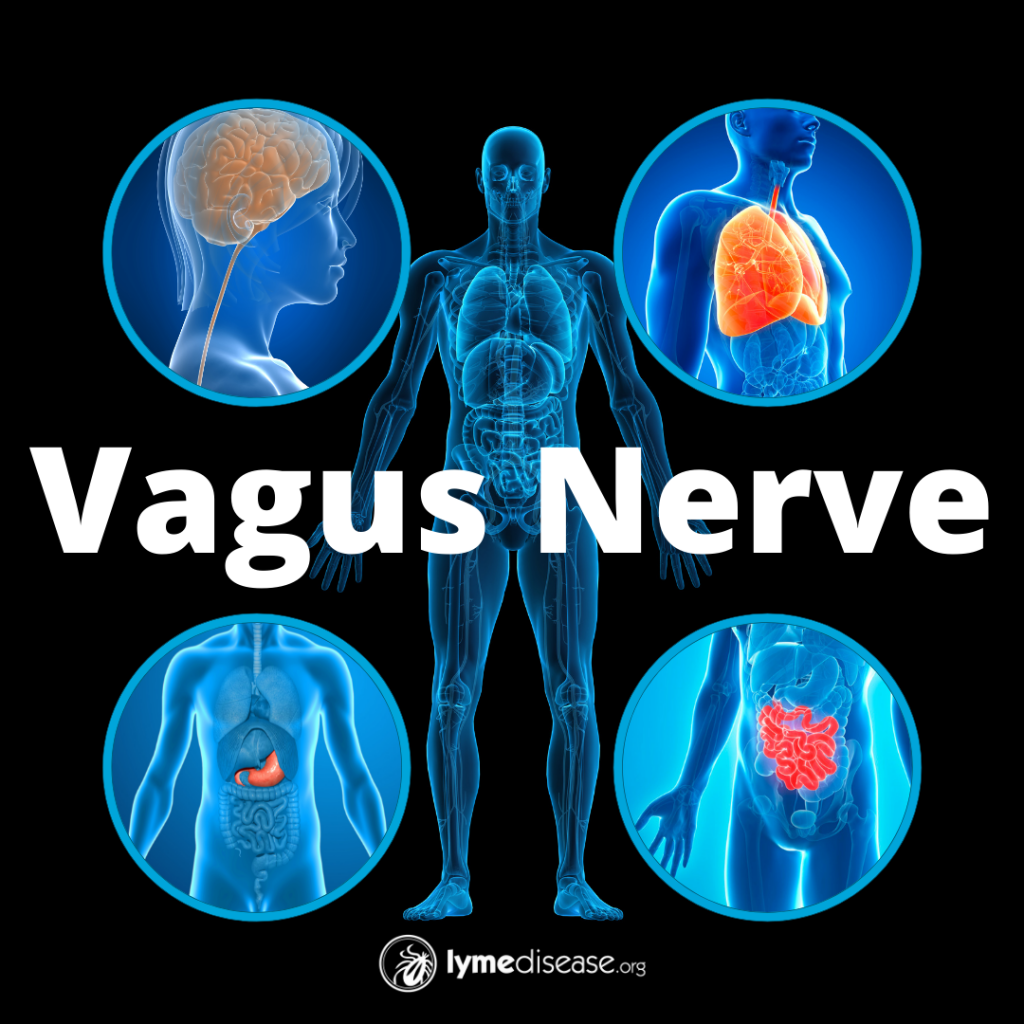
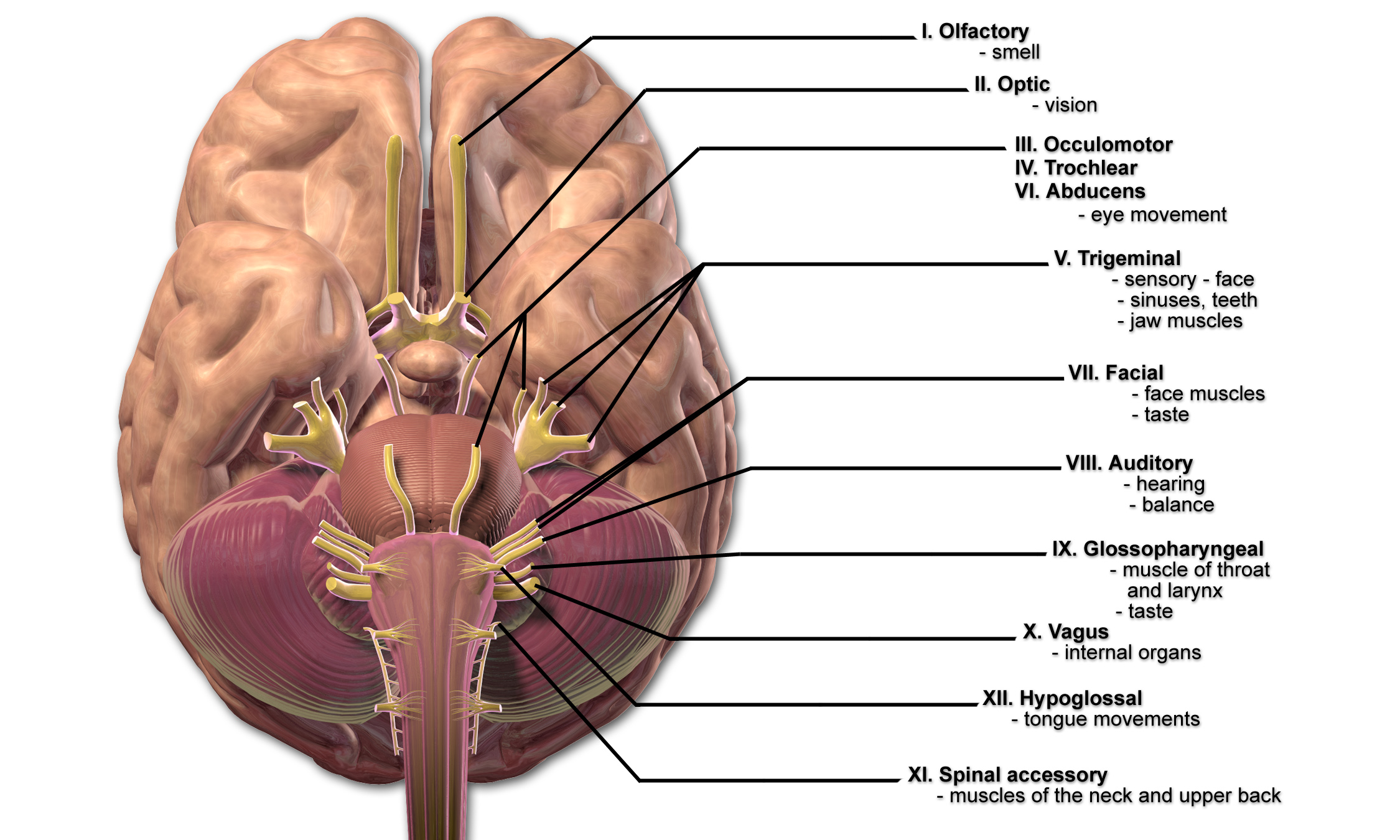
The vagus nerve is the tenth (X) of 12 cranial nerves originating in the brain, denoted as CN-X. It originates from a portion of the brain responsible for autonomic function.
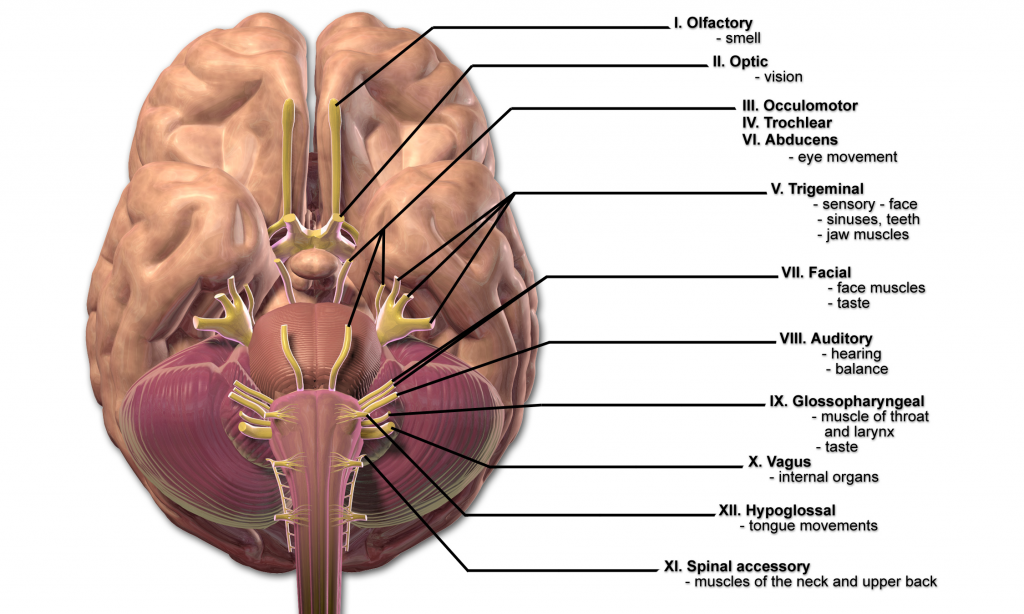
Blausen.com staff (2014). “Medical gallery of Blausen Medical 2014”. WikiJournal of Medicine 1

The autonomic nervous system (ANS) is the part of the nervous system that functions without you having to think about it. It regulates bodily functions such as breathing, heart rate, digestion, and blood pressure.

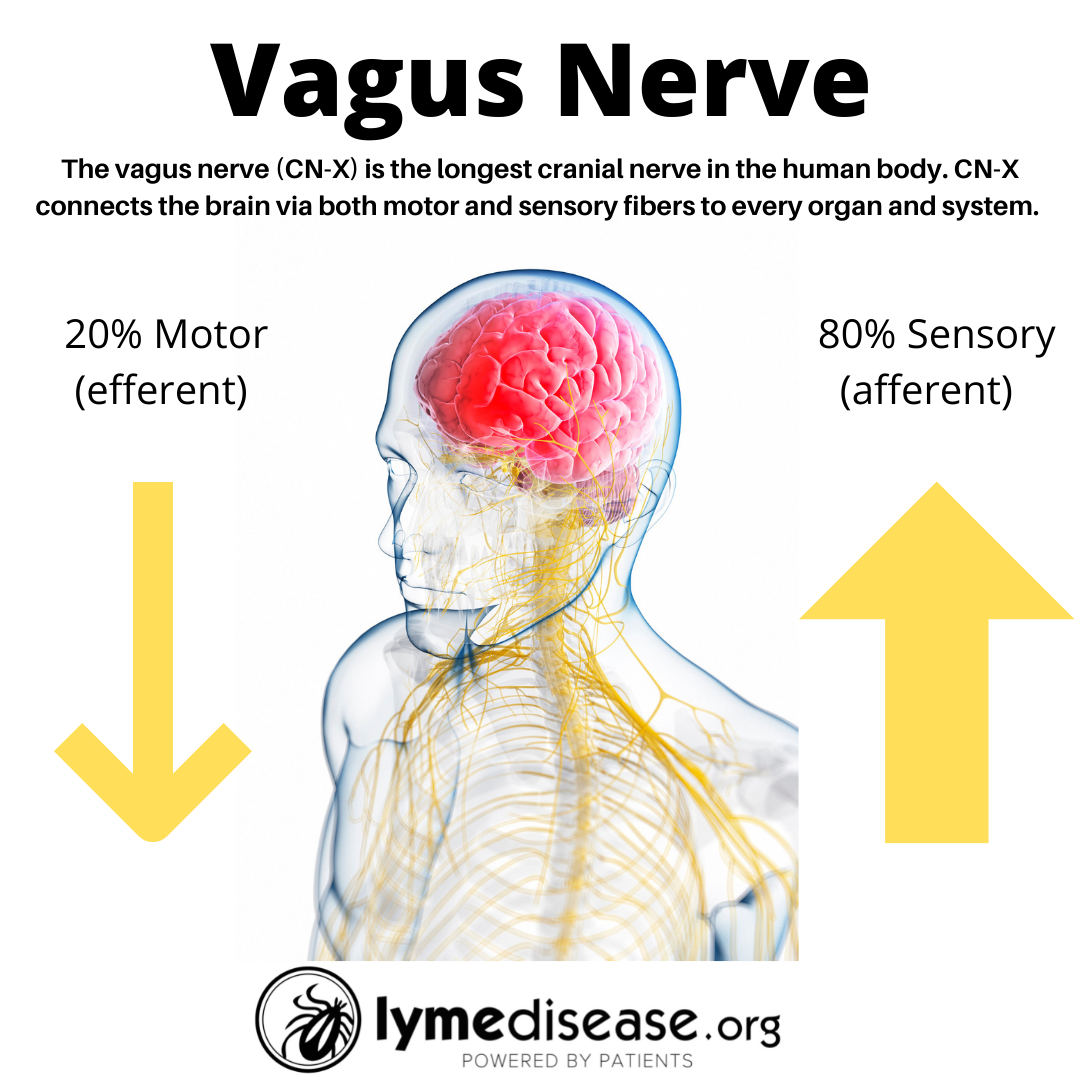
The vagus is the longest cranial nerve in the body. It innervates (supplies nerves to) every major trunk organ including the pancreas, liver, spleen, heart and bladder, along with the gastrointestinal lining and lymph nodes (Kenny and Bordoni, 2019). The Latin word vagus means “wandering.”

Twenty percent of the vagus nerve fibers lead away from the brain into the body (efferent), while 80 percent of the nerve fibers send signals from various points in the body back to the brain (afferent).
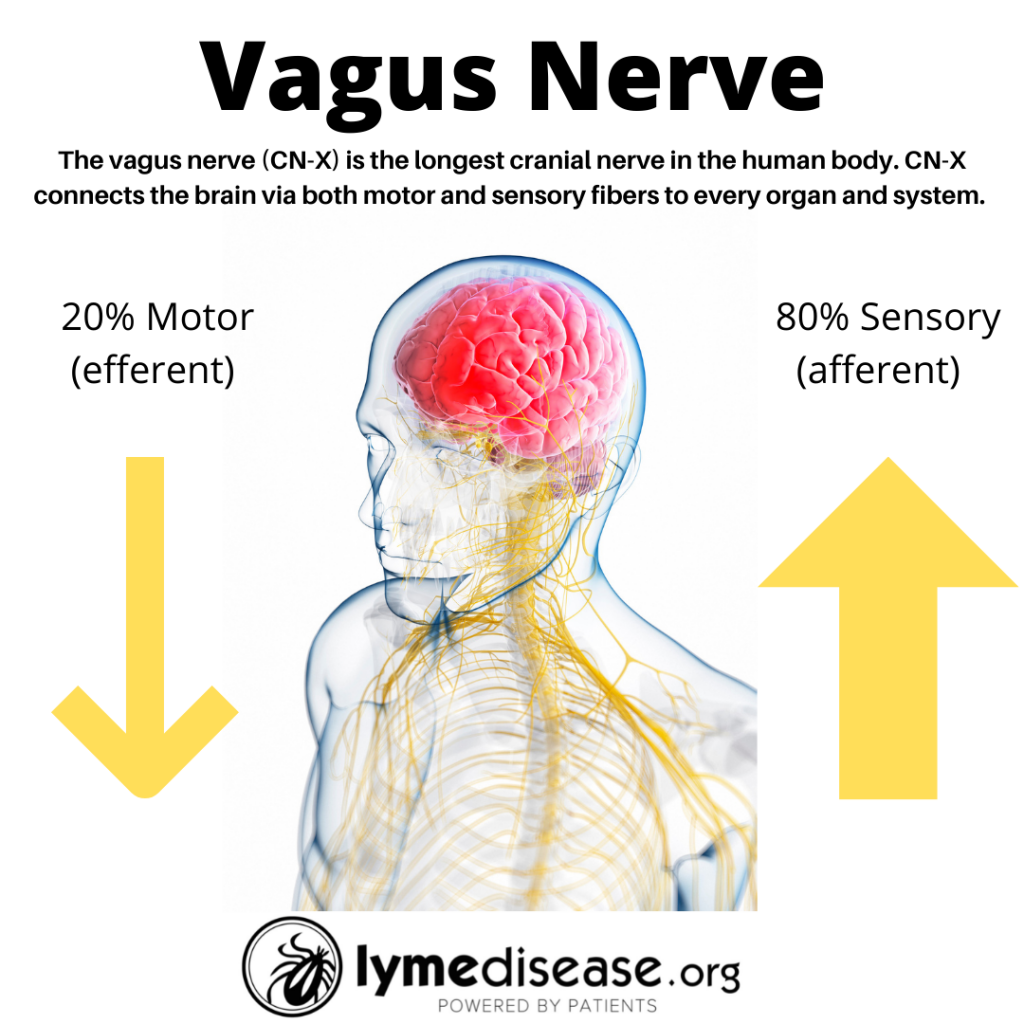
The most important function of the vagus nerve is afferent signaling. This is information brought from the inner organs—such as gut, liver, heart, and lungs—to the brain. Thus, our inner organs are a major source of sensory information to the brain.

The limbic system, amygdala and insular cortex are important central regions that are affected by vagus nerve signals. These areas of the brain are involved in regulating emotions, behavior, memory, and energy.

How does the vagus nerve affect autonomic function?

The ANS is divided into the sympathetic nervous system and the parasympathetic nervous system.

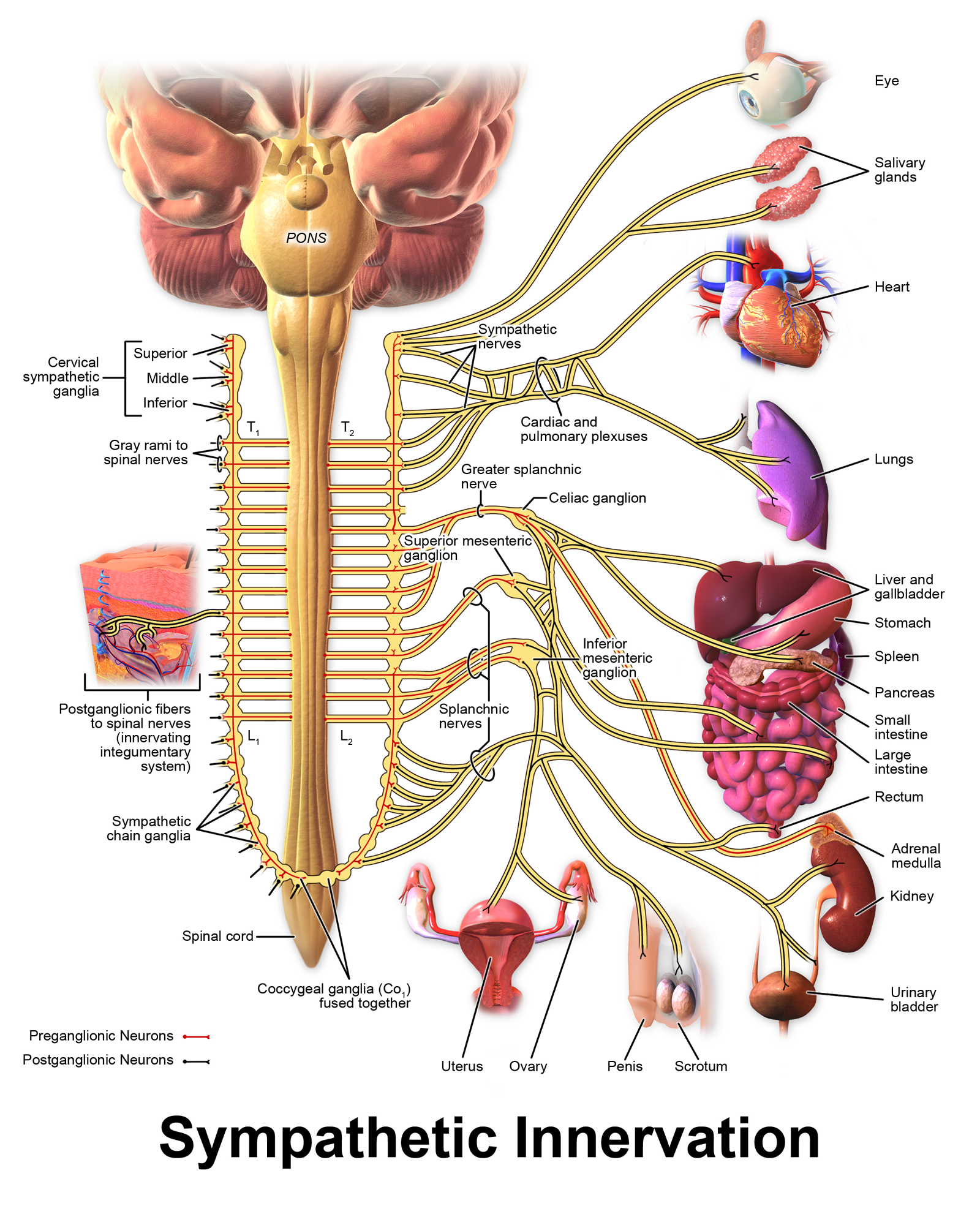
The sympathetic nervous system (SNS) is often referred to as the “fight or flight” or “excitatory” system. It is a primitive system designed to respond and help you get out of danger.
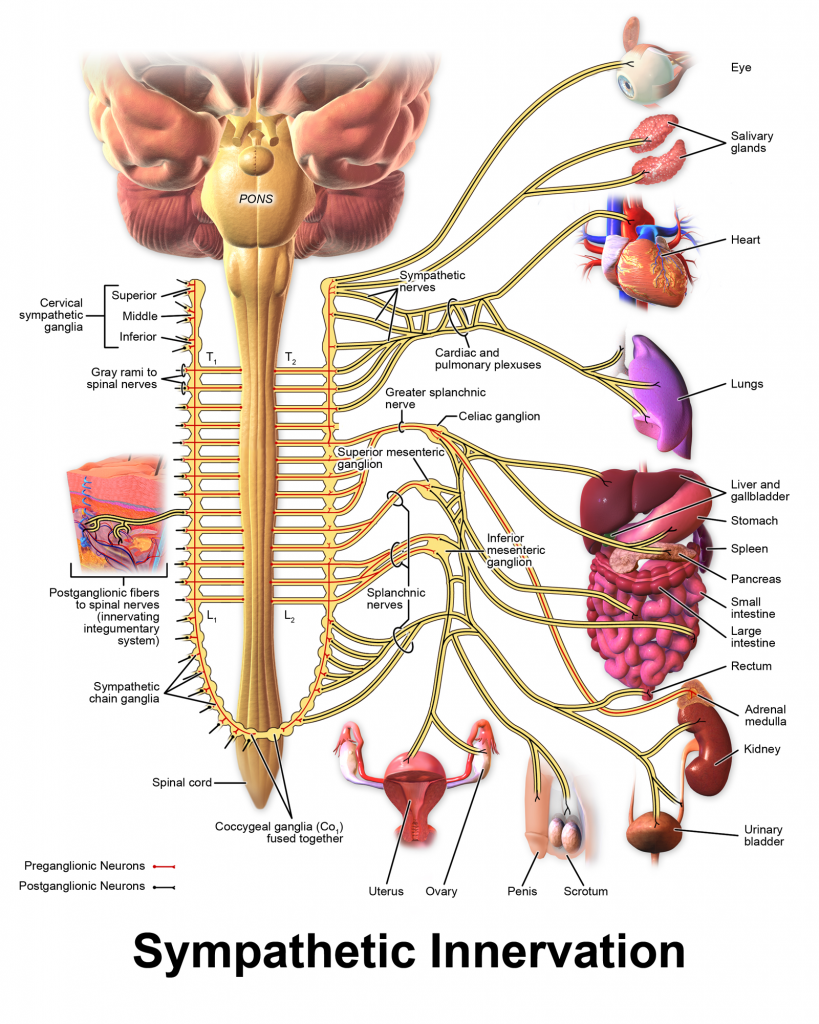
Blausen.com staff (2014). “Medical gallery of Blausen Medical 2014”. WikiJournal of Medicine 1

The parasympathetic nervous system (PNS), commonly known as the “rest and digest” or “inhibitory” system, promotes the opposite response of the SNS.
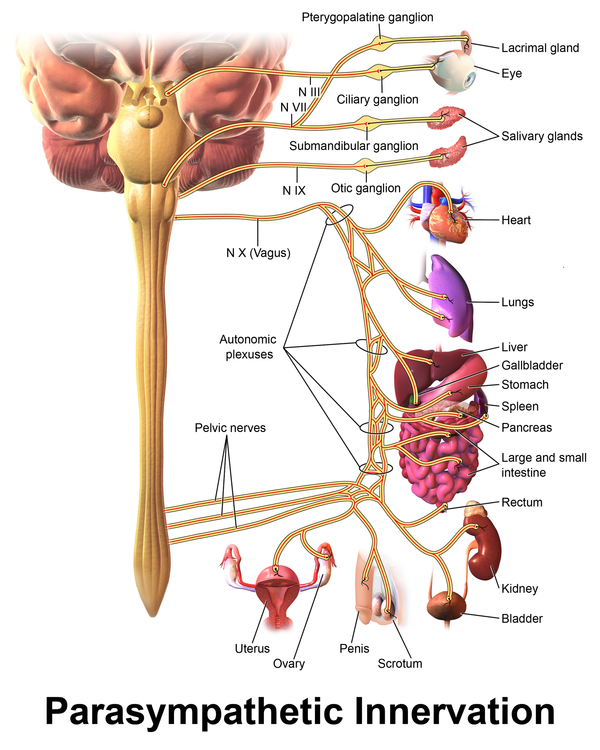
Blausen.com staff (2014). “Medical gallery of Blausen Medical 2014”. WikiJournal of Medicine 1

Both the SNS and PNS are involved when you become sick. Because we cannot feel, smell or see pathogens, the body uses the vagus nerve to sense when we are ill and send a message to the brain. This message triggers an adaptive response to the infection called “sickness behavior” or the “sickness response.”

However, if the infection or inflammation persists, this sickness response can become chronic, resulting in ME/CFS type symptoms.

How the vagus nerve causes flu-like symptoms

When a pathogen is detected, mast cells and glial cells release inflammatory markers and cytokines that trigger an immune response. The vagus nerve senses these markers and sends a message to the brain.  This causes flu-like symptoms: fever, fatigue, headache, sleep problems, loss of appetite, muscle/joint pain, nausea, autonomic dysfunction, cognitive dysfunction, and others.

This constellation of symptoms causes a sickness response that is designed to make us rest. Ideally, during this rest period our body can use all its energy to fight the infection and recover from the illness. Farmers and pet owners may recognize such sickness behavior in their sick animals, as well.

For years, it has been thought that Borrelia spread to the nervous system via the blood stream. A recent publication indicates that central nervous system involvement in Lyme neuroborreliosis may be a result of Borrelia moving from the skin to the spinal cord via peripheral nerves. (Ogrinc, 2021)

The vagus nerve may be a pathway for this type of infection.

Vagus nerve infection hypothesis

The vagus nerve infection hypothesis theorizes that the chronic flu-like symptoms of ME/CFS are an exaggerated version of normal sickness behavior triggered by infection of the vagus nerve.

In theory, any infectious agent with a preference for nervous tissues (neurotropic) can cause a vagus nerve infection, including Borrelia.

The gut-brain axis

The gut is the largest organ innervated by the vagus nerve, making it a particularly important sensory organ. (Breit, 2018) Gut bacteria (both good and bad) communicate through the microbiota-gut-brain axis in a bidirectional way that directly involves the vagus nerve. (Bonaz, 2018)

A huge amount of data has highlighted a potential role of microbial dysbiosis (an imbalance of bacteria in the gut) in various chronic disorders (Lynch and Pedersen, 2016).

The standard treatment for Lyme disease involves the use of antibiotics, which can adversely affect gut bacteria. Researchers at Northeastern University are currently looking at how the microbiome may contribute to the chronic symptoms of Lyme.

Not only can imbalance of the microflora or microbiome in the gut cause inflammation that triggers the vagus nerve, but it can also contribute to a leaky blood-brain barrier contributing further to neurological and psychological symptoms in Lyme.

Treatment

Obviously, if there is an infection present it should be treated appropriately. Lyme disease is often accompanied with co-infections carried by the same tick, a separate tick bite, or possibly even a prior latent viral infection. Thus, treatment may involve antibiotics, anti-parasitics and antivirals.

As a benefit, some of the standard medications for Lyme disease have anti-inflammatory effects on the nervous system. However, not all of them are able to cross the blood-brain barrier.

For example, minocycline crosses the blood-brain barrier and in addition to anti-microbial activity, it has been shown to have anti-inflammatory, anti-apoptotic activities, inhibition of proteolysis, angiogenesis and tumor metastasis-inflammatory as well as neuro-protective properties. (Garrido-Mesa, 2013)

Self-Help

Following treatment, or even during treatment, if you are exhibiting symptoms of dysautonomia (dysfunction of the ANS), you may want to  try some of the non-prescription practices that worked for my daughter.

Another technique is the use of external (transdermal) vagus nerve stimulation, similar to a home TENS unit. (Diedrich 2021)

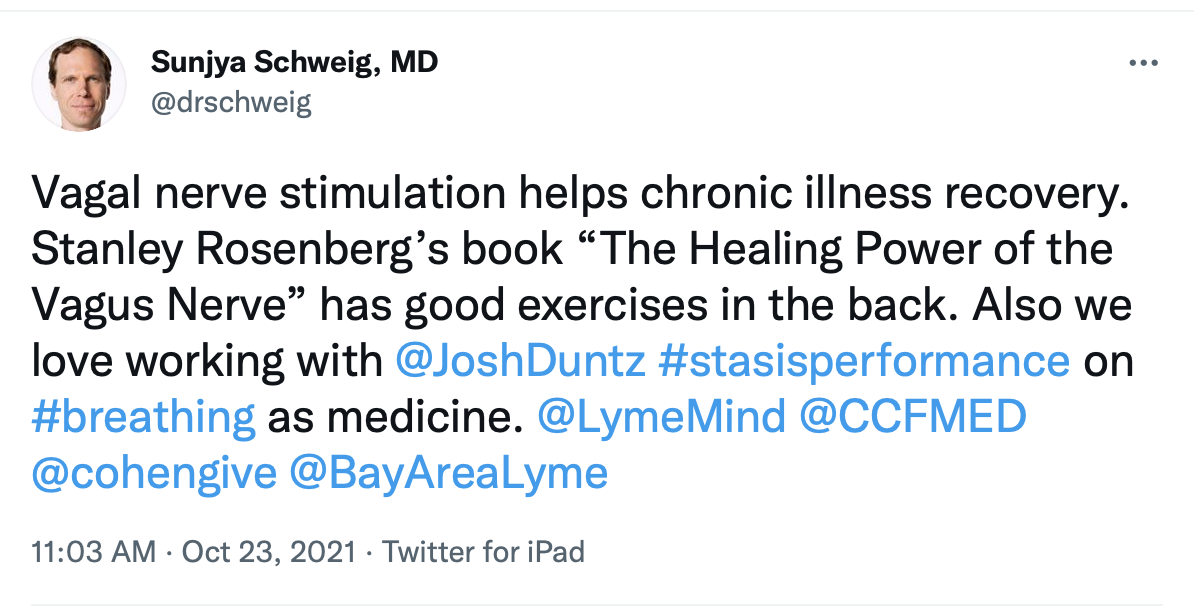
During the LymeMind conference, Dr. Sunjya Schweig, an integrative medicine specialist, tweeted this:
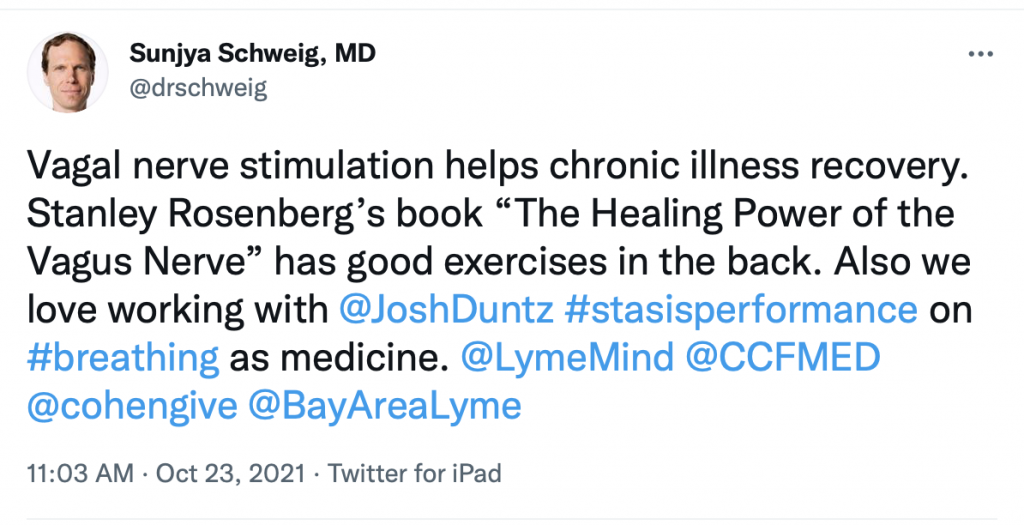
Stanley Rosenberg’s 2017 book “Accessing the Healing Power of the Vagus Nerve: Self-Help Exercises for Anxiety, Depression, Trauma, and Autism” offers a simple explanation of Stephen Porges’s polyvagal theory.

Rosenberg’s book draws on more than 30 years of his experience as a hands-on craniosacral therapist and Rolfer. He offers immediate self-diagnostic and treatment techniques that can be done from the comfort of your home.

Main takeaway

Whether you have an active infection or the remnants of a previous infection, the vagus nerve may be contributing to your ongoing symptoms. Learning to recognize those symptoms and adding a few simple self-help techniques may help in your healing journey.

LymeSci is written by Lonnie Marcum, a Licensed Physical Therapist and mother of a daughter with Lyme. She serves on a subcommittee of the federal Tick-Borne Disease Working Group. Follow her on Twitter: @LonnieRhea  Email her at: lmarcum@lymedisease.org.

References

Aucott JN, Rebman AW, Crowder LA, Kortte KB. Post-treatment Lyme disease syndrome symptomatology and the impact on life functioning: is there something here? Qual Life Res. 2013 Feb;22(1):75-84. doi: 10.1007/s11136-012-0126-6. PMID: 22294245; PMCID: PMC3548099.

Azcona Sáenz J, Herrán de la Gala D, Arnáiz García AM, Salas Venero CA, Marco de Lucas E. (2021) Atypical bacterial infections of the central nervous system transmitted by ticks: An unknown threat. Radiologia (Engl Ed). Sep-Oct;63(5):425-435. doi: 10.1016/j.rxeng.2021.07.002. PMID: 34625198

Bonaz, B., Bazin, T., & Pellissier, S. (2018). The Vagus Nerve at the Interface of the Microbiota-Gut-Brain Axis. Frontiers in neuroscience, 12, 49. https://doi.org/10.3389/fnins.2018.00049

Breit S, Kupferberg A, Rogler G and Hasler G (2018) Vagus Nerve as Modulator of the Brain–Gut Axis in Psychiatric and Inflammatory Disorders. Front. Psychiatry 9:44. doi: 10.3389/fpsyt.2018.00044

Coughlin et al. Imaging glial activation in patients with post-treatment Lyme disease symptoms: a pilot study using [11C]DPA-713 PET

Diedrich A, Urechie V, Shiffer D, Rigo S, Minonzio M, Cairo B, Smith EC, Okamoto LE, Barbic F, Bisoglio A, Porta A, Biaggioni I, Furlan R. (2021) Transdermal auricular vagus stimulation for the treatment of postural tachycardia syndrome. Auton Neurosci. Sept29;236:102886. doi: 10.1016/j.autneu.2021.102886. Epub ahead of print. PMID: 34634682.

Ford, L., & Tufts, D. M. (2021). Lyme Neuroborreliosis: Mechanisms of B. burgdorferi Infection of the Nervous System. Brain sciences, 11(6), 789. https://doi.org/10.3390/brainsci11060789

Gadila SKG, Rosoklija G, Dwork AJ, Fallon BA and Embers ME (2021) Detecting Borrelia Spirochetes: A Case Study With Validation Among Autopsy Specimens. Front. Neurol. 12:628045. doi: 10.3389/fneur.2021.628045

Garrido-Mesa, N., Zarzuelo, A., & Gálvez, J. (2013). Minocycline: far beyond an antibiotic. British journal of pharmacology, 169(2), 337–352. https://doi.org/10.1111/bph.12139

Holmes GP, Kaplan JE, Gantz NM, Komaroff AL, Schonberger LB, Straus SE, Jones JF, Dubois RE, Cunningham-Rundles C, Pahwa S (1988). “Chronic fatigue syndrome: a working case definition”. Annals of Internal Medicine. 108 (3): 387–89. doi:10.7326/0003-4819-108-3-387. PMID 2829679.

Johnson L, Wilcox S, Mankoff J, Stricker RB. 2014. Severity of chronic Lyme disease compared to other chronic conditions: a quality of life survey. PeerJ 2:e322 https://doi.org/10.7717/peerj.322

Kenny BJ, Bordoni B. (Updated 2021) Neuroanatomy, Cranial Nerve 10 (Vagus Nerve) In: StatPearls [Internet]. Treasure Island (FL): StatPearls Publishing; 2021 Jan-. Available from: https://www.ncbi.nlm.nih.gov/books/NBK537171/

Lynch SV, Pedersen O. The Human Intestinal Microbiome in Health and Disease. N Engl J Med. 2016 Dec 15;375(24):2369-2379. doi: 10.1056/NEJMra1600266. PMID: 27974040.

McCusker, R. H., & Kelley, K. W. (2013). Immune-neural connections: how the immune system’s response to infectious agents influences behavior. The Journal of experimental biology, 216(Pt 1), 84–98. https://doi.org/10.1242/jeb.073411

Ogrinc, K., Kastrin, A., Lotrič-Furlan, S., Bogovič, P., Rojko, T., Maraspin, V., Ružić-Sabljić, E., Strle, K., Strle, F. (2021) Colocalization of radicular pain and erythema migrans in patients with Bannwarth’s syndrome suggests a direct spread of borrelia into the central nervous system, Clinical Infectious Diseases, ciab867, https://doi.org/10.1093/cid/ciab867

Proal AD and VanElzakker MB (2021) Long COVID or Post-acute Sequelae of COVID-19 (PASC): An Overview of Biological Factors That May Contribute to Persistent Symptoms. Front. Microbiol. 12:698169. doi: 10.3389/fmicb.2021.698169

VanElzakker MB. (2013) Chronic fatigue syndrome from vagus nerve infection: a psychoneuroimmunological hypothesis. Med Hypotheses. Sep;81(3):414-23. doi: 10.1016/j.mehy.2013.05.034. Epub 2013 Jun 19. PMID: 23790471.

VanElzakker MB, Brumfield SA and Lara Mejia PS (2019) Neuroinflammation and Cytokines in Myalgic Encephalomyelitis/Chronic Fatigue Syndrome (ME/CFS): A Critical Review of Research Methods. Front. Neurol. 9:1033. doi: 10.3389/fneur.2018.01033

Probiotics Types & Functions

https://www.treatlyme.net/guide/probiotics-lyme-disease  Video Here

By Dr. Marty Ross

Probiotics in Lyme Disease Image by Marty Ross MD

Probiotics Types and Functions

Probiotics are healthy germs which a person takes to improve intestinal and overall health. According to the World Health Organization definition from 2001, probiotics are “live micro-organisms which, when administered in adequate amounts, confer a health benefit on the host.”

Current probiotic products fall into three categories:

  • human intestinal bacteria
  • soil-based spore-forming bacteria
  • human intestinal yeast.

The health benefits of probiotics may include:

  • stimulating the immune system
  • removing toxins,
  • balancing inflammation caused by infections and allergies
  • controlling food and environmental allergies
  • keeping Candida Albicans intestinal yeast under control
  • fighting and controlling unhealthy intestinal bacteria like Clostridium Difficile (C. Diff)
  • maintaining the good balance of normal intestinal bacteria, viruses and parasites
  • preventing intestinal bacteria, viral, and yeast (from Candida) infections
  • aiding food digestion

(See link for article and video)

________________

For more:

Re-Cap of LDA/Columbia Lyme Conference

https://www.lymedisease.org/lda-columbia-lyme-conference/

LYME SCI: My re-cap of recent LDA/Columbia Lyme conference

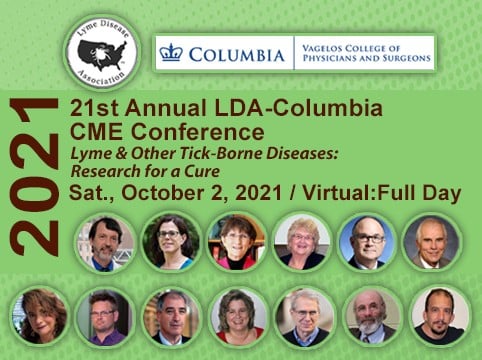
On October 2, I attended the 21st annual scientific conference put on by the Lyme Disease Association and Columbia University’s Vagelos College of Physicians & Surgeons. The virtual event was entitled Lyme & Other Tick-Borne Diseases: Research for a Cure. 

Pat Smith, President of the Lyme Disease Association, welcomed the audience and reviewed the huge body of research the LDA has funded. A recent highlight: a paper showing that changes in the eye may serve as a biomarker for Lyme disease.

She also discussed how the CDC’s criteria for listing states as low-incidence leads to underreporting of Lyme disease. (This topic was also featured in the Summer 2021 issue of The Lyme Times.)

I especially enjoyed Pat’s introduction of Dr. Brian Fallon, of Columbia University, which included pictures and stories of their many collaborations since 1995.

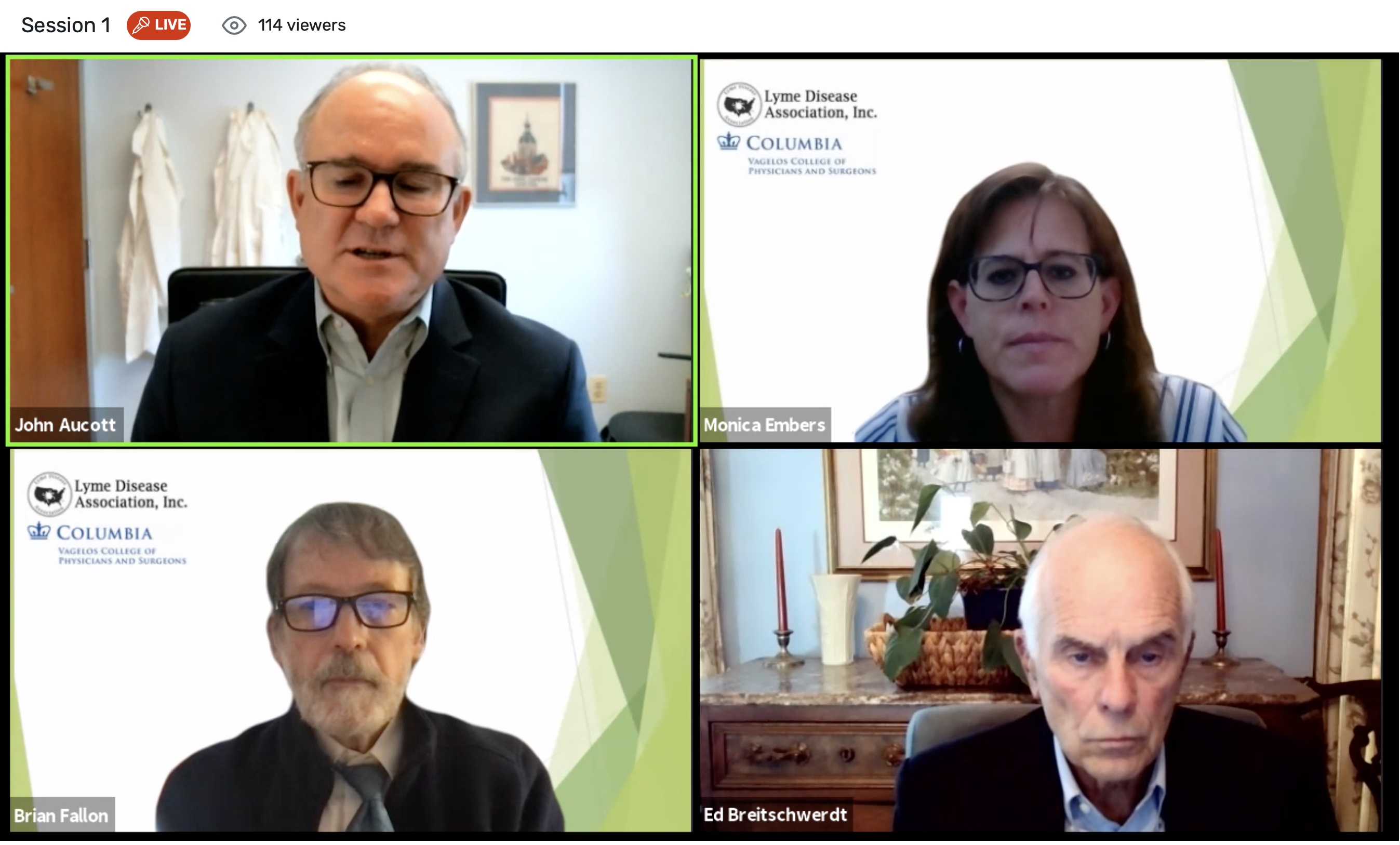
The conference was divided into four sessions and was moderated by Dr. Fallon and Monica Embers, PhD, of Tulane University.

Session 1

The first speaker was John Aucott, MD, of Johns Hopkins University. He spoke on Long Haulers: Lessons from Lyme Disease, ME/CFS, and COVID-19.

Summary: The COVID-19 pandemic has drawn attention to the varied outcomes that may follow acute infectious diseases. COVID long haulers present another example of a patient group that fails to recover their normal health after the initial phase of infection has passed. Long haulers in COVID 19 and Lyme disease share many clinical features including extreme fatigue, cognitive difficulties and chronic pain. The current COVID-19 pandemic may present insights and research discoveries that help understand the underlying mechanisms involved in such persisting symptoms. Understanding the cause of these chronic symptoms is the first step to future treatments and recovery.

Dr. Aucott is currently collaborating with several of the following researchers to investigate the proposed mechanisms of chronic Lyme including: persistent infection, immune dysregulation due to by-products of past infection, auto-inflammation, auto-immunity, and neural network alteration. (I will be writing more about these mechanisms in my next article.)

Next up was Dr. Fallon’s talk: Depression, Suicidal Behaviors, and Lyme: Results from a Nationwide Study in Denmark.

Summary: This presentation reviewed the results of  Dr. Fallon’s recent U.S.- Denmark collaboration to determine whether in fact mental disorders and suicidal behaviors are increased after the diagnosis of Lyme disease. Although cases reports, small series, and office-based practice chart reviews have been published suggesting an association, these studies all had methodological limitations which left these questions unanswered.

Using a nationwide sample of people living in Denmark between 1994 and 2016 (n=6,945,837) and data from the Danish registries of hospital-based diagnoses, they investigated whether the rates of mental disorders, affective disorders, suicide attempts, and suicide were each higher after a hospital diagnosis of Lyme borreliosis compared to the rest of the Danish population without a registered diagnosis of Lyme borreliosis. They examined whether temporal proximity to the diagnosis and number of episodes increased the rates of these adverse mental health outcomes.

The researchers found that individuals with Lyme disease had a 28% higher rate of mental disorders, 42% higher rate of mood disorders and 75% higher rate of death by suicide when compared to the non-Lyme controls.

The third speaker of the morning was Ed Breitschwerdt, DVM, of North Carolina State University. He spoke on: Bartonella Bacteremia and Neuropsychiatric Illnesses.

Summary: In the past two decades, over 40 Bartonella species have been discovered, many of which have been implicated in association with a spectrum of disease in animals and human patients. The extent to which, or the mechanisms by which Bartonella infection contributes to neuropsychiatric illnesses has not been systematically studied. However, microbiological detection of the DNA of several species of Bartonella in blood supports a potential role for these bacteria in neuropsychiatric diseases such as Pediatric Acute Onset Neuropsychiatric Syndrome (PANS) and schizophrenia.

In 2021, Dr. Breitschwerdt and his lab published the initial results of a pilot study showing that out of 17 patients with schizophrenia, 12 tested positive for Bartonella in their blood. They now have funding to proceed with a larger study that will include diagnosis and treatment for Bartonella.

Q and A

At the end of Session 1, Dr. Embers moderated the questions and answers  session. I found it enlightening to have these high-level researchers and clinicians answering questions from the audience, including other scientists.

I asked a question about co-infections: “It appears both Lyme and Bartonella patients are prone to psychiatric illness. Has anyone looked at or compared the number of patients who have both? Do we know if these [Fallon study] Lyme patients have Bartonella, or do we know how many of the Bartonella patients [Breitschwerdt study] have Lyme?”

Dr. Breitschwerdt said it is important to track this and that the work coming out of his lab as well as Embers’ work is helping to elucidate. Embers added:

Borrelia may be comparable to AIDS, in its ability to suppress the immune system and these co-infections definitely warrant further study.”

Session 2

The first speaker of session two was Brandon L. Jutrus, PhD, of Virginia Tech. The title of his talk: Not just another brick in the wall.

Summary: The unusual peptidoglycan of Borrelia burgdorferi. The peptidoglycan sacculus is a mesh-like bag that protects bacterial cells from bursting. Virtually all bacteria have similar peptidoglycan structure. Borrelia burgdorferi—the Lyme disease agent— produces peptidoglycan with extremely unusual chemical features. Further, during growth, peptidoglycan is shed and is capable of causing arthritis. He discussed how the Jutras lab is exploiting the unusual properties of B. burgdorferi peptidoglycan to understand and diagnose Lyme disease.

Dr. Jutrus presented some unpublished data that may lead to an early diagnostic test and targeted treatment for Lyme.

The next speaker was Catherine A. Brissette, PhD, of the University of North Dakota School of Medicine and Health Sciences. The title of her talk: Borrelia colonization of the dura mater induces inflammation in the CNS.

Summary: “Lyme disease, which is caused by infection with Borrelia burgdorferi, can lead to inflammatory pathologies affecting the joints, heart, and nervous systems including the central nervous system (CNS). Laboratory mice have been used to define the kinetics of B. burgdorferi infection and host immune responses in other tissues, but similar studies are lacking for the CNS of these animals. Previously, we reported the ability of B. burgdorferi to colonize the dura mater of mice during late disseminated infection. We now show acute and persistent extravascular B. burgdorferi colonization of the dura mater after both needle inoculation and tick transmission, accompanied by increases in expression of inflammatory cytokines. These increases in inflammatory gene expression are similar to what is observed with B. burgdorferi stimulation of human astrocytes, microglia, brain endothelial cells, and choroid plexus epithelial cells in vitro. In addition, we observe a robust interferon response in the dura mater. Dura colonization is associated with perivascular leukocyte infiltration and meningitis, demonstrating for the first time that B. burgdorferi-infected mice can develop meningitis. We also observe an increase in interferon-stimulated genes in both the cortex and hippocampus of infected mice, despite a lack of detectable bacteria in the brain parenchyma. Combined with the increases in inflammatory gene expression and down-regulation of genes involved in maintenance of blood-brain and blood-CSF barriers in both mice and human cell culture models, these results could provide insights into the mechanism of B. burgdorferi dissemination into the CNS and the damage associated with this pathogen.”

The last speaker of Session 2 was Adrian Baranchuk, MD, FACC, FRCPC, FCCS, FSIAC, of Queen’s University in Ontario, Canada. The title of his talk: All you need to know about Lyme carditis…and more.

Summary: Lyme disease (LD) is a tick-borne bacterial infection caused by Borrelia burgdorferi. It is the most reported vector-born disease in North America, and its incidence has risen dramatically in recent years. In up to 10% of cases, bacterial dissemination of LD may lead to cardiac tissue inflammation and early disseminated Lyme carditis. The most common clinical presentation of Lyme carditis is high-degree atrioventricular block (AVB) which can progress rapidly over minutes, hours, or days. Most AVB in Lyme carditis resolves with appropriate antibiotic treatment without the need for a permanent pacemaker.

Dr. Baranchuk, encourages medical providers to do an ECG on all patients with cardiac symptoms and to consider Lyme carditis when heart block is observed.

Another Q & A

At the end of Session 2, there was another question and answer time, moderated by Dr. Fallon. Let me just say the work coming out of the labs of Dr. Jutrus and Dr. Brissette is groundbreaking. I will definitely be writing more about what I learned from this session.

Session 3

The first speaker for session three was Dr. Monica Embers, on the topic of Combined Antimicrobial Therapy for Eradication of B. burgdorferi.

Summary: Given the potential for standard antibiotic treatment regimens for Lyme disease to fail to eradicate persisters, we aim to discover a drug combination that can eliminate B. burgdorferi infection. The goals of this project are to: (1) using a library of FDA-approved drugs, identify the optimal antimicrobial combinations that could kill B. burgdorferi in vitro; and (2) test them in animal models of Lyme disease for cure of infection. The most effective combinations of drugs that kill the bacteria have been identified with in vitro studies. These were then evaluated in B. burgdorferi-infected mice, using long-term infection to allow for regrowth of persisters. Finally, the most effective regimens are being assessed in nonhuman primates. Importantly, we have refined the selection of drugs to those that can be administered orally.

Next, Kim Lewis, PhD, of Northeastern University, spoke about Developing therapies for Lyme disease.

Summary: Symptoms of Post-Treatment Lyme Disease Syndrome (PTLDS) are experienced by approximately 10% of patients after antibiotic therapy for an acute B. burgdorferi infection. The underlying causes of PTLDS symptoms have remained unclear. We reasoned that the gut microbiome may play an important role in PTLDS given the overlapping symptoms associated with a dysbiotic microbiome, including mood, cognition, and autoimmune disorders. Using sequencing data from stool of a cohort of PTLDS patients, we identified a gut microbiome signature characterized primarily by high relative abundance of Blautia species and reduction in levels of the symbiotic Bacteroides genus. These findings suggest that Lyme disease should be treated with selective antibiotics that will not harm the microbiome. We find that hygromycin A selectively kills B. burgdorferi and cures the acute disease in a mouse model without affecting the microbiome.

The last speaker for session three was Kenneth B. Liegner, MD, discussing Disulfiram in the Treatment of Lyme disease: Promise & Perils.

Summary: Some four years have elapsed since disulfiram was first knowingly applied in the treatment of persons with Lyme disease. Dr. Liegner reviewed several trial cases of patients with Lyme disease who responded positively to disulfiram. He cautioned that the drug comes with a strong warning against alcohol use/proximity, and cross-reactions to certain other medications.

Learn more about disulfiram and why is it sparking excitement in Lyme community.

Q and A

The Q&A segment at the end of session 3 was moderated by Dr. Fallon. It was really fantastic to have Dr. Liegner who has been treating Lyme patients for the past 30 years, be able to interact with these researchers who are both currently working hard to finding a cure for Lyme disease. Dr. Fallon made a point of stating the use of disulfiram is experimental and not currently approved for Lyme disease.

Session 4

Session four began with Marna Erricson, PhD, of the University of Minnesota. She spoke on Bartonella henselae Detected in Malignant Melanoma

Summary: Bartonella bacilliformis (B. bacilliformis), Bartonella henselae (B. henselae), and Bartonella quintana (B. quintana) are bacteria known to cause verruga peruana or bacillary angiomatosis, vascular endothelial growth factor (VEGF)‐dependent cutaneous lesions in humans. Given the bacteria’s association with the dermal niche and clinical suspicion of occult infection by a dermatologist, we determined if patients with melanoma had evidence of Bartonella spp. infection. Within a one‐month period, eight patients previously diagnosed with melanoma volunteered to be tested for evidence of Bartonella spp. exposure/infection. Subsequently, confocal immunohistochemistry and PCR for Bartonella spp. were used to study melanoma tissues from two patients. Blood from seven of the eight patients was either seroreactive, PCR positive, or positive by both modalities for Bartonella spp. exposure. Subsequently, Bartonella organisms that co‐localized with VEGFC immunoreactivity were visualized using multi‐immunostaining confocal microscopy of thick skin sections from two patients. Using a co‐culture model, B. henselae was observed to enter melanoma cell cytoplasm and resulted in increased vascular endothelial growth factor C (VEGFC) and interleukin 8 (IL‐8) production. Additionally, the two tissues also were found to have BRAF mutations, an oncogene expressed in up to 70% of melanomas. Findings from this small number of patients support the need for future investigations to determine the extent to which Bartonella spp. are a component of the melanoma pathobiome. Being at the frontier of understanding the role of the microbiome in cancer, we will discuss some new papers on this topic and future research plans.

The final speaker of the day was, Richard Maggi, PhD, North Carolina State University. His topic: Simultaneous detection and absolute quantification of Babesia, Bartonella and Borrelia by droplet digital PCR.

Summary: This presentation describes the development, optimization, and validation of a ddPCR assay for the simultaneous detection of Babesia, Bartonella, and Borrelia spp. DNA from several sample matrices, including clinical blood samples from animals and patients, vectors (ticks, fleas, sandflies), as well as samples from human and animal cell lines and tissues from animal models (infected with Bartonella and/or B. burgdorferi). The multiplex ddPCR assay (BBB ddPCR), developed based upon a recently published a Bartonella ddPCR assay using the QX200 system from Bio-Rad, is able to detect 31 Bartonella spp. (including 8 previously uncharacterized species), 8 Borrelia spp, and 24 Babesia spp. (including 8 previously uncharacterized species). The assay is also able to detect 2 Theilaria spp. (T. equi and T. cervi) and well as C. felis from naturally infected wildlife species. The BBB ddPCR assay, based on the QX One ddPCR system from Bio-Rad, showed to be able to perform the simultaneous detection and absolute quantification of multiple vector-borne pathogens (such as Babesia, Bartonella and Borrelia) from clinical samples.

Q & A

The Q&A at the end was moderated by Dr. Embers. The research presented by these two was highly technical, but I can say their work will provide better diagnostics that will lend to each of the previous researcher work.

LymeSci is written by Lonnie Marcum, a Licensed Physical Therapist and mother of a daughter with Lyme. She serves on a subcommittee of the federal Tick-Borne Disease Working Group. Follow her on Twitter: @LonnieRhea  Email her at: lmarcum@lymedisease.org.