Archive for the ‘diet and nutrition’ Category

Clinical Considerations of Clostridia Bacterial Concerns

https://biocidin.wistia.com/medias/wxusy0cfns Go here for presentation (Approx 22 Min)

Part 1: Clinical Considerations of Clostridia Bacterial Concerns – Pathogenicity Mechanisms

Biocidin Education Series

For more:  

Do You Really Need a Multivitamin?

https://vitalplan.com/blog/do-you-really-need-a-multivitamin?Do You REALLY Need a Multivitamin?

Do You REALLY Need a Multivitamin?

By Dr. Bill Rawls Posted 05-07-2021

I’ve been on the fence as to whether or not to take multivitamins for my whole life. Growing up in the 60s and 70s, there was always a bottle of multivitamins on the breakfast table. Every morning, each person at the table would take their turn. The basic “One A Day” was popular at the time, but chewable products were also making their debut. Flintstones were my favorite — they tasted like candy.

The idea of taking a multivitamin came with America’s shift toward processed food products in the mid-20 century. Fast food was a radical change from freshly prepared meals that had been the norm, but ready-made foods seemed to be a better fit for the fast pace of American life. Not only that, processed foods were specifically designed to appeal to our preferential tastes for carbohydrates and fats. I don’t think anyone thought that these new foods were nearly as nutritious as the freshly prepared foods people had been eating before, but that was okay; multivitamins were there to fill the void.

Both fast foods and multivitamins became the standard that is still with us today. Currently, half of all Americans and 70% of those over 65 take a multivitamin product.

The big question is: does taking a multivitamin really do anything?

white plastic bottle, tablets arranged into a question mark, blue background

Most average “once-daily” multivitamin products contain synthetic forms of vitamins and minerals. These aren’t the same as the forms of vitamins and minerals found in natural whole foods. When someone takes a standard multivitamin, the body has to expend energy to convert these synthetic substances into a form the body can actually use, which seems to defeat the whole purpose.

On top of that, numerous clinical studies failed to show a clear benefit of taking multivitamins for improving health or reducing the incidence of chronic illness and cancer. As recent as 2018, research published in the Journal of the American College of Cardiology reviewed data from 179 individual trials and concluded that multivitamin supplements did not help prevent or improve cardiovascular disease. Another study examined data from more than 30,000 people over six years. It likewise found that people who took multis and other nutrient supplements had about the same risk of dying as those who didn’t take a multivitamin.

That being said, some people still feel more comfortable taking multivitamins just for peace of mind. They believe by taking extra vitamins and minerals, their bases are covered if they don’t always eat healthily or are stressed.

And who isn’t stressed sometimes? Maybe when people are under stress or even as we age, we do need a little extra support.

At different points in my life, I’ve gone back and forth between taking and not taking multivitamins regularly. Growing up, I took them every day. After becoming an adult and shifting to a healthier diet, I felt that multivitamins weren’t as necessary, and I gave them up. Later in middle age, a health crisis precipitated by Lyme disease caused me to rethink a lot of things, including whether to take multivitamins.

two types of Homeopathic supplements on wooden spoon

I read opinions from experts who felt that the reason why studies consistently failed to show benefit was that they were all using unnatural synthetic forms of vitamins and minerals. They reasoned that if the natural forms of the vitamins, termed bioavailable, were used, the outcomes could have been different.

There’s no doubt that our body burns up a lot more vitamins and minerals when we’re stressed, and I was definitely stressed. Though I was particular about following a healthy diet, I wanted to give my body any advantage it could get. I again decided to take a multivitamin, but this time, not just any multivitamin off the grocery store shelf.

I found a top-quality product that exclusively provided bioavailable forms of essential vitamins and minerals and started taking it regularly. Did I notice any difference? Maybe a little. I certainly couldn’t say it was more than embracing a healthy diet, but it did give me peace of mind. Though I was confident that it wasn’t doing any harm with the doses I was using, it certainly wasn’t a total solution to my ongoing health issues either. Perhaps I needed more than just a multivitamin.

Nourishment vs. Protection

Multivitamin products and herbal products often get lumped together under the category of natural supplements, but they couldn’t be more different. They both have value, but that value is as different as apples and oranges.

To understand the difference, you have to think about the body as a complex collection of living cells. The body contains several trillion cells of about 200 different types. A person’s health is a reflection of the health of the cells that make up that person’s body. If a person’s cells are all healthy and all the cells in the body are functioning in harmony, then that person is the definition of good health.

To function properly, a cell must receive a steady supply of pure water, oxygen, and nutrients. Nutrients, including carbohydrates and fats to generate energy, amino acids to synthesize new proteins, and vitamins and minerals for enzymatic functions, must all be absorbed through the intestinal tract.

Everything that happens inside a cell is a function of enzymes. We need vitamins and minerals because they are key components of enzymes. To function properly, cells need an adequate supply of vitamins and minerals, but having more than the cell can use at one time doesn’t add any benefit. In fact, saturating a cell with excessive vitamins and minerals could even be harmful.

Healthy green salad with avocado, mangold leaves, red beans and cherry tomatoes. Vegan snack, vitamins, vegetarian food and diet concept

No doubt, the best source of vitamins and minerals is a healthy diet. Still, if a healthy diet isn’t consistent, logic would suggest that supplementing with essential vitamins and minerals could be beneficial. That being said, supplemental vitamins and minerals must be supplied in the form that the body can easily use — dumping unnatural synthetic forms of vitamins in the body is like putting cheap gas into your car; it works, but it’s not the best thing for the engine.

The key takeaway is that bioavailable vitamins and minerals are necessary for normal cellular functions and that greater quantities of vitamins and minerals are required when cells are stressed, but that vitamins and minerals alone do nothing to protect cells from being stressed.

This is where a group of plant chemicals, called phytochemicals, goes above and beyond the benefits offered by multivitamins. Plants produce a spectrum of different types of phytochemicals to protect cells against a wide range of physical, chemical, and biological (insects and microbes) stress factors. When we consume phytochemicals, either from foods or supplements, all those benefits are transferred. When our cells are protected from stress, they function better, burn out slower, and require less in the way of vitamins and minerals.

A few protective phytochemicals have become household words. Resveratrol, a phytochemical found in grapes and wine, is a potent antioxidant known for slowing aging. Resveratrol has also been found to protect mitochondria, the source of energy for cells. Less well known, pterostilbene is a phytochemical with similar properties found in blueberries. Phytochemicals called catechins, found in green tea, slow aging and prevent chronic illness by protecting cells from damaging antioxidants.

Though fruits and vegetables are an important source of protective phytochemicals, our food plants have been cultivated primarily to provide high yields of nutrients, especially carbohydrates. That has come at the expense of protective phytochemicals. This where the plants we define as herbs have a clear advantage.

Mushrooms growing on tree trunk, surrounded by greenery

Herbs are wild plants. Their value isn’t supplying nutrients. If you had to depend on eating herbs as a sole food source, you’d go hungry. Herbs, however, are an excellent source of protective phytochemicals — their true value is protecting cells. The wild plants defined as herbs are plants that humans have selectively been using for thousands of years for both culinary and medicinal purposes.

Adding Herbs for Organ and Cellular Protection

Adding herbs into your life provides a level of protection to your cells unmatched by any food source or multivitamin product. A good place to start is taking a few herbal ingredients along with your multivitamin. Some possible choices that provide exceptional protection for cells of the body against every type of possible stress include:

green leaves with white flowers

Trans-resveratrol from Japanese knotweed

Trans-resveratrol, the most bioavailable form of resveratrol, is well-known for offering cardiovascular support and antioxidant properties.

brown pine bark pieces

Pine Bark Extract

Potent antioxidants and other chemical compounds in Pine Bark Extract help the body maintain vascular tissue and support the integrity of blood vessels. PBE is also supportive to the immune system.

purple milk thistle flower

Milk Thistle Extract

Silymarin, the primary chemical component of milk thistle, offers potent support for the liver; it increases natural antioxidants found in liver cells. It is the most widely researched of all liver-related herbs and is well known for low toxicity and safety.

red hawthorn berries

Hawthorn Leaf Extract

Supports the cardiovascular system, blood flow to the heart, oxygen delivery to tissues, and healthy blood vessels.

purple powder

Maqui Berry

Maqui Berry is a Patagonian berry that is wild-harvested by the Mapuche people of Chile and Argentina. Their traditional Maqui Berry beverage is credited for contributing to their extraordinary strength and stamina.

orange flowers

Lutein & Zeaxanthin

These twin carotenoid compounds account for the yellow color in vegetables. They build up in the retina of the eye and maintain a healthy retina during normal exposure to sunlight. They also accumulate in the skin to support its health. Prevention Plus contains the same amount of these substances as compared to ocular supplements recommended by ophthalmologists.

Adding Herbs for Stress and Optimal Health

If you’re under stress or want to gain even more protection for your cells, consider adding on some herbs with adaptogenic properties. All herbal traditions recognize herbs with nonspecific properties that can be used daily to invigorate the body and promote longevity. In Traditional Chinese Medicine, they’re called tonics. In Ayurvedic medicine, the traditional medicine of India, they’re referred to as rasayanas. In the second half of the twentieth century, Western science began categorizing these and other herbs as adaptogens.

Herbs that fit the definition of adaptogen have been defined by science to:

  • Assist the body in resisting a wide range of physical, chemical, and biological stress factors.
  • Have nonspecific actions in the body that do not cause drug-like effects.
  • Are non-toxic and do not harm or disrupt normal functions in the body

collage of nine herb photos, mixture of leaves, mushrooms, powders, and bark

There are many herbs defined as adaptogens or herbs that complement adaptogens that can be taken daily to protect cells from stress and support optimal health. A few to consider are:

  • Rhodiola
  • Reishi
  • Cordyceps
  • Ashwagandha
  • Gotu kola
  • Turmeric
  • Japanese knotweed
  • Chinese skullcap
  • Shilajit

The Bottom Line

Your cells must have vitamins and minerals to function. A healthy diet is the best source, but admittedly, eating healthy all the time can be challenging. A multivitamin can help fill the void, but bioavailable forms are always the best choice. The limitation of multivitamins must be respected, however; multivitamins have little capacity to protect cells from stress and therefore shouldn’t be expected to reduce risks of chronic illness and cancer.

Herbs have a clear advantage for protecting cells against stress — the spectrum of phytochemicals in herbs protect cells against all types of stress. When cells aren’t stressed, they don’t have to work as hard, use fewer nutrients, and burn out slower.

Why not take both? Why not ensure your cells have a ready supply of bioavailable vitamins and minerals and protect your cells with herbal phytochemicals at the same time? Combining a daily herbal product with bioavailable vitamins and minerals may be the best of all possibilities!

Looking for More Wellness Tips?

Join our newsletter for bi-weekly tools, education, and savings to boost your health.

References
1. Jenkins, DJA et al. “Supplemental Vitamins and Minerals for CVD Prevention and Treatment.” J Am Coll Cardiol. 2018 Jun 5;71(22):2570-2584.
2. Chen, Fan et al. “Association Between Dietary Supplement Use, Nutrient Intake, and Mortality Among US Adults: A Cohort Study.” Ann Intern Med. 2019 May 7; 170(9): 604–613.
3. Harvard Health Publishing, Harvard Medical School. “Vitamins and your heart.” Healthbeat. Retrieved from https://www.health.harvard.edu/heart-health/vitamins-and-your-heart
4. Tapsell, Linda C. et al. “Foods, Nutrients, and Dietary Patterns: Interconnections and Implications for Dietary Guidelines.” Adv Nutr. 2016 May; 7(3): 445–454.
5. Diabetes Prevention Program Research Group. “Reduction in the Incidence of Type 2 Diabetes with Lifestyle Intervention or Metformin.” New England Journal of Medicine. 2002 Feb 7; 346(6): 393–403.
6. Dehghan, Mahshid et al. “Associations of fats and carbohydrate intake with cardiovascular disease and mortality in 18 countries from five continents (PURE): a prospective cohort study.” Lancet. 2017 Nov 4; 390(10107): 2050-2062
7. National Center of Complementary and Integrative Health. “Rhodiola.” Retrieved from https://nccih.nih.gov/health/rhodiola
8. Hewlings, Susan J. and Kalman, Douglas S. “Curcumin: A Review of Its’ Effects on Human Health.” Foods. 2017 Oct; 6(10): 92.
9. Ratan ZA, Youn SH, Kwak YS, et al. Adaptogenic effects of Panax ginseng on modulation of immune functions. J Ginseng Res. 2021;45(1):32-40. doi:10.1016/j.jgr.2020.09.004
10. Liao LY, He YF, Li L, et al. A preliminary review of studies on adaptogens: comparison of their bioactivity in TCM with that of ginseng-like herbs used worldwide. Chin Med. 2018;13:57. Published 2018 Nov 16. doi:10.1186/s13020-018-0214-9
11. Panossian AG, Efferth T, Shikov AN, et al. Evolution of the adaptogenic concept from traditional use to medical systems: Pharmacology of stress- and aging-related diseases. Med Res Rev. 2021;41(1):630-703. doi:10.1002/med.21743

Mushroom Power: Five Therapeutic Properties of Medicinal Mushrooms

https://www.greenmedinfo.com/blog/mushroom-power-five-therapeutic-properties-medicinal-mushrooms1?

Mushroom Power: Five Therapeutic Properties of Medicinal Mushrooms

© 4/22/21] GreenMedInfo LLC. This work is reproduced and distributed with the permission of GreenMedInfo LLC. Want to learn more from GreenMedInfo? Sign up for the newsletter here:  //www.greenmedinfo.com/greenmed/newsletter.

Mushrooms have recently gained popularity in culinary circles, but their far-reaching therapeutic properties should get your attention for a longer and healthier life

Although mushrooms have been part of the healer’s toolbox since ancient times, the medicinal power of mushrooms is gaining momentum in evidence-based journals.

Medicinal mushrooms come in a wide variety and shapes such as white button, reishi, maitake, shiitake, oyster, cordyceps, cauliflower, tiger tail and lion’s mane, and most have health benefits that range from fighting cancer and boosting your immunity and memory to preventing diseases like diabetes and arthritis.

Five Therapeutic Properties of Mushrooms

1. Anticancer

Reishi (in Japanese) or lingzhi (in Chinese) mushrooms are well known in Asia for their anticancer properties. In a meta-analysis by scientists of 23 trials involving 4,246 cancer patients, reishi mushrooms enhanced longevity and quality of life in cancer patients.[i]

Therapy with white button mushrooms impacted prostate-specific antigen (PSA) levels and inhibited prostate cancer by decreasing immunosuppressive factors.[ii]

Polysaccharides from Cordyceps cicadae mushrooms inhibited the growth of cancer cells and induced cancer cell deaths showing its effectiveness as a low cost and safe treatment for cervical cancer.[iii]

A peptide from the shiitake mushroom showed promising results in growth arrest, cell death and cleaning out damaged cells in a breast cancer in vitro study.[iv] In both in vitro and in vivo studies, results showed that mice with induced testicular cancer treated with the Cordyceps sinensis mushroom had significantly smaller and fewer tumors than the control group.[v]

Cordyceps cicadae mushroom treatment prevented testicular damage and tumors caused by the chemotherapy drug cisplatin via inhibition of oxidative stress and inflammation in rats.[vi]

In a lung cancer-induced study of mice, treatment with reishi mushrooms inhibited cell viability and mobility of lung cancer cells in vitro.[vii] In a cell study of reishi mushroom extract, the treatment offered high antitumor and liver protection with low toxicity on human liver cancer cells.[viii]

2. Immunomodulatory

In a meta-analysis of 20 animal disease studies, grifola frondosa, or maitake mushroom, polysaccharide showed strong immune function by enhancing T cells, natural killer cells and macrophages in mice and increasing the secretion of two important immune factors, TNF-α and INF-γ.[ix]

In a clinical study of 105 cancer patients undergoing chemotherapy or radiation treatments, a combination of reishi mushroom extract and geraniums improved immunity and fought the cancer and secondary infections that could have compromised treatment and health.[x]

In a study of 18 patients diagnosed with low and intermediate myelodysplastic syndrome, which can lead to leukemia if not managed well, maitake mushroom extract treatment of three milligrams (mg) twice a day for 12 weeks increased immunity, positively affecting neutrophil, monocyte and free radical production.[xi]

In a clinical study of asymptomatic children from 3 to 5 years old, treatment with beta glucans from reishi mushrooms showed increased immune system cells in the peripheral blood — signaling a strong defense against childhood infections.[xii]

Reviewing in vivo and in vitro studies on mice and human cell lines using lion’s mane (Hericium erinaceus) and tiger tail (Trametes versicolor) mushrooms, treatments showed immunomodulatory, anticancer, anti-inflammatory and neuroregenerative effects.[xiii]

3. Antioxidant

Polysaccharide beta glucan extracted from reishi mushroom was shown to be a powerful antioxidant in 37 high risk and 34 stable angina patients; those who were treated with 750 mg per day for three months had significantly decreased oxidative radicals and improved progression of atherosclerosis.[xiv]

In a study of 42 healthy subjects, another intervention with beta glucan from reishi mushrooms of 225 mg per day for three months demonstrated its antioxidative effects — enhanced total antioxidant capacity and enzyme activities as well as reduced mild fatty liver condition to normal by suppressing oxidative stress were observed.[xv]

4. Anti-inflammatory 

Crohn’s disease is a chronic inflammatory disease of the gastrointestinal tract. Treatment with a triterpene compound from reishi mushrooms showed that the inflammatory cytokines were significantly inhibited in a study of children with Crohn’s disease.[xvi]

Sixty patients with moderate persistent asthma were studied and those who took the cordyceps sinensis mushroom capsule for two months had reduced airway inflammation caused by their chronic asthma.[xvii]Cordycepin from medicinal mushrooms showed strong effects on many anti-inflammatory diseases.[xviii]

In a study of 32 patients with active rheumatoid arthritis, supplementation of medicinal mushroom and Chinese herbs — reishi (4 grams) and San Miao San (2.4 grams) daily — lowered arthritic pain for patients.[xix] The data in a mice study support a model where white button mushrooms regulate immunity in vitro and protect the colon from inflammation-induced injuries in vivo.[xx]

The brain is susceptible to inflammation as well. In an Alzheimer’s disease model of rats, treatment with medicinal mushroom extracts delayed disease progression, improved learning and memory functions and stopped neural cell deaths and brain atrophy.[xxi]

Chaga mushrooms administered to mice successfully protected against Alzheimer’s disease by modulating oxidative stress, Nrf2 signaling and mitochondrial cell deaths while improving memory and cognition.[xxii]Cordycepin from the Cordyceps sinensis mushroom alleviated Parkinson’s disease motor disorder symptoms by lowering oxidative stress and inflammation in vivo and in vitro.[xxiii]

Lion’s mane mushrooms were supplemented for 12 weeks and were effective in preventing dementia and cognitive decline.[xxiv] Lion’s mane supplementation for four weeks in a study of 30 females also reduced depression and anxiety.[xxv]

5. Antidiabetic

Dyslipidemia, high blood cholesterol and triglycerides is often a harbinger of future diabetes. In a rat model, white button mushrooms and a probiotic were found to lower dyslipidemia and decrease oxidative stress.[xxvi] In a study of 89 diabetic patients, oyster mushroom consumption significantly reduced blood glucose, blood pressure, triglycerides and cholesterol without ill effects on the liver or kidneys.[xxvii]

Polyphenols from Phellinus igniarius, or willow bracket, mushroom extract were used in vitro and in vivo studies of induced Type 2 diabetes mice and showed improved glucose tolerance, reduced hyperglycemia and normalized insulin levels.[xxviii]

Diabetic nephropathy, kidney disease caused by Type 2 diabetes, was studied in vitro with disease-induced rats and treatment with Cordyceps cicadae resulted in improved insulin resistance and glucose tolerance, suppressed inflammation and balanced gut microbiome thus stopping the diabetes-related progression of renal disease and tumors.[xxix]

In an animal study, maitake mushroom prevented the progression of kidney fibrosis in diabetic nephropathy rats, significantly decreased fasting blood glucose levels, reduced inflammatory cytokines and lowered renal fibrosis indexes indicating its effectiveness in the treatment or prevention of nephropathy.[xxx]

In their meta-analysis of 623 articles and 33 randomized controlled experiments using cauliflower mushroom extract (S. Crispa), researchers found statistically significant differences in diabetic symptoms including decreased serum insulin levels and wound rates and an increase in nutrient intake content.[xxxi]

Mushrooms and Their Medicinal Powers

Medicinal mushrooms are widely researched and used as treatment in the prevention and progression of many diseases from cancer and asthma to diabetes and dementia. Mushrooms protect you due to their anti-inflammatory, antitumor, antidiabetic, immune boosting and antioxidant activities. To learn more, see GreenMedInfo.com’s database on mushrooms.


References

[i] Zhong L, Yan P, Lam WC, Yao L, Bian Z. Coriolus Versicolor and Ganoderma Lucidum Related Natural Products as an Adjunct Therapy for Cancers: A Systematic Review and Meta-Analysis of Randomized Controlled TrialsFront Pharmacol. 2019 Jul 3;10:703. doi: 10.3389/fphar.2019.00703. PMID: 31333449; PMCID: PMC6616310.

[ii] Przemyslaw Twardowski, Noriko Kanaya, Paul Frankel, Timothy Synold, Christopher Ruel, Sumanta K Pal, Maribel Junqueira, Manisha Prajapati, Tina Moore, Pamela Tryon, Shiuan Chen. A phase I trial of mushroom powder in patients with biochemically recurrent prostate cancer: Roles of cytokines and myeloid-derived suppressor cells for Agaricus bisporus-induced prostate-specific antigen responsesCancer. 2015 Sep 1 ;121(17):2942-50. Epub 2015 May 18. PMID: 25989179

[iii] Jiao Xu, Zhi-Cheng Tan, Zhong-Yuan Shen, Xing-Jia Shen, Shun-Ming Tang. Cordyceps cicadae polysaccharides inhibit Human cervical cancer Hela cells proliferation via Apoptosis and Cell Cycle ArrestFood Chem Toxicol. 2021 Jan 6:111971. Epub 2021 Jan 6. PMID: 33421460

[iv] Syed Riaz Ud Din, Mintao Zhong, Muhammad Azhar Nisar, Muhammad Zubair Saleem, Akbar Hussain, Kavish H Khinsar, Shahid Alam, Gohar Ayub, Sadia Kanwal, Xingyun Li, Wei Zhang, Xiaoli Wang, Anhong Ning, Jing Cao, Min Huang. Latcripin-7A, derivative of Lentinula edodes C, reduces migration and induces apoptosis, autophagy, and cell cycle arrest at Gphase in breast cancer cellsAppl Microbiol Biotechnol. 2020 Dec ;104(23):10165-10179. Epub 2020 Oct 12. PMID: 33044599

[v] Ming-Min Chang, Siou-Ying Hong, Shang-Hsun Yang, Chia-Ching Wu, Chia-Yih Wang, Bu-Miin Huang. Anti-Cancer Effect of Cordycepin on FGF9-Induced Testicular TumorigenesisInt J Mol Sci. 2020 Nov 6 ;21(21). Epub 2020 Nov 6. PMID: 33172093

[vi] Ling Wang, Yigang He, Yudi Li, Chengbin Pei, Opeyemi Joshua Olatunji, Jian Tang, Ademola C Famurewa, Hongyan Wang, Bei Yan. Protective Effects of Nucleosides-Rich Extract from Cordyceps cicadae against Cisplatin Induced Testicular DamageChem Biodivers. 2020 Nov ;17(11):e2000671. Epub 2020 Nov 3. PMID: 33007148

[vii] Wei-Hung Hsu, Wei-Lun Qiu, Shu-Ming Tsao, Ai-Jung Tseng, Mei-Kuang Lu, Wei-Jyun Hua, Hsin-Chung Cheng, Hsien-Yeh Hsu, Tung-Yi Lin. Effects of WSG, a polysaccharide from Ganoderma lucidum, on suppressing cell growth and mobility of lung cancerInt J Biol Macromol. 2020 Oct 1. Epub 2020 Oct 1. PMID: 33011264

[viii] Liping Zhu, Min Wu, Peng Li, Yanfei Zhou, Jinyi Zhong, Zhiqiang Zhang, Ye Li, Weixi Yao, Jianhua Xu. High-Pressure Supercritical COExtracts ofFruiting Body and Their Anti-hepatoma Effect Associated With the Ras/Raf/MEK/ERK Signaling PathwayFront Pharmacol. 2020 ;11:602702. Epub 2020 Dec 14. PMID: 33381043

[ix] Zhang T, Zhao F, Wu KN, Jia Y, Liao XL, Yang FW, Zhang JH, Ma B. Meta-analysis on effect of Grifola frondosa polysaccharide in regulating in vivo immunoregulatory function on animal disease models. Zhongguo Zhong Yao Za Zhi. 2019 Dec;44(23):5174-5183. Chinese. doi: 10.19540/j.cnki.cjcmm.20190823.401. PMID: 32237355.

[x] Zhuang SR, Chen SL, Tsai JH, Huang CC, Wu TC, Liu WS, Tseng HC, Lee HS, Huang MC, Shane GT, Yang CH, Shen YC, Yan YY, Wang CK. Effect of citronellol and the Chinese medical herb complex on cellular immunity of cancer patients receiving chemotherapy/radiotherapyPhytother Res. 2009 Jun;23(6):785-90. doi: 10.1002/ptr.2623. PMID: 19145638.

[xi] Wesa KM, Cunningham-Rundles S, Klimek VM, Vertosick E, Coleton MI, Yeung KS, Lin H, Nimer S, Cassileth BR. Maitake mushroom extract in myelodysplastic syndromes (MDS): a phase II studyCancer Immunol Immunother. 2015 Feb;64(2):237-47. doi: 10.1007/s00262-014-1628-6. Epub 2014 Oct 29. PMID: 25351719; PMCID: PMC4317517

[xii] Sandra Lorena Duque Henao, Sergio A Urrego, Andrea M Cano, Edwin A Higuita. Randomized Clinical Trial for the Evaluation of Immune Modulation by Yogurt Enriched withβ-Glucans from Lingzhi or Reishi Medicinal Mushroom, Ganoderma lucidum (Agaricomycetes), in Children from Medellin, ColombiaInt J Med Mushrooms. 2018 ;20(8):705-716. PMID: 30317947

[xiii] Mateusz Winder, Weronika Bulska-Będkowska, Jerzy Chudek. The use of Hericium erinaceus and Trametes versicolor extracts in supportive treatment in oncologyActa Pharm. 2021 Mar 1 ;71(1):1-16. PMID: 32697746

[xiv] Djanggan Sargowo, Nadia Ovianti, Eliana Susilowati, Nizamuddin Ubaidillah, Adriyawan Widya Nugraha, Vitriyaturrida, Kartika Siwi Proboretno, Mirza Failasufi, Fadhli Ramadhan, Hesti Wulandari, Yoga Waranugraha, Dinarsari Hayuning Putri. The role of polysaccharide peptide of Ganoderma lucidum as a potent antioxidant against atherosclerosis in high risk and stable angina patients. Indian Heart J. 2018 Sep – Oct;70(5):608-614. Epub 2017 Dec 14. PMID: 30392496

[xv] Hui-Fang Chiu, Hui-Yu Fu, Yan-Ying Lu, Yi-Chun Han, You-Cheng Shen, Kamesh Venkatakrishnan, Oksana Golovinskaia, Chin-Kun Wang. Triterpenoids and polysaccharide peptides-enriched Ganoderma lucidum: a randomized, double-blind placebo-controlled crossover study of its antioxidation and hepatoprotective efficacy in healthy volunteersPharm Biol. 2017 Dec ;55(1):1041-1046. PMID: 28183232

[xvi] Changda Liu, David Dunkin, Joanne Lai, Ying Song, Clare Ceballos, Keith Benkov, Xiu-Min Li. Anti-inflammatory Effects of Ganoderma lucidum Triterpenoid in Human Crohn’s Disease Associated with Downregulation of NF-κB SignalingInflamm Bowel Dis. 2015 May 19. Epub 2015 May 19. PMID: 25993687

[xvii] Ning-qun Wang, Liang-duo Jiang, Xiao-mei Zhang, Zong-xin Li. Effect of dongchong xiacao capsule on airway inflammation of asthmatic patientsJ Hypertens. 2005 Sep;23(9):1699-706. PMID: 17972591

[xviii] Tan L, Song X, Ren Y, Wang M, Guo C, Guo D, Gu Y, Li Y, Cao Z, Deng Y. Anti-inflammatory effects of cordycepin: A review. Phytother Res. 2020 Oct 8. doi: 10.1002/ptr.6890. Epub ahead of print. PMID: 33090621.

[xix] Edmund K Li, Lai-Shan Tam, Chun Kwok Wong, Wai Ching Li, Christopher W K Lam, Sissi Wachtel-Galor, Iris F Benzie, Yi Xi Bao, Ping Chung Leung, Brian Tomlinson. Safety and efficacy of Ganoderma lucidum (lingzhi) and San Miao San supplementation in patients with rheumatoid arthritis: a double-blind, randomized, placebo-controlled pilot trial. J Pediatr Gastroenterol Nutr. 2010 Feb;50(2):208-11. PMID: 17907228

[xx] Sanhong Yu, Veronika Weaver, Keith Martin, Margherita T Cantorna. The effects of whole mushrooms during inflammation. BMC Immunol. 2009;10:12. Epub 2009 Feb 20. PMID: 19232107

[xxi] Guoxiao Lai, Yinrui Guo, Diling Chen, Xiaocui Tang, Ou Shuai, Tianqiao Yong, Dongdong Wang, Chun Xiao, Gailian Zhou, Yizhen Xie, Burton B Yang, Qingping Wu. Alcohol Extracts FromDelay the Progress of Alzheimer’s Disease by Regulating DNA Methylation in Rodents. Front Pharmacol. 2019 ;10:272. Epub 2019 Mar 26. PMID: 30971923

[xxii] Yanqiu Han, Shanji Nan, Jia Fan, Qiuhui Chen, Yizhi Zhang. Inonotus obliquus polysaccharides protect against Alzheimer’s disease by regulating Nrf2 signaling and exerting antioxidative and antiapoptotic effects. Int J Biol Macromol. 2019 Mar 13 ;131:769-778. Epub 2019 Mar 13. PMID: 30878614

[xxiii] Chunyan Cheng, Xiaoying Zhu. Cordycepin mitigates MPTP-induced Parkinson’s disease through inhibiting TLR/NF-κB signaling pathwayLife Sci. 2019 Feb 18. Epub 2019 Feb 18. PMID: 30790609

[xxiv] Yuusuke Saitsu, Akemi Nishide, Kenji Kikushima, Kuniyoshi Shimizu, Koichiro Ohnuki. Improvement of cognitive functions by oral intake of Hericium erinaceusBiomed Res. 2019 ;40(4):125-131. PMID: 31413233

[xxv] Nagano M, Shimizu K, Kondo R, Hayashi C, Sato D, Kitagawa K, Ohnuki K. Reduction of depression and anxiety by 4 weeks Hericium erinaceus intake. Biomed Res. 2010 Aug;31(4):231-7. doi: 10.2220/biomedres.31.231. PMID: 20834180.

[xxvi] Farhan Asad, Haseeb Anwar, Hadi M Yassine, Muhammad Irfan Ullah, Aziz Rahman, Zahid Kamran, Muhammad Umar Sohail. White Button Mushroom, Agaricus bisporus (Agaricomycetes), and a Probiotics Mixture Supplementation Correct Dyslipidemia without Influencing the Colon Microbiome Profile in Hypercholesterolemic Rats. Int J Med Mushrooms. 2020 ;22(3):235-244. PMID: 32479018

K Khatun, H Mahtab, P A Khanam, M A Sayeed, K A Khan. Oyster mushroom reduced blood glucose and cholesterol in diabetic subjects. Mymensingh Med J. 2007 Jan;16(1):94-9. PMID: 17344789

[xxvii] K Khatun, H Mahtab, P A Khanam, M A Sayeed, K A Khan. Oyster mushroom reduced blood glucose and cholesterol in diabetic subjectsMymensingh Med J. 2007 Jan;16(1):94-9. PMID: 17344789

[xxviii] Sijian Zheng, Shihao Deng, Yun Huang, Mi Huang, Ping Zhao, Xinhua Ma, Yanzhang Wen, Qiang Wang, Xinzhou Yang. Anti-diabetic activity of a polyphenol-rich extract from Phellinus igniarius in KK-Ay mice with spontaneous type 2 diabetes mellitusFood Funct. 2018 Jan 24 ;9(1):614-623. PMID: 29271444

[xxix] Junling Yang, Huibin Dong, Ya Wang, Yun Jiang, Wenna Zhang, Yongming Lu, Yan Chen, Lei Chen. Cordyceps cicadae polysaccharides ameliorated renal interstitial fibrosis in diabetic nephropathy rats by repressing inflammation and modulating gut microbiota dysbiosisInt J Biol Macromol. 2020 Nov 15 ;163:442-456. Epub 2020 Jun 24. PMID: 32592781

[xxx] Tao Jiang, Liang Wang, Angjie Ma, Yi Wu, Qiwen Wu, Qiulin Wu, Jianwei Lu, Tian Zhong. The hypoglycemic and renal protective effects of Grifola frondosa polysaccharides in early diabetic nephropathyJ Food Biochem. 2020 Oct 11:e13515. Epub 2020 Oct 11. PMID: 33043487

[xxxi] Thi Nhu Ngoc L, Oh YK, Lee YJ, Lee YC. Effects of Sparassis crispa in Medical Therapeutics: A Systematic Review and Meta-Analysis of Randomized Controlled Trials. Int J Mol Sci. 2018 May 16;19(5):1487. doi: 10.3390/ijms19051487. PMID: 29772715; PMCID: PMC5983641.

6 Subtle Signs You Need To Detox & How To Get Started

https://vitalplan.com/blog/6-subtle-signs-you-need-to-detox-how-to-get-started?

By Vital Plan Posted 04-07-2021

Reviewed by Bill Rawls, MD
Medical Director of Vital Plan

As the country slowly emerges from the pandemic and hope is in the air, our bodies may not exactly be in top shape to take on the coming spring. Over the past year, many people coped with the stress and loneliness of the pandemic by relying heavily on sugary foods, carbs, alcohol, sedentary screen time, irregular sleeping, Netflix binging, you name it. Though these types of quarantine habits may have provided some short-term stress relief, they may have put your body’s detox systems under siege. Your body’s detox system could use some relief too before it leads to other problems.

“It’s usually not just one thing that inhibits your body’s ability to get rid of toxins, but rather a combination of several,” says Dr. Bill Rawls, medical director of Vital Plan. For example, stress, being sedentary, eating excess carbs, and other lifestyle factors common during the pandemic can compromise your microbiome and lead to leaky gut syndrome. This condition allows toxins and undesirable food components to cross into your bloodstream (aka leaky gut) instead of being eliminated, which in turn can overwhelm the immune system and cause systemic inflammation.

Not eating adequate fruits and veggies, drinking enough water, or exercising regularly, or simply being sick or having a compromised immune system — any of these can also slow down or clog your lymphatic system. This network of channels running throughout your body picks up toxins and cellular debris and brings them to lymph nodes, where they’re processed and disposed of. But when lymphatic fluid isn’t flowing or the system isn’t working as it should, toxins can build up and make trouble.

Your liver, kidneys, skin (via sweat), and other organs also play a role in regularly detoxifying your system. All of them are susceptible to the same unhealthy habits mentioned above. And when they get overloaded, detoxification slows, which can compromise your immune system, trigger inflammation, slow down circulation, or cause hormonal imbalances.

And so, many people coming out of the pandemic feeling run down (or worse) and resolving to hit the refresh button may turn to extreme programs that promise to jumpstart the body’s detoxing powers. Most of these plans last only a few weeks and focus primarily on food — or, more accurately, a lack thereof. (Ahem, juice fasts.)

But regardless of their popularity, short-term, highly restrictive detox diets or cleanses aren’t going to do much for you in the long term. One review in the Journal of Human Nutrition and Dietetics reports that there’s very little evidence that commercial detox diets are effective or even necessary. Some can even do damage. For instance, extreme detoxing can lead to nutritional deficiencies that impair immune function or dangerously-low blood sugar levels in people with diabetes.

That doesn’t mean you should check “detox” off your to-do list. Life happens, and despite your best efforts, you may not be doing enough to stop the inflow of toxins and/or encourage their disposal. How to know?

“It’s tricky,” says Dr. Rawls. You could feel okay, pretty good even, while your systems are actually struggling. “Your body will always try to compensate for whatever you’re doing or what it’s experiencing — it does what it has to do to keep you going,” Dr. Rawls says. “But it will get weighed down, and sooner or later, there’s a straw that breaks the camel’s back.” It could be a virus that should manifest as simple sniffles that flattens you for days, for example, or a minor gut microbiome imbalance that throws your GI system entirely out of whack.

The key to restoring healthy detox functions before it has significant ramifications is paying close attention to the subtle signals your body sends about your health. Any of the symptoms below should be a wake-up call that it’s time to take action.

1. Lasting Fatigue

Tired multiethnic businessman sleeping in office. Middle eastern business man with eyeglasses worked late and fell asleep on the computer keyboard. Creative casual man sleeping at his working place

Being tired after a few busy days or late nights is one thing, but consistently lacking the energy and motivation to do what you want is another. Sleep is the obvious first place to look. “If you need caffeine to get going every morning, you’re probably not getting enough sleep, or the sleep you’re getting isn’t high quality, restorative rest, ” says Dr. Rawls. “Either can make it harder for your body to detoxify.”

Lingering fatigue might also be a red flag that your detox systems are already worn down from an influx of chemicals from food (i.e., pesticides or artificial additives) or environmental toxins (i.e., cleaning solutions or air pollution), and your body is burning excess energy to try to keep up. Unfortunately for a lot of people, constant fatigue is just par for the course. “It’s the number one symptom people tend to put up with or ignore,” Dr. Rawls says.

2. Brain Fog

Closeup portrait of confused mature woman squinting to see more clearly, wearing and touching glasses, trying to read book, having difficulties seeing text because of vision problems, cheking diary

Occasionally forgetting names or important to-dos is common, especially when you’re stressed and your brain is overloaded with too much information. But brain fog is different.

“It feels like everyone around you is functioning at full speed and you’re in slow motion, wading through a fog,” Dr. Rawls says. “You miss things or don’t understand them clearly. Your mental functions seem slower, and as a result, you can only focus on what’s in front of you and what’s needed to survive.”

Too much sugar and a sluggish lymphatic system can trigger cloudy or slow brain function. Brain fog is also a common symptom of a leaky gut. That’s because when toxins and food proteins you may be sensitive to or intolerant of cross the gut-blood barrier, they can travel to places in the body they don’t belong — including the brain. “Accumulation of toxins slows neurological functions and allows microbes present in the brain to flourish,” Dr. Rawls says.

3. Digestive Problems

Senior woman having a huge stomach pain in bedroom at home

Your GI system plays a crucial role in disposing of toxins, so if it’s dealing with more than usual or isn’t able to get rid of them fast enough, its functions will be sluggish and irregular, Dr. Rawls says. Likewise, if unhealthy habits and toxins have messed with the balance of good bacteria in your gut, you’ll also experience digestive issues.

Watch for bloating, gas, or discomfort in your abdomen, as well as constipation, diarrhea, or both. Anything other than formed, regular stools and a calm tummy can mean your microbiome is struggling to maintain balance and that your system may not be effectively managing toxins or properly regulating your immune system, Dr. Rawls says.

4. Sugar Cravings

Guy eating sugar with spoon, surrounded by candy

Consuming too much sugar or simple carbohydrates (processed cereal, muffins, white bread) sends insulin and blood glucose on a roller coaster that, over time, can supercharge your sweet tooth so you crave more and more. Likewise, a sugar-heavy diet can actually change how your brain registers the sweet stuff, dulling its response and triggering cravings.

The problem, of course, is that all that excess sugar sets off a domino effect that leads to inflammation and disease, plus sugar feeds pathogenic bacteria in your gut and makes your liver work overtime to deal with the excess. Bottom line: If you’re craving sweets, things have already gotten to a critical point — time to detox.

5. Achy or Stiff Joints and Muscles

Unrecognizable senior man massaging his knee suffering from arthritis pain sitting on sofa indoor. Cropped, selective focus

Joint discomfort in your knees, hips, or elsewhere can be a sign of uncontrolled inflammation in the body. Swollen and stiff joints may also signal a sluggish lymphatic system.

Your body’s lymphatic fluid helps collect pathogens, toxins, and cellular waste from around your body and carries them to your lymph nodes, which break down and dispose of the “trash.” When it’s not working properly, lymphatic fluid doesn’t flow as easily and can build up, causing stiffness.

6. Any Other Unusual Symptoms

Portrait of sad mature woman sitting on couch at home and looking down and rubbing temples trying to calm herself, copy space

Pay attention to congestion, colds, or flu-like symptoms that persist beyond the normal time frame, frequent and unexplained headaches, skin problems such as breakouts, rashes, or puffiness, and anything else that seems odd about how you feel or how your body functions. Often, just feeling “off” is a sign that your systems may be overtaxed with toxins.

Get Started with These 5 Natural Ways to Detox

If you’ve decided you need to step up your detox game, remember to steer clear of extreme plans that promise fast and amazing results. If it sounds too good to be true, odds are it is.

Instead, try these simple tips to jumpstart healthy and detoxifying daily habits. They might seem small or insignificant, but if you make them a part of your everyday life, they’ll help support your body’s natural detoxification powers long-term and steal the appeal of over-the-top cleanses.

Try Detoxifying Herbs and Natural Remedies

Wooden bowl and spoon with chlorella pills on white textured background

Chlorella is at the top of the list, Dr. Rawls says. This freshwater green algae is rich in chlorophyll, a pigment with antioxidant properties that binds to toxins and helps usher them out of your system.

Aromatic bitters and bitter herbs are also a smart choice. They activate bitter receptors throughout your GI tract to aid digestion and support healthy blood glucose levels. Bitter herbs such as berberine, gentian, dandelion, and andrographis are also known to support healthy liver function, Dr. Rawls says.

Eat Fruits and Veggies More Than Anything Else

berries, fruits, and vegetables assortment on grey background

The high water content of fruits and vegetables helps flush out toxins, plus they contain antioxidants that tamp down inflammation. Produce is also packed with fiber, which feeds the good bacteria in your gut that helps strengthen the gut barrier and keep toxins from crossing the gut-blood barrier. Aim to load up at least half your plate with fruits and vegetables at every meal.

At the same time, be sure to limit grain-based carbohydrates and packaged foods. Instead, fill the second half of your plate with mostly whole sources of healthy fat and protein, like nuts, legumes, fish, and organic eggs.

Keep Hydrated

two glasses of ice water, filled with cucumber slices and mint

Adequate hydration helps lubricate your lymphatic system and flush out toxins. Sip filtered water throughout the day, or enjoy fruit-infused waters or decaffeinated herbal teas.

Keep Your Body Moving

Mature couple walking with their bike in a park

Exercise is one of the best detoxifying “medicines” for your body, Dr. Rawls says. It helps move along lymphatic fluid and the toxins it carries and strengthens your heart and vascular system. It’s also an effective way to diffuse stress, improve sleep, and sweat — long known as an efficient way to remove some toxins such as heavy metals from your body.

You don’t necessarily need to do intense workouts, although they won’t hurt (if you’re already accustomed to them). Start by simply going for a long, brisk walk every day, taking more activity breaks throughout the day, and trying gentle stretching practices such as yoga or qigong.

Step Up Your Sleep Hygiene

Cannabis oil surrounded by cannabis leaves.

Do all you can to set yourself up for a night of quality sleep and at least 8 hours of shuteye. That means shutting off electronics at least an hour before bedtime, keeping the room cool and dark, and getting on a consistent sleep schedule where you turn in and wake up at the same time each night and morning.

Herbal or natural sleep aids can help in the short term. Try full-spectrum CBD oil (aka cannabidiol), magnesium, tart cherry (a natural source of melatonin) or calming herbs like bacopa, passionflower and motherwort as you get back on track with natural detoxifying habits.

“Ultimately, detoxing shouldn’t be painful or restrictive, nor a punishment for past behavior,” reminds Dr. Rawls. Instead, consider these habits part of a healthy lifestyle that will promote health benefits so you feel your best this spring and beyond!

Looking for More Wellness Tips?

Join our newsletter for bi-weekly tools, education, and savings to boost your health.

References
1. Klein AV and Kiat, H. “Detox diets for toxin elimination and weight management: a critical review of the evidence.” Journal of Human Nutrition and Dietetics. 2015 Dec;28(6):675-86.

_______________________

For more:

The Immortal Life of Your Microbiome

https://vitalplan.com/blog/the-immortal-life-of-your-microbiome?

The Immortal Life of Your Microbiome

By Dr. Bill Rawls Posted 08-28-2020

In the past several years, focusing on the microbiome as a ticket to lasting wellness has certainly become popular. There’s a lot of information out there, and some of it is good. But most of it is not entirely accurate, and following the wrong “facts” can have a significant impact on how you feel today and in the many years ahead.

Because of my personal experiences with restoring my own haywire microbiome to a healthy balance, and 15 years of following the science, I’m in a very different place with my understanding of these microscopic communities than are most physicians. And I’d like to share my knowledge in hopes that it helps you as much as it has me.

That knowledge has come a long way in the last 30 years ago, when I was in medical school. Back then, there was little and incomplete science about the microbiome, defined as the collection of microbes that inhabit the human body.

Microbes were believed to be isolated to the gut and the skin, and they were part of some basic tasks of the organs involved — consuming the leftover nutrients that the body didn’t readily use, for instance — but that was it. The presence of any microbes in the blood or deeper tissues was an indication of infection. Case closed.

Now that our thinking on microbiomes has evolved, we know that these systems of bacteria, viruses, protozoa, and fungi are more extensive in the human body than we could ever have imagined, and bacteria in particular are involved in an incredible amount of functions. I’ve also come to realize that the human microbiome plays a surprisingly important yet largely unrecognized role in how quickly and how well we age.

If you want to learn about just how pervasive and essential bacteria are in the function of human beings, we don’t just need to go back a few decades…we need to go all the way back.

The Immortal Life of Bacteria

A thought exercise, even if it is a little grim: What happens to your body when you die?For starters, without the lungs taking in air and oxygenating the blood, and without the heart bringing oxygen-rich blood to the body, your cells die.

But within all of the tissue decomposing after death are live bacteria — and lots of it. Bacteria don’t need oxygen to reproduce, like cells do. Instead, bacteria are hardwired to do one thing: Make more bacteria. So as long as there is an energy source (in this case, your deceased cells function as their fuel), the bacteria keep going. That’s how a body decomposes.

Even when you’re alive and healthy, you’re carrying around with you a ton of bacteria — ok, maybe more like 0.2 kg. There’s controversy within the scientific community around exactly how much bacteria the body contains. The common ratio that has been used is 10:1, meaning there are 10 times as much bacteria in a human than there are cells. But researchers from the Weizmann Institute of Science in Rehovot, Israel, and the University of Toronto in Canada revised that in 2016, estimating that there are an equal number of bacteria in the body as there are cells.

Microbiome - Microbiot - Microscopic Biodiversity - Abstract Illustration

Whatever the total count is, just know that whatever you’re doing — eating, sleeping, canoeing — a few trillion bacteria are along for the ride. And they reproduce on the regular: As soon as those two cells are mature, they must also divide in order to survive. Most bacteria divide every 2 to 12 hours. Some are especially fast movers: E. coli, for example, can divide every 20 minutes, which means after 7 hours, one bacterium can become 2.1 million, according to the Microbiology Society.

This pattern of unrestricted growth is true of any bacteria: As long as a food source and no other restrictions are present, they will continue to grow unimpeded. Because of their structural simplicity, microbes have incredibly low mutation rates, which means the new microbes they generate tend to be just as functional as the old ones. In this respect, bacterial cells don’t “age” — it’s akin to being immortal.

The tradeoff for that immortality is that bacteria have little capacity to evolve. Indeed, modern-day bacteria aren’t much different than the primitive bacteria that first populated Earth 3.5 to 4 billion years ago. But since then, as life progressed on Earth, bacteria flourished too, and they took up residence in all of the plants, animals, mushrooms — and us. It’s within that environment that modern humans emerged.

Microbes + Human Cells: Frenemies for Life

In stark contrast to bacteria’s M.O., which is basically “every man for himself,” human cells are team players. They work in close synchrony with their teammates for the good of all the other cells in the body.

There are about 200 different cell types, each with their own job. Muscle cells contract muscles. Brain cells transmit chemical and electrical signals. Thyroid cells secrete thyroid hormones. Cells in the digestive system make enzymes to digest food. You get the picture.

Based on its job description, a cell must work within the confines of an organ or tissue system, which can only accommodate a set number of cells — simply put, it’s restricted by real estate. The cell can divide, but only to replace worn out or damaged cells. If the growth of cells becomes unrestricted (as is the case with bacteria), the tissue or organ would quickly be overrun and destroyed. Another word for it is cancer.

virus cells in a green background, 3d illustration

With each division, human cells progressively lose the capacity to regenerate. They’re 10 to 100 times bigger than bacterial cells, and much more complex. And any damage to internal parts or glitches in genetic programming do carry over to the new human cells. In other words, unlike their microbial neighbors, human cells do age — sometimes faster than they should.

Despite their differences, our cells and the microbes we host have developed some ways to get along. Namely, in exchange for the nutrients and resources our cells provide, microbes give back in a few key ways.

For one, microbes help to digest food in the gastrointestinal tract, and in the process provide certain key vitamins such as B12 and K that our bodies can’t synthesize on their own. Microbes are also in constant competition with each other over the same resources, and their nonstop rivalry helps prevent the overgrowth of more threatening microbes and dangerous infections.

But that’s about as far as the friendship goes. Remember, after all, that microbes are opportunists. They’re there for the free food and shelter. And unlike human cells, microbes aren’t exactly bound by physical barriers like the walls of an organ or artery.

So, it stands to reason that microbes could travel just about anywhere in the body in their pursuit of the resources they desire, potentially wreaking havoc along the way. Turns out, the science is showing exactly that.

Lyme disease bacteria, Borrelia burgdorferi, 3D illustration

For instance, some microbes are able to live inside cells, remain dormant there for extended periods of time, and hitch a ride to other areas of the body to contribute to disease. Examples of these intracellular microbes — or as I call them, stealth microbes — include Borrelia burgdorferi (responsible for Lyme disease), Epstein-Barr virus (which can cause infectious mononucleosis), mycoplasma (which contributes to fibromyalgia), and chlamydia.

Two landmark studies, one from the U.K. and the other from Canada, showed that the brains of people who died with the degenerative diseases Alzheimer’s and multiple sclerosis unexpectedly had bacteria in their brains. These findings suggest that the blood-brain barrier that is supposed to keep the brain free of pathogens is more porous than previously thought.

A 2020 review of research in the journal Current Opinion in Rheumatology furthered the theory that there is a relationship between bacterial metabolites — basically how a microbe feeds itself — and joint degeneration, pointing to a link between an imbalance in the gut microbiome and osteoarthritis. While more research is needed, it’s a pressing question because there’s no cure for the disease and doctors can only treat symptoms, a temporary and unsatisfying solution at best.

Meanwhile, there’s a race to determine whether and which gut microbiota impact depression, while other researchers are wondering whether certain flourishing oral bacteria can predict heart disease. Still others are looking into whether babies born via C-section are more likely to develop obesity and diabetes later in life because they weren’t exposed to the mother’s vaginal microbiome. And some 20% of cancers have been directly linked with microbes.

If microbes sharing space with our cells is starting to sound like a recipe for disease and accelerated aging, you’re right on track. But that’s not to say you can’t grow older without aging-related symptoms and illness — you absolutely can. You just have to know what it takes to keep your microbiome on a tight leash. (Hint: It’s definitely not antibiotics, or even popping regular rounds of probiotics.)

Your Immune System: The Ultimate Peacekeeper

Over the millennia, the human body has developed a few ways to control its population of bacteria and other microbes, lest they take over. For the gastrointestinal tract, you can probably guess one of the ways the body keeps microbial counts in check: A quarter of the content of stool is made up of solids (the rest is water), and between about 25% and 54% of those solids is comprised of microbes, writes Vincent Ho, M.D., a senior lecturer and clinical academic gastroenterologist at Western Sydney University in Australia.[v]

Other parts of the human body have ways to control the bacteria population, too. For instance, the mouth contains bacteria that, when swallowed, gets absorbed by the GI tract and then flushed away. And skin sloughs off naturally all day, plus it gets exfoliated off in the shower or while in bed, taking bacteria with it.

But ultimately, the real hero is your immune system: Without it, the microbes that inhabit your body would quite literally consume you from the inside out.

The human immune system is extraordinarily sophisticated. It evolved from repetitive exposure to many thousands of microbes over millions of years, with each encounter recorded in your genes for future reference. The better your immune system “knows” a microbe, the better able it is to keep the natural aggressiveness of the microbe tamped down.

T-Cells of the immune System attacking growing Cancer cells

Your immune system knows the microbes defined as your normal flora better than any others. These are the ones in your microbiome that don’t cause disease, and your relationship with your normal flora is the most ancient thing about you. By containing their natural aggression and retaining a mutually beneficial relationship, your immune system can stay fighting strong should any real troublemakers come along.

Your job, then, if you want to stay healthy and resilient, is twofold: Take care of your immune system, and do everything else you can to keep your microbiome in balance. I learned how to do this the hard way — but I promise it doesn’t have to be hard for you.

How My Microbiome Changed My Life — For Worse, Then for Better

My interest in bacteria and other microbes isn’t primarily academic. I can credit the bacterium called Borrelia burgdorferi with my focus. Learning about Borrelia was a long and painful firsthand process.

Several years ago, I was living a very different — and admittedly more conventional — life. I was in my 30s, a doctor of obstetrics and gynecology, which I loved. But my life was totally imbalanced. Let’s just say I didn’t practice what I preached. I was under tremendous stress and suffered from sleep deprivation, though for a while I was young enough that I could muscle through it all.

man standing at the beach in front of amazing sea view at sunset

By my mid-40s, that started falling apart. I was energy deprived, achy, suffered from indigestion, and couldn’t focus. By age 47, I was truly sick. I woke up each morning with body aches, brain fog, and intestinal dysfunction. My knees and hips hurt so badly that I wasn’t able to walk around — assuming I had the energy to do so, which I did not. All of this forced me to leave my medical practice.

You’d think that doctors are able to access the best care in the world. And for the most part, that’s true. However, a battery of exams and tests couldn’t pinpoint what was wrong with me.

In order to ameliorate some of my symptoms, I began taking more and more prescriptions. Whether they were working was anyone’s guess. I was still feeling awful, but I reasoned that what was going on inside me was perhaps so devastating that all these pills were keeping the worst of it at bay. And that even if I still felt poorly, if I stopped taking the prescriptions, my health would implode entirely.

man taking prescribed antibiotics pills

Understandably, I wasn’t satisfied with living like that, so I delved into the research, and eventually landed on the aforementioned bacterium Borrelia, which scientists have concluded causes Lyme disease. This microbe has been identified in ticks trapped in amber for the last 15 to 20 million years, but it may be older than that. Blacklegged ticks remain the carriers today, and can infect mammals, birds, and sometimes reptiles.

Not everyone who’s bitten by a tick that carries Borrelia becomes sick. But my predilection toward running on empty had depleted my immune system. I was a sitting duck, and if it wasn’t Borrelia that took me down, it would’ve been some other microbe.

Once I realized how much I was contributing to my own illness, healing came much easier. I started by pinpointing everything I was doing to wear down my immune defenses, and was able to identify five key factors — which I’ve come to call my Essential Elements of Wellness — that needed immediate attention:

Poor diet: Did I mention that all my long hours of delivering babies had me living out of the hospital vending machine and constantly eating processed and fast foods on the run? All of those refined carbohydrateswere like Thanksgiving dinner for my microbes, plus they disrupt hormone levels and suppress immune system functions.

Chronic stress: I know I’m not alone here when I say that constant low-grade tension and stress had become the norm. Unfortunately, when the body exists in a constant state of alert, all of its systems, and especially immune function, become overly taxed.

Sedentary lifestyle: I truly love to exercise, but most days I felt too crappy to move much at all, so regular activity was put on hiatus. Prolonged inactivity is stressful to the body: It’s associated with decreased blood flow, retention of toxins, immune dysfunction, decreased endorphins, and low energy.

Toxic environment: The modern world is saturated with hidden toxins — plastics, pesticides, food additives, etc. — that act like free radicals and cause systemic inflammation, further compromising immune function. Without actively trying to avoid them, I was undoubtedly surrounded by them.

Microbes: Borrelia might have been at the top of my hit list, but by now I knew it wasn’t just one microbe I had to worry about. With my immune system down, the floodgates were open, and that strong prevalence of normal flora I needed to support my immune defenses was getting overrun by potential pathogens.
I started changing my lifestyle, bit by bit, as much as my energy levels would allow. I switched to a mostly plant-based diet, began practicing qigong to get moving and dial down my stress levels, and systematically weeded toxins out of my life. And I started to feel better — much better. But I wasn’t 100% there, and I knew I needed something more to tip my microbiome fully back into a place of balance.

Antibiotics were out — I’d already been there, done that, and not only did they not work (antibiotics can’t reach Borrelia when they’re hiding out inside cells), but they also wrecked my gut microbiome and caused endless GI issues. That’s when I discovered herbal therapy.

Herbal pills with healthy healing plant. Capsule pill with herbs.

As a physician, studying herbs and other natural remedies were simply not part of my medical school curriculum. So, to be honest, I didn’t put much faith in them at first. But I’d exhausted all of the conventional medical options, and my extensive research was revealing that herbs are loaded with phytochemicals (natural plant chemicals) that have innate antimicrobial abilities. Which makes sense, considering plants have their own microbiome, and they have to fend off problematic microbes, too.

What’s more, phytochemicals in herbs help regulate and bolster the immune system in a number of ways, including by increasing production of cytokines (key immune system proteins), stimulating NK (natural killer) cells and other key white blood cells of the immune system, and reducing damaging inflammation. Plus, herbs are safe — their potential for toxicity is extremely low — and I felt it would be safe to take them long term.

So, that’s what I did. Finally, after nearly a decade of struggling, I saw significant change within a few months, and in the following years, I got my health back completely. I still consistently take my herbs, and I’ve noticed that other symptoms I had just chalked up to getting older — achy joints, low energy, mood changes, lack of mental clarity — have also retreated.

Do I credit the herbs entirely with how I feel today? Of course not. I saw firsthand how all the hard work I put into changing my diet and lifestyle made a tangible difference. But I also experienced how the herbs helped restore my immune system’s ability to manage my microbes and push me to the next level of wellness, and I’ve come to deeply appreciate their natural defenses.

My Natural Solutions for Microbiome Balance + Immune Health

1. Take Daily Herbs with Immune-Bolstering Powers.

All herbs carry some antimicrobial, though some are admittedly stronger than others. Unless you’re actively dealing with a health crisis, you don’t need those on a daily basis. (If you are, I’d point you toward berberine, Japanese knotweed, and garlic.)

Instead, for everyday maintenance of the immune system so it can do its job of managing your microbes, I like adaptogens, which are best known for their restorative and normalizing properties, and for improving resilience to everyday stress. Definitions vary slightly, but I believe adaptogens share these three characteristics:

  • All adaptogens help modulate and/or enhance the immune system.
  • All adaptogens have antistress qualities that help provide stabilizing effects on the neuroendocrine system, especially the hypothalamic pituitary adrenal axis (HPA axis) and Sympathoadrenal System (SAS), which plays a crucial role in our response to external stimuli.
  • All adaptogens inhibit dysfunction in mitochondria (the power plants of cells) induced by the stress hormone cortisol.

My favorite adaptogens and adaptogenic companions — which have some, but not all of the same characteristics, plus they complement and enhance adaptogen’s powers — for ongoing, daily use include:

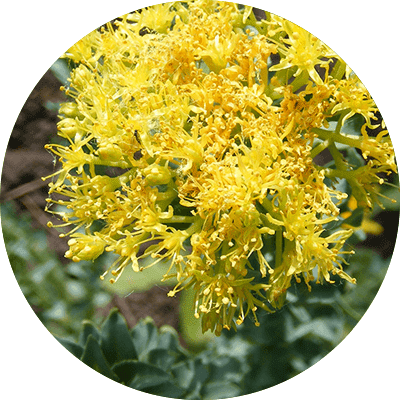
Rhodiola: One of the first herbs defined as an adaptogen and studied by modern scientists, rhodiola calms overactive portions of the immune system associated with destructive inflammation. Plus, it boosts depressed portions of the immune system to increase efficiency in managing the body’s microbes.
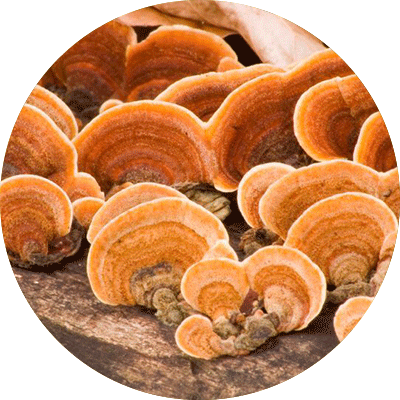
Reishi mushrooms: This mushroom’s main claim to fame is its ability to help regulate the immune system, improving how it works. Reishiessentially directs the immune system to reduce harmful inflammation while increasing action against threatening microbes and cells. The mushroom’s power is probably due in part to its beta-glucan, a polysaccharide found in fungi cell walls that’s well known for its immune-enhancing ability.
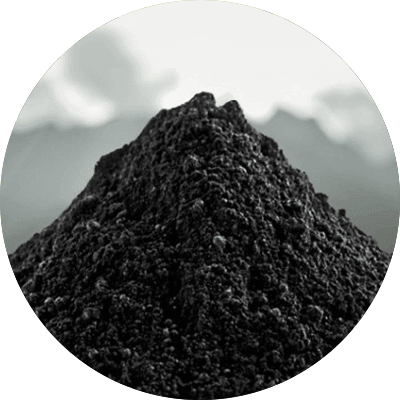
Shilajit: This isn’t technically an herb, but more like primordial ooze — a byproduct of plant materials that have been compressed into the earth in the Himalayas and seeps out of the rocks. Shilajit is rich in fulvic acid, which research suggests helps modulate the immune system, has antioxidant properties, and may improve gastrointestinal function.
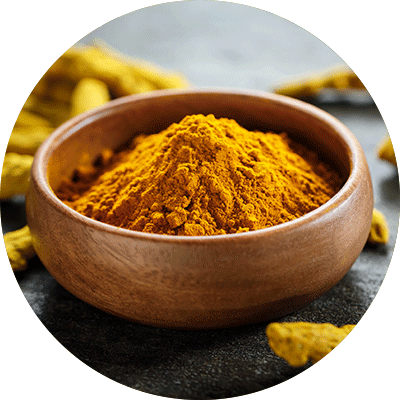
Turmeric: This adaptogen companion has potent anti-inflammatory powers. The compounds in turmeric also act as antioxidants, and it has microbiome-balancing potential.

Gotu Kola: A calming, anti-inflammatory and antioxidant adaptogen companion that’s part of the parsley family, gotu kola has traditionally been used in India in ayurvedic medicine as a general tonic for increasing longevity. It’s an immune modulator, helping the immune system manage stress.

2. Eat a Mostly Plant-Based, Whole-Foods Diet.

When I talk to patients about caring for their microbiome, one of the first questions they ask is whether they should take a probiotic supplement. For the most part, no. Unless a person has gone through an illness that required them to take antibiotics or caused acute diarrhea, there’s limited evidence that probiotics are particularly helpful.

What is absolutely helpful and crucial to microbiome health is eating a good diet. In my expert opinion, that means a diet that is at least 50% vegetables. Always choose fresh foods over processed ones. And only eat the number of calories that you need to maintain yourself.

Rainbow colored vegetables. Healthy food concept. Top view

And anything you can do to increase the diversity of fresh foods that you eat will help, too. Because when you eat fresh produce, you get a fair number of microbes.

Along with that, stay away from toxins in food as much as you can. That can mean not charring your food on the grill, and eating organic produce if they show up on the Environmental Working Group’s “Dirty Dozen” list which identifies the fruits and vegetables most subjected to pesticides—including strawberries, spinach, kale, nectarines, and apples.

3. Minimize Your Exposure to Environmental Toxins.

Because of our dependence on petroleum and petroleum-based products (i.e. plastics) and coal, we are constantly battling a barrage of toxins that are poisonous to our immune systems. When we breathe in toxic air from a car’s exhaust pipe, a cigarette, or cooking over an open flame (which is the norm in much of the world), it puts a strain on the lungs to turn over cells, swapping out the damaged and ineffective ones for fresh cells.

It puts a huge strain on the immune system, too. If a body’s resources are being spent on fixing something, it creates a situation where other little problems that crop up can become big problems.

close-up hands holding air filter to be changed.

On average, people spend around half their days at home, so invest in a home air cleaner that will help remove toxins, and replace or upgrade filters in your heating and air conditioning systems to ensure they’re not pumping in dirty air. For those whose occupation exposes them to airborne toxins, such working at construction sites, wear an N-95 mask whenever possible.

4. Stress Less and Sleep More.

You can eat organic kale til the proverbial cows come home, but if you’re subjecting yourself to that toxic mix of chronic stress and regular sleep deprivation that so many of us are, expect your body’s systems to go out of whack. Here’s why.

When we’re stressed, we send signals to our body that disrupt cellular communications, and if your cells aren’t communicating, they can’t do their job properly. That means that not all of the cells in the body are working at full capacity.

Helper cells, for instance, whose job it is to clean up “garbage” in the body so that it gets excreted through urine, fall down on the job. As a result, cellular debris gets backed up, which can overwhelm your immune system, allow microbes to flourish, and here we go again.

The fix is straightforward, but not simple. Prioritize sleep, meaning getting at least 7 or 8 hours of quality shuteye. And adopt stress-reducing activities like meditation, yoga, or whatever it is that works for you to turn down the heat on your slow boil.

5. Make Time for Regular Movement.

When we exercise, our blood really gets pumping, bringing oxygen to cells and carrying off carbon dioxide in a process that is called the gas exchange. That helps a person feel more energized and allows all of the systems in the body — immune, gastrointestinal, cardiac, pulmonary, neurological — to work at a higher capacity.

Full length shot of a woman doing exercise at home

There are other ways physical activity boosts immunity, too. It triggers the release of anti-inflammatory cytokines from muscles and helps modulate metabolic signals related to immune function. Exercise helps flush toxins, viruses, and other garbage from the body. Plus, preliminary research has linked cardiovascular fitness with better diversity and balance in the gut microbiome.

___

If you were to come to my house and open my medicine cabinet today, it would look vastly different than it did when I was in my late-40s. All of the orange bottles of prescription pills have been replaced by herbal supplements and tinctures. My refrigerator looks vastly different, too. It’s loaded with vegetables, fruits, and healthy fats. That makes up the majority of my diet.

Even with all of these changes, I know I may still harbor the Borrelia microbe — but I don’t worry about it. I have plenty of energy throughout the day. My brain is fog-free. My joints don’t hurt, and I can do whatever I want to do both physically and mentally.

Best of all, my body is no longer at war with the microbes it contains. They’re supposed to be there, after all. I’ve just brokered a peace treaty with my microbiome by developing a natural protocol that keeps us all in a state of healthy balance, and that allows my cells to continue to be the team players that will help me live a longer, healthier life. I hope you’ll feel inspired to do the same.

Amazing Microbe Facts
  • Bacteria are Earth’s earliest life forms. Fossil evidence suggests bacteria have been around for about 3.5 to 4 billion years.
  • Most bacteria divide every 2 to 12 hours. E. coli can divide every 20 minutes, which means after 7 hours, one bacterium can become 2.1 million.
  • Bacterial cells are 10 to 100 times smaller than human cells.
  • Microbes help us digest food, and in the process provide certain key vitamins such as B12 and K that our bodies can’t synthesize on their own.
  • Between 25% and 54% of the solids in human stool are microbes.
  • You would have to magnify the period at the end of this sentence to 1,000 times its actual size in order to make visible a nearby Pseudomonas aeruginosa bacterium (which causes hospital-acquired pneumonia).
  • Mitochondria, the “power­plants” of your cells, are the descendants of bacteria that were engulfed by larger microorganisms billions of years ago.

References
1. Ron Sender, et al. “Revised Estimates for the Number of Human and Bacteria Cells in the Body.” PLoS Biology. 2016 Aug; 14(8): e1002533. doi: 10.1371/journal.pbio.1002533
2. Lacey J. Favazzo, et al. “The gut microbiome-joint connection: implications in osteoarthritis.” Current Opinion in Rheumatology. 2020 Jan; 32(1): 92–101. doi: 10.1097/BOR.0000000000000681
3. “C-Section Birth Associated With Adulthood Obesity, Diabetes.” American Journal of Managed Care.
4. “5 Things To Know About Probiotics.” National Center for Complementary and Integrative Health.
5. S. Steve Zhou, et al. “Assessment of a respiratory face mask for capturing air pollutants and pathogens including human influenza and rhinoviruses.” Journal of Thoracic Disease. 2018 Mar; 10(3): 2059–2069. doi: 10.21037/jtd.2018.03.103
6. Stephen J. Carter, et al. “Gut microbiota diversity is associated with cardiorespiratory fitness in post‐primary treatment breast cancer survivors.” Experimental Physiology. 14 February 2019. https://doi.org/10.1113/EP087404
7. Vedham V, Verma M, Mahabir S. Early-life exposures to infectious agents and later cancer development. Cancer Med. 2015;4(12):1908-1922. doi: 10.1002/cam4.538
8. “What You Need to Know About Infectious Disease.” National Academies Press.

______________________

**Comment**

For a great video on this:  https://madisonarealymesupportgroup.com/2018/01/03/the-invisible-universe-of-the-human-microbiome-msm/

A very practical article that points out what honest practitioners of health will tell you: you have far greater control over your health than you are being told.  You are not a helpless victim that has no power over microbes that come your way. The trick has always been and will always be balancing these microbes.  You will never get rid of them all – nor should you.  There is a complicated dance going on in our bodies at all times.  

I was told by a virologist that for every bacteria in the world, there is a virus that hosts upon it.  Ponder that.