Archive for the ‘diet and nutrition’ Category

ACTION: Breaking the Chains on Foods That Heal

https://anh-usa.org/action-alert-breaking-the-chains-on-foods-that-heal/

Breaking the Chains on Foods That Heal

Breaking the Chains on Foods That Heal

ANH-USA has released a ground-breaking Strategic Roadmap and Action Plan exposing how outdated FDA rules are blocking access to medical foods—science-based nutrition therapies that could help millions of Americans prevent, manage, and even reverse chronic disease. Our Action Plan shows how we’re going to fix it. It’s time to educate Congress: sign our Action Alert now!


THE TOPLINE

  • America is facing a chronic disease crisis, yet FDA rules restrict access to medical foods—nutrition-based therapies designed to meet the special dietary needs of people with diagnosed health conditions.
  • By treating these foods like drugs, FDA policy has stifled innovation, discouraged research, and cut off patients from affordable, safe, and effective nutrition-based care.
  • ANH-USA’s roadmap lays out how to modernize medical food policy, broaden access, and bring the “food is medicine” vision to life.

A Healthcare System That’s Failing Us

Despite spending over 16% of our GDP on healthcare—more than any other country—the United States ranks a shocking 80th in healthy life expectancy, projected to fall even further by 2050. Today, 133 million Americans live with at least one chronic disease, and 42% have two or more.

How can a nation that spends so much on health be so sick? Because we’ve built a healthcare system that waits for people to get sick—and then treats them with drugs that are expensive, dangerous, and do not address the root cause of illness in the first place.

There’s a better way.

>>>Download ANH-USA Strategic Roadmap and Action Plan, Medical Foods: Unlocking Access and Value

The Untapped Power of Medical Foods

Medical foods (MFs) are specially formulated products that provide targeted nutrition for people whose dietary needs cannot be met by regular foods alone. They’re used in hospitals every day, often in the form of shakes, powders, or enteral (feeding tube) formulas for patients recovering from surgery, living with metabolic disorders, or managing chronic disease.

Medical foods can help underserved populations reduce age-related disease and chronic conditions like diabetes, cardiovascular disease, and arthritis, improving health while reducing healthcare costs. They’re safe, effective, and far less expensive than many branded drugs.

So why don’t more Americans have access to them?

The Problem: A System Rigged Against Nutrition

Medical foods are trapped inside an outdated legal framework. In 1988, Congress created the medical food category in the Orphan Drug Act—a law meant to encourage the development of drugs for rare diseases.

Current rules say medical foods can only be used under a doctor’s supervision—even though most physicians receive very little training in nutrition. Meanwhile, qualified nutrition professionals like Certified Nutrition Specialists and Registered Dietitians are shut out from helping patients access these lifesaving foods.

The FDA’s interpretation of the law is so narrow that medical foods are completely shut out from addressing common chronic conditions like diabetes, heart disease, and metabolic syndrome, even though nutrition is central to their management. In its guidance document, for example, the FDA states, “There are no distinctive nutritional requirements associated with the management of [diabetes],” so medical foods cannot target diabetes.

Making matters worse, medical foods are often denied insurance reimbursement because FDA policy has left their prescription status in limbo. This is critical: our healthcare system mostly runs on insurance reimbursement. But because of the FDA’s restrictive rules, medical foods are left out of that system. As a result, most doctors and patients don’t even know these products exist—and when they do ask for them, insurance almost always refuses to cover the cost. By effectively hiding a whole category of safe, affordable nutrition-based treatments, the system blocks competition and discourages companies from investing in this promising area of medical science.

>>>Download ANH-USA Strategic Roadmap and Action Plan, Medical Foods: Unlocking Access and Value

In short: the FDA has put medical foods in handcuffs for decades while we’ve been seeing increasing rates of chronic disease that are nutrition and lifestyle related. This is crony medicine at its finest: shut out natural, nutrition-based interventions in favor of pharmaceutical monopolies over disease treatment.

Our Solution: A Roadmap for Reform

ANH-USA’s Strategic Roadmap and Action Plan offers a clear, actionable plan to fix this broken system. We’re calling for a modern framework that empowers innovation and restores nutrition to its rightful place in medicine.

Key recommendations include:

  • Modernize the definition. Update the statutory language so medical foods can address common chronic diseases, not just rare ones.
  • Expand access and supervision. Allow qualified nutrition professionals—not just doctors—to oversee medical food use.
  • Clarify prescription status and enable reimbursement. Give medical foods a clear path to coverage through Medicare, Medicaid, the Veterans Administration, and private insurers.
  • Replace regulatory intimidation with guidance. End the warning-letter culture and provide transparent, science-based rules for innovation.
  • Educate healthcare professionals. Integrate medical nutrition training into medical, nursing, dietetic, and pharmacy schools nationwide.

These changes would unleash innovation, bring competition and lower prices, and expand patient access to safe, proven, food-based therapies.

Why It Matters

Medical foods won’t replace drugs—but they can reduce the need for them. By addressing the nutritional roots of disease, medical foods can help people stay healthier, longer, while saving billions in healthcare costs.

It’s time to bring “food as medicine from rhetoric to reality.

Action Alert!

(Go to top link to take action)

For more:

The importance of nutrition with Lyme/MSIDS:

The power of fasting:

Tenenbaum Cancer Protocol

I continue to marvel at the many silver linings of the disastrous COVID era. One such silver lining is the plethora of information not only about successful cancer treatments but the truth about the very nature of it. Since a recent paper shows that chemotherapy the current poison treatment of choice that oncologists get a direct cut from, has a 97.9% failure rate in the U.S. over five years, these treatments are just in time as the American Cancer Society Projects diagnoses to exceed 2 MILLION in 2025.

Due to the fact ‘the powers that be’ have proven to be unbelievably corrupt hooligans, people have begun to realize that they in fact have a brain they can use for themselves!  

This awakening has brought many to the conclusion they can research, learn, and experiment just as well as those in a fraudulent, indoctrinated medical machine for profit which spews out mostly corrupt people with a few letters after his or her name.  (There are always rare exceptions and thank God for them!)

The world has already been regaled with the success of the Joe Tippen’s Protocol, Dr. Marik’s success, Dr. Makis’ success, Mel Gibson’s testimony of 3 friends healed of stage four cancer, a major review paper showing high dose IV vitamin C (75-100g, 2-3X week for 6-8 cycles) as a promising anti-cancer agent, and entire websites dedicated to high level guidance based on research for the layman who is interested in cancer treatments.  (COVID mania also exposed the ‘good guy’ doctors who were and continue to be tenaciously persecuted for daring to think for themselves)

Now we have the astounding success of Guy Tenenbaum, a 71 year old with stage 4 prostate cancer who was given a death sentence by all the doctors he consulted with, and who realized he had to rescue himself.  He studied the Metabolic Theory of Cancer, the work of Dr. Otto Warburg and Dr. Wilhelm Brunings [06:41], and discovered the key, autophagy, related to the work of Dr. Yoshinori Ohsumi [06:54]. Many studies built on Ohsumi’s foundational work and applied it to cancer. Autophagy, the lysosomal clean-up of cellular debris, is controlled by the mTOR pathway and is turned on by fasting.  Fasting can also enhance chemotherapy and radiation effectiveness and dramatically lessen its toxicity.  Tenenbaum wrote “My Battle Against Cancer – Survivor Protocol,” “Beat Cancer to Cure From Cancer,” and co-authored “Can We Heal From Cancer? Guy and Fred Did it…..and Here’s How.”

It appears the medical machine refuses to apply previously done work to current diseases because there isn’t any money or power in it. 
You think NIAID will give grants for that?  Think again.

Guy Tenenbaum’s Cancer Protocol

  • Fast for 42 days, consuming nothing but water and occasional coffee or tea
  • Take 1,000mg of aged garlic (scientists believe it’s responsible for 30% of his recovery). Go here for research on how aged garlic:
    • reduced stomach cancer by 52% due to reducing IGF-1, activating autophagy, suppressing a master switch controlling inflammation & cancer stem cell survival, and enhancing Natural Killer Cells by up to 300%.
    • even 17 years after stopping it, subjects still had a 34% lower cancer mortality
    • has an anti-aging effect, slows heart disease progression, improves brain health, and beats EGCG and curcumin due to its bioavailability, clinical results, and track record.
    • causes blood levels peak within hours but clinical benefits usually appear:
      • 2-4 weeks – improved blood pressure and inflammation markers
      • 3 months – max cardiovascular benefits
      • 6-12 months – cancer prevention and longevity benefits

Tenenbaum continues to take aged garlic now with meals for better absorption. After his drastic self- experiment his PSA dropped from 58 to 0.1 and scans showed his bone metastases were healing.  Six years later, he remains cancer-free.  

It’s important to note that aged garlic is quite different from regular garlic or even odorless garlic due to the proprietary aging process which converts harsh compounds into gentle, beneficial ones, which have no odor and cause no irritationIt would require 10-20 cloves of raw garlic a day to achieve 1,000mg.  I must add as a personal side note that I actually took 16 cloves of crushed garlic daily, broken down into 4 doses when I first got Lyme/MSIDS, based on the advice of a Master Herbalist.  I did it for 2 weeks and it nearly killed me.  First, I smelled like I came straight out of Shanghai (the kids banned me from the car), and second my stomach revolted toward the end.  It was just too harsh.  I will state it made me herx initially, so it gave some benefit.

Due to Tenenbaum’s success, there are now two clinical trials now in the works testing prolonged fasting and fasting-mimicking diets in prostate cancer patients.

The following tables are helpful comparing autophagy effectiveness:

Source

This seminal work has shown there there appears to be an autophagy threshold for cancer suppression, growth factor starvation, insulin suppression, Warburg effect reversal, and sustained immune activation, which the 42 day fast meets but the 16 hour intermittent fast doesn’t.

This analysis demonstrates that dose-response matters dramatically in fasting-induced autophagy:

  • Mild fasting (16h): 20-30% tumor growth slowing ✓ (good)

  • Extended fasting (5-7d cycles): 10-25% remission rates ✓ (better)

  • Prolonged fasting (42d continuous): 100% remission rate ✓ (transformational)

Milder Ways to Induce Autophagy for the average Joe

Let’s say you don’t have cancer but you want to incorporate helpful aspects of Tennenbaum’s protocol in a more sustainable manner for prevention or other issues? 

Regarding clearing of spike proteins from those who got the COVID shots, as well as curing Dr. Marik’s Type II Diabetes:

“Autophagy can be upregulated by fasting and calorie restriction [2], especially if protein is reduced [3]. Autophagy in many instances does not require the complete cessation of food intake (protocols are available at https://COVID19criticalcare.com/treatment-protocols/, accessed on 15 April 2023). Sharply decreasing protein intake can upregulate autophagy pathways [4], and this can be accomplished while still eating, which makes this more approachable as a protocol. Regular fasting was also associated with better outcomes from acute COVID-19 [5].  Source

For Average Risk Individuals

Daily: 16:8 Time-Restricted Eating

  • Fast 16 hours (e.g., 8pm – 12pm)

  • Eat 8 hours (12pm – 8pm)

Quarterly: 4-5 Day Fasting-Mimicking Diet

  • Every 3 months (4x per year)

  • 1,100 cal day 1; 500 cal/day days 2-5

Expected Results:

  • ✅ Cancer risk reduction: 40-60%

  • ✅ Sustainability: Excellent (85-95%)

  • ✅ Evidence level: Strong (multiple human RCTs)

For High-Risk Individuals (Family History, Genetic Risk)

Daily: 18:6 Time-Restricted Eating

  • Fast 18 hours (6pm – 12pm)

  • Eat 6 hours (12pm – 6pm)

Monthly: 48-72 Hour Water Fast

  • Once per month

  • Water, tea, coffee only

Quarterly: 4-5 Day FMD

  • Every 2-3 months

Expected Results:

    • ✅ Cancer risk reduction: 50-70%

    • ✅ Sustainability: Good-Excellent (70-85%)

    • ✅ Evidence level: Very Strong

Optimal Combined Protocol (50-70% Prevention)

DAILY FOUNDATION:

  • ✅ 16:8 Time-Restricted Eating (minimum)

  • ✅ 18:6 TRE for high-risk individuals

  • ✅ Eating window: 12pm – 6pm or 10am – 6pm

  • ✅ Black coffee, tea, water allowed during fast

QUARTERLY INTENSIVE:

  • ✅ Fasting-Mimicking Diet 4 times per year

  • ✅ Day 1: 1,100 calories (plant-based)

  • ✅ Days 2-5: 500 calories/day

  • ✅ ProLon kit or DIY version

  • ✅ Schedule: Jan, April, July, October

OPTIONAL MONTHLY BOOST (High Risk):

  • ✅ 48-72 hour water fast once per month

  • ✅ Or extend one FMD to 7 days

SYNERGISTIC ADDITIONS:

  • ✅ Aged Garlic Extract 2.4g/day

  • ✅ Green tea 3+ cups/day (especially lung cancer prevention)

  • ✅ Curcumin 500mg BID with piperine

  • ✅ Whole food, plant-based diet during eating windows

Go here for source and all research studies.

Repurposed Drugs for Cancer

By Paul E. Marik, MD, FCCM, FCCP and Justus R. Hope, MD

https://imahealth.org/wp-content/uploads/2025/02/approach-to-repurposed-drugs-for-cancer.pdf

We can be extremely thankful that COVID produced some amazingly unexpected benefits in how cancer and many other disease processes is being treated.

I’ll bet the medical machine didn’t predict their tyranny would promote invention!

For more:

Study: Daily Cocoa Cuts Inflammation by 70%

https://academic.oup.com/ageing/article-abstract/54/9/afaf269/8253933?

Effects of 2-year cocoa extract supplementation on inflammaging biomarkers in older US adults: findings from the COcoa Supplement and Multivitamin Outcomes Study randomised clinical trial

Age and Ageing, Volume 54, Issue 9, September 2025, afaf269, https://doi.org/10.1093/ageing/afaf269
Published:
17 September 2025

Abstract

Objective

To examine the long-term effect of cocoa flavanols on inflammaging biomarkers in the COcoa Supplement and Multivitamin Outcomes Study (COSMOS).

Methods

COSMOS is a large, randomised, double-blind, placebo-controlled, 2 × 2 factorial trial testing the effects of a cocoa extract supplement (containing 500 mg cocoa flavanols/day, including 80 mg (−)-epicatechin) among women aged ≥65 years and men aged ≥60 years. This ancillary study measured five widely used serum inflammaging biomarkers, including three pro-inflammatory markers (high-sensitivity C-reactive protein [hsCRP], interleukin-6, tumour necrosis factor-α), one anti-inflammatory cytokine (interleukin-10) and one pleotropic cytokine (interferon-γ [IFN-γ]) in a random sample of 598 participants with biospecimens collected at baseline, Year 1, and Year 2.

Results

The mean age was 70.0 ± 5.6 years, and 49.8% were female. Cocoa extract supplementation significantly decreased hsCRP levels compared with placebo, with a between-group difference in yearly percentage change relative to baseline levels of −8.4% (95% CI, −14.1% to −2.3%; nominal P = .008; Holm-adjusted P value = .039). Moreover, cocoa extract increased IFN-γ with a 6.8% (95% CI, 1.5% to 12.2%, nominal P = .011; Holm-adjusted P value = .043) difference in yearly percentage change versus placebo. The effects of cocoa extract on other inflammatory markers were not significant (all adjusted P values >.05).

Conclusion

Cocoa extract supplementation significantly decreased hsCRP, supporting a role in modulating the chronic inflammaging process as a potential mechanism underlying its cardio-protective effects, including a 27% reduction in cardiovascular disease death in the COSMOS trial. The biological effect of increased IFN-γ by cocoa extract warrants further exploration.

Key Quotes:

Taking cocoa extract supplementation lowered C-reactive protein, a key marker of body-wide inflammation, by 70 percent after two years.

While the placebo group’s CRP levels rose by about 5 percent per year, the cocoa group’s dipped by about 3 percent—a change that wasn’t significant on its own. However, when the two groups were compared across two years, cocoa significantly prevented the usual age-related inflammaging, keeping inflammation steady. These results came from a standardized 500 milligram cocoa flavanol supplement (including 80 milligrams epicatechin).

Evidently CRP rises about 5% annually with age.

Cocoa is high in flavanols which counter inflammation and boost nitric oxide production which relaxes blood vessels, lowers oxidative stress, and helps reduce inflammation in vessel walls. A review of dark chocolate shows that effects are strongest with higher doses exceeding 450mg per day. Authors state the darker the better and to aim for 70% cocoa or higher and to be careful not to overdo chocolate in food as it is calorie dense.  All it takes is a square or two…..not the whole bar!

For more: 

Bioengineering Without Boundaries: Why Lyme Disease Belongs in the GMO Debacle

https://gmoscience.org/2025/10/20/bioengineering-without-boundaries-why-lyme-disease-belongs-in-the-gmo-debacle/

Bioengineering Without Boundaries: Why Lyme Disease Belongs in the GMO Debacle

Michelle Perro, MD
Published: October 20, 2025

Lyme disease is not simply an infection.  It is a lens into the consequences of manipulating biology without accountability. As we confront the obfuscated crisis of Lyme and other chronic infections, it becomes evident that bioengineering in pathogens and genetic engineering in food are part of the same continuum of unregulated biotechnology. Both alter life’s blueprints, both evade oversight, and both are creating a legacy of ecological and human suffering.

In her groundbreaking book, Bitten: The Secret History of Lyme Disease and Biological Weapons, science journalist Kris Newby details how US biowarfare research programs, including work at the Rocky Mountain Laboratories in Hamilton, Montana, experimented with spirochetes to alter virulence and transmission. The intention of these manipulations, although unclear, likely spawned Borrelia burgdorferi, the stealth pathogen now linked to millions of chronic infections worldwide. The same recombinant DNA methods used in agricultural GMOs were being applied in microbial genetics at the time.

“When we manipulate genes for profit or power, the consequences ripple through ecosystems, our children, and future generations.”

Lyme rarely acts alone. It often coexists with Bartonella, Babesia, EhrlichiaMycoplasmaRickettsiae, and viruses such as Powassan, all of which exacerbate inflammation and neuroimmune dysfunction. These infections disrupt the immune system through biofilm formation, cytokine storms, and molecular mimicry, while simultaneously impairing gut barrier integrity; a condition known as ‘leaky gut.’ This state of immune chaos parallels the chronic inflammation seen in individuals exposed to genetically engineered foods and glyphosate residues.

Despite their shared roots in biotechnology, genetically modified foods and engineered pathogens are regulated separately by the USDA, EPA, FDA, NIH, and DOD, none of which coordinate holistic biosafety. This fragmented oversight allows both agricultural and biomedical engineering to advance without unified accountability. The same regulatory capture that shields agri-tech corporations has also protected infectious disease gatekeepers, such as the Infectious Disease Society of America (IDSA), whose restrictive guidelines have left millions of chronic Lyme patients untreated.

Just as the FDA dismisses independent research on GMO toxicity, the IDSA dismisses clinicians and patients suffering from persistent Lyme. Both systems denied chronic exposure or chronic infection, labelled dissenting experts as “fringe,” protecting corporate and institutional interests over public health.  The pattern created is systemic and taken directly from the GMO playbook: create complexity, deny chronicity, and suppress those questioning the government/corporate narrative.

Lyme Mythology

Lyme Disease is the modern plague that never shouldn’t have been. It is now one of the fastest-growing infectious diseases in the United States, with the CDC estimating up to 3 million cases annually when underreporting is considered.

Although black-legged ticks (Ixodes scapularis and I. pacificus) are the best-known carriers, Borrelia DNA has been detected in a variety of other insects, suggesting other forms of transmission.  This fact is little known in mainstream medicine and leaves those with Lyme disease unclear as to how they were infected when consulting with their physicians who just believe that the tick is the only vector of Lyme.

The Multi-Vector Reality: Beyond the Tick

The following graph demonstrates that there are many other potential vectors of Lyme disease which should increase our awareness when facing those with multi- system complaints and health challenges.

Insect Evidence of BorreliaDNA Proven Transmission to Humans Comments
Ticks (Ixodes scapularisI. pacificus) Strong Yes Primary vector
Mosquitoes (AedesCulex) Moderate No Possible mechanical transmission
Horseflies / Deer flies Moderate No Possible mechanical role
Fleas  Detected No Reservoir role in pets/rodents
Mites Rare No Wildlife vector potential
Lice (Pediculus humanus) Different Borrelia) Yes (B. recurrentis, relapsing fever) Demonstrates Borrelia versatility

Sources: Schotthoefer & Frost, 2015; Franke et al., 2020; Eisen et al., 2017; Jaenson et al., 2019.

Integrative Framework

Healing requires more than antibiotics or symptom management. It demands restoration of biological integrity. Integrative and terrain-based approaches rebuild the immune system through microbial, nutritional, and energetic balance.

The gut-immune axis is central to Lyme’s chronicity. Dysbiosis from antibiotics, poor diet, and/or environmental toxins (e.g., glyphosate, heavy metals) compromises the gut-associated lymphoid tissue (GALT).  Over 70% of immune function resides in the gut creating conditions where infections persist and autoimmunity originates.

Supporting terrain integrity is essential though the use of an organic regenerative diet with strict avoidance of glyphosate-contaminated foods (which destroy beneficial gut flora).  Additionally, a whole foods based diet composed of increased polyphenols, flavonoids, healthy fats, and fiber are paramount to healing.

An integrative approach is necessary when helping those with Lyme disease and treatments stem from a multimodal tool box with suggestions outlined in article (See top link).

_______________

**Comment**

One of the best articles I’ve read in a spell.  

My only qualm is with the treatment and transmission info. The antibiotics listed are not the only ones that work and their usage presented is not savvy enough.  Please see:   https://madisonarealymesupportgroup.com/2016/02/13/lyme-disease-treatment/

Lyme literate doctors (LLMDs) have learned to track symptoms and then use treatment that works on given symptoms (that change).  This requires different drugs.  Also, once you beat back Lyme enough, it is quite normal for coinfections to become evident.  These also require different drugs.  Further, dosage matters.  Then, there’s the issue of pulsing and cycling – both techniques that experienced LLMDs use – precisely due to needing a judicious approach since treatment is often protracted.  Throwing antibiotics at this indiscriminately is unwise.

Treatment must be fluid to adapt to the ever changing symptoms.

Also, besides congenital transmission, sexual transmission is highly likely:

Cancer and Seed Oils

The truth about seed oils (PUFAS) is finally coming to light.  We’ve been falsely told that the surge in skin cancer is solely due to the sun and to slather up with toxic sunscreens, despite the fact that natural light is an essential nutrient.

In the following article you will learn that linoleic acid is extremely unstable and prone to oxidation.  But the switcheroo is complete because a society once heavily reliant upon animal fats has been duped into believing seed oils are healthier. They are now embedded in more than 70% of packaged foods.

According to AMD, the switch is all due to a 1980s public relations campaign by a struggling dermatology profession which rebranded itself as cancer fighters.  After all, skin cancer is very lucrative.

https://media.mercola.com/ImageServer/Public/2025/October/PDF/linoleic-acid-and-cancer-risk-pdf.pdf

Historical Rise of Cancer and Dietary Linoleic Acid — Mechanisms and Therapeutic Strategies

Analysis by Dr. Joseph Mercola

Story at-a-glance

  • Cancer now affects 30% to 50% of Americans, a massive increase from just 5% in 1900, reflecting how modern diets and lifestyles have reshaped your body’s internal terrain
  • Excess linoleic acid (LA) from seed oils triggers toxic byproducts, chronic inflammation, and mitochondrial breakdown, all of which weaken your body’s defenses and fuel tumor growth
  • Lowering LA intake from 7% to around 2% to 3% of daily calories has been shown to cut oxidative stress markers by 20% in as little as 12 weeks, giving your body a chance to recover
  • A four-phase terrain restoration strategy uses seed oil elimination, staged carbohydrate reintroduction, gradual fiber restoration, and metabolic supports like intermittent fasting and exercise to rebuild resilience
  • Simple daily steps — avoiding seed oils, rebuilding gut health, supporting mitochondria through movement and sleep, and tracking progress — give you control over your risk and long-term health

I recently published a landmark paper in the World Journal of Clinical Oncology, an internationally recognized, peer-reviewed journal known for advancing cutting-edge cancer research.1 In this work, I call for nothing less than a paradigm shift in how cancer is approached — moving away from patchwork symptom management and toward restoring health at the cellular level.

The framework I outlined challenges the current standard of care and instead focuses on correcting the metabolic imbalances, mitochondrial dysfunction, and inflammatory triggers that make your body more hospitable to disease. My paper lays the scientific foundation for practical, everyday strategies you can begin applying right now to reclaim your terrain.

By targeting root causes instead of chasing downstream effects, you put yourself in the best position to strengthen your defenses and lower your risk of cancer in a meaningful way. The next step is to unpack the key findings of this research and show you how restoring balance inside your cells changes the trajectory of your health.  (See link for article and video)

_____________

SUMMARY:

  • The rise in LA tracked closely with cancer incidence
  • High LA levels are repeatedly associated with greater risks of breast, prostate, colorectal, and melanoma cancers.
  • High LA increases toxic byproducts in the body which overwhelm your body’s repair systems and tricks your body into acting like it’s oxygen starved which flips on cancer-promoting switches.
  • The biological damage includes oxidative stress, inflammation, mitochondrial dysfunction, suppressed autophagy, and gut dysbiosis.
  • Minimizing LA removes the core trigger of metabolic damage, along with eating easy-to-digest carbs to restore energy without overwhelming the gut, gradually restoring fiber, and including adjunctive metabolic supports such as intermittent fasting, exercise, and various supplements are a four pronged approach to reversing cancer.

Minimizing LA is tough since it is embedded in more than 70% of packaged foods.  It could also take months to see a change in tissue levels of LA.

I would be remiss if I did not mention here that another very real reason cancer rates are through the roof is due to the COVID shots.  World renowned oncologist Professor Angus Dalgleish has issued a grave warning that there is an irrefutable link between the deadly disease and mRNA “vaccines,” and that the signal is impossible to ignore. He’s also seeing turbo cancers skyrocketing in his own vaxxed patients as well as stabilized cancer patients suddenly relapsing aggressively after getting a booster.

Just today, a peer-reviewed study has shown direct molecular evidence of mRNA ‘vaccine’ genomic integration.

https://www.theepochtimes.com/epochtv/what-to-know-about-raw-milk-seed-oils-and-the-food-pyramid-sally-fallon-morell  Video Here  (Approx. 42 Min)

What to Know About Raw Milk, Seed Oils, and the Food Pyramid

Sally Fallon Morell

Animal fats are good for you. They’re not going to give you heart disease. Quite the opposite—they’re very stable, and they support good health. They support heart health,” Morell says. “Our mission is to bring people back to these foods, to get people to eat butter again, whole milk. By the way, egg yolks are a sacred food as well, very rich in nutrients and fat-soluble activators.”
Liquid oils are fragile and prone to oxidation which breaks down into aldehydes.  In fact, undertakers say they don’t need as much formaldehyde to preserve dead bodies now.
“Follow the money. I mean, it’s much less expensive to use soybean oil or corn oil than butter. Butter is a very expensive fat, or lard or tallow. Those are the three main ones. And then there’s also what I call the fruit oils: just palm oil, coconut oil, and palm kernel oil. These are much healthier than the seed oils because they’re more saturated. And you know the saturated fats have been demonized, but the saturated fats are the good fats. They’re the stable fats that don’t break down. And the fats that traditional people prized and always made sure they ate with their food.” ~ Sally Fallon Morell
Morell is the President of the Weston A. Price Foundation and author of, “Nourishing Traditions: The Cookbook that Challenges Politically Correct Nutrition and the Diet Dictocrats.”
_______________
**Comment**
In the interview, Morell states researchers gave animals a carcinogen.  One group was given saturated fat, and another group unsaturated fat, in the form of seed oils.  The ones fed the seed oils got cancer while the group given animal fats did not.  She states there are many studies like that.
Regarding olive oil, it is a fruit oil that does not require heat to remove the oil with a stone press.  Unlike seed oils it is very stable and a monounsaturated fat; however, you want to get extra virgin oil because it is cold pressed olive oil not the more common hot-pressed olive oil.
Eating seeds is fine, it’s when you crush them with a stainless steel roller press that it becomes a ‘foul-smelling gunk’ that has to be further processed, and heated several times.
Morell believes in using the most traditional oil available.  For example in Africa it is palm oil.  In the tropics it’s coconut oil.  In the Mediterranean it’s olive oil. But, it’s important to take into account how it’s manufactured.
The video also goes into raw milk, salt, and the problems with soy including the enzyme inhibitors that depress pancreatic function as well as the fact it’s hard to digest, is a goitrogen, is hard on the thyroid gland, and contains a type of estrogen.
A terrible prison experiment showed just how devastating soy can be in the human body.  In an attempt to reduce the budget, the governor of Illinois made the whole diet of the prison out of soy: soy meat, soy baked goods, and soy oil, etc.  Tremendous health problems occurred, especially of the thyroid but also the men grew breasts and essentially had chemical castration due to the estrogen in the soy.  When they got out of prison they had to go on disability.
Salt is needed to hormone production and the chloride part of salt is what we make hydrochloric acid with to digest proteins and the sodium part activates enzymes for digesting carbs.  At the turn of the century Americans had about 3 teaspoons a day with very little heart disease.  It’s now reduced to a teaspoon and a half but they want to cut that in half again.
The food industry puts a fake salt called simonix into foods as an ‘artificial flavor’ that stimulates the salt taste in your mouth but doesn’t give you the salt you actually need, making you eat more.
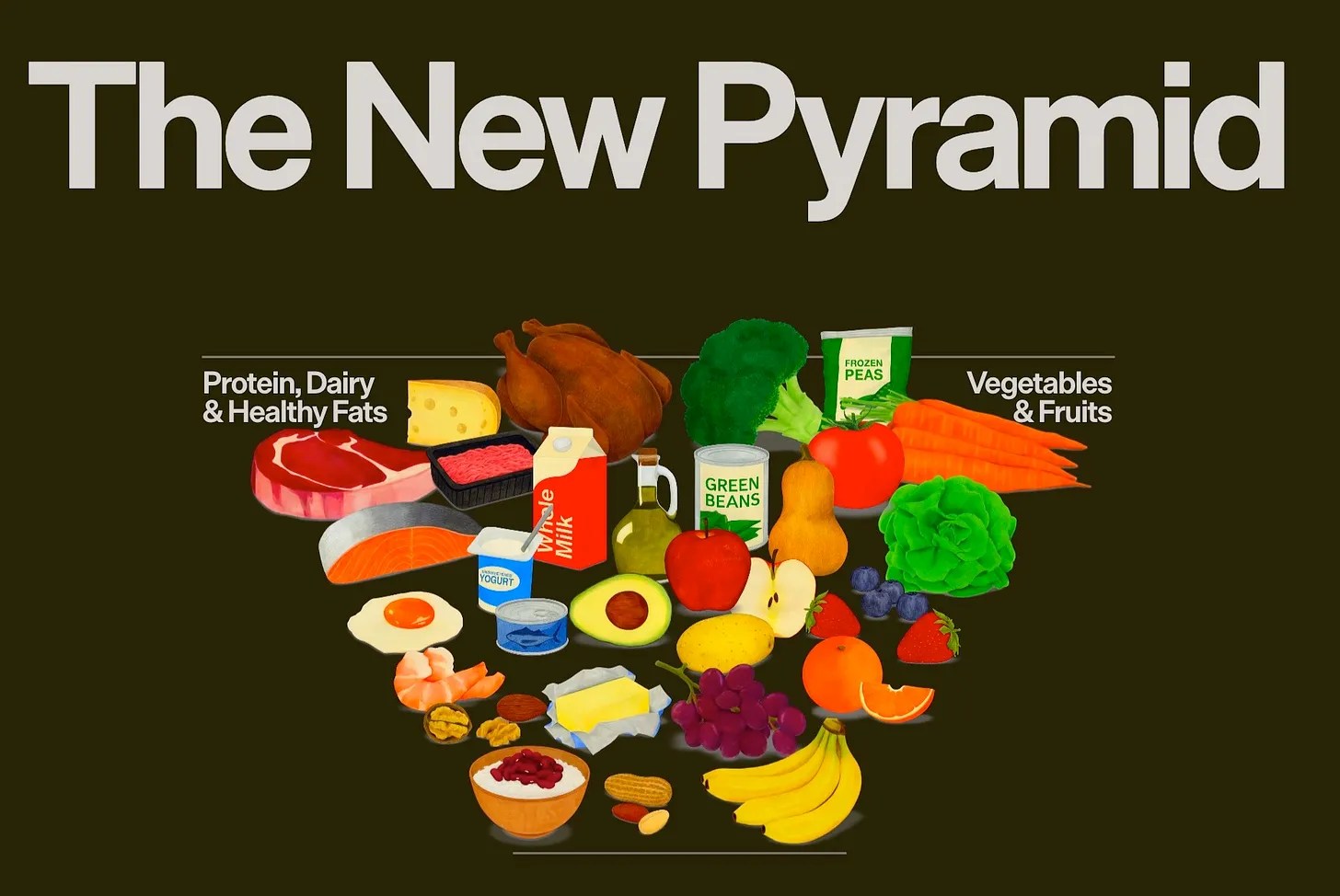
The USDA is pushing a politically correct food pyramid: lean meat, pasteurized skim milk, no butter, and lots of carbs which are filled with seed oils.
Fallon has a number of books:
Nourishing Traditions
Nourishing Fats
Eat Fat Lose Fat
Nourishing Diets
Nourishing Broth
The Nourishing Traditions Book of Baby & Child Care
The Contagion Myth
The Fourfold Path to Healing: Working With the Laws of Nutrition, Therapeutics, Movement, and Meditation in the Art of Medicine
According to Beat Cancer Foundation, seed oils are highly processed industrial oils high in omega-6 polyunsaturated fatty acids (PUFAs) especially linoleic acid.
The organization states that contrary to popular belief, sunburns are not solely caused by UV exposure but are influenced by the internal condition of your skin and metabolism.
  • PUFAS integrate into skin cell membranes
  • PUFAS oxidize rapidly when exposed to UV light
  • This oxidation generates inflammatory compounds which damage skin cells and amplify UV-induced harm
  • Result: increased sunburn and higher oxidative stress which could very well yield more skin cancers
Saturated fats on the other hand are stable and resistant to oxidative damage and UV radiation.

Logic would indicate that cancer rates (melanoma, particularly) would be highest in regions with high UV exposure and yet reality shows that melanoma is more common in areas with low sun-light like Scandinavia, Canada, and the Northern U.S.

  • Animal studies with diets high in linoleic acid have dramatically higher incidences of UV-induced skin tumors.
  • Linoleic acid promotes angiogenesis (formation of new blood vessels) and suppresses apoptosis (programmed cell death) – two processes that may facilitate cancer

**Comment**

I plan on writing an entire article on my experience with skin cancer but for now if you want some quick intel, go here for a video on my process so far:   https://madisonarealymesupportgroup.com/2018/03/02/dmso-msm-for-lyme-msids/I’ve had two MOHS surgeries on my face (not fun) where they cut out the cancer, send samples to pathology and keep cutting until every cell is removed.  You are then sent home with a wound you must keep open and wet which means you look pretty gruesome for a spell.  It’s painful, takes time to heal, and can leave scars.  When done close to the eyes it can interfere with blinking and producing tears.

Next, my doctor told me about CURADERM BEC5, an eggplant based cream that targets and destroys cancer cells and salicylic acid sloughs off the dead skin eventually leaving new virgin skin.  This process, I’m not going to lie, can be very painful.  Think of burning acid ….. but it does not involve removing skin from vulnerable places or leaving scars because it kills the cancer cells but allows new skin to come from the bottom up, to replace the cancer.  This can take time depending on how deep the cancer goes.  There can also be pus and sores until the cancer cells are all removed.  Depending upon the size of the area you can also really go through the tiny tubes which are $200 a pop.

Since this self-experiment using CURADERM I’ve read some promising testimonials on Dr. Makis’ Substack where people are using ivermectin paste successfully on cancers that are topical.  I’ve now been using the ivermectin cream and it is working wonderfully.  I still use CURADERM about once a week to slough off the old skin so I can physically see what I’m dealing with.  This has been particularly helpful for a large patch on my inner thigh.  The edges are becoming white, which is all new skin and the redness is becoming lighter and lighter over time.  I also don’t have any painful sores or pus anymore.  I’ve been working on it for nearly a year.

If you have a scab or skin area that will not heal, have it checked out.  All of my basal cell carcinomas where little areas that wouldn’t heal over time.  In nearly every case the cancer was deeper and wider than the initial spot.  Now, if I have a suspicious spot, I simply apply a tad of CURADERM and wait.  If it becomes red and inflamed I know I’m dealing with cancer.  Adding the ivermectin to the mix has reduced the costs substantially.  I will add that it takes a while to dry so I will cover with gauze and use medical tape to hold into place until it’s dry.  You apply twice a day and make sure to scrub off any paste before reapplying.  Again – I’ll eventually write up a complete article but for those of you who need some intel now, you got it!

I strongly believe that seed oils are behind my skin cancers.  Neither of my parents had skin cancer and were in the sun continually being born and raised on the Mississippi River.  But my generation grew up on Country Crock, the plastic-like substance that replaced butter which they told us was ‘bad.’  I believe my body is inundated with the stuff and now am on a mission to rid it of this highly manufactured toxic substance.  Sadly, I know this will take time.