Archive for the ‘Detoxing’ Category

How to Ease Lyme Symptoms With Endorphins, Naturally (No Exercise Needed)

http://rawlsmd.com/health-articles/how-to-ease-lyme-symptoms-with-endorphins-naturally-no-exercise-needed?

How to Ease Lyme Symptoms with Endorphins, Naturally (No Exercise Needed)

How to Ease Lyme Symptoms with Endorphins, Naturally (No Exercise Needed)

by Jenny Lelwica Buttaccio
Posted 2/15/21

You’re probably most familiar with endorphins as they relate to the so-called “runner’s high,” the calm, euphoric feeling that people report after a long run. And it’s true that vigorous aerobic activity is a proven way to spark the release of these feel-good peptides. But if you’re dealing with the daily ups and downs of chronic Lyme disease, lacing up your sneakers to pound the pavement is likely on the bottom of your to-do list.

While exercise gets most of the credit when it comes to endorphins, it’s certainly not the only way your body generates these little wonder molecules that improve your sense of wellbeing. Here, we’ll take a look at endorphins and why they might hold the key to easing such Lyme symptoms as pain, immune dysfunction, and chronic stress, plus offer ways to reap the benefits even when you’re not feeling up to moving, no exercise needed.

An Overview of Endorphins

When your body experiences pain or stress, the hypothalamus and pituitary gland — your body’s largest producers of endorphins —generate these chemicals as a way of coping with physical and emotional pressures. Endorphins may arise from other parts of the body as well: Research suggests immune cells make endorphins in response to inflammatory processes in the body and help to quell certain pain-producing substances.

Endorphins have garnered the reputation of being “feel good” chemicals because they play a pivotal role in the body’s natural pain management process and possess opioid-like qualities. The term endorphin comes from two words: “endogenous,” meaning originating from within the body, and “morphine,” the opioid pain reliever. Indeed, endorphin is a fitting name for the morphine-like chemical produced in the body.

In the mid-70s, scientists were researching the mechanisms by which opioids alleviated pain. At that point, morphine had been around for nearly 200 years, but how and why it worked was still relatively unknown. The research led to the discovery of opioid receptors: When opioid medications like morphine bound to receptors in the peripheral and central nervous system, the drugs blocked pain signals.

Furthermore, researchers also noticed that other, natural chemicals in the body could bind to the same receptors and act in a manner comparable to opioid medications. They called these similar chemicals endorphins.

The Link Between Endorphins, Lyme Disease + Other Chronic Illnesses

There are many different types of endorphins, but the ones most often discussed in the research are beta-endorphins. Although we still have a lot to learn when it comes to endorphins, we know they’re responsible for mitigating pain, modulating the immune system, and enhancing pleasure. Besides stress, endorphins are released during activities you typically enjoy doing — sex, eating, and drinking, to name a few.

scientific image, X-ray of human skull, showing brain. surrounded by neurons, natural killer cells, and borrelia

Although research has yet to look specifically at Lyme disease and endorphins, evidence indicates that when beta-endorphins are secreted in the brain, they trigger the release of natural killer (NK) cells. These immune cells are our first line of defense against infectious agents like Borrelia burgdorferi and abnormal cell growth.

One therapeutic intervention yielding positive results for some Lyme patients, particularly those with neurological Lyme, is the endorphin-enhancing medication low-dose naltrexone (LDN). LDN partially blocks opioid receptors, leading to a slow increase of endorphins while supporting a healthier immune response, dampening inflammatory cytokines, and curbing neuroinflammation.

Endorphin levels can vary from one person to another, and low levels of endorphins have also been associated with several chronic conditions. On the list: fibromyalgia, ME/CFS (myalgic encephalomyelitis/chronic fatigue syndrome), depression, and headaches — and that’s probably just scratching the surface.

But can you begin to reap the benefits of endorphins without a prescription medication or running an all-out marathon? The answer is yes. The following are natural ways to boost endorphins so that you can experience lower pain levels, increased immune function, and a greater sense of wellbeing.

5 Natural Ways to Boost Endorphins + Ease Lyme Symptoms

1. Laugh Out Loud.

bright picture of laughing woman on the beach. backlight sunlight in nbackgroiund. beautiful young female model laugh like crazy. happiness and joyful concept for people in wanderlust

You’ve probably typed “LOL” countless times this week, but how many times have you actually done it? A hearty belly laugh has a host of mental and physical benefits, including a satisfying release of endorphins. It gets your heart, lungs, and muscles pumping, which in turn triggers the release of these euphoric molecules, according to a study in the journal Proceedings of the Royal Society B: Biological Sciences.

Additionally, the pain thresholds of the study participants were significantly higher after participating in laughter-inducing activities (like watching a comedy) compared to those who engaged in neutral or factually-based activities (like watching a documentary). The researchers believe it’s the endorphins’ effects on opioid receptors that create these positive changes.

To get your laugh on, watch a comedy, practice your amateur stand-up routine, find a laughter yoga class online, or do whatever you have to do to get the giggles flowing. The deeper the belly laugh, the more likely you are to experience that pleasant endorphin rush.

2. Try Full-Spectrum CBD Oil.

Many Lyme patients have chronic pain — like myofascial pain or neuropathy — as a predominant symptom. Finding ways to manage that pain effectively can be quite a challenge, however, CBD from hemp oil may be up to the task.

dropper dripping hemp oil into glass bottle, background hemp leaves

CBD (short for cannabidiol) shuts off nerve impulses that send uncomfortable pain signals and counteracts inflammation. Plus, it increases the body’s natural endorphin levels without suppressing them the way opioid medications do. Pain medications run the risk of causing dependence or withdrawal symptoms, but CBD doesn’t have those addictive qualities — most likely because it doesn’t contain the psychoactive component THC.

CBD dosing can vary from person to person, but a standard starting dose is 10-50 mg, one to three times per day. The concentrations of CBD differ by brand, so be sure to check the product label to find out how much CBD is in each dropperful or capsule. Some CBD users might notice its benefits immediately, while others may require two or three weeks of steady use to see improvements.

3. Sweat It Out, Exercise-Free.

You may be familiar with the use of far infrared saunas (FIR) as a means of detoxifyingthe body during Lyme treatment and managing uncomfortable Herxheimer reactions. But saunas have a longstanding history of being used around the globe due to their health-promoting properties.

inside of a wooden infrared sauna, towel on seating

The heat from FIR saunas is deeply penetrating, reaching up to a few inches beneath the skin’s surface. Research demonstrates sauna use may stimulate the release of endorphins and other opioid-like chemicals to fight pain, relieve inflammation, and facilitate a healthy immune system.

Not sure of how to use a sauna? Begin slowly (as little as 5 minutes a day) and increase your time to 30 minutes as your body adjusts to the heat. And aim for two to three times a week — consistency of use rather than intensity wins this race!

4. Get a Massage.

Looking for a reason to indulge in some extra self-care? Think about getting a massage because it can be helpful for increasing endorphins as well as other mood-boosting and pain-relieving chemicals like serotonin and dopamine.

Physiotherapist massaging back of man lying on Massage Table in hospital

One small-scale study showed that participants who received a connective tissue massage had a 16% increase in beta-endorphin levels, lasting approximately 1 hour after the massage was finished. Additionally, because some opioid receptors are located in deep tissues of the body, massages incorporating deeper pressure may even generate higher levels of endorphins compared to the mild touch of connective tissue release work.

If getting to a professional massage therapist isn’t in the cards right now, no problem. Similar to exercise and sauna use, any massage-type activity can get you headed in the right direction. Try a foam roller, a handheld massager, or a massage chair to relax tense muscles and let go of stress.

5. Get Moving at an Accessible Pace.

Yes, running has beneficial effects on endorphin production, but you can achieve results with less demanding forms of exercise as well — including activities that might be more appropriate for the needs and fitness levels of many chronic Lyme patients. Although the greatest endorphin high occurs with intense physical activity that lasts about an hour, almost all forms of exercise will have a beneficial impact.

woman in comfy clothes, rolling up yoga mat in living room

In fact, research suggests even 15 minutes of exercise per day can increase endorphins. Although it might not lead to a giant rush of the feel-good chemicals, you’re still likely to experience an uptick in your mood, a decrease in pain levels, and better immune function.

And there’s no need to push yourself to the max. You can mobilize endorphins with low-impact activities like walking, Pilates, power yoga, or qigong to bring on results. As you get further along in your Lyme disease recovery, the more you’ll be able to up the intensity of your workouts.

The Takeaway

No doubt, there’s still a lot to learn about the benefits of endorphins and how they impact Lyme disease and your health. But aiming to get a daily dose of them in your life may enhance immune function, improve pain levels, provide a more optimistic outlook, and more.

Best of all, boosting your endorphin levels is another cost-effective tool to add to your toolbox of healing modalities. Combine it with a comprehensive herbal therapy protocol, a healthy diet, and lifestyle modifications to achieve optimal healing results on your recovery journey.

Dr. Rawls is a physician who overcame Lyme disease through natural herbal therapy. You can learn more about Lyme disease in Dr. Rawls’ new best selling book, Unlocking Lyme.

You can also learn about Dr. Rawls’ personal journey in overcoming Lyme disease and fibromyalgia in his popular blog post, My Chronic Lyme Journey.

REFERENCES
1. Cabanas H, Muraki K, Staines D, Marshall-Gradisnik S. Naltrexone Restores Impaired Transient Receptor Potential Melastatin 3 Ion Channel Function in Natural Killer Cells From Myalgic Encephalomyelitis/Chronic Fatigue Syndrome Patients. Front Immunol. 2019;10:2545. Published 2019 Oct 31. doi: 10.3389/fimmu.2019.02545
2. Chaudhry SR, Gossman W. Biochemistry, Endorphin. [Updated 2020 Aug 11]. In: StatPearls [Internet]. Treasure Island (FL): StatPearls Publishing; 2020 Jan-. Available from: https://www.ncbi.nlm.nih.gov/books/NBK470306/
3. Dunbar RIM, Baron R, Frangou A, et al. Social laughter is correlated with an elevated pain threshold. Proc. R. Soc.2012 September; 279(1731):1161-7. doi: 10.1098/rspb.2011.1373
4. Hsueh CM, Chen SF, Ghanta VK, Hiramoto RN. Expression of the conditioned NK cell activity is beta-endorphin dependent. Brain Res. 1995 Apr 24;678(1-2):76-82. doi: 10.1016/0006-8993(95)00172-m
5. Hussain J, Cohen M. Clinical Effects of Regular Dry Sauna Bathing: A Systematic Review. Evid Based Complement Alternat Med. 2018;2018:1857413. Published 2018 Apr 24. doi: 10.1155/2018/1857413
6. Kaada B, Torsteinbø O. Increase of plasma beta-endorphins in connective tissue massage. Gen Pharmacol. 1989;20(4):487-9. doi: 10.1016/0306-3623(89)90200-0
7. Klockgether-Radke AP. F. W. Sertürner und die Entdeckung des Morphins – 200 Jahre Schmerztherapie mit Opioiden – [F. W. Sertürner and the discovery of morphine. 200 years of pain therapy with opioids]. Anasthesiol Intensivmed Notfallmed Schmerzther. 2002 May;37(5):244-9. German. doi: 10.1055/s-2002-30132
8. Ramanathan S, Panksepp J, Johnson B. Is fibromyalgia an endocrine/endorphin deficit disorder? Is low dose naltrexone a new treatment option? Psychosomatics. 2012 Nov-Dec;53(6):591-4. doi: 10.1016/j.psym.2011.11.006
9. Sprouse-Blum AS, Smith G, Sugai D, Parsa FD. Understanding endorphins and their importance in pain management. Hawaii Med J. 2010;69(3):70-71.

Herxheimer Reaction in 13 Year Old Boy With Lyme Disease

https://danielcameronmd.com/herxheimer-reaction-lyme-disease/

HERXHEIMER REACTION IN A 13-YEAR-OLD BOY WITH LYME DISEASE

herxheimer reaction in boy with lyme disease

A Jarisch-Herxheimer reaction (JHR), also referred to as a Herxheimer reaction, was first described after initiating treatment for syphilis. This reaction is associated with the onset of new symptoms or a worsening of existing symptoms in patients receiving antibiotic treatment. The Herxheimer reaction has also been described in patients treated for leptospirosis, relapsing fever, and Lyme disease.

In a recently published paper, Nykytyuk and colleagues describe the case of a 13-year-old boy with Lyme arthritis, a common manifestation of Lyme disease, who developed a Herxheimer reaction when treated with doxycycline. [1]

“A 13-year-old boy was admitted to the regional hospital with complaints of left knee swelling, hip, ankle and cervical spine pain,” the authors write. The first signs of left knee arthritis began 6 months prior to his hospitalization.

The doctors assumed the boy suffered from post-traumatic arthritis and prescribed non-steroidal anti-inflammatory drugs (NSAIDs) which were only minimally effective.

Six months later, a rheumatologist diagnosed Lyme disease, in part, due to a reported tick bite which occurred 3 months before the onset of the left knee arthritis. The patient did not have a erythema migrans (EM) rash.

Laboratory tests were consistent with the diagnosis of Lyme arthritis and doctors prescribed doxycycline.

On day 7 of antibiotic treatment, the boy developed a Herxheimer reaction. “On the 7th day of doxycycline treatment the patient’s condition deteriorated: a low-grade fever occurred, and severe arthralgias with intense hip, ankle and cervical spine pain and myalgias developed,” the authors explain.

The boy also had elevated CRP (C-reactive protein) and ESR (erythrocyte sedimentation rate). Steroids were prescribed.

There was no evidence of neurologic involvement and a spinal tap was normal. Nevertheless, doctors prescribed 4 weeks of intravenous ceftriaxone which led to a resolution of the joint swelling and less arthralgias.

Herxheimer reactions in Lyme disease patients

Jarisch-Herxheimer reactions have been described in the literature with a combination of symptoms occurring including fever, severe polyarthralgias, and myalgias, according to the authors.

Other Jarisch-Herxheimer reactions have also been described. The list includes “chills, high temperature, hypotension, nonpruritic, nonpalpable rash, tachycardia, nausea, headache, strengthening of existing or occurrence of new symptoms of the underlying disease,” the authors write.

Some studies have found that Herxheimer reactions were milder in patients with Lyme disease when compared to other diseases, without organ dysfunction or need for hospitalization, Nykytyuk  writes.

However, another case report by Haney et al., describes a more severe Herxheimer reaction in response to doxycycline in a patient with chronic Lyme disease. The patient developed “a low-grade fever, sore throat, sinus congestion, watery diarrhea, headache, stabbing pain in the upper back muscles, increased fasciculations and fatigue.” [2]

Physician education needed

The exact cause of Jarisch-Herxheimer reactions is still unknown.

“At first, the role of an endotoxin in the development of JHR was suggested, but later experimental studies showed that spirochetes do not have biologically active endotoxins,” the authors explain.

Nykytyuk and colleagues emphasize the importance in educating physicians about the Herxheimer reaction, as there appears to be a “low awareness.” For example, “JHR is often mistaken for an allergic reaction.

Editor’s note: It is not uncommon for Lyme disease patients to have flare-ups with or without antibiotics. Some patients refer to these reactions as “Herxing,” in the absence of a more descriptive word. The mechanisms of these reactions are uncertain.  I typically avoid prescribing steroids to manage these reactions, as I do not want to suppress a patient’s immune system.

References:
  1. Nykytyuk S, Boyarchuk O, Klymnyuk S, Levenets S. The Jarisch-Herxheimer reaction associated with doxycycline in a patient with Lyme arthritis. Reumatologia. 2020;58(5):335-338. doi:10.5114/reum.2020.99143
  2. Haney C, Nahata MC. Unique expression of chronic Lyme disease and Jarisch-Herxheimer reaction to doxycycline therapy in a young adult. BMJ Case Rep 2016; 2016: bcr2013009433,
    DOI: 10.1136/bcr-2013-009433.

_______________________

For more:  

Milk Thistle Promotes Liver Function

https://articles.mercola.com/sites/articles/archive/2021/01/18/milk-thistle-promotes-liver-function

Milk Thistle Promotes Liver Function

Analysis by Dr. Joseph MercolaFact Checked
milk thistle promotes liver function
STORY AT-A-GLANCE
  • The primary bioactive compound in milk thistle is a group of flavonolignans called silymarin, which have known hepatoprotective properties including against the deadly death cap mushroom
  • Silymarin can reduce the fibrotic liver changes leading to cirrhosis associated with nonalcoholic steatohepatitis (NASH), a more advanced form of nonalcoholic fatty liver disease (NAFLD)
  • Silymarin has anticancer, neuroprotective and antiosteoclastic properties. The plant is highly invasive and toxic to livestock
  • Formulations combined with phospholipids such as phosphatidylcholine improve bioavailability and therapeutic efficiency

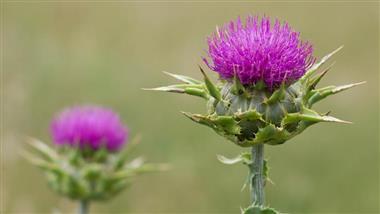
Milk thistle (Silybum marianum) is a member of the Asteraceae family and an herbaceous perennial native to Southern Europe and Asia. The plant enjoys full sun and grows to a height of nearly 5 feet. It blooms between July and August with deep purple to pink flowers.1

Throughout history, people have used the fruit and seeds of the milk thistle plant as a treatment for liver disorders. The plant goes by several other names, including Holy thistle, Mary thistle, Our Lady’s thistle, wild artichoke and St. Mary thistle.2

Traditionally, the leaves have been harvested to use in salads and the flower may be roasted and used as a coffee substitute. However, it is the seeds of the milk thistle that were prized for their medicinal activity.

According to the NIH, the oldest recorded use of the plant was by Dioscorides, who believed it could be used as a treatment for snake bites.3 During the Middle Ages it was used as an antidote for liver toxins and by 1898 physicians were using it to treat liver, kidney and spleen disorders. Currently, the German Commission E lists milk thistle for the treatment of hepatic cirrhosis and toxin-induced liver damage and to support chronic inflammatory liver conditions.

Milk Thistle Protects Your Liver Health

The main bioactive compound in milk thistle is a group of flavonolignans called silymarin.4Flavonolignans are a group of flavonoids with known hepatoprotective properties.5 Silymarin consists of seven different flavonolignans among which silybin has the highest concentration and biological effect. Nearly 70% of silymarin is in the form of silybin A and silybin B.6

Silymarin can be isolated from milk thistle seeds, and while the term milk thistle and silymarin have been used interchangeably, it is technically inaccurate. Multiple studies have demonstrated the ability of silymarin to help protect your liver, and it is regularly used in individuals whose liver has been damaged by nonalcoholic fatty liver disease, hepatitis and liver cancer.7,8

Silymarin also has a protective effect against amatoxin, a deadly toxin produced by the death cap mushroom. Nearly 90% of fatalities from mushrooms worldwide are due to the death cap mushroom.9 Symptoms manifest six to eight hours after ingestion and are followed by kidney and liver failure.

In one review, researchers found nearly 1,500 documented cases where the mortality was less than 10% in patients treated with Legalon® SIL, a pharmaceutical silibinin compound. In another case report,10 doctors successfully treated two patients who accidentally ingested the death cap mushroom with a combination of n-acetylcysteine, cimetidine, silibinin and high-dose penicillin.

Benefits to liver health from silymarin likely result from the antioxidant, anti-inflammatory and antifibrotic properties of the compound. Silymarin also has demonstrated the ability to reduce virus-related liver damage and has a direct antiviral effect when administered intravenously in patients with hepatitis C.11

Silymarin has a positive effect on nonalcoholic steatohepatitis (NASH), which is a more advanced form of nonalcoholic fatty liver disease.12 The compound can also help reduce the fibrotic changes that lead to liver cirrhosis.13 In combination with vitamin E, researchers found silymarin helps improve liver function tests and can be:14

“… an alternative valid therapeutic option particularly when other drugs are not indicated or have failed or as a complementary treatment associated with other therapeutic programs.”

Your Liver: The Great Detoxifier

One of the largest organs in your body is your liver, and for good reason. It performs many metabolic and detoxifying functions, helping to convert toxic substances into harmless substances that are then released from your body.15

Your liver is in your upper abdominal cavity just under your right diaphragm, where it sits on top of your stomach. A normal healthy adult liver weighs about 3 pounds and is made of two lobes connected by a band of connective tissue.16

Just inside the hollow under the liver is the gallbladder, where your body stores bile. At any given time, your liver holds about 13% of your body’s blood supply, which it filters and then excretes toxins in 800 milliliters to 1,000 milliliters of bile each day.17 This is emptied into your gallbladder.

In addition to detoxifying your blood, your liver also produces some of the proteins for blood plasma, converts excess sugar into glycogen and helps balance the production of glucose.18 Your liver is also responsible for regulating blood clotting mechanisms, resisting infections and clearing bilirubin that is formed when hemoglobin breaks down.

Silymarin offers significant benefits to your liver, including the ability to increase glutathione, which is a powerful antioxidant crucial for liver detoxification.19 Researchers have also found it may help your liver cells to regenerate, supporting the only organ in your body capable of regeneration.20

Incidence of Liver Disease on the Rise

As you can imagine, liver damage affects these functions and more. Although many tend to equate liver disease with alcohol use, as many as 100 million people suffer from nonalcoholic fatty liver disease (NAFLD),21 which is associated with obesity.22 As the incidence of obesity in the U.S. has risen, so has NAFLD. In 2017-2018, the age adjusted prevalence of obesity in the U.S. was 42.4% of adults.23

Risk factors for nonalcoholic fatty liver disease include obesity, diabetes, high triglyceride levels and poor eating habits. The condition is sometimes called a silent disease because you may not experience any symptoms and many people may live with the condition without developing further liver damage.24 If NAFLD progresses with signs of inflammation and cell damage, it is called nonalcoholic steatohepatitis (NASH).

NAFLD is also the most common type of liver disease found in children.25 Data released in January 202026 from a large cohort in the U.K. found 20% of young adults had NAFLD.

When the researchers widened the data set, they found over 20% had evidence of NAFLD and 2.5% had developed fibrosis. Breaking out the data further, they found at 17 years, 2.5% had moderate to severe levels, yet by age 24 this had risen to 13%.

Silymarin Reduces Cellular Inflammation

Many of the health benefits attributed to silymarin are the result of the compound’s capacity to help reduce cellular inflammation. Research has suggested silymarin does this using a two-phase process similar to that used by other natural compounds such as curcumin and epigallocatechin gallate, found in green tea.27

During the first phase there was a rapid increase in genetic expression that is linked with cellular stress. After this follows a longer sustained depression of genetic expression that is found with inflammation. As described by the National Center for Complementary and Integrative Health, in this study, silymarin:28

  • Induced endoplasmic reticulum stress
  • Triggered activating transcription factor 4 (ATF-4) and AMP-activated protein kinase (AMPK), and inhibited mammalian target of rapamycin (mTOR)
  • Modulated the actions of many types of metabolites
  • Inhibited inflammatory signaling pathways, when given on a prolonged basis (at 24 hours, in this study)

An important factor in those steps is the activation of AMP-activated protein kinase (AMPK). This is an enzyme that sometimes is called the “metabolic master switch” since it plays an important role in regulating metabolism.29 According to the Natural Medicine Journal, AMPK regulates biological activities to normalize energy imbalances. In addition:30

“AMPK helps coordinate the response to these stressors, shifting energy toward cellular repair, maintenance, or a return to homeostasis and improved likelihood of survival. The hormones leptin and adiponectin activate AMPK. In other words, activating AMPK can produce the same benefits as exercise, dieting, and weight loss — the lifestyle modifications considered beneficial for a range of maladies.”

More Health Benefits With Milk Thistle

These factors mean milk thistle offers a wide range of health benefits. Milk thistle extracts have been tested for anticancer actions in prostate cancer both in the lab and in clinical trials. According to one study, “extracts enriched for isosilybin B, or isosilybin B alone, might possess improved potency in prostate cancer prevention and treatment.”31

The plant also has neuroprotective effects and has been used in the treatment of Alzheimer’s and Parkinson’s disease in modern society and neurological diseases such as cerebral ischemia for well over 2,000 years.32 The antioxidant and anti-inflammatory properties may contribute to the neuroprotective effects that help prevent a decline in brain function as you age.33

In one study, researchers used silymarin to reduce oxidative stress and inflammation in an animal model that helped reduce the potential for dementia in obese animal subjects.34 Other studies have also demonstrated the ability of milk thistle to reduce amyloid plaques in animal models associated with Alzheimer’s disease.35,36

Silymarin has also demonstrated antiosteoclastic activity in animal studies, causing one research team to conclude it significantly prevents bone loss, potentially “either due to direct interaction with Erbeta [an estrogen receptor beta-isoform] or increasing bone formation parameters including calcium, phosphorus, osteocalcin and PTH.”37

The American Pregnancy Association writes that blessed thistle has been used for hundreds of years to raise a woman’s milk supply, and it is especially effective when taken with fenugreek.38

One published study of 50 healthy lactating women demonstrated oral supplementation with 420 milligrams per day of silymarin boosted their milk supply by 85.94% as compared to the women taking a placebo whose milk supply went up 32.09%.39 None of the women dropped out and no one reported unwanted side effects.

Considerations Before Planting Milk Thistle at Home

Before planting milk thistle in your garden or picking up a milk thistle supplement, there are a few things to consider. Research has found silibinin is poorly absorbed as it has low water solubility. Using a novel formulation, combining silibinin with phosphatidylcholine, researchers were able to improve the solubility and bioavailability, which markedly improved the therapeutic efficiency.40

If you’re hoping to grow your own plants in your backyard and harvest for tea and salads, be forewarned the plant is highly invasive and spreads quickly. While you may not mind having it all over your yard, it doesn’t respect your neighbor’s boundaries and will likely end up in their yard as well.

Milk thistle is also highly toxic to livestock, so if you have grazing animals it’s important you don’t plant it outside.41 Milk thistle has adapted to growing even in poor quality soil. The plants enjoy full sun and once the flowers have begun to dry, they’ll be ready for harvest.42

Cut the flowers and place them in a paper bag, storing the bag in a dry place so the flower heads dry. Once all the moisture is gone, shake the bag to separate the seeds, which can then be kept in a dry airtight container.

The seeds can be powdered in a coffee grinder and sprinkled on your salads, added to smoothies or even raw juice. You can use the seeds to make your own tea, which you’ll find a recipe for in “Magnificent Milk Thistle.”

+ Sources and References

Try These Alternatives Instead of Wasting Your Time on a Detox

https://vitals.lifehacker.com/try-these-alternatives-instead-of-wasting-your-time-on

Try These Alternatives Instead of Wasting Your Time on a Detox

Beth Skwarecki
We don’t have to tell you that 2020 was a terrible year. We can’t promise 2021 will be any better, but this week, we’re sharing our best strategies to help you reboot your life and start clean.

By now we all know that new year “detoxes” and “resets” don’t detox or reset anything. Depending on which you choose, they are either unsustainable diets or pure pseudoscience—often a mix of both. And yet, they still appeal.

A “detox” in 2021 may be a week’s worth of smoothies and juices, often guided by a guru who makes big promises about how amazing you’ll feel after you spend a week drinking what you’ve purchased from them. Or it may be a challenge to eliminate certain foods from your diet—no sugar, for example. Whatever the mechanics, these are all restrictive diets branded as self-care.  (See link for article)

_____________________

**Comment**

Sometimes the simplest things are truly the best.

For more:

Herxheimer Reaction Cause Debunked as New Research Reveals True Cause

https://biologixcenter.com/herxheimer-reactions/herxheimer-reaction-cause-debunked-as-new-research-reveals-true-causes/

dreamstime_s_118750767

Herxheimer Reaction Cause Debunked as New Research Reveals True Cause

By Dr. David A. Jernigan

Remarkable new research debunks the dominant explanation for why people undergoing antibiotic treatment for Lyme disease very often experience a dramatic worsening of their symptoms, as well as new symptoms, in what is known as a Jarisch-Herxheimer reaction. The dominant explanation has been essentially that the guts or endotoxins of the dying bacteria spill into the body causing this worsening of symptoms. This explanation, though widely held as true is, according to the scientific research, completely incorrect.

A Jarisch-Herxheimer response, otherwise known as a Herx reaction is a worsening of person’s symptoms during and after antibiotic treatment of the spirochetal infections syphilis, Lyme disease, leptospirosis, and relapsing fever (RF), associated with immune cells in the body releasing cytokines that increase inflammation and tissue damage. The popular idea that a herx is due to the direct die off toxins of the bacteria is not supported by the latest research.

This article will present research explaining why natural and prescription antibiotics cause severe herx reactions when compared to the use of induced native bacteriophages, which can completely annihilate the entire population of the targeted bacteria, with virtually no Herx reaction. The article will also present preventive measures to minimize herx reactions if inefficient treatments, such as natural and prescription antibiotics, are utilized.

What Actually Causes a Herx Reaction?

In order to develop effective therapeutic countermeasures to herx reactions, the pathophysiology, or the disordered physiological processes associated with a herx reaction, must be understood.

Many authors have incorrectly proposed that the Herxheimer reaction is caused by the release of toxins (endotoxins) by dying spirochetes, or Mast Cell Activation (MCAS) cytokine-responses causing inflammation in response to spirochete endotoxins. However, according to the most recent understanding, these mechanisms are largely unsupported by the research.

In a review of the research, Thomas Butler states:

After antibiotic treatment, spirochetes are rendered more susceptible to PMN phagocytosis likely caused by an alteration of the microbial surface to expose antigens and molecular patterns that allow antibody and complement to bind more effectively for phagocytic uptake. Once inside, PMN spirochetes probably provoke more severe inflammation.

Butler goes on to say:

Causes of inflammation in the JHR (Herx Reactions) are multi-factorial. When spirochetes are cleared from blood by phagocytosis, rises in concentrations of pro-inflammatory cytokines occur. Spirochetal inflammatory substances include lipoproteins and nonendotoxin pyrogens that cause rises in cytokines such as TNF-a, IL-6, and IL-8, as well as rises in histamine.”

The True Cause of a Herx Reaction in Layman’s Terms

In layman’s terms, a Herx is not just any worsening from any cause while undergoing treatment with antibacterial medication. A Herx occurs with antibiotics and other antibacterial efforts, such as botanicals, due to the fact that while the antibiotics do kill some of the bacteria, they often only injure many of the bacteria and/or cause a slow death, which allows your body’s immune cells, called phagocytes, time to come along and gobble up (PNM phagocytosis) these injured and dying bacteria, much like a Pac-Man from the old video game.

Once gobbled up, these live bacteria release genetic material inside of the phagocyte, causing it (the Pac-Man) to crank out excessive amounts and various types of cytokines, which are biochemicals that promote inflammation. This does not occur when bacteriophages kill the bacteria, since the phages literally kill the bacteria outright and so rapidly, that when the Pac-men of the immune system come along, they only gobble up the dead pieces, and no cytokines are produced, therefore there is no increased inflammation.

A Herx reaction:

  • Is not a desirable event.
  • Serves no therapeutic benefit.
  • Is a sign that the antibacterial medication is increasing inflammation and damage in the body.
  • Is a sign of inefficient medication is being utilized, causing live and damaged bacteria to be engulfed by phagocyte immune cells.
  • Should be avoided

Lessons from Bacteriophages: Less Herx From Bacteriophages Than Antibiotics:

Much of what we now understand about a Herx reaction is through the science of bacteriophages, which are viruses that only infect bacteria. When induced, or stimulated, bacteriophages can completely and rapidly kill all of the bacteria they infect, annihilating the entire target bacteria population. When the last of the bacterial population is dead, the bacteriophages themselves die within four days.

Bacteriophages kill bacteria by a process called lysis, the disintegration of the bacteria by rupture of the cell wall or membrane. To see this in action, watch the National Institute of Health video on this link. Research has demonstrated that Borrelia burgdorferi which were killed by lysis, did not cause nearly as much cytokine release, nor increased inflammosomes. Conversely, antibiotics often cause increased phagocytosis of the bacteria, resulting in significantly greater transcription of proinflammatory cytokine genes than do lysates.

Anti-Herx Therapeutic Measures: (If antibiotics and botanicals are being used to kill bacteria )

  • Botanical/Nutitional/Homeopathic/Fatty Acid: Doctor recommended anti-inflammatory and anti-cytokine support
  • I.V. Hydration has been shown to reduce the occurrence and severity of herx reactions
  • Hyperbaric Oxygen therapy (HBOT), and other oxygen therapies have been shown to reduce the severity of herx reactions
  • BEMER mat therapy
  • Near/Mid/Far Infrared Sauna therapy
  • Antihistamines and enhance the optimum histamine clearance via enzyme activation in the metabolic pathway.
  • NSAID’s can have a beneficial effect on acute herx reactions
  • Note: Toxin-binder supplements used to bind up and eliminate bacterial endotoxins are understood now to not be of therapeutic benefit in that there are no bacterial endotoxins to bind. These binder products can often be beneficial for other environmental toxins.

Conclusion:

Antibiotics have dominated the medical treatment of infections for almost a century, are an inefficient approach to dealing with infections, especially in light of the more rapid and precise actions of therapeutic bacteriophage treatments.

Many people who believe they are feeling worse due to the medication working, are actually being injured by the clumsy manner in which antibiotics work, not to mention their direct pharmaco-toxic effects. Many people report having to ramp up to a therapeutic dose of the more popular antibiotics, such as Disulfiram, often experiencing horrible symptoms, leaving the patient to wonder if they should tough it out and continue the drug, risking being permanently injured by the process, or to discontinue altogether.

Patients are often left on their own, searching the social media groups for guidance and encouragement, since their physician offered no advice on dealing with the very predictable problems they will face.

In the article by Thomas Butler states, “Physicians need to anticipate a JHR when treating spirochetal diseases to provide supportive care of monitoring vital signs and administering fluids.” The prognosis according to the research linking in this article, is favorable for full recovery even if a herx reaction occurs, usually resolving in a few hours in most patients given supportive care and adequate weekly IV nutritional fluids, such as a Myers Cocktail, or High-dose Vitamin C with Glutathione.

Although for many years it was thought that a Herxheimer reaction was caused by the toxins released as bacteria die and break apart, we now know this is incorrect. A Herxheimer reaction the result of the ingesting of the live, antibiotic-weakened bacteria, by immune cells, specifically polymorphonuclear leukocytes, white blood cells, such as neutrophils, which eat the live bacteria and eventually digest them, but in the meantime the bacteria, through genetic transcription cause the production of highly proinflammatory cytokines, TNF-a, IL-6, IL-8, and histamine.

When the target bacteria die from phages causing their death by lysis, as is the case with INPT bacteriophage therapy, the bacteria burst and the polymorphonuclear cells gobble up the dead pieces. In that there are no live bacteria essentially being eaten by these immune cells, very little cytokines are produced.

Bacteriophages kill the targeted bacteria extremely quickly, killing all of the target bacterial population usually in less than seven days, which means that by the time the immune system can begin to respond, the war is over. This means that when neutrophils arrive at the scene to start the cleanup, there is only remnants of the dead bacterial, and no live bacteria are being engulf, therefore the bacteria cannot cause genetic transcription and thus cannot cause the production of excessive proinflammatory cytokine substances…thereby there is minimal if any Herx reaction. All of this translates into phages cause much less herx symptoms than do antibiotics.

Conversely, many of the worsening symptoms experienced with natural or prescription antibiotics, including the latest trending antibiotic, Disulfiram, are due to the disruptive nature of the medication on the patient’s metabolic processes and frank antibiotic toxicity. These antibiotic-induced Herxheimer reactions are often the cause of poor patient compliance, often causing the patient to self-reduce the therapeutic dosage, enabling improved tolerance but greater risk of bacterial mutations rendering the drug ineffective. Antibiotic treatment can also result in new symptoms that can last months or be permanent.

Bacteriophage therapies are a superior form of treatment in the fight of treatment-resistant microbial infections.

Ongoing Development of INPT at the Biologix Center

INPT was developed by Phagen Corp. and is being used at the Biologix Center for Optimum Health, as a part of an IRB study, to go beyond Borrelia and target any microbial issue, including all of the co-infections associated with Lyme disease, as well as Candida sp., mold, and parasite infections, however at this time the only lab test for detecting bacteria-specific phages is for Borrelia strains.

The future of INPT includes intravenous and injectable forms of application, in addition to the present oral medication, available through doctors only. INPT is not projected to be sold directly to the public at this time.

To Get Treatment:

If you would like to participate in our one to two week INPT programs please contact us at www.biologixcenter.com/get-treatment/ or call our Patient Care Department at 615-398-6196 Financial assistance is available for those with chronic illness of any type, who desire treatment at Biologix Center and are struggling financially.

A more detailed report of these findings are presently being edited for publication in peer-reviewed article submission.

______________________

**Comment**

I don’t pretend to understand everything about phage therapy for Lyme disease.  While interesting, I have no experience with it.  For more:  https://biologixcenter.com/inpt-phage-therapy/new-lyme-phage-treatment-appears-to-eliminate-borrelia-in-two-weeks/

I know practitioners are all quite biased in their approach to Lyme/MSIDS based upon their own experiences and preferences.  Some promote herbal therapy, some ozone therapy, some have used antibiotics for decades, some hyperthermia with antibiotics, and so on.  Here we read of a practitioner using phage therapy, so his experiences are going to be viewed through that lens.

To my knowledge there is still no magic bullet treatment for Lyme/MSIDS.  The jury’s out for me on phage therapy until I learn more and hear of actual patient success with it, but in my experience, the axiom “If it’s too good to be true, it usually is,” has proven true again and again. I think we would all give our left arms to eradicate Lyme/MSIDS quickly , inexpensively, and without pain, but alas, I’ve yet to discover this secret elixir.  I remember the promised Stem Cell Therapy which turned out to be a big, fat dud for tick-borne illness. This stem-cell documentary was eye-opening to say the least:  https://madisonarealymesupportgroup.com/2020/07/27/free-documentary-from-jail-cell-to-stem-cell-the-next-con-for-the-ex-con-documentary/  (You can probably still find it on another platform for free)

The information on the cause of herxheimer reactions is also interesting – but the result is somewhat the same: inflammation and pain.  Patients really don’t care why.  This inflammation and pain can make many patients question their treatment and even quit – or mistakenly believe if they just change doctors all will be well.  I’ve experienced this myself too many times to count, but slow and steady – utilizing a multi-pronged approach (treat, detox, support) with numerous antimicrobials (antibiotic, ozone, herbs, EO’s, and more) won the race for my husband and I.  We relapsed twice, requiring 2-3 month stints which brought us to our current remission.  I’m also hearing good reports of Disulfiram.  Go here for Lyme treatments:  https://madisonarealymesupportgroup.com/2016/02/13/lyme-disease-treatment/  (Numerous sources for treatment outcomes within link as well)

I think there are still many ways to skin a cat, and I truly hope phage therapy actually works as we definitely need more tools in our toolbox for this beast that ‘authorities’ continue to under appreciate.

But, I’m not going to hold my breath.