Archive for the ‘Activism’ Category

H.R. 5878 – National Lyme & Tick-Borne Diseases Control & Accountability Act of 2018

https://lymediseaseassociation.org/images/NewDirectory/Government/2018_SMITNJ_bill_081_xml.pdf

115TH CONGRESS 2D SESSION

H. R. 5878

To provide for a national strategy to address and overcome Lyme disease and other tick-borne diseases, and for other purposes.

IN THE HOUSE OF REPRESENTATIVES

Mr Smith of New Jersey introduced the following bill; which was referred to the Committee on __________________

A Bill

To provide for a national strategy to address and overcome Lyme disease and other tick-boune diseases, and for other purposes.

1 Be it enacted by the Senate and House of Representa-

2 tives of the United States of America in Congress assembled,

3 SECTION 1. SHORT TITLE.

4 This Act may be cited as the ‘‘National Lyme and

5 Tick-Borne Diseases Control and Accountability Act of

6 2018’’.

2

1 SEC. 2. OFFICE OF OVERSIGHT AND COORDINATION FOR

2 TICK-BORNE DISEASES.

3 (a) ESTABLISHMENT.—The Secretary of Health and

4 Human Services shall establish in the Office of the Sec

5 retary the Office of Oversight and Coordination for Tick

6 Borne Diseases, to be headed by a director appointed by

7 the Secretary—

8 (1) to oversee the creation and updating of an

9 integrated national strategy to overcome Lyme dis

10 ease and other tick-borne diseases; and

11 (2) to oversee and coordinate Lyme disease and

12 other tick-borne disease programs and activities

13 across the agencies and offices of the Department of

14 Health and Human Services.

15 (b) OBJECTIVE OF OFFICE.—In carrying out sub

16 section (a), the Director of the Office shall facilitate and

17 work to ensure accomplishment of the following activities:

18 (1) Expansion and enhancement of epidemiolog-

19 ical research and basic, translational, and clinical bi-

20 ological and biomedical research.

21 (2) Expansion and improvement of the surveil-

22 lance and reporting of Lyme disease and other tick-

23 borne disease, including coinfections with agents of

24 more than one tick-borne disease.

25 (3) Development of effective diagnostic tests to

26 accurately and timely diagnose Lyme disease and

3

1 other tick-borne disease, including direct detention

2 tests.

3 (4) Development of treatments to cure or im-

4 prove the lives of those who are infected with Lyme

5 disease or other tick-borne disease or who suffer

6 from a tick-induced disorder.

7 (5) Design and conduct of clinical trials of suf-

8 ficient size and duration to support clinical rec-

9 ommendations.

10 (6) Development and maintenance of one or

11 more registries of patients and their experiences re-

12 lating to exposure to, diagnosis for, and treatment

13 of tick-borne disease, including outcomes, which reg-

14 istries shall protect the confidentiality and safety of

15 patient data.

16 (7) Systematic documentation of the experi-

17 ences of health care professionals in diagnosing and

18 treating tick-borne disease, including diagnostic and

19 treatment outcomes.

20 (8) Inclusion individuals with chronic Lyme dis-

21 ease in clinical, research, and service efforts.

22 (9) Coordination with international bodies to in

23 tegrate and inform the fight against Lyme disease

24 and tick-borne disease globally.

4

1 (c) INTEGRATION OF TICK-BORNE DISEASE WORK-

2 ING GROUP FINDINGS AND RECOMMENDATIONS.—In car-

3 rying out this section, the Director of the Office shall, as

4 directed by the Secretary, with any modifications made by

5 and as otherwise determined appropriate by the Secretary,

6 oversee and coordinate integration and implementation,

7 into the activities of the Office and the activities and pro-

8 grams of the agencies and offices of the Department of

9 Health and Human Services, of the recommendations to

10 the Secretary and the findings and conclusions in the lat-

11 est report of the Tick-Borne Disease Working Group sub-

12 mitted to the Secretary and congressional committees.

13 (d) PRIORITY BASED ON DISEASE BURDEN.—In car-

14 rying out this section, the Director of the Office shall give

15 priority to Lyme disease and other tick-borne disease

16 based on assessments of disease burden in the United

17 States.

18 SEC. 3. NATIONAL STRATEGY.

19 (a) IN GENERAL.—The Secretary, in coordination

20 with the Director of the Office, and in consultation with

21 the Tick-Borne Disease Working Group, the agencies and

22 offices of the Department of Health and Human Services,

23 and other Federal agencies outside of the Department of

24 Health and Human Services as appropriate, shall—

5

1 (1) not later than 2 years after the date of en-

2 actment of this Act, develop and submit to the Con-

3 gress a national strategy for the conduct and sup-

4 port of Lyme disease and other tick-borne disease or

5 disorder programs and activities; and

6 (2) not less than every 2 years thereafter, up

7 date such strategy.

8 (b) CONTENTS.—The strategy under subsection (a)

9 shall include—

10 (1) proposed budgetary requirements;

11 (2) an assessment of all federally funded pro-

12 grams and activities related to surveillance, diag

13 nosis, treatment, education, or prevention with re-

14 spect to Lyme disease or other tick-borne disease, an

15 evaluation of progress and performance based on

16 mission and purpose, and a description of significant

17 challenges or barriers to performance, including an

18 assessment of Federal grants awarded;

19 (3) a strategy for improving diagnosis, treat-

20 ment, and prevention, including increasing the im-

21 pact of grants awarded by the National Institutes of

22 Health, the Centers for Disease Control and Preven-

23 tion, and other agencies and offices of the Depart-

24 ment of Health and Human Services;

6

1 (4) a strategy for improving outcomes of indi-

2 viduals with Lyme disease or another tick-borne dis-

3 ease or disorder, including progress related to chron-

4 ic or persistent symptoms and chronic or persistent

5 infection and coinfections, including plans for evalu-

6 ating the potential value of and supporting the con-

7 duct of observational studies, comparative effective-

8 ness research, patient-centered outcomes research,

9 or other real world evidence;

10 (5) the appropriate benchmarks to measure

11 progress in achieving the improvements described in

12 paragraphs (3) and (4);

13 (6) a strategy for improving interactions, co-

14 ordination, and partnerships with other Federal

15 agencies, State and local governments, and global

16 entities; and

17 (7) the latest recommendations of the Tick-

18 Borne Disease Working Group and the steps taken

19 by the agencies and offices of the Department of

20 Health and Human Services to implement those rec-

21 ommendations.

7

1 SEC. 4. FEDERAL ACTIVITIES RELATED TO THE DIAGNOSIS,

2 SURVEILLANCE, AND PREVENTION OF, AND

3 RESEARCH ON, LYME DISEASE AND OTHER

4 TICK-BORNE DISEASES AND DISORDERS.

5 (a) IN GENERAL.—The Secretary, in coordination

6 with the Director of the Office, acting as the Secretary

7 determines appropriate through the Director of the Cen-

8 ters for Disease Control and Prevention, the Director of

9 the National Institutes of Health, the Commissioner of

10 Food and Drugs, the Director of the Agency for

11 Healthcare Research and Quality, the Administrator of

12 the Health Resources and Services Administration, the Di-

13 rector of the Indian Health Service, and the heads of other

14 Federal agencies, and in consultation with the Tick-Borne-

15 Disease Working Group, shall provide for—

16 (1) the conduct or support of the activities de-

17 scribed in paragraphs (1) through (8) of subsection

18 (b); and

19 (2) the coordination of all programs and activi-

20 ties of the Department of Health and Human Serv-

21 ices related to Lyme disease and other tick-borne

22 diseases and disorders and Bartonella.

23 (b) ACTIVITIES.—The activities to be conducted or

24 supported under subsection (a)(1) consist of the following:

25 (1) EXPANSION AND ENHANCEMENT OF RE-

26 SEARCH.—

8

1 (A) IN GENERAL.—The Secretary shall ex-

2 pand and intensify epidemiological, basic,

3 translational, and clinical research regarding

4 Lyme disease and other tick-borne disease and

5 disorders and bartonellosis to better under-

6 stand—

7 (i) the pathophysiology of Borrelia-

8 burgdorferi and other tick-borne microorga-

9 nisms that are human pathogens and of

10 Bartonella;

11 (ii) pathophysiological changes over

12 time, including pathogen persistence pro-

13 files for patients with differing treatment

14 histories;

15 (iii) activation and deactivation of im-

16 mune system processes; and

17 (iv) whether, and what species of,

18 Bartonella are transmitted by ticks.

19 (B) CLINICAL OUTCOMES RESEARCH.—The

20 Secretary shall conduct or support clinical out-

21 comes research to—

22 (i) establish epidemiological research

23 objectives to determine the long-term

24 course of illness for Lyme disease and

25 other tick-borne diseases and disorders;

9

1 (ii) establish patient-centered treat-

2 ment outcome objectives to allow for the

3 comparative effectiveness of different treat-

4 ment modalities; and

5 (iii) establish patient-centered re-

6 search objectives to help elucidate prom-

7 ising treatment protocols for individuals

8 suspected of harboring coinfections with

9 more than one tick-transmitted pathogen.

10 (C) COLLABORATIVE, MULTIDISCIPLINARY

11 RESEARCH.—The Secretary shall encourage the

12 solicitation of proposals for collaborative, multi-

13 disciplinary research that would—

14 (i) result in innovative approaches to

15 study emerging scientific opportunities or

16 eliminate gaps in research to improve the

17 research portfolio, including application of

18 successful and promising advances in the

19 study of other types of diseases, such as

20 upregulating or downregulating immune

21 system cells or processes;

22 (ii) outline key research questions,

23 methodologies, and knowledge gaps;

24 (iii) expand the number of research

25 proposals that involve collaboration be-

10

1 tween 2 or more national research insti-

2 tutes or national centers of the National

3 Institutes of Health, including proposals

4 for research through the Common Fund

5 pursuant to section 402(b)(7) of the Public

6 Health Service Act (42 U.S.C. 282(b)(7))

7 to improve the research portfolio;

8 (iv) expand the number of collabo-

9 rative multi-institutional research grants

10 related to tick-borne disease; and

11 (v) involve additional national re-

12 search institutes and national centers of

13 the National Institutes of Health in intra-

14 mural and extramural research on tick

15 borne disease, such as the National Insti-

16 tute of Neurological Disorders and Stroke

17 conducting or sponsoring research on

18 neurologic Lyme disease.

19 (D) EVALUATION.—Not later than 2 years

20 after the date of enactment of this Act, the Sec

21 retary shall evaluate and make findings on—

22 (i) the feasibility and potential value

23 to the research community of establishing

24 a deidentified human subjects database for

11

1 Lyme disease and other tick-borne diseases

2 and disorders;

3 (ii) existing government or private

4 biorepositories for Lyme disease and other

5 tick-borne diseases and disorders and

6 whether—

7 (I) specimens and samples are

8 adequate and available to meet re-

9 searcher needs; or

10 (II) there are problems or chal-

11 lenges for researcher acquisition of

12 samples and specimens; and

13 (iii) the scope and use of specimens

14 and samples from cadavers, the questions

15 and answers such research may provide,

16 and the need for additional support of re-

17 searchers using cadaver specimens.

18 (E) PRIORITY.—In carrying out this para-

19 graph, the Secretary shall make it a priority to

20 determine the extent of post treatment persist-

21 ence of Borrelia burgdorferi and the clinical sig-

22 nificance of such persistence.

23 (2) DEVELOPMENT OF NEW AND IMPROVED DI-

24 AGNOSTIC TESTS.—

12

1 (A) IN GENERAL.—The Secretary, in co-

2 operation with the Director of the Office, and

3 acting through the Directors of the Centers for

4 Disease Control and Prevention and the Direc

5 tor of the National Institutes of Health, shall

6 conduct and support research to—

7 (i) provide for the timely evaluation of

8 promising new and improved diagnostic

9 methods, including direct-detection tests,

10 antibody-based tests, and tests based on

11 biosignature and biomarker profiles to

12 make a specific diagnosis or aid in dif-

13 ferential diagnoses;

14 (ii) improve the sensitivity of Lyme

15 disease tests at all stages of disease pro-

16 gression;

17 (iii) develop a Lyme disease test capa-

18 ble of distinguishing between past and ac-

19 tive infections;

20 (iv) improve timely, sensitive, and spe-

21 cific diagnostic tools and tests for Rocky

22 Mountain spotted fever; and

23 (v) improve the performance (timeli-

24 ness and accuracy) of tools and tests for

13

1 other tick-borne diseases found in the

2 United States.

3 (B) STRATEGIES FOR EXPEDITING CLEAR-

4 ANCE.—The Secretary shall direct the Commis-

5 sioner of Food and Drugs to design and pro-

6 pose or implement, as appropriate within the

7 authorities and public health priorities vested in

8 the Secretary by other provisions of law, strate-

9 gies for facilitating and expediting the clearance

10 or approval of improved diagnostic tests for

11 Lyme disease and other tick-borne disease, par-

12 ticularly where—

13 (i) there are no cleared diagnostic

14 tests; or

15 (ii) cleared diagnostic tests lack a

16 high level of specificity or sensitivity or are

17 unable to confirm the presence or absence

18 of active infection.

19 (3) ENSURING SAFETY AND EFFICACY OF VAC-

20 CINES.—The Secretary shall—

21 (A) ensure the safety and efficacy of any

22 new, renewed, or modified human vaccine for

23 Lyme disease, other tick-borne disease, or a

24 combination of such diseases; and

14

1 (B) require the Commissioner of Food and

2 Drugs to submit to the Secretary prior to final

3 approval of the vaccine being reviewed, a report,

4 with appropriate provisions for commercial con

5 fidentiality, detailing the safety of the vaccine

6 and contrasting its safety profile based on its

7 mechanisms of action to safety concerns ex-

8 pressed to the Food and Drug Administration

9 regarding the human vaccine withdrawn from

10 the market in 2002 and how those concerns

11 with the withdrawn vaccine have been addressed

12 or why they are not relevant.

13 (4) MONITORING AND UNDERSTANDING HUMAN

14 CASES OF LYME DISEASE AND OTHER TICK-BORNE

15 DISEASES.—

16 (A) IN GENERAL.—The Secretary shall—

17 (i) establish and maintain a statis-

18 tically sound, scientifically credible surveil-

19 lance system to be known as the National

20 Tick-Borne Disease Surveillance System;

21 (ii) enhance and expand infrastructure

22 and activities to track the epidemiology of

23 Lyme disease and other tick-borne diseases

24 and disorders; and

15

1 (iii) incorporate information obtained

2 through such activities into the National

3 Tick-Borne Disease Surveillance System.

4 (B) RESEARCH.—The Secretary shall en-

5 sure that the National Tick-Borne Disease Sur-

6 veillance System is designed in a manner that

7 facilitates further research on Lyme disease and

8 other tick-borne diseases and disorders.

9 (C) CONTENT.—In carrying out subpara-

10 graph (A), the Secretary—

11 (i) shall provide for the collection and

12 storage of information on the incidence

13 and prevalence of tick-borne disease in the

14 United States—

15 (I) while continuing to support

16 activities in the 14 States with the

17 highest number of reported cases of

18 Lyme disease, and intensifying efforts

19 in other States where Lyme disease

20 has been reported and where all re-

21 ported cases cannot be affirmatively

22 associated with out-of-State travel in

23 order to better determine where the

24 disease is emerging;

16

1 (II) working with the States and

2 treating physicians, in consultation

3 with the Council of State and Terri-

4 torial Epidemiologists (in this clause

5 referred to as the ‘‘CSTE’’), to im-

6 prove evaluation of the feasibility of

7 capturing data on cases that do not

8 meet surveillance criteria of the CSTE

9 and the Centers for Disease Control

10 and Prevention;

11 (III) in consultation with the

12 CSTE, working with States that are

13 using averaging or similar techniques

14 to estimate case reports to ensure that

15 data produced by that process are

16 able to be reported out by the Centers

17 for Disease Control and Prevention;

18 (IV) in consultation with the

19 CSTE, working with the States to en-

20 courage and improve laboratory re-

21 porting of Lyme disease and other

22 tick-borne diseases, and evaluate the

23 feasibility of creating a national uni-

24 form reporting system including man-

17

1 datory reporting by States and physi

2 cians and laboratories in each State;

3 (V) including in the surveillance

4 system bartonellosis transmitted by

5 any vector and, if it is known, by the

6 vector of transmission; and

7 (VI) tracking incidence and prev-

8 alence data for tick-borne disorders;

9 (ii) to the extent practicable, shall

10 provide for the collection and storage of

11 other available information on Lyme dis-

12 ease and other tick-borne diseases and dis-

13 orders, including information related to

14 persons who have been diagnosed with and

15 treated for tick-borne disease who choose

16 to participate, such as—

17 (I) demographics, such as age,

18 race, sex, geographic location, and

19 other information, as appropriate;

20 (II) family history and experience

21 with tick-borne disease or tick induced

22 disorder;

23 (III) history of exposure and

24 known tick bites;

18

1 (IV) progression of signs and

2 symptoms;

3 (V) diagnostic and treatment his-

4 tory and outcomes; and

5 (VI) additional screening con-

6 ducted and related data, such as bio-

7 logical markers.

8 (D) CONSULTATION.—In carrying out this

9 paragraph, the Secretary shall consult with in-

10 dividuals with appropriate expertise, which may

11 include—

12 (i) epidemiologists with experience in

13 disease surveillance or registries;

14 (ii) representatives of national patient

15 advocacy and research organizations that

16 focus on tick-borne disease and have dem-

17 onstrated experience in research, data col-

18 lection, or patient access to care;

19 (iii) health information technology ex-

20 perts or other information management

21 specialists;

22 (iv) clinicians with expertise in Lyme

23 disease or other tick-borne diseases or dis-

24 orders; and

19

1 (v) research scientists with experience

2 conducting translational research or uti-

3 lizing surveillance systems for scientific re-

4 search purposes.

5 (E) GRANTS.—The Secretary may award

6 grants to, or enter into contracts or cooperative

7 agreements with, public or private nonprofit en-

8 tities to carry out activities under this para-

9 graph.

10 (F) COORDINATION WITH FEDERAL,

11 STATE, AND LOCAL AGENCIES.—Subject to sub-

12 paragraph (H), the Secretary shall—

13 (i) establish agreements and mecha-

14 nisms, as appropriate, for improved col-

15 lecting and reporting of tick-borne disease

16 surveillance data under subparagraphs (A),

17 (B), and clause (i) of subparagraph (C)

18 and other available information under

19 clause (ii) of subparagraph (C) from com-

20 munity health centers funded by the

21 Health Resources and Services Administra-

22 tion and medical facilities of the Indian

23 Health Service;

24 (ii) establish formal agreements, as

25 appropriate and may be worked out, to

20

1 provide for improved collection and report-

2 ing of surveillance data under subpara-

3 graphs (A), (B) or clause (i) of subpara-

4 graph (C) and other available information

5 under clause (ii) of subparagraph (C), ob-

6 tained from hospitals and medical clinics

7 run by other Federal departments and

8 agencies;

9 (iii) make information and analysis in

10 the National Tick-Borne Disease Surveil-

11 lance System available, as appropriate, to

12 all components of the Department of

13 Health and Human Services, to other Fed-

14 eral agencies, and to State and local agen-

15 cies; and

16 (iv) identify, build upon, leverage, and

17 coordinate among existing data and sur-

18 veillance systems, surveys, registries, and

19 other Federal public health infrastructure,

20 wherever practicable.

21 (G) PUBLIC ACCESS.—Subject to subpara-

22 graph (H), the Secretary shall ensure that in

23 formation and analysis in the National Tick-

24 Borne Disease Surveillance System are avail-

25 able, as appropriate, to the public and other in-

21 1 terested parties on the website of the Depart-

2 ment of Health and Human Services.

3 (H) PRIVACY.—The Secretary shall ensure

4 that information and analysis in the National

5 Tick-Borne Disease Surveillance System are

6 made available only to the extent permitted by

7 applicable Federal and State law, and in a

8 manner that protects personal privacy, to the

9 extent required by applicable Federal and State

10 privacy law, at a minimum.

11 (5) EDUCATION AND PREVENTION.—

12 (A) CONSUMER AND COMMUNITY EDU-

13 CATION.—The Secretary shall increase public

14 education related to Lyme disease and other

15 tick-borne diseases and disorders through the

16 expansion of the community-based education

17 programs of the Centers for Disease Control

18 and Prevention to include development and

19 publication of a consumer tick disease pam-

20 phlet, available online and by hard copy, ad-

21 dressing— 22 (i) ticks and tick-borne diseases com-

23 mon to the geographic area, tick-borne dis-

24 ease that could be acquired while on do-

25 mestic or international travel, and ticks

22

1 that, while not common to the geographic

2 area, could migrate to the area;

3 (ii) signs and symptoms of such tick-

4 borne disease;

5 (iii) tick removal instructions;

6 (iv) the most effective actions individ-

7 uals can take to reduce risk of exposure to

8 ticks and risk of disease transmission; and

9 (v) additional community-based ac-

10 tions to reduce risk of exposure to ticks.

11 (B) COORDINATION.—In carrying out sub-

12 paragraph (A), the Secretary, acting through

13 the Director of the Centers for Disease Control

14 and Prevention, shall coordinate with legally in

15 corporated Lyme disease or other tick-borne

16 disease organizations.

17 (C) DISSEMINATION.—The Administrator

18 of the Health Resources and Services Adminis-

19 tration and the Director of the Indian Health

20 Service shall make available in rural health cen-

21 ters and clinics which they operate or fund—

22 (i) the consumer tick disease pam-

23 phlets developed under subparagraph (A);

24 or

23

1 (ii) such other appropriate consumer

2 tick disease pamphlets as the Administra-

3 tion or Service may develop or acquire.

4 (D) PHYSICIAN EDUCATION.—The Sec-

5 retary shall carry out a physician education

6 program that addresses the full spectrum of sci-

7 entific research related to Lyme disease and

8 other tick-borne diseases and disorders, includ-

9 ing—

10 (i) the role of clinical diagnosis;

11 (ii) the limitations of serological diag-

12 nostic tests;

13 (iii) enhanced, validated diagnostics

14 available from laboratories certified under

15 section 353 of the Public Health Service

16 Act (42 U.S.C. 263a) that may aid the

17 physician;

18 (iv) guidelines available on the Na-

19 tional Guideline Clearinghouse;

20 (v) the voluntary nature of clinical

21 practice guidelines;

22 (vi) the complexities presented by co-

23 infections relating to symptomology, diag

24 nosis, and treatment, including prudently

24

1 acting in the patient’s interest in non- or

2 low-incidence States; and

3 (vii) the identification of significant

4 research gaps most impacting diagnosis

5 and treatment, and significant research

6 being conducted to address those gaps.

7 (E) PROCESS FOR DEVELOPING PHYSICIAN

8 EDUCATION PROGRAM.—The Secretary of

9 Health and Human Services shall—

10 (i) conduct a public meeting to solicit

11 input for the design of the physician edu-

12 cation program under subparagraph (D);

13 (ii) give the public notice of such

14 meeting at least 45 days in advance;

15 (iii) also solicit input on the design of

16 the physician education program from the

17 Tick-Borne Disease Working Group;

18 (iv) publish a proposed syllabus for

19 the physician education program not more

20 than 120 days after the public meeting;

21 (v) allow for a 60-day public comment

22 period before publishing such syllabus in

23 final form; and

24 (vi) publish on the public website of

25 the Department of Health and Human

25

1 Services a summary of the comments re-

2 ceived from the public under this subpara-

3 graph before conducting the first training

4 program under subparagraph (D).

5 (6) MONITORING, UNDERSTANDING, AND CON-

6 TROLLING VECTORS AND ANIMAL RESERVOIRS OF

7 LYME DISEASE AND OTHER TICK-BORNE DISEASE.—

8 (A) TICK SURVEILLANCE AND TESTING.—

9 The Secretary, in coordination with the Direc-

10 tor of the Office, acting through the Director of

11 the Centers for Disease Control and Prevention

12 and other agencies and offices of the Depart-

13 ment of Health and Human Services as appro-

14 priate, shall—

15 (i) not later than 180 days after the

16 date of enactment of this Act, provide a re-

17 port to the Congress describing the tick

18 surveillance and pathogen testing activities

19 of the Department and entities funded by

20 the Department, including—

21 (I) a detailed description of the

22 tick surveillance and tick pathogen

23 testing activities and planned activi-

24 ties of the Vector-Borne Disease Re-

25 gional Centers of Excellence as estab-

26

1 lished under Funding Opportunity

2 Announcement RFA–CK–17–005,

3 Catalog of Federal Domestic Assist-

4 ance Number 93.084; and

5 (II) within such description, the

6 roles of participating academic, gov-

7 ernmental, and private institutions;

8 (ii) not later than 2 years after the

9 date of enactment of this Act, in consulta-

10 tion and coordination with other Federal

11 agencies and State and local government

12 agencies, as appropriate, and established

13 academic or nonprofit tick-testing centers,

14 develop a framework and an implementa-

15 tion plan for a comprehensive nationwide

16 strategy for the surveillance and testing of

17 ticks for human pathogens and microorga-

18 nisms with unknown pathogenicity, includ-

19 ing a plan for a network of tick identifica-

20 tion and testing laboratories;

21 (iii) not later than 2 years after the

22 date of enactment of this Act, establish

23 agreements and procedures for sharing

24 data on surveillance and testing of ticks

27

1 with other Federal departments and agen-

2 cies engaged in such activities; and

3 (iv) consult and coordinate with the

4 American Veterinary Medical Association

5 and the Companion Animal Parasite Coun-

6 cil on obtaining and sharing data on the

7 surveillance and testing of ticks and tick

8 borne pathogens, including geographic in

9 formation from veterinary encounters.

10 (B) INVESTIGATION.—In carrying out sub-

11 paragraph (A), the Secretary, in coordination

12 with the Director of the Office, acting through

13 the Director of the Centers for Disease Control

14 and Prevention, in consultation and coordina-

15 tion with other Federal agencies that conduct

16 or support tick surveillance or testing activities,

17 as appropriate, and public and private labora-

18 tories, shall—

19 (i) investigate and, where appropriate,

20 promote the use of advanced new tech-

21 nologies, such as tools to discover all

22 known and all previously unidentified

23 microorganisms in a vector; and

24 (ii) while being informed by previous

25 surveillance studies, allow for the possi-

28

1 bility of rapid geographic migration of tick

2 vectors and pathogens and unexpected

3 findings.

4 (C) TICK CONTROL AND PREVENTION.—

5 The Secretary, in coordination with the Direc-

6 tor of the Office, acting through the Director of

7 the Centers for Disease Control and Prevention

8 and the Director of the National Institutes of

9 Health, shall, as appropriate and pursuant to

10 authorities vested in the Secretary by other pro-

11 visions of law, support activities of and coordi-

12 nate and share, information with other Federal,

13 State, and local government agencies, involved

14 or interested in tick prevention and control ac-

15 tivities on—

16 (i) the development of safer and more

17 effective tick repellents, both natural and

18 chemical;

19 (ii) the use of acaricides or other

20 chemical interventions;

21 (iii) nonchemical environmental meas-

22 ures to lessen human exposure to ticks;

23 (iv) genetic therapies for vectors or

24 animal hosts to interfere with the life cycle

25 of pathogens; and

29

1 (v) the development of vector or res-

2 ervoir host vaccines.

3 (D) Leveraging existing tick management

4 resources.—In carrying out this paragraph, the

5 Secretary, in coordination with the Director of

6 the Office, acting through the Director of the

7 Centers for Disease Control and Prevention,

8 shall identify, build upon, leverage, and coordi-

9 nate among existing tick surveillance, testing,

10 and management resources and infrastructure

11 wherever practicable.

12 (E) Public access to data.—In carrying out

13 this paragraph, the Secretary, in coordination

14 with the Director of the Office, acting through

15 the Director of the Centers for Disease Control

16 and Prevention, in coordination and consulta-

17 tion with other Federal agencies and State and

18 local agencies as appropriate, make data on tick

19 surveillance, testing, control and prevention

20 available to the public on the website of the De-

21 partment of Health and Human Services.

22 (7) CONFERENCES, SYMPOSIA, SEMINARS, AND

23 OTHER PUBLIC MEETINGS.—

24 (A) SENSE OF CONGRESS.—It is the sense

25 of the Congress that public meetings, con-

30

1 ferences, symposia, and seminars (including

2 webinars) sponsored by the Federal Govern-

3 ment are a valuable input to strategic and oper-

4 ational programmatic planning within Federal

5 agencies and to the work of the Tick-Borne

6 Disease Working Group.

7 (B) REQUIREMENTS.—The Secretary and

8 the Director of the Office, in cooperation with

9 the Director of the Centers for Disease Control

10 and Prevention, the Director of the National

11 Institutes of Health, and the Tick-Borne Dis-

12 ease Working Group, shall—

13 (i) no later than 24 months after the

14 date of enactment of this Act, sponsor a

15 state-of-the-science conference on Lyme

16 disease and other tick-borne disease includ-

17 ing identification of research gaps and top

18 research priorities;

19 (ii) for any scientific or medical con-

20 ference on Lyme disease or other tick

21 borne disease that is organized, sponsored,

22 or paid for by the Department of Health

23 and Human Services, ensure that a con-

24 trolling statement of work and significant

25 modifications thereto, whether in the con

31

1 tract or as a separate document, issued to

2 the vendor organizing or conducting the

3 conference are in writing and made avail-

4 able to the public prior to the conference;

5 (iii) not later than 120 days after the

6 conclusion of the conference under clause

7 (i), make available a final report on the

8 conference to the Tick-Borne Disease

9 Working Group and to the public;

10 (iv) not later than 18 months after

11 the date of enactment of this Act, working

12 through the Director of the Agency for

13 Healthcare Research and Quality, sponsor

14 a symposium on the use of real-world evi-

15 dence (meaning data from sources other

16 than randomized clinical trials, such as ob-

17 servational studies, comparative effective-

18 ness and patient-centered outcomes re-

19 search, and patient clinical data or human

20 subject data), including the standards and

21 methodologies for collection and analysis of

22 real-world evidence in managing Lyme dis-

23 ease and other tick-borne disease;

24 (v) include in such symposium identi-

25 fication and analysis of existing data

32

1 sources, such as patient registries and

2 human subjects’ databases;

3 (vi) sponsor a researcher workshop on

4 challenges and solutions for clinical trial

5 design and implementation for Lyme dis-

6 ease to be held no later than 24 months

7 after the date of enactment of this Act,

8 which workshop may consider other tick

9 borne disease or coinfections with more

10 than one tick-borne pathogen as may be

11 feasible and practicable;

12 (vii) not later than 9 months after the

13 date of enactment of this Act, in consulta-

14 tion with the Tick-Borne Disease Working

15 Group, design a survey instrument or in-

16 struments targeted to patients and patient

17 advocates, physicians and health care pro-

18 viders, and researchers regarding rec-

19 ommended subjects and agendas for feder-

20 ally sponsored meetings, conferences, and

21 seminars, including webinars, on Lyme dis-

22 ease and other tick-borne disease;

23 (viii) not later than 6 months after

24 the conduct of the survey, provide an anal-

25 ysis of the results of the survey to the

33

1 Tick-Borne Disease Working Group and

2 publish such results in the Federal Reg-

3 ister for a 60-day public comment period;

4 and

5 (ix) provide a final analysis and a pro-

6 posed schedule and agenda for public

7 meetings, conferences, and seminars, in

8 cluding webinars, for incorporation into the

9 national strategy under section 3 as appro-

10 priate and to the Tick-Borne Disease

11 Working Group.

12 (8) COMMON RESEARCH BIBLIOGRAPHY.—The

13 Secretary, in coordination with the Director of the

14 Office, shall direct the Director of the Agency for

15 Healthcare Research and Quality to assemble a bib-

16 liography of peer-reviewed literature of tick-borne

17 diseases and disorders in the United States, as well

18 as for bartonellosis from whatever cause, appro-

19 priately organized for use by the scientific commu-

20 nity, treating physicians, and the public. The bibliog-

21 raphy should include literature relating to possible

22 mechanisms of persistent infection with Borrelia

23 burgdorferi or other types of Borrelia.

24 (c) PRIORITY BASED ON DISEASE BURDEN.—In con-

25 ducting and supporting activities under this section, the

34

1 Secretary shall give priority to Lyme disease and other

2 tick-borne diseases based on assessments of disease bur-

3 den in the United States.

4 SEC. 5. BIENNIAL REPORTS.

5 (a) IN GENERAL.—Not later than 24 months after

6 the date of the enactment of this Act, and biennially there-

7 after, the Secretary shall submit to the Congress a report

8 on the activities carried out under this Act and the activi-

9 ties of the Tick-Borne Disease Working Group.

10 (b) CONTENT.—Reports under subsection (a) shall

11 contain—

12 (1) a scientifically qualified assessment of Lyme

13 disease and other tick-borne disease, including a

14 summary of prevalence, geography, important expo-

15 sure characteristics, disease stages and manifesta-

16 tions or symptoms of those stages, based on a syn-

17 thesis of the broad spectrum of empirical evidence of

18 treating physicians, as well as published peer-re-

19 viewed data, to include for each tick-borne disease a

20 state-of-the-science diagnosis and treatment;

21 (2) a description of all programs and activities

22 funded by the Department of Health and Human

23 Services that are related to the surveillance, diag-

24 nosis, treatment, education, or prevention of Lyme

25 disease or other tick-borne disease, and an evalua

35

1 tion of progress and performance based on mission

2 and purpose, and discussion of significant challenges

3 or barriers to performance, to include—

4 (A) for the initial report under this section,

5 a description of the intramural and extramural

6 research portfolios of the Centers for Disease

7 Control and Prevention, the National Institutes

8 of Health, and other agencies and offices of the

9 Department of Health and Human Services

10 which conducted or contracted for research

11 projects related to Lyme disease or on other

12 tick-borne disease or disorder, including infor-

13 mation on— 14 (i) the award amount, institution, pri-

15 mary investigator, principal investigative

16 question or questions, and significant con-

17 clusions; and

18 (ii) studies that received Federal

19 funds and were terminated, in progress, or

20 initiated in the fiscal year including the

21 date of enactment of this Act and the 5

22 prior fiscal years;

23 (B) for reports in subsequent years, all of

24 the information described in subparagraph (A),

25 except the reference in subparagraph (A)(ii) to

36

1 Federal funds terminated, in progress, or

2 awarded in the 6 prior fiscal years shall be

3 treated as reference to such funds in the 2 prior

4 fiscal years;

5 (C) a status and summary report on the

6 National Tick-Borne Disease Surveillance Sys-

7 tem, including—

8 (i) the type of information collected

9 and stored in the System;

10 (ii) the use, distribution, and avail-

11 ability of such information, including

12 guidelines for such use; and

13 (iii) the use and coordination of sur-

14 veillance and patient information data-

15 bases; and

16 (D) information on agreements, partner-

17 ships, cooperation, coordination, and data shar-

18 ing with external entities, such as State and

19 local governments, other Federal agencies,

20 working groups, and global entities;

21 (3) a description of major externally funded re-

22 search, surveillance, education, or other programs

23 and initiatives impacting the management or science

24 of tick-borne disease;

37

1 (4) recommendations for addressing research

2 gaps in scientific understanding of Lyme disease and

3 other tick-borne diseases and disorders and relevant

4 to development of effective diagnostic tools and

5 treatment protocols for Lyme disease and other tick-

6 borne diseases and disorders;

7 (5) a description of clinical practice guidelines

8 for any tick-borne disease published on the National

9 Guideline Clearinghouse;

10 (6) recommendations for addressing research

11 gaps in tick biology and tick management;

12 (7) a description of activities for the promotion

13 of public awareness and physician education initia-

14 tives to improve the knowledge of health care pro

15 viders and the public in support of clinical and be-

16 havioral decision making in relationship to Lyme

17 disease and other tick-borne disease; and

18 (8) a copy of the most recent annual report

19 issued by the Tick-Borne Disease Working Group

20 and an assessment of progress in achieving rec-

21 ommendations of that Working Group.

22 (c) BIENNIAL REPORTS OF NIH.—The Secretary

23 shall ensure that each biennial report under title III of

24 the Public Health Service Act (42 U.S.C. 241 et seq.) or

25 each triennial report under section 403 of such Act (42

38

1 U.S.C. 283) includes information on actions undertaken

2 by the National Institutes of Health to carry out research

3 with respect to Lyme disease and other tick-borne disease.

4 SEC. 6. DEFINITIONS.

5 In this Act: 6 (1) BARTONELLOSIS.—The term

7 ‘‘bartonellosis’’ means disease caused by Bartonella

8 infection from any vector or source, unless otherwise

9 specified.

10 (2) DISORDER.—The term ‘‘disorder’’ means a

11 disorder caused by ticks, but not inducing human in-

12 fection, such as tick paralysis and Alpha-Gal meat

13 allergy.

14 (3) OFFICE.—The term ‘‘Office’’ means the Of-

15 fice of Oversight and Coordination for Tick-Borne

16 Diseases established under section 2.

17 (4) OTHER FEDERAL AGENCY.—Other Federal

18 agency means a Federal Department, agency or of

19 fice outside of the U.S. Department of Health and

20 Human Services.

21 (5) SECRETARY.—The term ‘‘Secretary’’ means

22 the Secretary of Health and Human Services.

23 (6) TICK-BORNE DISEASE.—The term ‘‘tick

24 borne disease’’ means a disease that is known to be

25 transmitted by ticks in the United States, unless

39

1 otherwise specified, or that may be discovered to be

2 transmitted by ticks in the United States.

3 (7) TICK-BORNE DISEASE WORKING GROUP.—

4 The term ‘‘Tick-Borne Disease Working Group’’

5 means the Tick-Borne Disease Working Group es-

6 tablished under section 2062 of the 21st Century

7 Cures Act (42 U.S.C. 284s).


Mosquito Spit Alone May Significantly Alter Your Immune System for Days After a Bite

http://www.newsweek.com/mosquito-spit-alone-may-significantly-alter-your-immune-system-days-after-bite-932675?utm_source=engageim  By Aristos Georgiou, 5/18/18

MOSQUITO SPIT ALONE MAY SIGNIFICANTLY ALTER YOUR IMMUNE SYSTEM FOR DAYS AFTER A BITE

blob:http://www.newsweek.com/2562375e-c0c4-4bc3-9f79-15498c0465ba (News video here)

When mosquitoes bite you, hundreds of different proteins present in their saliva enter your bloodstream, in addition to any pathogens they may be carrying.

Some of these proteins help the mosquito to suck blood from you. But they may also have more wide-ranging effects, increasing the severity of any diseases that the mosquitos are carrying by causing a significant immune response that can last for days after a bite, according to new research.

In a new study, published in the journal PLOS Neglected Tropical Diseases, scientists from Baylor College of Medicine examined the effects of mosquito bites on human immune cells. To do this they bioengineered mice using human stem cells, which effectively gave the rodents some features of a human immune system. These features included a complete set of human white blood cells, including the so-called ‘T cells’ that fight disease.

The mice were bitten by mosquitoes uninfected with any pathogens in a lab environment. Afterwards, the scientists analyzed any change in the functioning of the humanized immune cells.

They found that the mosquito spit alone produced an immune response involving more types of cells and lasting far longer than expected. In fact, the scientists detected immune cells traveling to the site of the bite up to seven days after it occurred. Furthermore, the immune response was observed in various tissue types, including the blood, skin and bone marrow.

“The biological significance of these changes remains to be determined, but it might explain how some pathogens, such as viruses, can spread through the body in these cells, replicate to higher extents, and even remain in some tissues for far longer than detected in blood,” the researchers wrote in the study.

Previous studies have also indicated that some properties of a mosquito bite, including its saliva, may exacerbate diseases that the insects carry.

For example, mouse experiments have shown that infections caused by a mosquito bite are often more severe than those caused by injecting the same parasite with a needle. However, whether or not the results of previous studies looking into this issue would translate to humans is an open question, as the experiments used bioengineered mice that provide a less accurate model of our immune system in comparison to the mice used in the latest study.

Mosquitoes and the pathogens they transmit are a growing public health concern. Around the world, 750,000 people die every year from mosquito-borne diseases—including malaria, dengue, West Nile, Zika and chikungunya.

Treatment options are often limited for these diseases and their incidence is only expected to rise in the next few decades, as the host ranges of multiple mosquito species increase due to climate change.

“Understanding how mosquito saliva interacts with the human immune system not only helps us understand mechanisms of disease pathogenesis but also could provide possibilities for treatments,” the researchers wrote in the study.

“If we know which mosquito saliva components enhance pathogenesis of diseases, we could create a human vaccine to counteract these effects for multiple infections,” they said.

______________

**Comment**

What does this mean for Lyme/MSIDS patients?  According to this study, mosquitoes carry Lyme disease (borrelia):  https://madisonarealymesupportgroup.com/2016/07/23/german-study-finds-borrelia-in-mosquitos/

Here is an excellent read by Dr. Sponaugle on the study:  https://sponauglewellness.com/lyme-study-how-borrelia-bacteria-is-transmitted-from-mosquitoes-to-humans/  He explains that the fact mosquitoes bite quickly makes some question their ability to transmit Bb; however, Sponaugle states, “Mosquitoes might have the equipment after all to enable Borrelia spirochetes the ability to survive for the durations necessary to be viable vectors of Lyme disease.”

Reading this current information on the various proteins & other pathogens present in their saliva altering human immune systems certainly screams for more intense study of the potential not only of spreading Bb but of amplifying all pathogens in the mosquito as well as the human.  The combination of tick and mosquito transmission would certainly help explain the far-ranging (world-wide) transmission rates of Lyme/MSIDS.  And, what about the other coinfections?  Much must be done with clear, unbiased studies starting at ground zero.

We need transmission studies more than we need climate studies.  People are dying out here.

For more:  https://madisonarealymesupportgroup.com/2017/08/14/canadian-tick-expert-climate-change-is-not-behind-lyme-disease/

https://madisonarealymesupportgroup.com/2017/07/08/global-warming-numbers-fudged/

GMO mosquitoes:  https://madisonarealymesupportgroup.com/2015/12/28/frankinbugs/

Wolbachia as a biocontrol:  https://madisonarealymesupportgroup.com/2018/02/12/wolbachia-laced-mosquitoes-being-released-why-lyme-msids-patients-might-be-negatively-affected/  Ticks carry worms and transmit them to humans.  Here’s what’s scary about Wolbachia: “Dogs treated for heart worm (D. immitis) have trouble due to the heart worm medication causing Wolbachia to be released into the blood and tissues causing severe Inflammation in pulmonary artery endothelium which may form thrombi and interstitial inflammation. Wolbachia also activates pro inflammatory cytokines.”  Nobody’s talking about what this could do to humans – particularly humans with worms.

GMO Mice:  https://madisonarealymesupportgroup.com/2016/06/21/first-frankenbugs-now-frankinmice/

Regarding tick eradication, controlled burns are 78-98% effective, yet are not huge money makers and isn’t garnering support.  It’s up to We the People to spread the truth:  https://madisonarealymesupportgroup.com/2018/04/03/fire-good-news-for-tick-reduction/

Concerns Over Congressmen Smith & Peterson’s Lyme Disease Legislation

According to Lyme Advocate Carl Tuttle, legislation has not helped end the unimaginable pain and suffering that Lyme/MSIDS causes for the victims of this injustice.  He recommends we all write our own letters supporting a congressional investigation and send copies to Chris Smith (Rep. New Jersey) and Collin Peterson (Rep. Minnesota) as well.

Also, Jenna Luche-Thayer has written a review of House Bill 5878 which will supposedly, “Provide for a national strategy to address and overcome Lyme Disease and other tick-borne diseases, and for other purposes.”  She too is concerned whether it will truly serve the Lyme patient community or just “enrich certain individuals and entities.”  In the following link she exposes Working Group Chair John Aucott’s 2015 patent for measuring cytokines and the fact he could make money while possibly affecting if and which patients receive extended antimicrobials and biologics.  https://madisonarealymesupportgroup.com/2018/05/18/conflicts-of-interest-in-tick-borne-disease-working-group/.  (Go here for details)

Following is Tuttle’s letter as an example.  Please use your own story, details and facts when writing your letter:

https://www.change.org/p/1120418/u/22771580?utm_medium=email&utm_source=petition_update&utm_campaign=334948&sfmc_tk

May 20, 2018

The Honorable Chris Smith
United States House of Representatives
2373 Rayburn House Office Building
Washington, D.C. 20515

Dear Representative Smith,

Thank you for recognizing the seriousness of Lyme disease! Patient experience as you know is describing an illness that is destroying lives, ending careers, causing death and disability while leaving victims in financial ruin.

Lyme disease is capable of producing sudden death with no warning signs; [1,2,3] heart damage requiring transplant, [4] paralysis with seizures, [5] lymphoma [6] and persistent infection after antibiotic treatment [7,8,9,10,11] along with congenital transmission [12] and ability to create wheelchair bound patients [13] yet there are no Public Service Announcements informing the public that you could become horribly disabled or die from Lyme disease.

“Spirochetes disseminate to the lymph nodes, bone marrow, spleen and brain within a week of infection [A]. Lymph node germinal centers, where B cells are supposed to mature and be assigned an immune system function, are rendered incompetent [B]”

A. Lymphoadenopathy during Lyme Borreliosis Is Caused by Spirochete Migration-Induced Specific B Cell Activation
http://journals.plos.org/plospathogens/article?id=10.1371/journal.ppat.1002066

B. Suppression of Long-Lived Humoral Immunity Following Borrelia burgdorferi Infection
http://journals.plos.org/plospathogens/article?id=10.1371/journal.ppat.1004976

*Immune suppression allows latent viruses to rear their ugly heads (Epstein Barr, herpes etc.)

________________________

Through an elaborate racketeering scheme the disease has been downplayed because it became “too expensive to treat” as outlined in the SHRADER & ASSOCIATES, LLP court document.

The court document can be found at the following link:
https://www.courthousenews.com/wp-content/uploads/2017/11/LymeDisease.pdf

We are dealing with a life-altering/life-threatening infection with faulty/misleading antibody tests, inadequate treatment, no medical training and absolutely no disease control; a public health disaster. And to make things worse, our blood supply is most likely full of Lyme disease.

A plague denied; essentially classifying this disease as a low-risk and non-urgent health threat.

A second lawsuit was filed recently against the CDC; additional evidence that the Centers for Disease Control here in the United States has mishandled Lyme disease for the past three decades. Dr. Sin Lee of Milford Molecular Diagnostics identified a case of chronic Lyme disease through his DNA sequencing technology and published his findings. After Lee published this case all communication with the CDC ended abruptly. It appears that the CDC does not want direct detection methods for the diagnosis of Lyme as this would upend the status quo that chronic Lyme does not exist.

UNITED STATES COURT OF FEDERAL CLAIMS Case No. 18-686C

$57.1 Million Lyme Disease Lawsuit Filed Against CDC
https://www.change.org/p/the-us-senate-calling-for-a-congressional-investigation-of-the-cdc-idsa-and-aldf/u/22752033

COMPLAINT:
https://www.dropbox.com/s/zem4v9sceg1v63d/Lee%20CDC%20Complaint%205-15-2018.pdf?dl=0

I would like to call attention to the attached pilot study recently identifying chronic Lyme disease in twelve patients from Canada.

Persistent Borrelia Infection in Patients with Ongoing Symptoms of Lyme Disease
http://www.mdpi.com/2227-9032/6/2/33

All of these patients were culture positive for infection (genital secretions, skin and blood) even after multiple years on antibiotics so there was no relief from current antimicrobials. Some of these patients had taken as many as eleven different types of antibiotics.

Persistent Lyme disease has been intentionally/deceitfully suppressed for decades as described in the attached letter to past CDC Director Brenda Fitzgerald, MD:
https://www.dropbox.com/s/xaul84dqmqgbre0/Brenda%20Fitzgerald%20MD%20Director%20CDC.docx?dl=0

The dishonest science here in the U.S. has denied chronic Lyme which stifled needed research to find a curative approach. Now the rest of the world is suffering. Lyme disease belongs in the same health threat category as AIDS.

Carl Tuttle is the organizer of the Change.org petition calling for a congressional investigation into the mishandling of Lyme disease. There are nearly 60,000 signatures from all across America and over twenty other countries. The primary focus of this petition has been to expose the deception and scientific misconduct while highlighting the fact that Lyme is life-threatening/life-altering ruining lives worldwide while foreign health officials follow what has been deceitfully established here in the United States.

Calling for a Congressional investigation of the CDC, IDSA and ALDF
https://www.change.org/p/the-us-senate-calling-for-a-congressional-investigation-of-the-cdc-idsa-and-aldf

There are now over a thousand pages of comments from horribly disabled Lyme patients all across America.

Comment file: https://www.dropbox.com/s/nspowpuetnyahze/Petition%20Comments%20May%2020%202018.pdf?dl=0

A congressional investigation is long overdue Representative Smith, just as Senator Ted Kennedy exposed the CDC’s Tuskegee Syphilis Crime.

The study of untreated syphilis in the negro male.
https://www.ncbi.nlm.nih.gov/pubmed/9422551

LEGISLATION FOR LYME DISEASE HAS DONE NOTHING TO ALEVEATE THE UNIMAGINABLE PAIN AND SUFFERING CAUSED BY LYME DISEASE.

Please initiate a congressional investigation of the CDC, IDSA and American Lyme Disease Foundation with subpoena power to expose the motivation behind the downplaying of a disease destroying countless lives nationwide so that this travesty will never be repeated. Why was evidence of persistent infection suppressed for three decades?

Important: You or a loved one is just a single tick bite away from experiencing this travesty.

Respectfully Submitted,

Carl Tuttle (Representing New Jersey Lyme Patients who have signed the petition)

Lyme Endemic Hudson, NH

References: (Please read them!)

1. Cardiac Tropism of Borrelia burgdorferi: An Autopsy Study of Sudden Cardiac Death Associated with Lyme Carditis. (March 2016)
http://ajp.amjpathol.org/article/S0002-9440(16)00099-7/abstract

Excerpt:

“Fatal Lyme carditis caused by the spirochete Borrelia burgdorferi rarely is identified. Here, we describe the pathologic, immunohistochemical, and molecular findings of five case patients.”

2. CDC Case Study #1: Three Sudden Cardiac Deaths Associated with Lyme Carditis: http://www.cdc.gov/mmwr/preview/mmwrhtml/mm6249a1.htm?s_cid=mm6249a1_w

3. CDC Case Study #2: A case report of a 17-year old male with fatal Lyme carditis
http://www.cardiovascularpathology.com/article/S1054-8807(15)00025-3/abstract?rss=yes

4. Professor Neil Spector: Duke physician uses near-death experience to encourage patient self-advocacy
http://www.dukechronicle.com/articles/2015/05/28/duke-physician-uses-near-death-experience-encourage-patient-self-advocacy#.VYlYnxtViko

Dr Neil Spector from Duke University required a heart transplant after his Lyme disease went undiagnosed for four years.

5. Nashua Mom in the ‘Lyme Light’ on Katie Couric Show
http://patch.com/new-hampshire/nashua/nashua-mom-talks-chronic-lyme-on-katie-couric-show

Fifth-grade teacher Kelly Downing was paralyzed from the neck down and interviewed by Katie Couric.

6. Infection by Borrelia burgdorferi and cutaneous B-cell lymphoma (Cancer)
https://www.ncbi.nlm.nih.gov/pubmed/9331890

Specific DNA sequences of Borrelia burgdorferi were identified in cutaneous lesions from 9 patients (follicle center lymphoma: 3/20; immunocytoma: 3/4; marginal zone B-cell lymphoma: 2/20; diffuse large B-cell lymphoma: 1/6).

7. Application of Nanotrap technology for high sensitivity measurement of urinary outer surface protein A carboxyl-terminus domain in early stage Lyme borreliosis.
http://translational-medicine.biomedcentral.com/articles/10.1186/s12967-015-0701-z

41 of 100 patients under surveillance for persistent LB in an endemic area were positive for urinary OspA protein after antibiotic treatment.

8. Culture evidence of Lyme disease in antibiotic treated patients living in the Southeast.
http://danielcameronmd.com/culture-evidence-of-lyme-disease-in-antibiotic-treated-patients-living-in-the-southeast/
Rudenko and colleagues reported culture confirmation of chronic Lyme disease in 24 patients in North Carolina, Florida, and Georgia. All had undergone previous antibiotic treatment.

9. DNA sequencing diagnosis of off-season spirochetemia with low bacterial density in Borrelia burgdorferi and Borrelia miyamotoi infections.
https://www.ncbi.nlm.nih.gov/pubmed/24968274

Faulty/misleading antibody tests landed a sixteen year old male in a psychiatric ward when his lab results did not meet the CDC’s strict criteria for positive results. His Western blot had only four of the required five IgG bands. Subsequent DNA sequencing identified a spirochetemia in this patient’s blood so his psychiatric issues were a result of neurologic Lyme disease misdiagnosed by antiquated/misleading serology. This patient was previously treated with antibiotics.

10. Granulomatous hepatitis associated with chronic Borrelia burgdorferi infection: a case report
http://www.labome.org/research/Granulomatous-hepatitis-associated-with-chronic-Borrelia-burgdorferi-infection-a-case-report.html
The patient had active, systemic Borrelia burgdorferi infection and consequent Lyme hepatitis, despite antibiotic therapy.

11. Scotty Shelton and Persistent Infection in Saginaw MN
https://www.change.org/p/the-us-senate-calling-for-a-congressional-investigation-of-the-cdc-idsa-and-aldf/u/11685820

“Scotty’s brain (cerebral cortex) was positive for Borrelia burgdorferi and Borrelia myamotoi, his testicle is positive for Bb. We are now testing other tissues. Seven years of antibiotics and 3.5 years of natural treatments (along with antibiotics) and he was highly highly positive.”

12. Congenital Transmission of Lyme/TBD
https://www.dropbox.com/s/z10em0szgpm8bll/Congenital%20Transmission%20of%20Lyme%202015.doc?dl=0

13. Wheelchair-Bound Girl Calls Blessing By Pope Francis ‘Most Precious Moment Of My Life’ http://newyork.cbslocal.com/2015/09/24/pope-francis-blesses-girl-in-wheelchair/
NEW YORK (CBSNewYork) — A 12-year-old girl who has been confined to a wheelchair since being diagnosed with Lyme disease said meeting Pope Francis as he arrived in New York Thursday was “the most precious moment of my life.”


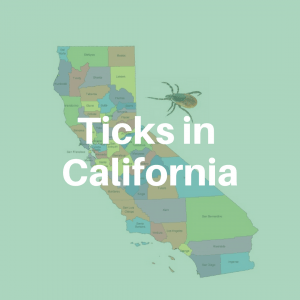
Infected Ticks in California? It’s Complicated

https://www.lymedisease.org/lyme-sci-california-ticks/

LYME SCI: Infected ticks in California? It’s complicated.

California-2-300x300

By Lonnie Marcum

Last week, I posted the verbal comments I made to the federal Tick-Borne Disease Working Group. At the same time, I also submitted written comments, which delved more deeply into issues specifically related to California. Here’s what I wrote:

California has one of the most diverse ecosystems in the world. The terrain ranges from sea level—with 840 miles of Pacific coastline; to the extremes of Death Valley—North America’s hottest, driest, lowest point; to Mount Whitney—the highest summit in the contiguous United States.

Along with this diverse terrain comes a high level of biodiversity, and with it 48 species of ticks—almost half of the known tick species in the United States. This means California is a prime breeding ground for tick-borne diseases [1].

But the CDC has come to view California as a low-risk state for Lyme disease even though Allen Steere reported otherwise in 1979:

“Lyme disease, defined by erythema chronicum migrans and sometimes followed by neurologic, cardiac, or joint involvement, is known to have affected 512 patients in the United States. The disease seems to occur in three distinct foci: along the northeastern coast, in Wisconsin, and in California and Oregon, a distribution that correlates closely with that of Ixodes dammini in the first two areas and with Ixodes pacificus in the last [2].”

Lyme is the tip of the iceberg

World-renowned medical entomologist Dr. Robert Lane has studied California ticks for over 40 years. His many accomplishments and pioneering tick studies include: the discovery of Borrelia bissettii (later named bissettiae) in California [3]; the identification of the western gray squirrel as the primary reservoir host for Lyme disease in California woodlands [4]; and his legendary 1982 collaboration with Dr. Wihelm (Willy) Burgdorfer on the first large-scale study of North American ticks—which identified Ixodes pacificus as the vector for Lyme disease in CA [5]. But Lyme is only one of myriad tick-borne problems that plague Californians.

Recently, Dr. Lane and I spoke at length about the number of known pathogens carried by California’s diverse ticks. Besides Lyme disease, the Ixodes pacificus tick (Western black-legged tick) can transmit many potentially fatal infectious agents, including:

  • Anaplasma phagocytophilum,
  • Babesia duncani,
  • Ehrlichia chaffeensis,
  • Borrelia (B. americana, B. burgdorferi, CA382, CA-11-2A, CA8)
  • Relapsing fever Borreliosis (B. bissettii, B hermsii, B. miyamotoi, B parkeri)[6].

Professor Lane, along with researchers at UC Berkeley and Yale, recently published a study examining a biobank of frozen blood samples from the 1980s, collected from residents of Mendocino County, CA. The results were astonishing. Twenty-six out of 101 samples were reactive for relapsing fever borreliosis, including B. miyamotoi—a bacteria that lacks both a standardized test and CDC surveillance. In addition, confirmatory blood tests showed 79% of those people had antibodies to tick saliva—a rate nearly three times that of residents of Block Island, Rhode Island, where 29% carry the antibodies [7].

According to the California Department of Public Health (CDPH), many pathogens transmitted by California ticks are known to cause illness in humans [8].

The illnesses caused by these pathogens include [9]:

  • Anaplasmosis
  • Babesiosis
  • Borrelia miyamotoi disease
  • Colorado tick fever virus
  • Ehrlichiosis
  • Lyme disease
  • Rocky Mountain spotted fever
  • Spotted fever Rickettsia
  • Tick-borne relapsing fever borreliosis
  • Tick paralysis
  • Tularemia
New reporting criteria harms low-incidence states

Many people consider Lyme disease an “East Coast thing.” Thus, it is often overlooked by physicians in the West, simply due to lack of knowledge. That lack of knowledge is partly responsible for the under-reporting of Lyme, but there are other obstacles. Californians sickened after a tick bite, not only have to find a physician willing to test for Lyme, but then each case must pass several strict checkpoints before making it to the CDC.

Up until recently, California physicians could report Lyme cases based upon tick exposure in a county known to carry Lyme, followed by an erythema migrans (EM) “bull’s-eye rash,” OR a positive 2-tier blood test [10]. Note: Lyme-infected ticks have been documented in 42 out of 58 California counties [9].

Under the new 2017 CDC criteria, an EM rash is only diagnostic if the patient was exposed less than 30 days prior, in a “high-incidence” state. A high-incidence state is now defined as one that averages 10 confirmed cases per 100,000 population. In 2015, 90% of all “confirmed” cases of Lyme disease were reported in 14 states. [11]

The CDC states: “Furthermore, Lyme disease is endemic in certain areas of the Pacific Coast that support the enzootic cycle, and although risk is documented in those areas, no states outside of the Northeast, mid-Atlantic, or upper Midwest regions met the criteria for high incidence.”

Today, inside of these 14 “high-incidence” states, an EM rash is considered diagnostic. In the other 36 states, all cases must be confirmed by a positive 2-tier blood test in order to be included in the CDC surveillance.

High risk areas of California

2006, Dr. Lane and other researchers at UC Berkeley and the California Department of Public Health (CDPH) documented counties in California that are endemic for Lyme disease, with up to 15% of ticks [12] carrying Borrelia, and up to 50 cases per 100,000 population [13].

From 2005 to 2014, the highest incidence of Lyme in California occurred in Trinity County, which is in the northern part of the state. In an earlier study, Dr. Lane concluded that Mendocino County, California, was as endemic as highly endemic areas in the Northeastern US.

For reference, Mendocino County, CA is almost twice the size of Delaware and three times larger than Rhode Island. Yet under the new reporting criteria, cases even in highly endemic areas of CA are less likely to be counted by the CDC. While the risk of contracting Lyme in many areas of CA is quite high, all cases will be held to the standards of a low-incidence state.

This means, in California, even if you have the diagnostic EM rash, your case will not be reported to the CDC unless you get a confirmatory positive result on both of the 2-tier blood tests.

There are two glaring problems with this:
  • The 2-tier blood test is only 59% sensitive to Lyme disease [14].
  • The standard test for Lyme will miss eight of California’s nine species of Borrelia.
Surveillance criteria are for surveillance

It is very important to know the difference between surveillance criteria and making a diagnosis of Lyme disease. Surveillance criteria are purposely stringent, so that the CDC can positively track the spread of disease. But even the CDC acknowledges something is off with the criteria.

In 2013, after conducting three separate studies, the CDC estimated the actual incidence of Lyme disease in the United States to be 10 times higher than the number of cases reported annually [15]. The chief epidemiologist for the CDC’s Lyme disease program said, “We know that routine surveillance only gives us part of the picture, and that the true number of illnesses is much greater.”

The CDC clearly states that its surveillance criteria are not to be used to rule out a diagnosis of Lyme disease, because it takes several weeks for patients to produce enough antibodies for the test to show positive. With early treatment being so critical, a diagnosis needs to be made based upon clinical signs and symptoms.

Per the CDC: “A diagnosis of Lyme disease should be considered in patients with compatible clinical signs and a history of potential exposure to infected ticks, not only in states with high incidence but also in areas where Lyme disease is known to be emerging.[16].”

California, along with many other states that fall below the 10 per 100,000 case cutoff, wind up in a vicious cycle: Decreased awareness leads to decreased testing, which leads to no listing on the CDC surveillance maps, which leads to doctors thinking, “We don’t have Lyme disease in (insert your state).”

Future directions

Due to the lack of awareness and education, the true incidence of Lyme and tick-borne diseases has been greatly under-detected. Because patients with tick bites are rarely tested for the full range of tick-borne pathogens, we really have no idea what is making them sick. Could undiagnosed Powassan, or some yet to be discovered virus, be contributing to the high percentage of Lyme patients with chronic symptoms?

The latest “Vital Signs” from the CDC reports over 75% of the 650,000 cases of vectorborne disease during 2004-2016 came from ticks, with Lyme disease accounting for 82% of all tickborne cases. Given that Lyme disease is the fastest growing vectorborne disease in the continental US, and the ability of ticks to transmit multiple pathogens the CDC needs to launch a robust public health response, at least to the level of mosquito borne diseases.

While I understand the CDC’s need to verify the spread of pathogens through highly specific confirmatory blood tests, this does nothing to help patients receive early effective treatment for tick-borne diseases.

What patients need is a highly sensitive test, capable of early detection of all tick-borne pathogens. Today we have the technology to make this happen. In fact, there are multiple laboratories already working on these tests. I suggest we give them every opportunity to succeed!

My recommendations:
  • Conduct tick studies in every U.S. county, map the pathogens and make them public.
  • Develop a single test that is capable of detecting all tick-borne pathogens in humans.
  • Make all tick-borne diseases reportable illnesses in every state.
  • Require tick-borne disease education in all medical schools.
  • Increase public health funding for tick-borne disease in every state.

References:

Furman DP, Loomis EC. The Ticks of California (Acari: Ixodida). Bulletin of the California Insect Survey. Volume 25. https://essig.berkeley.edu/documents/cis/cis25.pdf
Steere AC, Malawista SE. (1979) Cases of Lyme disease in the United States: locations correlated with distribution of Ixodes dammini. Annals of Internal Medicine. https://www.ncbi.nlm.nih.gov/pubmed/496106
Postic D, Ras NM, Lane RS, Hendson M, Baranton G. (1998) Expanded diversity among Californian borrelia isolates and description of Borrelia bissettii sp. nov. (formerly Borrelia group DN127). Journal of Clinical Microbiology. http://jcm.asm.org/content/36/12/3497.long
Lane RS, Mun J, Eisen RJ, Eisen L. (2005) Western gray squirrel (Rodentia: Sciuridae): a primary reservoir host of Borrelia burgdorferi in Californian oak woodlands? Journal Medical Entomology. May;42(3):388-96. https://www.ncbi.nlm.nih.gov/pubmed/15962792
Burgdorfer W, Lane RS, Barbour AG, Gresbrink RA, Anderson JR. (1985) The Western Black-Legged Tick, Ixodes Pacificus: A Vector of Borrelia Burgdorferi. The American Journal of Tropical Medicine and Hygiene. Volume 34, Issue 5. DOI: https://doi.org/10.4269/ajtmh.1985.34.925
A Phylocentric Browser of Borrelia Genomes. Available here: http://www.borreliabase.org Assessed April 28, 2018.
Krause PJ, Carroll M, Fedorova N, Brancato J, Dumouchel C, Akosa F, Narasimhan S, Fikrig E, Lane RS. (2018) Human Borrelia miyamotoi infection in California: Serodiagnosis is complicated by multiple endemic Borrelia PLOS One. https://doi.org/10.1371/journal.pone.0191725
Green G, Kjemtrup A, Ferris M. (2014) Local Frontiers: Tick-borne Infections in California. Sonoma Medicine. http://www.nbcms.org/about-us/sonoma-county-medical-association/magazine/fall-2014-medicine-and-politics-special-reports-local-frontiers-tick-borne-infections-in-california.aspx?pageid=713&tabid=747
Epidemiology and Prevention of Tick-borne Diseases in California. Information for Physicians and Other Health-Care and Public Health Professionals. Available at: https://www.cdph.ca.gov/Programs/CID/DCDC/CDPH%20Document%20Library/EpidemiologyandPreventionofTBDinCA.pdf Accessed: April 28, 2018.
Centers for Disease Control (CDC) National Notifiable Disease Surveillance System (NNDSS): Lyme disease (Borrelia burgdorferi) 2017 Case Definition. Available at: https://cdc.gov/nndss/conditions/lyme-disease/case-definition/2017/ Accessed April 28, 2018.
Centers for Disease Control (CDC) Lyme Disease: Data and Statistics. Available at: https://www.cdc.gov/lyme/stats/index.html Accessed April 28, 2018
University of California Statewide Integrated Pest Management Program (UCIPM): Lyme Disease in California. Revised 5/16.
Eisen RJ, Lane RS, Fritz CL, Eisen L. (2006) Spatial Patterns of Lyme disease Risk in California Based on Disease Incidence and Data Modeling of Vector-Tick Exposure. Am Society of Tropical Medicine and Hygiene. http://citeseerx.ist.psu.edu/viewdoc/download?doi=10.1.1.518.4342&rep=rep1&type=pdf
Cook MJ, Puri BK (2016) Commercial test kits for detection of Lyme borreliosis: a meta-analysis of test accuracy. Int’l Journal of General Medicine. https://www.dovepress.com/commercial-test-kits-for-detection-of-lyme-borreliosis-a-meta-analysis-peer-reviewed-fulltext-article-IJGM
Centers for Disease Control and Prevention. (2013) Press Release: CDC provides estimate of Americans diagnosed with Lyme disease each year. https://www.cdc.gov/media/releases/2013/p0819-lyme-disease.html
Schwartz A., Hinckley A., Mead P. et al., Surveillance for Lyme disease, United States, 2008 – 2015. MMWR Surveill Summ. 2017 Nov 10;66(22):1-12. doi: 10.15585/mmwr.ss6622a1
Rosenberg R, Lindsey NP, et al. (2018) CDC: MMWR. Vital Signs: Trends in Reported Vectorborne Disease Cases — United States and Territories, 2004–2016. https://www.cdc.gov/mmwr/volumes/67/wr/mm6717e1.htm?s

More on California:

https://madisonarealymesupportgroup.com/2017/08/07/california-lyme-cases-get-no-respect/

https://madisonarealymesupportgroup.com/2018/02/02/miyamotoi-in-ixodes-pacificus-in-california/

https://madisonarealymesupportgroup.com/2018/02/15/b-miyamotoi-in-ca-ticks-for-a-long-time/

https://madisonarealymesupportgroup.com/2018/02/14/borrelia-miyamotoi-in-ca-serodiagnosis-is-complicated-by-multiple-endemic-borrelia-species/

https://madisonarealymesupportgroup.com/2017/10/09/bb-in-california-chipmunk-and-squirrels/

https://madisonarealymesupportgroup.com/2011/09/25/putting-lyme-behind-you-questions-and-answers-with-california-lyme-doctors/

Governor Cuomo Announces Lyme & Tick-Borne Disease Control Plan

https://www.lymedisease.org/governor-cuomo-announces-lyme-tick-borne-disease-control-plan/

Governor Cuomo Announces Lyme and Tick-Borne Disease Control Plan

Press release from http://www.Governor.NY.Gov 5/18/18:

Expands Tick Control Methods on Public Lands and Includes Expanded Education and Outreach Campaign Aimed at Hunters and Hikers Susceptible to Tick Bites

Governor Directs Department of Health to Pursue Partnership with Research Entity to Develop More Effective Diagnostic Test

Governor Andrew M. Cuomo today announced an aggressive Lyme and tick-borne disease control plan to control tick populations on public lands, increase public awareness and access to available data, and create a working group to participate in a Lyme disease summit this summer. To implement this plan, the Governor has directed the Department of Health, Department of Environmental Conservation, and the Office of Parks, Recreation and Historic Preservation to collaborate in order to target priority counties and public lands with the highest risk of tick exposure and Lyme disease. Tick season has started in many areas of the state and will continue through November.

“Lyme disease and other tick-borne illnesses are a major threat to the health and wellbeing of New Yorkers, and we are taking aggressive actions to help stop the spread of these disease,” Governor Cuomo said. “With this control plan, New York is making a major commitment to research, awareness, and prevention of this public health crisis to keep New Yorkers safe and free of these preventable diseases.”

Tick Control Methods

Tick control methods will include strategic application of eco-friendly tick control treatments on parkland in the Hudson Valley, Capital Region, and Southern Tier where the public is at the highest risk of tick exposure and Lyme disease. Additionally, the state will expand the use of 4-Poster “tickicide” deer treatment feeding stations that help to control ticks spread by white-tailed deer. While the deer feed on corn at the station, treated rollers brush insecticide against the animal’s neck, head, and ears where many adult ticks tend to feed. The stations are already successfully in use in certain areas on Long Island, including Robert Moses State Park and Connetquot River State Park.

Due to rodents also being largely responsible for infecting ticks with Lyme disease, the state will expand use of commercial products to combat the spread of illness by rodents. This includes the deployment of tubes filled with permethrin-treated cotton balls which mice use for nesting material, which kills the ticks in their early larval stage when they attach to mice. The state will also expand its usage of the Tick Control System, a small box that attracts rodents. When an animal enters the box, it receives a low dose of fipronil, which is the active ingredient in many treatments used to eliminate ticks on dogs and cats. The state will also conduct aggressive routine maintenance of vegetation areas at these parks to minimize potential exposure of visitors to ticks.

Expanded Education And Outreach

Beginning immediately, participating agencies will develop a campaign focused on deploying information about tick-borne disease and prevention, specifically targeting high-risk groups such as hunters and hikers. DEC will expand its website to include a tick-borne disease page featuring information relevant to anglers, hunters, trappers, hikers, and those who enjoy outdoor recreation in New York. This page will also be linked with DOH’s website.

In addition, DEC will coordinate with 1,600 sporting license issuing agents across the state to distribute information and material on ticks and tick-borne diseases, and will utilize agencies’ mailing lists and electronic newsletters to keep thousands of outdoor enthusiasts informed. OPRHP will also distribute information and materials to hunters through their hunting permit program and make information available to visitors, and will continue to post metal tick warning signs on state lands and parks.

Expanded Data Access

DOH will post current and retrospective tick collection and testing results to Health Data NY, opening up the data to the public. This information was previously only shared with local health departments and state park managers to aid in their education and prevention campaigns. Given the considerable interest in this information from providers, researchers and advocates, the Department will now make this information more readily available to the general public.

Research And Evaluation

Tick-borne diseases, particularly Lyme disease, are among the fastest growing infectious diseases in the United States. However, diagnosing Lyme disease can be particularly difficult. Patients with Lyme disease can present a number of possible symptoms, which can wane over time, and be easily confused with hundreds of other diseases. The Governor has directed the Department of Health to pursue private research partnerships to develop a better diagnostic test, which can ultimately lead to more effective treatments.

Working Group And Summit

Governor Cuomo has directed the Department of Health to establish a new working group on Lyme and other tick-borne diseases comprised of representatives from professional organizations, academic institutions, and local health departments. The working group will join participating state agencies at a one-day summit, to be held this summer, to review New York State’s current initiatives and make policy recommendations on actions that New York State can take in the next one to three years to advance prevention, diagnostics, and other best practices.

New York State Health Commissioner Dr. Howard Zucker said, “These new initiatives complement the Department’s renowned research efforts and aggressive actions to better inform and better protect New Yorkers from tick-borne illnesses. I commend Governor Cuomo for this commitment and for instituting bold new control measures to help limit the spread of these diseases and protect public health.”

Department of Environmental Conservation Commissioner Basil Seggos said, “With more people recreating in our unparalleled natural resources, today’s actions are another example of the Governor’s commitment to ensuring everyone can safely enjoy the great outdoors in New York State. From hunters to hikers, everyone can do their part to be tick smart, and we encourage residents and visitors to follow our important tick safety recommendations before heading outside this year.”

State Parks Commissioner Rose Harvey said, “To increase the opportunity for a safe and enjoyable experience we encourage all visitors to pay special attention to the number of ways they can protect themselves while outdoors. Thank you Governor Cuomo and our partners at the Departments of Health and Environmental Conservation for adopting these important measures.”

Tick Prevention Tips

While hiking, working, or spending time in wooded areas:

  • Wear long pants and long-sleeved shirts to protect against ticks other biting insects
  • Check for ticks every two to three hours while outdoors and brush off any ticks before they attach
  • Perform a full body check multiple times during the day, as well as at the end of the day to ensure that no ticks are attached
  • Consider use of repellents containing DEET, picaridin, or IR3535, following label instructions
    For more information about Lyme disease and other tick-borne diseases, visit: https://www.health.ny.gov/diseases/communicable/lyme/.