
https://reclaimthenet.org/un-cybercrime-treaty-human-rights-concerns-ratification
UN General Assembly Adopts Controversial Cybercrime Treaty Amid Criticism Over Censorship and Surveillance Risks
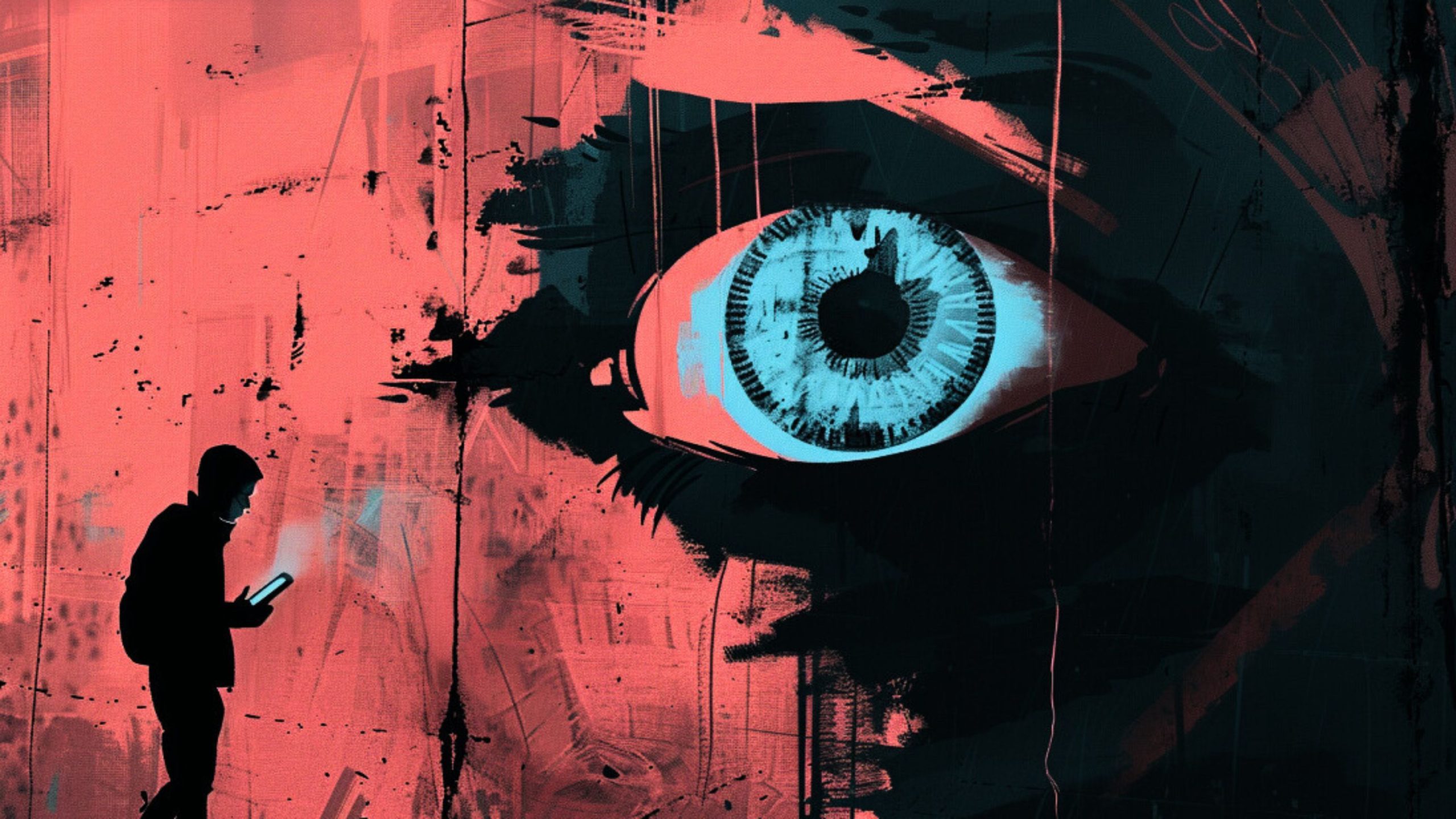
As we expected, even though opponents have been warning that the United Nations Convention Against Cybercrime needed to have a narrower scope, strong human rights safeguard and be more clearly defined in order to avoid abuse – the UN General Assembly has just adopted the documents, after five years of wrangling between various stakeholders.
It is now up to UN-member states to first sign, and then ratify the treaty that will come into force three months after the 40th country does that.
The UN bureaucracy is pleased with the development, hailing the convention as a “landmark” and “historic” global treaty that will improve cross-border cooperation against cybercrime and digital threats.
But critics have been saying that speech and human rights might fall victim to the treaty since various UN members treat human rights and privacy in vastly different ways – while the treaty now in a way “standardizes” law enforcement agencies’ investigative powers across borders.
Considerable emphasis has been put by some on how “authoritarian” countries might abuse this new tool meant to tackle online crime – but in reality, this concern applies to any country that ends up ratifying the treaty.
Another point of criticism has been that UN members individually already have laws that address the same issues, rendering the convention superfluous – unless it is to extend some of those authoritarian powers to the countries that don’t formally have them, and can’t outright pass them at home for political reasons.
Since the UN General Assembly adopted the resolution without a vote – after the text was previously agreed on by negotiators – it is not immediately clear how many countries might sign it next year, and ratify what would then become a legally binding document.
In the meanwhile, a spokesperson for UN Secretary-General Antonio Guterres referred to the treaty as “a demonstration of multilateralism.”
Where opponents see potential for undemocratic law enforcement practices spilling over sovereign borders, UN representatives speak about “an unprecedented platform for cooperation” that will allow agencies to exchange evidence, create a safe cyberspace, and protect victims of crimes such as child sexual abuse, scams and money laundering.
And they claim all this will be achieved “while safeguarding human rights online.” (See link for article)
_______________
https://www.dailymail.co.uk/news/article-14224123/Trump-withdraw-puppet-Beijing-Covid
Trump looks to withdraw from WHO on first day of his administration after calling the health body a puppet of Beijing for failing to hold China accountable for COVID
Donald Trump‘s presidential transition team is planning an immediate withdrawal from the World Health Organization, an expert familiar with the discussions has said.
The president-elect, 78, has repeatedly called the health body a puppet of Beijing for failing to hold China accountable for the early spread of Covid-19.
Members of Trump’s team have now told experts of their intention to withdraw from the WHO on January 20 – the first day of his second term.
‘I have it on good authority that he plans to withdraw, probably on Day One or very early in his administration,’ said Lawrence Gostin, professor of global health at Georgetown University in Washington and director of the WHO Collaborating Center on National and Global Health Law.
The Financial Times was first to report on the plans, citing two experts. The second expert, former White House COVID-19 response coordinator Ashish Jha, was not immediately available for comment.
A withdrawal from the WHO would mark a dramatic shift in US global health policy and further isolate Washington from international efforts to battle pandemics.
The departure would also deny the healthy body of its biggest donor with the US providing the WHO with about 16 per cent of its funding in 2022-23. (See link for article)
For more:
- https://madisonarealymesupportgroup.com/2024/02/12/un-foundation-bankrolling-us-politics-under-climate-change-narrative/
- https://madisonarealymesupportgroup.com/2024/09/13/nations-to-swear-fealty-to-un-weapons-maker-develops-disinformation-system-take-action-against-digital-id-diabolical-save-act/
- https://madisonarealymesupportgroup.com/2024/07/17/connecting-the-global-web-working-against-humanity/
- https://madisonarealymesupportgroup.com/2023/09/25/un-faces-resistance-but-implements-7-year-global-agenda-wef-doubles-down-marburg-via-5g-next/ Within link is a crucial 12 minute video on the diabolical UN Agenda 21 (now Agenda 2030) which has been in play since 1992. Similarly to the WHO ‘Pandemic Treaty,’ this plan is a global monopoly with the taxpayer completely in the dark, but footing the bill. A necessary part of this plan is digital ID, 5G, digitization, smart cities, global surveillance, and much, much more.
- https://madisonarealymesupportgroup.com/2024/05/23/time-to-stop-who/
- https://madisonarealymesupportgroup.com/2024/11/05/who-pandemic-treaty-fails-but-new-version-is-proposed/
- https://madisonarealymesupportgroup.com/2024/10/24/un-takeover-who-on-verge-of-agreement-the-vaccine-culture-war/
 Madison Area Lyme Support Group