
https://www.lymedisease.org/parasites-viruses-yeast-fungal-infections/
The Importance of Looking at Parasites, Viruses, Yeast and Fungal Infections
Parasitic Infections
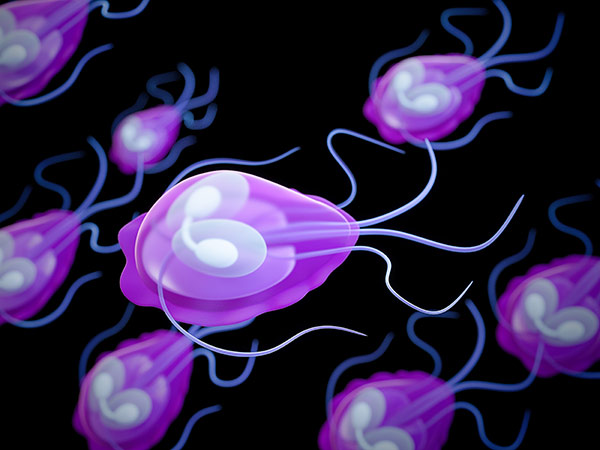 Intestinal parasites like giardia, amoeba, pinworm, hookworm, schistosomiasis, and strongyloides are part of the MSIDS map. These infections are found on both serum antibody testing and stool cultures (i.e., local labs, Genova stool CDSA). Although we generally think of parasitic worms as only inhabiting the GI tract, Dr. Alan MacDonald recently found nematode filarial worms in the cerebrospinal fluid of patients with multiple sclerosis and Alzheimer’s disease at autopsy. Dr. Eva Sapi has found filarial worms in Ixodes scapularis ticks, and Zhang and colleagues found them in lone star ticks, so it is possible that filarial worms are being regurgitated from the gut of the tick into humans after a tick bite. Dr. Steven Fry has found parasites in the bloodstream living in biofilms, called Protomyxoa rheumatica (FL-1953), which are composed of up to eight different genetic types of parasites. Babesia suppresses our ability to clear other parasites, so are multiple parasites partially responsible for chronic illness in Lyme-MSIDS?
Parasites apart from Babesia can play an important role in keeping chronic Lyme patients sick, and antiparasitic regimens are often important.
Regimens including Biltricide, ivermectin, pyrantel pamoate (Pin-X), paromomycin, Alinia, and Albenza have been effective in certain patients with not only persistent GI symptoms but also fatigue, headaches, and myalgias resistant to classical tick-borne therapy. Some Morgellons patients report noticing help using antiparasitic drugs in combination with regimens against Lyme and tick-borne co-infections (like Bartonella), and some neuropsychiatric Lyme patients have seen improvement in cognition and behavior with antiparasitic drugs. Make sure you do a comprehensive parasite evaluation if you or your patient is not getting better. (See link for article)
__________________
For more:
- https://madisonarealymesupportgroup.com/2016/02/13/lyme-disease-treatment/
- https://madisonarealymesupportgroup.com/2016/01/16/babesia-treatment/
- https://madisonarealymesupportgroup.com/2023/10/10/virus-prevention-treatment-review/
- https://covid19criticalcare.com/treatment-protocols/
- https://madisonarealymesupportgroup.com/2023/02/10/how-to-fix-recurring-treatment-resistant-intestinal-yeast-overgrowth/
- https://madisonarealymesupportgroup.com/2021/05/11/candida-lyme/
- https://madisonarealymesupportgroup.com/2023/01/06/are-parasites-making-you-sick-heres-everything-you-need-to-know-if-you-have-lyme-msids/
- https://madisonarealymesupportgroup.com/2017/10/03/removing-parasites-to-fix-lyme-chronic-illnesses-dr-jay-davidson/
 Madison Area Lyme Support Group