Archive for July, 2019

OPINION: How Many Cases of Lyme Disease Are We Missing?

https://www.thechronicleherald.ca/opinion/opinion-how-many-cases-of-lyme-disease-are-we-missing-327404/

OPINION: How many cases of Lyme disease are we missing?

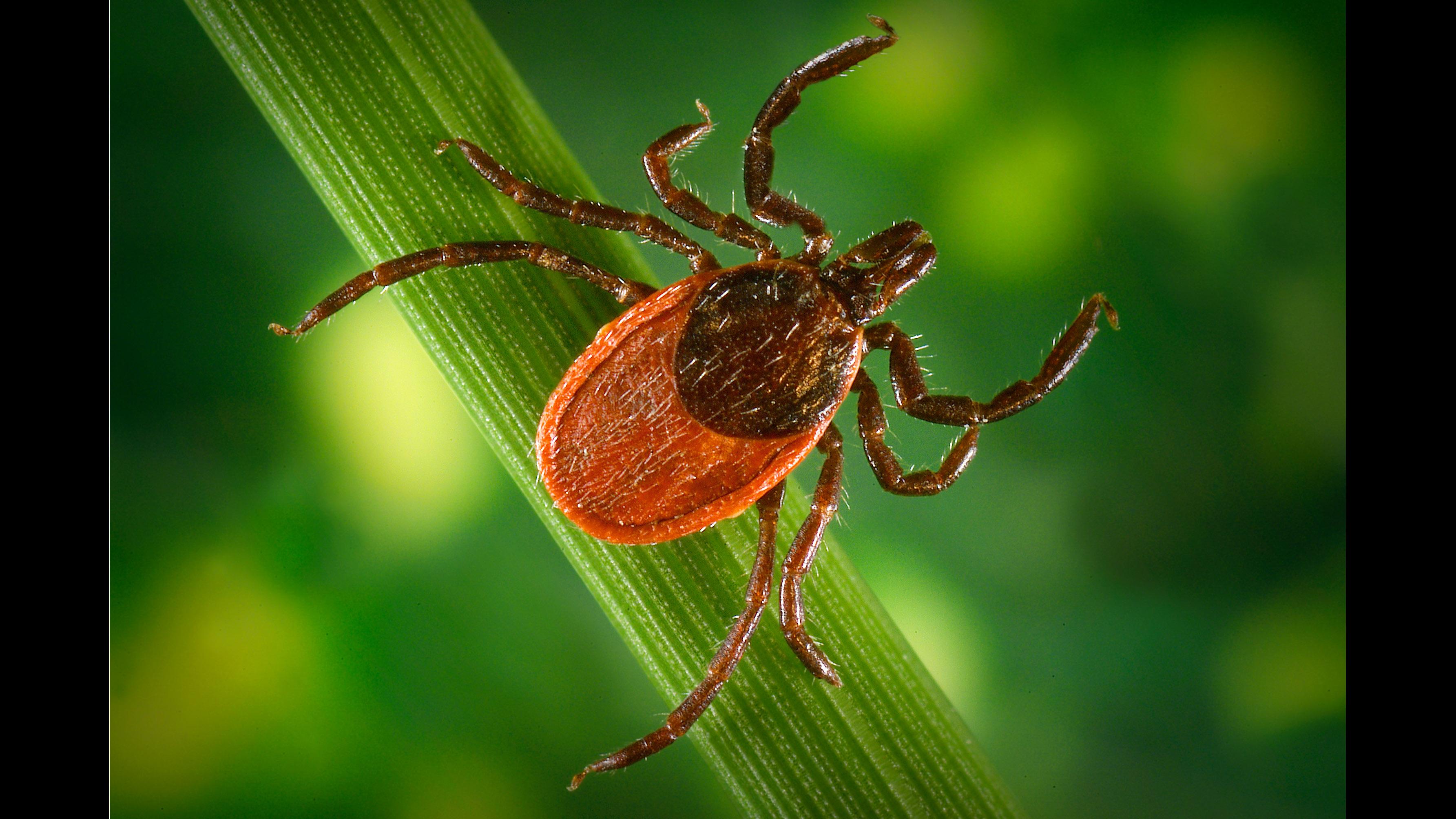
 Black-legged, or deer ticks are not the only kind of tick that can transmit disease, dog ticks like the one shown here and have been found to carry a number of things, writes Donna Lugar. - 123RF
Black-legged, or deer ticks are not the only kind of tick that can transmit disease, dog ticks like the one shown here and have been found to carry a number of things, writes Donna Lugar. – 123RF

DONNA LUGAR

I participated in a “Tick Talk” in Bedford with Lisa Ali Learning of AtlanTick on June 25. One takeaway from that meeting, for me anyway, is that we are not doing enough to ensure Nova Scotians are adequately aware of the risks associated with tick bites. One family, new to the country, had never even heard of ticks before one recently attached to their child.

Although there has been a steady increase in awareness initiatives over the past few years, we need to continue to do more to reduce the number of new cases of Lyme and tick-borne diseases. One way to do this is through more “in your face” awareness, such as signage, print media and radio/TV alerts. Nova Scotians need to reach out to all three levels of government to request that more is done.

Nova Scotians need to know that any tick that bites them could potentially transmit an illness. Black-legged (deer) ticks are not the only kind of tick that can transmit disease, and Lyme is not the only thing we need to worry about. Dog (wood) ticks have been found to carry a number of things, and Lone Star ticks have been found sporadically within the province. As well, migratory birds could be dropping other types of ticks within the province that we haven’t even discovered yet. Any tick that bites a human could potentially be carrying disease — sometimes multiple illnesses.

Symptoms can vary from person to person, with some not showing any outward, visible signs, so medical professionals need to listen to their patients and start to put two and two together.

Please learn what preventative measures to take and how to properly remove attached ticks. This document, which I prepared, provides a lot of information, including how to remove a tick, what to do to prevent tick bites, as well as outlining a number of potential co-infections.

We also need to do more to ensure that those bitten receive a quick diagnosis and appropriate treatment. It’s time our doctors learn that, according to the Canadian Adverse Reaction Newsletter, Volume 22, Issue 4, October, 2012, there are at least three possible reasons for a false negative ELISA/Western Blot.

  • The fact that the test is performed too early (which most are aware of)
  • It could be a different strain of the Borrelia bacteria not picked up by the test (we also have Borrelia miyamotoi in the province, which can cause a Lyme-like illness and doesn’t generally present with a rash)
  • Antibiotic use. If you were put on antibiotics for something between the bite and the test, or only received a one-day prophylactic treatment upon the bite, you could always test false-negative.

According to Conquering Lyme Disease, a book by doctors at the Columbia University Medical Center, “false negative rates on the ELISA have been reported as high as 67 per cent in early Lyme disease and 21 per cent in early neurologic Lyme disease.” The potential for people to not form enough antibodies to be picked up by the test is also possible.

If your test is negative, it doesn’t mean you do not have Lyme!

There is a proviso in Guidance for Primary Care and Emergency Medicine Providers in the Management of Lyme Disease in Nova Scotia that states, on page five, No: 3, under IDEG Recommends: “Patients presenting with a non-specific febrile illness, but no EM–like rash, AND a recent, clear exposure in an area at moderate or higher risk for Lyme disease (https://novascotia.ca/dhw/CDPC/lyme.asp) should be tested and monitored for other symptoms suggestive of Lyme disease. Repeat testing in 4-6 weeks is suggested if there are still concerns that the patient has Lyme disease.” I have only heard from a few people who received repeat testing and that was usually at their own insistence.

Also very important to note is that Lyme is supposed to be a clinical diagnosis, with testing supplementary. Unfortunately, doctors may recognize the better-known bull’s-eye rash, but that is only seen in 20-30 per cent of cases (if that). Other types of erythema migrans rashes are more common. About 20 per cent do not get any rash (Borrelia miyamotoi, perhaps?), while many that do don’t see it because it is tucked away somewhere not easily visible, just like the ticks like to be.

Symptoms can vary from person to person, with some not showing any outward, visible signs (such as an erythema migrans rash, Bell’s palsy, or swollen, hot knees), so medical professionals need to listen to their patients and start to put two and two together. That includes changes in mental health, new digestive issues, new sensitivities to scents, sounds, light and food, migrating pain, more frequent headaches, changes to heartbeats, and so much more that can be suggestive of Lyme and tick-borne diseases.

Rather than immediately dismissing Lyme and tick-borne diseases, as many doctors are still doing to this day, they need to realize that this issue is not rare, hard to get or easy to treat.

In other words, it is very hard to get a diagnosis if you do not see the tick, get the bull’s eye rash version of the erythema migrans rash, and/or test positive on both the ELISA and confirmatory Western Blot.

How many are we missing?

Donna Lugar is Nova Scotia representative of the Canadian Lyme Disease Foundation and founder of the N.S. Lyme Support Group. She lives in Bedford.
 

Polio-like Manifestation of Powassan Virus With Anterior Horn Cell Involvement, Canada

https://wwwnc.cdc.gov/eid/article/25/8/19-0399_article

Volume 25, Number 8—August 2019
Research Letter

Polio-like Manifestation of Powassan Virus Infection with Anterior Horn Cell Involvement, Canada

Picheca C, Yogendrakumar V, Brooks JI, Torres C, Pringle E, Zwicker J. Polio-like manifestation of Powassan virus infection with anterior horn cell involvement, Canada. Emerg Infect Dis. 2019 Aug [date cited]. https://doi.org/10.3201/eid2508.190399

DOI: 10.3201/eid2508.190399

Original Publication Date: 6/3/2019

Abstract

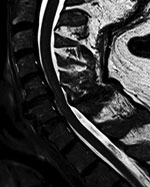
Evidence of spinal cord involvement in Powassan virus infection is largely limited to mouse models. We report a case of a polio-like illness caused by Powassan virus infection in a 62-year-old man in Canada. Magnetic resonance imaging showed T2 hyperintensities in the anterior horns of the cervical spinal cord.

Powassan virus (POWV) is a tickborne flavivirus, named after Powassan, Ontario, Canada, the location of the first documented human infection in 1958 (1). Since then, ≈150 cases of POWV infection have been reported globally, and incidence has increased over time. A total of 125 POWV cases have been identified since 2008, 33 (26%) in 2017 (2). In Canada, most reported POWV infections have been in the Great Lakes regions. A small number of cases have been reported in the Maritime provinces (3).

POWV is transmitted by members of the Ixodes genus of ticks, including I. cookei and the more opportunistic and aggressive I. scapularis. POWV has 2 lineages; lineage 2 (deer tick virus) has emerged quickly in parts of North America, along with the expanding range of I. scapularis ticks.

POWV infection typically begins with prodromal symptoms including fever, nausea, headache, and myalgia. Central nervous system involvement includes an altered level of consciousness, paralysis, or ophthalmoplegia (4). POWV encephalitis has a 10% mortality rate, and <50% of survivors suffer residual deficits (5). Studies with mice have demonstrated that POWV can affect motor neurons in the anterior horns of the spinal cord (6). These same neurons are affected by poliovirus, West Nile virus, and enterovirus D68 (7). However, POWV infection with cord involvement in humans is not well documented; 1 human case demonstrated motor neuron pathology after POWV lineage 2 infection (8), and a second case with suspected motor neuronopathy was reported in 2018 (9).

We present the case of a 62-year-old man living in urban Ontario who experienced nausea, vomiting, and abdominal pain while vacationing in rural Newfoundland. He sought treatment at a hospital in Nova Scotia and experienced diplopia (double vision) and ataxia (movement disorder). A computed tomography scan of the head did not show any acute intracranial event.

The patient became febrile and experienced dysarthria (motor speech disorder) weakness, and respiratory distress. Cerebrospinal fluid analysis showed pleocytosis (159 × 106 total nucleated cells: 42% neutrophils, 43% lymphocytes) and elevated protein levels (0.79 g/L). He was started on empiric treatment with ceftriaxone, ampicillin, acyclovir, and dexamethasone. Results of tests for Cryptococcus, HIV, syphilis, Lyme disease, herpes simplex viruses 1 and 2, varicella zoster virus, and acid-fast bacilli were negative. Initial arbovirus serology results were negative. The patient worsened, requiring intubation and transfer to an intensive care unit.

Seven days after arriving at the hospital, the patient was unable to lift his arms and was transferred to a tertiary center in Ottawa, Ontario (The Ottawa Hospital). Neurologic exam showed facial and extraocular muscle weakness. He had flaccid tone and absent power in his upper extremities and reduced strength in his lower extremities. Sensation was preserved. Nerve conduction studies demonstrated diffusely low motor amplitudes, normal sensory amplitudes, and normal conduction velocities suggestive of a motor neuronopathy. Electromyography in the acute phase was not possible due to poor patient cooperation.

Thumbnail of Coronal T2-weighted image of cervical spinal cord in a patient with Powassan virus infection, Canada. A longitudinal hyperintensity of the anterior horn is visible from C3 to C6.Figure. Coronal T2-weighted image of cervical spinal cord in a patient with Powassan virus infection, Canada. A longitudinal hyperintensity of the anterior horn is visible from C3 to C6.

Results of paired convalescent arbovirus serology collected 1 month after symptom onset were positive. Testing at the National Microbiology Laboratory confirmed POWV infection (hemagglutination inhibition titer 1:80, plaque-reduction neutralization titer 1:160). Magnetic resonance imaging (MRI) of the brain showed infratentorial and supratentorial leptomeningeal enhancement. An MRI of the cervical spine showed increased T2-weighted signal involving the anterior horns from C3 to C6 (Figure; Appendix Figure).

Follow-up MRI of the brain and spine 1 month later showed interval resolution of leptomeningeal abnormalities, but abnormal signal within the anterior horn of the cervical spine remained. Electrodiagnostic testing repeated 6 months after symptom onset again showed normal sensory nerve conduction studies and abnormal motor nerve conduction studies. There was diffuse denervation in all cervical myotomes including the paraspinal muscles, confirming a motor neuronopathy consistent with a poliomyelitis-like presentation of POWV. We suspect that initial arbovirus serology was performed too early in the disease course, because paired serology 4 weeks later demonstrated seroconversion and confirmed diagnosis.

Our case shares similarities with a recently published report of POWV infection (9). In that case, a patient vacationing in the Luskville region of Quebec, Canada, experienced cranial nerve pathologies and flaccid weakness of the upper extremities. Electrodiagnostic testing showed evidence of diffuse denervation and reinnervation across multiple myotomes that was consistent with a motor neuronopathy. Imaging of the brain showed only mild hyperintensities that would not account for the patient’s disproportionate weakness. A spine MRI was not performed. As in our case, acute arbovirus serology results were initially negative but were positive in paired testing (9).

The incidence of POWV infection has increased since 2017 (7). I. scapularis ticks and deer tick virus may be becoming more widely disseminated in northern regions, potentially due to warming climates, whereas infection with prototypical POWV transmitted by I. cookei ticks remains rare and stable in distribution (10). It is possible that Canada will see an increasing number of cases similar to ours. Our findings emphasize the need to include POWV infection in the differential diagnosis for patients with polio-like symptoms in tick-endemic regions.

Dr. Picheca and Dr. Yogendrakumar are resident physicians specializing in neurology at the University of Ottawa. Dr. Picheca has an interest in infectious diseases. Dr. Yogendrakumar’s primary research interests are in stroke and intracerebral hemorrhage.

Top

References

  1. McLEAN  DM, Donohue  WL. Powassan virus: isolation of virus from a fatal case of encephalitis. Can Med Assoc J. 1959;80:70811.PubMedExternal Link
  2. Centers for Disease Control and Prevention. Statistics & maps: Powassan virus. 2018 [cited 2019 Mar 13]. https://www.cdc.gov/powassan/statistics.html
  3. Corrin  T, Greig  J, Harding  S, Young  I, Mascarenhas  M, Waddell  LA. Powassan virus, a scoping review of the global evidence. Zoonoses Public Health. 2018 [cited 2019 Mar 13].
  4. Sung  S, Wurcel  AG, Whittier  S, Kulas  K, Kramer  LD, Flam  R, et al. Powassan meningoencephalitis, New York, New York, USA. Emerg Infect Dis. 2013;19:19. DOIExternal LinkPubMedExternal Link
  5. Ebel  GD. Update on Powassan virus: emergence of a North American tick-borne flavivirus. Annu Rev Entomol. 2010;55:95110. DOIExternal LinkPubMedExternal Link
  6. Santos  RI, Hermance  ME, Gelman  BB, Thangamani  S. Spinal cord ventral horns and lymphoid organ involvement in Powassan virus infection in a mouse model. Viruses. 2016;8:220. DOIExternal LinkPubMedExternal Link
  7. Hermance  ME, Thangamani  S. Powassan virus: an emerging arbovirus of public health concern in North America. Vector Borne Zoonotic Dis. 2017;17:45362. DOIExternal LinkPubMedExternal Link
  8. Tavakoli  NP, Wang  H, Dupuis  M, Hull  R, Ebel  GD, Gilmore  EJ, et al. Fatal case of deer tick virus encephalitis. N Engl J Med. 2009;360:2099107. DOIExternal LinkPubMedExternal Link
  9. Sanderson  M, Lindsay  LR, Campbell  TM, Morshed  M. A case of Powassan encephalitis acquired in southern Quebec. CMAJ. 2018;190:E147880. DOIExternal LinkPubMedExternal Link
  10. Fatmi  SS, Zehra  R, Carpenter  DO. Powassan virus—a new reemerging tick-borne disease. Front Public Health. 2017;5:342. DOIExternal LinkPubMedExternal Link

Figure. Coronal T2-weighted image of cervical spinal cord in a patient with Powassan virus infection, Canada. A longitudinal hyperintensity of the anterior horn is visible from C3 to C6.

__________________

**Comment**

Polio-like systems include:

  • Loss of reflexes
  • Severe muscle aches or weakness
  • Loose and floppy limbs (flaccid paralysis)
  • Muscle wasting (atrophy)
  • Breathing or swallowing problems

Remember, ticks are everywhere. I do not like how the authors state to consider POWV in “endemic regions.” Birds are transporting ticks everywhere – despite the weather.

For more:  https://madisonarealymesupportgroup.com/2016/02/21/powassan-virus/

https://madisonarealymesupportgroup.com/2017/06/28/powassan-can-kill/

https://madisonarealymesupportgroup.com/2019/06/11/death-of-hampton-man-with-rare-tick-borne-virus-probed/  Read comment after article. 

https://madisonarealymesupportgroup.com/2017/05/18/powassan-and-bb-infection-in-wisconsin-and-u-s-tick-populations/

Nearly 80% of adult female I. scapularis ticks analyzed were collected from the northern half of the state (QNW and QNE) and accounted for 85% of POWV-positive ticks. While only 90 I. scapularis ticks were collected from the southern two quadrants, POWV-positive ticks were identified in both QSE and QSW. QNW I. scapularis ticks revealed the highest MLE of infection for both POWV and B. burgdorferi (4.67% and 23.42%, respectively).

Wisconsin Public Radio on Tick-Borne Illness Center of Excellence

Tick-Borne Illness Center

Air Date: Monday, July 1, 2019, 11:00am

Wisconsin Public Radio

There is much to learn about the diseases caused by ticks. We talk with a physician about a new Wisconsin clinic that will diagnosis and treat, but also focuses on research.

Related Links: 

Howard Young Foundation website

Info about the clinic in the Howard Young Foundation newsletter

Host(s): Larry Meiller

Guest(s): Dr. Andreas (Andy) Kogelnik

Producer(s): Jill Nadeau

_____________________

For more:  https://madisonarealymesupportgroup.com/2019/01/11/wisconsin-tick-borne-illness-center-of-excellence/

https://madisonarealymesupportgroup.com/2018/12/16/tick-borne-illness-center-of-excellence-set-to-see-patients-in-early-2019/

https://www.howardyoungfoundation.org/Howard-Young-Foundation-In-the-News/tick-center.html


Prevalence & Genetic Characterization of Deer Tick Virus (Powassan Virus, Lineage II) in Ixodes Scapularis Ticks Collected in Maine

http://www.ajtmh.org/content/journals/10.4269/ajtmh.19-0281

Prevalence and Genetic Characterization of Deer Tick Virus (Powassan Virus, Lineage II) in Ticks Collected in Maine

Abstract

Deer tick virus (DTV) is a genetic variant of Powassan virus (POWV) that circulates in North America in an enzootic cycle involving the blacklegged or “deer tick,” , and small rodents such as the white-footed mouse. The number of reported human cases with neuroinvasive disease has increased substantially over the past few years, indicating that POWV may be of increasing public health importance. To this end, we sought to estimate POWV infection rates in questing collected from four health districts in Maine (York, Cumberland, Midcoast, and Central Maine). Infection rates were 1.6%, 1.7%, 0.7%, and 0%, respectively, for adults collected from April to November in 2016. Adults collected in October and November in 2017 from York and Cumberland counties had slightly higher rates of 2.3% and 3.5%, respectively. There was no difference in the number of males verses the number of females infected. All positive samples were of the DTV (lineage II) variant. Phylogenetic analysis was performed on 8 of the 15 DTV sequences obtained in 2016. Deer tick virus from the coastal regions were genetically similar and clustered with virus strains isolated from from New York State and Bridgeport, CT. The two inland viruses were genetically nearly identical and grouped with viruses from Massachusetts, Connecticut, and New York. These results are the first reported infection rates and sequences for POWV in questing ticks collected in Maine and will provide a reference point for future POWV studies.

________________

More on Powassan Virus:  https://madisonarealymesupportgroup.com/2016/02/21/powassan-virus/

https://madisonarealymesupportgroup.com/2017/05/18/powassan-and-bb-infection-in-wisconsin-and-u-s-tick-populations/

https://madisonarealymesupportgroup.com/2018/06/13/half-of-powassan-cases-from-wisconsin-and-minnesota/

https://madisonarealymesupportgroup.com/2019/05/04/tick-borne-powassan-virus-confirmed-in-6-minnesota-counties/

https://madisonarealymesupportgroup.com/2019/03/08/seroprevalence-of-bb-bm-powassan-in-residents-bitten-by-ixodes-ticks/

Powassan is NOT RARE:  https://madisonarealymesupportgroup.com/2019/06/11/death-of-hampton-man-with-rare-tick-borne-virus-probed/  Please read comment after article.

https://madisonarealymesupportgroup.com/2019/03/04/powassan-virus-on-the-up-tick/

https://madisonarealymesupportgroup.com/2018/01/25/new-powassan-test-89-sensitive/

https://madisonarealymesupportgroup.com/2017/06/28/powassan-can-kill/


What You Need To Know About Bug Sprays

 Approx. 9 Min.

What You Need to Know About Bug Sprays

By LYMETV

https://lymetv.org

For more on tick prevention:  https://madisonarealymesupportgroup.com/2019/04/12/tick-prevention-2019/

https://madisonarealymesupportgroup.com/2019/06/16/study-shows-effectiveness-of-factory-treated-permethrin-impregnated-clothing-works/

https://madisonarealymesupportgroup.com/2018/05/27/study-conforms-permethrin-causes-ticks-to-drop-off-clothing/

https://madisonarealymesupportgroup.com/2019/06/08/ticks-are-out-for-the-summer-how-can-bites-be-prevented/

https://madisonarealymesupportgroup.com/2018/04/03/fire-good-news-for-tick-reduction/

https://madisonarealymesupportgroup.com/2018/09/15/talking-tick-prevention-ask-a-uw-veterinarian/