
http://outbreaknewstoday.com/crimean-congo-hemorrhagic-fever-cchf-outbreak-declared-namibia-11626/
Crimean-Congo hemorrhagic fever (CCHF) outbreak declared in Namibia
The Ministry of Health and Social Services of Namibia officially declared an outbreak of Crimean-Congo hemorrhagic fever (CCHF) on May 6 after reporting a number of cases from different regions of the country.
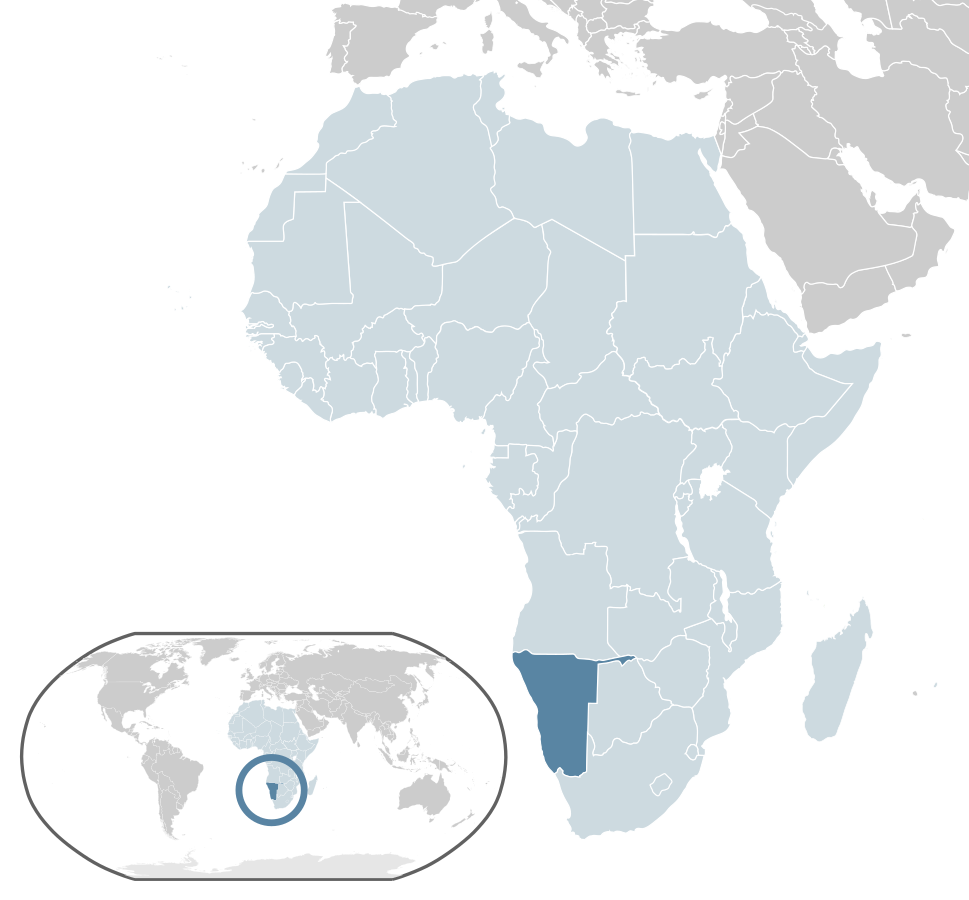
Image/ Alvaro1984 18
As of 15 May 2019, seven suspected cases of CCHF were reported from five regions, including one laboratory confirmed case out of seven samples tested and one death (case fatality ratio 14%).
The Ministry of Health and Social Services detail the cases/locations in the following press statement.
The World Health Organization says CCHF outbreaks have been recurrent in Namibia in the past
two years, with cases reported from Omaheke, Omusati and Kharas regions. The last recorded outbreak occurred in March 2018 in Kharas region, where one fatal confirmed case was reported.
The current outbreak arises in the context of a national drought emergency that can intensify the risk of transmission and geographical spread of the disease, with livestock movements from arid to less dry areas, if mitigating measures are not implemented in a timely manner.
Crimean-Congo hemorrhagic fever is a widespread disease caused by a tick-borne virus (Nairovirus) of the Bunyaviridae family. The CCHF virus causes severe viral hemorrhagic fever outbreaks, with a case fatality rate of 10–40%.
Animals become infected by the bite of infected ticks and the virus remains in their bloodstream for about one week after infection, allowing the tick-animal-tick cycle to continue when another tick bites. Although a number of tick genera are capable of becoming infected with CCHF virus, ticks of the genus Hyalomma are the principal vector.
The CCHF virus is transmitted to people either by tick bites or through contact with infected animal blood or tissues during and immediately after slaughter. The majority of cases have occurred in people involved in the livestock industry, such as agricultural workers, slaughterhouse workers and veterinarians. Human-to-human transmission is possible.
___________________
For more: https://madisonarealymesupportgroup.com/2018/06/14/crimean-congo-the-asian-ebola-virus/
CCHF is transmitted by ticks, though it can also be spread human-to-human.
CCHF is often treated with Ribavirin: http://infectious-diseases-and-treatment.imedpub.com/research-advances-on-epidemiology-of-severefever-with-thrombocytopenia-syndrome-asystematic-review-of-the-literature.php?aid=17986
Ribavirin is reported to be effective for treating Crimean-Congo Hemorrhagic Fever (CCHF) infections and hemorrhagic fever with renal syndrome, but it is still inadequate to judge the effect of ribavirin on SFTS patients because of the study limitation without adequate parameters were investigated [45]. Host immune responses play an important role in determining the severity and clinical outcome in patients with infection by SFTSV.
The ticks, known as Hyalomma marginatum have the potential to spread the viral disease Crimean-Congo fever (CCHF).
Symptoms of CCHF include fever, muscle pains, headache, vomiting, diarrhoea, and bleeding into the skin. A QUARTER of those contracting Crimean-Congo fever will die.
https://www.cdc.gov/vhf/crimean-congo/index.html Crimean-Congo Hemorrhagic Fever (CCHF) can be transmitted to humans through infected ticks, animal blood, and infected human blood and/or bodily fluids (so human to human). CCHF has also been spread in hospitals due to improper sterilization. Fatality rate in hospitalized patients has ranged from 9-50%. Being a virus, care is supportive; however, it is sensitive in vitro to ribavirin, an anti-viral drug. Recovery is slow.
Signs and symptoms:
- Sudden onset of symptoms
- headache
- high fever
- back pain
- joint pain
- stomach pain
- vomiting
- red eyes
- flushed face
- red throat & petechiae (red spots on palate are common)
- jaundice
- mood changes
- sensory perception
- severe bruising
- sever nosebleeds
- uncontrolled bleeding at injection sites

 Madison Area Lyme Support Group