Archive for March, 2018

Honoring Women Leading Lyme Disease Research

https://www.lymedisease.org/women-in-stem-lyme-disease-research/  MAR 2018

Women in STEM leading Lyme disease research

STEM-Blog-300x300Recently there has been a significant increase in technological advancements in Lyme research, and we have a lot of women to thank for that.

March is women’s history Month and we at LymeDisease.org are honoring some of the women in STEM (science, technology, engineering, mathematics) who are trailblazers in Lyme and tick-borne disease research.

stem-blog-2-222x300

Monica E. Embers, Ph.D.
Division of Bacteriology and Parasitology
Tulane National Primate Research Center

Dr. Embers is an Assistant Professor in the Division of Bacteriology and Parasitology at Tulane University. She holds a doctorate degree in microbiology and immunology. The focus of her research is on Lyme disease pathogenesis, antibiotic efficiency and developing a test that is capable of differentiating between active infection and cure. She has authored over 80 scientific publications with the most recent providing evidence that Borrelia bacteria are able to survive a standard 28 day course of antibiotics in primates.

Do you have Lyme disease? Use our symptom checklist today.

Deanna-284x300

Deanna Needell, Ph.D.
Department of Mathematics
Univ. of California, Los Angeles

Dr. Needell is a professor of Mathematics at UCLA and holds a doctorate degree in Mathematics. She specializes in big data analytics and artificial intelligence techniques. She has authored over 70 scientific journal publications. Recently she received an $800,000 award from the National Science Foundation to develop a novel mathematical technique to analyze the large amount of data collected from LymeDisease.org’s patient registry, MyLymeData.

Mankoff-final-250x300

Jennifer Mankoff, Ph.D.
Dept. Computer Science & Engineering
University of Washington

Dr. Mankoff is a professor of computer science and engineering at the University of Washington. Previously Mankoff taught at Carnegie Mellon University’s Human Computer Interaction Institute,. Her published research includes over 170 papers and includes a number of studies focusing on the quality of life for patients with Lyme disease and how Lyme disease patients use online information. Most recently, her work has focused on 3D printing and its potential for creating personalized assistive technologies for people with disabilities.

Jennifer-C-544x622

Jennifer C. Miller, Ph.D.
Director of Research and Development
Galaxy Diagnostics, Inc.

Dr. Miller holds a doctorate in microbiology, immunology, and molecular genetics and has spent the past 20 years studying vector-borne and zoonotic pathogens including Borrelia burgdorferi. She leads the clinical assay and diagnostic tests portfolio development at Galaxy Diagnostics. Prior to joining the Galaxy team, Dr. Miller served as an Assistant Professor of microbiology at NC State University, where she developed her own research program and laboratory focused on in vitro and murine studies of vector-borne disease pathogen-host interactions. She has published more than 25 peer reviewed scientific publications with her current research focused on the mechanisms driving Lyme arthritis that will lead to the development of better treatments.

EVA-239x300

Eva Sapi, Ph.D.
Dept of Biology and Environmental Science
University of New Haven

Dr. Sapi is a Professor and Chair of the Biology and Environmental Science Dept, and Director of the Lyme Disease Research Program at University of New Haven—to date, over 90 graduate students have received training in Lyme disease related research through the research program. She holds a doctorate degree in molecular biology and genetics and has published over 70 peer reviewed scientific papers on the topic Borrelia, how it forms biofilm and the mechanisms by which it evades the immune system. Her most recent research has focused on finding antimicrobial agents that are effective in killing Borrelia in culture.

Joytsna

Jyotsna Shah, Ph.D.
President and Laboratory Director
IGeneX Clinical Laboratory

Dr. Shah holds a doctorate degree in diagnostic immunology and brings over 40 years of research experience in immunology, molecular biology and microbiology, has 48 peer reviewed publications. She is credited with starting the first DNA sequencing laboratory in E. Africa and has become a world expert on use of Fluorescent in Situ Hybridization (FISH) technique for direct detection of pathogens in clinical samples. Recently, she has focused on the development of diagnostic tests that detect different strains of Borrelia and Relapsing Fever.

______________

**Comment**

We salute you!  Keep on keeping on.  We need your work!



Shania Twain on the Discipline of Maintaining Her Health After LD

http://www.etonline.com/shania-twain-on-the-discipline-of-maintaining-her-health-after-lyme-disease-battle-96689

Shania Twain on the ‘Discipline’ of Maintaining Her Health After Lyme Disease Battle

By 
shania_twain_getty840312660

Jamie McCarthy/Getty Images

Almost 15 years after a tick bite threatened her career and health, Shania Twain is opening up about how she has revamped her lifestyle.

The 52-year-old singer contracted Lyme disease, a debilitating tick-borne illness, while on tour in 2003.

Speaking to the Herald Sun while promoting the Australia and New Zealand leg of her upcoming Now tour, the songstress shared how she’s firmly focused on maintaining good health as she prepares to hit the road, beginning May 3 in Tacoma, Washington.

“I take my health seriously,” Twain told the Australian outlet. “There is a lot of discipline involved for me personally, eating properly, getting the right amount of rest, self-care, and self-maintenance.”

“You have to put the performance first, and I take that very seriously,” she added.

Twain’s vocal chords were affected by Lyme, a potentially fatal illness spread by ticks, and at one point she feared she may never be able to sing again. Years of vocal exercises helped her get back on track and she released Now, her first record in 15 years, in September.

“I was sure I would never be able to sing professionally again,” Twain told ET in September. “My voice was so unreliable. It was linked to Lyme disease.”

As well as her Now comeback, the Canadian beauty has also enjoyed a musical residency, Shania Twain: Still the One, at Caesars Palace in Las Vegas, in recent years.

But it was another residency that had Twain hitting the town in Sin City over the weekend — she reunited with her former collaborators, the Backstreet Boys, while checking out the boy band’s Larger Than Life show at Planet Hollywood’s AXIS Theater on Friday night.

The group shared a slideshow on their Instagram account, featuring a backstage shot of Twain with the boys alongside a throwback snap of the band performing “From This Moment” with Twain for a CBS special that aired in 1999.

https://www.instagram.com/p/BfSj2dXFFY1/embed/captioned/?cr=1&v=8&wp=656#%7B%22ci%22%3A0%2C%22os%22%3A9373.700000000099%7D

Band members Howie Dorough and AJ McLean — who once declared Twain the pop star he would take a hall pass for — also shared cute pics with the singer.

“I absolutely adore this woman right here,” McLean captioned his photo. “She’s been a huge inspiration to me and many others. This right here is the definition or a strong woman! Still making music for the masses and touring and loving every minute of it. Thanks @shaniatwain for coming to see us last night. Great memories and more to make.”

https://www.instagram.com/p/BfUFHxKhiko/embed/captioned/?cr=1&v=8&wp=656#%7B%22ci%22%3A1%2C%22os%22%3A9378.800000000183%7D
https://www.instagram.com/p/BfSwZMnl5PX/embed/captioned/?cr=1&v=8&wp=656#%7B%22ci%22%3A2%2C%22os%22%3A9382.399999999961%7D


See more on Twain’s album Now .


Hantavirus & Tularemia Warnings Issued in San Diego County

http://outbreaknewstoday.com/hantavirus-tularemia-warnings-issued-san-diego-county-78987/

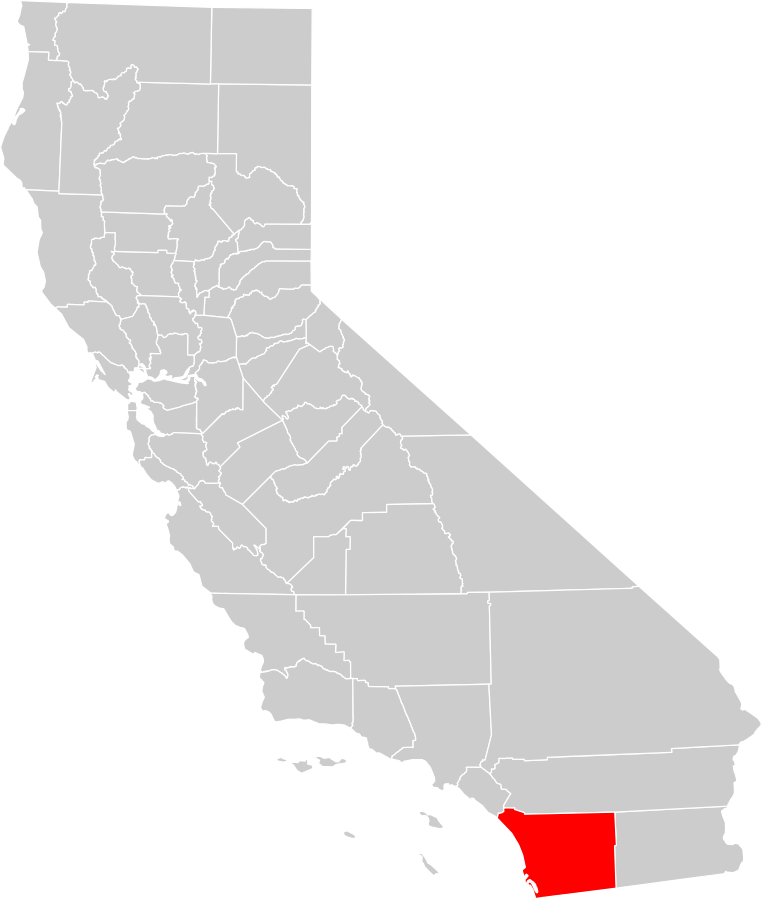
Hantavirus, tularemia warnings issued in San Diego County

March 1, 2018

In a follow-up on two infectious disease issues in San Diego County, mice with hantavirus and tularemia positive ticks, San Diego County Vector Control has issued some updated information and warnings for the public.

Image/Thadius856
Image/Thadius856

Vector Control officials said five Western harvest mice caught in routine trapping in open fields in 4S Ranch and in the rural Black Mountain area have tested positive for hantavirus, bringing this year’s total number of rodents to test positive to 17. That is the highest number of rodents to test positive in San Diego County since 2012, when 35 mice and one meadow vole tested positive over the course of the year.

Vector Control officials said the high number was not a cause for alarm. Hantavirus is common in San Diego County, but it is mainly carried by wild mice that do not live around humans so people are rarely exposed to the virus. In addition, the 17 rodents that tested positive represent 4.8 percent of the 351 wild rodents that Vector Control has trapped  and tested this year, a figure within normally-expected ranges.

Still, officials said people should remember to protect themselves from potentially being exposed to hantavirus. The virus can cause deadly infections in people and there is no vaccine or cure for it.

Hantavirus:  An interview with Dr. Paul Ettestad (Approx. 10:30 Min)

In addition, County Vector Control officials said Friday that several more batches of ticks trapped along Lopez Canyon Trail in Sorrento Valley have tested positive for tularemia, a potentially dangerous bacterial disease also known as “rabbit fever.”

County officials are reminding people again to protect themselves and their pets from ticks — which can transmit tularemia and other diseases when they bite people — whenever they are hiking, bicycling or walking in grassy backcountry areas, on trails or in the wild.

Vector Control officials said last week that several batches of ticks trapped in routine monitoring in the area of Lopez Canyon Trail had tested positive for the disease. Because they are small, ticks are “batched” together into larger groups to conduct testing.

County officials said they posted signs warning people to protect themselves from ticks last week and have posted additional signs in the wake of the new find.

______________
**Comment**
While Tularemia is spread by ticks, Hanta virus so far is not:
http://health.gov.on.ca/en/public/publications/disease/hanta.aspx; however, it is interesting that this virus loves mice and well…..ticks love mice.  Time will tell.
https://securitystudiesonline.wordpress.com/2011/08/11/potential-uses-of-the-hantavirus-as-a-biological-weapon/   As it turns out, the hantavirus is not a new disease and is far more widespread than previously suspected in the United States. For example, tissues analysis has revealed that the earliest proven case of hantavirus occurred in Utah in 1959, and has been found in 32 states….From 1993 to 2004, there were 362 cases of HPS diagnosed[1] with 132 fatalities in the US alone.[2] However, HPS is also found throughout Latin America. Panama, Brazil, Bolivia, Chile, Paraguay, Uruguay, and Argentina have had reported cases of HPS.[3] From 1993 to 2004, there have been 1548 cases and 252 deaths throughout Latin America.[4] The hantavirus is newly discovered by modern science, but people have lived with it for years previous…..However, because USAMRIID was involved and conducted the research at Fort Detrick, HTN was grandfathered into the ongoing US bioweapons program. Despite its ability to effect military operations as demonstrated in the field, military studies of hantavirus do not appear to have gone past the research stage.[6]…the hantavirus will enter a host cell and replace itself with a negative strand of messenger RNA (mRNA), so when the mRNA brings the genetic information for reproduction, the virus is reproduced instead of the original host cell’s molecule. As the cell reproduces more hantavirus, the hantavirus kills the host cell and infects others. As this spreads throughout the body, the internal structures fail and can lead to death….It is a virus that does not skip any demographic, is found naturally, and has a 50% mortality rate. These factors frighten some who worry about its use as a bioweapon.
Hantavirus has not been known to be weaponized or used for bioterrorism, but it is recognized by the Centers for Disease Control and Prevention (CDC) as a Category C Agent.2 Its presumed ease of production and dissemination, as well as its high potential for severe morbidity and mortality, raise concern for the possibility that this emerging pathogen could be engineered for future mass exposures.2
Although no cases of human-to-human transmission have been identified in the United States, investigation of an epidemic in Argentina in 1995 provided strong evidence for person-to-person transmission; strict barrier nursing techniques are now recommended for the management of suspected cases.
Prevention – stay away from mice and their droppings.  Since people often catch the virus by breathing it into their lungs, don’t use anything that allows particles from mouse droppings to get into the air (like sweeping with a broom).  Soak droppings down with a good disinfectant for 20 min and then wipe up with a mop.  In Spring, open doors and windows to sheds and allow them to air out well before entering.
Let’s pray ticks and other insects can not transmit Hantavirus and that it’s not been tweaked for biowarfare purposes.
Tularemia:  https://madisonarealymesupportgroup.com/2016/10/25/of-rabbits-and-men/  Tularemia, in aerosol form, is considered a possible bioterrorist agent that if inhaled would cause severe respiratory illness. It was studied in Japan through 1945, the USA through the 60’s, and Russia is believed to have strains resistant to antibiotics and vaccines. An aerosol release in a high population would result in febrile illness in 3-5 days followed by pleuropneumonitis and systemic infection with illness persisting for weeks with relapses. The WHO estimates that an aerosol dispersal of 50 kg of F. tularensis over an area with 5 million people would result in 25,000 incapacitating casualties including 19,000 deaths.
https://www.nwhc.usgs.gov/publications/disease_emergence/Chapter6.pdf  Scroll to page 237 for Table 6.1 which shows Tularemia was used in Europe during WWII.  Debate remains whether massive outbreaks of Tularemia on the Eastern Front was a biowarfare application against German troops or occurred naturally.  Then on page 246 Table 6.3 shows confirmed applications of Tularemia during wartime, by terrorists, and/or as criminal activity.23,33,37,179, as well as it’s an agent produced for weapons use by nations with biowarfare programs.14,22,23,33,52.  It is a category A agent, which is of highest priority and a critical biological agent for public health response activities.
Hantavirus is not listed on page 250 Table 6.5 as a biowarfare agent, but mosquito transmitted Yellow Fever Virus is.


Vermont Lyme Sufferer Fights to Get Disability – Gets Nadda

http://www.mychamplainvalley.com/news/you-ask-we-take-action-lyme-disease-sufferer-fights-to-get-disability-benefits/996245429  (TV News Story Here)

By: Staci DaSilva 

Posted: Feb 27, 2018


BROOKLINE, Vt. – Pat Horrigan, 56, of Brookline, Vt., says he’s too sick to work. The federal government thinks he’s not sick enough to receive disability benefits.

“You don’t want to end up like me,” warned Horrigan.

In 2014, he started feeling ill.

“I was burning up. I had a real bad flu, or at least that’s what I was feeling like,” he said. “Couldn’t get my temperature down, throwing up, couldn’t hardly walk, couldn’t hardly do anything. I was just immobile on the couch.”

It wasn’t normal behavior for a Navy veteran with a lengthy resume of active jobs: from fire chief, to soccer coach to electrician.

“I’m a 110% everything I do, 10-12 hour days,” he said.

Despite never having the typical “bulls eye” rash associated with a tick-borne disease, Horrigan was tested for and diagnosed with lyme disease. He thinks he might have been bit while working on a farm baling hay.

In the four years since, he’s endured a legal battle to get what his doctors and counselors tell him he deserves.

“She said ‘let’s get you started getting disability.’ and I’m like ‘really? I didn’t know I even qualified.’ ‘Are you kidding me? Yea, you qualify and you’re a vet. Let’s see what we can do,” he remembers of a conversation early in his journey.

For the past several years, he has fought to get federal disability benefits.

He and his lawyer have continually been denied, appeal after appeal.

“John said ‘most of my clients are lucky to have one letter for a doctor. You’ve got four or five. This is like a slam dunk. You’ve got everything you need,’” he said of his lawyer’s view.

His latest motion has been pending in U.S. District Court in Vermont since September.

In the meantime, Horrigan’s been out of work and without an income. His wife went back to work as a nurse.

They moved into a corner of their daughter’s house in Brookline, Vt.

He thinks federal judges see the word “lyme” and immediately reject his claims.

“You’re sick. People stub their toes and they get disability. Something’s gotta change. They got to realize lyme is serious if you’ve got it as bad as we have it,” he said.


“To date, there’s just no evidence to suggest people have an ongoing infection like that,” said Bradley Tompkins, infectious disease epidemiologist at the Vermont Department of Health.

He, along with much of the medical community and the Centers for Disease Control and Prevention, says “chronic lyme disease” does not exist, or at least, is up for debate.

Most people diagnosed with lyme disease see their symptoms disappearance after treatment.

There is a recognized, yet rare (10-20% of patients), syndrome called Post Treatment Lyme Disease Syndrome that causes sustained symptoms for months, or up to a few years.

“It could be some sort of autoimmune response to the initial infection,” explained Tompkins. “There’s again, no evidence that there’s live bacteria that’s causing an illness and causing an infection. But there could be debris left over from the bacteria that is triggering your immune system to cause joint pain and joint swelling. So that’s what a lot of researchers are looking into now.”


“The CDC-infectious disease board have real conflicts when it comes to their potential findings on lyme disease,” said Lt. Gov. Dave Zuckerman (P/D – Vt.).

For Lt. Gov. Zuckerman, it’s personal. His wife, Rachel Nevitt, was diagnosed with lyme disease at least 6 years ago.

“She’s still only about half the person she was when I married her,” he said. “It is mentally debilitating. It is physically debilitating. It really changes your ability to function in society.”

He says it’s frustrating to hear health officials deny something he can see with his own eyes.

“Highly respected institutions, research institutions, Johns Hopkins, Stanford and others, have researchers that are really looking into this epidemic and finding that some of the research done and some of the findings done from the 90s and early 2000s is really outdated,” he said. “They’re finding a lot more instances where the lyme bacteria can survive with many of the antibacterial treatments and have ways to survive it and persist.”

Zuckerman says the onus is on the federal government to help people like his wife and Horrigan.

He adds that he pitched an idea to Governor Phil Scott (R – Vt.) last summer.

“Why don’t we work with private donors to endow a research chair at UVM Medical Center. Put UVM Medical Center in there with Johns Hopkins and Stanford, in the lyme research world, really put a bullseye for lack of a better term, on Vermont and say ‘we have a cutting edge, academic medical institution here looking at what the real issues are’ because it’s widespread in Vermont, throughout New England and the northeast,” he said.

But Pat Horrigan doesn’t have time for research. He wants change now.

“I’m blazing a trail for folks behind me because in a way I think that I am. It’s crazy. We’re sick. We need help,” he said.

This comes as lyme disease is on the rise in the region.

According to Tompkins, the Department of Health is still working through its data from 2017.

He says his department did more investigations last year than ever before, so he wouldn’t be surprised if the results show 2017 had the highest number of lyme disease cases, or close to the highest number, ever.

________________

**Comment**

And so it goes, round and round.  Can’t get disability for Lyme because they say there’s no proof of infection.

But there is…..

700 peer-review studies showing persistence:  http://www.ilads.org/ilads_news/wp-content/uploads/2015/09/EvidenceofPersistence-V2.pdf

https://madisonarealymesupportgroup.com/2015/09/19/proof-of-borrelia-persistence/

https://madisonarealymesupportgroup.com/2017/08/25/sleeper-cells-the-stringent-response-and-persistence-in-the-borreliella-burgdorferi-enzootic-cycle/

https://madisonarealymesupportgroup.com/2017/05/10/chronic-lyme-disease-a-case-definition-at-last/  Generation of antibiotic-tolerant “persister cells” in some pathogen populations [116-118].

https://madisonarealymesupportgroup.com/2016/12/21/dr-zhang-on-persisters/

https://madisonarealymesupportgroup.com/2017/12/02/scottish-doctor-gives-insight-on-lyme-msids/ “If you look at major medical microbiology and infectious disease textbooks, they state that after 4 weeks you can’t find the Lyme bacteria anymore. Therefore Lyme is then categorised as ‘post infectious’. But I get back to the point I’ve made before: if you can’t culture it, you cannot know anything about its viability. You do not have a organism specific test (culture or PCR), that guides your ‘test of cure’. How do you say that a bacteria is killed, when you couldn’t grow and measure it in the first place?” “One of the rules of infectious diseases medicine is that once you stop treatment and the patient stays better, they are cured. When they get worse, the infection has returned and they have relapse of infection and need repeat treatment. My ID colleagues live by that rule with most other infections, but not with Lyme.”


Obsessive-compulsive Symptoms in Adults with LD

https://www.sciencedirect.com/science/article/pii/S0163834317304280?via%3Dihub

Obsessive-compulsive symptoms in adults with Lyme disease

Objective

This study examined the phenomenology and clinical characteristics of obsessive compulsive symptoms (OCS) in adults diagnosed with Lyme disease.

Method

Participants were 147 adults aged 18–82 years (M = 43.81, SD = 12.98) who reported having been diagnosed with Lyme disease. Participants were recruited from online support groups for individuals with Lyme disease, and completed an online questionnaire about their experience of OCS, Lyme disease characteristics, and the temporal relationship between these symptoms.

Results

OCS were common, with 84% endorsing clinically significant symptoms, 26% of which endorsed symptoms onset during the six months following their Lyme disease diagnosis and another 51% believed their symptoms were temporally related. Despite the common occurrence of OCS, only 44% of these participants self-identified these symptoms as problematic. Greater frequency of Lyme disease symptoms and disease-related impairment was related to greater OCS. In the majority of cases, symptom onset was gradual, and responded well to psychological and pharmacological treatment. Around half of participants (51%) reported at least some improvement in OCS following antibiotic treatment.

Conclusions

This study highlights the common co-occurrence of OCS in patients with Lyme disease. It is unclear whether OCS are due to the direct physiological effects of Lyme disease or associated immunologic response, a psychological response to illness, a functional somatic syndrome, or some combination of these.

______________

**Comment**

OCS with Lyme/MSIDS is maddening.  I remember it well.  The good news is it, along with a plethora of other maddening symptoms decline or abate altogether with proper treatment.

At least now you know those OCS symptoms are due to being infected!


For more psychiatric symptoms with Lyme/MSIDS:  https://madisonarealymesupportgroup.com/2015/10/18/psychiatric-lymemsids/

https://madisonarealymesupportgroup.com/2017/09/11/lyme-psychological-issues-dr-anna-satalino/

https://madisonarealymesupportgroup.com/2017/11/01/lyme-mental-illness-dr-jane-marke/

https://madisonarealymesupportgroup.com/2017/06/10/the-coming-pandemic-of-lyme-dementia/

https://madisonarealymesupportgroup.com/2017/01/17/lymemsids-and-psychiatric-illness/