Basketball Star Pushing for Lyme Cure
Great interactive article in link above on stats, prevention, symptoms, and the Elena Delle Donne Charitable Foundation.

https://journals.lww.com/infectdis/fulltext/2018/09000/An_85_Year_Old_Man_With_Recurrent_Fever_and.13.aspx (See comment at end of article)
An 85-year-old man with a history of benign prostatic hyperplasia, hyperlipidemia, and Guillain-Barré syndrome in 1989 presented in September 2017 for the third time in 2 months with intermittent fever, chills, and night sweats. In July, he presented with a 5-day history of intermittent fever, with a temperature of 103°F and chills. The urinalysis and chest x-ray were normal, and 2 sets of blood cultures showed no growth. A computed tomography (CT) scan of the abdomen and pelvis was performed (Fig. 1A). The leukocyte count was 4200/μL (69% neutrophils), hemoglobin (Hb) 11.0 g/dL, and platelet count 63,000/μL. Patient received 3 days of azithromycin and was discharged with 2 days of oral cefpodoxime and azithromycin to complete a 5-day course of treatment.
The patient was readmitted to the hospital 4 days later with fever of 104°F associated with chills and sweating. Intravenous vancomycin, cefepime, and metronidazole were given. The leukocyte count was 7800/μL, Hb 11.0 g/dL, and platelet count 386,000/μL. Blood cultures and CT of the abdomen and pelvis were negative. The patient was discharged from the hospital on day 4 without antibiotics when fever subsided.
In mid-September, 2 months after the initial presentation, the patient was readmitted to the hospital for recurrent fever for 10 days, with worsening fatigue, malaise, and anorexia. The leukocyte count was 6100/μL, Hb 7.6 g/dL, and platelet count 130,000/μL, with lactate dehydrogenase 849 U/L, alanine aminotransferase 53 U/L, aspartate aminotransferase 70 U/L, and alkaline phosphatase 41 U/L. The erythrocyte sedimentation rate was 115 mm/h, and C- reactive protein was 10 mg/dL. Blood cultures and echocardiogram were normal. Repeat CT scan of the abdomen and pelvis is shown in Figure 1B. The patient denied travel outside New York. He is originally from Greece and has lived in Brooklyn, NY, for 50 years. He did not recall any insect or tick bites, and no other family members had a similar illness. The patient denied any dental procedures in the past year. Patient’s home medications were finasteride and pravastatin. What is your diagnosis?
Our patient presented with intermittent fever of unknown origin, and tick-borne disease was not included in the differential diagnosis initially. Thus, peripheral smears for parasites were not done in his previous 2 admissions. The initial CT scan showed a normal liver and spleen size (Fig. 2A). A subsequent CT scan 2 months later revealed numerous new splenic infarcts with hepatosplenomegaly (Fig. 2B). As mentioned, blood cultures and echocardiogram were nondiagnostic. On further questioning, the patient recalled that he had visited family in Greenport, Long Island, for the fourth of July weekend, 5 days prior to the onset of his febrile illness. Peripheral blood smear showed intraerythrocytic and extraerythrocytic ring inclusions consistent with babesiosis (Fig. 3) with 0.3% parasitemia. Polymerase chain reaction for Babesia microti was positive. Our patient was immediately started on azithromycin plus atovaquone, and the temperature normalized within 48 hours. He was discharged home on hospital day 7.
Splenic infarction is a rare complication of Babesia infection. To date, only 2 cases of splenic infarction in association with Babesia infection in humans have been published in the literature.1 Interestingly, azithromycin as monotherapy at a higher dose resulted in a significant reduction in Babesia parasitemia and prolongation of survival when compared with controls in hamster models.2 Our patient’s initial improvement in fever and thrombocytopenia after his first hospitalization was likely due to azithromycin therapy. There has been evidence of drug resistance to azithromycin-atovaquone with relapse of Babesia infection in immunocompromised patients after initial exposure to azithromycin as monotherapy.3 However, our patient remained afebrile and has been doing well 3 months after completion of a 10-day course of azithromycin plus atovaquone therapy.
Babesiosis is a tick-borne infection caused by intraerythrocytic protozoa of the genus Babesia, transmitted by the Ixodes tick. Babesia microti is the most predominant strain in the Northeastern and upper Midwestern region of the United States.4 The most common route of transmission is via direct inoculation from Ixodes scapularis ticks. Blood transfusion and rarely transplacental transmission have also been documented.4 The peak acquisition of disease occurs between May and September. Although tick activity and tick-borne diseases are common in warmer months, I. scapularis is active throughout the year, when ambient-air temperature is greater than 4°C (40°F).5 Thus, babesiosis should be considered and investigated appropriately even during the months not typical for increased tick activity.
Clinical manifestations of Babesia infections are variable, depending on the Babesia species and the immune status of the host. Clinical presentation of babesiosis includes febrile hemolytic anemia due to parasite-mediated lysis of red blood cells in the circulation.6 Babesia infections may induce cycles of disease by varying antigen expression and by displaying new outer-surface proteins during the disease course. The antigenic variants are referred to as serotypes and prevent the elimination of the protozoa by the immune system. This may contribute to the recurring nature of relapsing fever.7
Immunocompetent individuals typically have subclinical illness, associated with low-level parasitemia (<4%) and may present with a gradual onset of nonspecific flulike symptoms. Babesiosis in immunocompromised patients is often severe, with a complication rate of 40% to 60%, including acute respiratory failure, congestive heart failure, renal failure, and disseminated intravascular coagulation.8,9 Patients may present with splenic infarction as in our patient. Proposed mechanisms of splenic infarction in human babesiosis include microthrombus formation and local release of vasoactive factors caused by red blood cell lysis leading to infarcted necrosis of splenic tissue.10 Moreover, during infection, proinflammatory cytokines are released, specifically tumor necrosis factor, interleukin 1, interleukin 6, and interferon, leading to increased expression of adhesion molecules on the surface of the vascular endothelium. This in turn results in cytoadherence of the infected erythrocytes to the vascular endothelium.10 The parasitized erythrocytes also lack the deformability needed to transit the splenic sinusoids, causing their sequestration by resident macrophages and obstruction of the vascular flow within the spleen.1
Our patient presented with fever of unknown origin and new splenic infarcts secondary to Babesia infection. Our case reinforces the importance of taking a detailed history including travel history when evaluating a patient with fever of unclear etiology. Our patient did not think that it was relevant to mention during his earlier admissions to the hospital that he traveled to Greenport, Long Island (Suffolk County), for a weekend. Furthermore, babesiosis should be included in the differential diagnosis in a patient who presents with nonspecific flulike symptoms, hematological manifestations, and new splenic infarcts on radiographic imaging. Physicians should ensure timely diagnostic testing and appropriate initiation of treatment in a patient with babesiosisand splenomegaly to prevent further progression to splenic infarct or rupture, which may lead to a fatal outcome.
The authors thank Myrna Dyer from the Department of Microbiology for providing the blood smear figure and Keith Arbeeny from the Department of Radiology of Maimonides Medical Center in Brooklyn, NY, for providing the radiological imaging figures.
1. Florescu D, Sordillo PP, Glyptis A, et al. Splenic infarction in human babesiosis: two cases and discussion. Clin Infect Dis. 2008;46(1):e8–e11.
2. Weiss LM, Wittner M, Wasserman S, et al. Efficacy of azithromycin for treating Babesia microti infection in the hamster model. J Infect Dis. 1993;168(5):1289–1292.
3. Krause PJ, Lepore T, Sikand VK, et al. Atovaquone and azithromycin for the treatment of babesiosis. N Engl J Med. 2000;343(20):1454–1458.
4. Vannier E, Krause PJ. Human babesiosis. N Engl J Med. 2012;366:2397–2407.
5. Duffy DC, Campbell SR. Ambient air temperature as a predictor of activity of adult Ixodes scapularis (Acari: Ixodidae). J Med Entomol. 1994;31(1):178–180.
6. Kavanaugh MJ, Decker CF. Babesiosis. Dis Mon. 2012;58:355–360.
7. Deitsch KW, Lukehart SA, Stringer JR. Common strategies for antigenic variation by bacterial, fungal and protozoan pathogens. Nat Rev Microbiol. 2009;7(7):493–503.
8. Hatcher JC, Greenberg PD, Antique J, et al. Severe babesiosis in long island: review of 34 cases and their complications. Clin Infect Dis. 2001;32(8):1117–1125.
9. Krause PJ, Gewurz BE, Hill D, et al. Persistent and relapsing babesiosis in immunocompromised patients. Clin Infect Dis. 2008;46(3):370–376.
10. Wozniak EJ, Lowenstine LJ, Hemmer R, et al. Comparative pathogenesis of human WA1 and Babesia microti isolates in a Syrian hamster model. Lab Anim Sci. 1996;46(5):507–515.
____________________
More on Babesia: https://madisonarealymesupportgroup.com/2016/01/16/babesia-treatment/
https://madisonarealymesupportgroup.com/2018/05/31/widespread-babesiosis-in-canada/
https://madisonarealymesupportgroup.com/2018/03/22/what-is-air-hunger-anyway/
https://madisonarealymesupportgroup.com/2018/02/20/babesia-and-heart-issues/
https://madisonarealymesupportgroup.com/2018/10/05/variable-clinical-presentations-of-babesiosis/ This article put out by The Nurse Practitioner demonstrates clearly how their short treatment duration doesn’t work for immunocompromised patients, which is pretty much everyone with Lyme/MSIDS as we are typically infected with more than one thing, and even if it’s just Lyme with Babesia http://www.wildcondor.com/dr-horowitz-on-babesiosis.html Dr. Krause published in the New England Journal of Medicine that when a patient has Lyme and Babesia, Lyme is found three-times more frequently in the blood, proving Babesia suppresses the immune system. https://madisonarealymesupportgroup.com/2017/06/28/concurrent-babesiosis-and-lyme-in-patient/ Despite the lack of acknowledgment, there’s a lot of us with Lyme and Babesia and even more pathogens.
Personally, I can attest to the importance of the anti-malarial medications my husband and I were both put on. We both had chest pressure and dizziness but the headaches I had were out of this world. My heart would also flop like a fish out of water and wake me up from a dead sleep – racing. Neither of us had night sweats and we presented differently. My husband developed hyper coagulation and anemia while I did not. Heparin helped him tremendously.
If you are having heart involvement and antibiotics typically used for Lyme are not touching it, please discuss Babesia with your health care provider (and Bartonella as well!).
Also, go to the Babesia Treatment link above and print and fill out the Babesia checklist by Dr. Schaller. These checklists are more helpful than testing. Testing often misses cases.
For us, treating for Babesia made a huge difference. I’m happy to report ALL of those symptoms are completely gone after a full year hitting it hard with anti-malarials. The best treatments overlap. Again, see Babesia Treatment link for ideas on what this looks like.
https://dailyevergreen.com/38060/news/understanding-disease-transmission-in-ticks/
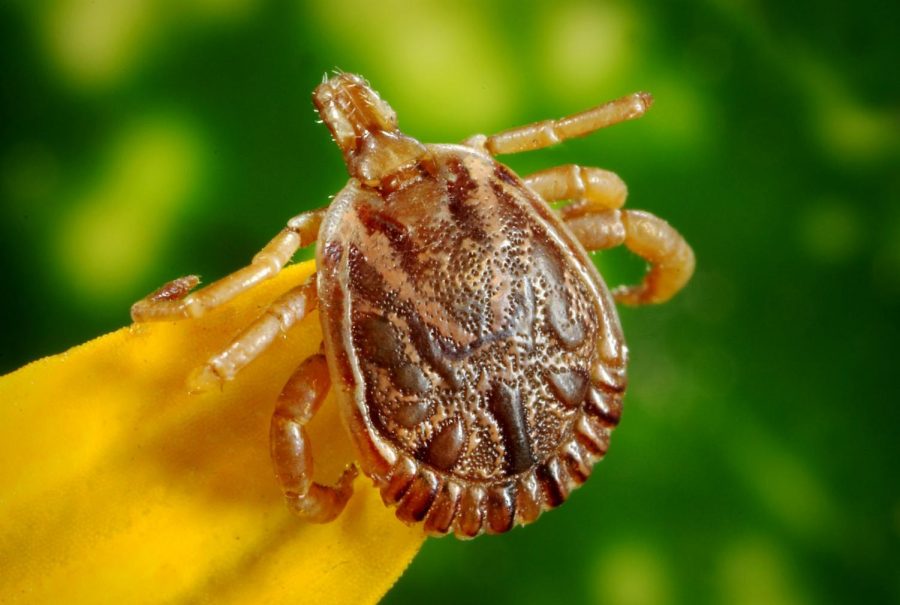
Research at WSU to understand how the mechanisms of tick immune systems operate could help uncover ways to affect how ticks carry and transmit diseases, many of which affect humans.
One type of tick, Ixodes scapularis, can transmit at least seven different diseases from feeding on the blood of a host, a number that is relatively high when compared to other bugs and insects that carry disease, said Dana Shaw, microbiologist and researcher at WSU.
Shaw said the I. scapularis’ high vector competency or ability to carry and transmit diseases, is what caught her attention. She wanted to study how the immune system of a tick operates to understand what mechanisms affect a tick’s ability to spread disease.
Shaw said much of what is known about the mechanisms and chemical pathways of arthropod immune systems comes from research done with Drosophila, a genus of fruit fly.
With the Drosophila, the biochemical pathway leading to an immune system response to certain gram-negative microbial infections is triggered by the presence of transmembrane peptidoglycan recognition proteins, or PGRPs.
In other words, the PGRPs are necessary to trigger an immune system response to these infections in the Drosophila.
Genome sequencing research done on the I. scapularis tick previous to Shaw’s study had indicated that transmembrane PGRPs and other downstream molecules were not present in I. scapularis ticks as they were in the Drosophila.
This led Shaw and colleagues to ask how the biochemical pathways that cause an immune response in the I. scapularis were being triggered without the presence of molecules similar to transmembrane PGRPs and other downstream molecules in the Drosophila.
Shaw’s research group is now hypothesizing that the immune response in ticks is triggered by a cellular reaction known as the unfolded protein response, or UPR.
After analyzing the transcriptional response of a sample of I. scapularis ticks, Shaw’s team found 14 genes that indicated the potential for a UPR activation in the event of an infection with the Anaplasma phagocytophilum pathogen.
In humans, it is known as known as granulocytic anaplasmosis, and can cause respiratory failure, organ failure or death in its late stages.
To test the hypothesis that UPR activation would trigger an immune response to infection, the researchers used tick cell lines that had been infected with A. phagocytophilum. Before infecting the tick cells, a sample set of cells underwent a process known as transcriptional knockdown.
Kristin Rosche, scientific assistant at WSU, said transcriptional knockdown blocks specific RNA from creating the proteins it would normally create. In this case, it was used to block the UPR genes in I. scapularis ticks.
After measuring and comparing the survivability rate of pathogens in the tick cells that had their UPR genes blocked to the tick cells that had not undergone transcriptional knockdown, it was evident that blocking the UPR did alter the infectious burden A. phagocytophilum had in the cells.
“Whether this is through an innate immune response or not is not yet known,” Shaw said. “We are still in early stages of the UPR project and we cannot draw any hard conclusions with our preliminary evidence.”
What this research may have uncovered is knowledge about a new immune signaling pathway that could affect a tick’s ability to carry and transmit pathogens.
Rosche said this research is significant because tick habitats are changing and expanding to new areas, and tick-borne diseases are difficult to diagnose and treat.
This research is a step toward developing preventatives for certain tick-borne illnesses, even if that possibility is far away.
“This research is necessary in order to have other people take the next steps,” Rosche said.
______________
**Comment**
Why wouldn’t research on sexual transmission be done on the most common vector borne disease?
Entomologist Larry Dapsis, Deer Tick Project Coordinator, of Cape Cod Cooperative Extension presents information about numerous types of ticks and the diseases they carry in the following Tickology video series.
Take aways:
Take aways:
Take aways:
Take aways:
Take aways:
__________________
For more on tick prevention: https://madisonarealymesupportgroup.com/2017/05/11/tick-prevention-and-removal-2017/
https://madisonarealymesupportgroup.com/2018/06/06/mc-bugg-z/
https://madisonarealymesupportgroup.com/2018/05/27/study-conforms-permethrin-causes-ticks-to-drop-off-clothing/ “All tested tick species and life stages experienced the ‘hot-foot’ effect after coming into contact with permethrin-treated clothing,” Eisen said.
https://madisonarealymesupportgroup.com/2018/04/03/fire-good-news-for-tick-reduction/ Study found a 78-98% reduction in ticks.
http://journals.plos.org/plosone/article?id=10.1371/journal.pone.0112174 These data indicate that regular prescribed burning is an effective tool for reducing tick populations and ultimately may reduce risk of tick-borne disease.
https://tvo.org/article/current-affairs/creatures-vs-climate-the-tick
Ticks are nature’s hitchhikers. They latch on to migratory birds, deer, mice, and other creatures, feed to their heart’s content, and then drop off to moult.
One study suggests that between 50 million and 175 million ticks may be dropped by migratory birds each year across Canada. Wherever they land becomes their new temporary home. Depending on the tick’s age and species, it may lay hundreds or thousands of eggs.
Whether it’s able to lay eggs — and whether they’re able to grow to maturity — is determined in part by what the climate is like where it touches down. In colder weather, ticks tend to grow more slowly, says Kateryn Rochon, an assistant professor of entomology at the University of Manitoba.
“The life cycle is lengthy when you get north because of temperatures, but as that changes and the conditions get better, the ticks can grow more quickly,” says Rochon. “It’s a tough world out there. It’s very likely not to make it to reproduction. But if the conditions are getting better and better, there’s better likelihood of survival, better likelihood of finding a mate, and better chance of making it to reproduction.”
It’s not unusual for ticks to land in areas in the north. What is new is that populations of them are now able to survive and, in many cases, thrive in places they couldn’t before. Species such as the black-legged tick and the American dog tick — both increasingly common in Ontario — carry diseases that can be passed on to humans. The black-legged tick (also called the deer tick), for example, is a carrier of Lyme disease, which, if not detected quickly, can cause fever, headaches, and nerve and tissue damage.
“The thing is, what makes it that all of a sudden ticks have been able to establish?” says Rochon.
Warm weather, moisture, and the availability of food create ideal conditions for the arachnid. Increasingly high temperatures have been linked to increased survival rates for the black-legged and other species of tick.
Although not all ticks flourish at the same temperature, warmer is generally better because it promotes faster growth, says Nicholas Ogden, senior research scientist with the Public Health Agency of Canada.
A tick larva attaches to a host and feeds. After absorbing sufficient energy, it drops off into leaf litter and ages into a nymph. The nymph then finds a host, where it will feed before falling off and developing into an adult.
“Development from egg to larva, engorged larva to nymph, engorged nymph to adult, adult to egg-laying adult are all processes the length of which depends on the ambient temperature,” says Ogden.
The warmer it is, the faster the ticks can move through these stages. A more compressed life cycle means that more of them will survive and establish populations.
And with those populations comes Lyme disease. In 2009, there were just 144 documented cases in Ontario; in 2017, there were 2,025.
Given the fact that temperatures are expected to rise still further, researchers predict that there could be a moderate risk of Lyme disease in all parts of Ontario by 2050.
“What happens first of all is that the ticks spread, and people get tick bites, which isn’t a great problem until the bugs that cause Lyme disease start to become established and transmission cycles start to become established,” says Ogden. “What we have seen is the emergence of not just the tick with climate change, but Lyme disease. We’re seeing exponentially increasing number of cases.”
________________
**Comment**
Rochon and Ogden have obviously missed their own countryman’s work: https://madisonarealymesupportgroup.com/2018/08/13/study-shows-lyme-not-propelled-by-climate-change/
John Scott, an independent tick researcher in Canada, who also happens to be infected himself, insists that while migratory birds are indeed carrying ticks far and wide, tick survival actually declines in warmer winters as they need the snow cover for protection.
Another issue Rochon and Ogden fail to mention is “photo-period.”
Evidently, ticks have sensory organs that monitor the external environment which includes light. Light wavelength as well as intensity will make the difference from if and when a nymph will molt and if and when an engorged female will lay eggs. Scott’s in-house tick studies have shown that black-legged ticks require 14 hours of daylight to molt. If ticks can’t molt, they can’t move on to their next life-cycle. Photoperiod is innate and can not be altered by the climate. He states:
“The hypothesis that I. scapularis ticks will expand further north in the Prairie Provinces because of climate change is not only unscientific, but deceiving.”
So light, not climate, is a determining factor in tick survival as ticks will seek out leaf litter and/or snow when weather is harsh for them.
But there’s more.
According to Scott, the issue of climate change is an elaborate plot to keep authorities from digging into the real issues:
“The climate change range expansion model is what the authorities have been using to rationalize how they have done nothing for more than thirty years. It’s a huge cover-up scheme that goes back to the 1980’s. The grandiose scheme was a nefarious plot to let doctors off the hook from having to deal with this debilitating disease. I caught onto it very quickly. Most people have been victims of it ever since.”
“This climate change ‘theory’ is all part of a well-planned scheme. Even the ticks are smarter than the people who’ve concocted this thing,” he says.
Divert our attention from what? I ask.
“From what is not happening medically. In simple terms, the feds have diverted our attention by saying ‘let’s worry about ticks and climate change, put all our funding there and we will solve the problem of Lyme disease’.” https://madisonarealymesupportgroup.com/2017/08/14/canadian-tick-expert-climate-change-is-not-behind-lyme-disease/
 Madison Area Lyme Support Group