Archive for the ‘Uncategorized’ Category

Florida Undercounts Lyme Disease & Downplays its Risk

https://www.lymedisease.org/florida-undercounts-lyme-disease/

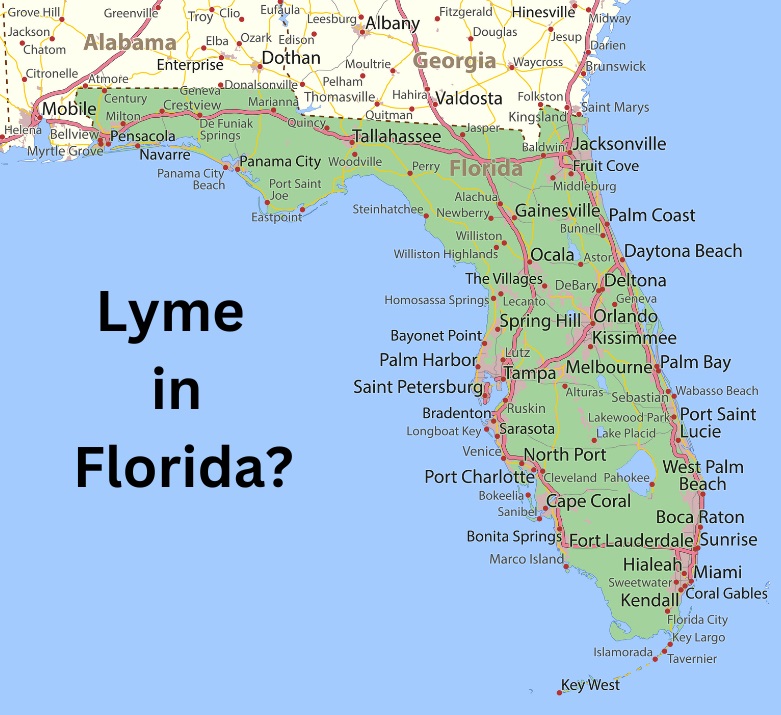
Florida undercounts Lyme disease and downplays its risk

7/8/24

Melissa Bell, President of the Florida Lyme Disease Association, recently met with Florida Surgeon General Joseph A. Ladapo, MD, PhD, to discuss Lyme disease in their state. Their zoom call also included others from the Department of Health as well as Professor Kerry Clark from the University of North Florida.

Here is a follow-up email Melissa sent to the Dr. Ladapo, summarizing the call. This is a highly informative resource for anyone seeking to contact their local and state health officials. We thank Melissa for making this available to our readers.

The evidence is clear that Lyme disease is undercounted in Florida based on various data sources. The CDC surveillance counts place a heavy emphasis on “high incidence” states—which are primarily confined to the Northeast coast and upper Midwest United States. Doctors and patients are falsely told that there is “no Lyme in Florida” or that it is extremely rare.

Melissa Bell, President of Florida Lyme Disease Association.

As a result of this downplaying of the risk of Lyme and other tick-borne infections, people, especially parents, are less likely to take steps to prevent tick bites. Additionally, those infected are less likely to receive an early diagnosis. According to the CDC, “if left untreated, infection can spread to joints, the heart, and the nervous system.”

Due to poor awareness and training, doctors refuse to timely prescribe antibiotics for known tick bites even with symptoms and refuse to test for Lyme because they have been taught there is no Lyme in Florida. There is even less awareness regarding other tick-borne infections that are prevalent in the state, including Babesia, Ehrlichia, Anaplasma, and Bartonella.

Lyme and Bartonella infection can persist for years, despite antibiotic treatment (see studies linked above) and following:

New genetic group/species of Bartonella may be responsible for a portion of Lyme-like illness in Florida and other southern states. Standard lab tests for Bartonella will not likely identify these strains.

  • The CDC shows a 29.44% increase in reported cases in Florida comparing 2017-2019 data to 2022.
  • A 2021 CDC Study analyzing insurance data, revealed that in states the CDC considers to be “low incidence,” only 1 in 50 cases is counted, while in high incidence states 1 in 7 is counted. See also How much does the CDC undercount Lyme cases? It depends on where you live.
  • Standard lab tests for Lyme disease were developed to detect a single Borrelia strain present in the Northeast. Such lab tests fail to detect approximately half of actual cases pursuant to numerous peer reviewed studies. See Current Guidelines, Common Clinical Pitfalls, and Future Directions for Laboratory Diagnosis of Lyme Disease, United States; see also, Project Lyme. For unknown reasons, it appears as though the Florida Department of Health is not counting most CDC-positive Lyme cases. For example, in a July 2018 report (page 7), Quest Diagnostics showed an increase in Florida Lyme cases from 283 in 2015 to 501 in 2017, representing a 77% increase. In contrast, the CDC only reported 166 Florida Lyme cases in 2015 and 210 in 2017. Why are the CDC’s numbers for Florida so much lower than Quest, a single lab? In recent email correspondence, IGeneX has indicated a 48% positivity rate in Florida for 2023, which they consider high. There were 526 CDC-positive cases through IGeneX in 2023. Note that the IGeneX immunoblot has been validated by New York and other states and is covered by Medicare Part B. We do not have data for labs such as Mayo Clinic, Consolidated, ARUP, Medical Diagnostics Laboratory, Stony Brook University Medical Center, Cleveland Clinic, university and other labs which also test for Lyme disease in Florida, but we trust that the Florida Department of Health has this data available. We would appreciate transparency on these numbers.
  • Canine maps show a significant increase in incidence of Lyme disease, Ehrlichia, and Anaplasma in the state. Notably, dogs are less likely to travel out of state meaning the infections are more often locally acquired. 
    • According to the Companion Animal Parasite Council (CAPC), from 2019 – 2023, canine tick-borne infections have increased by 89.53% for Lyme disease; 100.49% for Ehrlichiosis; and 334.23% for Anaplasmosis in Florida.
    • In 2022, CAPC reported 4,284 canine cases compared to only 233 human cases reported by the CDC.
    • In 2023, CAPC reported 4,888 Lyme disease, 12,601 Ehrlichiosis, and 8,424 Anaplasmosis canine cases.
    • According to 2024 data YTD, Florida is considered moderate risk for Lyme and high risk for both Ehrlichia and Anaplasma. Notably, the Lyme incidence changed from 1/200 in 2023 to 1/100 for 2024 YTD.
    • The CAPC estimates its data represents “less than 30% of the activity in the geographic regions.” Applying this factor to the 4,284 cases in 2022, CAPC would estimate 14,280 canine cases which is >61x the human reported cases for the same year (4,284/.3 = 14,280).
  • MyLymeData statistics for “low incidence” states like Florida likewise show a large disparity between reported and actual cases. See Why Doesn’t the CDC Count Lyme Disease Cases in the South and the West? Everybody Else Does. | LymeDisease.org

The one-size-fits-all IDSA treatment guidelines fail countless patients, particularly those who are not timely diagnosed/treated or present with co-infections such as Babesia, Bartonella, or rickettsial infections.

  • A significant percentage of patients suffer persistent symptoms after antibiotic treatment. The CDC previously estimated 10-20% of patients, but now they claim “following antibiotic treatment, about 5-10% of people with Lyme disease have prolonged symptoms of fatigue, body aches, or difficulty thinking as a result of their infection.” We are unaware of any rationale or scientific basis for this change. To the contrary, research demonstrates a higher percentage. See e.g. Post-treatment Lyme disease syndrome symptomatology and the impact on life functioning: is there something here? (at six months, 36% of patients reported new-onset fatigue, 20% widespread pain, and 45% neurocognitive difficulties). It is widely accepted that patients who are not timely diagnosed and treated are more likely to suffer from persistent symptoms after IDSA-recommended treatment.
  • Lyme persists due to biofilms, round bodies, inability of antibiotics to penetrate tissues/organs. See Lyme Persists
  • Studies at Johns Hopkins showed doxycycline failed to eradicate the Lyme bacteria Borrelia burgdorferi in vitro. However, triple antibiotic combinations were effective in a mouse model. See also Superior efficacy of combination antibiotic therapy versus monotherapy in a mouse model of Lyme disease
  • Studies showing “long term antibiotics are not effective” used a single antibiotic, did not have a true placebo (i.e. giving IV rocephin to the control group), and/or ignored improvement of symptoms such as fatigue. Studies were designed to fail and then were widely reported without mention of study limitations/flaws.

The failure to timely diagnose and adequately treat Lyme disease comes at a tremendous economic burden. Lyme patients had 87% more visits to the doctor and 71% more visits to the emergency room within the year following diagnosis. This does not take into account additional economic costs due to missed work and long term disability. See Johns Hopkins study Lyme Disease Costs Up to $1.3 Billion Per Year to Treat, Study Finds and Health Care Costs, Utilization and Patterns of Care following Lyme Disease | PLOS ONE; see also The Financial Implications of a Well-Hidden and Ignored Chronic Lyme Disease Pandemic – PMC

Requested Action Items:

  1. Transparency on CDC positive cases. What are the reported case counts for each of the labs who test for Lyme disease in Florida and what percent are being reported to the CDC? Why are such a large percentage of cases not being counted? Why are canine cases an estimated 61x higher than human cases?
  2. Mandated education of clinicians in the state and alerts to medical care providers advising of increase in cases of Lyme, Ehrlichia, and Anaplasma in the state. Babesia and Bartonella can also cause overlapping symptoms. There are free CME webinars available on Invisible International.
  3. Educate residents about the risk of tick bites, including education of children in schools. See e.g. A School-Based Intervention to Increase Lyme Disease Preventive Measures Among Elementary School-Aged Children
  4. Since 2017, Babesia has been reportable in Florida. Please share the reports.
  5. Similar to the federal Tick-Borne Disease Working Group, we request that a Florida task force be formed, composed of members who have a diversity of backgrounds and perspectives (i.e. patients, researchers, health practitioners, public health).
  6. Explore potential legislation in the state promoting tick-borne disease awareness, mandating insurance coverage outside of IDSA guidelines when deemed medically necessary, and protecting doctors who prescribe medications in accordance with the ILADS standard of care. See Reviewing Current Lyme Legislation
  7. Fund research within the state, including widespread tick testing and patient-centered studies (i.e. efficacy of emerging combination therapies, screening of at-risk pregnant women, etc.).
  8. Update Florida Department of Health website on Lyme disease. In particular (but not limited to):
    • The FL DOH page discussing Lyme rashes under the symptoms and treatment tab is outdated and inconsistent with the CDC website. It is critical to communicate that there are many forms of erythema migrans rashes, not just the classic bull’s-eye. The current page states “between 60 and 80% of people will develop a red, “bull’s-eye rash” which is not accurate. In this study, researchers discovered most rashes were uniform in color (51%), pink (74%), oval (63%), and with clear borders (92%). Only 6% had the classic bull’s-eye pattern.
    • Under the symptoms and treatment tab, it states “a few patients, especially those diagnosed in the later stages of disease, may have persistent or recurrent symptoms.” (emphasis added). For many years, the  CDC had recognized that 10-20% of patients continue to suffer symptoms after antibiotic treatment. Without explanation, the CDC recently changed this estimate to 5-10% without any clear rationale for the change. Research from Johns Hopkins demonstrates a higher percentage than the CDC. See e.g. Post-treatment Lyme disease syndrome symptomatology and the impact on life functioning: is there something here? (at six months, 36% of patients reported new-onset fatigue, 20% widespread pain, and 45% neurocognitive difficulties); see also Health Care Costs, Utilization and Patterns of Care following Lyme Disease | PLOS ONE (“over 63% of the Lyme disease cases had at least one diagnosis associated with PTLDS, which is 36 percentage points higher a rate than the prevalence of the same symptoms in our control population”). Whatever estimate is used, it is certainly more than “a few.”
    • Under the transmission tab of the FL DOH website, it states “studies have shown that both nymph and adult ticks need to be attached for more than 24 hours to effectively transmit the infection.” However, a literature review has determined that in animal models, transmission can occur in less than 16 hours, and the minimum attachment time for transmission of infection has never been established. See Lyme borreliosis: a review of data on transmission time after tick attachment – PMC. In particular, if a tick is only partially fed and then attaches to a human, spirochetes can be found in the salivary glands increasing the risk of disease transmission after shorter attachment periods. Additionally, if a tick is not removed properly (i.e. if the body is squeezed or if heat or oils are used), then this increases the risk of disease transmission.
    • There is a growing body of research showing that ticks can also spread Bartonella infections to humans. See Can Ticks Transmit Bartonella? – Project Lyme.
    • Include acknowledgement that Lyme can spread from mother to baby during pregnancy. See e.g., CDC “Untreated Lyme disease during pregnancy can lead to infection of the placenta; spread from mother to fetus is possible but extremely rare.” While we disagree with the term “extremely rare” absent scientific studies proving this point, at least the CDC is now publicly acknowledging maternal-fetal transmission. See also Congenital Lyme disease is under-recognized by medical professionals (50% of Lymelight grant recipients were born with Lyme disease); Ongoing study Pregnancy and Early Neurodevelopmental Outcomes Following In Utero Lyme Disease Exposure funded by the Clinical Trials Network for Lyme and other Tick-borne Diseases (CTN); Lyme Disease and Pregnancy – LYMEHOPE
    • Provide an acknowledgement that existing laboratory tests for Lyme disease often result in false negative results such as: “if you are tested for Lyme disease and the results are negative, this does not necessarily mean you do not have Lyme disease. If you continue to experience unexplained symptoms, you should contact your health care provider and inquire about the appropriateness of retesting or initial or additional treatment.” See e.g., Maryland legislation.
    • Provide links to both the ILADS and IDSA standards of care for treating Lyme disease and related infections. See Schools of Thought about Lyme Disease

Melissa Bell, Esq. founded the Florida Lyme Disease Association in 2013, after several members of her family were severely impacted by Lyme disease. She also serves on the Executive Board of Project Lyme.

_______________

Great article!  

For more:

The take home: Clark is finding borrelia (Lyme) strains in the South that the current CDC two-tier testing will never pick up in a thousand years.

https://www.researchgate.net/publication/285584725_Isolation_of_live_Borrelia_burgdorferi_sensu_lato_spirochetes_from_patients_with_undefined_disorders_and_symptoms_not_typical_for_Lyme_diseases

The take home: Clark found live Bbsl (bissettii-like strain) in people from the Southeast who had undefined disorders not typical of LD, and were treated for LD even though they were seronegative, proving that B. bissetti is responsible for worldwide human infection.

He also showed DNA of Bbsl in Lone Star ticks which might be a bridge vector of transmission to humans.

Dr. Clark was the first to report finding LD spirochetes in animals and ticks in South Carolina, as well as in wild lizards in South Carolina and Florida. He has documented the presence of LD Borrelia  species, Babesia microti, Anaplasma phagocytophilumRickettsia species, and other tick-borne pathogens in wild animals, ticks, dogs, and humans in Florida and other southern states.

Microbiologist Tom Grier Passes

https://www.doughertyfuneralduluth.com/obituaries/thomas-grier

Thomas Grier

November 6, 1954 — June 19, 2024
Duluth

Thomas M. Grier passed away unexpectedly on Wednesday June 19, 2024, in his residence. Tom was born in Minneapolis to Rodney Fellows Grier and Anne Bugocki Grier on November 6, 1954. He graduated from Hopkins High School and earned a BS in biology and chemistry and a Master of Science degree from the U of M Duluth. He worked for K-B Toys in Tacoma, WA and Pocatello, ID before moving back to Duluth, MN when he started work as a Pharmaceutical Sales Rep for Wyeth Co. in women’s products. His science background and outgoing personality helped him win sales awards and be successful. In 1995 he was in the hospital with neurological problems when he was diagnosed with Lyme Disease and could no longer work. He would struggle with the effects of Lyme the rest of his life. Tom started working part-time for Barnes and Noble Booksellers, which he enjoyed. He also started the Duluth Lyme support group and started attending national Lyme Disease conferences to learn of the latest research. He self-published a large booklet with the current information about Lyme to help patients understand the disease. This led to him spending countless hours on the phone trying to help people get the appropriate treatment. Tom traveled around the region giving lectures about the latest findings about Lyme and produced several DVD’s including “Lyme on the Brain” and “Endemic Ignorance”. The past few years, he was plagued with pain and weakness from Lumbar Spinal Stenosis which caused a bad fall and severely limited his mobility, along with his diabetes, which caused swelling of his legs. His death was unexpected, and he was happy and cheerful despite his health issues. He is survived by his brother Terry Louis Grier and he was preceded in death by his parents and older sister Sharon (Grier) Tweit. He will be missed.

Visitation will be held on Wednesday July 10th from 2pm until the 3pm Memorial Service in Grace Lutheran Church. 5454 Miller Trunk HWY, Hermantown, MN 55811. A time of sharing will take place after the service in the church. Arrangements by Dougherty Funeral Home. 600 E. 2nd St. Duluth, MN 55805. 218-727-3555.

To send flowers to the family in memory of Thomas Grier, please visit our flower store.

_______________

**Comment**

Tom will be greatly missed.

For more:

Interview with Lyme Literate Doctor Kenneth Liegner

https://lymediseaseassociation.org/blogs/lda-guest-blogs/may-awareness-guest-blog-an-interview-with-kenneth-liegner-md/

May Awareness LDA Guest Blogger

Interview with Dr. Kenneth Liegner, MDDr. Kenneth Liegner is a Board Certified Internist with additional training in Pathology and Critical Care Medicine, practicing in Pawling, New York. He has been actively involved in diagnosis and treatment of Lyme disease and related disorders since 1988.

He has published articles on Lyme disease in peer-reviewed scientific journals and has presented poster abstracts and talks at national and international conferences on Lyme disease and other tick-borne diseases. He has cared for many persons seriously ill with chronic and neurologic Lyme disease. His work has focused on the serious morbidity and (occasional) mortality that can eventuate from this aspect of the illness. He has emphasized the urgent need for widespread clinical availability of improved methods of diagnostic testing and for development of improved methods of treatment for Lyme disease in all its stages. He holds the first United States patent issued proposing application of acaricide to deer for area-wide control of deer-tick populations as a means of reducing the incidence of Lyme disease. He has authored In the Crucible of Chronic Lyme Disease – Collected Writings & Associated Materials, a documentational history of the struggle to characterize the nature of Lyme disease in the late 20th and early 21st centuries, published November 2015.

He served two terms on the Board of Directors of the International Lyme and Associated Diseases Society (ILADS), is on the Scientific Advisory Board of the Lyme Disease Association, Inc, and is on the Medical Advisory Board of the Global Lyme Alliance. He is a member of The American Association of Physicians and Surgeons.

He was the first physician to apply disulfiram in the treatment of Lyme disease and published his experience with his first three patients in the peer-reviewed journal Antibiotics, May 2019.

He was co-author on a landmark pathologic study of tissues from a person with chronic Lyme disease and co-author of the ILADS evidence-based definition of chronic Lyme disease.

This May Awareness Guest Blog delves into the intricacies of Lyme disease with Kenneth Liegner, MD, a Board Certified Internist with specialized training in Pathology and Critical Care Medicine. In this interview, Dr. Liegner shares his journey into the world of Lyme disease, its evolving treatment, and his ongoing efforts to improve diagnostic methods and therapeutic solutions. He discusses the critical role of thinking holistically, patient advocacy, and the importance of organizations such as the Lyme Disease Association, Inc. in raising awareness and funding research. Dr. Liegner offers valuable insights and reflections on tackling one of the most challenging and misunderstood diseases of our time.

An Interview with Kenneth Liegner, MD

1. How did you get interested in specializing in Lyme and tick-borne diseases?

I started a solo private office-based practice of internal medicine in Armonk, NY with some critical care at the local hospital (Northern Westchester Hospital, Mt. Kisco, NY) around 1985. Unbeknownst to me at the time, northern Westchester was becoming a ‘hot-bed’ of Lyme disease and some of the earliest cases of Lyme meningitis were diagnosed there. I knew virtually nothing about Lyme disease at the time, other than the name and the story of its discovery by Allen Steere in Lyme, CT. Then I began seeing cases of the illness, which, really no clinician in Westchester could avoid. I found them extremely puzzling and challenging. They didn’t behave the way they were supposed to!  Symptoms would keep coming back despite application of ‘recommended’ antibiotic treatments. Gradually, through trial and error, I found it was necessary to extend the duration of treatment: first doubled, then later on tripled, quadrupled and finally, for some, adopted a somewhat ‘open-ended’ (not necessarily never-ending) approach.  In the early 1990s, there was a very convivial and collaborative approach between clinicians and academicians and everyone was excited to be learning about this new disease.

Things changed dramatically with the 1995 Dearborn conference and the roll-out of the Lyme vaccine, LYMErix, following which a very rigid ‘construct’ of Lyme disease was promoted as dogma. This had not previously been the case. Care for persons with Lyme disease was a ‘niche’ needing to be filled, and I filled it. My background in critical care (and anatomic pathology) was very suitable for grappling with a multi-system illness that required thinking holistically about the entire organism/person and not just isolated ‘organ systems’ into which many of the sub-specialties and sub-specialists in medicine were ‘siloed’. I was fortunate to be able to collaborate with many of the finest researchers in both academia and at CDC & NIH resulting in publication of some important abstracts and papers. This was very gratifying and intellectually stimulating. There was a sense of community and shared effort at the time.

2. What do you see as the biggest difference(s) from when you began focusing on Lyme and where we are today?

I started practice towards the end of the so-called ‘Golden Age’ of Medicine. A time when private practice was prevalent, physicians worked for the patient and the Hippocratic Oath was revered. Paul Starr accurately predicted the ‘coming of the corporation’ in his excellent book, The Social Transformation of American Medicine.  The advent of the hospitalist system also dramatically changed the nature of hospital medicine, where primary physicians no longer followed their patients in the hospital, guiding their care, watching out for their best interests and arranging optimal consultations. This served insurance company and hospital CEO corporate interests, enabling ‘efficiencies’ of care and a higher throughput, but completely broached often decades-long doctor-patient relationships. Hierarchical structures in hospital systems, including Pharmacy & Therapeutics Committees, helps explain why it remains, to this day, so difficult for persons with Lyme and tick-borne diseases to get personalized care within the hospital setting as well as within vertically-integrated corporate healthcare settings.

3. What are you most excited about in today’s treatment and/or hope for Lyme and other tick-borne diseases?

There is growing awareness of the complexity of tick- and vector-borne diseases. Meticulous scientific studies at the bench-level, with animal studies and also in clinical reports, elucidate a range of mechanisms that may be operative in maintaining illness. This raises consideration of novel interventions to improve people’s quality of life, which is paramount. Stalwart efforts by the patient community has resulted in government recognition that far greater financial and scientific resources are needed in this field.  Recalcitrant refusal to acknowledge the important role of persistent borrelial infection despite prior application of antibiotic treatment is frustrating and impedes progress in devising solutions. Despite some improved funding, a much greater level is needed.

4. Why is it important for LDA and other nonprofits to increase awareness for Lyme disease and other tick-borne illnesses?

Many medical, scientific, and societal problems vie for attention and compete for government resources. The voice of patients expressed individually and through patient advocacy and educational organizations to their legislative representatives at local, state, and national levels is extremely important. Due to limited government resources, not all investigators are able to secure grants or funding even when their work is highly meritorious. There remains an important role for private funding of research.

5. Please share any past reflections or your experiences with the LDA. . .

The LDA has held annual scientific conferences of high quality for decades. Collaborations with academicians, various branches of the Federal and State governments as well as clinicians has raised awareness of and respect for concerns of patients and the public. LDA’s financial support of scientific research has enabled innumerable published peer-reviewed articles listed on PubMed, advancing medical knowledge, ultimately improving patient care. The volunteered efforts of Pat Smith and the support staff of the LDA and its affiliates represent the highest embodiment of ideals of service.

For more:

Interview With Dr. Horowitz: A Lyme Literate Doctor

https://lymediseaseassociation.org/blogs/lda-guest-blogs/an-interview-with-richard-horowitz-md/

May Awareness Guest Blog – An Interview with Richard Horowitz, MD

May Awareness LDA Guest Blogger

LDA NEWS & UPDATES

Dr. Richard Horowitz is a board-certified internist and the medical director of the Hudson Valley Healing Arts Center, an integrative medical center specializing in the treatment of Lyme and other TBD’s. He has treated over 13,000 Lyme and TBD patients in the last 30 years and is one of the founding members and past president elect of ILADS. Dr Horowitz also previously served as a member of the HHS Tick-borne Disease Working Group and was recently elected to the NYS Department of Health TBDWG. For dedicating his life to helping those stricken with this devastating illness, he has been awarded the Humanitarian of the Year award by the Turn the Corner Foundation and awards from Project Lyme. Dr. Horowitz is also the author of two best-selling books on Lyme disease and chronic illness, Why Can’t I Get Better? Solving the Mystery of Lyme and Chronic Disease (2013, St Martin’s Press, NY Times Best Seller), and How Can I Get Better? An Action Plan for Treating Resistant Lyme and Chronic Disease (2017, St Martin’s Press, National bestseller). He recently released his first science fiction/climate change novel, Starseed R/evolution, The Awakening. He will be releasing his third science book through Simon and Schuster on comprehensive answers for chronic disease late in 2025.

In this May Awareness Guest Blog, we share an interview with Richard Horowitz, MD, Medical Director of the Hudson Valley Healing Arts Center. As a board-certified internal medicine specialist and a key member of various tick-borne disease working groups, Dr. Horowitz has dedicated his work to understanding and treating Lyme disease and other tick-borne illnesses. His experience spans from the early days of Lyme research in the 1990s to current advancements. Dr. Horowitz shares with us his journey into the field, the evolution of Lyme disease treatment, and his hope for finally finding a solution for chronic infections. This interview delves into his motivations, breakthroughs, and the critical role of compassion in patient care. Read on to discover Dr. Horowitz’s invaluable insights driven by scientific innovation and heartfelt advocacy.

An Interview with Richard Horowitz, MD

1. How did you get interested in specializing in Lyme and tick-borne diseases?

When I finished my internal medicine residency at Mount Sinai services at Elmhurst hospital in New York City in 1987, I then moved to one of the highest Lyme endemic areas in the United States, Dutchess County, New York. At the time, very little was known about Lyme disease. I clearly remember the lecture we received in our third year of internal medicine residency, in a large auditorium at Elmhurst hospital. It was from a Professor at Stony Brook University who described this unusual “bull’s-eye rash” associated with Lyme disease. I clearly remember turning to my friend Howie, after hearing the lecture, and telling him “Yeah, I think it’s unlikely that we are going to see any of these in our lifetime!” Oh well. I was making plans, and God was clearly laughing. A whole lot.

When I moved to Hyde Park after Vassar Brothers Hospital helped me to open my internal medicine practice, it was shortly afterwards in the early 1990s, that patients began coming in with this unusual EM rash, complaining of fatigue, migratory aches and pains, cognitive difficulties, mood, and sleep disorders. The classical thinking at the time was that several weeks of antibiotics would cure the disease, but it became apparent after a short period of time, that although 75% of infected individuals would get better when treated early on in the course of the illness, approximately one quarter of all patients went on to develop chronic symptoms. As a board-certified internist, we were taught to refer to subspecialists for complex disease presentations if we didn’t have the answers. I therefore sent my patients to infectious disease doctors, neurologists, psychiatrists, and even immunologists. No one had any solutions. I then started searching through the medical literature and attending Lyme conferences to discover how to help my sick and suffering patients. The first Lyme conference I attended was by the LDF, and it was Sandy Berenbaum who suggested I go there. It was at that fateful conference that I met Joe Burrascano, Ken Liegner, and Sam Donta. These were the ‘giants’ in medicine on the stage, who gave me the first clues as to how to help my patients. I am forever grateful for these pioneers who led the way.

There was, however, one important underlying philosophical tenant that resonated in my mind each time I was seeing these chronically ill patients, that was given to me by my spiritual teacher Lama Guendun Rinpoche. His teaching guided my future actions, and I believe that whatever success I’ve had, was due in large part to this important advice he shared with me. When I was finishing my seventh year of medical training at the Free University of Brussels in Belgium, I went to him and asked: “Rinpoche, what is the most important thing I need to know when I go out into the world as a physician?” He replied: “Richard, it is compassion. Exchange yourself with others. Put yourself in people’s shoes and do for them as you would do for yourself. If you do this, everything will go well.” Forty years later, looking back at my clinical career in medicine, his advice was not only accurate, but key in my finding solutions, by never giving up.

2. What do you see as the biggest difference(s) from when you began focusing on Lyme and where we are today?

When I first started treating Lyme disease back in the early 1990s, our scientific understanding was that the bacteria, Borrelia burgdorferi, had a cell wall form which was responsive to cell wall drugs like penicillins and cephalosporins; an intracellular form, responsive to intracellular antibiotics (tetracyclines, macrolides, quinolones); and cystic forms, otherwise known as cell wall deficient forms/L-forms/S-forms/round bodies. I published in a scientific abstract, during the 12th International Conference on Lyme Disease and Other Spirochetal and Tickborne Disorders, April 1999, the first article on the use of Flagyl/metronidazole for the treatment of chronic Lyme disease, based on work that I did with Dr Martin Atkinson Barr.

Metronidazole Therapy in the Treatment of Chronic Lyme Disease. Horowitz, R.I., M.D. 12th International Conference on Lyme Disease and Other Spirochetal and Tick-Borne Disorders, April 9-10, 1999. New York, New York.

We didn’t know at the time that metronidazole hit the cystic forms of Borrelia, and Dr. Brorson confirmed that approximately six months later in a scientific publication. So for years, I was combining a cell wall drug (Ceftin, Omnicef, Bicillin injections, IV Rocephin), finding that longer acting antibiotics like Bicillin were effective when mixed with Plaquenil (hydroxychloroquine) and/or Flagyl for the round body forms of Borrelia (Plaquenil also was also shown to be effective in hitting the cystic forms of Borrelia, according to Dr. Brorson), along with an intracellular drug like Zithromax.

Bicillin Therapy and Lyme Disease: A Retrospective Study of the Safety and Efficacy of High Dose Intramuscular Bicillin in the Treatment of Chronic resistant Lyme Disease. Horowitz, R.I., M.D. 12th International Conference on Lyme Disease and Other Spirochetal and Tick-Borne Disorders, April 9-10, 1999. New York, New York

This was effective in helping patients, but many times, patients relapsed shortly after stopping treatment due to persistent infection and required herbal therapies to reduce their symptoms and/or help some of them stay in remission.

Chronic Persistent Lyme Borreliosis: PCR Evidence of Chronic Infection Despite Extended Antibiotic Therapy- A Retrospective Review Horowitz R.I., M.D. Abstract, 13th Annual International Scientific Conference on Lyme Disease and other Tick-Borne Disorders. Hartford, Connecticut, March 25-26,2000.

Then over the years, one by one I found overlapping sources of inflammation with downstream effects that were keeping my patients ill. First it was co-infections, especially Babesia. Joe Burrascano encouraged me to publish my findings (thank you, Joe!). We found Babesia microti in both ticks and in my patients. One of my patients who was in a wheelchair for five years unable to walk, began to ambulate for the first time after taking 10 days of Mepron and Zithromax. The abstracts are listed below.

Babesiosis in Upstate New York: PCR and RNA Evidence of Co-Infection with Babesia Microti Among Ixodidae Ticks in Dutchess County, NY. Horowitz, R.I., M.D. 12th International Conference on Lyme Disease and Other Spirochetal and Tick-Borne Disorders, April 9-10, 1999. New York, New York

Atovaquone and Azithromycin Therapy: A New Treatment Protocol for Babesiosis in Co-Infected Lyme Patients. Horowitz, R.I., M.D. 11th International Conference on Lyme Disease and Other Spirochetal and Tick-Borne Disorders, April 25-26, 1998. New York, New York.

Chronic Lyme Disease: A Symptom Complex of Multiple Co-Infections: New Diagnostic & Treatment Protocols. Horowitz, R.I., M.D. 12th International Conference on Lyme Disease and Other Spirochetal and Tick-Borne Disorders, April 9-10, 1999. New York, New York.

Lyme Disease and Babesiosis: New Therapeutic Options for Chronic Persistent Disease. Horowitz R.I., M.D.. Abstract, 13th Annual International Scientific Conference on Lyme Disease and other Tick-Borne Disorders. Hartford, Connecticut, March 25-26,2000.

Mefloquinine and Artemesia: A Prospective Trial of Combination Therapy in Chronic Babesiosis Horowitz R.I., M.D. Abstract, 13th Annual International Scientific Conference on Lyme Disease and other Tick-Borne Disorders. Hartford, Connecticut, March 25-26,2000.

High Dose Trimethoprim-Sulfamethoxazole Therapy: A Useful Adjunct to Combination Therapy in the Treatment of Resistant Babesiosis. Horowitz, R.I., M.D. 12th International Conference on Lyme Disease and Other Spirochetal and Tick-Borne Dis-orders, April 9-10, 1999. New York, New York

Then after discovering Babesia was playing an important role in keeping patients ill, we found that Bartonella was doing the same. A patient who couldn’t speak for years, who had been to a major university hospital and told that she had an ‘atypical migraine’ began talking for the first time in several years after giving her tetracyclines and a quinolone when we found she had Bartonella! This was 21 years ago! We are still finding Bartonella is playing a major role in keeping our patients ill, with new species being discovered all the time. The abstracts below discuss the problems with testing and treatment for Bartonella, back in 2003:

Bartonella Henselae: Limitations of Serological Testing: Evaluation of Elisa and Polymerase Chain Reaction Testing In a Cohort of Lyme Disease Patients and Implications for Treatment. Horowitz R.I., M.D. et.al. Abstract, 16th International Scientific Conference on Lyme Disease & Other Tick-Borne Disorders. Hartford, Connecticut, June 2003.

Borrelia Burgdorferi & Bartonella Henselae: A Study Comparing Tetracyclines In Combination with Quinolones in Co-Infected Patients. Horowitz R.I., M.D. et.al. Abstract, 16th International Scientific Conference on Lyme Disease & Other Tick-Borne Disorders. Hartford, Connecticut, June 2003.

And if it wasn’t Babesia and Bartonella, we then found atypical Mycoplasma species contributing to ongoing inflammation:

Mycoplasma Infections in Chronic Lyme Disease: A Retrospective Analysis of Co-Infection and Persistence Demonstrated by PCR Analysis Despite Long Term Antibiotic Treatment. Horowitz R.I., M.D. et.al. Abstract, 16th International Scientific Conference on Lyme Disease & Other Tick-Borne Disorders. Hartford, Connecticut, June 2003.

Chronic Lyme Disease: A Symptom Complex of Multiple Co-Infections: New Diagnostic & Treatment Protocols. Horowitz, R.I., M.D. 12th International Conference on Lyme Disease and Other Spirochetal and Tick-Borne Disorders, April 9-10, 1999. New York, New York.

So year after year, we kept discovering new factors that were contributing to chronic illness, whether it was heavy metal toxicity or mold…

A Prospective Study of Heavy Metal Exposure Among Lyme Disease Patients with Chronic Persistent Symptomatology: Implications for Treatment. Horowitz R.I., M.D. et.al. Abstract, 16th International Scientific Conference on Lyme Disease & Other Tick-Borne Disorders. Hartford, Connecticut, June 2003.

Or an increase in the acidic byproducts from infections contributing to Herxheimer reactions:

Effects of Shifting the Acid-Base Balance Among Lyme Patients during Jarish Herxheimer Flares: A Small Prospective Study. Horowitz R.I., M.D. et.al. Abstract, 16th International Scientific Conference on Lyme Disease & Other Tick-Borne Disorders. Hartford, Connecticut, June 2003.

Or finding that we needed to protect our pregnant patients because of maternal-fetal transmission and chronic persistence of Borrelia:

Lyme Disease and Pregnancy: Implications of Chronic Infection, PCR Testing and Prenatal Treatment. Horowitz R.I. et.al. Abstract, 16th International Scientific Conference on Lyme Disease & Other Tick-Borne Disorders. Hartford, Connecticut, June 2003.

That is how I developed the 16-point MSIDS model (Multiple Systemic Infectious Disease Syndrome). One by one, I kept finding overlapping factors that contributed to my patient’s chronic illness, some of them causing inflammation directly (infections, toxins, imbalances with the microbiome with or without mast cell activation, vitamin and mineral deficiencies, sleep disorders) or downstream effects of the inflammation (mitochondrial dysfunction, POTS/dysautonomia, autoimmunity, pain syndromes, physical deconditioning, hormonal dysregulation, liver dysfunction, and/or neuropsychiatric illness).

I published the results of my findings on the MSIDS model in Healthcare in 2018, as well as in my NY Times Bestseller, ‘Why Can’t I Get Better? Solving the Mystery of Lyme and Chronic Disease’ and National Bestseller ‘How Can I Get Better? An Action Plan for Treating Chronic LD and Resistant Illness’.

Horowitz, R.I.; Freeman, P.R. Precision Medicine: The Role of the MSIDS Model in Defining, Diagnosing, and Treating Chronic Lyme Disease/Post Treatment Lyme Disease Syndrome and Other Chronic Illness: Part 2. Healthcare 2018, 6, 129. https://www.ncbi.nlm.nih.gov/pubmed/30400667

Why Can’t I Get Better? Richard Horowitz, M.D. HC ISBN-13: 978-1-250-01940-0   ISBN-10: 1-250-01940-0  6 1/8 9 ¼ ● 526 pages   EISBN-13: 978-1-250-03848-7

How Can I Get Better? Richard Horowitz, M.D. HC ISBN 978-1-250-07054-8 (hardcover) ISBN 978-1-250-11144-9 (e-book)

What saddens me looking back at all of my work and publications, is that I was outlining the factors keeping my 13,000 + patients ill over 20 years ago, and we are still debating whether Lyme is a chronic persistent infection; the role of co-infections like Babesia and Bartonella in chronic illness; whether Borrelia can be transmitted from mother to child, or whether functional medicine approaches are helpful, and should be the new standard of care. I know that advances in the field of medicine can be slow, but considering the significant increase in the number of affected individuals who are sick and suffering from chronic Lyme disease and associated infections, in large part due to vector-borne infections rising with climate change, when mixed with blatant disregard for published science by certain key organizations…this situation has left us in a medical-political quagmire that has effectively stifled comprehensive patient care. Dr. Ken Liegner accurately described this situation many years ago when he said, “In the fullness of time, the mainstream handling of chronic Lyme disease will be viewed as one of the most shameful episodes in the history of medicine because elements of academic medicine, elements of government and virtually the entire insurance industry have colluded to deny a disease.”

3. What are you most excited about in today’s treatment and/or hope for Lyme and other tick-borne diseases?

Several years ago, university based researchers from Johns Hopkins, Stanford, the University of New Haven, and Northeastern University began to publish on Borrelia burgdorferi being a ‘persister’ bacteria. What this meant was not simply that the bacteria could chronically persist (we knew that), but that it persisted in biofilm aggregates, which made it resistant to treatment. The following quote about the importance of biofilms and persisters, and their importance as one of the causes of chronic persistent symptoms in Lyme disease and Bartonella, is from our recently published 3 case studies and literature review in the journal Microbiology. It was just published in time for Lyme Awareness month!

Horowitz, R.I.; Fallon, J.; Freeman, P.R. Combining Double Dose and High Dose Pulsed Dapsone Combination Therapy for Chronic Lyme Disease/Post Treatment Lyme Disease Syndrome and Co-Infections Including Bartonella: A Report of 3 Cases and Literature Review. Microorganisms 2024, 12, 909.    10.3390/microorganisms12050909

“Emerging research indicates that biofilms are likely part of many, and probably most, chronic infections, providing a protected niche for pathogenic bacteria to survive, contributing to the burden of inflammation [74]. In our previously published research, dapsone therapy, using dapsone alone, or with combination antibiotic therapies, including a tetracycline, rifampin, and/or azithromycin, has demonstrated efficacy against the biofilm/persister forms of Borrelia burgdorferi [75]. Each additional intracellular antibiotic added to dapsone in culture increased the drug’s ability to reduce the mass, viability, and protective mucopolysaccharide layers of the B. burgdorferi biofilm [75]. The four-drug combination of dapsone, a tetracycline, rifampin, and macrolide (azithromycin) had the most significant effect on the Borrelia biofilm, and this was the protocol we used in our three case studies discussed here. Johns Hopkins researchers had also published that 6 days of combination antibiotic therapy using rifampin, azithromycin, and methylene blue were effective in killing Bartonella stationary-phase persisters, lowering the biofilm forms of Bartonella henselae in culture [76], completely eradicating the infection. Methylene blue was therefore added to our treatment protocol, both for its effect as a persister drug against Bartonella and Borrelia [76,77] and because of its effectiveness in lowering methemoglobin levels, a known side effect of dapsone, where oxidative stress impairs the oxygen-carrying capacity in the blood [78]. Finally, pyrazinamide, a tuberculosis drug used to decrease the length of treatment of mycobacterial infections by killing non-replicating persisters [79], was added when Bartonella was present, based on a prior published case study showing that the medication increased the efficacy of dapsone combination therapy in an autoimmune patient with Behçet’s disease [72].

Next-generation sequencing technologies have demonstrated that polymicrobial infections are also more frequently implicated in chronic infections now, often associated with biofilm formation, thus changing antimicrobial susceptibility patterns due to resistance and tolerance mechanisms [80]. Both Borrelia burgdorferi, the agent of Lyme disease, and Bartonella spp. have been discovered to be stationary-phase persister bacte-ria [81,82], located in biofilms [77,83,84], and co-infections of these two bacteria in ticks are not only being reported in the medical literature [85–88] but both bacteria have also been identified as co-localizing infections that may impact the severity of the infectious process [63,89,90]. This was the circumstance with the three patient case studies we out-line below, who not only had symptoms of CLD but also active Bartonella infections, worsening their clinical status, along with evidence of exposure to other co-infections, including Babesia spp. All three patients also had exposure to COVID-19 during the course of their illness, along with evidence of exposure to environmental toxins, including heavy metals and mold toxins. Broad exposure to environmental toxins may impact susceptibility to these rising infectious diseases by increasing inflammation, weakening the immune system, and reducing vaccine effectiveness [91].”

We just published our 9th article on the safety and efficacy of dapsone combination therapy. Our article discusses in great detail how we managed to get 3 chronically ill women better, and stay in remission, using double-dose dapsone combination therapy (DDDCT) and pulsed high-dose dapsone combination therapy (HDDCT). This is an 8-9 week oral, generic antibiotic protocol, followed by two week pulses of antibiotics every several months, especially when Bartonella is active. Our article highlights the importance of co-infections, pulsing antibiotics, the superior efficacy of short-term, oral, generic persister drug regimens (dapsone combination therapy) to effectively treat chronic Lyme disease and associated co-infections, like Bartonella, and illustrates why the 16 point MSIDS model is so important in getting chronic LD patients better. If you don’t find all the overlapping sources of inflammation making patients ill, nor treat all the downstream effects of the inflammation, patients will have a hard time regaining their prior state of good health.

Here is the paper and abstract:

Combining Double-Dose and High-Dose Pulsed Dapsone Combination Therapy - Dr. Richard Horowitz

Abstract: Three patients with relapsing and remitting borreliosis, babesiosis, and bartonellosis, despite extended anti-infective therapy, were prescribed double-dose dapsone combination therapy (DDDCT) for 8 weeks, followed by one or several two-week courses of pulsed high-dose dapsone combination therapy (HDDCT). We discuss these patients’ cases to illustrate three important variables required for long-term remission. First, diagnosing and treating active co-infections, including Babesia and Bartonella were important. Babesia required rotations of multiple anti-malarial drug combinations and herbal therapies, and Bartonella required one or several 6-day HDDCT pulses to achieve clinical remission. Second, all prior oral, intramuscular (IM), and/or intravenous (IV) antibiotics used for chronic Lyme disease (CLD)/post-treatment Lyme disease syndrome (PTLDS), irrespective of the length of administration, were inferior in efficacy to short-term pulsed biofilm/persister drug combination therapy i.e., dapsone, rifampin, methylene blue, and pyrazinamide, which improved resistant fatigue, pain, headaches, insomnia, and neuropsychiatric symptoms. Lastly, addressing multiple factors on the 16-point multiple systemic infectious disease syndrome (MSIDS) model was important in achieving remission. In conclusion, DDDCT with one or several 6–7-day pulses of HDDCT, while addressing abnormalities on the 16-point MSIDS map, could represent a novel effective clinical and anti-infective strategy in CLD/PTLDS and associated co-infections including Bartonella.


This article also discusses the successful treatment of a chronically ill pediatric patient with a biofilm/persister drug regimen who is now over one year in full remission after doing DDDCT and HDDCT. She was sick for many years, and it took over 50 doctors to diagnose her. This is the first time in the peer-reviewed medical literature that a pediatric patient is being reported a having achieved long-term clinical remission with dapsone combination therapy, addressing co-infections and MSIDS abnormalities. Lyme community, have hope!

I am obviously very excited to share these excellent results with all of you. Lyme patients have suffered for way too long, searching everywhere for answers, and you can hear 18 patients describe their experience with dapsone combination therapy during the Healing from Lyme Disease Summit, sponsored by Doctors Talks. This is a free, on-line summit airing June 4th-June 10th. Stay tuned for more information. The link to sign up will be live on my Facebook page as of May 21st.

4. Why is it important for LDA and other nonprofits to increase awareness for Lyme disease and other tick-borne illnesses?

Unfortunately, the medical politics surrounding Lyme disease has impaired progress for decades. In some cases, the dysfunctional politics has resulted in doctors losing their medical license and/or in many cases, doctors refusing to treat their ill patients when they find out they have a diagnosis of ‘chronic Lyme disease’. It is a terrible situation. The LDA and many other non-profits have done an excellent job fighting for the rights of Lyme patients and also fighting for physicians such as myself, and I am very grateful for the support. Pat Smith and I served on the first round of the HHS Tick-borne Disease Working Group (HHS TBDWG), and I personally witnessed her hard work fighting for the rights of Lyme patients and Lyme doctors. She called out mistakes where they were present and spoke truth where it needed to be spoken. So we need advocates on the ground to raise awareness of the severity of the disease and improve prevention through awareness; advocates who can speak truth to power; advocates who can raise funds for those who cannot afford treatment; advocates who help fund university studies where government funding is inadequate, in order to find novel solutions for Lyme and associated infections. If Lyme groups had not funded the university based research I discussed earlier, I would not have been able to discover dapsone combination therapy, which is now the first effective oral, generic, short-term treatment to be published in the medical literature, giving hope to those who suffer. Please see the range of dapsone articles listed below, and when you read them in order from the first one in 2016, you will understand how I arrived at the present protocol we are using at the HVHAC. The last one is from Monica Embers group at Tulane, that proved that rifampin and dapsone has the ability to cure an infection with Borrelia in mice.

Horowitz, R.I.; Fallon, J.; Freeman, P.R. Combining Double-Dose and High-Dose Pulsed Dapsone Combination Therapy for Chronic Lyme Disease/Post-Treatment Lyme Disease Syndrome and Co-Infections, Including Bartonella: A Report of 3 Cases and a Literature Review. Microorganisms 2024, 12, 909. https://doi.org/10.3390/microorganisms12050909

Horowitz, R.I.; Fallon, J.; Freeman, P.R. Comparison of the Efficacy of Longer versus Shorter Pulsed High Dose Dapsone Combination Therapy in the Treatment of Chronic Lyme Disease/Post Treatment Lyme Disease Syndrome with Bartonellosis and Associated Coinfections. Microorganisms 2023, 11, 2301. https://doi.org/10.3390/microorganisms11092301

Horowitz RI, Freeman PR. Efficacy of Short-Term High Dose Pulsed Dapsone Combination Therapy in the Treatment of Chronic Lyme Disease/Post-Treatment Lyme Disease Syndrome (PTLDS) and Associated Co-Infections: A Report of Three Cases and Literature Review. Antibiotics. 2022; 11(7):912. https://doi.org/10.3390/antibiotics11070912 https://www.mdpi.com/2079-6382/11/7/912/htm

Horowitz, R.I.; Freeman, P.R. Efficacy of Double-Dose Dapsone Combination Therapy in the Treatment of Chronic Lyme Disease/Post-Treatment Lyme Disease Syndrome (PTLDS) and Associated Co-infections: A Report of Three Cases and Retrospective Chart Review. Antibiotics 2020, 9, 725. https://doi.org/10.3390/antibiotics9110725

 Horowitz, R.I., Murali, K., Gaur, G. et al. Effect of dapsone alone and in combination with intracellular antibiotics against the biofilm form of B. burgdorferi. BMC Res Notes 13, 455 (2020). https://doi.org/10.1186/s13104-020-05298-6

https://bmcresnotes.biomedcentral.com/articles/10.1186/s13104-020-05298-6?fbclid=IwAR0qt8lyjHfOYlC_Z5k_a4DGxa49sYned_6xC8mRz66m2Wirekb0MX0vBRA#citeas

 Horowitz, R.I.; Freeman, P.R. Precision Medicine: retrospective chart review and data analysis of 200 patients on dapsone combination therapy for chronic Lyme disease/post-treatment Lyme disease syndrome: part 1. International Journal of General Medicine 2019:12 101–119

https://www.dovepress.com/precision-medicine-retrospective-chart-review-and-data-analysis-of-200-peer-reviewed-article-IJGM

https://www.ncbi.nlm.nih.gov/pubmed/30863136

 Horowitz, R.I.; Freeman, P.R. Precision Medicine: The Role of the MSIDS Model in Defining, Diagnosing, and Treating Chronic Lyme Disease/Post Treatment Lyme Disease Syndrome and Other Chronic Illness: Part 2. Healthcare 2018, 6, 129. https://www.ncbi.nlm.nih.gov/pubmed/30400667

Horowitz RI, Freeman PR (2016) Are Mycobacterium Drugs Effective for Treatment Resistant Lyme Disease, Tick-Borne Co-Infections, and Autoimmune Disease?. JSM Arthritis 1(2): 1008.

Horowitz RI, Freeman PR (2016) The Use of Dapsone as a Novel “Persister” Drug in the Treatment of Chronic Lyme Disease/Post Treatment Lyme Disease Syndrome.  J Clin Exp Dermatol Res 7: 345. doi:10.4172/2155-9554.1000345

 Tardo AC, McDaniel CE and Embers ME (2023). Superior efficacy of combination antibiotic therapy versus monotherapy in a mouse model of Lyme disease. Front. Microbiol. 14:1293300. doi: 10.3389/fmicb.2023.1293300

https://www.frontiersin.org/articles/10.3389/fmicb.2023.1293300/full

5. Please share any past reflections or your experiences with the LDA. . .

I’ve known Pat Smith for a long time, as well as many of the people who work at the LDA, or affiliate organizations under the umbrella of the LDA. They are wonderful people. The LDA conferences are great, and Pat is a tireless fighter for the rights of Lyme patients. She joked with me one time how her husband Richard (like my wife Lee) have to be patient while we work our behinds off trying to help those suffering with CLD. That comment came after she signed up to be on the second round of the HHS TBDWG. I can tell you from personal experience, that first round of the HHS TBDWG was a lot of work, and I’m no slouch (according to my wife), so to have at the head of an organization someone who tirelessly fights for others is not a small thing. And like most mama bears, it came from personal experience with her daughter getting a TBD. In fact, many of the heads of Lyme organizations or people on their board, had Lyme and TBDs themselves, or their loved ones had it. They signed up to work hard and find solutions so no one would ever have to suffer like they did, or like their children did. That is a solid foundation for benefitting others.

I can’t speak for how much Pat is still trying to accomplish after her decades in the trenches doing so much, but I’m trying to find a better work/life balance as I get older. This is my 40th year in medicine without a break, yet I’m not sure long extended beach vacations are going to come anytime soon. I am now preparing for the first multicenter-randomized, placebo-controlled study on dapsone combination therapy to finally convince the world what I know to be true, so we can end the dysfunctional medical politics surrounding Lyme disease once and for all. Stay tuned. I’m in the process of working with a grant writer to help me submit a grant for the DoD to do the study. Maybe the blog in next year’s newsletter will have some more good news for everyone in the Lyme community.

I’m grateful to all of you for your courage and perseverance. I’m also grateful to my co-authors Dr. Phyllis Freeman, John Fallon and the MSIDS Research Foundation that helped fund our new study; my office staff that has helped all our Lyme patients over the years, as well as my wife Lee who stands by me and supports all of my work. We are moving towards finally finding a durable solution for Lyme disease and chronic infections like Bartonella and it’s an exciting time to be in medicine.

Blessings to you all.

Dr. Richard Horowitz, May 15, 2024


ADDITIONAL INFORMATION ON UPCOMING EVENTS:

Healing from Lyme Disease Summit
June 4-10, 2024

Dr. Horowitz will be co-hosting the Healing From Lyme Disease summit this year with Dr Myriah Hinchey, and we will be interviewing up to 50 of the top experts in Lyme, co-infections, and functional medicine to bring you answers to help you heal from your disease. You will also hear patients describe their experience and healing, many going into long-term remission from chronic Lyme disease and associated co-infections. On Day 1 of the Healing from Lyme Disease Summit, 18 individuals will be describing their experiences with dapsone combination therapy. This is the last talk on day one. You won’t want to miss this! Click here to sign up and attend the summit.

For more:

Time to Stop WHO

Many are unaware of the deep seeded corruption in the World Health Organization (WHO).  The WHO is currently in a racket that charges $100,000 per ‘vaccine’ to be ‘prequalified.’  The organization has currently ‘prequalified’  272 ‘vaccines.’

But that’s just the tip of the corrupt iceberg.

The WHO is involved in a sex-crime scandal where victims as young as 13 have been raped by some 83 staff.  No one has been charged because evidently none of the victims received WHO aid.  

Then there’s the Secretary General of the WHO, Tedros Adhanom Ghebreyesus who stands accused of genocide and ethnic cleansing in Ethiopia.  

https://www.midwesterndoctor.com/p/how-we-can-stop-the-whos-horrific-52f?

It’s Time To Stop the WHO’s Horrific Pandemic Treaty

The WHO treaty is quite possibly the worst treaty of our lifetimes and is being supported by all the elitist institutions and richest oligarchs. Fortunately, we now have a real chance of stopping it.

Story At A Glance

  • “Preventing” pandemics is one of the most lucrative areas in medicine. Sadly, this money has incentivized “preventative” research which frequently leads to disastrous leaks and suppresses effective solutions for the pandemics that emerge
  • COVID-19 was handled so egregiously that it woke much of the public up to this grift and the pandemic-industrial complex is now facing an existential threat to its business model
  • To address this “threat” the WHO (World Health Organization) has covertly created a treaty behind the scenes which usurps national sovereignty and gives international health agencies terrifying control during “health emergencies”
  • A grassroots activist movement advocating for health freedoms has accomplished something remarkable in their fight to derail the WHO treaty and they need your help

Note: this article was originally published on Mercola.com. I am revising and republishing it now because I believe this treaty is critically important to stop and we are now at the critical moment to stop it.

Throughout COVID-19, the more money countries spent complying with the WHO’s guidelines for mitigating COVID-19, the more people died. Because of this, many countries in Africa had a COVID-19 death rate which was less than 1% of that seen throughout the Western World.

Rather than admit this, the WHO is using those deaths to justify a horrific treaty that dramatically increases its power to control each nation’s pandemic response. Since its most evil provisions (e.g., complete censorship of dissenting voices and the promotion of dangerous bioweapons research that inevitably leads to catastrophic lab leaks) have been effectively concealed by the WHO, it is necessary to understand exactly what is in it so that we can stop it.

Author’s note: This is an abridged article. For those of you who want additional information, links, and a more detailed analysis please view the full article here.  (See link for article)

______________

**Comment**

I love it when people take the time to document the complex history of a topic. This article does just that.  If you read only one article on the dystopian WHO pandemic treaty, this is it.  It’s all right here in bright, purple crayon.

Yet, there are stooges amongst us, and Marion Koopmans is one.  Here, she announces that disinformation producers should be treated as organized crime.

Marion Koopmans – who served on the WHO’s first COVID-19 origins investigation team – was removed from the body’s new “effort” to trace the source of the virus following the National Pulse exposé on her long-standing ties to the Chinese Communist Party.

Oops.

Koopmans appears to have suffered a similar fate to fellow WHO Peter Daszak – an American researcher whose Wuhan Institute of Virology collaborations were funded by Anthony Fauci.  Daszak divulged on a 2020 podcast, “we have 16,000 bat samples in a freezer in China that we collected using U.S. taxpayers’ money.”

________________

Summary:

  • Koopmans was listed as one of 28 members on WHO’s Scientific Advisory Group for the Origins of Novel Pathogens (SAGO)
  • SAGO’s updated member list fails to include Koopmans as a contributor to the effort to allegedly uncover the origins of COVID-19
  • The National Pulse unearthed her role on a scientific advisory board of the Centers for Disease Control of Guangdong China
  • She has also authored scientific research papers and journal articles supported by Chinese Communist Party grants
  • Not surprisingly, Koopmans became incensed when the head of the WHO called the first investigation’s findings “premature”

Hypocritically, Koopmans is calling on “justice” for online threats she is receiving while she apparently has no trouble with the injustice she has allowed by her conflicts of interest which completely thwarted an investigation into a so-called ‘pandemic’ which shut the world down and caused needless deaths. 

Another example of her X feed says it all:

There is absolutely nothing good about the Pfizer gene therapy injection falsely called a vaccine, which even a government report showed causes myocarditis, nor its new Lyme ‘vaccine.’ The company spends tens of millions of dollars lobbying legislators to manipulate the tax code so they are exempt from taxes.