Archive for the ‘Treatment’ Category

Lyme Disease & Neurological Changes in Children

https://www.linkedin.com/pulse/lyme-disease-neurological-changes-children-somer-delsignore/

Lyme Disease and Neurological Changes in Children

By Somer DelSignore

Clinically we find a multitude of neuro-psychological symptoms that present with children afflicted with tick-borne illnesses. Many of those symptoms did not exist prior to  exposure.  The number of children with anxiety disorders, OCD, mood dysregulation, ADHD, bipolar disorder, gender dysphoria and others are prominent and included in the working diagnosis and treatment plan of Lyme and other tick bhttps://www.linkedin.com/in/somerdelsignorekidslyme/orne diseases.

There are countless studies linking neuro-psychological impairments with Lyme disease and other tick-borne illnesses many of which suggest a larger percentage of children are affected.

A review of literature reveals studies by Brian Fallon and others that link Lyme disease to neurological and psychological ailments. New onset depression, anxiety, schizophrenia, bipolar disorders and other mental illnesses were postulated to be the result of a Lyme disease exposure. Fallon outlined several supportive strands of evidence throughout his research. He noted the incidence of mental illness is greater in those with Lyme disease versus other medical conditions. These psychiatric conditions were new onset and did not exist prior to contracting Lyme disease. Lastly, these mental illnesses improved after administering courses of antibiotic therapy. 

So what is thought to contribute to the psychological changes? Further evaluation thru single photon emission tomography or SPECT scans as it’s known revealed that those with

“Lyme disease typically have multifocal areas of decreased perfusion in the cortex and subcortical white matter” Fallon et al. 1997.

Cortical and subcortical perfusion is studied extensively with PTSD patients. The pattern of poor perfusion is similar to those who also suffer from a tick-borne illness. A result of poor perfusion can lead to  breakdown of the neural pathways  that provide an interconnectedness between all regions of the brain. Specifically, the subcortical regions play a significant role in emotional regulation. This is where your fight or flight response stems via control of Dopamine and other neurotransmitters.  Your cortical regions control sensory, motor and visual response. In the presence of Lyme disease, which has an affinity for the neurological system, inflammation occurs contributing to this poor perfusion state. It’s plausible to suggest neurological and psychological changes as it relates to tick-borne illness.

Studies directed specifically at the pediatric population were conducted by Rosalie Greenberg, a pediatric and adolescent psychiatrist. Although small, Dr. Greenberg studied 14 children diagnosed with bipolar disorder. She noted

  • 6 had mycoplasma
  • 3 had B. Burgdorferi the bacteria that causes Lyme disease
  • 10 had Babesia
  • 4  had Bartonella
  • ALL had tick borne diseases
  • Out of the 14 only 1 described typical joint pain associated with Lyme disease

Bransfield and others discuss links for autism spectrum disorder development in children as evident by the spirochete that causes Lyme can be passed from an infected mother to her unborn child. This can lead to neurological ailments as well as significant immune dysfunction. Supportive evidence showed upwards of 30% of those diagnosed with autism spectrum disorder had a positive blood test for Borrelia Burgdorferi, the spirochete that causes Lyme Disease. I’ll certainly delve into autism and links to infection in the coming weeks as I’m fascinated!

Children present differently. Perhaps it is the vulnerable blood brain barrier or naïve immune system that contributes. We know in children the brain continues to develop until they reach their early 20’s.  Studies looking closer at the link between childrens’ neurological status and tick-borne illness speculates around 70% to present with onset of headaches, fatigue, mood disturbance, irritability and acute outbursts where symptoms did not previously exist. Anecdotally, I too have witnessed these accounts.

Let’s postulate, just for fun, out of the 4 million children currently diagnosed with mental illness at least 30% or more of those have a tick-borne illness. That’s roughly 1.2 million children whom could be cured of their mental illness by merely treating the infection with courses of antibiotics and/or natural remedies.

This certainly would present a fundamental paradigm shift within the mental healthcare community but isn’t it worth it? Shouldn’t we all Think Differently about mental illness?

The take home message here for parents. If your child (or you) present with sudden onset of neurological changes, mood swings, ADD/ADHD, sleep disturbances, motor or vocal tics, fasciculations, unfounded anxieties and fears, rage, impulsivity, concentration issues, dyslexia, regression with milestones etc, seek out an evaluation for tick-borne illnesses.

Should your primary care provider refuse to perform the test or argue otherwise….find someone else!

Recent Tick-Task Force initiatives, passed by NY state legislators and championed by Senator Sue Serino, secured 1 million dollars to fund research that allow better understanding of the link between Lyme, tick-borne diseases and mental health issues. These funds will also help support preventative actions as well as raise awareness. It’s solid movement in the right direction. This recent legislation would direct the Office of Mental Hygiene and Department of Health to conduct these studies. Fingers crossed for the follow thru! You can find more information about critical legislation passed recently in the NY senate and full description of the tick-borne illness initiatives by visiting serino.nysenate.gov.

__________________

**Comment**

More and more coming out daily on how pathogens are implicated in brain diseases and mental disorders.  This article should be shared widely as there are multitudes of children being misdiagnosed with mental illness that could be cured by treating the underlying infection(s).

https://madisonarealymesupportgroup.com/2019/04/07/missing-links-connect-the-dots-between-lyme-mental-health/

https://madisonarealymesupportgroup.com/2019/03/26/lyme-its-known-involvement-in-mental-health/

https://madisonarealymesupportgroup.com/2017/10/08/misdiagnosed-how-children-with-treatable-medical-issues-are-mistakenly-labeled-as-mentally-ill/

https://madisonarealymesupportgroup.com/2017/10/03/treat-the-infection-psychiatric-symptoms-get-better/

https://madisonarealymesupportgroup.com/2015/10/18/psychiatric-lymemsids/

https://madisonarealymesupportgroup.com/2017/09/19/three-things-for-parents-to-watch-for-regarding-tbis/

One prominent Wisconsin Lyme doctor states that 80% of his Autistic and PANS patients have Lyme/MSIDS.  Please share widely.


New Health Center Opens For People With Tick-Borne Diseases in Pennsylvania

https://wnep.com/2019/04/10/new-health-center-opening-for-people-with-tick-borne-diseases/  News Video in Link

New Health Center Opens for People with Tick-Borne Diseases

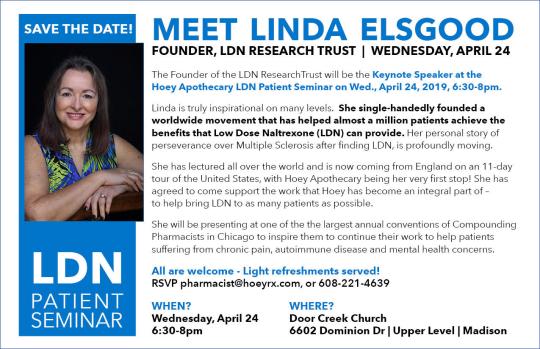
Reminder: FREE LDN Talk in Madison – April 24, 2019

0-5

More on LDN:  https://madisonarealymesupportgroup.com/2016/12/18/ldn/

https://madisonarealymesupportgroup.com/2018/10/30/ldn-an-overview-of-clinical-applications/

https://madisonarealymesupportgroup.com/2019/03/19/sjogrens-syndrome-clinical-benefits-of-low-dose-naltrexone-therapy/

https://madisonarealymesupportgroup.com/2017/06/12/ldn-reduced-pro-inflammatory-cytokines-in-fm-after-eight-weeks/

https://madisonarealymesupportgroup.com/2018/07/16/low-dose-naltrexone-for-lyme-living-with-lyme-podcast/

https://madisonarealymesupportgroup.com/2019/01/16/ldn-cbd/

Cancer: ‘Off-the Shelf’ Stem Cell Treatment Enters Clinical Trial

https://www.medicalnewstoday.com/articles/324916.php?

Cancer: ‘Off-the-shelf’ stem cell treatment enters clinical trial

Published

In a first-of-its-kind trial in the United States, researchers are testing a stem cell-derived natural killer cell immunotherapy in people with incurable cancer.

Natural killer cells


Cancer follows heart disease as the secondbiggest killer worldwide. In the United States, an estimated 606,880 people will die due to cancer in 2019.

With the advent of immunotherapy, researchers hoped to boost a person’s immune system to fight and destroy tumors effectively. Although this type of therapy has completely changed the treatment landscape for cancers such as melanoma, there remain a significant number of people whose tumors can evade their immune system.

Joining the likes of adoptive cell transfer and checkpoint inhibitors on the list of immunotherapies are natural killer (NK) cells. These specialized white blood cells come equipped with a potent armory of tools to make short work of cancer cells.

Now, researchers at the University of California (UC) San Diego School of Medicine are running a clinical trial with industrial collaborator Fate Therapeutics to investigate NK cells both alone and in combination with checkpoint inhibitors in people with advanced solid tumors.

One particular factor sets this study apart from others using NK cells for similar purposes.

This “off-the-shelf” NK immunotherapy trial is the first in the U.S. to use cells that the researchers have derived from induced pluripotent stem (iPS) cells.

Using stem cells to kill cancer

Scientists first developed iPS cells in 2006 by switching on four dormant genes in skin cells. Doing this completely changed the characteristics of these cells and reverted them to an embryonic-like state.

Now widely hailed as an alternative to embryonic stem cells, iPS cells can, like their embryonic counterparts, develop into any type of cell.

For scientists who work on cell therapies, this provides a solution to a major stumbling block in advancing their technologies to clinical application.

Many therapies make use of a patient’s own cells or cells from a donor. While this type of personalized treatment is the mainstay of current cell therapy applications, it is costly and time-consuming.

The use of iPS cells, on the other hand, allows researchers to produce a never-ending stream of cells. All that they need is a robust method to turn iPS cells into the particular cell type that they require.

A single iPS cell can thus become an “off-the-shelf” source of cells for therapy, which it is easy to produce time and time again.

Back in 2013, Dr. Dan Kaufman — professor of medicine in the Division of Regenerative Medicine and director of cell therapy at UC San Diego School of Medicine — and his team developed a method of expanding large numbers of NK cells from human iPS cells for cancer therapy.

They published the method in the journal Stem Cells Translational Medicine.

After extensive preclinical testing, the Food and Drug Administration (FDA) gave Dr. Kaufman and Fate Therapeutics the go-ahead last November to set up a phase I clinical trial to test their iPS-derived NK immunotherapy in people with advanced solid tumors.

First ‘off-the-shelf’ cancer immunotherapy

The phase I trial started in February and will include up to 64 people with advanced, untreatable cancer. The main aim of the trial is to assess the safety of the treatment. The other objectives are to determine the extent to which the tumors respond to NK cell therapy and to find out how long the cells stay in the participants’ bodies.

The team will administer the cells once per week for 3 weeks, either on their own or in combination with one of three checkpoint inhibitors, namely nivolumab, pembrolizumab, or atezolizumab.

The study is an open-label trial, which means that all of the study participants will know which treatment they are receiving.

“This is a landmark accomplishment for the field of stem cell-based medicine and cancer immunotherapy,” explains Dr. Kaufman in a press release. “This clinical trial represents the first use of cells produced from human-induced pluripotent stem cells to better treat and fight cancer.”

“Together with Fate Therapeutics, we’ve been able to show in preclinical research that this new strategy to produce pluripotent stem cell-derived natural killer cells can effectively kill cancer cells in cell culture and in mouse models,” he continues.

The first person to receive treatment as part of the trial was Derek Ruff. After 10 years in remission, Mr. Ruff has stage 4 colon cancer, which is progressing despite aggressive treatment.

Coming to a [National Cancer Institute] cancer center means a lot to me. My options aren’t otherwise good. Some people may not opt for a clinical trial, but for me, I want a chance at a cure.”

Derek Ruff

It will be a while before the results of the trial are available, with expectations being that the study will run into 2022. However, it paves the way not only for a new generation of immunotherapies to treat cancer but also for other iPS-derived cell therapies to follow.

_________________

Basic article on stem cells:  https://www.medicalnewstoday.com/articles/323343.php

Many Lyme/MSIDS patients have tried stem cell treatment with mixed results.  They are also very expensive.


Case Series: Bartonella & Ocular Manifestations

https://www.ncbi.nlm.nih.gov/pubmed/30852734

2019 Mar 9. doi: 10.1007/s10792-019-01096-7. [Epub ahead of print]

Bartonella henselae- and quintana-associated uveitis: a case series and approach of a potentially severe disease with a broad spectrum of ocular manifestations.

Abstract

PURPOSE:

To evaluate the clinical manifestations of intraocular inflammation associated with Bartonella infection and describe the assessment and management of patients with cat-scratch disease (CSD).

METHODS:

This is a retrospective review of the clinical records of patients diagnosed with Bartonella henselae and Bartonella quintana intraocular inflammation from 2011 to 2018 in the Department of Ocular Inflammations and Infections of the University Eye Clinic of Ioannina (Greece). An analysis of the current literature concerning Bartonella-related intraocular infections was also carried out.

RESULTS:

This is a retrospective study of 13 patients (7 males and 6 females) with a mean age of 39.2 years that were diagnosed with unilateral intraocular inflammation, except one case with bilateral affection, attributed to Bartonella (either henselae or quintana). Twelve (12) patients (92.3%) had a positive history of traumatic cat contact. The main ocular clinical findings with regard to the type of uveitis included neuroretinitis in 5 eyes (38.5%), vasculitis in 3 eyes (23.1%), iridocyclitis in 2 eyes (15.4%), intermediate uveitis in 2 eyes (15.4%), posterior uveitis in 1 eye (7.7%), panuveitis in 2 eyes (15.4%), retinochoroiditis in 2 eyes (15.4%), vitritis in 1 eye (7.7%), peripheral choroidal granuloma in 1 eye (7.7%). Immunoglobulin (Ig) G was positive in all cases. All patients were treated with antibiotics (mainly rifampicin, doxycycline and azithromycin). The visual acuity was noted to be improved in all patients after treatment, but some of them experienced disturbing complications.

CONCLUSION:

CSD may manifest with various ocular pathological findings. Taking into consideration the increasing frequency of infections by B. henselae and B. quintana, clinicians should always incorporate CSD in the differential diagnosis of such presentations of uveitis. Educating vulnerable groups (children, immunosuppressed, etc.) and also general population, the appropriate preventing measures can contribute in limiting the risk of infection.

______________

**Comment**

While this study showed a high percentage with cat contact, many have become infected with Bartonella who were completely healthy and had no contact with cats:  https://madisonarealymesupportgroup.com/2019/03/02/skin-inflammation-nodules-letting-the-cat-out-of-the-bag/  I include links after the abstract.

Also, Bartonella can cause severe psychiatric symptoms:  https://madisonarealymesupportgroup.com/2019/03/24/cat-scratch-disease-caused-teens-schizophrenia-like-symptoms-report-says/

More on Bartonella & ocular manifestations:  https://madisonarealymesupportgroup.com/2018/09/06/ocular-manifestations-of-bartonellosis/

https://madisonarealymesupportgroup.com/2017/10/23/opthalmic-manifestations-of-bartonella-infection/

https://madisonarealymesupportgroup.com/2017/07/21/bartonella-and-neuroretinitis/

https://madisonarealymesupportgroup.com/2018/07/10/bartonella-henselae-neuroretinitis-in-patients-without-cat-scratch/

Bartonella Treatment:  https://madisonarealymesupportgroup.com/2016/01/03/bartonella-treatment/

More on Bartonella:  https://madisonarealymesupportgroup.com/2019/02/27/advanced-imaging-found-bartonella-around-pic-line/  Slides within link.  Links included to give to Dr. Ericson’s research on Bartonella.