This paper is only available as a PDF. To read, Please Download here.
Highlights
•
After the global push for the use of Hydroxychloroquine and Chloroquine there is ongoing discussion about the effectivity of these drugs.
•
Findings of this observational study provide crucial data on a potential protective effect of Hydroxychloroquine in non-ICU, hospitalized COVID-19 patients.
•
Early treatment with HCQ on the first day of admission is associated with a reduced risk of 53% in transfer to the ICU for mechanical ventilation.
•
This protective effect was not observed for Chloroquine, therefore these drugs cannot be regarded as interchangeable.
Abstract
Background
The global push for the use of hydroxychloroquine (HCQ) and chloroquine (CQ) against COVID-19 resulted in an ongoing discussion about the effectivity and toxicity of these drugs. Recent studies report no effect of (H)CQ on 28 day-mortality. We investigated the effect of HCQ and CQ in hospitalized patients on the non-ICU COVID-ward.
Methods
A nationwide, observational cohort study was performed in The Netherlands. Hospitals were given the opportunity to decide independently on the use of three different COVID-19 treatment strategies: HCQ or CQ, or no treatment. We compared the outcome between these groups. The primary outcomes were 1) death on the COVID-19 ward, and 2) transfer to the Intensive Care Unit (ICU).
Results
The analysis contained 1064 patients from 14 hospitals: 566 patients received treatment with either HCQ (n = 189) or CQ (n = 377), and 498 patients received no treatment. In a multivariate propensity matched weighted competing regression analysis, there was no significant effect of (H)CQ on mortality on the COVID-ward. HCQ however was associated with a significant decreased risk of transfer to the ICU (Hazard ratio (HR) = 0.47, 95%CI = 0.27–0.82, p = 0.008), when compared to controls. This effect was not found in the CQ group (HR = 0.80; 95%CI = 0.55–1.15, p = 0.207), and remained significant after competing risk analysis.
Conclusion
The results of this observational study demonstrate a lack of effect of (H)CQ on non-ICU mortality. However, we show that the use of HCQ – but not CQ – is associated with 53% decreased risk of transfer of COVID-19 patients from the regular ward to the ICU. Recent prospective studies have reported on 28 days all-cause mortality only, therefore additional prospective data on the early effect of HCQ in preventing transfer to the ICU is still needed.
______________________
**Comment**
This poor drug has been scrutinized like no other – all because of severe conflicts of interest held by our public ‘authorities’. While it isn’t for everyone, and it must be utilized in a certain way, it has been shown repeatedly to work in certain populations. To ban it from use shows the underhanded way ‘authorities’ have dealt with it.
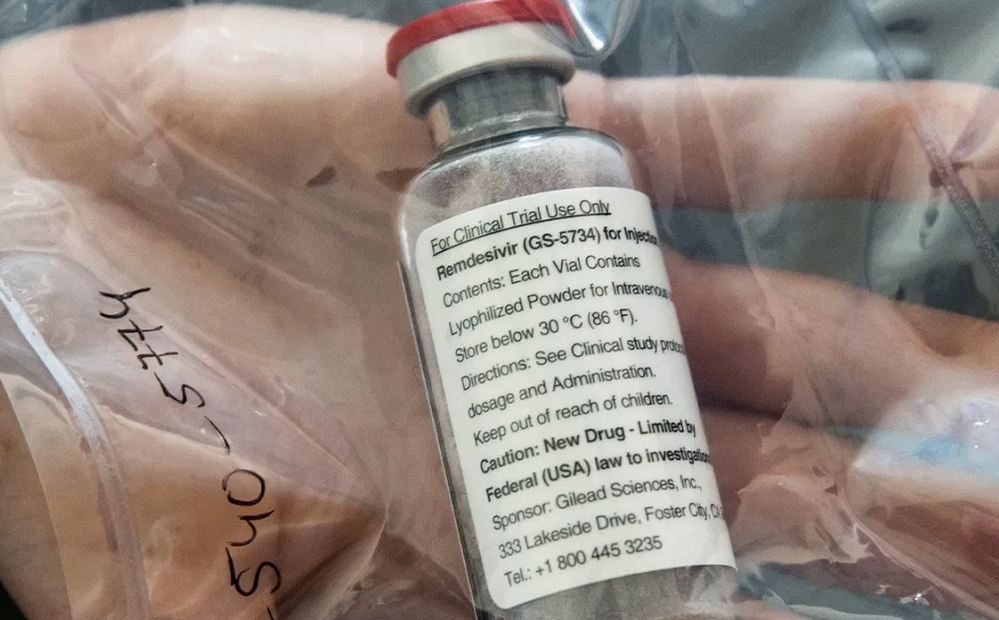
The highly anticipated WHO drug trial called Solidarity found that Gilead’s COVID-19 treatment, remdesivir, had no substantial effect on a COVID-19 patient’s chances of survival. It also found that three other therapeutics were similarly ineffective.
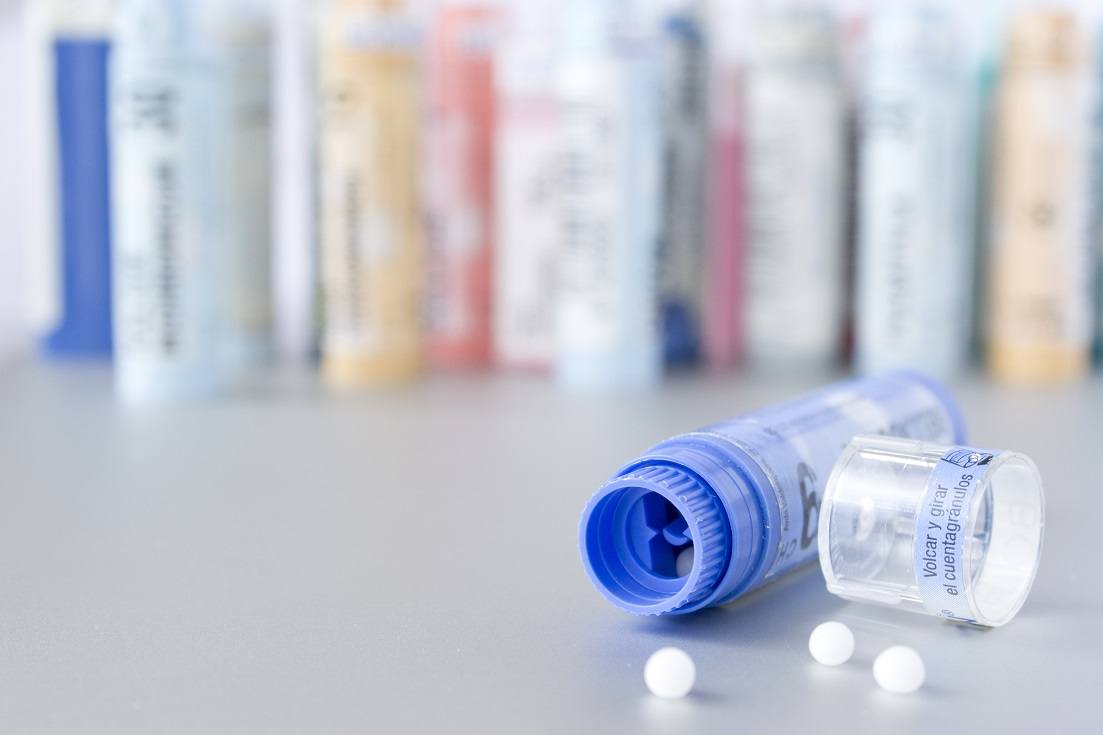
One of those was HCQ, although it has been shown in numerous other studies that if used appropriately, will benefit patients:
The Tick-Borne Illness Center of Excellence has come to the rescue. To receive specialty care for tickborne illnesses has required significant travel to either the east or west coasts. Now we have a center specializing in tick-borne illnesses right in the heart of the Midwest. Located in the beautiful Northwoods of Wisconsin, the Center opened its doors to chronically ill patients on the waiting list last September and is now ready to accept new patients.
Under the purview of world-renowned Dr. Samuel Shor, a 30+ year Provider of care to tick-borne illness patients and past President of ILADS, the Center has four primary objectives. The Center is a place:
1. Where people who believe they may have a tick-borne illness can be effectively diagnosed
and treated.
2. Where patients who have been suffering for some time from an undiagnosed illness can receive a clear plan for treatment and follow-up care.
3. Where patients can participate in research to improve the ability to diagnose and treat tickborne illnesses.
4. That connects with other clinicians and researchers to share information and findings. A place where collaboration is the norm.
To remain focused on tick-borne illnesses, the Center is blessed with an Advisory Board consisting of Dr. Shor, Dr. Brian Fallon from Columbia University and Dr. John Aucott from Johns Hopkins University, all well-respected and recognized crusaders in the battle against tick-borne illnesses.
If you’re not getting the help you need to return to health, don’t hesitate. Contact the Tick-Borne Illness
Center of Excellence to have your best chance of succeeding.
To make an appointment today, call 715-203-1616
Make sure to let them know how you heard about the Center!
The good news is Wisconsinites have numerous qualified Lyme literate doctors and do not have to travel to the coasts to get help.
The best source of information on doctors, their treatment style, and costs is your local Lyme support group. Although these groups are influx, please see: https://rawlsmd.com/lyme-support?
Whether you suspect you have Lyme disease, have recently been diagnosed, or have been struggling with chronic symptoms for a long time, we know you have questions — lots of them. Dr. Bill Rawls wants to help you find as many answers as possible.
The author of the best-selling book, Unlocking Lyme, Dr. Rawls isn’t just a Lyme-literate medical doctor (LLMD) — he also knows firsthand where you’re coming from: In the middle of his successful OB-GYN career, Dr. Rawls’ life was interrupted by Lyme disease. In his journey to overcome it, he explored nearly every treatment possible – from conventional medicine to a range of alternative therapies — until he finally discovered what worked.
Since his recovery more than a decade ago, Dr. Rawls has helped thousands of patients find their path to healing from Lyme disease and related chronic illness. Now, he’d like to help you. Come with your questions, and he’ll answer as many of them as possible.
Don’t miss an exclusive gift for all webinar attendees, plus a chance to win a FREE private consult with Dr. Rawls.
HAS YOUR DOCTOR RECOMMENDED YOU GET A PICC LINE TO TREAT YOUR LYME DISEASE? HERE ARE THE PROS AND CONS OF IV ANTIBIOTICS FOR LYME.
When diagnosed right away, many cases of Lyme disease can be treated with a three-week course of oral antibiotics. Some 20% of patients, however, go on to experience continued symptoms—known as Post Treatment Lyme Disease Syndrome—and require more antibiotics. Still others, like myself, suffer with Late Disseminated Lyme Disease, which isn’t diagnosed until months or years after a tick bite. By that point, the Lyme bacteria, called a spirochete, has replicated and invaded many systems of the body, often crossing the blood-brain barrier.
This stage of Lyme disease is so advanced that Lyme Literate Medical Doctors (LLMDs) often recommend intravenous antibiotics, administered through a peripherally inserted central catheter (PICC line). A port is placed in your arm with a line that runs directly to your heart. The port remains in your arm for as long as your doctor recommends—in some cases months or even years—and you self-administer antibiotics. Just the idea of having a PICC line is understandably daunting to patients. Many write to me wondering if they should pursue this route. I responded briefly to this question in one of my “Dear Lyme Warrior…Help!” columns. In this blog, I will share more about my own experience with a PICC line, and outline pros and cons.
My Experience
I was bitten by a tick in 1997, but wasn’t diagnosed with Lyme disease and two of its co-infections, babesia and ehrlichia, until 2005. By that time the infections had crossed into my central nervous system, making them more difficult to treat. My LLMD had me start with oral antibiotics. At first, they caused a Herxheimer reaction, which told my doctor that the medication was working. However, after six weeks of treatment, he determined that it wasn’t working fast enough, and recommended a PICC line.
A nurse put the line in at the doctor’s office. It felt like getting a regular IV inserted; I could not feel the line moving from my arm to my heart. I had a chest x-ray to make sure the line was correctly in place, and then the nurse administered the first dose of antibiotics, to make sure I didn’t have a bad reaction. He also taught me how to administer the medication myself. Instead of a typical IV bag, the medication came in a bolus, a hard ball that needed to be refrigerated. The nurse showed me exactly how to wash my hands before touching my port; how to pinch the port with two fingers and clean it with an alcohol wipe; how to first flush the line with saline, and then how to attach the bolus; how to flush the line with saline and heparin (to prevent clots) once I’d finished infusing; and how to properly replace the port’s cap and safely wind it up, tucking it inside a mesh sleeve when I was done.
After a few days, I felt like a nurse myself. Armed with the right knowledge and my nurse’s phone number, I felt safe hooking my port up to a bolus twice a day. With my arm outstretched on the kitchen table, I read the paper in the morning and watched game shows at night to pass the hour that it took for the boluses to deflate. Once a week, the nurse came to my house to clean the line and draw my blood, so my doctor could run lab work to make sure I was reacting well to the medication.
When I wasn’t infusing medication, I generally was able to go about my day as normal (which, at that time of acute illness, didn’t include much beyond resting and taking the occasional trip to the pharmacy). I sometimes forgot the PICC line was even there. That said, I did have to take certain precautions with it. It was very important not to get even a drop of water on the line. Therefore, I wore a special sleeve to cover it when doing dishes or washing my hands; took baths instead of showers; and had someone else wash my hair in the sink. When out in public, I wrapped an ace bandage around the mesh sleeve that held my port in place, for extra protection; I had to be sure not to snag the line on anything. For that reason, I generally didn’t sleep on that side.
Despite these limitations and an unexpected gallbladder attack (which I’ll explain below), I am still glad I used a PICC line for the year that I had it in my arm. Would I have gotten better if I had stayed on oral antibiotics? Probably. Some LLMDs use them exclusively, even pulsing them on and off. But likely my recovery would have taken much longer. I saw great improvement in a year’s time, so the intravenous route was the right one for me.
When weighing whether it’s right for you, consider the following pros and cons:
Pros
Efficacy and efficiency: Intravenous antibiotics are stronger than oral antibiotics, so they can attack spirochetes faster and more effectively.
Pressure off the gut: Oral antibiotics can cause gastrointestinal issues such as candida. Intravenous antibiotics are a more direct route that doesn’t affect your stomach.
Different medication options: Some antibiotics can be offered both orally and intravenously, while others work better in one form or the other. Intravenous antibiotics give your LLMD more options with which to treat your infection(s), and sometimes changing up treatment is helpful when you’ve hit a plateau.
Medical know-how: Once you’ve had a PICC line and have self-administered intravenous antibiotics, other medical procedures seem like a snap. I learned so much from being my own nurse that I now feel better informed when asking doctors questions and advocating for myself, whether with Lyme or another illness.
Weekly company: Lyme disease can be very isolating, especially when you’re too sick to leave the house. I looked forward to my nurse’s weekly visits for much-needed socialization.
Cons
More intense Herxheimer reactions: Because a PICC line allows you to get a higher dose of antibiotics into your system faster, the die-off of spirochetes can also be quicker. Your body may not be able to eliminate the dead bacteria as fast as the antibiotics kill them. This can cause some intense Herxheimer reactions. Your doctor may give you a few days off of treatment to allow your body time to detox.
Risk of gallstones: Gallstones are a rare side effect of certain intravenous antibiotics. I happened to get them, and had to undergo emergency gallbladder removal. That was in 2005. These days, LLMDs are more aware of which medications come with this risk (and tend to avoid them when possible), and are also able to prescribe proactive treatment against gallstones.
Risk of clots: Following the proper protocol is essential to keeping a PICC line clean, but even so, the line can clot. This happened to me one night (I noticed when I couldn’t push the heparin into the line) and requires a nurse to come immediately. In some cases you may have to get the line removed, though my line was able to be repaired at home.
Can’t get it wet: Having a PICC line means no swimming, and limitations on other activities like showering. There are special sleeves that you can wear when you’re near water (like when doing the dishes), but the arm absolutely cannot be submerged.
Only you and your LLMD can determine whether a PICC line is right for you. I hope this list will help you make an informed decision.
Opinions expressed by contributors are their own.
Jennifer Crystal is a writer and educator in Boston. Her memoir about her medical journey is forthcoming. Contact her at lymewarriorjennifercrystal@gmail.com.
What is truly sad is this work was done by patients for patients. Nothing of help has come from mainstream medicine/research. These people are stuck in a time-warp of their own making and solely focus on the acute stage of Lyme, leaving those with chronic symptoms to rot. Their answer: “it’s all in your head.“
A September 2020 meta-analysis concludes there is a significant relationship between autism and concentrations of lead and mercury in the body
According to the researchers, mercury concentration is a pathogenic cause for autism, meaning it’s a causative factor
According to a 2014 review, there is evidence of malfeasance and conflicts of interest in studies claiming that thimerosal in vaccines is safe
Serious flaws and errors also plague studies that claim aluminum in vaccines is safe. A mathematical error found in a key FDA study has reignited concerns about the safety of aluminum in vaccines
Glutathione is the dominant agent that binds to and helps move mercury and other heavy metals out of your tissues. Part of effective detox involves upregulating your biochemistry to facilitate the mobilization and elimination of metals
The controversy over whether mercury overexposure can trigger autism is a long-standing one. A new meta-analysis of previous studies sheds much needed light on the matter, concluding there’s a “significant relationship” between the two.
The review,1,2 published in the September 2020 issue of Pediatric Health, Medicine and Therapeutics, looked at 18 studies conducted between 1982 and 2019 that examined the relationship between concentrations of copper, lead or mercury in blood, plasma, hair or nails and the prevalence of autism. While no relationship was found between autism and copper concentrations, a high degree of correlation was found for mercury and lead.
According to the authors,3 the relationship between mercury and autism is so strong that “the concentration of mercury can be listed as a pathogenic cause (disease-causing) for autism.” This held true even when outlier studies that might unduly influence the results were removed.
Mercury Is a Causative Factor
In the introduction, the authors point out that studies carried out in this area suggest mercury and other toxins are involved in the cause of autism, which include abnormal brain development that affects social interaction and communication skills.
“Metals’ biological effects are associated with their chemical properties, suggesting that excessive metal exposure can cause brain abnormalities around the world,” the researchers state.4
“Mercury is considered as a risk factor for autism since, according to previous studies, it has been recognized as a neurotrophic toxin. Reduction in mercury content in hair and teeth of the children with autism aroused the low disposal of mercury hypothesis.
Blaurock-Bush et al found that heavy metals are effective in the development of autism disorder. The role of mercury in the pathogenesis of autism has also been proven in other studies …
According to points raised in the present study … it would be quite reasonable to advise prevention of exposure to mercury and lead in children and provision of suitable conditions during the sensitive period of mothers’ pregnancy as vital measures to prevent the disease …”
A 2017 review paper,5 “The Toxicology of Mercury: Current Research and Emerging Trends,” details the “kinetics of this metal,” including “its metabolism, interaction with other metals, distribution, internal doses and targets and reservoir organs.” The paper cites several studies linking mercury and autism among its references, noting that:6
“Autism spectrum disorder (ASD) has been demonstrated to be accompanied by distorted metal homeostasis. The degree to which people are affected by the metals seems to be largely influenced by the individual genetic makeup.
Especially Hg [mercury] exposure has become a suspected causative factor for many pathological conditions, and several sources of exposure to Hg compounds can be listed, including dental amalgam fillings, seafood, vaccines and increasingly from energy saving light bulbs as well.”
Malfeasance in Research Showing Thimerosal Safety
In the video above, the University of Calgary faculty of medicine illustrate how mercury causes neuronal degeneration in your brain. While there are many environmental sources of mercury exposure, some of the most prominent ones include high-mercury fish,dental amalgam and thimerosal-containing vaccines.
Thimerosal is a mercury-based preservative used in certain vaccines. While it has been removed from most childhood vaccines, it is still used in some multidose vials, meaning vials that contain more than a single dose of the vaccine.
Remarkably, while the fact that mercury is neurotoxic is noncontroversial, health authorities still insist injected thimerosal is perfectly safe and has never been linked to neurological dysfunction. How could that be?
In 2014, a review article7 in the BioMed Research International journal titled, “Methodological Issues and Evidence of Malfeasance in Research Purporting to Show Thimerosal in Vaccines Is Safe,” noted that:
“The studies upon which the CDC relies and over which it exerted some level of control report that there is no increased risk of autism from exposure to organic Hg in vaccines, and some of these studies even reported that exposure to Thimerosal appeared to decrease the risk of autism.
These six studies are in sharp contrast to research conducted by independent researchers over the past 75+ years that have consistently found Thimerosal to be harmful … Many studies conducted by independent investigators have found Thimerosal to be associated with neurodevelopmental disorders.
Several studies, for example, including three of the six studies covered in this review, have found Thimerosal to be a risk factor for tics. In addition, Thimerosal has been found to be a risk factor in speech delay, language delay, attention deficit disorder, and autism.
Considering that there are many studies conducted by independent researchers which show a relationship between Thimerosal and neurodevelopmental disorders, the results of the six studies examined in this review, particularly those showing the protective effects of Thimerosal, should bring into question the validity of the methodology used in the studies …
Importantly … five of the publications examined in this review were directly commissioned by the CDC, raising the possible issue of conflict of interests or research bias, since vaccine promotion is a central mission of the CDC.
Conceivably, if serious neurological disorders are found to be related to Thimerosal in vaccines, such findings could possibly be viewed as damaging to the vaccine program.”
Aluminum Is Another Neurotoxic Poison
Today, the most commonly used vaccine preservative is aluminum, not thimerosal.It’s unfortunate that the Pediatric Health, Medicine and Therapeutics review did not include it, because it’s likely that aluminum has a similar impact on autism as mercury.
According to a 2018 study,8people with autism were found to have high amounts of aluminum in their brains.
“The mean (standard deviation) aluminium content across all 5 individuals for each lobe were 3.82(5.42), 2.30(2.00), 2.79(4.05) and 3.82(5.17) μg/g dry wt. for the occipital, frontal, temporal and parietal lobes respectively,” the researchers noted.9
The lead author on this paper was Dr. Christopher Exley, a leading expert in aluminum toxicology. He and a team of international scientists have also published a paper10 in the (preprint) December 2020 issue of the Journal of Trace Elements in Medicine and Biology.
In it, they provide evidence for their position that “the safety of aluminium-based vaccine adjuvants … must be seriously evaluated without further delay, particularly at a time when the CDC is announcing a still increasing prevalence of autism spectrum disorders, of 1 child in 54 in the USA.”
As with thimerosal above, serious flaws and errors plague studies that claim aluminum in vaccines is safe. As reported in “Major Error Found in Vaccine Aluminum Safety Calculation,” a mathematical error found in a key U.S. Food and Drug Administration study has reignited concerns about its safety.
The FDA study,11 published in 2011, compared aluminum exposure from vaccines in infants to the Agency for Toxic Substances and Disease Registry’s (ATSDR) safety limit of oral aluminum, concluding that:12
“… the body burden of aluminum from vaccines and diet throughout an infant’s first year of life is significantly less than the corresponding safe body burden of aluminum modeled using the regulatory MRL.
We conclude that episodic exposures to vaccines that contain aluminum adjuvant continue to be extremely low risk to infants and that the benefits of using vaccines containing aluminum adjuvant outweigh any theoretical concerns.”
The problem, found by Physicians for Informed Consent, is that the FDA based its calculations on 0.78% of oral aluminum being absorbed into the bloodstream instead of the value of 0.1% used by the ATSDR.
“As a result,” Physicians for Informed Consent noted,13 “the FDA paper assumed that nearly 8 (0.78%/0.1%) times more aluminum can safely enter the bloodstream, and this led the authors to incorrectly conclude that aluminum exposure from vaccines was well below the safety limit.” Christopher Shaw, a professor at the University of British Columbia who has studied the effects of injected aluminum, explained in a news release:14
“We knew that the [2011] Mitkus et al. paper modeling aluminum clearance had to be inaccurate since it was assuming that injected aluminum kinetics were the same as the kinetics of aluminum acquired through diet.
Now, in addition, we see that they did their modeling based on using the incorrect level of aluminum absorption. What is particularly striking is that despite all these errors, since 2011, Mitkus et al. is used by CDC and other entities as the basis for claiming that aluminum adjuvants are safe.”
The Dangers of Lead
Lead is a naturally occurring metal that was once commonly used in gasoline, paint and children’s toys, and is still a part of batteries, pipes, pottery, roofing materials and cosmetics. Due to environmental pollution, food and water has also become a source of this dangerous toxin.
If you live in an urban area or near a busy road, it’s probably best to assume that your soil is contaminated with lead to some extent. This is also an issue if you plan to plant a vegetable garden, as vegetables can take up lead from the soil very efficiently.
Lead damages your brain and nervous system, and has been shown to lower IQ. Even small amounts can be dangerous, as lead builds up in your body over time. Children under 6 are especially at risk, as they absorb lead more easily than adults.
As detailed in “The Heroes Who Sunk Lead,” Herbert Needleman performed much of the foundational research showing even low levels of lead were dangerous. Another crucial crusader against lead was geochemist Clair Cameron Patterson, Ph.D.
It’s thanks to Patterson’s tireless work that lead was finally removed from gasoline, thereby saving untold billions of people from serious harm.15 He’s an unsung public health hero of the 20th century that most people have never heard of.
The video below is a short summary of the evolution of leaded gas, and ultimately, its removal, which was no small feat. Unfortunately, there are many other sources of toxic metals, and unless we address them all, we’re unlikely to get a handle on the autism epidemic.
We’re Getting Mercury Out of Dentistry
As mentioned, dental mercury is one pernicious source of mercury. Here, there is good news. After years of pressure from Consumers for Dental Choice and its allies, the FDA has finally released a long-overdue safety communication on dental amalgam.16 September 24, 2020, the FDA issued a warning that mercury fillings may adversely affect:
Pregnant women and their developing fetuses
Women who are planning to become pregnant
Nursing women and their newborns and infants
Children, especially those younger than 6
People with pre-existing neurological disease such as multiple sclerosis, Alzheimer’s disease or Parkinson’s disease
People with impaired kidney function
People with known heightened sensitivity (allergy) to mercury or other components of dental amalgam
While the FDA downplays the importance of its changed recommendation by stressing that the benefits of dental amalgam likely “outweigh their risks for most patients,” this update is nothing short of monumental, and opens the door, finally, for the elimination of dental mercury for all patients in the U.S., as has been done in many other countries already.
Detoxifying Heavy Metals
Heavy metal detoxification is no simple matter. As explained in “The Three Pillars of Heavy Metal Detoxification,” glutathione is the dominant agent that binds to and helps move mercury and other heavy metals out of your tissues. Part of effective detox involves upregulating your biochemistry to facilitate the mobilization and elimination of metals. In summary, the three pillars of heavy metal detox are:
Cleanse and clear your GI tract of metals and toxins
Optimize glutathione
Upregulate detox genes
My mercury detox protocol is detailed in “Revised Protocol for Detoxifying Your Body from Mercury Exposure.” One way to help improve your glutathione is by taking N-acetylcysteine (NAC), which is a precursor to and rate-limiting nutrient for the formation of glutathione.
In addition to upregulating your biochemistry to mobilize and eliminate heavy metals, sauna bathing can go a long way toward eliminating mercury and other toxins from your body. You can learn more about this in “How to Achieve Superior Detoxification With Near-Infrared Light.”
In January 2020, I also interviewed Boyd Haley, Ph.D., is a chemist specializing in the development of chemicals to chelate toxic metals. Haley has developed a nontoxic chelating compound called emeramide or NBMI (brand name Irminix), which tightly binds to mercury and free iron (which is also highly toxic), and acts as a potent antioxidant, as it has two glutathione arms.
Emeramid is still under drug development but can be obtained via expanded access, named patient use, compassionate use or special use, depending on the country you’re in. An early access application and prescription, required by the EMA, is available on the company’s website, EmeraMed.com.17
In closing, the evidence strongly suggests exposure to mercury, lead and aluminum are significant risk factors for autism and other neuropathologies. The simplest answer to the autism epidemic is therefore to prevent children from these kinds of exposures. That includes banning dental amalgam and getting thimerosal and aluminum out of all vaccines.