Archive for the ‘Psychological Aspects’ Category

Gestational Lyme & Other Tick-borne Diseases – Dr. Jones

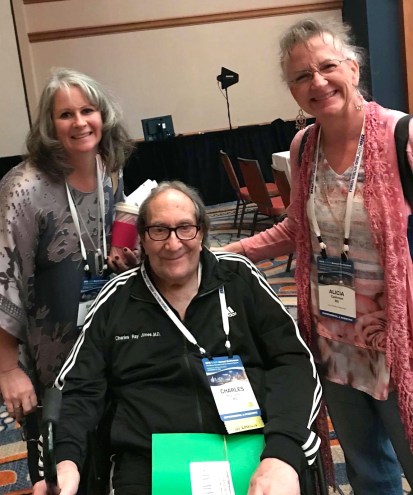
Dr. Charles Ray Jones – Rock Star

FB_IMG_1541741969447From left, Sherry Sievewright, Wisconsin Lyme Network, Dr. Charles Ray Jones, Alicia Cashman, Madison Lyme Support Group

Dr. Charles Ray Jones specializes in treating Lyme/MSIDS patients.  He has treated over 12,000 children with Lyme/MSIDS, and spoke recently at the Chicago ILADS convention.

Here is the executive summary of his presentation:

  • Borrelia burgdorferi (Bb) can be transmitted via ticks, gestationally, breast milk, and semen (yes, that means sexually).  While there isn’t a large NIH double-blind study, clinically LLMD’s are finding infected couples.  For more data on animals:  https://madisonarealymesupportgroup.com/2017/02/24/pcos-lyme-my-story/  (Scroll down to info on sexual transmission)


  • Gustafason & Burgess demonstrated gestational Bb infection in dogs.  Of the inoculated bitches, 80% became infected who then birthed mostly infected pups.1


  • A retrospective study showed 480 children with gestational Lyme/MSIDS. Diagnosis was based on clinical physical and history. 3


  • About 10% of Dr. Jones’ patients are infected gestationally.


  • Two cases of in vitro fertilization caused embryonic infection.


  • Mothers not treated resulted in 50% gestational transmission compared to mothers treated with 1 antibiotic resulting in a 25% transmission.  70% of infected mothers reported a difficult pregnancy.  ALL children improved with appropriate antibiotic treatment.  


  • Antibiotic treatment for Pregnant mothers:
  1. Amoxil 1000mg every 8 hours
  2. Ceftin 500 mg every 12 hours
  3. Omnicef 300 mg-600mg twice daily
  4. Mepron 750mg twice daily
  5. Zithromax 500mg twice daily
  • Other options for those who can not tolerate oral antibiotics:
  1. Bicillin 1.2 million units IM 1-3 times weekly
  2. Ceftiaxone 2 gms IV daily
  3. Cefotaxime 6 gms daily either continuous infusions or 2gms IV every 8 hours
  • Top 6 gestational Lyme symptoms:
  1. 90% low muscle tone (delays in motor skills, excess flexibility, drooling)
  2. 80% irritability (impulsive, risky behavior, interrupts, anger/mood swings)
  3. 72% fatigue
  4. 69% pain
  5. 60% low grade fevers with pale skin & dark circles under eyes
  6. 50% painful joints with stiffness & decreased range of motion
  • Coinfection rate found in study.3
  1. 30% Bartonella
  2. 20% Babesia
  3. 7% Strep
  4. 6% Ehrlichiosis
  5. 5% Leptospirosis
  • Male Child Case Study Findings.  Daily fevers between 101-102 degrees with severe joint pain, could not process stimuli, and poor muscle control.  Mother was infected with Bb during pregnancy and child had numerous tick bites.  Was initially diagnosed with a virus and was told he’d “grow out of it.”  Grandparents in desperation hired a priest to exorcise him.  Within 3 months of a clinical diagnosis of Bb (Western Blot positive) and multiple TBI’s (Babesia, Bartonella, Mycoplasma) and appropriate antibiotic treatment, he was doing well in school & athletics, and improved on all perimeters.  Treatment is ongoing.


  • Gestational treatment options:
  1. Combination of penicillin, cephalosporins, macrocodes, atovaquone (tetracycline, doxycyline & minocycline not usually used in those under 8) 


  • A 1995 study by Gardner showed 15% abnormal babies in treated mothers vs 67% of abnormal babies in mothers not treated.4


  • A 1989 study by MacDonald showed the following Lyme infection outcomes during pregnancy.5
  1. prematurity
  2. fluid in the brain
  3. blindness
  4. Sudden infant death syndrome
  5. blood infection
  6. Fetal death
  7. cardiovascular system anomalies
  8. growth retardation
  9. respiratory distress
  10. excess of bilirubin in the blood

References:

  1. Gustafson, J.M., E.C Burgess, et al.(1993). “Intrauterine transmission of Borrelia burgdorferi in dogs. “Am J Vet Res 54(6): 882-890
  2.  Xiao, J., et al. 2011. “How Different Strains of Parasite Infection Affect Behavior Differently”. Infection and Immunity. March 2011 . Quoted in science daily, March 22, 2011.
  3.  Jones, Charles Ray, Smith, Harold, Gibb, Edina and Johnson, Lorraine JD, MBA, “Gestational Lyme Disease Case Studies of 102 Live Births, Lyme Times, 2005”. 
  4. Gardner, T. (1995). Lyme disease. Infectious disease of the fetus and newborn infant. J. S Remington and J.O Klein. Philadelphia, Saunders. Chapter 11:447- 528. 
  5. MacDonald, A.B. (1989) “Gestational Lyme Borreliosis. Implications for the fetus. “Rheum Dis Clin North Amer 15(4): 657-677. 
  6. Goldenberg, R.L and C. Thompson (2003) “The infectious origin of stillbirth”. Am J Obstet Gynecol 189(#): 861-873.

____________________

More on Pregnancy with Lyme/MSIDS:

https://madisonarealymesupportgroup.com/2018/06/19/33-years-of-documentation-of-maternal-child-transmission-of-lyme-disease-and-congenital-lyme-borreliosis-a-review/

https://madisonarealymesupportgroup.com/2018/05/24/new-berlin-mom-given-life-altering-lyme-disease-diagnoses-after-pregnancy/

https://madisonarealymesupportgroup.com/2017/10/15/pregnancy-in-lyme-dr-ann-corson/

https://madisonarealymesupportgroup.com/2018/07/24/congenital-transmission-of-lyme-myth-or-reality/

https://madisonarealymesupportgroup.com/2018/02/26/transplacental-transmission-fetal-damage-with-lyme-disease/  (Great videos here)

https://www.lymedisease.org/lyme-basics/lyme-disease/children/  Great read on Lyme/MSIDS in children.

https://www.lymedisease.org/wp-content/uploads/2014/08/Image15-Jones-ABT.pdf  “Rationale for Prolonged Antibiotic Therapy in Treating Lyme Disease.”  By Charles Ray Jones, M.D.

Neurological Presentations of Bartonella henselae Infection

https://www.ncbi.nlm.nih.gov/m/pubmed/30368695/

Neurological presentations of Bartonella henselae infection.

Canneti B, et al. Neurol Sci. 2018.

Abstract

OBJECTIVE: Neurological symptoms in patients with cat-scratch disease (CSD) have been rarely reported. The aim of this study is to analyze the frequency of neurological CSD (NCSD) and describe the disease clinical presentation, management and outcome.

MATERIAL AND METHODS: We retrospectively selected patients with a CSD syndrome and Bartonella IgG titers > 1:256. Data regarding epidemiological, clinical, management, and follow-up features were analyzed and discussed. A comparison between NCSD and non-neurological CSD (NNCSD) was established.

RESULTS: Thirty-nine CSD patients were selected. NCSD frequency was 10.25%. No children were found affected in the NCSD group. A 65.7% of NNCSD and the entirety of the NCSD group had a history of cat exposure. Immunosuppression was only present in the NNCSD group (8.6%).

NCSD presentations were as follows:

  1. neuroretinitis (50%)
  2. isolated aseptic meningitis (25%)
  3. isolated optic neuritis (25%)

A greater proportion of patients in the NCSD group had fever and raised levels of acute phase reactants and white blood cells.

  • 85.7% of NNCSD had a complete recovery
  • only 50% of the NCSD patients experienced a full recovery

CONCLUSION: NCSD may be a distinctive group compared to NNCSD due to its later age of presentation, the more intense systemic response, and the poorer outcome.

___________________

**Comment**

This study shows what is being experienced in Lyme-land.  Bartonella is a big player and complicates things exponentially.  This study shows that Bartonella alone is a formidable pathogen.  It doesn’t even consider Lyme Disease as a co-factor but rather studies Bartonella alone.  Together, they are a “one, two punch,” and you are down for the count.  Throw in Babesia, a few viruses, and nematodes (all of which can be transmitted by the same bite of a singular tick) and it becomes pretty evident why patients are not improving – especially on the CDC’s mono therapy of doxycycline.  https://madisonarealymesupportgroup.com/2018/10/30/study-shows-lyme-msids-patients-infected-with-many-pathogens-and-explains-why-we-are-so-sick/

Please notice that only 50% of those with neurological “cat scratch disease,” (NCSD) experienced full recovery.  Imagine the percentage if Lyme was taken into account….

Also, please note the eye involvement (neuroretinitis & optic neuritis).  There are 1,000 other presentations of Bartonella as well.  Almost every patient I work with has NCSD.  Many with severe psychiatric presentations.

More on Bartonella:  https://madisonarealymesupportgroup.com/2016/01/03/bartonella-treatment/

https://madisonarealymesupportgroup.com/2018/09/07/bartonella-infectious-endocarditis-associated-with-cryoglobulinemia-multifocal-proliferative-glomerulonephritis/

https://madisonarealymesupportgroup.com/2017/01/04/endocarditis-consider-bartonella/

https://madisonarealymesupportgroup.com/2017/05/11/bartonella-henselae-in-children-with-congenital-heart-disease/

https://madisonarealymesupportgroup.com/2018/11/05/skull-infection-due-to-bartonella/

https://madisonarealymesupportgroup.com/2017/10/23/opthalmic-manifestations-of-bartonella-infection/

https://madisonarealymesupportgroup.com/2017/08/02/neurological-and-immunological-dysfunction-in-two-patients-with-bartonella-henselae-bacteremia/

I could seriously go on to infinity but will stop here.

Holidays: Relishing the In-Between Times

https://globallymealliance.org/lyme-patients-during-holiday-season/

image of orange and green pumpkins with Global Lyme Alliance logo

November 2, 2018

Holidays: Relishing the In-Between Times

by Jennifer Crystal

The build-up to Halloween is always an exciting time for kids. There’s so much anticipation—what will I be? What will my friends be? How much candy will I get? After the final flurry of fairies and goblins, ghosts and ghouls, candy bars and lollipops, there’s also an inevitable let down. Besides gorging themselves on too much sugar, kids can find themselves saying on November 1st saying, “Now what?”

There are still a few weeks remaining until Thanksgiving, and another couple months until the winter holidays. If having chronic tick-borne disease has taught me anything, it’s that these in-between times are a good thing. In fact, they’re necessary.

The build-up to a new health milestone is similar to the anticipation of a holiday. When I got my PICC line out after a year of treatment, I was filled with nervous excitement. I wondered if I would be able to maintain my health on oral antibiotics, and I was thrilled at the prospect of having two unencumbered arms. I would be able to shower! Wash my own hair! And swim!

After long illness, when we hit a health milestone or start to feel better, it’s only natural to want to run out and do all the things we did before we grew ill. But doing so more often than not will just land us right back in bed. Slow and steady wins the race for all tick-borne disease infections. It took a few weeks for my body to get used to the shift from intravenous to oral antibiotics. I then had an uptick in insomnia and fatigue. Then my symptoms diminished, and I began to feel good as I had before I went off the PICC line.

Once that happened, my inclination was to keep going—maybe I could lower my antibiotics even more! Maybe I could start doing more work! But my doctor kept me at the same dose of medication for several months. After the excitement of getting my PICC line out, I needed a period of healthy stability before building up to another change.

The same is true for holidays. If kids had Halloween every day, they would get sick from all the sugar and exhilaration. If we jumped right from Halloween to Thanksgiving to Christmas, we would be overwhelmed. The holidays wouldn’t retain their special qualities; they’d simply be exhausting. The down time in between holidays is an important way for everyone to resume their normal lives, get back on a regular schedule, and get themselves prepared for more festivities.

Sometimes, holidays still are tumultuous, despite our best efforts to normalize our lives in-between. The period between Thanksgiving and the winter holidays always feels particularly rushed, and many people find themselves burned out by January 1st. We can’t change when public holidays will occur, but Lyme patients can control how much down time they give themselves between periods of excitement. After my initial time of stability on oral antibiotics, I experimented going off of them, and at the same time made some huge life changes: moving to a new state, starting a new job, reestablishing my independence after years of convalescence.

These changes turned out to be too much, too fast. I relapsed and had to start again with antibiotic treatment. I learned that I should have maintained my treatment protocol for longer, and I should have taken baby steps with my re-entry into the workforce. Instead, I suffered the equivalent of a major sugar crash, and it took me over three years to get over it.

Now, I make changes in smaller increments. Weaning slowly off of one medication, taking on one new project at a time, and treating each like a holiday. That is, I recognize that while the change is exciting, it may also be turbulent, and I need to take extra good care of myself during the transition. Then, I need to relish some steady time getting used to that change before even considering another one. This makes the changes that much more special and enjoyable, which is exactly what holidays are meant to be.


jennifer crystal

Opinions expressed by contributors are their own.

Jennifer Crystal is a writer and educator in Boston. She is working on a memoir about her journey with chronic tick-borne illness. Contact her at jennifercrystalwriter@gmail.com


Four Essential Oils for Stopping Bartonella From Taking Over Your Brain

Four Essential Oils for Stopping Bartonella from Taking Over Your Brain

lavaPublished on October 30, 2018

Greg Lee (Founder of the Two Frogs Healing Center)

For people with neurological Bartonella symptoms of swelling and anxiety

My nephew invited us to his wedding in Hawaii. As we were booking our trip, the Kilauea volcano started spewing lava into residential neighborhoods. People had no other choice and had to evacuate as their homes and cars were burned by the spreading lava.

How is flowing lava similar to neurological Bartonella infections in people with Lyme disease?

Just like a hot lava eruption, a Bartonella infection can slowly burn through your body

Bartonella is a rod shaped, gram-negative bacteria that can be transmitted to humans via insect bites1, animal scratches and bites2, organ transplant3, needle sticks4, and blood transfusion5. At least thirteen different species of Bartonella are known to infect humans6. Bartonella has been shown to infect endothelial cells, macrophages, red blood cells7, and the lymphatic system8. Bartonella can spread through the bloodstream via the lymphatic system9. Bartonella manipulates the production of vascular endothelial growth factor10 (VEGF) and Interleukin-811 (IL-8) to make it easier for it to spread via new blood vessels through the skin and the body. Unfortunately, Bartonella can also infect the nervous system.

Bartonella has been detected in the cerebral spinal fluid of patients12

Patients with a Bartonella infection may present with multiple neurological symptoms including: confusion, encephalitis13, vision loss, neuroretinitis, optic neuropathy14, subarachnoid hemorrhage, cerebral embolism15, fever, vomiting, ataxia16, slurred speech, weakness17, convulsions18, chronic inflammatory demyelinating polyneuropathy19, depression, anxiety, mood swings, severe headaches, muscle spasms, decreased peripheral vision, diminished tactile sensation, and hallucinations20. Multiple patients have both Bartonella and Lyme disease in their nervous system21. Inflammation may play a role in Bartonella’s ability to spread into the brain.

Inflammatory compounds may help Bartonella spread into the nervous system

Patients diagnosed with Bartonella have elevated levels of IL-822, Interleukin-1023 (IL-10), and vascular endothelial growth factor24 (VEGF). Elevated levels of IL-825 and VEGF26 have been correlated with blood brain barrier increased permeability and dysfunction. Il-10 may help to protect the blood brain barrier27. Similarly, inflammatory compounds Interleukin-6 (IL-6), Interleukin- (IL-8), chemokine ligand 2 (CCL2), and CXCL13 are implicated in the spread of Lyme disease in the nervous system28. Another factor in persistent neurological infections may be due to drug resistant Bartonella strains that have been discovered.

Bartonella drug resistant strains have been discovered

Highly antibiotic resistant mutants of Bartonella bacilliformis have been found in a lab study29. Another study has found drug resistant forms of Bartonella henselae30.

Can essential oils help to reduce recurring neurological symptoms by preventing how Bartonella may spread into the nervous system?

Fortunately, there are four essential oils that lower the inflammatory compounds that Bartonella uses to spread through the body

In multiple studies, essential oils were effective at lowering inflammatory compounds and symptoms like anxiety that may be elevated in neurological Bartonella infections. Formulating these oils into microparticles called liposomes may help deliver these remedies deeper inside the brain. Many of these essential oils have been used safely for years in our food supply31. Formulating these essential oils into microparticles called liposomes may help them penetrate deeper inside of blood cells, endothelial cells and the nervous system where Bartonella likes to hide32.

Anti-Neurological Bartonella Essential Oil #1: Peppermint

In a mouse wound study, peppermint essential oil was effective at lowering VEGF and increasing IL-1033. Peppermint oil has had positive effects in reducing anxiety in human studies34. Do not apply peppermint oil undiluted to the feet of children under 12 years old, avoid large doses, it may cause heartburn, perianal burning, blurred vision, nausea and vomiting when taken internally. Peppermint essential oil use is contraindicated in children under 30 months old, and people should avoid the intake of peppermint oil with gallbladder disease, severe liver damage, gallstones, chronic heartburn35, and cases of cardiac fibrillation and in patients with a G6PD (Glucose-6-Phosphate Dehydrogenase) deficiency36. This oil is classified as Generally Recognized as Safe (GRAS) by the FDA37. Black cumin seed oil may also help to lower VEGF.

Anti-Neurological Bartonella Essential Oil #2: Black Cumin Seed

In lab studies, black cumin seed oil down regulated the expression of VEGF in endothelial cells38. In a rat study, this oil increased levels of tryptophan and reduced anxiety levels39. Black cumin seed oil is contraindicated in pregnancy and breastfeeding. It’s use is cautioned with diabetes medications, on hypersensitive, diseased or damaged skin, and in children under 2 years of age40. Mastic gum essential oil also lowers VEGF in experiments.

Anti-Neurological Bartonella Essential Oil #3: Mastic Gum

In a mouse lab study, mastic essential oil inhibited the release of VEGF41. In an outpatient study on Crohn’s disease, mastic gum decreased IL-6 and C-reactive protein (CRP)42. Citron essential oils lowered VEGF in a lab study.

Anti-Neurological Bartonella Essential Oil #4: Citron

In a lab study, citron essential oil lowered VEGF in endothelial cells43. These essential oils alone or in combination may help to reduce neurological symptoms caused by a spreading Bartonella infection in the nervous system.

Essential oils may help to reduce the spread of inflammation caused by neurological Bartonella infection

Similar to lava that is stopped by the cold waters of the ocean, essential oils that lower Bartonella inflammatory compounds may limit it’s spread in the brain and reduce neurological symptoms. Formulating these essential oils into microparticle liposomes may enhance their ability to penetrate into cells and stop Bartonella from invading the nervous system. Since these essential oils have cautions and contraindications on their use, work with a Lyme literate essential oil practitioner to develop a proper, safe, and effective strategy for your condition.


1 Billeter, S. A., M. G. Levy, B. B. Chomel, and E. B. Breitschwerdt. “Vector Transmission of Bartonella Species with Emphasis on the Potential for Tick Transmission.” Medical and Veterinary Entomology 22, no. 1 (March 2008): 1–15. https://doi.org/10.1111/j.1365-2915.2008.00713.x.

2 “Transmission | Bartonella | CDC.” Accessed July 22, 2016.http://www.cdc.gov/bartonella/transmission/.

3 Scolfaro, C., F. Mignone, F. Gennari, A. Alfarano, A. Veltri, R. Romagnoli, and M. Salizzoni. “Possible Donor-Recipient Bartonellosis Transmission in a Pediatric Liver Transplant.” Transplant Infectious Disease: An Official Journal of the Transplantation Society 10, no. 6 (December 2008): 431–33.https://doi.org/10.1111/j.1399-3062.2008.00326.x.

4 Breitschwerdt, Edward Bealmear. “Bartonellosis: One Health Perspectives for an Emerging Infectious Disease.” ILAR Journal 55, no. 1 (2014): 46–58. https://doi.org/10.1093/ilar/ilu015.

5 Núñez, M. Antonieta, Karla Contreras, M. Soledad Depix, Enrique Geoffroy, Nicolás Villagra, Sandra Mellado, and Ana M. Salinas. “[Prevalence of Bartonella henselae in blood donors and risk of blood transmission in Chile].” Revista Chilena De Infectologia: Organo Oficial De La Sociedad Chilena De Infectologia 34, no. 6 (December 2017): 539–43. https://doi.org/10.4067/S0716-10182017000600539.

6 Lamas, C., A. Curi, Mn Bóia, and Ers Lemos. “Human Bartonellosis: Seroepidemiological and Clinical Features with an Emphasis on Data from Brazil – a Review.” Memorias Do Instituto Oswaldo Cruz 103, no. 3 (May 2008): 221–35.

7 Breitschwerdt, Edward Bealmear. “Bartonellosis: One Health Perspectives for an Emerging Infectious Disease.” ILAR Journal 55, no. 1 (2014): 46–58. https://doi.org/10.1093/ilar/ilu015.

8 Choi, Alexander H., Michael Bolaris, Diana K. Nguyen, Eduard H. Panosyan, Joseph L. Lasky, and Gloria B. Duane. “Clinicocytopathologic Correlation in an Atypical Presentation of Lymphadenopathy with Review of Literature.” American Journal of Clinical Pathology 143, no. 5 (May 2015): 749–54.https://doi.org/10.1309/AJCPPSKWRX0GD8HJ.

9 Hong, Jiehua, Yan Li, Xiuguo Hua, Yajie Bai, Chunyan Wang, Caixia Zhu, Yuming Du, Zhibiao Yang, and Congli Yuan. “Lymphatic Circulation Disseminates Bartonella Infection Into Bloodstream.” The Journal of Infectious Diseases 215, no. 2 (January 15, 2017): 303–11. https://doi.org/10.1093/infdis/jiw526.

10 Kempf, V. A., B. Volkmann, M. Schaller, C. A. Sander, K. Alitalo, T. Riess, and I. B. Autenrieth. “Evidence of a Leading Role for VEGF in Bartonella Henselae-Induced Endothelial Cell Proliferations.”Cellular Microbiology 3, no. 9 (September 2001): 623–32.

11 McCord, Amy M., Sandra I. Resto-Ruiz, and Burt E. Anderson. “Autocrine Role for Interleukin-8 in Bartonella Henselae-Induced Angiogenesis.” Infection and Immunity 74, no. 9 (September 2006): 5185–90.https://doi.org/10.1128/IAI.00622-06.

12 Samarkos, Michael, Vasiliki Antoniadou, Aristeidis G. Vaiopoulos, and Mina Psichogiou. “Encephalopathy in an Adult with Cat-Scratch Disease.” BMJ Case Reports 2018 (March 5, 2018).https://doi.org/10.1136/bcr-2017-223647.

13 Samarkos, Michael, Vasiliki Antoniadou, Aristeidis G. Vaiopoulos, and Mina Psichogiou. “Encephalopathy in an Adult with Cat-Scratch Disease.” BMJ Case Reports 2018 (March 5, 2018).https://doi.org/10.1136/bcr-2017-223647.

14 Habot-Wilner, Zohar, Omer Trivizki, Michaella Goldstein, Anat Kesler, Shiri Shulman, Josepha Horowitz, Radgonde Amer, et al. “Cat-Scratch Disease: Ocular Manifestations and Treatment Outcome.” Acta Ophthalmologica, March 5, 2018. https://doi.org/10.1111/aos.13684.

15 Yuan, Y., M. Shen, and X. G. Gao. “[Presented with subarachnoid hemorrhage and then blood culture negative infective endocarditis: a case report and literature review].” Beijing Da Xue Xue Bao. Yi Xue Ban = Journal of Peking University. Health Sciences 49, no. 6 (December 18, 2017): 1081–86.

16 Barnafi, Natalia, Natalia Conca, Cecilia von Borries, Isabel Fuentes, Francisca Montoya, and Elisa Alcalde. “[Central nervous system infection by Bartonella henselae associated with a choroid plexus papilloma].” Revista Chilena De Infectologia: Organo Oficial De La Sociedad Chilena De Infectologia 34, no. 4 (August 2017): 383–88. https://doi.org/10.4067/s0716-10182017000400383.

17 Teoh, Laurence S G, Hamish H Hart, May Ching Soh, Jonathan P Christiansen, Hasan Bhally, Martin S Philips, and Dominic S Rai-Chaudhuri. “Bartonella Henselae Aortic Valve Endocarditis Mimicking Systemic Vasculitis.” BMJ Case Reports 2010 (October 21, 2010). https://doi.org/10.1136/bcr.04.2010.2945.

18 Balakrishnan, Nandhakumar, Marna Ericson, Ricardo Maggi, and Edward B. Breitschwerdt. “Vasculitis, Cerebral Infarction and Persistent Bartonella Henselae Infection in a Child.” Parasites & Vectors 9, no. 1 (2016): 254. https://doi.org/10.1186/s13071-016-1547-9.

19 Mascarelli, Patricia E, Ricardo G Maggi, Sarah Hopkins, B Robert Mozayeni, Chelsea L Trull, Julie M Bradley, Barbara C Hegarty, and Edward B Breitschwerdt. “Bartonella Henselae Infection in a Family Experiencing Neurological and Neurocognitive Abnormalities after Woodlouse Hunter Spider Bites.”Parasites & Vectors 6 (April 15, 2013): 98. https://doi.org/10.1186/1756-3305-6-98.

20 Breitschwerdt, Edward B., Patricia E. Mascarelli, Lori A. Schweickert, Ricardo G. Maggi, Barbara C. Hegarty, Julie M. Bradley, and Christopher W. Woods. “Hallucinations, Sensory Neuropathy, and Peripheral Visual Deficits in a Young Woman Infected with Bartonella Koehlerae ▿.” Journal of Clinical Microbiology49, no. 9 (September 2011): 3415–17. https://doi.org/10.1128/JCM.00833-11.

21 Podsiadły, Edyta, Tomasz Chmielewski, and Stanisława Tylewska-Wierzbanowska. “Bartonella Henselae and Borrelia Burgdorferi Infections of the Central Nervous System.” Annals of the New York Academy of Sciences 990 (June 2003): 404–6.

22 McCord, Amy M., Sandra I. Resto-Ruiz, and Burt E. Anderson. “Autocrine Role for Interleukin-8 in Bartonella Henselae-Induced Angiogenesis.” Infection and Immunity 74, no. 9 (September 2006): 5185–90.https://doi.org/10.1128/IAI.00622-06.

23 Huarcaya, Erick, Ciro Maguina, Ivan Best, Nelson Solorzano, and Lawrence Leeman. “Immunological Response in Cases of Complicated and Uncomplicated Bartonellosis during Pregnancy.” Revista Do Instituto De Medicina Tropical De Sao Paulo 49, no. 5 (October 2007): 335–37.

24 Kempf, V. A., B. Volkmann, M. Schaller, C. A. Sander, K. Alitalo, T. Riess, and I. B. Autenrieth. “Evidence of a Leading Role for VEGF in Bartonella Henselae-Induced Endothelial Cell Proliferations.”Cellular Microbiology 3, no. 9 (September 2001): 623–32.

25 Kossmann, T., P. F. Stahel, P. M. Lenzlinger, H. Redl, R. W. Dubs, O. Trentz, G. Schlag, and M. C. Morganti-Kossmann. “Interleukin-8 Released into the Cerebrospinal Fluid after Brain Injury Is Associated with Blood-Brain Barrier Dysfunction and Nerve Growth Factor Production.” Journal of Cerebral Blood Flow and Metabolism: Official Journal of the International Society of Cerebral Blood Flow and Metabolism 17, no. 3 (March 1997): 280–89. https://doi.org/10.1097/00004647-199703000-00005.

26 Zhang, Zheng Gang, Li Zhang, Quan Jiang, Ruilan Zhang, Kenneth Davies, Cecylia Powers, Nicholas van Bruggen, and Michael Chopp. “VEGF Enhances Angiogenesis and Promotes Blood-Brain Barrier Leakage in the Ischemic Brain.” Journal of Clinical Investigation 106, no. 7 (October 1, 2000): 829–38.

27 Lin, Ronggui, Fei Chen, Shi Wen, Tianhong Teng, Yu Pan, and Heguang Huang. “Interleukin-10 Attenuates Impairment of the Blood-Brain Barrier in a Severe Acute Pancreatitis Rat Model.” Journal of Inflammation (London, England) 15 (2018): 4. https://doi.org/10.1186/s12950-018-0180-0.

28 Ramesh, Geeta, Peter J. Didier, John D. England, Lenay Santana-Gould, Lara A. Doyle-Meyers, Dale S. Martin, Mary B. Jacobs, and Mario T. Philipp. “Inflammation in the Pathogenesis of Lyme Neuroborreliosis.”The American Journal of Pathology 185, no. 5 (May 2015): 1344–60.https://doi.org/10.1016/j.ajpath.2015.01.024.

29 Gomes, Cláudia, Sandra Martínez-Puchol, Lidia Ruiz-Roldán, Maria J. Pons, Juana del Valle Mendoza, and Joaquim Ruiz. “Development and Characterisation of Highly Antibiotic Resistant Bartonella BacilliformisMutants.” Scientific Reports 6 (September 26, 2016): 33584. https://doi.org/10.1038/srep33584.

30 Biswas, Silpak, Ricardo G. Maggi, Mark G. Papich, and Edward B. Breitschwerdt. “Molecular Mechanisms of Bartonella Henselae Resistance to Azithromycin, Pradofloxacin and Enrofloxacin.” Journal of Antimicrobial Chemotherapy 65, no. 3 (March 1, 2010): 581–82. https://doi.org/10.1093/jac/dkp459.

31 Hyldgaard, Morten, Tina Mygind, and Rikke Louise Meyer. “Essential Oils in Food Preservation: Mode of Action, Synergies, and Interactions with Food Matrix Components.” Frontiers in Microbiology 3 (January 25, 2012). https://doi.org/10.3389/fmicb.2012.00012.

32 Sherry, Mirna, Catherine Charcosset, Hatem Fessi, and Hélène Greige-Gerges. “Essential Oils Encapsulated in Liposomes: A Review.” Journal of Liposome Research 23, no. 4 (December 2013): 268–75.https://doi.org/10.3109/08982104.2013.819888.

33 Modarresi, Mohammad, Mohammad-Reza Farahpour, and Behzad Baradaran. “Topical Application of Mentha Piperita Essential Oil Accelerates Wound Healing in Infected Mice Model.” Inflammopharmacology, July 6, 2018. https://doi.org/10.1007/s10787-018-0510-0.

34 Stea, Susanna, Alina Beraudi, and Dalila De Pasquale. “Essential Oils for Complementary Treatment of Surgical Patients: State of the Art.” Evidence-Based Complementary and Alternative Medicine : ECAM 2014 (2014). https://doi.org/10.1155/2014/726341.

35 “Peppermint Safety Info | National Association for Holistic Aromatherapy.” Accessed April 1, 2017. http://naha.org/naha-blog/peppermint-safety-info/.

36 Tisserand, Robert, and Rodney Young. Essential Oil Safety: A Guide for Health Care Professionals. 2 edition. Edinburgh: Churchill Livingstone, 2013.

37 “CFR – Code of Federal Regulations Title 21.” Accessed October 28, 2018.https://www.accessdata.fda.gov/scripts/cdrh/cfdocs/cfcfr/CFRSearch.cfm?fr=182.20.

38 M. Baharetha, Hussein, Zeyad Nassar, Abdalrahim Aisha, Abd Kadir M.O, Zhari Ismail, and Amin Malik Shah Abdul Majid. “Essential Oil of Nigella Sativa Inhibits Angiogenesis via Down-Regulation of VEGF Expression,” 2015. https://doi.org/10.4172/2375-4273.C1.009.

39 Perveen, Tahira, Saida Haider, Sumera Kanwal, and Darakhshan Jabeen Haleem. “Repeated Administration of Nigella Sativa Decreases 5-HT Turnover and Produces Anxiolytic Effects in Rats.”Pakistan Journal of Pharmaceutical Sciences 22, no. 2 (April 2009): 139–44.

40 Tisserand, Robert, and Rodney Young. Essential Oil Safety: A Guide for Health Care Professionals. 2 edition. Edinburgh: Churchill Livingstone, 2013. p. 793.

41 Loutrari, Heleni, Sophia Magkouta, Anastasia Pyriochou, Vasiliki Koika, Fragiskos N. Kolisis, Andreas Papapetropoulos, and Charis Roussos. “Mastic Oil from Pistacia Lentiscus Var. Chia Inhibits Growth and Survival of Human K562 Leukemia Cells and Attenuates Angiogenesis.” Nutrition and Cancer 55, no. 1 (2006): 86–93. https://doi.org/10.1207/s15327914nc5501_11.

42 Kaliora, Andriana C, Maria G Stathopoulou, John K Triantafillidis, George VZ Dedoussis, and Nikolaos K Andrikopoulos. “Chios Mastic Treatment of Patients with Active Crohn’s Disease.” World Journal of Gastroenterology : WJG 13, no. 5 (February 7, 2007): 748–53. https://doi.org/10.3748/wjg.v13.i5.748.

43 “Effects of Citron Essential Oils on Normal Human Epidermal Keratinocytes Stimulated with Vitamin D3 and TNF-A.” Journal of the American Academy of Dermatology 76, no. 6 (June 1, 2017): AB110.https://doi.org/10.1016/j.jaad.2017.04.436.

___________________

For more on essential oils:  https://madisonarealymesupportgroup.com/2017/10/13/oregano-cinnamon-and-clove-found-to-have-high-anti-persister-activity-for-bb/

https://madisonarealymesupportgroup.com/2018/10/26/essential-oils-as-treatment-against-lyme-disease/

https://madisonarealymesupportgroup.com/2018/08/02/can-these-essential-oils-help-lyme-patients-overcome-chronic-candida/

I have personally used 1-2 drops of DMSO in a capsule with EO’s instead of the liposomal form with success.  I can smell/taste the DMSO so I know even at that low dose it’s gone systemic, driving the EO’s deep into the body, yet, it can’t be smelled by others at this dose!  Also, I use black seed oil as a carrier as well, which is listed as #2 in the article.  If you haven’t read about the usage of DMSO, please go here and learn:  https://madisonarealymesupportgroup.com/2018/03/02/dmso-msm-for-lyme-msids/


Diagnosing & Treating Autoimmune Encephalitis in Patients with Persistent Lyme Symptoms

 Approx. 47 Min.

Dr. Frid: Diagnosing and Treating Infectious Induced AE in Patients with Persistent Lyme Symptoms

Dr. Elena Frid talk Diagnosing and Treating Infections Induced Autoimmune Encephalitis in Patient’s with Persistent Lyme Symptoms to physicians and patients at the Central Mass Lyme conference

_________________

More with Dr. Frid:  https://madisonarealymesupportgroup.com/2018/03/14/dr-frid-children-lyme/

https://madisonarealymesupportgroup.com/2017/11/24/dr-frid-lyme-parkinsons-autoimmunity/

https://madisonarealymesupportgroup.com/2017/08/09/meet-the-lyme-disease-experts-dr-elena-frid-and-more/

https://madisonarealymesupportgroup.com/2018/04/17/dr-frid-mary-beth-pfeiffer-on-fox5/

More on Lyme encephalitis:  https://madisonarealymesupportgroup.com/2018/07/03/lyme-meningoencephalitis-masquerading-as-normal-pressure-hydrocephalus/

https://madisonarealymesupportgroup.com/2017/10/30/tick-borne-encephalitis-found-in-serbian-dogs-horses-wild-boar-and-roe-deer/

https://madisonarealymesupportgroup.com/2017/10/01/panspandas-steroids-autoimmune-disease-lymemsids-the-need-for-medical-collaboration/  There is often involvement with Lyme/MSIDS in both Autism and PANS.  Here we see a story of Patrik, who was diagnosed with Lyme Disease which then morphs into Autoimmune encephalopathy. It took 10 years and 20 doctors to obtain the Lyme disease diagnosis behind his autoimmune condition.

How many people are slipping through this crack?

This pivotal study shows the complex issue of coinfections and the Lyme persister organism in lowering patients’ immune system thereby opening the door to opportunistic infections which can cause encephalopathy:  https://madisonarealymesupportgroup.com/2018/10/30/study-shows-lyme-msids-patients-infected-with-many-pathogens-and-explains-why-we-are-so-sick/