Archive for the ‘Psychological Aspects’ Category

S E X & Lyme/MSIDS

https://m.facebook.com/story.php?story_fbid=296994284256306&id=673304082874974&_rdr  Approx. 10 Min

In the above link, Dr. Steven Phillips and Dana Parish take on the controversial subject of S E X & Lyme/MSIDS in an informative video.

  • Dr. Phillips discusses sexual dysfunction in both men and women due to tick borne illness
  • Dr. Phillips sees men with painful testicles with recurrent Bartonella
  • Prostatitis is also common, where the prostate becomes swollen, tender, and inflamed
  • Some patients get anal and/or vaginal fissures (little painful cracks)
  • There’s libido issues
  • Vaginal dryness
  • Psychological aspects
  • Low Testosterone levels
  • Extreme fatigue
  • Sexually induced severe headaches
  • There can be a Pavlovian response in that if sex causes pain, it trains you to no longer desire it
  • Pre-menstral flares are common
  • Some male patients struggle with Balanitus, a painful swelling of the foreskin, or head of the penis, which affects roughly 1 in 20 males.  It’s been linked to autoimmunity conditions.  Dr. Phillips believes this to be the result of an undiagnosed infection.  He’s also seen it as a herxheimer reaction. It can take time to resolve.

Diagnosing LD in Children With Neuropsychiatric Illness

https://www.rheumatologyadvisor.com/lyme-disease/lyme-disease-diagnostic-uncertainty-in-children-with-neuropsychiatric-illness/article/783880/

Diagnosing Lyme Disease in Children With Neuropsychiatric Illness

Please see comment at end of article
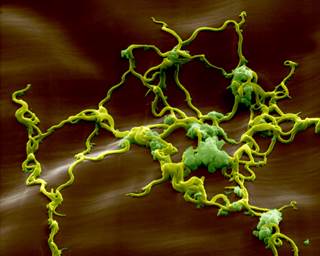
There is a general lack of understanding of Lyme disease among physicians, and Lyme neuroborreliosis is notoriously very difficult to recognize in children. <i>Credit:Eye of Science/Science Source</i>
There is a general lack of understanding of Lyme disease among physicians, and Lyme neuroborreliosis is notoriously very difficult to recognize in children. Credit:Eye of Science/Science Source


Lyme disease can present with a multitude of symptoms that often mimick other diseases, making differential diagnosis difficult. Neurologic involvement has been reported in up to 15% of untreated Borrelia burgdorferi infection,1 which can be devastating, particularly in children and young adults, who have been reported to be more at risk. According to the US Centers for Disease and Control and Prevention (CDC), Lyme disease is on the rise.2 Each year, at least 300,000 people in the United States are diagnosed with Lyme disease, with the highest infection rates occurring in children age 5 to 10 years.2,3

Lyme neuroborreliosis can affect any part of the nervous system, and there are a wide range of neurologic and psychiatric symptoms that can manifest weeks, months, or even years after the initial infection. For example, memory impairment, irritability, and somnolence have been reported months to years after the initial classic presentation of Lyme disease, and encephalopathy has been reported to occur more than 10 years after the onset of the disease.4,5 The presenting neurologic symptoms, including facial palsy, debilitating fatigue, various levels of cognitive loss, psychiatric symptoms, behavior changes, and learning difficulties have a significant and negative effect on the critical stages of child development, including school attendance and decline in school performance.6,7

Full recovery from Lyme neuroborreliosis can be achieved when the disease is diagnosed promptly and accurately and appropriate treatment is initiated. However, there is a general lack of understanding of Lyme disease among physicians, and Lyme neuroborreliosis is notoriously very difficult to recognize and diagnose in children. Shannon Delaney, MD, MA, director of child and adolescent research and evaluation at the Lyme and Tick-Borne Diseases Research Center at Columbia University Medical Center in New York told Rheumatology Advisor that,

“Neuroborreliosis can be missed because it is not considered in the differential [diagnosis] and because spinal taps are often not [performed] unless a child has very obvious symptoms of encephalitis or meningitis.”

The overlap of symptoms with other neurologic, cognitive, and psychiatric symptoms contributes to the delayed diagnosis or the misdiagnosis. For example, case reports of neuropsychological manifestations of Lyme disease include Tourette syndrome, acute delirium, catatonia, and psychosis.8

Dr Delaney advises that,

“Any child with acute onset neuropsychiatric symptoms, such as [obsessive-compulsive disorder], psychosis, restricted eating, sensory issues, urinary frequency, anxiety, cognitive dysfunction, or extreme fatigue should be given a set of lab tests to rule out typical infectious causes of Pediatric Acute-onset Neuropsychiatric Syndrome/Pediatric Autoimmune Neuropsychiatric Disorder Associated with Streptococcal Infections.”

Dr Delaney added,

“Testing should include a Lyme ELISA [enzyme-linked immunosorbent assay], preferably Borrelia burgdorferi C6 peptide, and a Lyme Western blot to evaluate for exposure to Lyme disease.”

Because symptoms of Lyme neuroborreliosis affect the joints, muscle, and the central and peripheral nervous systems, health professionals from many disciplines, including neurology and psychiatry, need to be able to recognize the clinical presentations, know the essential diagnostic tests, and understand the treatment approach. Erythema migrans is a distinct early presentation of localized Lyme disease,8 and for the experienced physician, this presentation can be sufficient for a clinical diagnosis. Serologic testing at this early disease stage is of limited diagnostic value because of the high incidence of false negative results.

When serologic testing is indicated, the Infectious Diseases Society of America (IDSA) recommend enzyme immunoassay for Lyme-specific antibodies, confirmed with Western immunoblot assay for immunoglobin G; however, many physicians struggle with the correct interpretation of Western blot results.9,10 Dr Delaney cautions,

“Clinicians should be aware that the 2-tier method of testing (ELISA and Western blot), while informative, can have false negative [results] and, less frequently, false positive [results].” Furthermore, although several tests for Lyme disease are available commercially, many are not validated for clinical use, and the CDC strongly warns against their use, as they have been associated with high levels of misdiagnosis.8  

The IDSA recommends antibiotics for the treatment of Lyme disease for a period of 10 to 21 days for early disease and 2 to 4 weeks for late disease.9 Despite the recommendations, studies that distinguish the treatment of Lyme disease from that of Lyme neuroborreliosis are lacking.9 In fact, a systematic review that examined antibiotic treatment for Lyme neuroborreliosis in 450 participants included no trials conducted in the United States.11 The review found no clear evidence for the additional efficacy of repeated antibiotics beyond the initial treatment.11

In addition, prolonged use of antibiotics to treat post-Lyme disease symptoms has not been shown to be efficacious and is generally not recommended, as fatalities from Clostridium difficile and Candida parapssilosis have been reported.8

Clinically, we do recognize that there are a subset of patients who only get better after a repeated course of antibiotics,” said Dr Delaney, adding, “In the future as the science progresses, hopefully, we will be able to make use of blood tests that provide biomarkers indicating who needs additional antibiotic therapy and who needs another approach. This is the age of precision medicine and our goal at Columbia is to help in the identification of these essential biomarkers that will help guide treatment.”

The need for additional research is evident to better define the optimal use of antibiotics for the treatment of Lyme neuroborreliosis.11 The effect of long-term use of antibiotics also deserves attention. Inappropriate antibiotic use can alter the balance of the gut microbiome and may lead to side effects. The effect of long-term antibiotics on the gut microbiome is an area of emerging study and should provide very useful information in the future regarding whether or not the alterations themselves are contributing to ongoing symptoms. Until more research is available to better guide the management of the neurologic manifestations of B burgdorferi infection, it is important that physicians have heightened awareness of Lyme disease. They must also have a clinical suspicion of Lyme neuroborreliosis in children who present with neuropsychiatric illness and must diagnose the disease promptly and provide appropriate treatment, which may include referral for appropriate symptom management.

References

  1. Marques AR. Lyme neuroborreliosis. Continuum (Minneap Minn). 2015;21(6):1729-1744.
  2. US Centers for Disease Control and Prevention. Lyme disease. Lyme disease graphs. https://www.cdc.gov/lyme/stats/graphs.html. Updated November 1, 2017. Accessed July 17, 2018.
  3. US Centers for Disease Control and Prevention. Lyme disease. How many people get Lyme disease? https://www.cdc.gov/lyme/stats/humancases.html. Updated September 30, 2015. Accessed July 17, 2018.
  4. Bloom BJ, Wyckoff PM, Meissner HC, Steere AC. Neurocognitive abnormalities in children after classic manifestations of Lyme disease. Pediatr Infect Dis J. 1998;17(3):189-196.
  5. Szer IS, Taylor E, Steere AC. The long-term course of Lyme arthritis in children. N Engl J Med. 1991;325(3):159-163.
  6. Lyme Disease Action. Neurology and Psychiatry. Involvement of the Central and Peripheral Nervous System. https://www.lymediseaseaction.org.uk/about-lyme/neurology-psychiatry/. Updated November 26, 2016. Accessed July 17, 2018.
  7. Cameron D. Adolescents with Lyme disease. http://danielcameronmd.com/adolescent-lyme-disease/. 2018. Accessed July 17, 2018.
  8. Koster MP, Garro A. Unraveling diagnostic uncertainty surrounding Lyme disease in children with neuropsychiatric illness.Child Adolesc Psychiatr Clin N Am. 2018;27(1):27-36.
  9. Wormser GP, Dattwyler RJ, Shapiro ED, et al. The clinical assessment, treatment, and prevention of Lyme disease, human granulocytic anaplasmosis, and babesiosis: clinical practice guidelines by the Infectious Diseases Society of America. Clin Infect Dis. 2006;43(9):1089-1134.
  10. Conant JL, Powers J, Sharp G, Mead PS, Nelson CA. Lyme disease testing in a high-incidence state: clinician knowledge and patterns. Am J Clin Pathol. 2018;149(3):234-240.
  11. Cadavid D, Auwaerter PG, Rumbaugh J, Gelderblom H. Antibiotics for the neurological complications of Lyme disease. Cochrane Database Syst Rev. 2016;12:CD006978.

__________________

**Comment**

A few points of contention:

  1. While the EM rash IS an early symptom that clinically proves the person has Lyme, many never see or have a rash at all or it is certainly not a “typical” EM rash.  Clinicians need education in this.
  2. Numbers are notoriously low on all things Lyme/MSIDS, including this supposed 15% who have neurologic involvement.  Everyone I work with is in this category so I’m either just a lucky-duck or the numbers are far higher in the real world.  I suspect the latter.
  3. Testing for Lyme/MSIDS IS ABYSMAL.  Absolutely worthless.  It misses over half of all cases.  I’m thankful the article states professionals need to be educated because this is a CLINICAL DIAGNOSIS.  Anyone who says otherwise is smoking something.  Again, clinicians need education.
  4. Where the article really falls apart is in the treatment section.  This article ONLY discusses the IDSA approach which is essentially 21 days of doxycycline despite the presentation.  I couldn’t disagree more.  If you read the ILADS guidelines, you will discover that treatment is far more complex.  There are many who have gotten well or improved dramatically with this approach.  The reason for this is numerous:  1) we are typically infected with more than borrelia, necessitating numerous drugs 2) all of these pathogens are stealthy and many are persistent requiring far longer treatment courses than appreciated 3) these pathogens work together to suppress the immune system and complicate the picture requiring numerous treatments
  5. The Cochrane review of antibiotics for neuro-Lyme mentioned had numerous flaws: none included a placebo control, only ONE was blinded, most were not adequately powered for non-inferiority comparison, they ONLY investigated four antibiotics:  penicillin G & ceftriaxone in 4 studiesdoxycycline in 3 studies, cefotaxime in two studies, and amoxicillin vs. placebo for only 3 months following initial treatment with IV ceftriaxone.  (I consider many of these antibiotics poor choices for Lyme and I’ve never taken two of them.  I had to look one up as I’d NEVER even heard of it!) The trials measured efficacy using heterogeneous physician‐ or patient‐reported outcomes, or both.  None of the studies reported on the proposed primary outcome, ‘Improvement in a measure of overall disability in the long term (three or more months).’ The quality of adverse event reporting was low.  So, as far as I’m concerned this “review” is extremely weak yet it’s presented as evidence that long-term antibiotics do not work.  Please see this article for comparison:  https://madisonarealymesupportgroup.com/2017/07/09/idsa-founder-used-potent-iv-antibiotics-for-chronic-lyme/  Also, I would not be writing this article without the judicious use of long-term antibiotics.
  6. It’s interesting that although the author disses long-term antibiotics using the IDSA clap-trap and an extremely weak and flawed review, she did include the quote from Dr. Delaney,

“Clinically, we do recognize that there are a subset of patients who only get better after a repeated course of antibiotics,” said Dr Delaney

Hmmm….that appears to be a cognitive disconnect.

To clear the record:  nearly all of us out here in Lymeland HATE taking antibiotics.

We take them because they often work better than other things we’ve tried.  They are also more affordable than other many other options.

But, if we could press some magic button, believe me –  we would.  

I find it interesting that people with acne can take antibiotics forever, yet patients with life-threatening tick-borne illness are told extended antibiotics can give them C-diff, therefore they are bad and shouldn’t be considered.  Period.

 This disconnect is wholly unacceptable.


Meet the Researcher: Catherine Brissette

https://globallymealliance.org/meet-researcher-catherine-brissette/

catherine brissette_meet the researcher

December 13, 2018

Meet the Researcher: Catherine Brissette, Ph.D.

MEET THE RESEARCHER IS A BLOG SERIES TO INTRODUCE GLA-FUNDED LYME DISEASE RESEARCHERS MAKING A DIFFERENCE IN THE FIGHT AGAINST LYME DISEASE.


#MEETTHERESEARCHER
NAME: Catherine Brissette, Ph.D.
TITLE: Associate Professor, Biomedical Sciences
INSTITUTION: University of North Dakota

Catherine (Cat) Brissette received her B.S. degree in Zoology from Louisiana State University, her M.S. with Dr. Paula Fives-Taylor at the University of Vermont, and her Ph.D. from the University of Washington for her work with Dr. Sheila Lukehart on interactions of oral spirochetes with the gingival epithelium. She continued work with spirochetes as a postdoc with Dr. Brian Stevenson at the University of Kentucky, where she switched to the Lyme disease spirochete Borrelia burgdorferi. Her work with Dr. Stevenson involved studies of outer surface adhesions and regulation of virulence factors. Cat accepted a faculty position at the University of North Dakota in the Department of Microbiology and Immunology (now part of Biomedical Sciences), where she continues her work with pathogenic Borrelia species. Her lab is particularly interested in understanding why B. burgdorferi has a tropism for the central nervous system; that is, why the B.burgdorferi’s surface proteins interact with the hosts’ extracellular matrix, cells, and components of the immune system, and the regulatory mechanisms controlling the expression of these infection-associated proteins.

Dr. Brissette is also a member of GLA’s esteemed Scientific Advisory Board.

Drs. Eva Sapi, Ali Divan, Catherine Brissette, Janakiram Seshu, and Mayla Hsu, GLA’s Director of Research and Science, at GLA’s Lyme Disease Research Symposium 2017

GLA: WHAT MOTIVATED YOU TO FOCUS ON LYME AND TICK-BORNE DISEASE RESEARCH?

CB: My Ph.D. work involved a different kind of spirochete (one involved in periodontal disease); the challenge of working with a different pathogen (the agent of Lyme disease) was exciting.

GLA: WHAT ARE YOU WORKING ON NOW?

CB: We are working on several different aspects of neurological Lyme disease. More specifically, how the bacteria gets into the central nervous system in the first place, how the immune system responds, and how the bacteria adapt to that pressure. We have recently demonstrated that aspects of Bburgdorferi meningeal infections can be modeled in laboratory mice, which opens up a lot of research avenues. In particular, we are interested in the behavioral changes that occur as a result of meningeal infection. For instance, anxiety and memory problems are often reported by Lyme patients, particularly in people with long-term disease or Post-Treatment Lyme Disease Syndrome, and we want to understand how the Lyme disease bacterium and the host immune system contribute to these devastating symptoms. Having a small animal model allows us to more easily test potential treatments and interventions in the lab, prior to testing in people.

GLA: ARE YOU CONFIDENT WE WILL FIND A CURE?

CB: Absolutely. Lyme researchers, like Lyme patients, are tenacious and persistent. We won’t stop.

GLA-FUNDED RESEARCH GRANTS WITH DR. BRISSETTE INCLUDE:

  • Adverse outcomes in gestation as a consequence of immune responses to B.  burgdorferi infection during pregnancy” (2017-18)
  • “Control of Bb DNA expression” (2016-17)

PUBLICATIONS RE: NEUROBORRELIOSIS

  1. Divan, A., Casselli, T.,Narayanan, S.A., Mukherjee, S., Zawieja, D.C., Watt, J.A., Brissette, C.A., Newell-Rogers, M.K. (2018) Borrelia burgdorferi adhere to blood vessels in the dura mater and are associated with increased meningeal T cells during murine disseminated borreliosis. PLoS One 13(5):e0196893. doi: 10.1371/journal.pone.0196893. PMID: 29723263
  2. Greenmyer, J., Gaultney, R.A., Brissette,A., Watt, J.A. (2018) Primary human microglia are phagocytically active and respond to Borrelia burgdorferi with upregulation of chemokines and cytokines. Front Microbiol. 9:811. doi: 10.3389/fmicb.2018.00811. PMID: 29922241
  3. Casselli, T., Qureshi, H., Peterson, E., Perley, D., Blake, E., Jokinen, B., Abbas, A., Nechaev, S., Watt, J.A., Dhasarathy, A@., Brissette@, C.A. (2017) MicroRNA and mRNA transcriptome profiling in primary human astrocytes infected with Borrelia burgdorferi. PLoS One 12(1):e0170961. doi: 10.1371/journal.pone.0170961. PMID: 28135303 @Co-corresponding authors
  4.  Brissette,A., E.D. Kees, M. Burke, R.A. Gaultney, A.M. Floden, and J.A. Watt (2013) The multifaceted responses of primary human astrocytes and brain microvascular endothelial cells to the Lyme disease spirochete, Borrelia burgdorferi.ASN Neuro 5(3). doi:pii: e00119. PMID: 23883071 Paper highlighted with a podcast: http://www.asnneuro.org/an/005/3/default.htm
  5. Brissette, C.A., H.M. Houdek, A.M. Floden, and T.A. Rosenberger (2012) Acetate supplementation reduces microglia activation and brain interleukin-1beta levels in a rat model of Lyme neuroborreliosis. J Neuroinflammation 9:249. PMID: 23134838

Click here to see GLA’s Research Report, detailing GLA’s research accomplishments


My Kid is Not Crazy – Study Shows 1/3 Kids With PANS Have Hallucinations

https://player.vimeo.com/video/212986148 <p><a href=”https://vimeo.com/212986148″>My Kid is Not Crazy: A search for hope in the face of misdiagnosis</a> from <a href=”https://vimeo.com/user31889281″>4 The Kids Films</a> on <a href=”https://vimeo.com”>Vimeo</a&gt;.</p>”>

Trailer here.

A doctor battles to save children with disabling mental illness.

Could the answer be simpler than everyone thinks?

Nine-year-old Kathryn was a normal, healthy child. She was a star student, athlete and dancer. In a matter of days, she would become totally dysfunctional. Kathryn had alarming rapid-onset OCD refusing to eat or drink. She had tremendous separation anxiety and would become panicked if her parents were not in sight. She had trouble sleeping and showed signs of age regression in vocabulary and handwriting.

How did this happen?

More than 30 years ago, a doctor discovered that an undiagnosed strep infection was the cause of one child’s disabling illness. More and more evidence was found: Strep was linked to symptoms normally chalked up to psychiatric illness. Modern medicine has been very slow to adopt this new idea.

“My Kid is Not Crazy,” a film by Tim Sorel, tracks the journey of six children and their families as they become tangled in the nightmare of a medical system that lacks the compassion and knowledge to treat these children.

MY KID IS NOT CRAZY IS THE CINEMATIC, PEDIATRIC EQUIVALENT OF BRAIN ON FIRE-MEETS-INFECTIOUS MADNESS. A FILM THAT WILL CHANGE THE WAY WE LOOK AT MENTAL ILLNESS FOREVER. -CHICAGO NOW

Rent on Vimeo for $3.99

_______________

https://www.sciencedirect.com/science/article/pii/S0022395618307027

This 2018 study shows that over 1/3 of kids with PANS have hallucinations and are more impaired than those without psychotic symptoms.  The authors admonish clinicians to screen for abrupt-onset of a symptom cluster including OCD and/or food refusal, with neuropsychiatric symptoms (enuresis, handwriting changes, tics, hyperactivity, sleep disorder). 

_______________

**Comment**

I post articles and videos on PANS/PANDAS, Autism, and other illnesses with an autoimmune label due to the fact that tick borne illness can be a part of this picture and a trigger which starts the downward cascade.

Please educate your loved ones about this potential as children are losing their childhoods to unbelievable misdiagnosis and suffering.

Vaccines can also be triggers:  https://madisonarealymesupportgroup.com/2017/09/21/aluminum-flawed-assumptions-fueling-autoimmune-disease-and-lyme/

https://madisonarealymesupportgroup.com/2017/12/02/scottish-doctor-gives-insight-on-lyme-msids/  He has also successfully treated a number of young women who fell ill after their HPV vaccination, which seems to have stimulated a latent Lyme infection to reactivate.

https://madisonarealymesupportgroup.com/2016/04/24/gardasil-and-bartonella/

Asymptomatic girls after receiving Gardasil activated dormant Bartonella which was confirmed by testing.

https://madisonarealymesupportgroup.com/2017/10/15/vaccines-and-retroviruses-a-whistleblower-reveals-what-the-government-is-hiding/  Data suggests that 6% of the U.S. population is harboring a retrovirus in their bodies that can develop into an acquired immune deficiency. This is not the well-known AIDS caused by HIV, but Acquired Immune Deficiency Syndrome (AIDS) associated with other retroviruses.  These non-HIV retroviruses were unintentionally introduced into humans over the past 75 years.  It began with trials of polio vaccines and yellow fever vaccines given in the early 1930s. This is when the first recorded cases of Chronic Fatigue Syndrome and autism appeared. It involved the use of laboratory mice to prepare vaccines for human use. [1]

More on PANS:  https://madisonarealymesupportgroup.com/2018/10/10/pans-pandas-awareness/

https://madisonarealymesupportgroup.com/2017/06/30/child-with-lymemsidspans-told-by-doctors-she-made-it-all-up/

https://madisonarealymesupportgroup.com/2018/08/01/the-3-pans-myths-that-are-ruining-lives/


Scientists Weigh-in on the Seriousness of Tick-borne Illness (Video)

  Approx. 48 Min.

Published on Dec 10, 2018

In Stand4Lyme Foundation’s video, scientists tackle the Lyme disease Epidemic. Experts address the serious consequences of Lyme and tick-borne diseases, an increasing source of morbidity and mortality worldwide. Stand4Lyme makes a clear business case for pharmaceutical support and federal research funding to develop reliable diagnostic tools and accessible effective medical treatment. The goal of this video is to help educate all stakeholders from a scientific perspective and garner increased government support and funding.
They discuss:
  1. Heart issues (including Dr. Neil Spector’s case)
  2. Eye issues
  3. Cognitive issues
  4. Borrelia is complex and lurks within the body
  5. Borrelia crosses the blood/brain barrier
  6. The pathogen connection & Alzheimer’s
  7. Neurological complications of Lyme
  8. Psychiatric complications of Lyme
  9. This year, WHO has recognized Lyme can be spread Congenitally
  10. Sexual transmission was broached as well & will be researched
  11. Admission that Lyme has been neglected by the Medical Community
  12. The need for a system approach to Lyme
  13. The admission that borrelia is slow growing & sustain themselves like TB, and the fact current medications only work on cells that are dividing.  Borrelia can lie dormant.
  14. In both mouse and primate studies, doxycycline does not eradicate borrelia in the later stages of infection.
  15. The admission “WE ARE IN THE DARK” on Lyme
  16. Discussion of some current hopeful research  (scroll to 34:39 & listen until 38:30)
  17. Lyme can cause suicide
  18. Families have to sell their house, car, etc. to get help from doctors who do not accept insurance
  19. Funding for Lyme/MSIDS research is coming from private sources not the NIH
  20. 2018 – LD is in ALL 50 states and in 80 countries worldwide by CDC numbers
Want to donate & support LD Research at Stanford University?  https://www.stand4lyme.org/
Stanford Lyme Working Group:
Dr. Laura Roberts
Dr. Mark Davis
Dr. William Robinson
Dr. Irving Weissman
Dr. Frank Longo
Dr. John Aucott
Dr. Brian Fallon
Dr. Nevena Zubcevik
Dr. Monica Embers
Dr. Neil Spector
Dr. Allen Steere
**May be a partial list of SWLG and Collaborators
________________
**Comment**
One of the best videos I’ve personally seen.  Kudos to Taking a Stand 4 Lyme on such a groundbreaking video.  Definitely worth your time to view.