Archive for the ‘Prevention’ Category

Dear Lyme Warrior….HELP!

https://globallymealliance.org/dear-lyme-warriorhelp-11/

lyme warrior

By Jennifer Crystal

Every few months, Jennifer Crystal devotes a column to answering your questions. Below she answers some that she’s recently received. Do you have a question for Jennifer? If so, email her at lymewarriorjennifercrystal@gmail.com.

Did you stop your medication during a Herxheimer reaction?

There is no right or wrong answer to this question; it all depends what works best for you. A Herxheimer reaction occurs when antibiotics kill Lyme bacteria faster than your body can eliminate it, causing a build-up of dead toxins. The process can make you feel downright awful. Often a Herx” involves an increase in symptoms such as fatigue, night sweats, migraines, and joint pain.

The body needs time to eliminate the killed bacteria, and for some patients the best way to do that is to give it a break from antibiotics, so that more build up isnt happening while your system is working to detox. Some doctors advise a pulsing method, taking antibiotics for a certain period and then stopping them for a certain amount of time, for precisely this reason. Other doctors have patients push through the Herx with continued antibiotic treatment.

For me, I almost always stayed the course throughout my Herxheimer reactions, even though I felt terrible during those periods. When symptoms got unbearable, my doctor would advise me to take a one-or-two day break from antibiotics, and that helped. Talk with your Lyme Literate Medical Doctor (LLMD) about the duration and severity of your Herxheimer reactions, and decide together on the best course for you. Your doctor can also advise you on ways to help your body with the detox process itself.

My child wants to go to college in the Northeast, but Im nervous about sending her somewhere where Lyme is so prevalent. What do you advise?

Once you or a family member has been impacted by tick-borne illness, your whole perspective on the outdoors changes. Sometimes I want to wrap myself in a bubble and stay indoors. But I cant live in fear—besides, ticks can come inside, too!.

What I can do is be vigilant. To deny myself time out of doors would be to deny myself that which brings me the most joy. However, I no longer go walking in the woods or running through high grasses. I stick to worn or paved paths, stay away from lawns when possible, and do activities that are on the water or in the snow. I always wear bug spray, and undergo a thorough tick check after returning inside.

Nevertheless, I still have fears about getting another tick bite, so I can understand why you have concerns about sending your child to a highly endemic tick area. While New England does have a great deal of infected ticks, there are now documented cases of Lyme in all 50 states. Your child could get a tick bite while walking through the woods in the Northwest or the Southeast; ticks are no longer limited to New England. And while ticks can live on campus lawns, its less likely that your child will get a tick bite there, no matter what part of the country it’s in, than if he or she went for an off-campus hike.

I went to school in Vermont. That rural college won my heart the minute I set foot on campus. I think its more important to go to a school you love, and take whatever health precautions you need to while there—prevention, bug spray, rigorous post-outdoors tick checks— than to go to a school that doesnt feel right, just because you might have less chance of getting a tick bite there.

What type of brain scan did you get?

In some of my articles, I have mentioned having a brain scan that showed inflammation and a lack of oxygen on the left side of my brain. This was called a SPECT scan, which can show more than an MRI. But that was over a decade ago; there may be even better scans available today.

Related blogs:
What Does it Mean to Herx?
Dealing with Lyme-related Fear
Stop the Music! How to X Out the Songs and Words That Keep Playing in Your Head


jennifer crystal_2

Opinions expressed by contributors are their own.

Jennifer Crystal is a writer and educator in Boston. Her memoir about her medical journey is forthcoming. Contact her at lymewarriorjennifercrystal@gmail.com.

Study Looks At Deet & Natural Tick Repellents

https://danielcameronmd.com/deet-and-natural-tick-repellents/

STUDY LOOKS AT DEET AND NATURAL TICK REPELLENTS

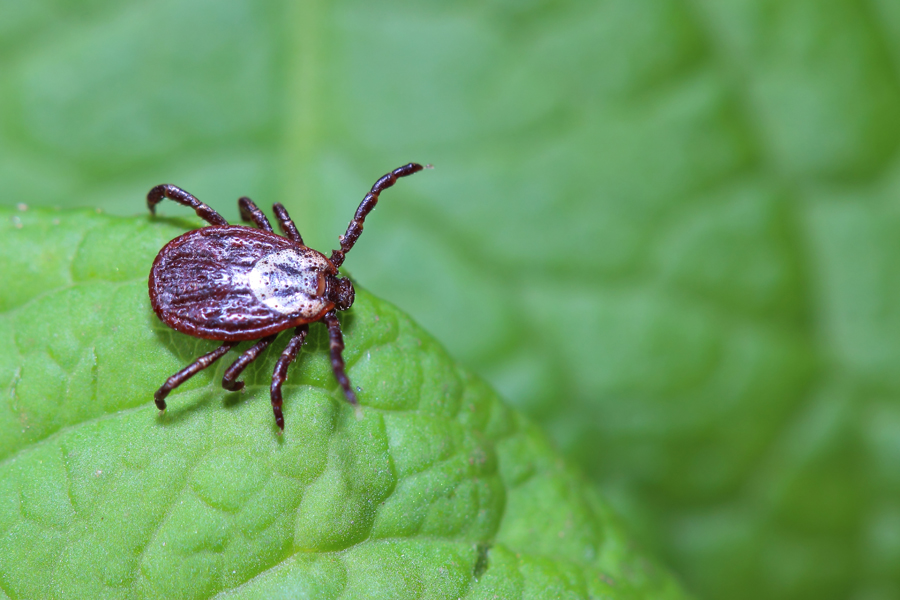
Ticks patiently hold on to blades of grass and shrubs in a position known as “questing” as they await their next meal or host. “Almost blind, ticks rely on chemosensation to identify and locate hosts for a successful blood meal,” write the authors of “Behavioral responses of Ixodes scapularis tick to natural products: development of novel repellents.”¹

As the number of tick-borne diseases grows and the geographical spread of ticks continues, there is increasing interest in what repellents are effective, safe and environmentally friendly. But little is known about how exactly ticks detect odors and what smells repel them.

“Improving our understanding of tick olfactory mechanisms and odor driven behaviors is key to enabling development of new repellents,” writes Faraone.

Given the health concerns over DEET, researchers are turning their attention to plant-based repellents. “Plant-derived essential oils are natural products that exhibit insecticidal and repellent activities and represent a promising alternative to synthetic repellants,” Faraone writes.

Lemongrass essential oil

“In behavioral bioassays we reported that lemongrass essential oil and its main chemical constituents (such as geraniol, β-citronellol and citral), as well as PEA [phenethyl alcohol], were significantly repellent to I. scapularis nymphs,” writes Faraone.

However, “the efficacy of lemongrass essential oil was dose-related, and was effective in repelling up to 76% of I.scapularis nymphs after 10 minutes when applied at the highest tested concentration.”

The substance was more effective at higher concentrations in repelling ticks. But, the effect declined after 2 hours from the first application to 62.5% compared to a DEET-based product of 87.7%.

The authors did not report on the repellent effects outside the lab. And given that the formulation was proprietary, its ingredients were not disclosed.

However, they found that “PEA- and geraniol-based formulas exerted an effective repellent action representing a valid natural alternative to synthetic repellents already available on the market.”

DEET

DEET (diethyltoluamide) repels ticks but its use raises environmental and health concerns. The concentration of DEET also affects its ability to repel ticks, as shown below:

0% of DEET = 8.5% repelled
5% of DEET = 16.6% repelled
10% of DEET = 30.4% repelled
20% of DEET = 68.9% repelled
40% of DEET = 88% repelled

Interestingly, 0% DEET repelled 8.5% of ticks at 10 minutes. This is similar to the placebo effect.

The actual concentration of DEET from the manufacturer is 25% to 30%. The actual concentration on the skin for DEET or the proprietary products was not described in the study.

Most importantly, the study was completed on a paper filter. It remains to be seen how DEET or the natural-based products will work on people.

References:
  1. Faraone N, MacPherson S, Hillier NK. Behavioral responses of Ixodes scapularis tick to natural products: development of novel repellents. Exp Appl Acarol. 2019 Sep 28.

_________________

**Comment**

Dr. Cameron’s astute comments point out the limitations of this study and we must continue to be careful in our zeal to get answers. Studies have been done on natural products such as stevia and essential oils; however, they are done within a lab with set parameters which may not equate out in the human body and in reality.  Lemon EO oil is in the same camp and caution must be used.

A great point is that most people spend more than 10 minutes outside and we aren’t told what the exact dose is.  How lemongrass EO works after that point isn’t known but we are told effectiveness diminishes.

Most research such as this remains much of a mystery as the authors are hoping for a proprietary formula they can market. All efforts are for that specific outcome.

For more:  https://madisonarealymesupportgroup.com/2019/04/12/tick-prevention-2019/

One inexpensive tick killer is fire:  https://madisonarealymesupportgroup.com/2019/07/18/frequent-prescribed-fires-can-reduce-risk-of-tick-borne-diseases/

End of Summer Season Doesn’t Mean End of Tick Season

https://globallymealliance.org/end-of-summer-season-doesnt-mean-end-of-tick-season/

tick season_end of summer

by Jennifer Crystal

TICK SEASON DOES NOT STOP WITH THE END OF SUMMER  

Last night I had an end-of-summer ice cream with someone who said, “I’ve probably met fifteen people this summer who have Lyme disease. It’s such an urgent problem.” Though I was sorry to hear these individuals were sick, I was glad to hear that they had all been properly and efficiently diagnosed. Patients and doctors alike are becoming more aware of this urgent health threat.

What many don’t realize, however, is that the Lyme disease threat doesn’t disappear with warm summer days. Tick season, and active ticks, are a year-round problem, and it’s important to remain vigilant in the fall as we are in the summer. While it’s the nymphal-stage ticks of spring and early summer we worry about most—predominantly because they’re so microscopic that we often miss them—the larger adult ticks of the current season also transmit tick-borne diseases.

Ticks are especially a danger during this time of year to school children who undertake outdoor sports—or any child who plays outside, be it at home, a park, or school recess. As the weather turns colder, ticks hide out in thick brush and leaf piles. They live in long grass, in wooded areas, and in your garden.

If you, your children or pets spend any time outdoors this fall, keep the following tips in mind:

  • Continue to wear bug spray: We don’t just need repellent for summer hikes and campfires; we need it in the autumn, too. Before going on a fall hike, walking to a playground, or letting your child roll in the grass, be sure to apply repellent.
  • Use repellent wipes: Instead of or in addition to bug spray, you can wipe down your skin with repellent wipes before going outdoors. These are great to put in your child’s backpack or in your own purse—you never know when you might need to walk through a grassy area.
  • Spray your clothes and gear: Bug spray isn’t just for exposed skin. You can buy clothes that are pre-treated with permethrin at many outdoor retailers, or you can buy a bottle and spray everything yourself. Include shoes, clothes, sports bags, and any other type of gear.
  • Carry a tick removal kit: In case of a tick bite, make sure to bring tweezers or tick removal tool, alcohol wipes, and a Ziploc baggie to put the tick in once you’ve pulled it out (see how to properly remove a tick). Mark the date on the bag. It’s recommended you send tick(s) out for testing.
  • Wear long pants and sleeves: This is easier when the weather gets cooler. Light-colored clothing is best, because it’s easier to see a tick on a white shirt than a dark shirt. Nerdy as it may look, it’s also helpful to tuck pants into socks, thereby preventing ticks from climbing up your legs.
  • Carry a small lint brush: Run a lint brush over your hair, skin and clothing after spending time outdoors; the sticky paper can pick up ticks you might miss. I carry a lint brush in my purse and also keep one by my front door.
  • Wash and dry clothes and equipment immediately after use: As soon as you or your young athlete get home, throw clothes, shin guards, and other washable gear in the dryer on high heat for at least 10-15 minutes. Ticks require moisture to survive and will rapidly die in a quick spin in a hot dryer.
  • Bathe after outdoor activity: After stripping your clothes and doing a thorough tick check, shower as soon as you come inside (versus waiting even a few hours, and giving the tick time to sit on your body and feed).
  • Continue to do tick checks every night: Make sure you’re not bringing any bugs into bed. Do a head-to-toe check on yourself, children, and pets. Bath time is a great time to do a once-over on kids. Remember to check in spots like the groin, behind the knees, behind the ears, and the scalp. Always Be Tick AWARE!

Wishing you all a fun and tick-free fall!


jennifer crystal_2Jennifer Crystal is a writer and educator in Boston. Her memoir One Tick Stopped the Clock is forthcoming. Contact her at lymewarriorjennifercrystal@gmail.com.


Doctor’s Advocates Frustrated By Inaction on Tick-borne Diseases Report

https://poststar.com/news/local/doctors-advocates-frustrated-by-inaction-on-tick-borne-diseases-report/article

Doctors, advocates frustrated by inaction on tick-borne diseases report

5cc360779d9a8.image

Ticks spread the widest variety of diseases that are harmful to humans, including Lyme disease. This is an image of a blacklegged (deer) tick nymph. 

Congress has had over six months to review a federal report on tick-borne diseases, which includes action items for prevention, diagnosis and treatment, and both doctors and researchers are frustrated that nothing has been done so far.

The report was written by a working group under the U.S. Department of Health and Human Services to address the growing number of tick-borne diseases in the United States. It was delivered to Congress in December.

The diseases, especially Lyme disease, are wreaking havoc on the Northeast and New York. About 400,000 new cases of Lyme disease are reported nationwide annually.

About one-fourth of those cases are from New York alone.
Deadlier diseases are also spreading. Just last month, a Kingston resident died of Powassan virus.
Despite the trend in New York, lawmakers did not put funding in this year’s state budget for tick-borne illness research, either.
5c82ef099a60e.image
The $1 million the state Senate had put back into the budget for studying Lyme disease and other tick-borne illnesses is no longer there.

The seemingly lack of action by state and federal lawmakers has frustrated advocates like Holly Ahern, an associate professor of microbiology at SUNY Adirondack. Ahern was also on the testing and diagnostic subcommittee of the federal tick-borne disease working group.

She was approached by the New York State Academy of Family Physicians, and Ahern and the academy’s director, Barbara Keber, wrote an op-ed column for Newsday, calling for a multi-billion dollar “national public-private partnership — an initiative that must address more than just Lyme disease and must go beyond the current low-impact strategy of telling the public to beware of ticks, wear white socks or shower after being outdoors.”

“This wasn’t just a ‘sit around and do a report’ kind of body,” Ahern said about the working group, in a phone interview Thursday. “This was, ‘Do a report and make recommendations and do what you find.’ … With that in mind, there’s accountability there. We sent the report to Congress, and Congress should take that report and should be acting on that.”

5b117d388d743.image
The modern history of Lyme disease starts with an outbreak in the early 1970s in Lyme, Connecticut of a mysterious illness that afflicted chil…

It isn’t often that physicians and advocates work together when it comes to Lyme disease, Ahern said. She was a bit surprised when the New York State Academy of Family Physicians reached out to her with similar frustrations about the lack of action.

Keber, who is a physician at Glen Cove Hospital, said doctors face many challenges when it comes to diagnosing and treating tick-borne illnesses.

Public Hearing Video on WI Lyme Bills 315 & 316

https://wiseye.org/2019/08/15/assembly-committee-on-environment/

Scroll to 1:20 to hear the Representatives behind the bills, their purpose and intent

All the speakers were for the two bills presented
  • Speaker from UWM Center of Excellence of Vector Borne Diseases
  • Friends of WI State Parks
  • 2 Patients
  • I speak at 2:16:00

While the two bills presented deal specifically with education and prevention, other bills have been proposed. Those are the ones I have deep concerns about. To read about the bills go here:  https://madisonarealymesupportgroup.com/wp-content/uploads/2019/05/time-to-bite-back-against-lyme-disease-05-23-19.pdf

Specifically –

  1. LRBs 1652 and 3362 – Establishes a sixteen-member Tick-Borne Disease Study Committee to create a report for the legislature on consensus-based recommendations for policy changes on awareness, prevention, surveillance, diagnosis, reporting, and treatment of Lyme Disease

Since everything about Lyme/MSIDS is steeped in controversy, this panel could be made up of those who do not recognize that Lyme can be persistent, and that it’s common for coinfection involvement necessitating numerous drugs for extended periods of time. A great example of this happening as we speak is in the federal Tick Borne Disease Working Group:  https://madisonarealymesupportgroup.com/2019/06/15/working-groups-abrupt-shift-excludes-lyme-patients/  Excerpt:

Dr. Shapiro is much more than just a representative of the IDSA. In addition to financial conflicts of interest that should preclude him from serving on the Working Group, for years Dr. Shapiro has notoriously waged war on Lyme patients, their doctors, and advocacy groups. Putting him on the Working Group shows tremendous lack of respect for Lyme patients and their concerns. (More than 21,000 people have signed our petition to remove Shapiro from the TBDWG.

On top of this, Shapiro accuses chronically infected, suffering patients with medically unexplained symptoms (MUS) and urges the medical community to develop ways to prevent “healthcare-seeking behaviors” by parents who believed their children may have Lyme disease:  https://madisonarealymesupportgroup.com/2019/06/11/dr-eugene-shapiro-medically-unexplained-symptoms/

https://madisonarealymesupportgroup.com/2019/05/03/when-lyme-disease-doesnt-go-away/  Dr. Brian Fallon, a Columbia University Irving Medical Center psychiatrist states that patients with chronic, unexplained symptoms had all been healthy—until they got Lyme disease. These patients suffered from chronic pain, fatigue and cognitive problems that had a debilitating effect on their lives. They all had been treated with antibiotics with partial response but then relapsed.

SINCE SUCH PERSISTENT INFECTION WAS CONSIDERED IMPOSSIBLE, THEY WERE TOLD THEY WERE HYPOCHONDRIACS.