Archive for the ‘Mold’ Category

Got Mold?

Upcoming Toxic Mold Summit FREE and online.  From Jan. 28-Feb 3, 2019.

Register here:  https://toxicmoldproject.com/?idev_id=10581&idev_username=betterhealthguy&utm_source=10581

Also

Dr. Neil Nathan’s New Book:  Toxic:  Heal Your Body from Mold Toxicity, Lyme Disease, Multiple Chemical Sensitivities, and Chronic Environmental Illness.
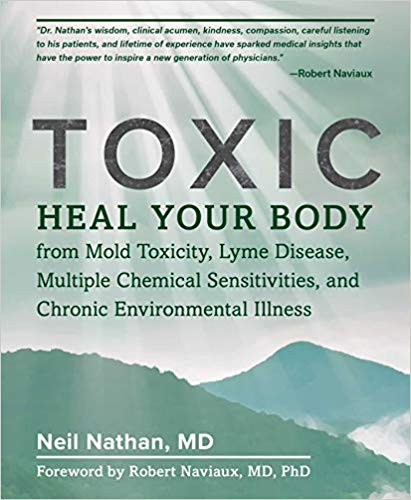
Toxic book

_________________________________________________________________________________________________

Podcast:  Life After Mold with Dr. Lauren Tessier

Lauren Tessier, ND is a Naturopathic Physician licensed in the state of Vermont. She received her Bachelors in Premedical Sciences and Health Psychology from Massachusetts College of Pharmacy in Boston and later became a Naturopathic Physician at Bastyr University in Kenmore, Washington.

Her practice, Life After Mold, uses a patient-centered approach to help recover those that are suffering from mold-related illness.  She combines naturopathic, functional, and integrative medicine to address the entire person.  She is a Shoemaker Certified Physician specializing in the treatment of Chronic Inflammatory Response Syndrome (CIRS) which results from exposure to water-damaged buildings.

In 2011, Hurricane Irene created an unimaginable flood in Waterbury, Vermont, and she was unprepared for what she would see next in her practice.  Patients were ill with unexplained rashes, allergies that did not respond to treatment, fatigue, breathing difficulties, neurological complaints, headaches, nausea, and immune system dysfunction.  When her normal approaches no longer worked for these patients, she dove deep into mold-related illness.

Her practice is dedicated to helping those suffering with mold, biotoxin, and mycotoxin associated illness resulting from water-damaged buildings. As time passed, she came to the belief that the environment plays a role in all chronic illness.  Environmental illness includes mold, heavy metals, glyphosate exposure, chronic infections such as Lyme disease, Multiple Chemical Sensitivity, and Mast Cell Activation Syndrome.  Dr. Tessier is an Executive Board Member of the International Society for Environmentally Acquired Illness (ISEAI) which aims to advance medical knowledge surrounding environmentally acquired illness.

Key Takeaways

  • What are some of the environmental factors that may predispose an environment to water-damage and the potential for mold illness?
  • What are some of the illness-creating substances that are found in a water-damaged building?
  • What are common symptoms of CIRS?
  • Are there basic screening tests that can be performed of an environment before investing in an IEP?
  • How important are the HLA haplotypes in CIRS?
  • Is there clinical value in urinary mycotoxin testing?
  • Can molds encountered in a water-damaged building lead to colonization within the body?
  • When considering binders, what is absorption vs. adsorbtion?
  • Why is bile flow important and how might it be supported?
  • What options might help reducing inflammation in those with CIRS?
  • Are there downsides of exogenous glutathione supplementation?
  • How important is eradicating MARCoNS in CIRS?
  • How might VIP and Synapsin be helpful in those with CIRS?
  • What triggers Mast Cell Activation Syndrome (MCAS) and how might it be addressed?
  • When someone feels significantly worse, what rescue items might help to move through a detox or Herxheimer reaction?
  • Is there a role for limbic system retraining in CIRS?

Connect:  http://lifeaftermold.com

In the same vein, here’s another Podcast titled:

Create Your Healthy Home with May Dooley, MS, MA, CMC

In this episode, you will learn about Bau Biologie, or Building Biology, and how to evaluate and improve the health of the external environment in order to improve overall health.

May Dooley, MS, MA, CMC (Council-certified Microbial Consultant) is a former middle school science teacher who loves to educate and empower people with information to improve their environment – and thus, their lives.  She has been an environmental consultant for more than 24 years helping people make their home environment healthier.

She leads her clients through the basic steps to assess and create a healthy home which includes air quality, water quality, and reduced exposure to other stressors that may impact health such as electromagnetic fields.  Her inspections are interactive, and her clients learn how to measure EMFs, reduce body voltage in their bed, use a laser particle counter to evaluate their vacuum cleaner, and to take samples to explore for mold.  She even brings along her microscope and looks at the samples in your home.  Once she has evaluated an environment using the principles of Bau Biologie, she provides an easy-to-understand series of steps to improve the environment.

Key Takeaways

  • Why might culture plate air sampling be a better option than spore trap testing?
  • What are the pros and cons of the ERMI?
  • What is the CAP ERMI?
  • What role do microbial VOCs play in the health of an environment?
  • How often can mold issues be remediated?
  • How is a microscope helpful in exploring the potential for mold?
  • When moving to a new environment, what testing should be done to validate the environment is safe?
  • What belongings can be brought from a moldy environment to a new environment?
  • What can be used to address small amounts of visible mold?
  • What vacuum cleaners are ideal?
  • What are the 5 different types of EMFs and their sources?
  • What is body voltage and how is it measured?
  • What is grounding and how should it be done?
  • Why should the bed have no metal materials?
  • What light bulbs might be best?

Connect: http://createyourhealthyhome.com
http://moldcontrolonabudget.com

Disclaimer

The content of this show is for informational purposes only and is not intended to diagnose, treat, or cure any illness or medical condition. Nothing in today’s discussion is meant to serve as medical advice or as information to facilitate self-treatment. As always, please discuss any potential health-related decisions with your own personal medical authority.

________________

For more:  https://madisonarealymesupportgroup.com/2018/05/15/watch-the-documentary-moldy-for-free-for-a-limited-time/

https://madisonarealymesupportgroup.com/2018/03/13/are-mold-mycotoxins-compromising-your-recovery/

https://madisonarealymesupportgroup.com/2017/11/08/house-making-you-sick-mold-lyme-msids/

https://madisonarealymesupportgroup.com/2018/02/24/top-3-lyme-detox-myths-busted-dr-rawls/
 

Watch the Documentary ‘Moldy’ for FREE for a Limited Time

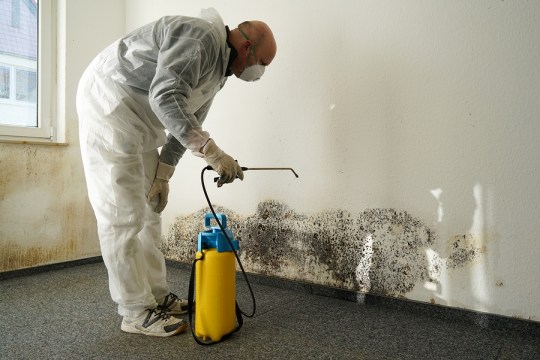
specialist in combating mold in a apartment

Many Lyme/MSIDS patients are finding they have a mold problem as well. Which came first, the pathogen invasion or the mold?  Good question.  The answer seems to be illusive, yet once this variable is discovered and dealt with, patients finally begin to improve on pathogen treatment.

Below is an extended preview of the documentary Moldy.

Go here to see the full documentary for FREE for a limited time:  https://moldymovie.com/index

_______________

For more:  https://madisonarealymesupportgroup.com/2018/03/13/are-mold-mycotoxins-compromising-your-recovery/

https://madisonarealymesupportgroup.com/2017/11/08/house-making-you-sick-mold-lyme-msids/

https://madisonarealymesupportgroup.com/2018/05/01/lyme-cdc-rally-may-4-2018/  According to Kathleen Dickson, Former Pfizer Analytical Chemist & whistleblower for the failed LYMErix vaccine:

“The case definition for Lyme disease was falsified in 1994; in the early Lyme vaccine trials the CDC discovered that the main ingredient in the vaccine – OspA caused Post sepsis disorder or the systemic disease we refer to as Chronic Neurological Lyme. The main ingredient of the vaccine – OspA or “outer surface protein A” is a fungal endotoxin and could never be a vaccine”.

Lyme/patients are receiving a fungal endotoxin through a tick bite.  Evidently, those who get the Lyme vaccine receive the fungal toxin due to the vaccine itself.  This is a frightening prospect and needs to be thoroughly and unbiasedly investigated.


Are Mold & Mycotoxins Compromising Your Recovery?

By Jennifer Crystal

When I was in elementary school, I developed a barking cough every spring. Loud, disruptive and persistent, the cough drew annoyed looks from teachers and students alike. Hearing me coming down the hall, the school nurse would call out, “Drink water!” But a few sips of water were not the solution to this cough because its cause went much deeper than a simple tickle in my throat. After a visit to an allergist, I learned that I was allergic to a number of seasonal and environmental irritants, including pollen (hayfever), fresh cut grass, dust mites, and mold.

I was given two inhalers, and the cough subsided. Besides some lesser springtime sneezing, I didn’t think much of my allergies after that. I forgot about the mold allergy entirely until I was in my early twenties when the ceiling of the schoolroom in the building where I taught started to leak. Shortly after, the teacher in that room came down with fatigue, migraines and sinus issues. The leaky ceiling had caused mold, which in turn caused my colleague to get sick.

I felt lucky not to be in that classroom. It didn’t occur to me that my room could also have mold spores, and that perhaps a lot of places where I’d worked or lived had also been infested with mold, which tends to hide in unseen areas like behind ceiling panels and in basements. Like Lyme disease, mold can quietly cause damage and create a litany of health problems. Also like Lyme, mold toxins can cause systemic inflammation.

For Lyme patients and others with compromised immune systems, moldmycotoxins and heavy metals can seriously impact recovery. In his talk titled “Mycotoxins and Chronic Illness: New Insights: The Role of Gliotoxin, the Immune System and Chronic Infections” at the 2017 Boston ILADS Conference, Infectious Disease Specialist Joseph Brewer (of Kansas City, Missouri) said that greater than 95% of chronic illness patients test positive for mycotoxins, and at least 90% recall prior exposure to mold. Symptoms can show up immediately or years later. Due to inhalation exposure, most of these molds live in our nasal cavities, causing infection of the sinuses and lungs. Mold and mycotoxin exposure, as well as exposure to heavy metals such as lead, might directly cause illness, or might suppress the immune system just enough so that a patient can’t fight off acute infection. Dr. Brewer studied two patients with mononucleosis who never got better, and found black mold in their houses.

Throughout my battle with Lyme, I suffered constant sinus infections, ear infections, and bronchitis. I wonder, now, if mold and mycotoxins also played a role. They could have been culprits of these infections, or perhaps they weakened my immune system, making it difficult for me to fight off Lyme, Babesia, Ehrlichia,mono and other acute infections.

Though it took a long time, treatment for tick-borne illness did finally work for me. Other people, though, don’t respond to treatment. They may wish to consider whether mold and mycotoxin exposure is perhaps getting in the way of their recovery. As Dr. Richard Horowitz writes in his book Why Can’t I Get Better? Solving the Mystery of Lyme & Chronic Disease, “Some patients, whether due to their genetics, their total load of these toxins, or their inability to properly detoxify, become ill when the load of toxic substances reaches a certain level.” They might experience symptoms such as “fatigue, fibromyalgia, joint pain, paresthesias, cognitive dysfunction, anxiety, depression, loss of balance and/or incoordination, abdominal complaints, urinary symptoms, visual symptoms, auditory symptoms, changes in weight, increased susceptibility to infection and cardiac symptoms.”

So how does a patient determine if they’ve been exposed to mold or toxins? If they have, what do they do about it? It’s really important to talk to your Lyme Literate Medical Doctor (LLMD) about testing for mold, mycotoxins and heavy metal exposure. Your doctor may recommend intranasal anti-fungal therapy. I use a nasal spray every other day which keeps my allergy symptoms at bay and helps stave off sinus and other infections. A cool mist humidifier during these cold months also helps, but you have to be very careful about cleaning it, or, ironically, it will grow mold!

While most mold lives in our nasal cavities, D.O. Thomas Moorcroft (of Origins of Health in Connecticut) said in his ILADS talk, “The Glymphatic System and its Role in Brain Detoxification,” that 70% of brain detox and drainage comes out of the nasal cavity. To be sure, brain detox is a huge part of recovery from neurological Lyme; once the bacteria has crossed the blood-brain barrier, it causes inflammation and build-up of both live and dead toxins in our craniums. Dr. Moorcroft talked about the importance of glymphatic drainage, also known as deep cervical lymphatic drainage. My integrative manual therapist often uses light pressure of his hands to open up drainage from my brain to my neck. There are also more traditional detox methods, including diets and supplements. Talk to your doctor about what might be best for you, and remember that those big culprits can live in dark, unseen places.


Opinions expressed by contributors are their own.

Jennifer Crystal is a writer and educator in Boston. She is working on a memoir about her journey with chronic tick-borne illness. Do you have a question for Jennifer? Email her at  jennifercrystalwriter@gmail.com


______________

**Comment**

In my experience, the mold/mycotoxin issue is significant with Lyme/MSIDS patients.  The mention of heavy metals (chelation & supplements like chlorella and DMSO/MSM:  https://madisonarealymesupportgroup.com/2018/03/02/dmso-msm-for-lyme-msids), infected nasal cavities (intranasal anti-fungal sprays), systemic inflammation (diet, supplements including Systemic enzymes, MSM, & LDN: https://madisonarealymesupportgroup.com/2018/03/05/how-proteolytic-enzymes-may-help-lyme-msids/,  https://madisonarealymesupportgroup.com/2018/03/02/dmso-msm-for-lyme-msids, https://madisonarealymesupportgroup.com/2016/12/18/ldn/), allergies (MSM & LDA/LDI:  https://madisonarealymesupportgroup.com/2016/05/30/new-kids-on-the-block-ldaldi/), detoxification (lymph massage, epsom salt baths, DMSO/MSM, & Systemic Enzymes:  https://madisonarealymesupportgroup.com/2017/09/29/epsom-salts-for-lymemsids/https://madisonarealymesupportgroup.com/2018/02/24/top-3-lyme-detox-myths-busted-dr-rawlslhttps://madisonarealymesupportgroup.com/2018/03/02/dmso-msm-for-lyme-msids/https://madisonarealymesupportgroup.com/2018/03/05/how-proteolytic-enzymes-may-help-lyme-msids/).

One statement by Master Herbalist Stephen Buhner has alway stuck with me – paraphrasing, it went something like this:  A sophisticated treatment is one which does many things simultaneously.  

If you notice there are treatments repeated above that do many things simultaneously, thereby lessening your cost and effort.  Make sure to talk to your doctor on anything you wish to add or delete from your treatment.

For more:  https://madisonarealymesupportgroup.com/2017/11/08/house-making-you-sick-mold-lyme-msids/

House Making You Sick? Mold & Lyme/MSIDS

Patients with Lyme/MSIDS are often sensitive to many things and have to remove them before they begin to heal.  Mold is one such item on the often long list.

My own personal experience with a reaction to mold happened pre-Lyme/MSIDS, thankfully, so I was aware of how devastating it can be for many people.  I was sick a lot.  Finally, we discovered mold and moved but the next place had it as well.  Once I got out of the moldy environment my body no longer was susceptible to every little illness.  I couldn’t believe the difference.

Published on Oct 27, 2017

Why You Should Listen:
In this episode, you will learn about illness resulting from water-damaged buildings and the importance of the environment on our health.
About My Guest: My guest for this episode is Andrea Fabry. Andrea Fabry is a former journalist, a radio host, and the mother of nine children. Her road to awareness began in 2008 when a serious toxic mold exposure compromised her entire family’s health. She is the Founder and President of momsaware.org. momsAWARE’s mission is to provide practical assistance to families and individuals displaced by toxic mold, and to raise public awareness of the negative impact of toxic mold, chemicals, pesticides, and other environmental hazards on human health. Andrea is certified in the field of Building Biology and is passionate about the overuse of chemicals, the disregard for indoor environmental issues, and the proliferation of electromagnetic radiation. Her story is available on her blog “It Takes Time” at it-takes-time.com. She currently resides in Vail, AZ, with her husband, Chris, and four of their children. She authored the book “Is Your House Making You Sick: A Beginner’s Guide to Toxic Mold” which is available on Amazon.com.
Key Takeaways: – How was Andrea’s family impacted by illness resulting from water-damaged buildings? – What factors lead to the growth of mold in an indoor environment? – What options may be helpful for testing for the potential of mold in the environment? – When mold is visible, how should it be cleaned? – What should one look for to find a good inspector and/or remediator? – When should one consider moving as opposed to remediation? – Might ozone or fogging solutions be helpful? – What should not be taken with you from a moldy environment to a new environment to minimize cross-contamination? – What treatment options were helpful? – Is it possible that the exposure to environmental mold leads to a colonization within the body? – Why is it important to reduce our exposure to EMFs to optimize wellness? – What are the top ten things Andrea learned the hard way?
Connect With My Guest: http://www.momsaware.org http://it-takes-time.com http://www.justso.co Related Resources: Is Your House Making You Sick? A Beginner’s
Guide to Toxic Mold – http://amzn.to/2gIQnoe
_______________
Why you should not use bleach to clean up mold.  What air filters she recommends.  Her four step approach to healing.  What other infections and chemical exposures she looks for.  What natural and pharmaceutical medications she uses.  How to test to see if you have mold and the genes that make you susceptible.
**Comment**
Make sure to replace your pillows periodically.  They can harbor mold.