Archive for the ‘Inflammation’ Category

Netflix Currently Showing “Brain on Fire”

https://www.netflix.com/title/80128245

Stricken with seizures, psychosis and memory loss, a young New York Post reporter visits doctor after doctor in search of an elusive diagnosis.

  Approx. 9:30 Min

UK Interview with Susannah Cahalan who was diagnosed with a brain disorder called Autoimmune Encephalitis (AE)…7th Feb 2013

After reading the book a while back, I decided to watch the movie.  It’s a heart-wrenching story of another patient that almost got lost in the cracks and was misdiagnosed from everything from bipolar disorder to alcohol withdrawal.  It’s also another example of how a true physical problem can present like mental illness.

For more on this topic:  https://madisonarealymesupportgroup.com/2017/10/03/treat-the-infection-psychiatric-symptoms-get-better/

https://madisonarealymesupportgroup.com/2018/02/20/mysterious-disease-where-the-body-attacks-the-brain-more-common-than-initially-thought/  The Mayo Clinic’s new study, published in February in the journal Annals of Neurology, suggests that cases of autoimmune encephalitis aren’t nearly as rare as researchers once believed. By drawing on data from the Rochester Epidemiology Project, a medical records database in Olmsted County, Minnesota, the researchers were able to estimate that roughly 1 million people across the globe had autoimmune encephalitis at some point in their life. Each year, roughly 90,000 people may develop AE, they estimated.  “No prior studies evaluated this,” Eoin Flanagan, the lead author on the paper and an autoimmune neurology specialist at the Mayo Clinic, said in a statement.  Kelley, who is working on his own forthcoming study of the frequency of AE in young people, said his work echoes Flanagan’s findings.  “You can’t diagnose something you don’t know about, or that you don’t recognize,” Kelley told Business Insider.

In children, infections like strep throat appear to be a trigger of AE.  Susan Schulman, a pediatrician in New York, told Business Insider last year that she had seen hundreds of cases of a related condition, called PANS (pediatric acute-onset neuropsychiatric syndrome), in her patients. Her first case, in 1998, was a five-year old girl from Brooklyn who flew into a panic about keeping special holiday clothes separate from her regular clothes.  “She was driving her mother crazy,” Schulman said last year. At first, she believed the girl had childhood obsessive-compulsive disorder, but medication made the child’s symptoms worse. She later returned to Schulman’s office with a nasty case of strep throat and strangely, after Schulman treated the strep with antibiotics, the OCD symptoms vanished.

The reason we need to be aware of this issue is Lyme/MSIDS can also be a trigger:  https://madisonarealymesupportgroup.com/2017/10/01/panspandas-steroids-autoimmune-disease-lymemsids-the-need-for-medical-collaboration/

https://madisonarealymesupportgroup.com/2017/04/11/hidden-invaders-infections-can-trigger-immune-attacks-on-kids-brains-provoking-devastating-psychiatric-disorders/

https://madisonarealymesupportgroup.com/2017/06/30/child-with-lymemsidspans-told-by-doctors-she-made-it-all-up/

https://madisonarealymesupportgroup.com/2018/06/14/depression-the-radical-theory-linking-it-to-inflammation/

The Role of Retroviruses in Chronic Illness – A Clinician’s Perspective

https://klinghardtinstitute.com/wp-content/uploads/2018/05/IHCAN-Dr-K-article-HERV-05.1.pdf

The Role of Retroviruses in Chronic Illness- Dietrich Klinghardt, MD, PhD

The role of retroviruses in chronic illness is greatly disputed in academic circles. However, at the Sophia Health Institute Dr DIETRICH KLINGHARDT, MD, PhD, reports seeing significant improvement in treatment outcomes – in the most severely affected patients with chronic illness – when anti- retroviral strategies are included.

The results we are seeing at the Sophia Health Institute at our locations in Seattle and Marin County would not have been possible without the brilliant work of Judy Mikovits, PhD.

What is published and what illnesses are potentially caused by, or have as a contributing factor, activated retroviruses?

  • CNS-related illnesses: ME/CFS, Gulf War Syndrome, Autism, MS, Parkinson’s, ALS, Schizophrenia
  • Auto-immune diseases: Lupus, Crohn’s, Hashimoto’s Thyroiditis, Polymyositis, Sjogren’s syndrome, Bechet’s Disease, primary biliary cirrhosis
  • Cancer: prostate, breast, non-Hodgkin’s lymphoma, chronic lymphocytic leukaemia, mantle cell lymphoma, hairy cell leukaemia, bladder, colorectal, kidney, ovarian.

To that I am adding a list of other illnesses that have responded under my care to retroviral interventions: intractable Lyme disease, mold illness, insomnia, brain fog and all stages of a deteriorating brain, most childhood illnesses including ADHD and behavioural problems, asthma, breast cancer, lung cancer and many more.

Working backwards

What are retroviruses? The more familiar DNA viruses such as those from the “herpes family” – and many others – work their way from DNA over to RNA and from there to the manufacture of viral proteins. Retroviruses work their way backwards – from the RNA to the DNA – and then forward again from there.

Retroviruses are subdivided into different- lettered classes – Beta Retroviruses: HERV-K. Gamma Retroviruses: HERV-H and HERV-W.

The generally accepted key contributors to chronic illness are inflammation, oxidative stress and microbial infection. All of these are known triggers for retroviral activity, and in turn are also caused by retroviral activity.

Both human and animal retroviruses can infect the central nervous system (CNS). These are associated with many diseases of the CNS and cause neurological disease by several mechanisms:

1. Directly through infection of immune cells which traffic to the brain;

2. Indirectly through increases in proinflammatory cytokines and chemokines, or

3. In the absence of detectable brain inflammation indirect effects known as “bystander effects”- causing chronic retroviral replication of immune cells.

A retrovirus works via the enzyme “reverse transcriptase”. Once inside the cell, it uses the enzyme to force the cell to create viral DNA. This viral DNA becomes integrated into the host cell DNA. A retrovirus integrated into our genome may be passed from mother to child during pregnancy (Sakuma et al, 2012).

Only 2% of our DNA is protein-coding, but 6-8% of our DNA is retroviral DNA – passed down to us from our ancestors as scars from our constant encounter with an often hostile microbial and virus-rich environment (Stoyle, 2006, Mayer et al, 2011; Li et al, 2001). These viruses are referred to as Human Endogenous Retroviruses or HERVs.

However, not all embedded retroviral DNA is bad. Some sections have become a functional part of our genome because they have given us an evolutionary advantage, such as the formation of the p53 gene regulatory network (Shin et al, 2013; Barbusecu et al, 2001). Other retroviruses have to be silenced throughout life, mainly through DNA methylation and acetylation.

The transcription of retroviral DNA makes the infected person susceptible to numerous de-novo genetic mutations, including MTHFR, DNMT and other genes which control methylation. Many other illness-producing effects are known, implicating HERV-K in the pathogenesis of neuroinflammatory and autoimmune illnesses. For a patient to get well today, it is rarely enough to just interpret the genomic testing and to substitute accordingly.

Acquiring infection

How do we become infected? Retroviruses can be acquired (inhalation, blood-based products, physical contact) or the viruses already present in our DNA can be activated through influences such as a viral infection or chronic inflammation (Manghera and Douville, 2013).

For example, the Epstein Barr virus induces expression of the HERV-K envelope gene and the transactivation of MSRV, the Multiple Sclerosis retrovirus (Mameli et al, 2007; Sutkowski et al, 2001). Herpes simplex type-2 activates members of the HERV-W family. These and other mechanisms are likely responsible for the activation of HERVs seen in rheumatoid arthritis, SLE, Sjorgens disease, schizophrenia, autism, MS and cancer. Cell phone radiation has disabled many of our protective proteins (Fragopoulou et al, 2012) and so have many of the food-based toxins such as glyphosate (Seneff et al, 2017) and air-based inhalants (aluminium etc).  An unintended source of retroviruses are some vaccines as reported in Frontiers in Microbiology in January 2011).

Diagnosis

Currently PCR testing is only available to
the research community. We have to rely on indirect parameters:

  • decrease of CD56 NK cells (CD56 is involved in adhesion, migration, growth, differentiation and other cellular functions); down regulation of IL-13, IL-2, IFN gamma, TH-1 cytokines (J. Mikovits et al, 1998)
  • upregulated levels of TH-2 cytokines: IL-4, IL-10 and pro-inflammatory cytokines: IL-1, IL-6, IL-8 and TNF-alpha.
  • elevated levels of TGF beta-1: has profound effects on innate and adaptive immunity through stimulation of mast cells (often mistaken as mould-related). This may be the true cause of mastocytosis.

Other practical markers from my experience: low wbc (white blood count below 4500), low CD 56. I always include the CD 57 to rule out an active Borrelia burgdorferi infection as compounding factor.

Treatment

When the retroviruses are effectively addressed early in the treatment of chronic illness, other issues such as bacterial infections (Borrelia, Mycoplasma, Bartonella etc), mould illness, EBV, CMV, HHV-6, silent inflammation, parasites, heavy metal toxicity and many other problems become less symptomatic and often undetectable – and respond much better to treatment, even to interventions that have failed before.

Plants have been exposed to the same retroviruses as us, but for 300 million years longer – and many have developed potent adaptogens. Even though drugs like Truvada and AZT can be successfully used, I prefer the use of plant-based products that have unique anti-retroviral properties. A few examples with the key references:

  • Scutalaria root (Ruscetti et al: “Inhibition of HIV infection by baicalin – a flavonoid compound purified from Chinese herbal medicine”, Cellular & Molecular Biology Research 39, 2 (1993): 119-124).
  • Cistus incanus (Rebensburg et al: “Potent in vitro antiviral activity of Cistus incanus extract against HIV and Filoviruses targets viral envelope proteins”. Scientific Reports 6 (2016): 20394).
  • Broccoli sprouts (Furuya et al: “Sulforaphane inhibits HIV infection of macrophages through Nrf2.” PLoS Pathogens, 12.4 (2016): e1005581)
  • St John’s Wort (Meruelo, Lavie and Lavie: “Therapeutic agents with dramatic anti- retroviral activity and little toxicity at effective doses: aromatic polycyclic diones hypericin and pseudohypericin.” Proc Nal Acad Sci 85.14 (1988): 5230-5234).

In addition, I like to put my patients on a high dose of seleno-cysteine (commonly 800mcg, a dose that has been established as safe (Yang, G.; Zhou, R. (1994) “Further Observations on the Human Maximum Safe Dietary Selenium Intake in a Seleniferous Area of China”. Journal of Trace Elements and Electrolytes in Health and Disease. 8 (3–4): 159–165. Baum et al. “High risk of HIV- related mortality is associated with selenium deficiency.” JAIDS 15.5 (1997): 370-374).

Suramin, an old anti-parasitic, has turned out to be one of the most effective anti- retroviral agents. Retroviruses activate the “cell danger response” and the P2 purinergic receptor on each cell. Suramin downregulates this receptor and inhibits the binding of growth factors TGF-beta, EGF, PDGF to their receptors and thus antagonises the ability of these factors to stimulate growth of tumour cells. It can be given iv every six weeks.

I prefer giving daily homeopathic doses (Mitsuya et al: “Suramin protection of T cells in vitro against infectivity and cytopathic effect of HTLV-III.” Science 226.4671 (1984): 172-174).

When we use suitable liposomal extracts of plants in proper dose and frequency, together with selenium and “energetic copies” of immune modulators like suramin, olmetarsan (vitamin D receptor), rapamycin (mTOR), significant results can be achieved in the treatment of chronic illness that were not possible before. This new therapeutic approach should always be combined with the synergistic use of EMR protection, treatment of Lyme and co-infections, mould and metal detox.

• On June 10, Dr Klinghardt will present a one-day seminar on the correct and effective use of anti-retroviral interventions in chronic illness. For more information and to book see news story on page 9 and visit www. Klinghardtinstitute.com.

About the author

Dr DIETRICH KLINGHARDT studied medicine and psychology in Freiburg, Germany, completing his PhD on the involvement of the autonomic nervous system in autoimmune disorders. Early in his career he became interested in the sequelae of chronic toxicity (especially lead, mercury, environmental pollutants & electromagnetic fields) in the course of illness.

While working in India he encountered Eastern concepts of disease aetiology and blended them with his Western training. This laid the foundation for his 5-level system of Integrative Medicine. In the US he spent three years as a full-time emergency physician before becoming Medical Director of the Santa Fe Pain Centre.

Increasingly aware of the limitations of conventional medicine when dealing with chronic conditions, he trained in Ericksonian hypnotherapy and began to include body-oriented psychotherapeutic and counselling approaches in his work, along with neural therapy, mesotherapy injection techniques and applied psychoneurobiology. Dr Klinghardt has contributed significantly to the understanding of metal toxicity and its connection with chronic infections, illness and pain. He has been instrumental in advancing various fields within biological medicine – non-invasive pain management, injection techniques for pain and orthopaedic dysfunction, anti-ageing medicine, toxicology, paediatrics (neuro-developmental disorders), energy psychology, biological dentistry and others. He has also developed Autonomic Response Testing, a comprehensive diagnostic system that has helped many practitioners to become accomplished holistic physicians. He founded Sophia Health Institute in 2012, and is actively involved in patient care at his clinic.

______________

**Comment**

For more on Mikovitz’s work:  https://madisonarealymesupportgroup.com/2017/10/15/vaccines-and-retroviruses-a-whistleblower-reveals-what-the-government-is-hiding/

https://madisonarealymesupportgroup.com/2018/03/01/vaccines-could-contribute-to-disease-epidemics-due-to-retrovirus-contamination/

To hear the audio of the talk & slides, go here:  http://simplymimi.net/archives/1151


Depression: the Radical Theory Linking it to Inflammation

https://www.nature.com/articles/d41586-018-05261-3

BOOKS AND ARTS 29 MAY 2018

Depression: the radical theory linking it to inflammation

Alison Abbott considers a persuasive case for the link between body and mind.
d41586-018-05261-3_15785092
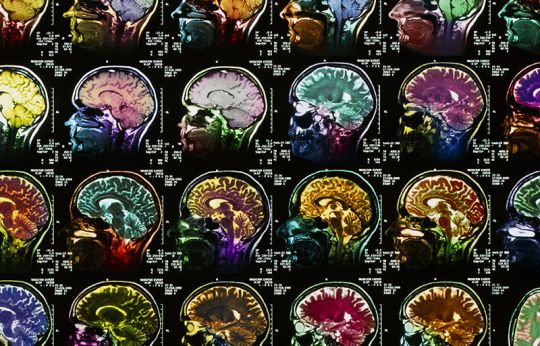
Collage of coloured sagittal MRI scans of the human brain.
Magnetic resonance imaging scans of the human brain.Credit: Simon Fraser/SPL/Getty

The Inflamed Mind: A Radical New Approach to Depression Edward Bullmore Short (2018)

Depression affects one in four people at some time in their lives. It is often difficult to treat, in part because its causes are still debated. Psychiatrist Edward Bullmore is an ardent proponent of a radical theory now gaining traction: that inflammation in the brain may underlie some instances. His succinct, broad-brush study, The Inflamed Mind, looks at the mounting evidence.

The book outlines a persuasive case for the link between brain inflammation and depression. Bullmore pleads with the medical profession to open its collective mind, and the pharmaceutical industry to open its research budget, to the idea. He provides a current perspective on how the science of psychiatry is slowly emerging from a decades-long torpor. He sees the start of a shift in the Cartesian view that disorders of the body ‘belong’ to physicians, whereas those of the more ‘immaterial’ mind ‘belong’ to psychiatrists. Accepting that some cases of depression result from infections and other inflammation-causing disorders of the body could lead to much-needed new treatments, he argues.

In 1989, during his clinical training at St Bartholomew’s Hospital in London, Bullmore encountered a patient whom he calls Mrs P, who had severe rheumatoid arthritis. She left an indelible impression. He examined her physically and probed her general state of mind. He reported to his senior physician, with a certain pride in his diagnostic skill, that Mrs P was both arthritic and depressed. Replied the experienced rheumatologist dismissively, given her painful, incurable physical condition, “You would be, wouldn’t you?”

Mrs P is a recurring motif, as is the rhetorical question. Bullmore draws on more than two millennia of medical history — from ancient Greek physician Hippocrates to the work of neuroanatomist and 1906 Nobel laureate Santiago Ramón y Cajal — to illustrate his points. At times they seem like intellectual meanderings, but these passages also show how medical science often progresses by means of bold theories that break away from received wisdom.

After his training, Bullmore specialized in psychiatry, and quickly experienced its limitations. He describes his growing awareness of how poorly science has served the field, using the development of selective serotonin reuptake inhibitors (SSRIs) as a prime example.

That long and winding road began with the antibiotic iproniazid. It was discovered through scientific logic: by screening chemicals for their ability to kill Mycobacterium tuberculosis in the test tube and in mice. Iproniazid transformed the treatment of tuberculosis in the 1950s. Patients clawed back from the jaws of death exhibited euphoria — well, you would, wouldn’t you? — and the drug was soon launched as an antidepressant. Soon the theory emerged (based more on supposition than evidence, says Bullmore) that its psychiatric effects were the result of boosting the neurotransmitters adrenaline and noradrenaline. Drug developers began to focus on neurotransmission more broadly.

Prozac (fluoxetine), which boosts serotonin transmission, was launched in the mid-1980s, and many pharmaceutical companies quickly followed with their own SSRIs. It seemed to be the revolution psychiatrists had been waiting for. But it soon emerged that only a modest subset of patients benefited (estimates based on trials vary widely). That is unsurprising in retrospect, with the new appreciation that depression can have many causes. Bullmore holds that the emergence of SSRIs bypassed scientific logic. The serotonin theory, he writes, is as “unsatisfactory as the Freudian theory of unquantifiable libido or the Hippocratic theory of non-existent black bile”. He notes that, after SSRIs failed to live up to the hype, time once again stood still for psychiatry.

Bullmore recalls a teleconference in 2010, when he was working part-time with British pharmaceutical giant GlaxoSmithKline. During the call, the company announced it was pulling out of psychiatry research because no new ideas were emerging. In the following years, almost all of ‘big pharma’ abandoned mental health.

Then a window seemed to open — one that shed a different light on the plight of Mrs P. Some of the textbook certainty that Bullmore had learnt by rote at medical school started to look distinctly uncertain.

In particular, the blood–brain barrier turned out to be less impenetrable than assumed. A range of research showed that proteins in the body could reach the brain. These included inflammatory proteins called cytokines that were churned out in times of infection by immune cells called macrophages. Bullmore pulls together evidence that this echo of inflammation in the brain can be linked to depression. That, he argues, should inspire pharmaceutical companies to return to psychiatry.

It seems unfair that someone struck down by infection should have depression too. Is there a feasible evolutionary explanation? Bullmore hazards that depression would discourage ill individuals from socializing and spreading an infection that might otherwise wipe out a tribe.

Other brain disorders might turn out to be prompted or promoted by inflammation. An exciting link with neurodegenerative diseases, including Alzheimer’s, is also being studied (see Nature 556, 426–428; 2018). But we need to learn from the rollercoaster history of brain research, and keep expectations in check. Beneath his bombastic enthusiasm, Bullmore acknowledges this, too.

Nature 557, 633-634 (2018)

doi: 10.1038/d41586-018-05261-

_________________

**Comment**

Lyme/MSIDS patients are often depressed.  I certainly was.  I found the worse I felt physically, the worse I felt mentally.  My mental state improved on appropriate anti-microbial treatment right along with my physical state.

I wholeheartedly believe the reason we are seeing suicides with Lyme/MSIDS is because patients are being abused at every juncture.  They are not believed and live an isolated existence where they can not speak honestly to those closest to them.  If you find yourself in this situation, please, for your mental health, get to a support group.  Once inside those doors you will be affirmed, believed, and listened to.  Don’t have a support group?  Start one!  With an estimated 1 million to contract Lyme/MSIDS this year (2018) there’s going to be a whole lot more of us!  https://madisonarealymesupportgroup.com/2018/02/24/one-million-predicted-to-get-lyme-in-2018-in-the-u-s/

For some other info linking infections to depression:  https://madisonarealymesupportgroup.com/2017/10/03/treat-the-infection-psychiatric-symptoms-get-better/

https://madisonarealymesupportgroup.com/2017/10/01/panspandas-steroids-autoimmune-disease-lymemsids-the-need-for-medical-collaboration/

https://madisonarealymesupportgroup.com/2015/10/18/psychiatric-lymemsids/

https://madisonarealymesupportgroup.com/2017/01/17/lymemsids-and-psychiatric-illness/

https://madisonarealymesupportgroup.com/2017/10/08/misdiagnosed-how-children-with-treatable-medical-issues-are-mistakenly-labeled-as-mentally-ill/

https://madisonarealymesupportgroup.com/2017/06/30/child-with-lymemsidspans-told-by-doctors-she-made-it-all-up/

https://madisonarealymesupportgroup.com/2018/06/04/ld-diagnosis-took-forever-because-of-mental-health-stigma/

https://madisonarealymesupportgroup.com/2018/04/07/young-woman-with-lyme-takes-her-life/


Caffeine More Dangerous Than Cannabis

 Approx. 2:30

According to Dr. David Bearman, in 1988 after a two rescheduling hearing, the DEA’s chief administrative law judge recommended rescheduling Cannabis to a schedule II substance.  He also said it was one of the safest therapeutic agents known to man & that it was safer than eating 10 potatoes.

According to two well-known addictionologists, Dr. Jack E. Henningfield (National Institute on Drug Abuse) and Dr. Neal L. Benowitz (University of California at San Francisco), Cannabis is less dangerous than caffeine.  http://druglibrary.org/schaffer/library/basicfax5.htm

 They ranked six psychoactive substances on the following five criteria:
  • Withdrawal — The severity of withdrawal symptoms produced by stopping the use of the drug.
  • Reinforcement — The drug’s tendency to induce users to take it again and again.
  • Tolerance — The user’s need to have ever-increasing doses to get the same effect.
  • Dependence — The difficulty in quitting, or staying off the drug, the number of users who eventually become dependent
  • Intoxication — The degree of intoxication produced by the drug in typical use.
The tables listed below show the rankings given for each of the drugs. Overall, their evaluations for the drugs are very consistent. It is notable that marijuana ranks below caffeine in most addictive criteria, while alcohol and tobacco are near the top of the scale in many areas.


The rating scale is from 1 to 6. 1 denotes the drug with the strongest addictive tendencies, while 6 denotes the drug with the least addictive tendencies.

HENNINGFIELD RATINGS

Substance   Withdrawal   Reinforcement   Tolerance   Dependence   Intoxication

Nicotine           3                         4                       2                     1                   5

Heroin             2                          2                       1                     2                  2

Cocaine          4                          1                       4                     3                   3

Alcohol           1                           3                       3                     4                  1

Caffeine          5                          6                       5                     5                  6

Marijuana      6                          5                        6                     6                 4


BENOWITZ RATINGS

Substance   Withdrawal   Reinforcement   Tolerance   Dependence   Intoxication

Nicotine             3*                       4                     4                        1                6

Heroin                2                        2                      2                        2               2

Cocaine              3*                      1                      1                        3               3

Alcohol               1                        3                      4                        4               1

Caffeine              4                        5                     3                         5               5

Marijuana          5                        6                     5                        6                4

*equal ratings

A neurobiologist shows the under explored potential of cannabis to address opioid addiction:  https://www.sciencedaily.com/releases/2017/02/170202141322.htm

Excerpt:

For example, previous research shows that cannabinoids have a stronger effect on inflammation-based chronic pain, while opioids are particularly good at relieving acute pain. Problematically, opioids can quickly lead to a deadly addiction.

“If you look at both drugs and where their receptors are, opioids are much more dangerous in part because of the potential for overdose. The opioid receptors are very abundant in the brainstem area that regulates our respiration so they shut down the breathing center if opioid doses are high,” says Dr. Hurd. “Cannabinoids do not do that. They have a much wider window of therapeutic benefit without causing an overdose in adults. However, children have overdosed from consuming edible marijuana so that’s something to consider when making decisions regarding medical use.”

…..Accumulating evidence suggests that cannabinoids could have long-lasting therapeutic effects.


You may not be aware that medical cannabis is legal in 28 states and the District of Columbia, yet the DEA classifies cannabis as a Schedule I controlled substance, the same category as heroin, yet there is no toxic or lethal overdose effects of cannabis.  No one has ever died from cannabis.

You may also be surprised to learn the United States Department of Health Services owns a patent on cannabis:  https://patents.google.com/patent/US6630507B1/en.

The Patent covers the use of cannabinoids for treating a wide range of diseases. Yet under U.S. federal law, cannabis is defined as having no medical use. The patent (US6630507) is titled “Cannabinoids as antioxidants and neuroprotectants”. It was awarded to the Department of Health and Human Services (HHS) in October 2003. It was filed in 1999, by a group of scientists from the National Institute of Mental Health (NIMH), also part of the National Institutes of Health.

Even the U.S. government’s own NIH researchers concluded:  “Based on evidence currently available the Schedule 1 classification is not tenable; it is not accurate that cannabis has no medical value, or that information on safety is lacking.”  https://www.ncbi.nlm.nih.gov/pmc/articles/PMC3358713/

For a video guide on the science of cannabis & opioid information: https://healer.com/cannabis-and-opioids-video-guide-the-science/

If you want to learn more on the medicinal uses of cannabis:

Airing FREE June 20-27, 2018 Register here: http://bit.ly/2sGRiuY The Sacred Plant: Healing Secrets Examined is a groundbreaking 7-part documentary series centered on the most powerful and potent healing plant on earth.

7-Part FREE Series About Medical Cannabis

https://two.thesacredplant.com/docuseries/ty-bollinger?utm_campaign=June2018&utm_medium=email&utm_source=TTAV&utm_content=TyBD2Lander&utm_term=int-aff&oprid=44683

Ty Bollinger: Season 2 – Healing Secrets Examined Docuseries

Airing FREE June 20-27, 2018.

Register here: http://bit.ly/2sKefgT

The Sacred Plant: Healing Secrets Examined is a groundbreaking 7-part documentary series centered on the most powerful and potent healing plant on earth. This series will be available to you absolutely FREE online from June 20-27, 2018.

What is The Sacred Plant? Cannabis sativa. Its natural and non-toxic healing powers have been used for 5,000+ years to prevent, treat, and even beat hundreds of medical conditions and disorders. Including Cancer, PTSD, Autism, Seizures, Dementia, Fibromyalgia, Chronic Pain, Anxiety, and hundreds more with no harmful side effects, which are common with pharmaceutical drugs.

Through the stories and expert advice of global health leaders, doctors, scientists, patients, and survivors…you’ll discover The Sacred Plant’s miracles and misunderstandings. The stories you’ll witness will inspire and move you. If you or a loved one is suffering right now from a debilitating disease or chronic condition, it’s important that you get educated and empowered on The Sacred Plant. It could change and even save your life and the life of a loved one.