Archive for the ‘Inflammation’ Category

Vaccines Likely Infected With Retroviruses & Linked to Chronic Disease

https://articles.mercola.com/sites/articles/archive/2018/12/09/retrovirus.aspx?

Plague: One Scientist’s Intrepid Search for the Truth About Human Retroviruses and Chronic Disease

 Approx 3 Min

Written by Dr. Joseph Mercola

Story at-a-glance

  • A retrovirus is a virus that contains RNA encoded genes rather than DNA. Using reverse transcriptase, the retrovirus is able to transform the single-stranded RNA into a double-stranded DNA
  • When the retrovirus infects a host, it integrates its DNA into the DNA of the host cell, which allows the retrovirus to replicate itself and spread through the host
  • One example of a transmissible retrovirus is the HIV virus, which can cascade into the clinical symptoms of acquired immunodeficiency syndrome (AIDS)
  • A retrovirus family known as xenotropic murine leukemia virus-related viruses (XMRV) may play a causal role in chronic fatigue syndrome, chronic myalgic encephalopathy (ME) and other diseases, including autism
  • Some retroviruses, including XMRV (but not HIV as far as we know), infect your germ cells, which means they are transmitted to your offspring

Judy Mikovits, Ph.D., a virologist, researcher and founding research director of the Whittemore Peterson Institute — which researches and treats chronic fatigue syndrome (CFS) in Reno, Nevada — got embroiled in controversy when, in 2009, she was the senior author on a paper which reported that a retrovirus known as xenotropic murine leukemia virus-related virus (XMRV) may play a causal role in CFS and other diseases, including autism.

Her book, “Plague: One Scientist’s Intrepid Search for the Truth About Human Retroviruses and Chronic Fatigue Syndrome (ME/CFS), Autism and Other Diseases,” details her research and personal trials that arose as a consequence of her work.

“Kent Heckenlively essentially wrote it,” Mikovits says, “because I write like a scientist. We wrote it using the genre of flashback. He taped hours and hours of me telling the story as he asked me questions — because he’s trained as an attorney — and then he turned that into this suspense-thriller. Interestingly enough, it almost has to read like fiction because of the lawyers it took to … make sure we weren’t sued.”

What Are Retroviruses?

Before we go further, let’s review what a retrovirus is. A retrovirus is a ribonucleic acid (RNA) virus — in other words, a virus that contains RNA encoded genes rather than deoxyribonucleic acid (DNA). Using reverse transcriptase, the retrovirus is able to transform the single-stranded RNA into a double-stranded DNA.

When the retrovirus infects a host, it integrates its DNA into the DNA of the host cell, which allows the retrovirus to replicate itself and spread through the host. As more and more cells are infected, you become increasingly sicker. Mikovits explains:

“Humans have a DNA genome. Our blueprint is DNA. Retroviruses have an RNA genome, but they also are unique in the RNA family of viruses, where their RNA genome is reverse-transcribed. That is, written backwards by an enzyme unique to retroviruses called reverse transcriptase. That enzyme writes the RNA into DNA.

Then they have another enzyme called integrase. Integrase is like a pair of scissors that cuts open your DNA and then inserts the retrovirus, which is only about 8,000 base pairs, a very, very, very small virus, 50 to 100 nanometers on an electron micrograph. That piece of DNA — called a provirus — is now in the DNA of your cells forever. Every time your cells replicate, you make more viruses.”

Now, this DNA insertion has been ongoing throughout human history. According to Mikovits, about 10 percent of the human genome is retroviral in origin. These are called human endogenous retroviruses. These, however, differ in that they’ve been crippled in part by our DNA methylation machinery (which modulates genes expression and the human immune system — so that they can no longer make complete viruses and therefore cannot infect others.

However, when you’re infected with a retrovirus such as human T-lymphotropic virus (HTLV-1), HIV HBRV or Borellia as in chronic Lyme disease and develop DNA methylation and immune dysfunction, these endogenous retroviruses begin to be expressed, and this is yet another really important finding.

HIV — One Example of a Transmissible Retrovirus

One example of a transmissible retrovirus is the HIV virus, which can cascade into the clinical symptoms of acquired immunodeficiency syndrome (AIDS). HIV was discovered in 1982, and as mentioned above, was part of Mikovits’ early research work. Her book includes the history of that important discovery.

When Mikovits first began studying retroviruses, HIV/AIDS was completely unknown, but they suspected a retrovirus was at play because of how retroviruses affect the human immune system and lead to acquired immune deficiencies and cancers.

“You don’t just one day get this virus and you’re sick. In fact, we now know millions of people have HIV and will never develop AIDS. We talk about that in the book, because the book ultimately is one of hope that we fix HIV.

I can honestly tell you in 1999, when I was running the lab of antiviral drug mechanisms, I did not ever expect we would solve that problem. Now, AIDS patients on antiretroviral therapy are probably healthier and develop fewer cancers … than most of the rest of society.”

Some retroviruses, including XMRV (but not HIV), also infect your germ cells, which means they not only cause continuous infection in your body but also transfer to your offspring.

XMRV, the xenotropic murine (mouse) leukemia retrovirus, is the mouse-related retroviruses that cause cancer and lots of neurological diseases. Those affect the stem cells, the egg, the sperm — every cell in your body. That was one of the big ‘Oh, my Gods,’ about our discovery,” Mikovits says.

When it comes to treatment, the key is to keep the virus silent, because when they’re not, each time your cells divide you’re making more retroviruses. For this, antiretroviral treatments are used, some of which will be discussed later in this article.

From AIDS to ME/CFS

After 9/11, Mikovits started working with a woman whose daughter was severely ill with chronic fatigue syndrome. “Basically, that was the first time I ever saw the disease called ME/CFS,” she says.

“This person was looking at a herpes virus known as human herpesvirus 6 (HHV-6). This is a virus prominent in people with Kaposi sarcoma, [which] became associated with HIV and AIDS. Dr. Patrick Moore and Dr. Yuan Chang [discovered] that Kaposi sarcoma was actually caused by a herpes virus — then known as Kaposi sarcoma herpes virus; now, it’s HHV-8.

Because the immune system is crippled, you wake up the sleeping herpes viruses. People with autism, ME/CFS and cancers have a lot of chronic active infections, so we often see the Epstein-Barr virus (EBV) associated with outbreaks of ME/CFS …

This woman introduced me to Dr. Dan Peterson and Annette Whittemore in Incline Village, Nevada, where he had been studying outbreaks of ME/CFS for probably 25 years. He said he had a bank of samples. We went up there. I met all the patients.

I interviewed them in great length and developed a hypothesis, which had actually been shown before by Elaine Defreitas, Ph.D., another scientist many years earlier

Defreitas had isolated retroviruses from patients with ME/CFS. A doctor … named Sidney Grossberg had also isolated retroviruses from at least one patient with ME/CFS. So, the retroviral hypothesis wasn’t new. Everything about it fit …

One of the most severely injured patients at that time was Whittemore’s daughter, Andrea. That summer (2006), I went up there … and started studying it … I used the systems biology approach, because there’s a lot of heterogeneity.

We know AIDS patients who have HIV and will never get AIDS … I interviewed patients in Peterson’s office all summer and took blood, urine, saliva and all kinds of samples to isolate that virus, which is what you need to do to show it’s associated with a disease.”

The Discovery of Infectious Retroviruses

Eventually, she brought together several of her former and current colleagues who were world experts in HIV sequencing to look at ME/CFS. Among them was the world’s leading electron microscopist, Kunio Nagashima, who has done the electron micrographs of every family of human retroviruses discovered: the human beta retrovirus, human delta virus, lenti-virus (such as HIV) and gamma retroviruses.

Working in collaboration with the Cleveland Clinic, Mikovits and her team isolated the virus and spent the better part of 2008 and 2009 putting a paper together, proving the XMRV retrovirus was infectious and transmissible and not just another crippled human endogenous retrovirus.

“To our horror, we learned these [retroviruses] could be aerosolized. This was in 2011 … That was really the first nail in my coffin. Pun intended, because the national academy member, John Coffin, Ph.D. — who had told Frank Ruscetti, ‘There is no such thing as human retroviruses. Don’t study them’ — then made a fortune out of HIV and did everything he could to destroy me and the patients,Mikovits says.

“Prior to publication in 2009, we wrote a patent on the detection of these retroviruses, these pieces and parts as contaminants of the cell cultures, of the cell lines from which we make vaccines. After they destroyed my reputation and career and forced the retraction of our paper from [the journal] Science, Coffin turned around and wrote a patent on the detection of these viruses in contaminating cell linings and contaminating biologicals in our labs.”

This PDF includes emails, letters and supporting documentation showing how the retraction of Mikovits’ Science paper was forced, after which Coffin filed his own patent for a detection method of the contaminants in cell lines used for vaccines and other biologicals. There’s also documentation detailing the scientific fraud Mikovits asserts in this interview.

Infectious Retroviruses May Contaminate Blood Supply and Vaccines

In her book, she also details how infectious retroviruses are still likely infecting many biological solutions used clinically today, such as vaccines and other therapies. To say that this is a concern would be an understatement. Children’s Health Defense discusses this, and more, in “Looking Back, Looking Forward: Cancer and Vaccines.”1 Mikovits explains:

“That was really at the heart of the big ‘Oh, my God.’ The worst I learned in this whole experience is how corrupt scientific journals are. In fact, Ruscetti now calls Science, that prestigious journal, ‘The National Inquirer,’ because they literally engineered the whole thing to destroy MEC/FS patients and any association this virus [XMRV] had with these diseases …

All of the studies showed that the control population was between 3.75 and 6.8 percent infected. When you do a study and there’s evidence of infection in 6 percent of the human population, that’s 25 million Americans. To put that in context, at the height of HIV/AIDS in 1995, it was 1 million Americans. It would crush our health care system if they had to pay for what they caused.”

The result of Mikovits’ findings was nothing short of personal devastation. Not only was her paper retracted by Science, she was even arrested for “stealing” her own lab notes. Charges were ultimately dropped, but the damage to her reputation was a done deal.

“Basically, our paper came out on October 8, 2009. It was literally like ‘the shot heard around the world.’ I was on the road every single day. Everywhere I went doctors were like, ‘She’s got it. She’s got it. She’s got it,’ and not just with MEC/FS but also with cancer, leukemia, lymphoma, with prostate cancer.

When you start looking at the inflammatory events in the acquired immune deficiencies, with autoimmune disease, with Lou Gehrig’s disease, the problem became this [retro]virus. Well, there’s no single virus. There’s no HIV. There’s a whole family of HIVs. There’s an HIV 1. There’s an HIV 2. There’s a strain A, B, C and D.

Why do we do influenza vaccines for this strain de jour or every year? [Because] there are strains of viruses. There are families of viruses … The second that we published this paper, we started working to get a diagnostic test for the blood supply to show it wasn’t contaminated, which, in fact, it was.

Later that year, the last talk I ever gave was on a science paper that came out September 22, 2011 … That talk was basically a debate for the evidence that there are human retroviruses of the XMRV family that aren’t VP62 (the infectious molecular clone, not the natural isolates of our paper).

We could show in the original paper that there was evidence of murine leukemia viruses, gamma retroviruses that were infectious and transmissible, just as we had said.

Coffin was on the other end of that debate. He said it was all a recombination event. He published a paper in 2013 saying, ‘When we worked with mouse cells, they expressed a lot of pieces and parts of retroviruses. This just happened to happen in the laboratory.’

[Hence, he claimed] that’s what we had isolated. [Coffin claimed] that what we were looking at were just contaminants in the laboratory. ‘It’s all a lab contaminant,’ [Coffin said], ‘You can all go home. You’re safe.'”

Massive Public Health Concerns Swept Under the Rug

As one might expect, Mikovits’ research caused massive concern in the professional community, because here was a newly identified, infectious and transmissible retrovirus that no one was screening for, and it was potentially contaminating 10 percent of the human blood supply. But rather than face the problem head on, it was rapidly swept under the proverbial rug.

“My mom was watching Good Morning America one morning. Across the bottom of the ticker tape said, ‘XMRV all a hoax’ … It was horrible. We started to realize our fake news and fake science.”

Today, the blood supply is unlikely to be contaminated, thanks to a decontamination procedure developed by a California-based company called Cerus and which Mikovits proved to inactivate XMRV, rendering it noninfectious.

Other biologicals, including vaccines, however, may not be routinely decontaminated using this process, in large part because they’re not required to do so, and drug companies are not liable for vaccine-induced harm. What’s more, decontaminating the vaccine may render it ineffective.

“It won’t work. It will no longer be a vaccine … The Cerus method cleans up Ebola. It cleans up Zika. It cleans up essentially any RNA viruses, including HIV and all three human retroviruses. The Cerus system is extremely valuable to cleaning up the blood supply.

But they cannot clean up the vaccines for another reason. If they do, they prove Andy Wakefield right. They prove me right. They prove they’ve got 25 million Americans, who they have to support for the rest of their lives and pay damages [to] …”

The Price of Making an Unpopular Scientific Discovery

On a personal level, Mikovits has taken an enormous personal hit. September 29, 2011, she was fired from the Whittemore Peterson Institute for insolence and insubordination, and was driven into bankruptcy after being falsely arrested for stealing her own lab notes. (She never was and to this day is not in possession of her notebooks or any of the two offices full of her work done in her entire career.)

She explains her firing saying that Whittemore had been selling a diagnostic test and the director of their for-profit commercial laboratory was using federal grant funds to do that work (with full knowledge and under the direction of Annette and Harvey Whittemore), which is misappropriation of federal funds. Mikovits became aware of this in August that year, and wrote him off the grant.

“The Whittemores basically fired me immediately in an attempt … to get this scientist, Vince Lombardi, Ph.D. … to recreate the work while I was out of town and say I was a lunatic — that he’d been doing the work all along, and he hadn’t misappropriated any of the funds.

They fired me on September 29 and immediately locked down the entire university to me or my staff … The insolence and insubordination was I had refused a direct order to misappropriate federal funds, basically. I wasn’t ever going to do that. The insolence I’m trying to learn not to do, because it probably would have gone a lot better for me if I didn’t say ‘F-you,’ at the same time …

It was September 22, 2011, when I gave my last talk. They had three weeks to get a Science paper out there that would destroy my reputation in the ME/CFS community … Ruscetti had to sign that paper, or he and Sandy Ruscetti would be fired … [and] lose their entire retirement, which is 75 years.

That was one of the few times I sobbed. I was sitting in my bed screaming …It was 6 o’clock in the morning. They were on the East Coast and they needed to get this paper published fast by Science.

I called the Ruscettis and said, “Frank, they agreed to change the language. They agreed to change the title. They agreed it wasn’t an association study … [they say] we didn’t have a diagnostic test. Either way, the Whittemores are going to kill me because they’re selling the diagnostic test.’

So Frank [Ruscetti] signed the paper. They didn’t change the wording. [What they did] is pure fraud. Here, the head of the National Heart, Lung, and Blood Institute published pure fraud in the journal Science, just as two years later, Ian Lipkin published pure fraud. It is fake news. It is so corrupt, everything about it.

It’s not [the researchers]. It’s the top of the line. It’s Dr. Tony Fauci. We’re only allowed to make incremental advances. When you make a discovery of this nature, it changes all of everything. This is misogyny … This is a bunch of little boys … fighting over who gets credit, while the world dies, while you kill an entire continent.

That’s why I do shows like this. Because we’re going to teach doctors. When doctors understand the science — and they’re coming around a lot — because the science is there. Nothing about our paper, except the sequence of the virus, has ever been wrong. We knew that in the beginning.”

Individuals Infected With Retroviruses Should Avoid Vaccinations

According to Mikovits, retroviruses such as XMRV affect entire families, as it can be transmitted to your offspring. Many of these families also have children with autism, which Mikovits believes may be connected to the retrovirus. The question is, what can you do if you’re infected? For starters, Mikovits recommends avoiding vaccinations.

“Until 2011, not inconsequentially, we didn’t vaccinate AIDS patients the same way. It’s in the book. You don’t vaccinate the immune-compromised … By definition, you have an immune system that doesn’t work. Why would you vaccinate them? Why would you vaccinate somebody under 3 years old, who has an immune and detox systems that don’t work?

This was the key of the RNaseL story (a genetic susceptibility not to degrade RNA viruses), of the Thompson fraudulent paper [Editor’s note: This refers to William Thompson, Ph.D., a former senior scientist at the CDC’s National Center for Immunizations and Respiratory Diseases, who confessed he conspired to cover up links found between the MMR vaccine and autism].

All they had to do was wait for black boys to be 3 years old, and they would have been able to degrade the RNA virus. That’s criminal. That’s beyond comprehension

The pearl of wisdom is this DNA methylation. Keep the violent virus silent … DNA methylation has to silence them. You can’t inject them in a vaccine. We’re injecting millions of pieces in parts of retroviruses in every vaccine, by definition (and admission).

I am working on an ongoing cancer lawsuit that says vaccines cause childhood cancer, a lymphoma. By these same mechanisms, you’ve destroyed the DNA methylation machinery’s ability [to silence the virus]. You’ve simply overwhelmed the substrate. You’ve overwhelmed the ability to methylate.

Every time those viruses integrate, you have a better chance at insertional mutagenesis. Don’t expose anybody to human (or animal) retroviruses. Use antiretroviral therapy, which are natural products … There are lots of natural products. We published on them. Those are actually therapy for these kids.

[A 100-year-old drug called Suramin] was one of the first antiretroviral therapies for HIV … [It] worked best against the murine leukemia virus-related viruses, against the mouse retroviruses, the gamma retroviruses …

[Dr. Robert] Naviaux [professor of medicine, pediatrics and pathology at University of California San Diego School of Medicine] did a small clinical trial.2 These kids got their life back.3 They started talking again. What did Bayer do? They stopped the trial and took the drug away from everyone. Now, you can’t get it …

We could help millions of people get over [autism]. But when you show cure, you know cause. That’s it. I would be right … Millions of people would get their lives back, and it’s all about money.”

XMRV Is a Significant Threat

As mentioned, there are several different retroviruses, which are part of four viral families (delta, lenti, beta and gamma). Aside from HIV and XMRV, there’s the human T-cell leukemia lymphoma virus (HTLV-1) family. There are five or six HTLV viruses, but HTLV-1 is the only one known to cause severe disease.

Human beta retrovirus is another virus associated with primary biliary cirrhosis. Many patients with MEC/FS also have family members with primary biliary cirrhosis. As for which one might be the most significant threat, Mikovits believes XMRV is among the most pressing, because while HIV is well-contained at present, XMRV is not, and it appears to play a significant role in diseases of methylation.

Disturbingly, they’re now using murine leukemia viruses as vectors for gene therapy and a novel cancer therapy called chimeric antigen receptor (CAR) T-cell therapy. In other words, they’re causing cancer and other retroviral illnesses.

The same thing with Gardasil … We’re causing these diseases and we know it because we’re using these [retroviruses] as vectors. We don’t need infectious viruses. That’s one thing that’s really important to know. You don’t need infectious viruses if you’re injecting the provirus, or the pieces and parts. You inject it, past your immunity, past your gut, past RNA cell, past everything. You bypass the immune system. They don’t need to be infectious.

All you need is an envelope to cause that prostate cancer. That’s a paper that was published 2013. In most of our studies, all we detected was the envelope. The envelope alone causes vasculitis … Another strain of XMRV gamma retrovirus from mice was identified by Gary Owens … associated with cardiovascular disease. This is just a nightmare that we’ve unleashed in our environment.”

Retroviruses and ME/CFS

According to Mikovits, 6 to 8 percent of the general population are infected with infectious and transmissible XMRV-retroviruses, and in the chronic fatigue population, that prevalence shoots up to about 30 to 40 percent. As with HIV, antiretroviral therapies can be very helpful in the treatment of ME/CFS, including low-dose naltrexone.

You have to silence the other pathogens, so taking care of mycoplasma, taking care of mold, absolutely supporting the gut microbiome [will help], Mikovits says. “We learned with AIDS and cancer patients that if they don’t have the diversity in the microbiome, just like in autism, just like in MEC/FS, it’s because the retrovirus is causing leaky gut …

The nonspecific inflammation [is] the retroviruses. If you keep the gut healthy, you can heal. The primary is the diversity in the microbiome, or you can’t respond to the drugs. There’s a lot of hope. That’s what we end the show with. There are therapies. We could fix this tomorrow. That’s why I do it.”

To learn more, be sure to pick up a copy of “Plague: One Scientist’s Intrepid Search for the Truth About Human Retroviruses and Chronic Fatigue Syndrome (ME/CFS), Autism and Other Diseases,” which reads more like a fictional thriller than a nonfictional book about the science of disease.

________________

For More:  https://madisonarealymesupportgroup.com/2017/10/15/vaccines-and-retroviruses-a-whistleblower-reveals-what-the-government-is-hiding/

https://madisonarealymesupportgroup.com/2018/03/01/vaccines-could-contribute-to-disease-epidemics-due-to-retrovirus-contamination/

https://madisonarealymesupportgroup.com/2018/06/23/the-role-of-retroviruses-in-chronic-illness-a-clinicians-perspective/

They should make Mikovits’s book into a movie.  It’s beyond belief.


‘Brain on Fire’ Cases Epitomize Benefits of Dual-trained Doctors

https://www.utsouthwestern.edu/newsroom/articles/year-2018/brain-on-fire.html?fbclid=IwAR0mMorVXdusRc88gqePYP0J5ERh0Jx_R3vpvqdPcbSctwsyTjk_CSNh_j4

‘Brain on Fire’ cases epitomize benefits of dual-trained doctors

Rare program looks to expand blended expertise in psychiatry, neurology

(Video here)

Story highlights

  • New program addresses national shortage of physicians with combined training in psychiatry, neurology
  • Integrated knowledge helps doctors diagnose conditions with overlapping symptoms

DALLAS – Nov. 29, 2018 – Glen Carter woke up on a white linen bed inside a psychiatric unit, the excruciating pain in his shoulder mingling with a growing sense of alarm.

How had he arrived here? What was wrong with his shoulder?

Mr. Carter later learned he had driven to UT Southwestern for help and had been acting erratically – hearing voices, seeing visions, and sputtering to doctors thoughts of his imminent death.

“I had no recollection of any of it,” said Mr. Carter, 58.

Glen Carter

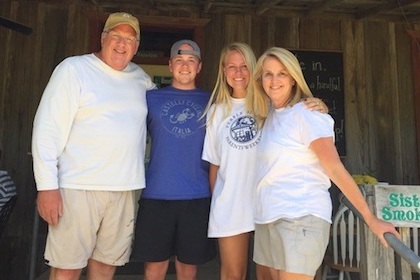
Glen Carter (left) had been a pillar of stability for his children (middle) and wife Janet (far right) until last year when he began behaving increasingly erratic. A UT Southwestern doctor determined Mr. Carter was not schizophrenic but instead had a rare autoimmune disorder.


The uncharacteristic behavior indicated a potential case of schizophrenia, yet his doctor noticed a few factors that didn’t add up. For instance, the longtime husband and father of two had no history of mental illness and had a severely dislocated shoulder usually only seen after major trauma such as car accidents or seizures.

The doctor ordered X-rays, brain imaging, and other tests that confirmed his suspicion: Mr. Carter did not have schizophrenia but rather a rare form of brain inflammation that would not have been reversed with antipsychotic medication.

“The shoulder was a big clue, then we noticed a bite mark on the side of his tongue that indicated he probably had a seizure,” said Dr. Robert Weir, who last December diagnosed Mr. Carter with a neurological condition called autoimmune encephalitis. “He responded remarkably well within a day of putting him on high-dose steroids, and he was soon able to resume his life as normal.”

Mr. Carter was the beneficiary of a blend of medical training that until recently was only offered to a select group of doctors on the East Coast: combined certification in psychiatry and neurology. Following a lengthy national moratorium that prevented medical schools from adding the dual training, the country’s newest such program at UT Southwestern represents a modest but notable step in filling a lingering national shortage of physicians skilled in the two fields.

The effects of the shortage are sometimes as benign as a slightly delayed diagnosis, but in extreme cases, patients may bounce from clinic to clinic and meander through a series of misdiagnoses and ineffective treatments, wreaking havoc on their personal and professional lives. A similar ordeal was publicized in the autobiography and subsequent film “Brain on Fire,” the story of a journalist who was mislabeled as having a primary psychotic disorder until she – like Mr. Carter – was diagnosed with autoimmune encephalitis.

Coming up on the one-year anniversary of Mr. Carter’s diagnosis, the bond broker is enjoying a holiday season much different than the last, when his normally joyous time with family and friends was riddled with emotional distress and medical mystery.

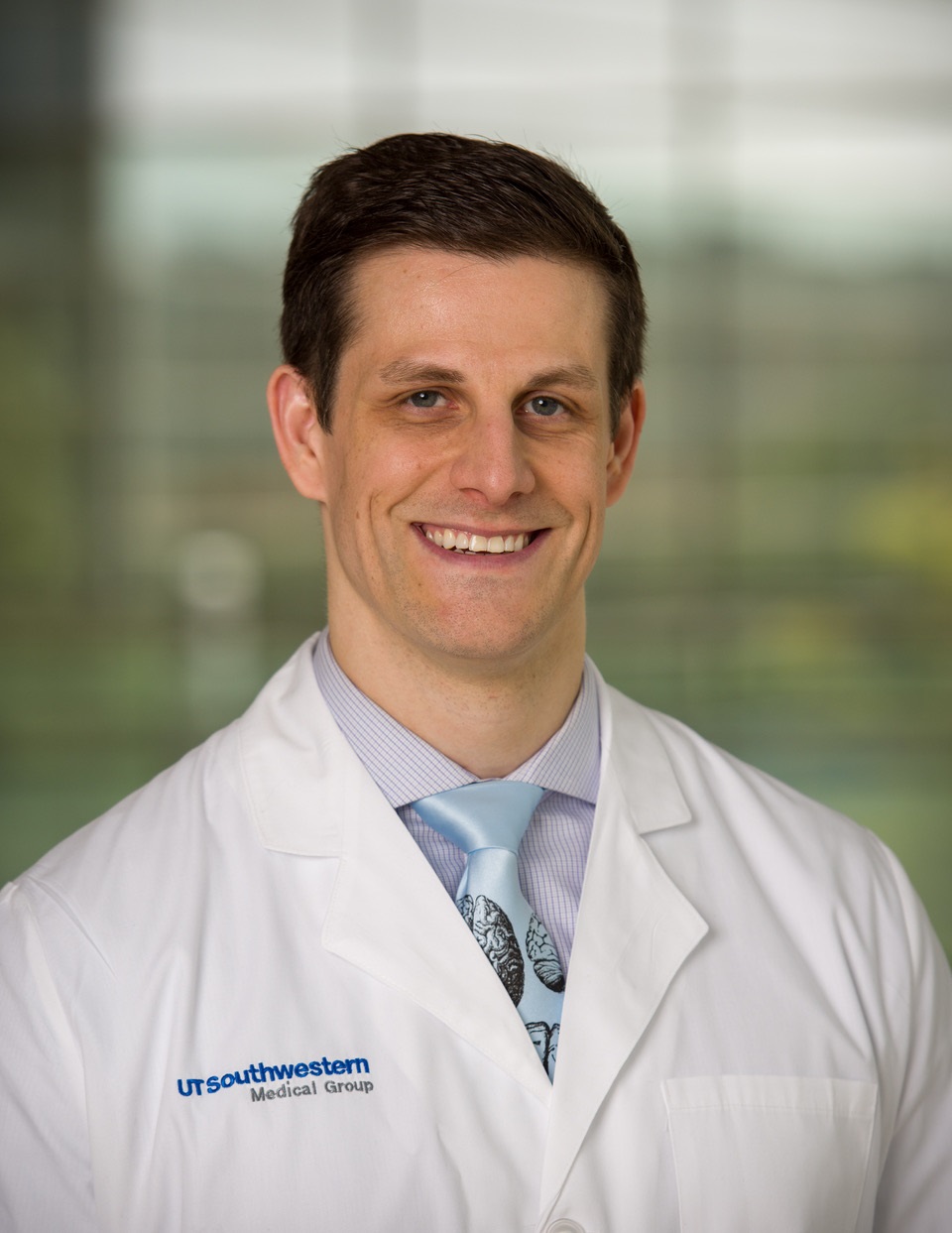
Dr. Robert Weir

Dr. Robert Weir helped develop the curriculum for UT Southwestern’s combined residency program for neurology and psychiatry.


Dr. Weir is encouraged to hear about the impact his expertise had on Mr. Carter, who no longer needs treatment for the condition and hasn’t missed any significant time from work this year.

“The term ‘mental illness’ is thrown around a lot and frequently misused,” said Dr. Weir, who helped develop the curriculum for UT Southwestern’s combined residency program for neurology and psychiatry. “People with certain conditions are sometimes misdiagnosed and undertreated because we can’t tell them on a biomolecular level what’s really happening to them.”

Filling the gap

Only five medical centers across the country offer the combined training, each one producing less than a handful of doctors a year – not nearly enough to cover the country’s vast expanse of patients who could benefit from their integrated skills.

UT Southwestern took its first step to create the curriculum after the national board that certifies these programs lifted a five-year moratorium on submitting applications in 2014, due to a change in certification protocol.

The addition of the Dallas-based program – the only one approved since the freeze was lifted – will only slightly help the overall physician numbers. However, it will likely play a crucial role in expanding access for patients who don’t live out East. Other programs are at places such as Brown University and the University of Massachusetts.

 “That’s one of the reasons why we’re so excited about creating this combined residency,” said Dr. Adam Brenner, Co-Director of UT Southwestern’s program. “The odds are greater that doctors will stay near where they’re trained, which is important because this training hasn’t existed in Texas and most other parts of the country.”

Dr. Adam Brenner

Dr. Adam Brenner, Professor of Psychiatry


UT Southwestern offers a six-year combined residency for doctors that includes a clinical track dividing time between neurology and psychiatry. The expertise has been helpful in diagnosing patients like Mr. Carter with rare autoimmune disorders, as well as a number of other conditions with overlapping symptoms, including epilepsy, Alzheimer’s disease, multiple sclerosis, and Parkinson’s disease.

The creation of the country’s newest program comes amid a growing push to utilize neurology tools in psychiatry, including an award-winning approach to objectively diagnose and treat different types of psychoses through evaluating neural images and electrical activity in the brain, among other strategies. National clinical trials are also providing early glimpses into how these high-tech tools – including magnetic seizure therapymay impact treatment in depression and psychosis.

“It’s an exciting time to be involved in psychiatry and neurology,” said Dr. Weir, who is in the fourth year of the combined residency program he spearheaded. “Our technology is finally catching up to our curiosity.”

‘A desperate need’

Mr. Carter had been a pillar of stability for his family. The breadwinner, the caring husband, the father who helped raise two children.

Then his life unraveled last year when he began having hallucinations. He took anxiety medications, but his condition only worsened in the following months. On one occasion he thought he was having a heart attack. Another time he asked his wife if she could hear God talking to her too.

“He was asking to go to the hospital, but even after a few trips to the emergency room we couldn’t put our finger on it,” said Janet Carter, Mr. Carter’s wife of 28 years. “This was nothing like Glen Carter.”

Her husband reached a breaking point on Dec. 8, 2017. Shortly after arriving at work, he drove himself to UT Southwestern and was admitted into the psychiatric unit, where Dr. Weir was on rotation that month.

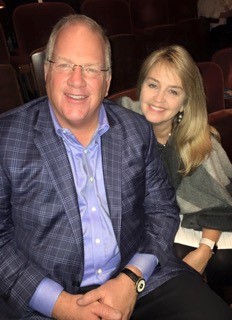
Glen and Janet Carter

Glen (left) and Janet Carter had tried for months last year to pinpoint the reason for Mr. Carter’s increasingly erratic behavior. He was eventually diagnosed with an autoimmune disorder at UT Southwestern.


Dr. Weir recalls Mr. Carter acting strangely, taking his clothes off and putting them in the shower, predicting his own death within 12 hours, and hearing voices in his head.

“None of that is very odd with psychotic behavior, but some things just didn’t add up,” Dr. Weir said. “He had been previously healthy and had a very abrupt change in behavior.”

Mr. Carter’s injured shoulder, likely dislocated during a seizure, set Dr. Weir on the path to solve the mystery that had perplexed the family for months. He was not schizophrenic after all. He suffered from autoimmune encephalitis, which occurs when the body’s immune system attacks healthy brain cells and inflames the brain, sometimes prompting psychiatric symptoms.

Mr. Carter was given steroids – a treatment that normally could be harmful to a hallucinating patient – and was back to normal within several days.

“I was in a desperate need,” Mr. Carter said during a recent visit to UT Southwestern to share his story. “I honestly don’t know how I got through this without losing my dignity. … We’re very grateful for what took place here.”

Growing demand

Mr. Carter’s case is not unique.

One study indicates at least 3 to 5 percent of psychotic behavior first seen in patients is due to an autoimmune condition.

How many of those patients are accurately diagnosed the first time and put on proper treatment is more difficult to determine.

Although awareness of autoimmune encephalitis has improved since the “Brain on Fire” book published in 2012, some doctors anticipate the demand will only grow for combined training in neurology and psychiatry.

“These two specialties have an area of overlap,” said Dr. Brenner, Professor of Psychiatry at UT Southwestern’s Peter O’Donnell Jr. Brain Institute. “And patients with conditions in this overlap sometimes really benefit from having one doctor who can encompass the whole picture. I’m confident that when Dr. Weir and others finish their residency, other medical students will see their work and want to follow in their path.”

About UT Southwestern Medical Center

UT Southwestern, one of the premier academic medical centers in the nation, integrates pioneering biomedical research with exceptional clinical care and education. The institution’s faculty has received six Nobel Prizes, and includes 22 members of the National Academy of Sciences, 17 members of the National Academy of Medicine, and 15 Howard Hughes Medical Institute Investigators. The faculty of more than 2,700 is responsible for groundbreaking medical advances and is committed to translating science-driven research quickly to new clinical treatments. UT Southwestern physicians provide care in about 80 specialties to more than 105,000 hospitalized patients, nearly 370,000 emergency room cases, and oversee approximately 2.4 million outpatient visits a year.

___________________

**Comment**

This is wonderful news.  There has been a dearth of specialized doctors qualified to diagnose this condition which has been known to be a part of the Lyme/MSIDS picture:  https://madisonarealymesupportgroup.com/2017/10/01/panspandas-steroids-autoimmune-disease-lymemsids-the-need-for-medical-collaboration/

Within this link boy’s Lyme Disease Morphs into Autoimmune encephalopathy. It took 10 years and 20 doctors to find out 12-year-old Patrik had Lyme disease. Just 4 months later the doctors discovered he also has a condition where his immune system attacks his brain. Dr. Souhel Najjar, Cahalan’s doctor, heroically saves the day again.  (Video within link)

According to a prominent Wisconsin LLMD, 80% of his patients have tick borne illness along with PANS/PANDAS as well as Autism.  If a child has an abrupt change in behavior such as the man in the main article, please consider this and get him to someone trained in this area.

https://madisonarealymesupportgroup.com/2018/02/20/mysterious-disease-where-the-body-attacks-the-brain-more-common-than-initially-thought/

The treatment for autoimmune encephalitis can vary based on the trigger, but timing is always key. If doctors treat whatever is triggering the condition, many people with the disease can go on to lead fairly normal, full lives.

For more:

https://madisonarealymesupportgroup.com/2017/10/08/misdiagnosed-how-children-with-treatable-medical-issues-are-mistakenly-labeled-as-mentally-ill/

https://madisonarealymesupportgroup.com/2018/07/28/stories-of-pandas/

https://madisonarealymesupportgroup.com/2018/11/06/diagnosing-treating-autoimmune-encephalitis-in-patients-with-persistent-lyme-symptoms/

https://madisonarealymesupportgroup.com/2018/10/10/pans-pandas-awareness/


Medical Cannabis Superior to Opioids for Chronic Pain, Study Finds

http://www.greenmedinfo.com/blog/medical-cannabis-superior-opioids-chronic-pain-study-finds?

Medical Cannabis Superior To Opioids for Chronic Pain, Study Finds

“© [Nov 4, 2018] GreenMedInfo LLC. This work is reproduced and distributed with the permission of GreenMedInfo LLC. Want to learn more from GreenMedInfo? Sign up for the newsletter here http://www.greenmedinfo.com/greenmed/newsletter.”

Sufferers of chronic pain have been faced with a perilous decision—risk a crippling addiction to opioids or find a way to live with the pain. A new clinical study has focused on medical cannabis as an alternative to opioids, and the results may be a turning point towards a safe, plant-based option for easing pain

A new study published in the European Journal of Internal Medicine represents hope for millions of sufferers of chronic pain. Researchers at the Cannabis Clinical Research Institute at Soroka University Medical Center, and Ben-Gurion University of the Negev (BGU), found that medical cannabis can significantly reduce chronic pain without adverse effects, particularly among adults aged 65 and older. Use of cannabis, aka medical marijuana, was found to be both safe and effective for elderly patients experiencing pain because of another medical condition, such as cancer, multiple sclerosis, Parkinson’s disease, Crohn’s disease, ulcerative colitis, and post-traumatic stress disorder.

One of the head researchers in this study, Prof. Victor Novack, M.D., is a professor of medicine in the BGU Faculty of Health Sciences (FOHS), as well as BGU’s Chair in Internal Medicine. He also heads the Soroka Cannabis Clinical Research Institute. According to Prof. Novack, M.D.:

“Older patients represent a large and growing population of medical cannabis users, [yet] few studies have addressed how it affects this particular group, which also suffers from dementia, frequent falls, mobility problems, and hearing and visual impairments.”[1]

The study surveyed 2,736 patients aged 65 years and older, at the inception of medical cannabis treatment, and throughout the 33-month study period. Surveys indicated the most common reasons for using cannabis were pain (66.6%) and cancer (60.8%). Methods of ingestion included cannabis-infused oils and smoking or vaporizing the herb. After six months of cannabis therapy, researchers provided a follow-up questionnaire which sought to determine any changes to pain intensity and quality of life, as well as any adverse events that were experienced. 901 of the original respondents replied.

After 6-months of medical marijuana treatment (all statistics are +/-):

  • 94% reported an improved overall condition, and a 50% reduction in pain
  • 60% reported improved quality of life, from “bad” or “very bad” to “good” or “very good”
  • 70% reported moderate to significant improvement in their condition
  • 20% of respondents stopped using opioids or reduced their dose

Notably, the most common side effects reported were mild: dizziness (9.7%) and dry mouth (7.1%), a far cry from the high-percentage of opioid-related deaths that are linked to chronic pain.[2] BGU researchers believe that utilizing cannabis may decrease the use of other prescription medications, including opioids, and encourage further research into this plant-based alternative, especially as it relates to an aging population.

Chronic pain is a problem that affects an estimated 100 million Americans.[3] It is also one of the most significant public health problems in the United States, with an estimated cost to society of $560-$635 billion annually, an amount equal to about $2,000 for every person living in the U.S.[4] Meanwhile, the nation’s growing opioid epidemic sees 1 of every 550 chronic opioid users dying within three years of their first opioid prescription.[5] While natural alternatives to deadly opiates are rarely offered by medical doctors, medical marijuana may be the drug that bridges this senseless gap. Research is beginning to mount that shows more promise than the medical establishment can long ignore.

Neuropathy is a type of chronic pain that presents as tingling and numbness in the hands and feet, often due to nerve damage from complications of cancer or diabetes, among other causes. A 2017 meta-analysis of prior studies on neuropathy found that cannabis, particularly selected isolates called cannabinoids, can provide analgesic benefit in patients with chronic neuropathy. Cannabis can also be used as an adjunct to other pain therapies, potentially lowering the amount of dangerous synthetic medication that is required to relieve pain. A recent study on the Opioid-Sparing Effect of Cannabinoids found that when cannabinoids were administered with opioids, specifically morphine, nearly four times less morphine was needed to achieve the same analgesic effect. This presents further evidence for cannabis as a means of reducing cases of opiate dependency and death.

While the politics of cannabis are exceedingly complex, the truth of this miraculous plant is becoming increasingly obvious: it heals the human body. The fact that it does so without the need for a black-box warning of Serious Adverse Events ensures that cannabis is the future of medicine. While clinical studies in the United States have been impeded due to cannabis’s classification as a Schedule One Controlled Substance (meaning the substance has no medicinal value), other countries have taken the lead. A UK study seeking to reduce chronic pain in advanced cancer patients not fully relieved from use of opioids, found that a cannabis extract composed of THC (Tetrahydrocannabinol) and CBD (Cannabidiol), two of the active constituents in cannabis, reduced pain by more than 30% from baseline when compared with placebo, with no serious adverse effects.

Beyond the realm of chronic pain, cannabis has been shown to positively support individuals dealing with post-traumatic stress. It has demonstrated effectiveness at calming the often-debilitating side effects of inflammatory bowel disease, aka Crohn’s disease. Isolates from the cannabis plant have shown promise at treating “incurable” diseases such as Grave’s disease and brain cancer, and work better than traditional medications for Alzheimer’s disease. With so much evidence of profound medicinal value, legislation based on old systems of control will not long hold back the tide. There are simply too many health benefits to be obtained from the cannabis plant.

For additiona research on the medical benefits of cannabis, visit the GreenMedInfo database on the subject.


Resources

[1] https://www.sciencedaily.com/releases/2018/02/180213111508.htm

[2] Service Use Preceding Opioid-Related Fatality. Olfson, Wall, Wang, Crystal, Blanco. Am J Psychiatry. 2017 Nov 28:appiajp201717070808. doi: 10.1176/appi.ajp.2017.17070808.

[3] Institute of Medicine Report from the Committee on Advancing Pain Research, Care, and Education: Relieving Pain in America, A Blueprint for Transforming Prevention, Care, Education and Research. The National Academies Press, 2011. http://books.nap.edu/openbook.php?record_id=13172&page=1.

[4] IOM (Institute of Medicine) 2011. Relieving Pain in America: A Blueprint for Transforming Prevention, Care, Education and Research, Washington, DC; The National Academies Press.

[5] Gabapentin, opioids, and the risk of opioid-related death: A population-based nested case-control study. Gomes, Juurlink, Antoniou, Mamdani, Paterson, van den Brink. PLoS Med. 2017 Oct 3;14(10):e1002396. doi: 10.1371/journal.pmed.1002396. eCollection 2017 Oct.


ATA190 Cell Therapy – Could This Work for Some Lyme/MSIDS Patients?

https://multiplesclerosisnewstoday.com/2018/11/21/phase-1-trial-ata190-cell-therapy-shows-promise-treating-progressive-ms/

Phase 1 Trial of ATA190 Cell Therapy Shows Promise in Treating Progressive MS

Phase 1 Trial of ATA190 Cell Therapy Shows Promise in Treating Progressive MS

Atara Biotherapeutics’ investigational ATA190, a cell therapy that wipes out immune B-cells infected with the Epstein-Barr virus (EBV), led to neurological improvements and reduced symptoms in patients with primary and secondary progressive multiple sclerosis (MS), a Phase 1 trial shows.

The trial results were published in the Journal of Clinical Investigation Insightin a study titled “Epstein-Barr virus-specific T cell therapy for progressive multiple sclerosis.

ATA190 is a T-cell immunotherapy that targets immune B-cells and plasma cells in the brain and spinal cord that have been infected with EBV. There is increasing evidence linking EBV infection with MS.

ATA190 is made from a patient’s own (autologous) immune cells, which are collected and modified in a lab to target the EBV-infected cells, then infused back into the patient’s blood. The goal is for the modified immune T-cells to recognize EBV-infected B-cells and kill them.

The Phase 1 trial (ACTRN12615000422527), conducted at the QIMR Berghofer Medical Research Institute and The University of Queensland, in Australia, evaluated the safety and efficacy of ATA190 as a treatment for progressive MS.

The study enrolled 10 patients — five with primary progressive MS (PPMS) and five with secondary progressive MS (SPMS). Patients had experienced progressive neurological deterioration due to MS for a mean of 10.1 years.

Participants were treated with four escalating doses of ATA190, administered intravenously over a period of eight weeks. The lowest and first dose was 5 million modified T-cells, followed by doses of 10, 15, and 20 million. Patients were followed for 27 weeks after the first infusion.

Results showed that ATA190 was well-tolerated, with no severe adverse events detected during the study. One patient experienced a potential treatment-related adverse event — dysgeusia, a distortion of the sense of taste.

Efficacy was measured by several parameters, including changes in the Expanded Disability Status Scale (EDSS) score, fatigue, as well as cognitive and other neurological parameters. Researchers also analyzed patients’ brains by magnetic resonance imaging (MRI) and tested their cerebrospinal fluid (CSF) — the liquid around the brain and spinal cord — for the presence of antibodies.

Seven of the 10 patients had improvements in neurological parameters — such as increased productivity, cognition, and word finding — accompanied by a reduction in symptoms. These benefits began two to 14 weeks after the first infusion.

Fatigue, one of the most disabling and hard-to-manage symptoms of MS, was reduced across the group — the median Fatigue Severity Scale score was lower at week 27 compared to the beginning of the study. This decrease, however, didn’t reach statistical significance.

Analysis of the CSF showed that levels of antibodies were reduced at the end of the study in four out of nine patients. Moreover, three of those four patients showed neurological improvements.

Patients received T-cells with different degrees of reactivity against EBV. Six patients who received T-cells with strong EBV reactivity showed clinical improvement; three of those experienced improvements in the EDSS score.

The other four patients received T-cells with weak EBV reactivity; of these, one showed improvement. None experienced a change in the EDSS score.

The team said that overall, the results show that the benefits seen are linked with T-cell effects.

“We previously presented promising initial ATA190 results in patients with progressive MS, and [now] the published results confirm our earlier observations,” Professors Michael Pender, of The University of Queensland, and Rajiv Khanna, coordinator of QIMR Berghofer Centre for Immunotherapy and Vaccine Development, the study’s lead authors, said in a press release.

“Findings from the study support growing evidence that targeting EBV-positive B-cells is a potential novel treatment modality for MS and merit additional investigation,” Pender and Khanna said.

“T-cell therapy targeting only EBV-infected B-cells is a treatment modality that could offer favorable safety and durable efficacy,” they wrote, adding that their work “sets the stage for further clinical trials with autologous and allogeneic EBV-targeted T-cell therapy in MS.”

Atara is developing another therapy, ATA188, to eliminate EBV-infected B-cells in the central nervous system. ATA188 uses immune cells from donors, not from the patients themselves — an allogenic therapy.

“We are also advancing an ongoing Phase 1 off-the-shelf, allogeneic ATA188 study in patients with progressive MS across clinical sites in the U.S. and Australia. We look forward to continued development of both programs, including our plans to initiate a randomized ATA190 MS study,” said Dietmar Berger, MD, PhD, global head of research and development of Atara Biotherapeutics.

___________________

**Comment**

I can’t help but think this therapy could help many Lyme/MSIDS patients.  EBV is often a player in our illness and many have written about it:

https://madisonarealymesupportgroup.com/2018/04/25/ebv-protein-can-turn-on-genes-for-autoimmune-diseases/

https://madisonarealymesupportgroup.com/2017/11/04/24514/  (EBV – A Key Player in Chronic Illness)

Folks with Lyme/MSIDS have been misdiagnosed with EBV: https://madisonarealymesupportgroup.com/2017/04/11/diagnosed-with-ebv-had-lyme/ and others have it as well as tick-borne infections.

The involvement with numerous viruses is quite common in patients as well.  https://madisonarealymesupportgroup.com/2018/10/30/study-shows-lyme-msids-patients-infected-with-many-pathogens-and-explains-why-we-are-so-sick/  For the first time, Garg et al. show a 85% probability for multiple infections including not only tick-borne pathogens but also opportunistic microbes such as EBV and other viruses.

https://madisonarealymesupportgroup.com/2018/04/21/neurological-lyme-disease-what-you-need-to-know/

“Once microbes start becoming active, inflammation increases and immune functions are further compromised, establishing what I call Chronic Immune Dysfunction (CID). In its weakened state, the immune system allows reactivation of viruses such as Epstein Barr virus (EBV), Cytomegalovirus (CMV), and other similar viruses — all of which most people harbor in their tissues. These viruses are commonly associated with neuroinflammation, and they tend to complicate the picture of LNB.”

This study shows elevated B-cells in those with untreated Lyme:  https://www.frontiersin.org/articles/10.3389/fimmu.2018.01634/full

http://simmaronresearch.com/2018/09/post-treatment-lyme-disease-unmasked-immune-holes/  Mouse studies have shown that the Borrelia burgdorferi bacteria that cause Lyme disease hammer the B-cells….

Results

We herein identify plasmablasts as a key B cell population that correlates with resolution of Bb infection and Lyme disease in humans.   The authors

They found that B-cells called plasmablasts were elevated prior to antibiotic treatment in patients who returned to health. Plasmablasts are activated B-cells which circulate for a time in the blood in response to an infection. The higher level of plasmablasts in the recovered patients suggests that these patients simply mounted a stronger immune response to the infection. That was kind of a no-brainer, but the strength of the study was that they were able to specify what part of our amazingly complex immune system the problem was in.

They also determined that the patients who returned to health also exhibited significantly greater clonal expansion: their activated B-cells produced more clones designed to target and get rid of the bacteria. Again, in retrospect, not a surprising finding, but one that does open up a possible treatment option that hasn’t previously been available.


Four Essential Oils for Stopping Bartonella From Taking Over Your Brain

Four Essential Oils for Stopping Bartonella from Taking Over Your Brain

lavaPublished on October 30, 2018

Greg Lee (Founder of the Two Frogs Healing Center)

For people with neurological Bartonella symptoms of swelling and anxiety

My nephew invited us to his wedding in Hawaii. As we were booking our trip, the Kilauea volcano started spewing lava into residential neighborhoods. People had no other choice and had to evacuate as their homes and cars were burned by the spreading lava.

How is flowing lava similar to neurological Bartonella infections in people with Lyme disease?

Just like a hot lava eruption, a Bartonella infection can slowly burn through your body

Bartonella is a rod shaped, gram-negative bacteria that can be transmitted to humans via insect bites1, animal scratches and bites2, organ transplant3, needle sticks4, and blood transfusion5. At least thirteen different species of Bartonella are known to infect humans6. Bartonella has been shown to infect endothelial cells, macrophages, red blood cells7, and the lymphatic system8. Bartonella can spread through the bloodstream via the lymphatic system9. Bartonella manipulates the production of vascular endothelial growth factor10 (VEGF) and Interleukin-811 (IL-8) to make it easier for it to spread via new blood vessels through the skin and the body. Unfortunately, Bartonella can also infect the nervous system.

Bartonella has been detected in the cerebral spinal fluid of patients12

Patients with a Bartonella infection may present with multiple neurological symptoms including: confusion, encephalitis13, vision loss, neuroretinitis, optic neuropathy14, subarachnoid hemorrhage, cerebral embolism15, fever, vomiting, ataxia16, slurred speech, weakness17, convulsions18, chronic inflammatory demyelinating polyneuropathy19, depression, anxiety, mood swings, severe headaches, muscle spasms, decreased peripheral vision, diminished tactile sensation, and hallucinations20. Multiple patients have both Bartonella and Lyme disease in their nervous system21. Inflammation may play a role in Bartonella’s ability to spread into the brain.

Inflammatory compounds may help Bartonella spread into the nervous system

Patients diagnosed with Bartonella have elevated levels of IL-822, Interleukin-1023 (IL-10), and vascular endothelial growth factor24 (VEGF). Elevated levels of IL-825 and VEGF26 have been correlated with blood brain barrier increased permeability and dysfunction. Il-10 may help to protect the blood brain barrier27. Similarly, inflammatory compounds Interleukin-6 (IL-6), Interleukin- (IL-8), chemokine ligand 2 (CCL2), and CXCL13 are implicated in the spread of Lyme disease in the nervous system28. Another factor in persistent neurological infections may be due to drug resistant Bartonella strains that have been discovered.

Bartonella drug resistant strains have been discovered

Highly antibiotic resistant mutants of Bartonella bacilliformis have been found in a lab study29. Another study has found drug resistant forms of Bartonella henselae30.

Can essential oils help to reduce recurring neurological symptoms by preventing how Bartonella may spread into the nervous system?

Fortunately, there are four essential oils that lower the inflammatory compounds that Bartonella uses to spread through the body

In multiple studies, essential oils were effective at lowering inflammatory compounds and symptoms like anxiety that may be elevated in neurological Bartonella infections. Formulating these oils into microparticles called liposomes may help deliver these remedies deeper inside the brain. Many of these essential oils have been used safely for years in our food supply31. Formulating these essential oils into microparticles called liposomes may help them penetrate deeper inside of blood cells, endothelial cells and the nervous system where Bartonella likes to hide32.

Anti-Neurological Bartonella Essential Oil #1: Peppermint

In a mouse wound study, peppermint essential oil was effective at lowering VEGF and increasing IL-1033. Peppermint oil has had positive effects in reducing anxiety in human studies34. Do not apply peppermint oil undiluted to the feet of children under 12 years old, avoid large doses, it may cause heartburn, perianal burning, blurred vision, nausea and vomiting when taken internally. Peppermint essential oil use is contraindicated in children under 30 months old, and people should avoid the intake of peppermint oil with gallbladder disease, severe liver damage, gallstones, chronic heartburn35, and cases of cardiac fibrillation and in patients with a G6PD (Glucose-6-Phosphate Dehydrogenase) deficiency36. This oil is classified as Generally Recognized as Safe (GRAS) by the FDA37. Black cumin seed oil may also help to lower VEGF.

Anti-Neurological Bartonella Essential Oil #2: Black Cumin Seed

In lab studies, black cumin seed oil down regulated the expression of VEGF in endothelial cells38. In a rat study, this oil increased levels of tryptophan and reduced anxiety levels39. Black cumin seed oil is contraindicated in pregnancy and breastfeeding. It’s use is cautioned with diabetes medications, on hypersensitive, diseased or damaged skin, and in children under 2 years of age40. Mastic gum essential oil also lowers VEGF in experiments.

Anti-Neurological Bartonella Essential Oil #3: Mastic Gum

In a mouse lab study, mastic essential oil inhibited the release of VEGF41. In an outpatient study on Crohn’s disease, mastic gum decreased IL-6 and C-reactive protein (CRP)42. Citron essential oils lowered VEGF in a lab study.

Anti-Neurological Bartonella Essential Oil #4: Citron

In a lab study, citron essential oil lowered VEGF in endothelial cells43. These essential oils alone or in combination may help to reduce neurological symptoms caused by a spreading Bartonella infection in the nervous system.

Essential oils may help to reduce the spread of inflammation caused by neurological Bartonella infection

Similar to lava that is stopped by the cold waters of the ocean, essential oils that lower Bartonella inflammatory compounds may limit it’s spread in the brain and reduce neurological symptoms. Formulating these essential oils into microparticle liposomes may enhance their ability to penetrate into cells and stop Bartonella from invading the nervous system. Since these essential oils have cautions and contraindications on their use, work with a Lyme literate essential oil practitioner to develop a proper, safe, and effective strategy for your condition.


1 Billeter, S. A., M. G. Levy, B. B. Chomel, and E. B. Breitschwerdt. “Vector Transmission of Bartonella Species with Emphasis on the Potential for Tick Transmission.” Medical and Veterinary Entomology 22, no. 1 (March 2008): 1–15. https://doi.org/10.1111/j.1365-2915.2008.00713.x.

2 “Transmission | Bartonella | CDC.” Accessed July 22, 2016.http://www.cdc.gov/bartonella/transmission/.

3 Scolfaro, C., F. Mignone, F. Gennari, A. Alfarano, A. Veltri, R. Romagnoli, and M. Salizzoni. “Possible Donor-Recipient Bartonellosis Transmission in a Pediatric Liver Transplant.” Transplant Infectious Disease: An Official Journal of the Transplantation Society 10, no. 6 (December 2008): 431–33.https://doi.org/10.1111/j.1399-3062.2008.00326.x.

4 Breitschwerdt, Edward Bealmear. “Bartonellosis: One Health Perspectives for an Emerging Infectious Disease.” ILAR Journal 55, no. 1 (2014): 46–58. https://doi.org/10.1093/ilar/ilu015.

5 Núñez, M. Antonieta, Karla Contreras, M. Soledad Depix, Enrique Geoffroy, Nicolás Villagra, Sandra Mellado, and Ana M. Salinas. “[Prevalence of Bartonella henselae in blood donors and risk of blood transmission in Chile].” Revista Chilena De Infectologia: Organo Oficial De La Sociedad Chilena De Infectologia 34, no. 6 (December 2017): 539–43. https://doi.org/10.4067/S0716-10182017000600539.

6 Lamas, C., A. Curi, Mn Bóia, and Ers Lemos. “Human Bartonellosis: Seroepidemiological and Clinical Features with an Emphasis on Data from Brazil – a Review.” Memorias Do Instituto Oswaldo Cruz 103, no. 3 (May 2008): 221–35.

7 Breitschwerdt, Edward Bealmear. “Bartonellosis: One Health Perspectives for an Emerging Infectious Disease.” ILAR Journal 55, no. 1 (2014): 46–58. https://doi.org/10.1093/ilar/ilu015.

8 Choi, Alexander H., Michael Bolaris, Diana K. Nguyen, Eduard H. Panosyan, Joseph L. Lasky, and Gloria B. Duane. “Clinicocytopathologic Correlation in an Atypical Presentation of Lymphadenopathy with Review of Literature.” American Journal of Clinical Pathology 143, no. 5 (May 2015): 749–54.https://doi.org/10.1309/AJCPPSKWRX0GD8HJ.

9 Hong, Jiehua, Yan Li, Xiuguo Hua, Yajie Bai, Chunyan Wang, Caixia Zhu, Yuming Du, Zhibiao Yang, and Congli Yuan. “Lymphatic Circulation Disseminates Bartonella Infection Into Bloodstream.” The Journal of Infectious Diseases 215, no. 2 (January 15, 2017): 303–11. https://doi.org/10.1093/infdis/jiw526.

10 Kempf, V. A., B. Volkmann, M. Schaller, C. A. Sander, K. Alitalo, T. Riess, and I. B. Autenrieth. “Evidence of a Leading Role for VEGF in Bartonella Henselae-Induced Endothelial Cell Proliferations.”Cellular Microbiology 3, no. 9 (September 2001): 623–32.

11 McCord, Amy M., Sandra I. Resto-Ruiz, and Burt E. Anderson. “Autocrine Role for Interleukin-8 in Bartonella Henselae-Induced Angiogenesis.” Infection and Immunity 74, no. 9 (September 2006): 5185–90.https://doi.org/10.1128/IAI.00622-06.

12 Samarkos, Michael, Vasiliki Antoniadou, Aristeidis G. Vaiopoulos, and Mina Psichogiou. “Encephalopathy in an Adult with Cat-Scratch Disease.” BMJ Case Reports 2018 (March 5, 2018).https://doi.org/10.1136/bcr-2017-223647.

13 Samarkos, Michael, Vasiliki Antoniadou, Aristeidis G. Vaiopoulos, and Mina Psichogiou. “Encephalopathy in an Adult with Cat-Scratch Disease.” BMJ Case Reports 2018 (March 5, 2018).https://doi.org/10.1136/bcr-2017-223647.

14 Habot-Wilner, Zohar, Omer Trivizki, Michaella Goldstein, Anat Kesler, Shiri Shulman, Josepha Horowitz, Radgonde Amer, et al. “Cat-Scratch Disease: Ocular Manifestations and Treatment Outcome.” Acta Ophthalmologica, March 5, 2018. https://doi.org/10.1111/aos.13684.

15 Yuan, Y., M. Shen, and X. G. Gao. “[Presented with subarachnoid hemorrhage and then blood culture negative infective endocarditis: a case report and literature review].” Beijing Da Xue Xue Bao. Yi Xue Ban = Journal of Peking University. Health Sciences 49, no. 6 (December 18, 2017): 1081–86.

16 Barnafi, Natalia, Natalia Conca, Cecilia von Borries, Isabel Fuentes, Francisca Montoya, and Elisa Alcalde. “[Central nervous system infection by Bartonella henselae associated with a choroid plexus papilloma].” Revista Chilena De Infectologia: Organo Oficial De La Sociedad Chilena De Infectologia 34, no. 4 (August 2017): 383–88. https://doi.org/10.4067/s0716-10182017000400383.

17 Teoh, Laurence S G, Hamish H Hart, May Ching Soh, Jonathan P Christiansen, Hasan Bhally, Martin S Philips, and Dominic S Rai-Chaudhuri. “Bartonella Henselae Aortic Valve Endocarditis Mimicking Systemic Vasculitis.” BMJ Case Reports 2010 (October 21, 2010). https://doi.org/10.1136/bcr.04.2010.2945.

18 Balakrishnan, Nandhakumar, Marna Ericson, Ricardo Maggi, and Edward B. Breitschwerdt. “Vasculitis, Cerebral Infarction and Persistent Bartonella Henselae Infection in a Child.” Parasites & Vectors 9, no. 1 (2016): 254. https://doi.org/10.1186/s13071-016-1547-9.

19 Mascarelli, Patricia E, Ricardo G Maggi, Sarah Hopkins, B Robert Mozayeni, Chelsea L Trull, Julie M Bradley, Barbara C Hegarty, and Edward B Breitschwerdt. “Bartonella Henselae Infection in a Family Experiencing Neurological and Neurocognitive Abnormalities after Woodlouse Hunter Spider Bites.”Parasites & Vectors 6 (April 15, 2013): 98. https://doi.org/10.1186/1756-3305-6-98.

20 Breitschwerdt, Edward B., Patricia E. Mascarelli, Lori A. Schweickert, Ricardo G. Maggi, Barbara C. Hegarty, Julie M. Bradley, and Christopher W. Woods. “Hallucinations, Sensory Neuropathy, and Peripheral Visual Deficits in a Young Woman Infected with Bartonella Koehlerae ▿.” Journal of Clinical Microbiology49, no. 9 (September 2011): 3415–17. https://doi.org/10.1128/JCM.00833-11.

21 Podsiadły, Edyta, Tomasz Chmielewski, and Stanisława Tylewska-Wierzbanowska. “Bartonella Henselae and Borrelia Burgdorferi Infections of the Central Nervous System.” Annals of the New York Academy of Sciences 990 (June 2003): 404–6.

22 McCord, Amy M., Sandra I. Resto-Ruiz, and Burt E. Anderson. “Autocrine Role for Interleukin-8 in Bartonella Henselae-Induced Angiogenesis.” Infection and Immunity 74, no. 9 (September 2006): 5185–90.https://doi.org/10.1128/IAI.00622-06.

23 Huarcaya, Erick, Ciro Maguina, Ivan Best, Nelson Solorzano, and Lawrence Leeman. “Immunological Response in Cases of Complicated and Uncomplicated Bartonellosis during Pregnancy.” Revista Do Instituto De Medicina Tropical De Sao Paulo 49, no. 5 (October 2007): 335–37.

24 Kempf, V. A., B. Volkmann, M. Schaller, C. A. Sander, K. Alitalo, T. Riess, and I. B. Autenrieth. “Evidence of a Leading Role for VEGF in Bartonella Henselae-Induced Endothelial Cell Proliferations.”Cellular Microbiology 3, no. 9 (September 2001): 623–32.

25 Kossmann, T., P. F. Stahel, P. M. Lenzlinger, H. Redl, R. W. Dubs, O. Trentz, G. Schlag, and M. C. Morganti-Kossmann. “Interleukin-8 Released into the Cerebrospinal Fluid after Brain Injury Is Associated with Blood-Brain Barrier Dysfunction and Nerve Growth Factor Production.” Journal of Cerebral Blood Flow and Metabolism: Official Journal of the International Society of Cerebral Blood Flow and Metabolism 17, no. 3 (March 1997): 280–89. https://doi.org/10.1097/00004647-199703000-00005.

26 Zhang, Zheng Gang, Li Zhang, Quan Jiang, Ruilan Zhang, Kenneth Davies, Cecylia Powers, Nicholas van Bruggen, and Michael Chopp. “VEGF Enhances Angiogenesis and Promotes Blood-Brain Barrier Leakage in the Ischemic Brain.” Journal of Clinical Investigation 106, no. 7 (October 1, 2000): 829–38.

27 Lin, Ronggui, Fei Chen, Shi Wen, Tianhong Teng, Yu Pan, and Heguang Huang. “Interleukin-10 Attenuates Impairment of the Blood-Brain Barrier in a Severe Acute Pancreatitis Rat Model.” Journal of Inflammation (London, England) 15 (2018): 4. https://doi.org/10.1186/s12950-018-0180-0.

28 Ramesh, Geeta, Peter J. Didier, John D. England, Lenay Santana-Gould, Lara A. Doyle-Meyers, Dale S. Martin, Mary B. Jacobs, and Mario T. Philipp. “Inflammation in the Pathogenesis of Lyme Neuroborreliosis.”The American Journal of Pathology 185, no. 5 (May 2015): 1344–60.https://doi.org/10.1016/j.ajpath.2015.01.024.

29 Gomes, Cláudia, Sandra Martínez-Puchol, Lidia Ruiz-Roldán, Maria J. Pons, Juana del Valle Mendoza, and Joaquim Ruiz. “Development and Characterisation of Highly Antibiotic Resistant Bartonella BacilliformisMutants.” Scientific Reports 6 (September 26, 2016): 33584. https://doi.org/10.1038/srep33584.

30 Biswas, Silpak, Ricardo G. Maggi, Mark G. Papich, and Edward B. Breitschwerdt. “Molecular Mechanisms of Bartonella Henselae Resistance to Azithromycin, Pradofloxacin and Enrofloxacin.” Journal of Antimicrobial Chemotherapy 65, no. 3 (March 1, 2010): 581–82. https://doi.org/10.1093/jac/dkp459.

31 Hyldgaard, Morten, Tina Mygind, and Rikke Louise Meyer. “Essential Oils in Food Preservation: Mode of Action, Synergies, and Interactions with Food Matrix Components.” Frontiers in Microbiology 3 (January 25, 2012). https://doi.org/10.3389/fmicb.2012.00012.

32 Sherry, Mirna, Catherine Charcosset, Hatem Fessi, and Hélène Greige-Gerges. “Essential Oils Encapsulated in Liposomes: A Review.” Journal of Liposome Research 23, no. 4 (December 2013): 268–75.https://doi.org/10.3109/08982104.2013.819888.

33 Modarresi, Mohammad, Mohammad-Reza Farahpour, and Behzad Baradaran. “Topical Application of Mentha Piperita Essential Oil Accelerates Wound Healing in Infected Mice Model.” Inflammopharmacology, July 6, 2018. https://doi.org/10.1007/s10787-018-0510-0.

34 Stea, Susanna, Alina Beraudi, and Dalila De Pasquale. “Essential Oils for Complementary Treatment of Surgical Patients: State of the Art.” Evidence-Based Complementary and Alternative Medicine : ECAM 2014 (2014). https://doi.org/10.1155/2014/726341.

35 “Peppermint Safety Info | National Association for Holistic Aromatherapy.” Accessed April 1, 2017. http://naha.org/naha-blog/peppermint-safety-info/.

36 Tisserand, Robert, and Rodney Young. Essential Oil Safety: A Guide for Health Care Professionals. 2 edition. Edinburgh: Churchill Livingstone, 2013.

37 “CFR – Code of Federal Regulations Title 21.” Accessed October 28, 2018.https://www.accessdata.fda.gov/scripts/cdrh/cfdocs/cfcfr/CFRSearch.cfm?fr=182.20.

38 M. Baharetha, Hussein, Zeyad Nassar, Abdalrahim Aisha, Abd Kadir M.O, Zhari Ismail, and Amin Malik Shah Abdul Majid. “Essential Oil of Nigella Sativa Inhibits Angiogenesis via Down-Regulation of VEGF Expression,” 2015. https://doi.org/10.4172/2375-4273.C1.009.

39 Perveen, Tahira, Saida Haider, Sumera Kanwal, and Darakhshan Jabeen Haleem. “Repeated Administration of Nigella Sativa Decreases 5-HT Turnover and Produces Anxiolytic Effects in Rats.”Pakistan Journal of Pharmaceutical Sciences 22, no. 2 (April 2009): 139–44.

40 Tisserand, Robert, and Rodney Young. Essential Oil Safety: A Guide for Health Care Professionals. 2 edition. Edinburgh: Churchill Livingstone, 2013. p. 793.

41 Loutrari, Heleni, Sophia Magkouta, Anastasia Pyriochou, Vasiliki Koika, Fragiskos N. Kolisis, Andreas Papapetropoulos, and Charis Roussos. “Mastic Oil from Pistacia Lentiscus Var. Chia Inhibits Growth and Survival of Human K562 Leukemia Cells and Attenuates Angiogenesis.” Nutrition and Cancer 55, no. 1 (2006): 86–93. https://doi.org/10.1207/s15327914nc5501_11.

42 Kaliora, Andriana C, Maria G Stathopoulou, John K Triantafillidis, George VZ Dedoussis, and Nikolaos K Andrikopoulos. “Chios Mastic Treatment of Patients with Active Crohn’s Disease.” World Journal of Gastroenterology : WJG 13, no. 5 (February 7, 2007): 748–53. https://doi.org/10.3748/wjg.v13.i5.748.

43 “Effects of Citron Essential Oils on Normal Human Epidermal Keratinocytes Stimulated with Vitamin D3 and TNF-A.” Journal of the American Academy of Dermatology 76, no. 6 (June 1, 2017): AB110.https://doi.org/10.1016/j.jaad.2017.04.436.

___________________

For more on essential oils:  https://madisonarealymesupportgroup.com/2017/10/13/oregano-cinnamon-and-clove-found-to-have-high-anti-persister-activity-for-bb/

https://madisonarealymesupportgroup.com/2018/10/26/essential-oils-as-treatment-against-lyme-disease/

https://madisonarealymesupportgroup.com/2018/08/02/can-these-essential-oils-help-lyme-patients-overcome-chronic-candida/

I have personally used 1-2 drops of DMSO in a capsule with EO’s instead of the liposomal form with success.  I can smell/taste the DMSO so I know even at that low dose it’s gone systemic, driving the EO’s deep into the body, yet, it can’t be smelled by others at this dose!  Also, I use black seed oil as a carrier as well, which is listed as #2 in the article.  If you haven’t read about the usage of DMSO, please go here and learn:  https://madisonarealymesupportgroup.com/2018/03/02/dmso-msm-for-lyme-msids/