A public hearing has just been scheduled for Thursday, July 29 at 9:00 am for the Complementary and Alternative Health Care Practitioners Exemption bill (SB 98/AB 86) in the Assembly Health Committee! Write to your own legislators asking them to support the bill.
Then, please prepare and submit testimony in support of the bill too (details below).
When passed, Wisconsin will join eleven other states in protecting the thousands of wonderful complementary and alternative practitioners who are providing great services to health seekers in Wisconsin. This bill already passed unanimously out of the Senate Insurance, Licensing and Forestry Committee on April 1 and it passed the Senate, as amended, on a unanimous voice vote on April 14.
To refresh your memory: It was introduced last session (2019 AB 546/SB 492). It passed the Assembly Health Committee, the Assembly floor and the Senate Committee on Health before stalling in the Senate due to COVID-19. Unfortunately, this legislation was moved aside and was not addressed before the end of the legislative session.
What the Bill Does:
SB 98/AB 86 is a bill to protect your access to services provided by practitioners of complementary and alternative health in Wisconsin such as herbalists, traditional naturopaths, nutritional consultants, homeopaths, Reiki practitioners and many more. This exemption bill will make it possible for practitioners to provide their services without fear of being charged with practice of medicine without a license as long as they avoid a list of prohibited acts in the bill such as the use of prescription drugs, or puncture of the skin, and as long as they give out proper disclosures.
What you can do:
1. Take Action here to send a message of support for SB 98/AB 86 to your personal legislators. Please take the time to write a personal note on your letter as this will have a greater impact with the legislator or send the letter we have provided. Start building a relationship with your personal Senate and Assembly Representatives.
2. Call your legislators to leave a message reiterating your support of SB 98/AB 86. Identify who your legislators arehere by entering you address in the box under “Who are my legislators?” and click “Find your Legislator”. Use their contact info to leave a message with each office letting them know why you support SB 98/AB 86. Note: if your legislator is a sponsor of the bill, say Thank You! Current sponsor and cosponsors of the bill include 14 Representatives (Dittrich, Horlacher, Kitchens, Murphy, Mursau, Schraa, Skowronski, Wichgers, Zimmerman, Callahan, Edming, Sortwell, Moses and Rozar) and 3 Senators (Felzkowski, Kooyenga and Bernier).
The message for your personal legislators:
“As a constituent of [Senator/Assemblymember] [Insert Legislator’s Last Name] I want [him/her] to know that I support SB 98/AB 86, a bill Protecting Consumer Access to Complementary and Alternative Health Care Practitioners. AB 86 is scheduled for a hearing on July 29 in the Assembly Health Committee. Please tell the [Senator/Assemblymember] that I want [him/her] to please vote yes on the bill when it is heard on the floor of the [Senate/Assembly]. [Insert your own brief reason why you support access to complementary and alternative health care (i.e., I depend on complementary and alternative health care for myself and my family and I want Wisconsin law to protect my rights as a consumer to a free and educated choice in health care providers.)] Thank you.”
3. Prepare Your Testimony for the Committee. It’s so important for legislators to hear from the public on a bill. Your story could be just what a legislator needs to hear in order to vote in favor of the bill. Written testimony should be given to the Committee in person but we can collect your written testimony and deliver it the day of the hearing. Please send it to rosanne.lindsay@gmail.com and Nathan.Halbach@huschblackwell.comand we’ll deliver it to the committee for you.Note: Due to COVID restrictions and the size of the hearing room, the committee is requesting written testimony over in-person testimony. They are not allowing virtual testimony at this time. Therefore, your written testimony is that much more important. A few sentences about why you support SB 98/AB 86 is all that’s needed. Please draft and submit it asap.
4. Spread the word about SB 98/AB 86. Please forward this email to your friends and family so they can Take Action to support SB 98/AB 86 too. THANK YOU for your commitment to Health Freedom! If you have questions, contact us at info.nhfa@nationalhealthfreedom.org.
Now more than ever it is important that we use the tools that are available to us as Americans. Your donation makes a huge difference in our ability to educate, foster and mobilize with people like you in states across the country. Together we can create the laws “we wish to see in the world”. Laws that protect our rights to make choices about our own health and the health of our children.
___________________
**Comment**
I’ve put in a call to NHFA regarding not being able to have my information sent to ask my legislators to support SB 98/AB 86. I keep getting “Error code 500, try again later.”
I will try again later, and so should you if you get this code; however, hopefully my alerting them of this will help matters get resolved.
Since Lyme/MSIDS patients have such a hard time receiving medical treatment, it’s imperative alternative practitioners are free to help patients obtain treatment.
The physical symptoms of chronic Lyme disease and fibromyalgia are challenging on their own. But when your mental capacities start to waver, it can take levels of frustration and fear to a whole new level.
Why are Lyme and fibromyalgia sufferers so prone to brain and neurological symptoms, and what can you do to find effective and lasting relief?
Join an updated live webinar with Dr. Bill Rawls, author of the best-selling book Unlocking Lyme, who knows firsthand what it’s like to live with Lyme brain and fibro fog. He’ll explain why Lyme disease and fibromyalgia tend to target the brain, and share insights on the best herbs and other natural lifestyle remedies for overcoming symptoms and reducing the risk and severity of long-term degenerative cognitive conditions such as dementia.
You’ll learn exactly what you need to clear the fog and restore healthy cognitive and neurological function, so that you can get back to thinking and feeling like yourself again.
• Why cognitive symptoms like confusion, short-term memory loss, anxiety, anger, and depression are so common in chronic illness patients such as those with Lyme disease, fibromyalgia, and Long COVID.
• How microbes, inflammation, and immune dysfunction disrupt cognitive function
• The best herbs and natural remedies for restoring and protecting brain health
• Numerous insights during the live Q&A with Dr. Rawls
About Dr. Bill Rawls
Bill Rawls, M.D., is a physician and leading expert in Lyme disease, integrative health, and herbal medicine. In the middle of his successful medical career, Dr. Rawls’ life was interrupted by Lyme disease. In his journey to overcome it, he explored nearly every treatment possible – from conventional medicine to a range of alternative therapies. In the more than 12 years since his recovery, Dr. Rawls has helped thousands of patients find their path to healing from Lyme disease and chronic illness. He is the author of the best-selling book Unlocking Lyme, and the Medical Director of RawlsMD.com and Vital Plan, an online holistic health company and Certified B Corporation®.
If immune health had been for sale in the U.S. last year, shelves would have been stripped. It was the hot topic for patients and practitioners.But what did we learn about strengthening immunity and building immune-system resilience?
• How did we expand our understanding of the science of the immune system?
• What did we learn about long-haulers?
• Did we achieve greater clarity about assessing immune- health status?
• And considering all factors influencing immunity, what can we say now about the role of botanicals?
We’re going to answer these questions (and more!) in a timely conversation.
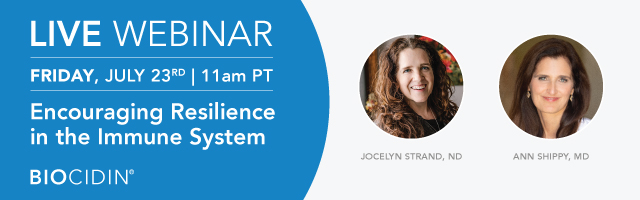
Jocelyn Strand, ND, Biocidin’s Director of Clinical Research, and Ann Shippy, MD, will engage in a thorough discussion of what we’ve learned recently about immune health and the vital role botanicals can play for you and your patients.
Register now. You don’t want to miss this one!
Tim: Jul 23, 2021 11:00 AM in Pacific Time (US and Canada)
Dr. Eva Sapi teaches Biology at the University of New Haven and has a research group that studies Borrelia burgdorferi.
Lyme disease numbers are going up with approximately 476,000 of Americans diagnosed and treated for Lyme disease from CDC surveillance data covering 2010-2018.
In vitro and clinical data observing the efficacy of antibiotics against Borrelia burgdorferi found that antibiotics, in some cases, do not work against Borrelia burgdorferi. In the mid-90s, in vivo studies found evidence that antibiotics such as tetracycline, erythromycin or doxycycline, failed to eradicate acute Borrelia burgdorferi infections. Studies turned to a stronger antibiotic, ceftriaxone. These studies also showed antibiotic resistance of Borrelia burgdorferi. These results led to the question of why Borrelia burgdorferi cannot be killed and if any other form(s) exist that are resistant to therapy.
___________________
**Comment**
Very interesting webinar on the persistence of Lyme.
Sapi is also known for her in vitro work with Stevia. When I inquired about dosages, she stated those have not been determined. Dr. Horowitz and many other LLMD’s are using stevia as a biofilm and cyst form disruptor. The new kid on the block is liposomal oregano oil (some also use clove and cinnamon or a combination of the three) based on Dr. Zhang’s work.) When I inquired about these, she stated that these same doctors are also finding results using them but results are anecdotal. Dr. Phillips mentions it in his book “Chronic.” Dr. Ross also mentions it.
I’ve previously used cinnamon, clove, and oregano essential oils (EO’s) put with black seed oil in capsules. When I questioned herbalist Greg Lee on dosage, he agreed with my treatment of a total of 6 drops of EO’s taken twice a day. I never herxed or noticed any recognizable results on this treatment and relapsed on it. Lee spoke about liposomal oils years ago at an ILADS convention, but they were hard to find at the time.
I am currently using the liposomal form of oregano as part of my Bartonella treatment with (Rifampin/Clarithromycin). I’m hoping this combination works and has lasting results. The brand “Doctor Inspired Formulations” within the link can be found cheaper elsewhere, but they are all pretty expensive. I do not have a financial affiliation with anyone. Please note the other liposomal forms they create as well.
Boiling Point: The Lyme + Fibromyalgia + Chronic Fatigue Connection
by Dr. Bill Rawls
Updated 6/11/21
The misery of chronic illness is very real. But if you’re the one who’s suffering, you know that those around you typically can’t see it or understand it — not family, friends, or even medical providers.
They don’t know what it’s like:
…to push through oppressive fatigue day after day.
…to be tired beyond exhaustion but unable to sleep.
…to ache all over so badly that all you want to do is curl up in a ball inside a dark closet.
…to feel like you have the flu every day of your life but still have to go to work.
…to be isolated, both socially and professionally.
…to have bizarre symptoms that no one can put a finger on.
…to be told that all your lab tests are normal, even though something is obviously wrong.
…to become dependent on symptom-suppressing drugs prescribed by well-meaning doctors who didn’t know enough to know better.
I can relate better than most doctors because I’ve lived it. I am part of a growing epidemic of people suffering from chronic ailments that the modern medical system is at a loss to help.
An unexpected twist during my late 40s changed my life and career path forever. Unrelenting stress from a too-busy medical practice combined with an entanglement of unpredicted life stressors plunged me into chronic misery that took me 10 years to escape.
For one, they carry a stigma. Many Americans believe fibromyalgia and chronic fatigue are made-up excuses for getting out of work and other life obligations. This would help explain why people with fibromyalgia suffer for nearly a year on average before seeking treatment.
What’s worse, both of these conditions are considered disorders and not true diseases. Why is that significant? Because a disease is considered treatable, whereas a disorder is a label given to a collection of symptoms for which there is no known cause or treatment.
Doctors prefer treating illnesses that are easy to define and have known solutions. If you have something that’s difficult to define and has no known treatment, they don’t want to mess with it. I admit, I know the feeling: I’ve been confronted with patients who have a long list of seemingly unrelated symptoms, and when no tests pointed to a specific diagnosis, it was frustrating.
Then, I became the patient — I could almost sense my doctors roll their eyes the minute I came through the door.
To be honest, I didn’t completely fit the strict criteria for either fibromyalgia or ME/CFS — I had more muscular pain than you’re supposed to have for chronic fatigue, but I also didn’t have all the specific trigger points of fibromyalgia. I now know that’s the norm. Studies have shown that greater than 70% of people given the label of fibromyalgia don’t fit the strict criteria for the diagnosis, and similar for ME/CFS.
Diagnosis Break Down
The concept of “diagnosis” is artificial by nature — it’s simply a way to categorize an illness to define a treatment plan. It works well for acute illnesses, such as a broken leg, acute appendicitis, heart attack, stroke, acute pneumonia, or kidney stones, where the cause is well defined, and interventions exist specifically to address it.
However, the concept of diagnosis is often less functional when applied to chronic illnesses. The signs and symptoms of many chronic illnesses overlap, and the underlying causes are not straightforward. All too often, patients are left endlessly searching for the “right” diagnosis or end up with a diagnosis like fibromyalgia or ME/CFS.
Unfortunately, for most chronic illnesses, medical therapies are designed to artificially block symptoms or the progression of the condition. Patients end up in a state of managed illness and never get well. This is true not only for fibromyalgia and chronic fatigue but also for a range of other chronic illnesses, including autoimmune diseases, chronic Lyme disease, multiple sclerosis, Parkinson’s disease, and ALS.
Dissatisfied with symptom management alone, I decided to aggressively pursue healing. Along the way, I discovered I was carrying the bacteria associated with Lyme disease, Borrelia burgdorferi. At first, I was relieved. Finally, a “real” diagnosis! But after several rounds of antibiotics left me sicker than when I started, my presumptive diagnosis of Lyme disease generated more questions than answers. If I had Lyme, why didn’t antibiotics help?
The reason: Once the bacteria are buried deeply in tissues, testing is often inaccurate, and the bacteria are extremely resistant to antibiotic therapy. What’s more, there are many other bacteria that can cause Lyme disease-like symptoms, equally as resistant to antibiotics. And like me, many patients diagnosed with fibromyalgia and ME/CFS often end up finding out they are carrying the bacteria associated with Lyme disease.
After antibiotics failed and otherwise getting nowhere with the medical system, I decided to take things into my own hands. Somehow I knew that I was destined to figure this thing out — and if I was successful, I could help others who were suffering like I was.
But first, I had to rethink the concept of chronic illness as I was taught in medical school. Instead of studying how to label and inhibit disease (mostly with drugs), I was searching for answers as to why chronic illness happens in the first place. Deep down, I felt that chronic Lyme disease, fibromyalgia, and ME/CFS were somehow related, and these and many other chronic illnesses shared common root causes.
It wasn’t an overnight revelation; it took years of intense research and deep introspection. My search began with an extensive review of human biochemistry, physiology, and pathology.
“Many patients diagnosed with fibromyalgia and ME/CFS often end up finding out they are carrying the bacteria associated with Lyme disease.”My conclusion?
Wellness boils down to one thing: the health of the cells of your body.
Healthy Cells Equal a Healthy Body
The human body is a complex collection of living cells. When all the cells in the body are healthy and working in unison, you feel well. Symptoms occur when cells are stressed. Sometimes the symptom points to the source of stress: for example, joint pain indicates that cells in the joints have been taxed or injured. Symptoms like fatigue, however, suggest that cells throughout the body are overburdened, and communications that unify cellular functions have been compromised.
Fortunately, cells can recover from being stressed; it’s what healing is all about. Cells can repair internal damage, and even when they’re injured beyond repair, other cells in the body can divide to make replacements (some cells do this better than others: skin cells have the highest potential in the body to regenerate and nerve cells have the lowest potential). That is, if the stress resolves or is relieved.
Chronic illness occurs when stress never resolves, and our cells don’t get a chance to recover from being overworked. There are many different chronic illnesses because different cells in the body can become chronically stressed in different ways.
The immune system plays an enormous role in the healing process. It’s responsible for removing old and abnormal cells, cleaning up cellular debris and dead microbes, clearing foreign substances from the bloodstream, and purging toxins from the body. During chronic illness, cellular turnover is increased to the point that the immune system becomes overtaxed. When the immune system can’t do its job, all cells in the body suffer.
It becomes a vicious cycle that increases cellular stress throughout the body and intensifies the process of chronic illness.
So, What Stresses Cells?
The factors that stress or threaten cells are intimately tied to the fact that we must interact with the surrounding environment to survive. The nutrients, water, and oxygen that cells need to thrive must come from outside the body. This mandatory interaction with the outside environment poses a variety of different risks to cells of the body.
All totaled, there are five categories of factors that can stress cells of the body and lead to chronic illness.
5 Cellular Stress Factors
#1 Unnatural diet: To function properly, cells require carbohydrates and fats to generate energy, amino acids to make proteins, and a wide spectrum of nutrients, including vitamins and minerals, all of which must be extracted from food by the intestinal tract. Though humans can tolerate a wide variety of foods, if the right balance of nutrients isn’t present, then cells suffer. It’s not just deficiencies of nutrients that cause problems; the gross excess of carbohydrates and refined fats that have become signatures of the modern diet is extremely damaging to cells.
The type of food you eat also influences how well the digestive system works; the intestinal tract requires dietary fiber and a healthy balance of bacteria to function properly. Carb-loaded processed food causes overgrowth of bacteria, which compromises the intestine’s protective barrier. This allows foreign proteins and bacteria to leak across the gut-blood barrier, which sends the immune system into overdrive, causing fatigue, brain fog, flu-like symptoms, and other symptoms.
#2 Toxic environment: Though toxic substances have always been present in the earth’s atmosphere, our modern environment has become inundated with unnatural chemicals that are toxic to all lifeforms. Toxic substances in water, food, and air, or those that come in contact with skin, have the potential to disrupt biological processes of cells directly or impede communications (hormones, neurotransmitters), which interferes with all cells in the body.
Beyond toxic chemicals, the modern sea of artificial radiation generated by cell phones, computers, microwave transmission towers, and hundreds of other sources can disrupt cellular functions.
#3 Chronic mental stress: The complexities of 21st-century life cause a certain level of pervasive, low-grade tension. Continually remaining in high-alert mode hampers all communication systems in the body. Eventually, the body and cells begin to break down. Chronic stress also disrupts normal sleep — a necessity if cells are to have downtime to recover from being stressed. Normal health is not possible without adequate sleep.
#4 Sedentary lifestyle: Until about 100 years ago, physical stress would have been characterized by excessive physical labor. Today, the opposite is true. Modern life, however, requires little in the way of physical effort. Increased blood flow associated with physical activity flushes debris and metabolic waste that has collected around cells. It’s such an integral part of cellular health that being sedentary is extremely detrimental. Without regular movement, everything in the body stagnates, toxic substances accumulate, muscles turn to mush, arteries become clogged, and cell loss is increased.
#5 Microbes: We share our bodies with trillions of microorganisms known as the microbiome; by numbers alone, they outnumber our cells 10:1. The list includes 20-40 thousand different species of bacteria but also protozoa, fungi, multicellular parasites, and an untold number of different viruses. Though we have a mutually beneficial relationship with most of our microbes, some aren’t so friendly. Beyond that, foreign microbes from the outside are constantly trying to get inside the body.
They all want food — the carbohydrates, fats, proteins, vitamins, and minerals that make up our cells provide everything that microbes need to make more microbes. Therefore, infection is simply microbes trying to get inside your body to consume your cells.
Microbes: A Key to Chronic Illness
The vast majority of microbes that inhabit the body are confined to the gut, skin, and body openings. Technically, however, these microbes are outside the tissues of the body. Because all microbes have the potential to consume our cells, the body maintains barriers to keep them out. The primary barriers include:
Skin
Mucous membranes lining the mouth and nasal passages
Bronchial passageways in the lungs
Linings of the stomach and intestinal tract
In other words, even though our microbes are part of us, they are kept apart from the cells that make up our tissues because of the potential to do us harm. Of course, certain microbes have a higher potential to cause harm than others.
The microbes with the lowest potential for harm are defined as normal flora. Normal flora are microbes that your immune system knows better than any others — it’s a relationship that has been honed over millions of years. Because the immune system is able to keep these microbes completely in check, the partnership is mutually beneficial.
We depend on our normal flora to keep other, more aggressive microbes in the gut and on the skin suppressed. Intestinal and skin diseases result when the balance of normal flora is disrupted by poor diet, chronic stress, or antibiotic therapy.
Because the barriers of the body aren’t nearly as secure as you might hope, you rely on your immune system to protect your cells from pathogens that get through. Without protection from the immune system, your cells are defenseless.
Studies over the past decade, however, have shown that microbes regularly trickle across barriers. This means the immune system must constantly stay on guard to protect cells. Beyond that, microbes from the outside are constantly trying to cross barriers to get inside the body.
Case in point: Every time you get bitten by a tick, mosquito, or flea, are nipped or scratched by a dog or cat, scrape or cut your skin, put your fingers in your mouth or your nose, hug or kiss another person, have sex, use a public toilet just after someone else has been there, take a breath just after someone sneezes, swim in a natural pond, lake, or river, or consume any food or beverage — foreign microbes enter your body.
A microbe that can do us harm is called a pathogen. The potential of a pathogen to do harm is more about the relationship our immune system has with a particular microbe than the microbe itself.
Of course, there are varying degrees of pathogens; some are more threatening than others. A microbe like the Ebola virus is so dangerous because humans have rarely been exposed to it. Therefore, we don’t have built-in immunity to it. When Ebola crosses barriers into tissues, it’s able to ravage cells of the body.
Fortunately, most of the foreign microbes you will be exposed to during your lifetime are low-grade pathogens. They are well known to your immune system, and, if your immune system is healthy, they have a low potential to cause you harm.
But if your immune system becomes compromised, low-grade pathogens can also be problematic to you. Certain microbes have adopted stealth as a primary strategy for evading immune functions. First, they enter your bloodstream. Then, they hitch a ride inside white blood cells to all tissues throughout the body — muscles, joints, heart, organs, intestines, and even the brain and nervous system. Termed intracellular microbes, they’ve adopted the ability to live inside cells by cannibalizing them for nutrients to survive and make new microbes. When that cell is used up, they emerge to infect other cells.
Beyond borrelia, there are many known microbes that fit the description of being intracellular, and many more yet to be discovered. Mycoplasma, bartonella, chlamydia, and babesia are a few well-known examples, and coinfections with these microbes are common in people with Lyme, fibromyalgia, chronic fatigue, and other chronic illnesses.
Despite intracellular microbes’ manipulative ways, your immune system is well versed in all of their tricks. It evolved over millions of years from repetitive exposure to many thousands of microbes, and each encounter was recorded in your genes for future reference. The better your immune system “knows” a microbe, the better it is able to slow its growth rate and maintain ultra-low concentrations in tissues.
Notice I didn’t say the microbes are eradicated. They are very good at persisting. A much more common outcome is a stalemate in which the stealth microbes are marginalized, and their potential for harm is minimized (their natural aggressiveness is kept in check). But they can stay alive and dormant deep in tissues for a lifetime without you ever knowing they are there.
Though science is just starting to understand the role that stealth microbes and other opportunistic pathogens play in the microbiome, one fact is quite clear: Everyone, even the healthiest of us, harbors a variety of intracellular microbes that are low-grade pathogens. As long as your immune system is healthy, you’ll never hear from them.
But cells overwhelmed by poor nutrition, toxic environment, chronic mental stress, and sedentary lifestyle become more vulnerable to invasion by intracellular pathogens. Increased cellular turnover and increased microbe activity overtaxes the immune system. At a certain point, a threshold is crossed, such that symptoms occur.
Impaired immune function allows the microbiome to shift off balance and pathogens in your tissues and gut to flourish. It’s not just one microbe that becomes activated, but all the questionable suspects — stealth microbes that have been dormant in tissues, pathogens in the gut and on the skin, and viruses in tissues such as Epstein-Barr virus(EBV) and cytomegalovirus (CMV), setting the stage for chronic illness. The associated symptoms result from the immune system’s reaction to the microbes and the damage the microbes inflict upon the cells directly.
When Symptoms Boil Up
You can think of it as a pot of water on the stove that starts out over a low simmer. As the simmer increases, minor discomforts start showing up — general body aches and joint stiffness; bloating, gas, and digestive issues; lack of energy; and simply not feeling well. Often, these kinds of changes become accepted as part of aging or life in general.
It’s not until the pot is fully boiling over that things become noticeably uncomfortable. Sometimes it’s a specific event that causes the pot to bubble over — severe emotional stress, an accident or trauma, an acute viral illness, or even a tick bite. But most often, it’s a perfect storm of cellular stress factors accumulating over time until a tipping point is reached.
At that point, the immune system can no longer keep a lid on things, and life becomes miserable. I refer to this as Chronic Immune Dysfunction.
What Chronic Immune Dysfunction Looks Like
Typical Chronic Immune Dysfunction (CID) symptoms include fatigue, decreased stamina, stress intolerance, feeling flu-like, muscle pain, joint pain, and sleep disturbances. Also common are temperature fluctuations, digestive dysfunction, mood changes, brain fog, skin rashes, a range of neurologic symptoms, and allergic-type reactions.
If you hadn’t already guessed, the default diagnosis for this morass of symptoms is fibromyalgia, when pain is the primary symptom. Or, if fatigue predominates, it’s labeled myalgic encephalomyelitis/chronic fatigue syndrome. Both are conditions, not diseases, and thus, are considered to have no known cause or treatment by the conventional medical community.
If a patient presenting with CID symptoms has any history of tick exposure, some providers may consider the possibility of Lyme disease. On the surface, this might seem like a much more attractive diagnosis than fibromyalgia or chronic fatigue because it has a recognized cause (infection with a microbe), which implies a condition is treatable with antibiotics.
Unfortunately, this only applies to acute Lyme infection. Chronic Lyme disease is actually another consequence of CID, in which immune reaction is dysfunctional, and the entire microbiome is disrupted. Concentrations of borrelia are low and embedded deep in tissues where antibiotics can’t reach them. As a result, treating chronic Lyme isn’t much different from treating fibromyalgia or ME/CFS.
When you consider the cause of all three of these chronic illnesses, the concept of diagnosis becomes practically irrelevant. Instead of being entirely separate illnesses, they are all very likely just different variations of the pot boiling over.
Indeed, all chronic illnesses — fibromyalgia, ME/CFS, chronic Lyme disease, and even more definitive diagnoses such as Parkinson’s disease, multiple sclerosis, ALS, and autoimmune diseases — share an association with Chronic Immune Dysfunction.
What types of illness you end up with during your life is dependent on three factors:
Genetics: Your genes define your risk of different illnesses, but not whether you will actually get those illnesses.
How cellular stress factors come together to disrupt immune system functions.
Which intracellular microbes you pick up through life. Because intracellular microbes have a preference for certain cells of the body, the various combinations of these microbes give rise to different chronic illnesses. In other words, when it comes to defining the spectrum of chronic illnesses, microbes are the wild card.
When chronic illness is considered as a “pot boiling over” problem, the best solutions are directed toward decreasing cellular stress factors to restore normal immune system functions and balance in the microbiome, instead of treating symptoms alone. Take this route, and wellness becomes a reachable endpoint, as opposed to living in a chronic state of managed illness. Here’s how to get from here to there.
Real Solutions for Chronic Immune Dysfunction
I divide options for overcoming illnesses associated with Chronic Immune Dysfunction and stealth microbes into two categories: Heroic Therapies and Restorative Therapies.
A third category of solutions, Symptomatic Therapies, is best reserved for acute relief. Specifically directed at controlling symptoms, Symptomatic Therapies come mostly in the form of prescription drugs and contribute only minimally to healing and wellness.
Heroic Therapies
Heroic Therapies have significant limitations. They include single-agent chemical warfare (antibiotics), oxidative therapies (ozone, hyperbaric oxygen), rife machines, and any other therapies directed specifically at killing pathogens. But stealth microbes hide in protected niches in the body, occur in low concentrations, and typically grow very slowly, so they are extremely hard to eradicate with antibiotics.
In fact, keeping stealth microbes at bay is just about impossible without restoring normal immune function. When people do get better with heroic therapies, it’s only because microbes are suppressed enough to allow rebound of immune function to get a handle on things, not because the heroic therapy eradicated the microbes completely. And sometimes, heroic therapies can suppress immune function further and actually make the person more ill.
Ultimately, where you want to be is with a healthy immune system keeping all stealth microbes well marginalized, so harm is minimized and you can enjoy a normal, vibrant life. Restorative Therapies are the best way to get you there. They focus on minimizing Cellular Stress Factors to optimize immune function and restore homeostasis (natural balance in hormone and healing systems in the body), as well as killing or suppressing microbes.
Restorative Therapies
With Restorative Therapies, the ability of the body to heal itself is restored, along with the ability of the immune system to control any threatening microbes in the margins. This approach takes time and patience, but because it has such low potential for harm, it can be followed for a lifetime.
A comprehensive restorative program includes the following essential components:
Balance your microbiome with herbal therapy. Take synergistic herbal therapy to suppress microbes, promote microbiome balance, and help counter the other cellular stress factors.
Herbal therapy is the cornerstone of any restorative approach. Over millions of years of evolution, plants have developed an impressive array of phytochemicals that offer very sophisticated biochemical solutions to the same stress factors that threaten our health, including every variety of microbe, free radicals, toxins, radiation, physical stress, and maybe even emotional stress.
Medicinal herbs are plants that mesh particularly well with human biochemistry. Evidence supporting herbal therapy includes historical information from traditional use by every culture on earth, population studies of current use, lab-based studies, animal studies, and human studies. All totaled, we know more about medicinal herbs than any other therapy currently available, including all drugs.
Here are just some of the benefits of natural herbal therapy for overcoming all sorts of chronic illness:
Balances the microbiome by suppressing intracellular microbes and supporting normal flora
Supports normal immune function
Reduces immune messengers stimulated by stealth microbes that cause inflammation
Restores homeostasis (balances hormones and supports healing systems in the body)
Nourish your body. A healthy diet for immune system support should focus on whole foods, ample vegetables that are rich in phytochemicals (beneficial plant chemicals that support your body’s systems and functions), and healthy fats. Keep processed foods, grain-fed meats, excess carbohydrates, and unhealthy fats to a minimum, and fill at least 50% of your plate with veggies.
Purify your environment. Reduce your exposure to environmental toxins whenever you can. Opt for organic foods when feasible, filter your water and air, and choose non-toxic cleaning supplies and beauty products.
Calm your mind. Adopt some daily stress reduction and management techniques such as practicing meditation, doing yoga, walking outdoors, or even napping.
Activate your body. Doing gentle, restorative exercise every day helps keep the body moving and counters the modern-day pitfall of being too sedentary.
The Bottom Line
Natural herbal therapy combined with the other Restorative Therapies — healthy diet, detox, stress management, and regular exercise — is the best countermeasure for the cellular stress factors that impair immune function and make us vulnerable to chronic illness. It wasn’t until I embraced them that I was able to begin crawling out of the deep dark well of chronic illness.
Since then, I’ve used everything I learned on my journey back to health to create a holistic and herbal protocol that simplifies the process of reversing Chronic Immune Dysfunction. I also chronicled the exact steps I took to recover in my book, Unlocking Lyme.
I hope these resources can serve as a guiding light to those who need them. But none of it works unless you remember this: Your body is naturally powerful. It possesses the inherent ability to overcome chronic illness and fend off future illness. Clear the path of obstacles, and you will empower your body to find its own way to optimal wellness.
Dr. Rawls is a physician who overcame Lyme disease through natural herbal therapy. You can learn more about Lyme disease in Dr. Rawls’ new best selling book, Unlocking Lyme.
You can also learn about Dr. Rawls’ personal journey in overcoming Lyme disease and fibromyalgia in his popular blog post, My Chronic Lyme Journey.
REFERENCES
1. Potgieter M, Bester J, Kell DB, Pretorius E. The dormant blood microbiome in chronic, inflammatory diseases. FEMS Microbiol Rev. 2015;39(4):567-591. doi: 10.1093/femsre/fuv013
2. Walitt B, Katz RS, Bergman MJ, Wolfe F. Three-Quarters of Persons in the US Population Reporting a Clinical Diagnosis of Fibromyalgia Do Not Satisfy Fibromyalgia Criteria: The 2012 National Health Interview Survey. PLoS One. 2016;11(6):e0157235. Published 2016 Jun 9. doi: 10.1371/journal.pone.0157235




 #1 Unnatural diet: To function properly, cells require carbohydrates and fats to generate energy, amino acids to make proteins, and a wide spectrum of nutrients, including vitamins and minerals, all of which must be extracted from food by the intestinal tract. Though humans can tolerate a wide variety of foods, if the right balance of nutrients isn’t present, then cells suffer. It’s not just deficiencies of nutrients that cause problems; the gross excess of carbohydrates and refined fats that have become signatures of the modern diet is extremely damaging to cells.
 #2 Toxic environment: Though toxic substances have always been present in the earth’s atmosphere, our modern environment has become inundated with unnatural chemicals that are toxic to all lifeforms. Toxic substances in water, food, and air, or those that come in contact with skin, have the potential to disrupt biological processes of cells directly or impede communications (hormones, neurotransmitters), which interferes with all cells in the body.
 #3 Chronic mental stress: The complexities of 21st-century life cause a certain level of pervasive, low-grade tension. Continually remaining in high-alert mode hampers all communication systems in the body. Eventually, the body and cells begin to break down. Chronic stress also disrupts normal sleep — a necessity if cells are to have downtime to recover from being stressed. Normal health is not possible without adequate sleep.
 #4 Sedentary lifestyle: Until about 100 years ago, physical stress would have been characterized by excessive physical labor. Today, the opposite is true. Modern life, however, requires little in the way of physical effort. Increased blood flow associated with physical activity flushes debris and metabolic waste that has collected around cells. It’s such an integral part of cellular health that being sedentary is extremely detrimental. Without regular movement, everything in the body stagnates, toxic substances accumulate, muscles turn to mush, arteries become clogged, and cell loss is increased.
 #5 Microbes: We share our bodies with trillions of microorganisms known as


 Balance your microbiome with herbal therapy. Take synergistic herbal therapy to suppress microbes, promote microbiome balance, and help counter the other cellular stress factors.
 Nourish your body. A healthy diet for immune system support should focus on whole foods, ample vegetables that are rich in phytochemicals (beneficial plant chemicals that support your body’s systems and functions), and healthy fats. Keep processed foods, grain-fed meats, excess carbohydrates, and unhealthy fats to a minimum, and fill at least 50% of your plate with veggies.
 Purify your environment. Reduce your exposure to environmental toxins whenever you can. Opt for organic foods when feasible, filter your water and air, and choose non-toxic cleaning supplies and beauty products.
 Calm your mind. Adopt some daily stress reduction and management techniques such as practicing meditation, doing yoga, walking outdoors, or even napping.
 Activate your body. Doing gentle,
  Madison Area Lyme Support Group