Archive for the ‘Detoxing’ Category

Heavy Metals & Their Impact on Health Podcast

https://livingwithlyme.us/episode-103-heavy-metals-and-their-impact-on-health/

Cindy Kennedy, FNP, is joined by the dynamic duo of Jane Barlow and Dr. Brandon Nielsen, who discuss how using select nutrition and herbal support can assist the body in eliminating heavy metals.

Jane Barlow is an herbalist who owns and runs Barlow Herbal Specialties. She lives in Salt Lake City where she enjoys hiking all over the mountains of Utah and teaching fitness classes. Jane loves everything natural, holistic, wellness, fitness and nutrition oriented and believes it is our right as humans to be vibrantly healthy and that if given the right tools our body knows how to heal.She believes that each of us are responsible for ourselves and the love, joy, spiritual and physical health that we experience.

She is the 2nd oldest of 14 kids and grew up in rural Idaho. Jane has two grown sons and two grandchildren.

Dr. Brandon Nielsen graduated with his doctorate in Chiropractic Medicine from SCU and his second doctorate in Naturopathic Medicine from the American Naturopathic Institute of Medicine. He has been practicing functional medicine for the past 15 years and is the founder of Emotional Stress Release. He currently resides in Utah with his wife and 4 children. He has the blessed opportunity to live by his motto of, “Living In Wholeness Every Day” by Restoring the Health of the Family.For information on a special event Dr. Nielsen has coming up, click here.

Join our Facebook group: https://www.facebook.com/Livingwithlyme.us

Check out Pursue Wellness: https://pursuewellness.us/

SHOW NOTES

What are heavy metals?
Where do heavy metals come from?
How can we avoid these toxic substances?
How does herbal support play a role in prevention and elimination?

_________________

For more:  https://madisonarealymesupportgroup.com/2020/01/12/heavy-metal-detoxification-could-aid-in-treatment-of-chronic-lyme-disease/

https://madisonarealymesupportgroup.com/2017/09/21/aluminum-flawed-assumptions-fueling-autoimmune-disease-and-lyme/

https://madisonarealymesupportgroup.com/2019/01/21/exposure-to-heavy-metals-linked-to-autism-in-children-and-vaccines-still-contain-mercury/

https://madisonarealymesupportgroup.com/2016/12/08/mercury-and-autism/

https://madisonarealymesupportgroup.com/2018/09/28/toxic-metal-pollution-linked-with-development-of-autism-spectrum-disorder/

https://madisonarealymesupportgroup.com/2018/10/22/aluminium-in-brain-tissue-in-autism/


The Benefits to Dry Brushing & How To Do It

https://www.healthnutnews.com/the-benefits-to-dry-brushing-and-how-to-do-it/?

The Benefits to Dry Brushing and How to Do It

UPDATE: People kept asking me for an affordable brush and I don’t sell anything, but I found one on Amazon for under 7 dollars.

Many people carefully tend to the skin on their face, regularly exfoliating, cleansing, and moisturizing. But when’s the last time you tended to the skin on the rest of your body?

Your skin is your largest organ, after all, and there is one simple step you can add to your morning routine that can greatly improve its health – dry skin brushing.

I’m not only referring to your skin’s aesthetic appearance, either (although many would agree this is important to). The benefits of dry skin brushing go beyond skin deep, offering whole-body benefits to your health.

Dry Skin Brushing: 7 Key Benefits

Your skin is a complex system made up of nerves, glands, and cell layers that, when healthy, serves as a buffer that helps protect your body from extreme temperatures and chemicals.

It also produces antibacterial substances to protect you from infection and enables your body to produce vitamin D when exposed to the sun. Your skin even contains densely packed nerve cells that act as messengers to your brain, making your skin a crucial part of your interactions with the world around you.

Another crucial role your skin plays is supporting optimal detoxification. But if your skin is overrun with toxins or dead skin cells, it will not be able to eliminate wastes from your body efficiently.

This is where dry skin brushing can be invaluable, not only in brushing off dead skin cells but also in activating waste removal via your lymph nodes. Beyond this, dry skin brushing offers multiple benefits including:

1. Stimulate Your Lymphatic System

In your body, your lymphatic system is the system responsible for eliminating cellular waste products. Hundreds of miles of lymphatic tubules allow waste to be collected from your tissues and transported to your blood for elimination, a process referred to as lymphatic drainage.

When your lymphatic system is not working properly, waste and toxins can build up and make you sick. Lymphatic congestion is a major factor leading to inflammation and disease. By stimulating your lymphatic system and helping it release toxins, dry skin brushing is a powerful detoxification aid.

2. Exfoliation

Dry skin brushing removes dead dry skin, improving appearance, clearing your clogged pores, and allowing your skin to “breathe.”

3. Increase Circulation

When you dry brush your skin, it increases circulation to your skin, which encourages the elimination of metabolic waste.

4. Reduce Cellulite

Dry skin brushing may help to soften hard fat deposits below the skin while distributing fat deposits more evenly. This may help to diminish the appearance of cellulite.

Dry brushing is also said to help reduce cellulite by removing toxins that may break down connective tissue, although some believe the effect is temporary (and mostly a result of skin become more plump and swollen after brushing).1 The Huffington Post reported:2

When we’d heard dry skin brushing was an effective method for reducing cellulite, we knew we had to include it in our anti-cellulite road test. Sure enough, it was indeed one of the more successful ways to smooth away less-than-perfect spots on your legs.”

5. Stress Relief

The act of dry brushing has been described as meditative (especially if you do it in a quiet space) and may reduce muscle tension, calm your mind, and relieve stress. Many compare it to a light whole-body massage.

6. Improve Digestion and Kidney Function

Dry skin brushing may go even deeper, helping to support your digestion and organ function. According to one skin care and spa expert:3

“…many naturopathic doctors use dry brushing to help with bloating because massaging the lymph nodes helps the body shed excess water and toxins. One of the immediate effects of dry brushing is smoother skin, but it can also help improve digestion, kidney function, and more.”

7. It’s Invigorating

Many people become “addicted” to dry skin brushing (in a good way) because it simply feels so good. Along with glowing and tighter skin, regular dry skin brushers report feeling invigorated after a quick session.

Dry Brushing: How to Do It

First you’ll need a high-quality dry brush. Look for one with bristles made from natural materials. They should feel stiff but not overly so. Ideally, choose a brush with a long handle so you can reach your entire back and other hard-to-reach spots.

Dry skin brushing should be done daily for best results, or even twice a day if you like. Try incorporating it into your normal daily routine, such as doing your brushing before your morning shower and then again after work (avoid doing it too close to bedtime, as it may leave you feeling energized).

When brushing, always brush toward your heart, which is best for circulation and your lymphatic system. You can brush your entire body (including the soles of your feet). Start at your feet and work your way up your legs to your arms, chest, back, and stomach. Avoid brushing your face (unless you have a special brush designed for this delicate skin), your genitals, or any areas with irritations or abrasions (including varicose veins).

The pressure you apply while brushing your skin should be firm but not painful (avoid “scrubbing”). Your skin should be pink after a session (not red or irritated) and you can brush for as long (or as little) as you’d like. An average dry brushing session may last between two and 20 minutes.

Try It… You’ll Probably Get Hooked

The investment in dry skin brushing is small – you can find a high-quality brush for under $20 – but the pay-off is large. If you’ve never tried it, you’re likely to be pleasantly surprised. As one new devotee described in the Examiner:4

“I’ve only been at this for about two weeks, but I’ve already experienced many of the benefits listed above. For one thing, dry skin brushing just feels really good. It’s one of those miraculous practices that manages to be both relaxing and energizing all at the same time. For another, it cured my cellulite! …Dry skin brushing also helped heal some ingrown hairs and some innocuous though unsightly bumps on my arms. My skin is softer and no longer dry or flakey. Additionally, though I’m not sure whether or not it’s related to dry skin brushing, I must say that I’ve been sleeping better and experiencing less ‘brain fog’ throughout the day!”

A Surefire Plan for Flawless Skin

Eating a healthy diet as described in my nutrition plan, which focuses on whole, bioavailable organic foods, is your number one strategy for helping your body detox naturally while supplying the necessary nutrients your skin needs to thrive. Adding dry brushing on top of a healthful diet will only magnify its benefits. That said, certain foods are particularly effective at promoting beautiful, clear, healthy skin, so if you’re not yet eating the following on a regular basis, now is a great time to start:

  •  omega-3 fats
  • Vegetables: Ideally fresh, organic, and locally grown. Fresh vegetable juice is also wonderful for your skin, as are carotenoids, which give red, orange, and yellow fruits their color, and also occur in green vegetables. Studies have shown that eating foods with these deeply colored pigments can make your face actually look healthier than being tanned.
  • Fermented vegetables are even better as they can be made with the same vegetables but are converted by bacteria into superfoods. Fermented vegetables help promote the growth of friendly intestinal bacteria and aid in immune balance and digestion.
  • Astaxanthin—a potent antioxidant—has been found to offer effective protection against sun damage when taken as a daily supplement. Some sunscreens are also starting to use astaxanthin as an ingredient to protect your skin from damage.

Once you’ve addressed the dietary suggestions above, the following routine can help you to remove excess flakes to reveal the glowing skin underneath:

  1. Use a dry body brush to get rid of flakes, stimulate your lymphatic system, and more as described above (do this for a few minutes on your dry skin, before getting wet)
  2. Avoid using soap or use the least amount possible, especially in winter or in dry climates, as this may promote and aggravate dry skin
  3. Instead, apply a natural body scrub to exfoliate your skin (also apply this to your skin before getting wet, and choose one that also contains oil to moisturize)
  4. After your shower, apply a heavy natural body butter or natural moisturizing oil (not mineral oil or baby oil) to help seal in moisture; coconut oil works well for this purpose

ABOUT THE AUTHOR
Dr Mercola is the founder of the #1 Natural Health Site for nearly 20 years: Mercola.com

Copyright 2020 – permission to reprint fully granted, WITH links to original story


Dear Lyme Warrior….HELP!

https://globallymealliance.org/dear-lyme-warriorhelp-11/

lyme warrior

By Jennifer Crystal

Every few months, Jennifer Crystal devotes a column to answering your questions. Below she answers some that she’s recently received. Do you have a question for Jennifer? If so, email her at lymewarriorjennifercrystal@gmail.com.

Did you stop your medication during a Herxheimer reaction?

There is no right or wrong answer to this question; it all depends what works best for you. A Herxheimer reaction occurs when antibiotics kill Lyme bacteria faster than your body can eliminate it, causing a build-up of dead toxins. The process can make you feel downright awful. Often a Herx” involves an increase in symptoms such as fatigue, night sweats, migraines, and joint pain.

The body needs time to eliminate the killed bacteria, and for some patients the best way to do that is to give it a break from antibiotics, so that more build up isnt happening while your system is working to detox. Some doctors advise a pulsing method, taking antibiotics for a certain period and then stopping them for a certain amount of time, for precisely this reason. Other doctors have patients push through the Herx with continued antibiotic treatment.

For me, I almost always stayed the course throughout my Herxheimer reactions, even though I felt terrible during those periods. When symptoms got unbearable, my doctor would advise me to take a one-or-two day break from antibiotics, and that helped. Talk with your Lyme Literate Medical Doctor (LLMD) about the duration and severity of your Herxheimer reactions, and decide together on the best course for you. Your doctor can also advise you on ways to help your body with the detox process itself.

My child wants to go to college in the Northeast, but Im nervous about sending her somewhere where Lyme is so prevalent. What do you advise?

Once you or a family member has been impacted by tick-borne illness, your whole perspective on the outdoors changes. Sometimes I want to wrap myself in a bubble and stay indoors. But I cant live in fear—besides, ticks can come inside, too!.

What I can do is be vigilant. To deny myself time out of doors would be to deny myself that which brings me the most joy. However, I no longer go walking in the woods or running through high grasses. I stick to worn or paved paths, stay away from lawns when possible, and do activities that are on the water or in the snow. I always wear bug spray, and undergo a thorough tick check after returning inside.

Nevertheless, I still have fears about getting another tick bite, so I can understand why you have concerns about sending your child to a highly endemic tick area. While New England does have a great deal of infected ticks, there are now documented cases of Lyme in all 50 states. Your child could get a tick bite while walking through the woods in the Northwest or the Southeast; ticks are no longer limited to New England. And while ticks can live on campus lawns, its less likely that your child will get a tick bite there, no matter what part of the country it’s in, than if he or she went for an off-campus hike.

I went to school in Vermont. That rural college won my heart the minute I set foot on campus. I think its more important to go to a school you love, and take whatever health precautions you need to while there—prevention, bug spray, rigorous post-outdoors tick checks— than to go to a school that doesnt feel right, just because you might have less chance of getting a tick bite there.

What type of brain scan did you get?

In some of my articles, I have mentioned having a brain scan that showed inflammation and a lack of oxygen on the left side of my brain. This was called a SPECT scan, which can show more than an MRI. But that was over a decade ago; there may be even better scans available today.

Related blogs:
What Does it Mean to Herx?
Dealing with Lyme-related Fear
Stop the Music! How to X Out the Songs and Words That Keep Playing in Your Head


jennifer crystal_2

Opinions expressed by contributors are their own.

Jennifer Crystal is a writer and educator in Boston. Her memoir about her medical journey is forthcoming. Contact her at lymewarriorjennifercrystal@gmail.com.

Lymph Detox For Lyme Disease

https://rawlsmd.com/health-articles/lymph-detox-for-lyme-disease-how-to-cleanse-your-lymphatic-system?

Lymph Detox for Lyme Disease: How to Cleanse Your Lymphatic System | RawlsMD

Lymph Detox for Lyme Disease: How to Cleanse Your Lymphatic System

by Jenny Lelwica Buttaccio
Posted 3/5/20

If you’ve dealt with Lyme disease for any length of time, you’re already aware of the value that adding detoxification strategies to your treatment protocol can deliver. Detox can help you combat aggravating Herxheimer reactions, lessen inflammation, boost your energy, improve sleep, and so much more.

Most people think of the liver and digestive system when they consider where detox happens in the body, but there’s another system that plays a crucial role in detoxification that you might not be as familiar with: the lymphatic system. It’s a vast drainage network of organs, vessels, and other structures throughout the body, including:

  • Spleen
  • Tonsils
  • Thymus gland
  • Adenoids
  • Lymph nodes
  • Lymph ducts
  • Lymph vessels
  • Lymph capillaries
  • Mucous membranes of the bowel

These well-coordinated structures actively move the lymph, a colorless fluid containing pathogen-fighting white blood cells (WBCs), proteins, and salts, throughout your body. The entire lymphatic system is an integral part of your immune system. If you can keep it operating efficiently, you’ll be better-equipped to fight off Lyme disease and coinfections like bartonella, babesia, or mycoplasma.

Let’s take a closer look at some facts and information about the lymphatic symptom, and what you can do to keep it working smoothly.

What is The Lymphatic System?

Similar to the action of the cardiovascular system, many of the functions of the lymphatic system happen without much awareness on your part. However, if you’ve ever had a cold (and who hasn’t?), you’ve probably felt swollen, bean-shaped bumps in your neck — those enlarged lymph nodes are a sign your body’s working to fight an infection on your behalf.

full body diagram of lymphatic system

The function of the lymphatic system is that of a waste management center for the body. It transports lymph to the lymph nodes where it removes cellular garbage like metabolites, excess fluid, worn-out red blood cells (RBCs), toxins, infections, and other harmful substances. There, the lymph nodes evaluate the waste using immune cells (called lymphocytes), then clean and discard it.

Each of us has approximately 600 to 700 lymph nodes; the number varies depending on the size of each node, the side of the body the nodes are located on, and whether a person is male or female. Lymph nodes are located in clusters, and the main areas are:

  • Neck
  • Chest
  • Armpits
  • Abdomen
  • Groin

Once the lymph fluid leaves the lymph nodes, it is returned into the cardiovascular system by way of the right and left subclavian veins, a pair of veins found deep in the neck. Then, the whole process repeats itself.

If the lymphatic system didn’t complete the task of removing your body’s fluid surplus, the fluid would accumulate, and you’d notice swelling. Each day, the lymphatic system cleans and drains up the 3 liters of lymph.

When Lyme is Part of the Picture

In a perfect world, the lymphatic system could diligently perform its duties without interruption. But there are several factors that can throw a wrench into its sophisticated operations, including Lyme disease.

When Lyme or other chronic illness is mixed with our toxic and fast-paced world, our bodies have to contend with more cellular debris than they can handle. This leads to congestion in the elaborate lymphatic drainage system and produces symptoms like:

  • Body aches
  • Joint pain and stiffness
  • Fatigue and lethargy
  • Brain fog or Lyme brain
  • Swelling
  • Sore throat
  • A feeling of puffiness or bloating

Inflamed lymph nodes. Sick black guy suffering from sore throat at home, touching his neck, panorama with free space

It’s important to make mention of a more extreme case of an impaired lymphatic system: Lymphedema. This condition occurs when a blockage in your lymph system causes the protein-rich lymph fluid to accumulate in tissues of the body, resulting in severe swelling. Lymphedema most often occurs in one part of the body — such as an arm or a leg — but there could be instances where it develops bilaterally.

The most well-known causes of lymphedema are cancer related, such as when a cancerous tumor impedes lymph flow, or when lymph nodes are removed as part of cancer treatment or other surgical procedure. However, lymph nodes can become blocked by other means as well, such as an infection by bacteria, viruses, or parasites, and by congenital abnormalities.

Although lymphedema may not be a classic symptom of tick-borne diseases, Lyme patients can potentially develop it. Indeed, you may have heard patients describe this distressing symptom, but it’s not widely understood which of the stealth microbes may be the culprit.

Treatments for lymphedema usually involve pressure-gradient wrapping techniques, compression garments, and manual lymph drainage (MLD) from a certified therapist. But for this article, we’ll focus on minimizing lymph congestion, the milder variation of an overtaxed and overworked lymphatic system, and supporting healthy functioning.

How to Support and Cleanse Your Lymphatic System

Unlike the cardiovascular system, which has a distinct pumping mechanism that causes the heart muscle to contract and relax cyclically, the lymphatic system doesn’t have a central pump. Instead, the flow of lymph throughout the body is determined in two main ways:

  1. The contraction of surrounding muscles, tissues, and joints
  2. The contraction of specialized muscles that reside in the lymphatic vessel walls

What does this mean for you? It means that engaging those key muscles, tissues, and joints are key to supporting your lymphatic system and promoting immune health. Plus, if you needed an excuse to indulge in a massage, you’re about to get one!

Read on to learn some easy ways to detox your lymphatic system and ease congestion.

1. Get Moving.

Since your lymphatic system doesn’t have that central pump, it’s important to engage in movement and exercise as much as your body tolerates. The reason: Contracting and relaxing your muscles and moving your joints aids lymph flow. And there’s no one type of activity you must do — the sky’s the limit, depending on your own personal capabilities and preferences.

Active senior man doing gentle exercise at home.

If you’re having a rough day symptom-wise, simple range of motion (ROM) exercises like raising your arms, marching your feet in place from a seated position, and calf raises are a great place to begin. As you feel stronger, you can add in low-impact activities like yoga, Pilates, walking, biking, or swimming.

Eventually, you can move up to more intensive activities like running, high-intensity interval training (HIIT), or weight training. Exercises like rebounding on a trampoline or vibrational activities like Power Plate are thought to be particularly beneficial for increasing lymph flow and stimulating the lymphatic vessels.

Ultimately, choose an activity that’s right for your current level of fitness and the symptoms you’re trying to manage without causing a flare-up. When it comes to stimulating the lymphatic system to work more effectively, any movement is better than none at all.

2. Stay Hydrated.

Yarrow tea in a glass teapot on a green napkin, fresh yarrow flowers on a background of pale wooden plank

To keep the juices flowing (literally), you’ll want to minimize your intake of dehydrating beverages like alcohol and caffeine, in favor of more hydrating drinks like purified water, mineral water, and herbal teas. Why? The composition of lymph fluid is mainly water (a whopping 95% or so), so maintaining adequate fluid levels helps to keep lymph moving and minimize congestion and sluggishness.

Bear in mind that conditions like POTS that sometimes overlap with chronic Lyme can make maintaining appropriate fluid levels a bit tricky. In that case, adding trace minerals or a pinch of sea salt to your water can be an easy hydration fix for some people.

3. Take Supportive Enzymes and Herbs.

green sarsaparilla leaves and buds forming from ground

Taking the right natural supplements can help ease inflammation that might clog up your lymphatic system, as well as break down, bind to, and dispose of proteins, bacteria, toxins, and other substances that can lead to dysfunctional lymphatic flow. Some top recommendations from Dr. Bill Rawls, Medical Director of RawlsMD and Vital Plan, include:

  • Bromelain, papain, and peptidase: All are protein-digesting enzymes. “Having these in your system helps break down some of the proteins that contribute to inflammation,” Dr. Rawls says.
  • Turmeric: Responsible for the bright yellow color in curry, turmeric helps balance inflammatory responses.
  • Sarsaparilla: Derived from the bark of a thorny vine found in South America, sarsaparilla binds to and helps dispose of endotoxins that are released from microbes during die-off.
  • Red root: This herb is another one that binds to toxins and flushes the system. “But note that red root is a coagulant and can thicken the blood, so avoid it if you have a history of cardiovascular disease,” says Dr. Rawls.

4. Dry Brush Your Skin.

At roughly $15 to $20, a dry brush is an affordable way to detox the lymphatic system, and it’s easy to track one down at a local health food store or online retailer. Using one to create a brushing action against bare skin is thought to stimulate the lymphatic system, remove dead skin cells, unclog pores, and improve circulation.

drawing of woman body with circular arrows overly for dry brushing motions

For some people, dry brushing may have an invigorating effect. The best part of dry brushing? It takes a matter of minutes to complete — a bonus for people who have fatigue as a major symptom of Lyme disease. Here are the steps to get you started:

  1. Start by brushing one foot, using smooth strokes in the direction of your heart.
  2. Next, move to your legs — first brushing all sides of your lower legs, followed by all sides of your upper legs. Always brush in the direction of your heart. Repeat on the other leg. When you get to the backside of your legs, don’t forget to include your buttocks and back, too.
  3. Then, move to your upper extremities, brushing both sides of your palms, forearms, upper arms, and shoulders toward your heart.
  4. Finally, brush your chest and abdomen. Ease up on the pressure a bit for these areas (especially the chest), because they tend to be more sensitive than other parts of the body.
  5. If possible, follow your dry brushing routine with a shower, and use a natural moisturizer to hydrate your skin.

To find the right dry brush, opt for one with natural bristles (usually boar’s hair or vegetable fiber) instead of a synthetic one; the bristles in synthetic brushes can be too harsh on the skin. Although you can use any size brush to stimulate the lymphatic system, one with longer handles will help you reach your back more easily.

5. Explore Manual Lymph Drainage.

Manual lymph drainage (MLD) is a therapeutic massage technique that gently supports and activates the lymphatic system. A trained therapist employs a variety of hand techniques (circles, pumping and scooping motions, soft strokes, gliding, etc.) to target lymph nodes and vessels.

The type of technique used varies depending on the area of the body that’s being treated. The mild friction across the skin encourages lymph to flow less effortlessly, so no massage oil is used during a session. A typical appointment may last 45 to 60 minutes, and there’s a general sequence that each massage should follow.

Guasha face lymph draining massage with jade stone roller

In addition to its ability to detoxify the lymphatic system, MLD may also be a good fit for you if you’re looking for relief from pain or digestive dysfunction, trying to tone your parasympathetic nervous system (the calming and restorative branch of your nervous system), or exploring how different types of massage might improve Lyme symptoms. To find a certified therapist in your area, check out the MLD Institute International for massage therapists, or the Lymphedema Association of North America (LANA) for certified healthcare professionals like nurses, physical therapists, and occupational therapists.

Certainly, there’s still a lot to learn about the benefits the lymphatic system has on our health. But as you work to optimize this intricate network within the body, you’ll begin to experience more energy and vitality, and you’ll have yet another tool in your toolbox to help you heal from chronic Lyme disease and coinfections.

Dr. Rawls is a physician who overcame Lyme disease through natural herbal therapy. You can learn more about Lyme disease in Dr. Rawls’ new best selling book, Unlocking Lyme.
You can also learn about Dr. Rawls’ personal journey in overcoming Lyme disease and fibromyalgia in his popular blog post, My Chronic Lyme Journey.

REFERENCES
1. Földi M, Földi E. Földi’s Textbook of Lymphology for Physicians and Lymphedema Therapists. 2nd edition. Munich: Urban & Fischer; 2006.
2. InformedHealth.org [Internet]. Cologne, Germany: Institute for Quality and Efficiency in Health Care (IQWiG); 2006-. What are the organs of the immune system? 2010 Nov 30 [Updated 2016 Jan 20]. Available from: ncbi.nlm.nih.gov/books/NBK279395/
3. Lymphedema. The Mayo Clinic website. https://www.mayoclinic.org/diseases-conditions/lymphedema/symptoms-causes/syc-20374682
4. Lymph System. Medline Plus website. https://medlineplus.gov/ency/article/002247.htm
5. Moore JE Jr, Bertram CD. Lymphatic System Flows. Annual Reviews in Fluid Mechanics. 2018;50:459–482. doi:10.1146/annurev-fluid-122316-045259
6. Pastouret F, Cardozo L, Lamote J, Buyl R, Lievens P. Effects of Multidirectional Vibrations Delivered in a Horizontal Position (Andullation®) on Blood Microcirculation in Laboratory Animals: A Preliminary Study. Medical Science Monitor Basic Research. 2016; 22: 115–122. doi: 10.12659/msmbr.900654
___________________

Foam Rolling for Lymph Massage and Pain Relief

https://www.maryvancenc.com/foam-rolling/

Article in link by Mary Vance, NC.

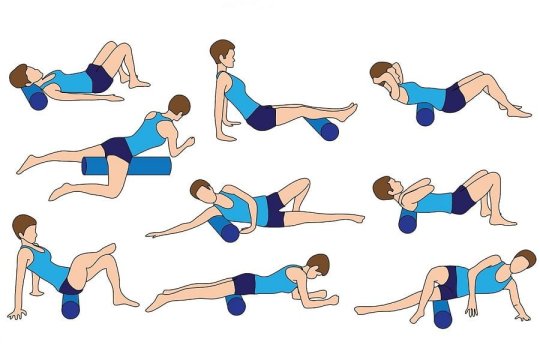
Foam-Roller-Exercises

The article in the link above explains how using a foam roller gives you deep tissue massage which in turn helps reduce pain and with detoxification.

The body has fascia or connective tissue throughout the body which helps with posture and structural integrity.  Nerves and lymph nodes, the source of pain sit on top of the fascia. Healthy fascia is smooth and flexible but becomes tight and rigid due to inflammation from Lyme/MSIDS.  This in turn causes stiffness, limited mobility, and pain.

Foam rolling not only helps fascia become more pliable, it causes oxygenation which boosts lymphatic drainage which in turn flushes out toxins, relieving pain.

The article explains about the different types of foam rollers and that beginners should start off with a softer roller.

Full body routine with Caroline Jordan

For more on detoxification:  https://madisonarealymesupportgroup.com/2019/07/23/the-science-of-detoxification-how-to-boost-your-natural-detox-powers/

https://madisonarealymesupportgroup.com/2019/01/07/your-liver-is-your-detox-organ-heres-why-how-to-support-it/

More on pain management:  https://madisonarealymesupportgroup.com/2020/01/09/10-ways-to-ease-pain-in-patients-with-chronic-lyme/ Please see comment section as well.